

Anyone who flies often enough eventually stops treating a layover as dead time and starts treating it as a small, repeatable system. The habits below rarely come from a single bad experience; they come from dozens of them, refined into routines that frequent flyers now follow without thinking twice.
None of these require elite status or a lounge membership. Most come down to timing, positioning, and refusing to leave anything about a connection to chance.
Booking the Earliest Flight of the Day
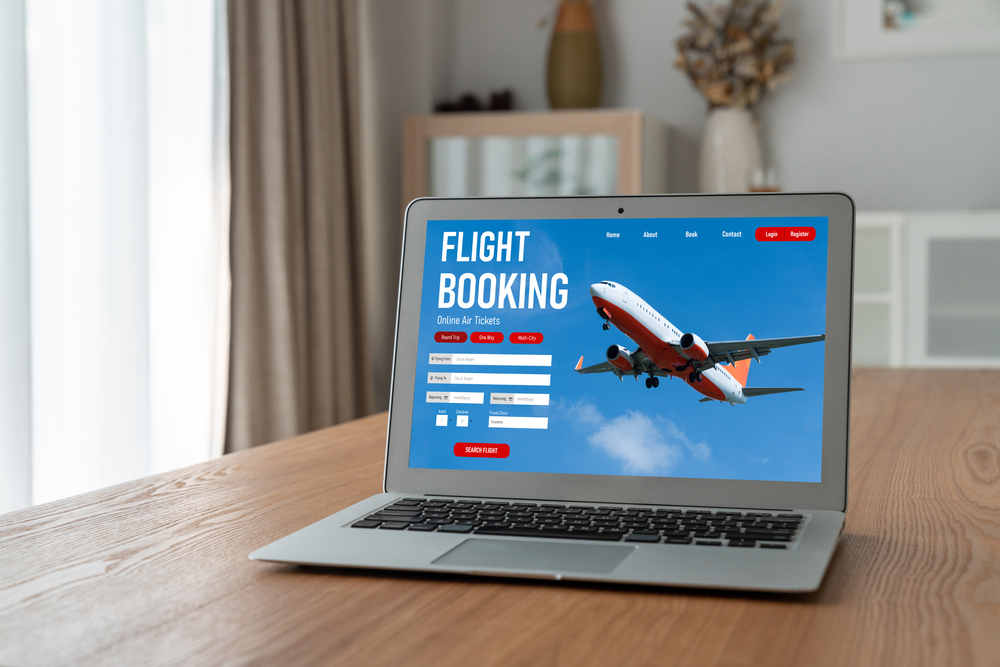
Frequent flyers favor the first departure whenever possible, since delays can compound as the day goes on and an early flight generally leaves more rebooking options than one discovered at 6 p.m., when many of the day’s flights are already full.
Checking the Incoming Aircraft’s Previous Flight

Before heading to the gate, experienced travelers check where their aircraft is arriving from, since a plane still in the air an hour before boarding can be an early signal of a delay.
Choosing a Connection Through a Hub With Multiple Backup Flights
Rather than routing through a smaller airport with one flight a day to the final destination, frequent flyers pick hubs where several backup options exist if the original connection is missed.
Padding Connection Time Beyond the Airline’s Minimum

The airline’s listed minimum connection time is the shortest standard window for making a particular connection, not a recommendation for how much breathing room a traveler should have, so frequent flyers routinely build in an extra thirty to sixty minutes when practical.
Screenshotting the Boarding Pass Before Losing Signal

Before boarding the first flight, seasoned travelers may screenshot their boarding passes when they are available, since airport Wi-Fi and cell service cannot always be relied on to pull up a digital pass again during a tight connection. They still check the live airline app for updated information when possible.
Sitting Near the Front of the Plane When a Tight Connection Is Booked
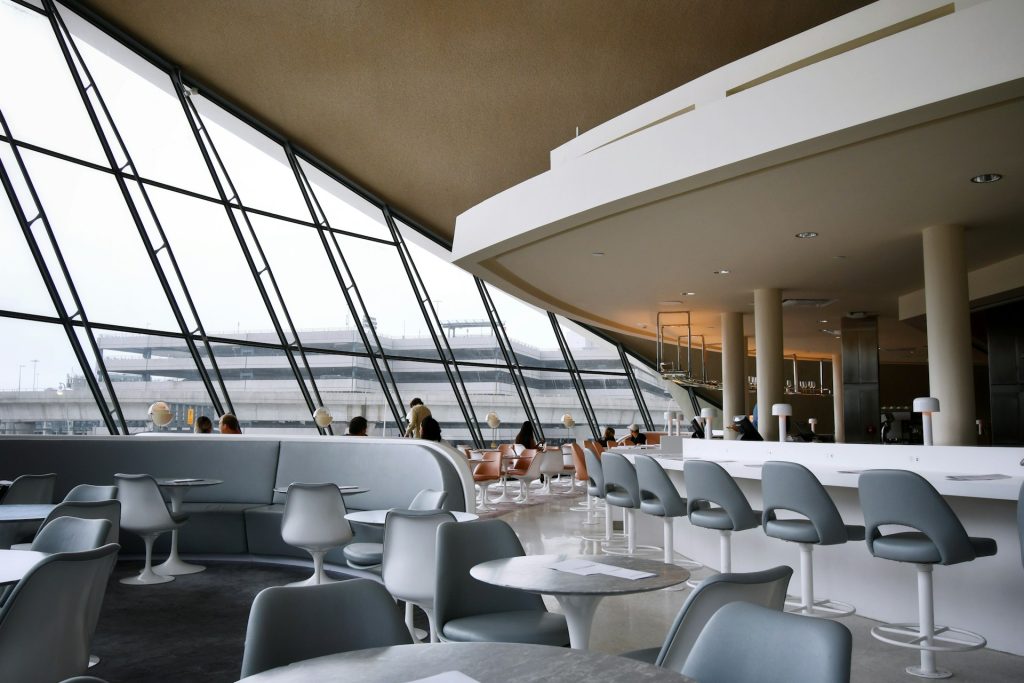
Frequent flyers with a short layover often choose or pay for a seat near the front of the cabin specifically to save the minutes lost waiting for the aisle to clear during deplaning.
Packing Only a Carry-On for Short Trips

Checked luggage adds a point of failure to any connection, since a bag can miss a transfer even when the passenger makes it, so frequent flyers traveling for two or three days typically avoid checking anything at all.
Downloading the Airline App Before Departure

Gate changes and delays often appear in an airline’s app before they are announced over the intercom, giving frequent flyers a head start on adjusting their plans before a crowd forms at the counter.
Identifying the Gate for the Next Flight Immediately After Landing

One of the first actions after landing is confirming the departure gate for the connecting flight, since gate assignments can change while a plane is still taxiing.
Avoiding the Restroom Line Near the Arrival Gate
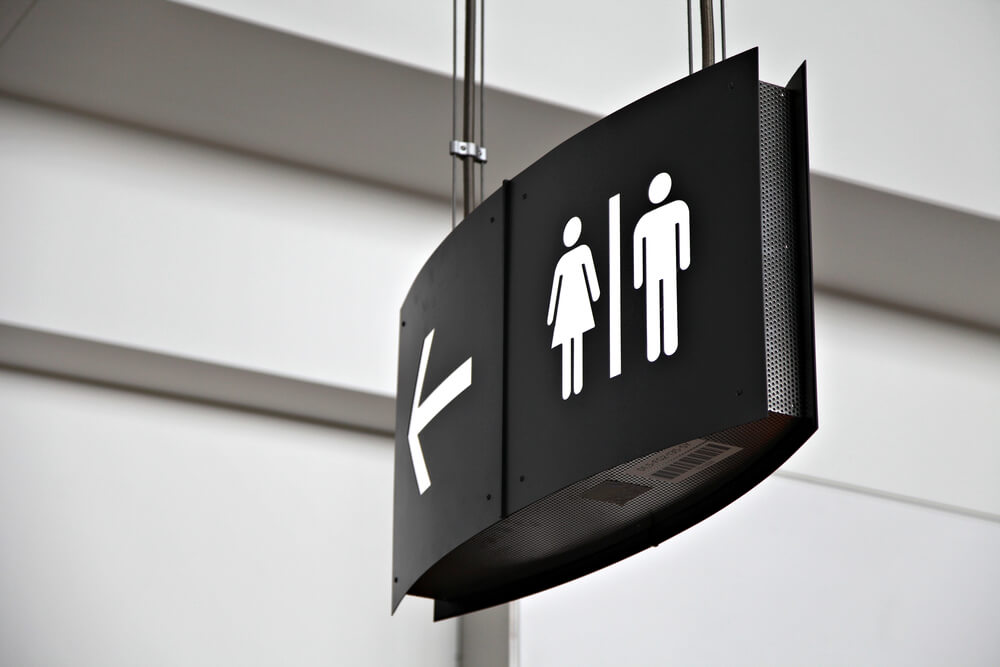
Frequent flyers know the restrooms closest to a busy arrival gate can get heavy traffic immediately after a flight lands, so many will walk one gate farther to find a shorter line during a tight connection.
Carrying a Portable Charger at All Times

A dead phone during a delay means no access to rebooking apps, gate updates, or hotel reservations, so a charged portable battery is treated as essential equipment rather than an optional accessory.
Knowing the Layout of Frequently Used Airports in Advance

Regular travelers through a specific hub tend to memorize which terminals connect directly and which require a shuttle or train, information that saves critical minutes during an already tight connection.
Calling the Airline Instead of Waiting in the Rebooking Line

When a flight gets canceled, experienced travelers may call the airline’s phone line rather than joining the growing line at the gate counter, since phone agents can sometimes provide rebooking options without the same wait.
Setting a Backup Hotel Search Before It Is Needed
During a significant weather delay, frequent flyers often start browsing nearby hotel availability well before a cancellation is confirmed, since rooms near the airport can fill quickly once an entire terminal of passengers needs one at the same time.
Choosing Refundable or Flexible Fares for Connections With Real Risk
On routes prone to weather delays or aircraft swaps, frequent flyers may accept a higher fare for the flexibility to rebook without a fee, treating the extra cost as insurance against a missed connection.
Packing a Compression Sleeve or Comfortable Shoes for Long Walks Between Terminals

Some airports require walks of fifteen minutes or more between terminals, and frequent flyers who fly through them regularly dress for that walk rather than for the flight itself.
Bringing an Empty Water Bottle Through Security

Refilling a bottle after the security checkpoint avoids the cost and inconvenience of buying water at a gate kiosk, and many terminals have refill stations built into or near water fountains.
Avoiding the First and Last Flights of Holiday Travel Days
Frequent flyers sometimes avoid the very first and very last departures on major holiday travel dates, since disruptions on those flights can leave fewer alternatives later in the day.
Keeping a Change of Clothes in the Carry-On

An overnight delay is far more manageable with a spare shirt and basic toiletries already packed, a habit that often comes from having been caught without them at least once.
Tracking Weather at the Connecting Airport, Not Just the Origin
Checking the forecast only for the departure city misses potential problems at the hub, where weather can affect the connection hours before the traveler even arrives there.
Choosing a Seat Assignment Near the Aisle for Short Connections

An aisle seat allows a faster exit than a window seat when every minute matters, and frequent flyers with a tight connection will often pay a small fee to secure one.
Avoiding Overhead Bin Disputes by Boarding Strategically

Travelers with a tight connection may board as early as their group allows specifically to improve their chances of finding overhead space near their seat, reducing the possibility of having a bag gate-checked at the last minute.
Memorizing the Rebooking Policy of a Preferred Airline

Frequent flyers with loyalty to a specific carrier tend to know that airline’s delay and rebooking rules well enough to advocate for themselves at the counter rather than accepting the first option offered.
Choosing Connections With a Train or Moving Walkway Between Terminals

When two similar routing options exist, frequent flyers often pick the one with a straightforward terminal transfer, such as a train or moving walkway, rather than one that requires a potentially slower or less predictable ground transfer.
Building a Personal List of Reliable Backup Airports

Travelers who fly a specific region often enough know which secondary airports offer viable backup options if their primary route gets disrupted, and they research those alternatives before ever needing them.
Avoiding a Checked Bag on the Last Flight of a Multi-Leg Trip
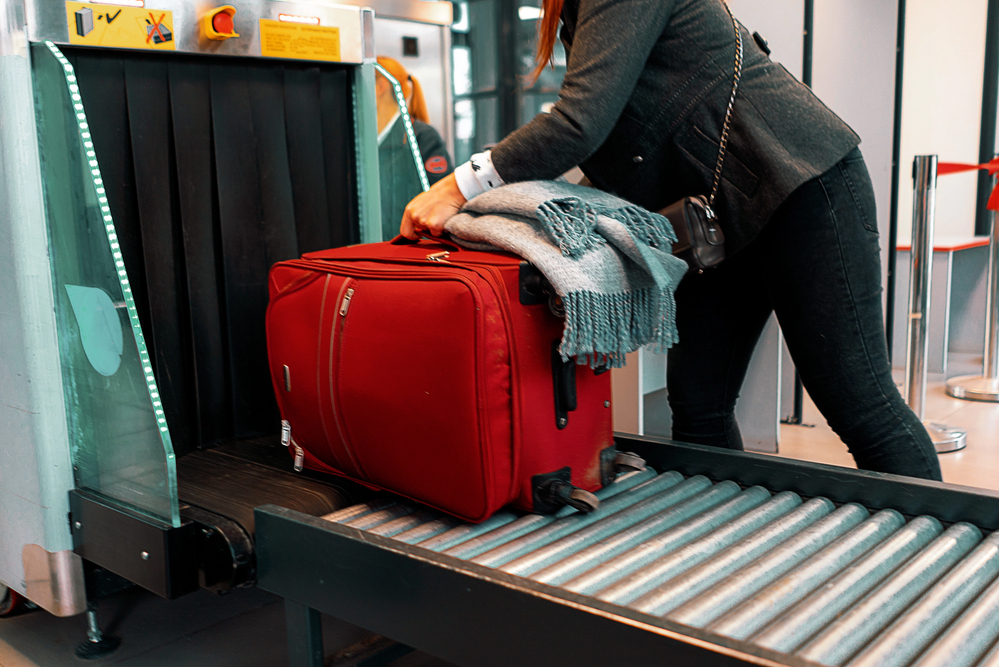
When the itinerary allows it, frequent flyers may avoid checking a bag on the final leg, since traveling carry-on only makes it easier to handle a tight connection or unexpected change without waiting for checked luggage.
Arriving at the Gate Before Boarding Begins, Not After

Skipping a nearby coffee shop or restaurant becomes routine once a traveler has been rebooked to a middle seat too many times for arriving late to a boarding gate.
Keeping Copies of Travel Documents in Multiple Places

Frequent international travelers keep photos of passports and visas stored separately from the physical documents, a habit built from the inconvenience of a lost or stolen bag during a connection.
Avoiding Connections That Change Airports in the Same City

Some cities operate multiple airports, and a routing that requires switching between them mid-trip is treated as a red flag by frequent flyers, since the transfer time between city airports can be difficult to predict.
Usingc to Pre-Plan the Fastest Route to the Next Gate

Rather than figuring out the route in real time, seasoned travelers often check an airport’s terminal map before landing so they already know the likely path the moment the doors open.
Keeping Snacks on Hand Rather Than Relying on Gate Food

A delayed connection often means missing a proper meal entirely, so frequent flyers carry snacks specifically to avoid being dependent on whatever happens to be open near the gate during a delay.
Avoiding Tight Connections on the Last Flight of the Night

A missed final connection of the day usually means an unplanned overnight stay, so frequent flyers build extra buffer time specifically into the last leg of any itinerary that ends late in the evening.
Treating Every Layover as a Chance to Reset

Rather than rushing through a layover with irritation, experienced travelers use the time deliberately, stretching, eating a real meal, or simply sitting still, treating the pause as part of the trip rather than an obstacle to it.
The System Behind the Habit

None of these habits look impressive in isolation. A padded connection time, a downloaded app, a spare shirt in a carry-on, each one is a small hedge against a version of travel that rarely goes exactly as planned.
What separates a frequent flyer from an occasional one is not luck; it is the accumulation of these small corrections, built one bad layover at a time until the system runs quietly in the background of every trip that follows.
More from Travel Pug

- Underrated Italian Towns That Beat the Tourist Crowds
- Las Vegas Tourist Traps to Skip
- Prettiest Towns in Every US State
- 18 passport-free countries for Americans
- Signs Your Cruise Is Not Worth The Cost
Like Travel Pug’s content? Follow us on MSN.