

Nightlife areas rarely decline overnight. More often, a neighborhood, street, square, or waterfront develops a reputation through a particular mix of local culture, independent venues, affordable rents, and spontaneous social energy.
Success then attracts larger crowds, tourism, rising rents, and increasingly standardized businesses. The original scene may not disappear entirely, but the experience that built the area’s reputation can become harder to find.
Some famous nightlife destinations continue to attract enormous crowds while offering an experience shaped more by their past reputation than by the scene that originally made them notable. These 27 areas illustrate how commercialization, changing tourism patterns, and rising costs can gradually alter a nightlife destination’s character.
Bourbon Street, New Orleans, USA
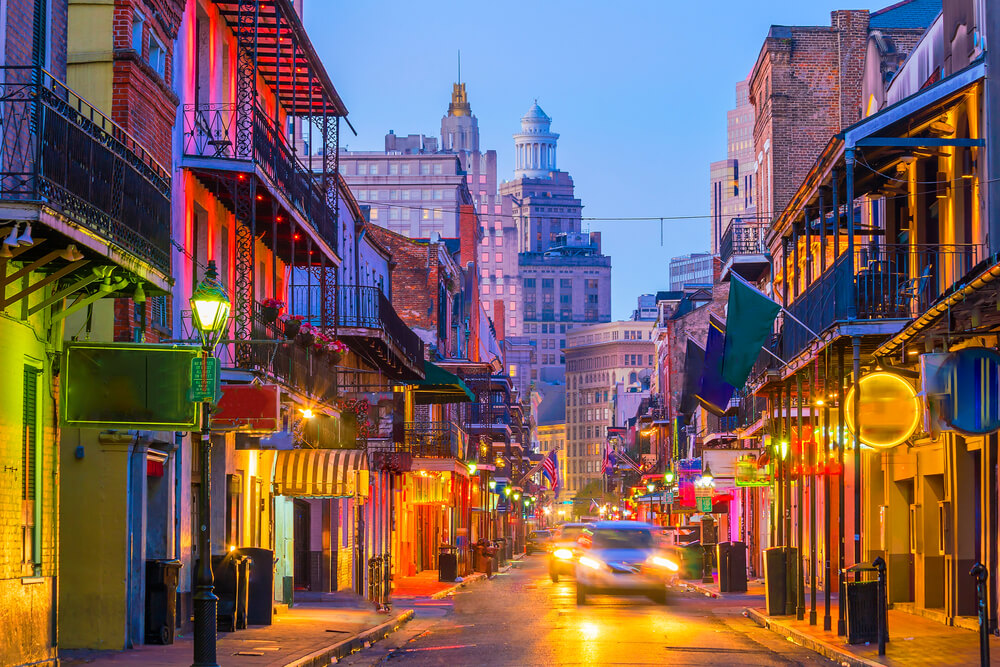
Bourbon Street remains one of America’s most famous nightlife destinations, but its contemporary identity is heavily shaped by tourism. Daiquiri bars, souvenir shops, large entertainment venues, and party-focused crowds dominate much of the street, while many visitors seeking live jazz, blues, and a more locally rooted music scene explore Frenchmen Street, the Marigny, and other parts of the city.
Bourbon Street still has energy, but it no longer represents the full range of New Orleans nightlife.
Patpong, Bangkok, Thailand
— Photo by PongMoji
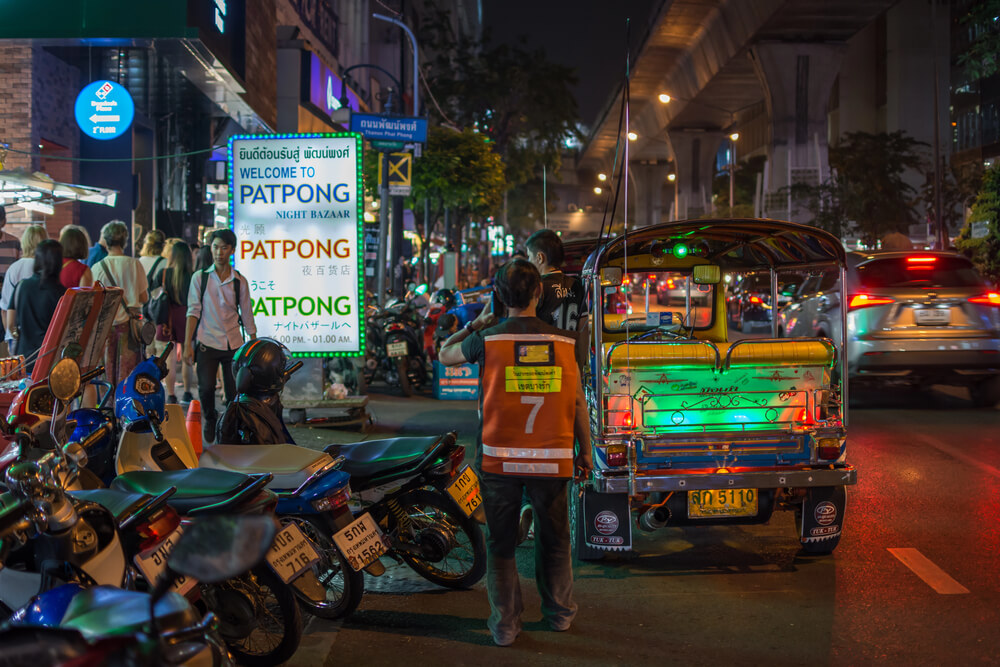
Patpong remains internationally known for its night market and adult-entertainment venues, but its influence has changed considerably over the decades. Bangkok’s nightlife has expanded across Sukhumvit, Thonglor, Ekkamai, Ari, and other neighborhoods, giving visitors far more options than the city had when Patpong became internationally famous.
Its reputation survives, although it no longer occupies the same central position in Bangkok’s broader nightlife landscape.
Pub Street, Siem Reap, Cambodia
— Photo by Fotoember
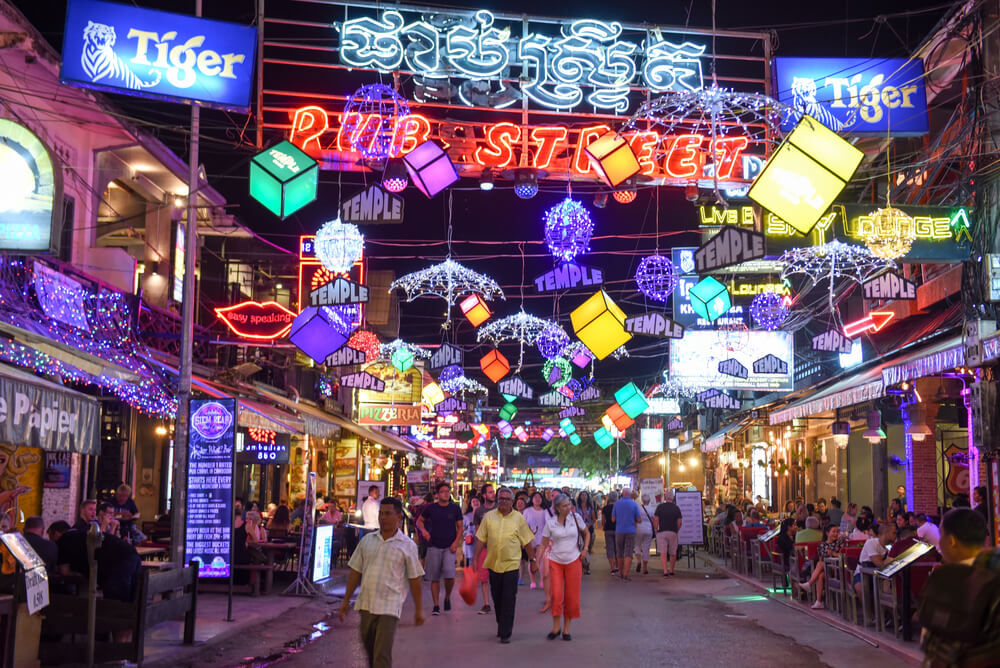
Pub Street became a major backpacker destination as Siem Reap’s tourism industry expanded around Angkor Archaeological Park. Today, the area remains busy, but its concentration of bars, restaurants, souvenir shops, and tourist-oriented entertainment can make it feel increasingly standardized.
Travelers looking for quieter dining or a different side of Siem Reap often venture beyond the main nightlife zone.
Khao San Road, Bangkok, Thailand
— Photo by roanworks
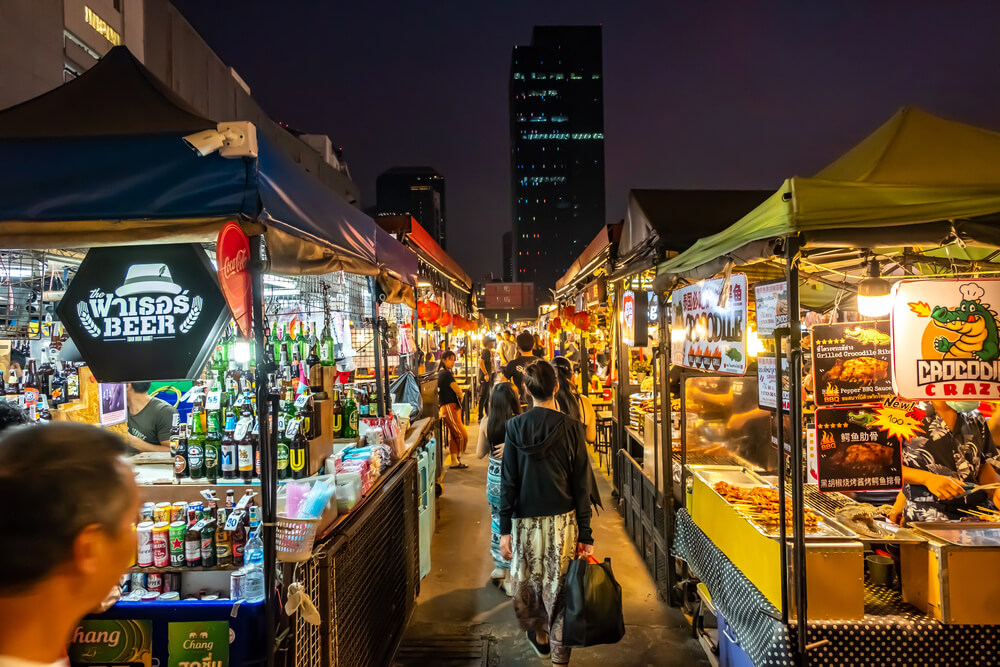
Khao San Road remains a famous stop for backpackers, but its character has changed repeatedly as Bangkok’s tourism industry has evolved. Renovations, commercial development, changing regulations, and the growth of other nightlife districts have altered the chaotic atmosphere that once defined the street.
It is still lively, but visitors expecting the legendary backpacker environment described in decades-old travel stories may find a more polished and commercial experience.
Beale Street, Memphis, USA
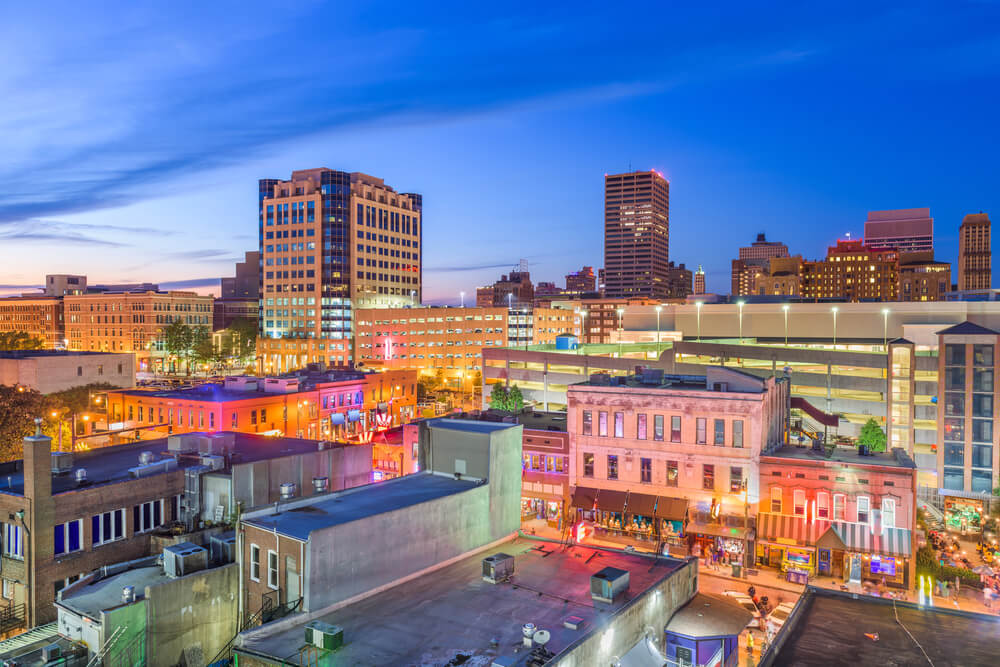
Beale Street remains an important destination for live music and blues, but its historic reputation can create expectations that the entire street functions as an organic local music scene. Today, tourism plays a major role in its economy, and the entertainment district is carefully managed and heavily geared toward visitors.
The street still offers live music, but Memphis’s musical culture extends far beyond its most famous nightlife address.
San Antonio’s West End, Ibiza, Spain
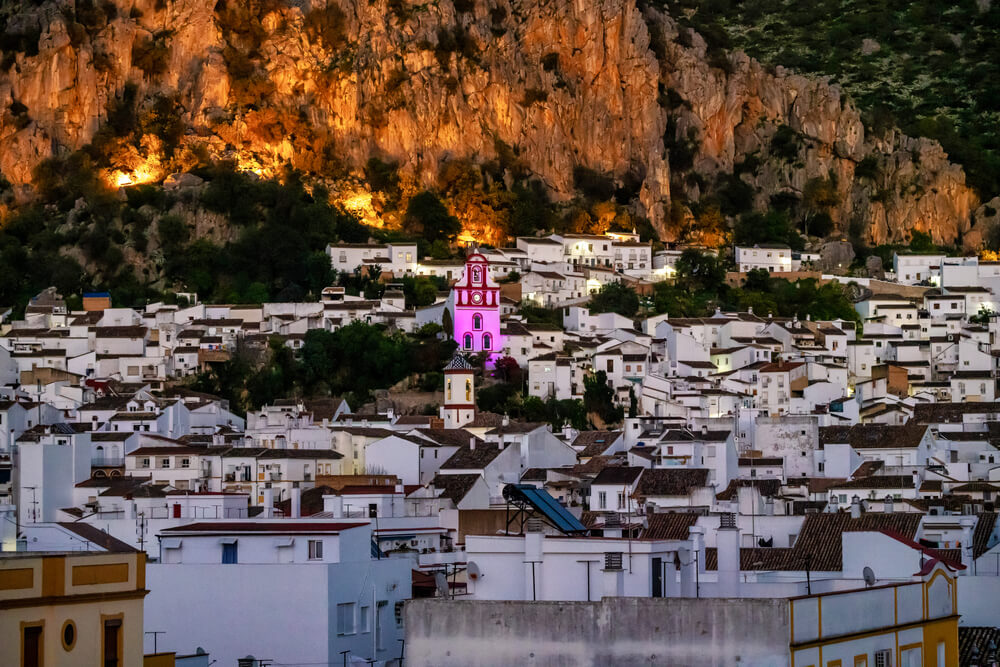
San Antonio’s West End remains a major nightlife area, but Ibiza’s club culture has become increasingly diversified. Visitors seeking major clubs, upscale venues, electronic music events, or beach clubs now spread across several parts of the island.
The West End continues to attract a younger, budget-conscious party crowd, but it no longer represents the entire Ibiza nightlife experience.
Stone Town Waterfront, Zanzibar, Tanzania
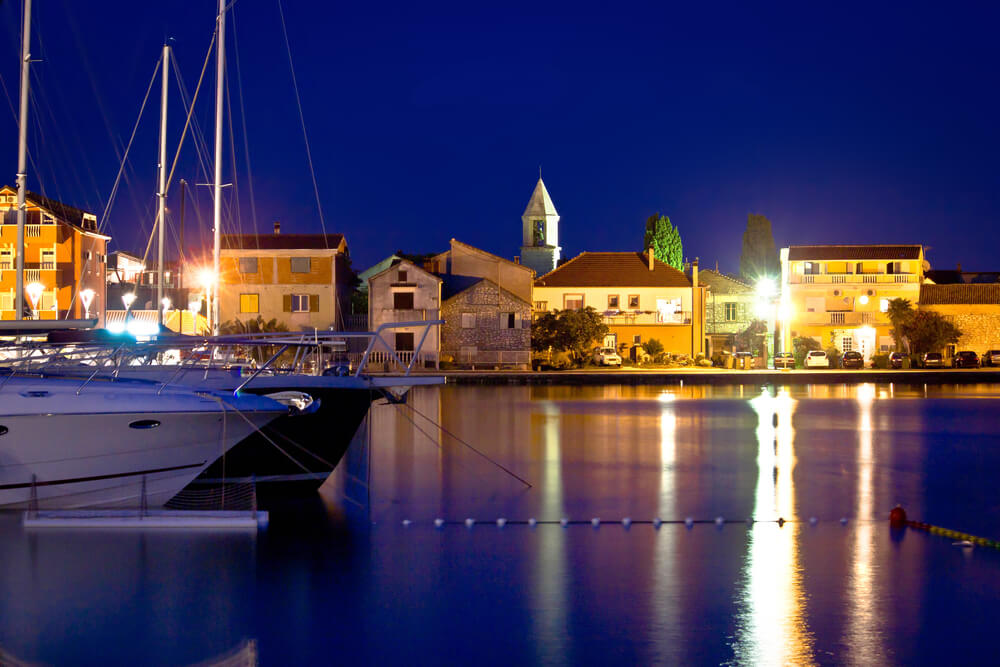
Stone Town’s waterfront remains a popular evening destination, particularly around its restaurants, hotels, and public gathering spaces. As tourism has grown, however, many parts of the waterfront have become increasingly oriented toward visitors.
The historic setting remains compelling, but travelers expecting an untouched bohemian nightlife scene may encounter a more curated mix of dining, tourism, and entertainment.
Angkor Night Market Area, Siem Reap, Cambodia
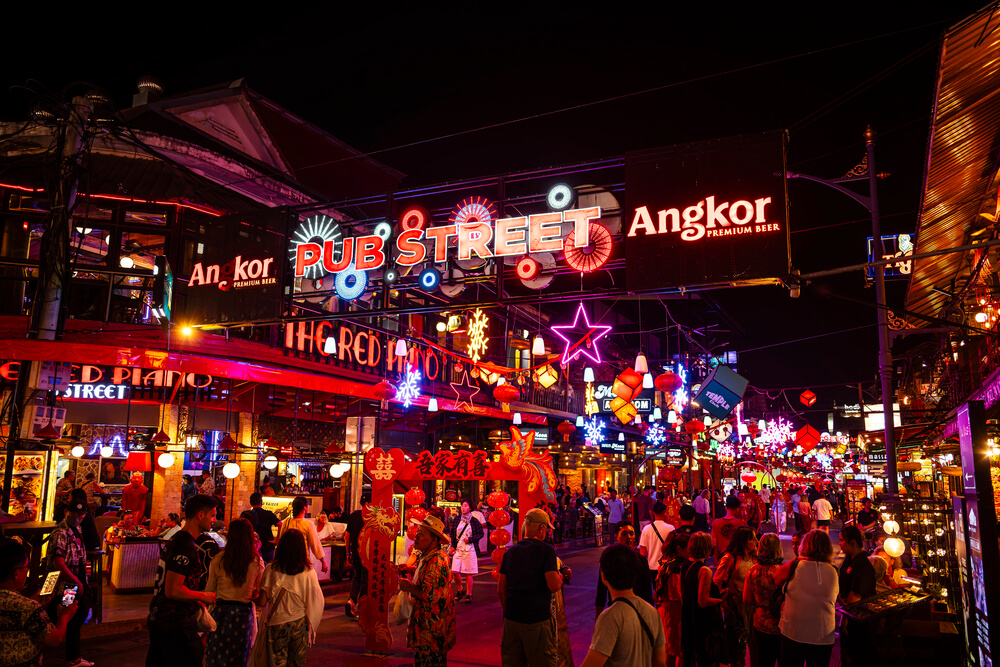
— Photo by mehdi33300
The Angkor Night Market and surrounding entertainment area grew alongside Siem Reap’s international tourism boom. The district remains convenient and lively, but its shopping and nightlife increasingly resemble tourist-oriented market areas found elsewhere in Southeast Asia.
Visitors seeking local bars, restaurants, or quieter evening experiences can find alternatives outside the main tourist zone.
Dahab’s Beachfront Bar Scene, Egypt

Dahab retains a relaxed atmosphere and remains popular with divers, backpackers, and travelers seeking a slower alternative to larger Red Sea resorts. However, its growth as a tourism destination has changed parts of the beachfront, where restaurants and cafés now cater heavily to visitors.
The town still has a laid-back appeal, but the barefoot, low-key atmosphere associated with its earlier reputation has evolved.
Anjuna, Goa, India
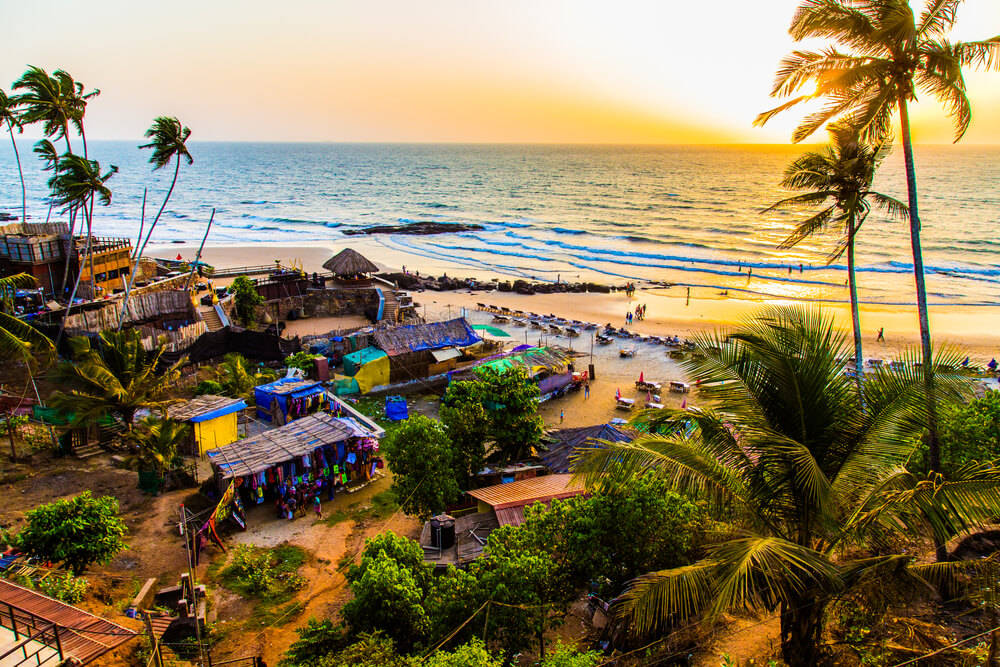
Anjuna remains associated with Goa’s countercultural and electronic-music history, but tourism development has transformed the area over several decades. Hotels, restaurants, beach clubs, and organized events now coexist with remnants of the alternative culture that made the destination famous.
The parties continue, but visitors looking for the Goa described in stories from the 1980s and 1990s may encounter a much more commercialized environment.
Lapa, Rio de Janeiro, Brazil
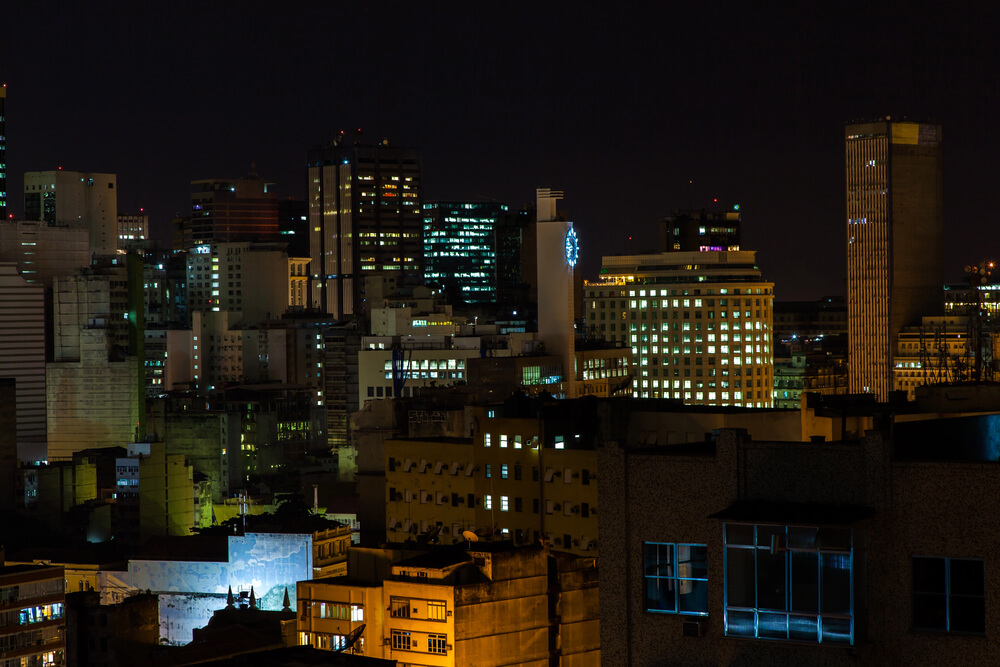
Lapa remains one of Rio’s best-known nightlife districts, with samba, live music, bars, and crowds gathering around its historic streets and arches. At the same time, the area’s nightlife has changed as tourism, rising costs, redevelopment, and shifting entertainment trends have affected the neighborhood.
Lapa still has substantial energy, but its reputation as an emerging bohemian scene belongs largely to an earlier era.
Prague’s Old Town Nightlife Area, Czech Republic
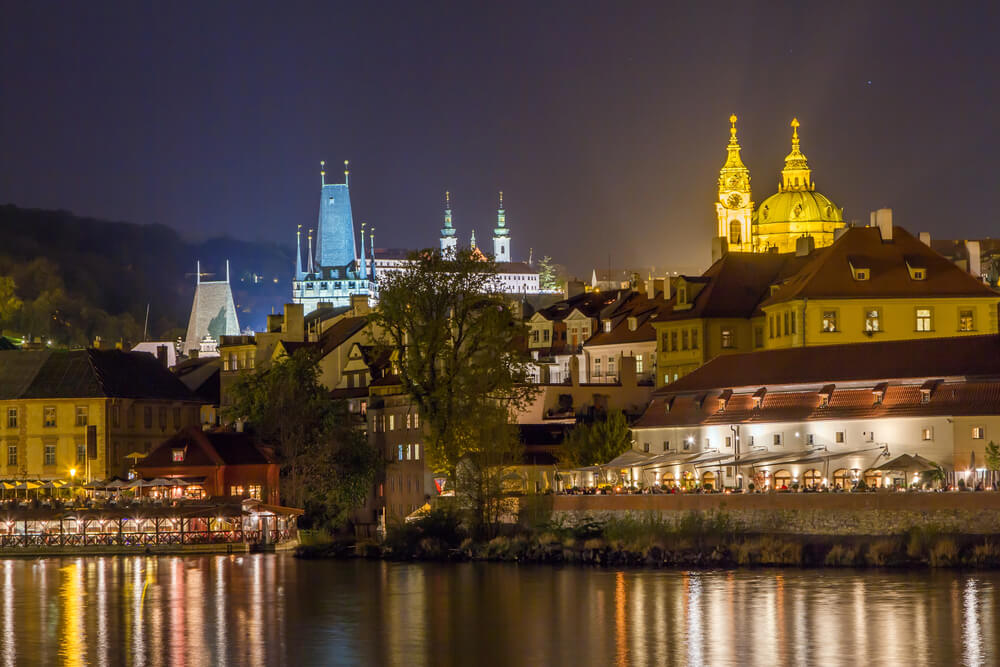
Prague’s Old Town remains packed with bars and nightlife venues, but its central location has made it increasingly dependent on international tourism. Traditional pubs now coexist with large bars, themed venues, and businesses designed around short-term visitors.
Travelers seeking a more neighborhood-oriented nightlife experience often explore districts beyond the historic center.
Budapest’s Ruin Bar District, Hungary
— Photo by kvickys
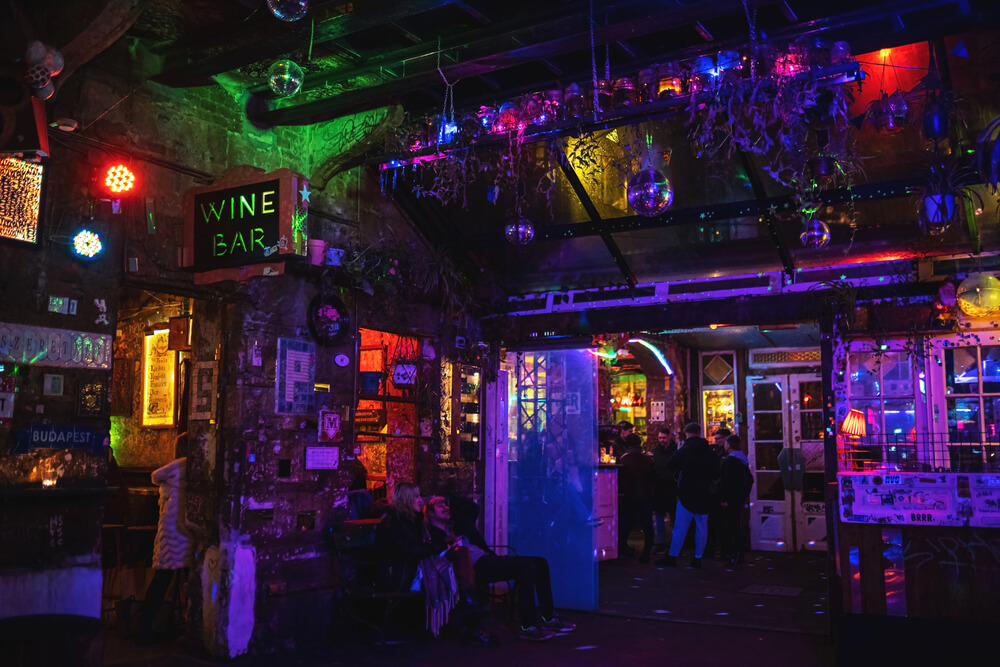
Budapest’s ruin bars began as creative uses of abandoned and deteriorating buildings, helping establish a distinctive alternative nightlife identity. As the concept became internationally famous, the best-known venues became major tourist attractions.
Some still retain their eccentric design and social appeal, but queues, organized tours, and high visitor numbers have changed the spontaneous atmosphere associated with the movement’s earlier years.
Barcelona’s Gothic Quarter, Spain
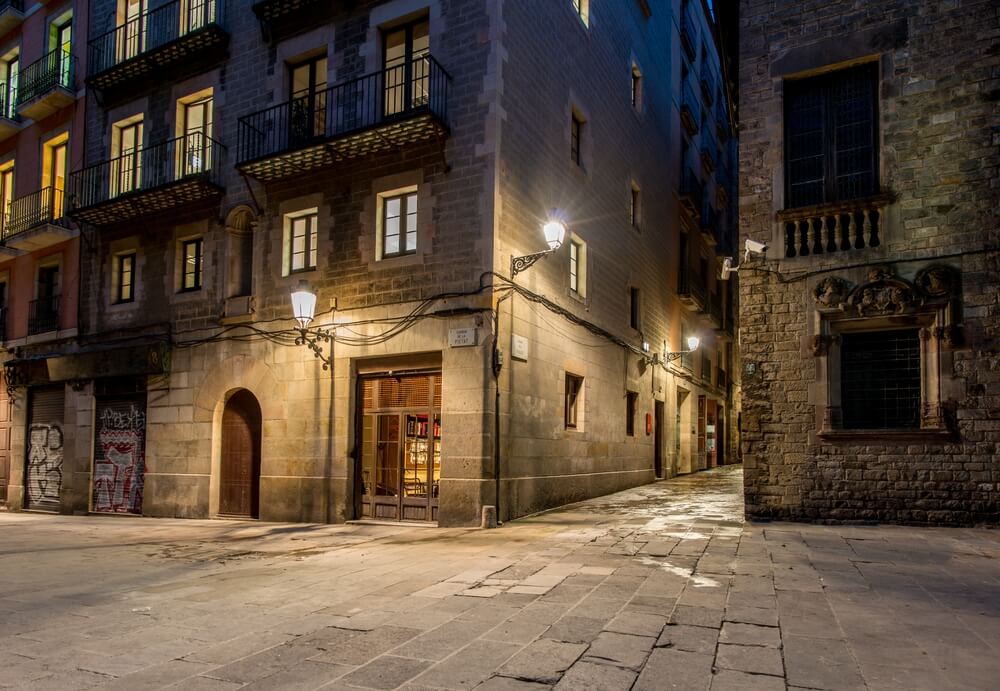
The Gothic Quarter remains visually dramatic and full of bars, but tourism has transformed much of its nightlife economy. The neighborhood’s narrow streets now support numerous visitor-oriented venues, while Barcelona’s nightlife extends across areas such as El Born, Gràcia, Poble-sec, and other districts.
The Gothic Quarter remains busy after dark, although its central location has changed the balance between local and tourist nightlife.
Puerta del Sol Area, Madrid, Spain
— Photo by lucidwaters
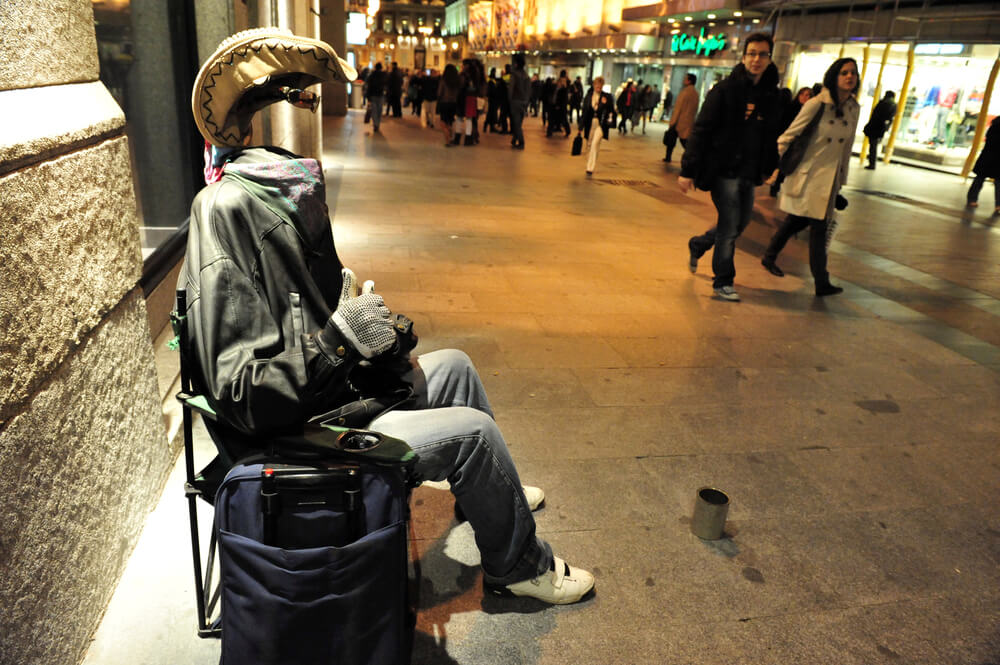
The area around Puerta del Sol remains one of Madrid’s busiest meeting points, but its central location has made it increasingly focused on tourism, shopping, and large commercial venues. Madrid’s nightlife remains extensive, with neighborhoods such as Malasaña, Chueca, Lavapiés, and La Latina offering different atmospheres.
Sol is still active, but it no longer defines the city’s nightlife in the way its location might suggest.
Leidseplein, Amsterdam, Netherlands
— Photo by gianliguori
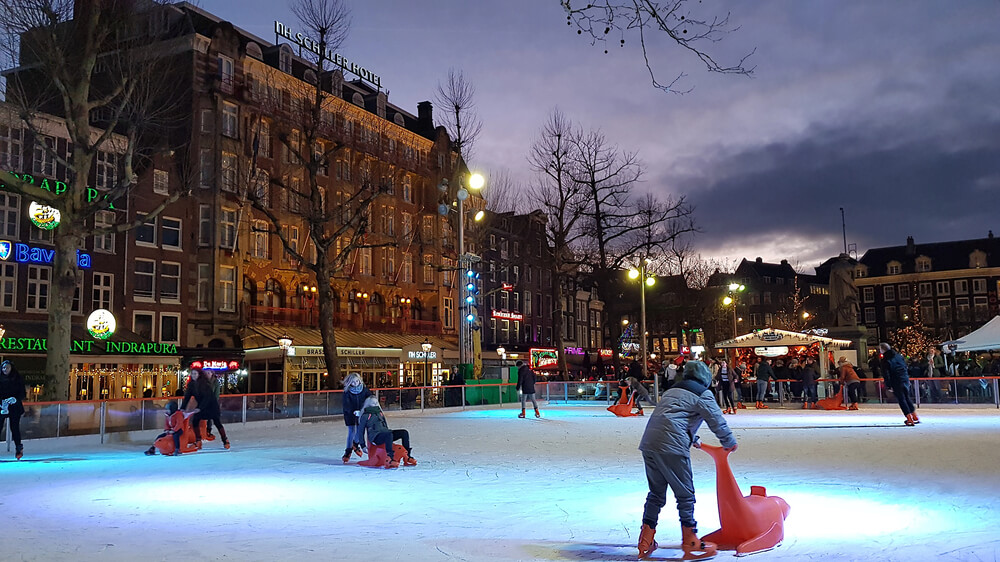
Leidseplein remains one of Amsterdam’s best-known entertainment squares, with theaters, clubs, bars, and restaurants surrounding the area. Its popularity has also made it heavily commercial and tourist-oriented.
Travelers looking for smaller bars, independent venues, and neighborhood nightlife increasingly explore other parts of Amsterdam.
Sukhumvit’s Older Party Sois, Bangkok, Thailand
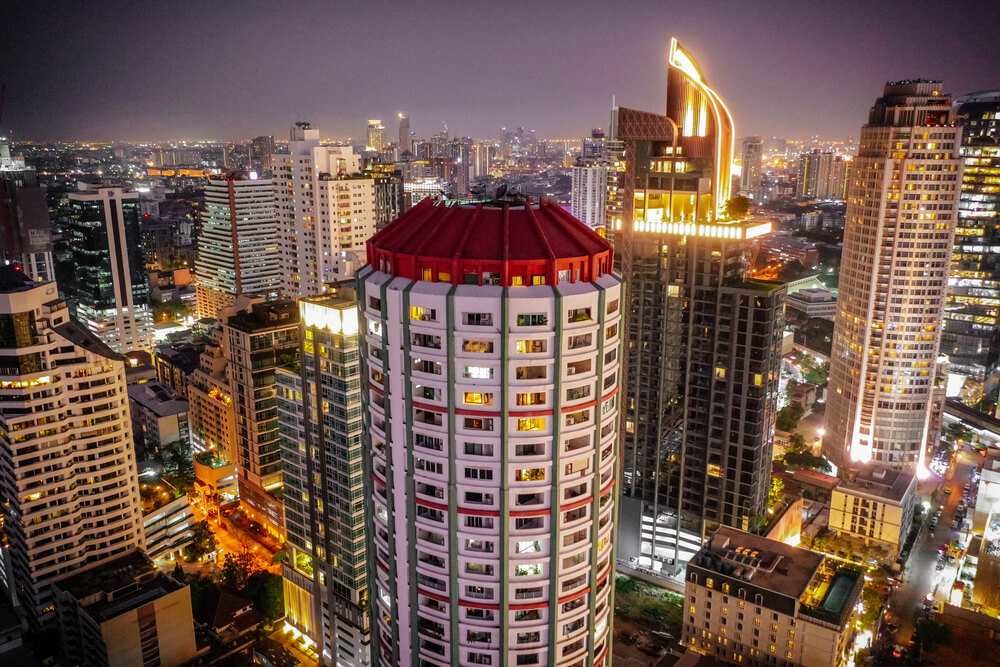
Several Sukhumvit sois became internationally known for nightlife during Bangkok’s tourism boom, but the area’s entertainment landscape has continued to evolve. Newer districts and changing visitor preferences have created competition for older nightlife corridors.
Some remain active, but their reputations often reflect an earlier era of Bangkok tourism.
Kreuzberg, Berlin, Germany
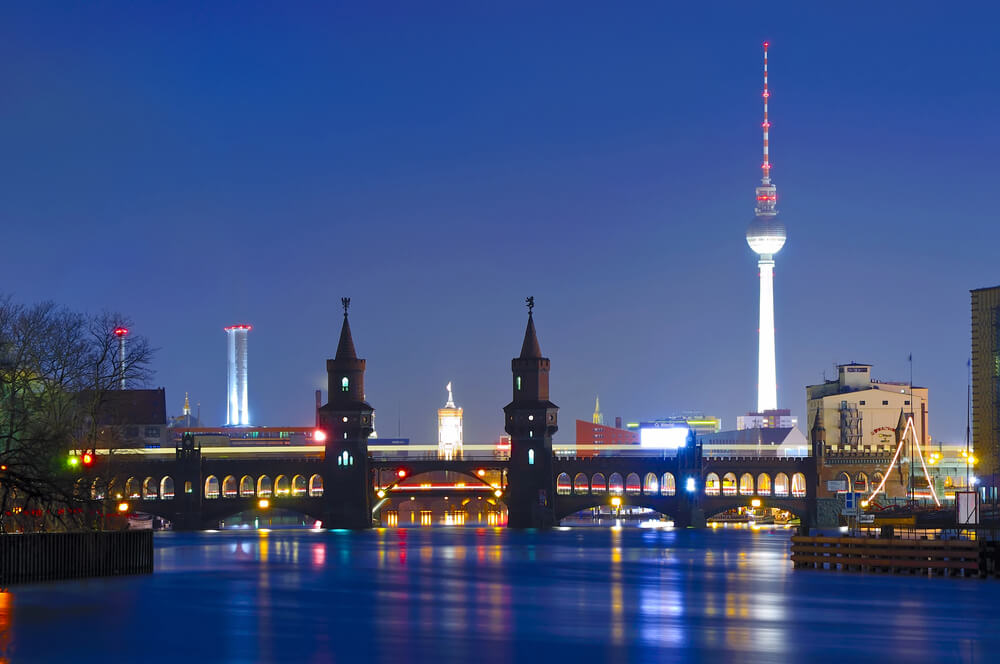
Kreuzberg remains culturally important and continues to support bars, music venues, and alternative spaces, but rising rents and redevelopment have changed the conditions that helped establish its reputation. The district’s punk, immigrant, artistic, and alternative identity has not disappeared, although the affordability and underground character associated with earlier decades have become harder to sustain.
Vila Madalena, São Paulo, Brazil
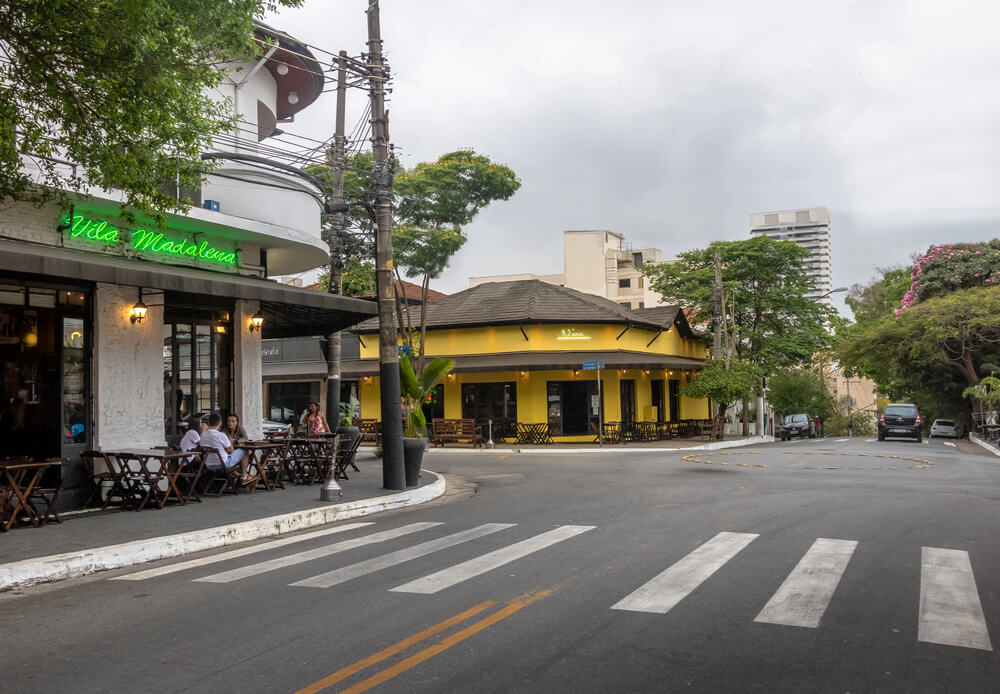
— Photo by diegograndi
Vila Madalena remains a popular destination for bars, restaurants, and nightlife, but its bohemian reputation has helped drive the development that changed the neighborhood. Rising property values and increasingly polished businesses have altered parts of the area’s character.
The district still attracts nightlife crowds, though its earlier countercultural identity now shares space with a more affluent entertainment economy.
Miami Beach’s South Beach, USA
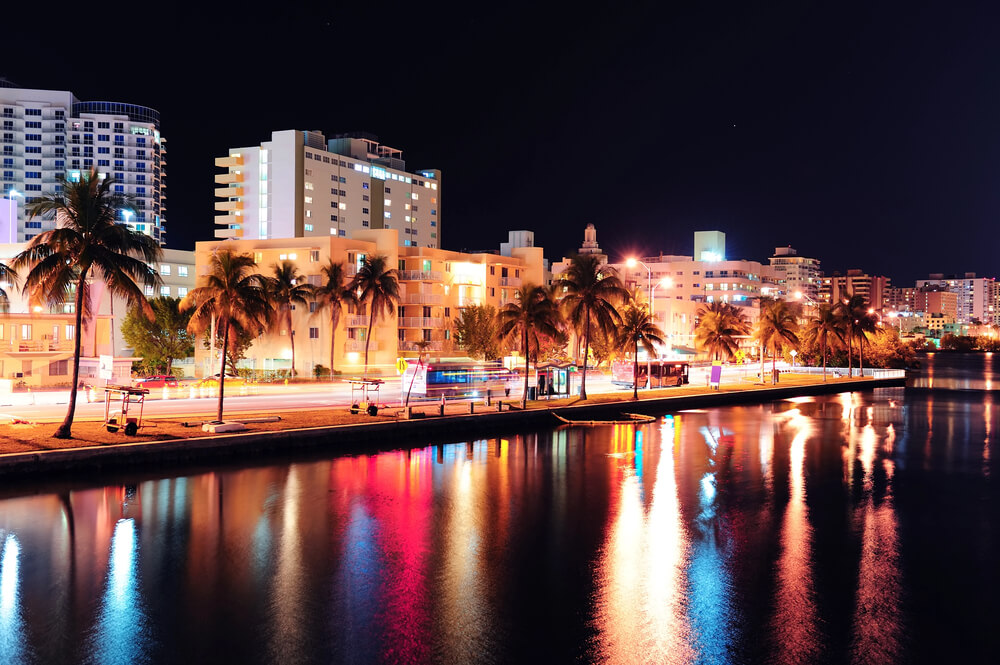
South Beach remains internationally famous for nightlife, hotels, and entertainment, but its identity has shifted repeatedly since its late-20th-century cultural revival. High-end hotels, restaurants, luxury retail, and rising costs have changed the accessibility and atmosphere of the area.
The nightlife remains active, but the countercultural and club-focused energy associated with earlier decades is only one part of today’s South Beach.
Roppongi, Tokyo, Japan
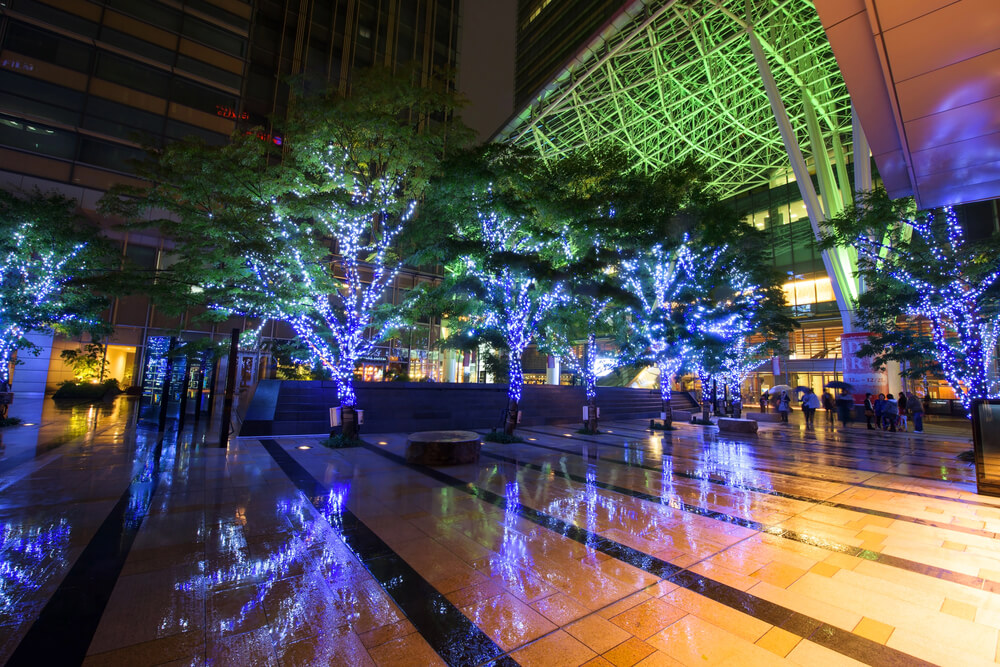
Roppongi remains one of Tokyo’s best-known nightlife districts, particularly among international visitors. However, its reputation as the default destination for foreigners can overshadow Tokyo’s increasingly diverse nightlife scene.
Areas such as Shibuya, Shinjuku, Koenji, Shimokitazawa, Ebisu, and other neighborhoods offer different music, bar, and late-night experiences. Roppongi is still active, but its reputation increasingly reflects familiarity rather than exclusivity.
Nana Plaza Area, Bangkok, Thailand
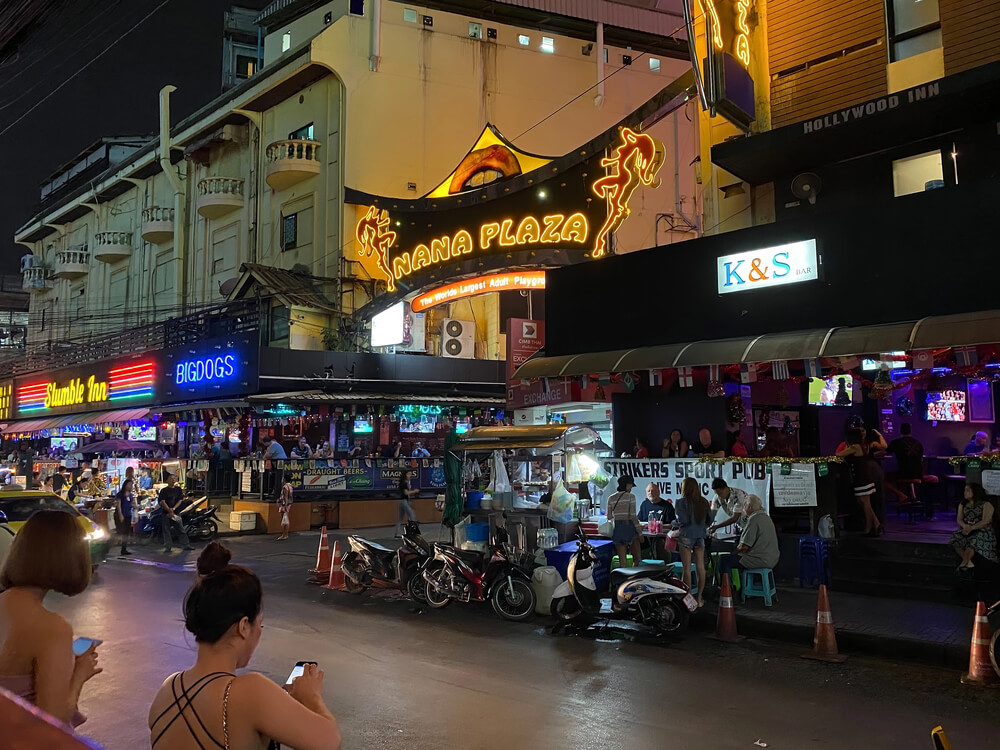
— Photo by pressdigital
Nana Plaza remains internationally associated with Bangkok’s adult-entertainment industry, but Bangkok’s tourism and nightlife identities have broadened considerably. Younger visitors increasingly seek rooftop bars, live music, night markets, electronic music venues, and neighborhood bars elsewhere in the city.
The area remains active within its particular niche, but it no longer represents Bangkok nightlife as broadly as its international reputation might suggest.
Makati Nightlife Areas, Manila, Philippines
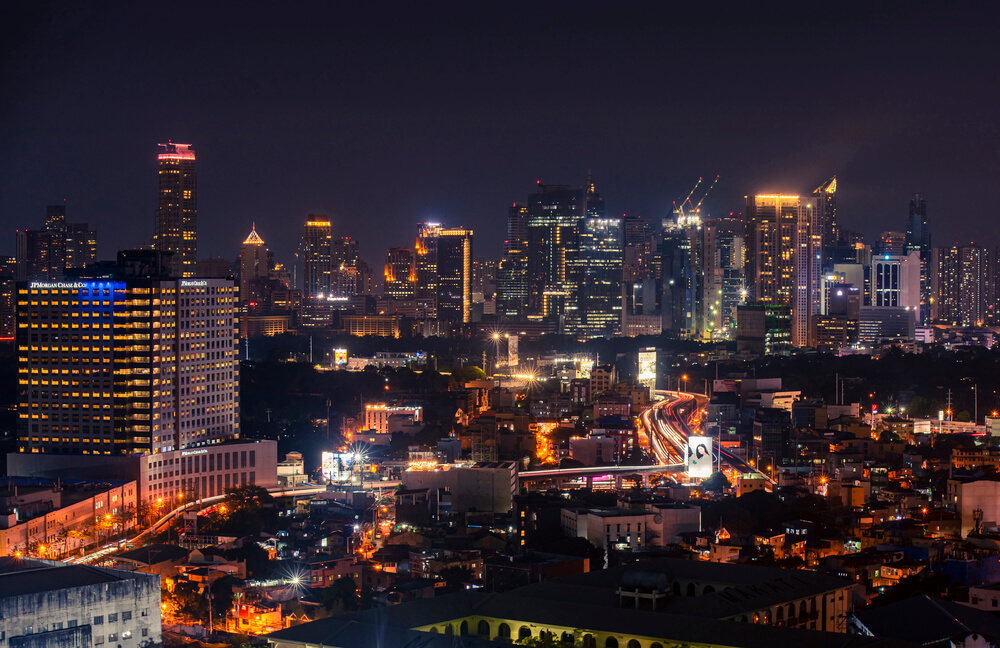
— Photo by MikeEdwards
Makati remains an important nightlife destination, particularly around areas such as Poblacion and other entertainment zones. However, the broader nightlife landscape of Metro Manila has become increasingly decentralized, with Bonifacio Global City, Quezon City, and other areas developing their own distinct scenes.
Makati remains busy after dark, but its reputation as the singular center of Manila nightlife no longer reflects the city’s wider options.
Lan Kwai Fong, Hong Kong
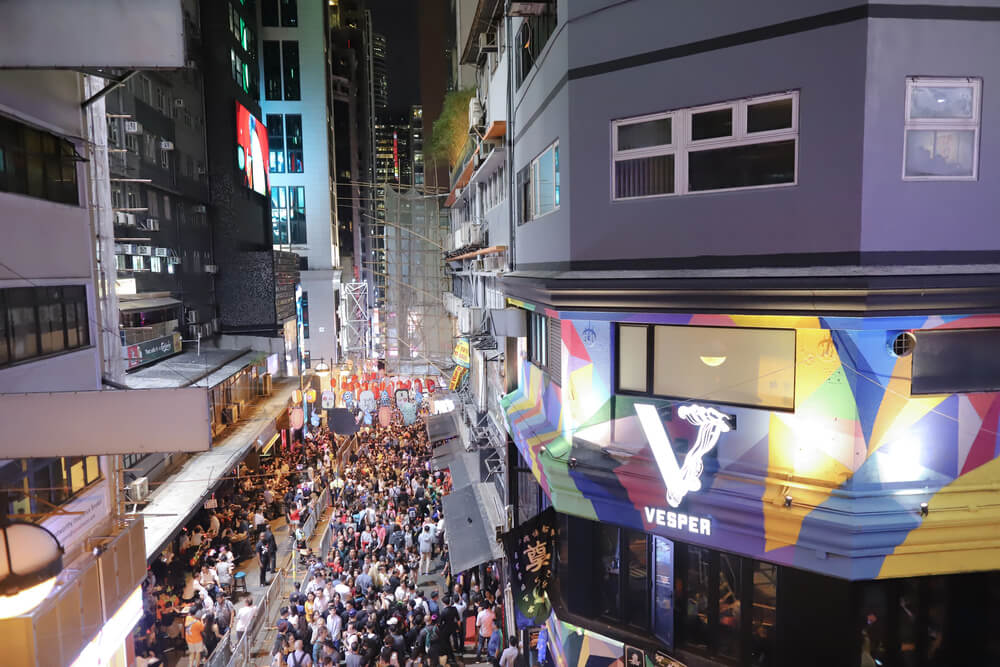
— Photo by seaonweb
Lan Kwai Fong remains one of Hong Kong’s most recognizable nightlife destinations, but its reputation as the city’s essential party district has been challenged by changing entertainment trends, rising costs, and the growth of other bar and restaurant neighborhoods. The area remains busy, particularly on weekends and major holidays, but visitors looking for smaller or more specialized venues now have far more choices elsewhere.
Old Town, Phuket, Thailand
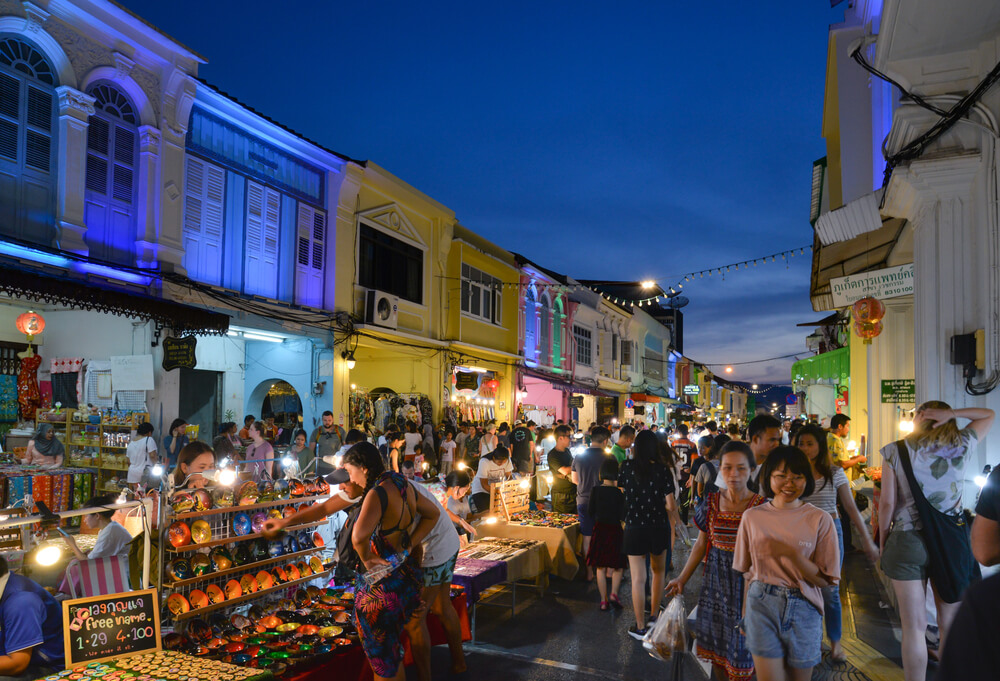
— Photo by niradj
Phuket’s Old Town has become increasingly popular for restaurants, bars, cafés, and evening tourism. Its growth has also brought a more curated and visitor-oriented atmosphere to parts of the district.
The neighborhood remains attractive and historically distinctive, but its nightlife appeal increasingly reflects tourism development rather than an underground or emerging local scene.
Frenchmen Street, New Orleans, USA
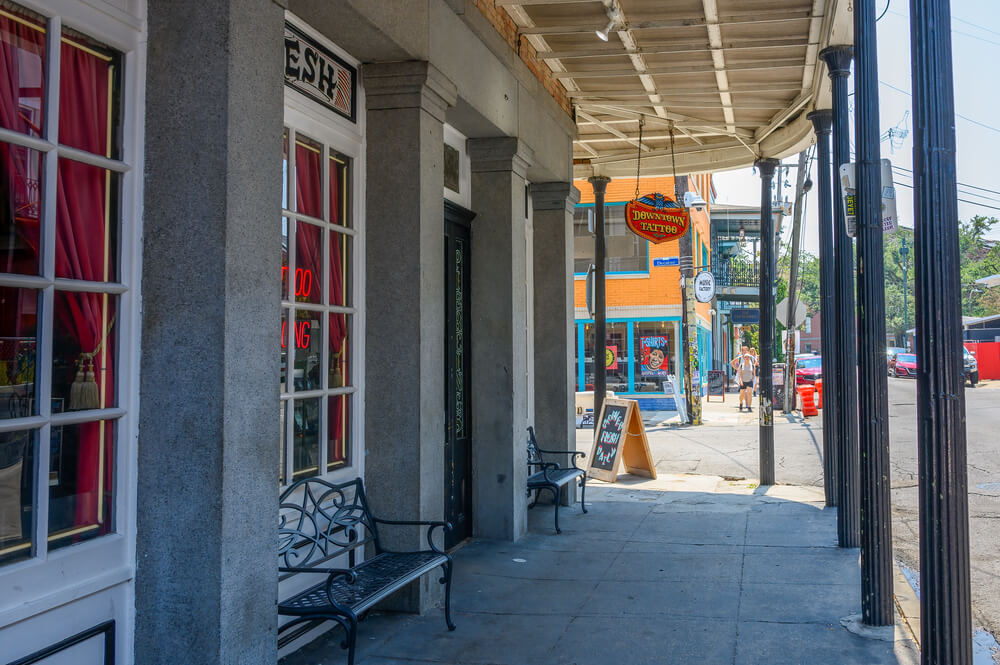
— Photo by WAMorgan
Frenchmen Street became widely known as an alternative to Bourbon Street because of its concentration of live music venues and a more relaxed atmosphere. Its popularity has also brought larger crowds and greater tourism attention.
The street still offers significant live music, but its growing fame means it can no longer be treated as a hidden alternative untouched by the same pressures affecting other famous nightlife destinations.
When Reputation Outlasts Vitality
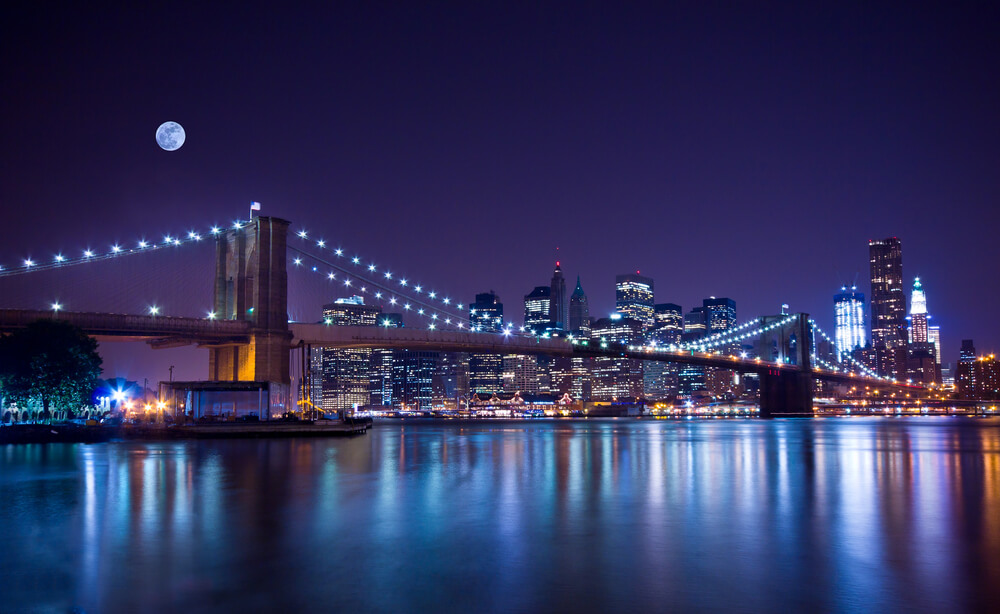
Nightlife destinations do not necessarily become bad when they become popular. In many cases, commercialization brings safer streets, more reliable businesses, improved infrastructure, and greater economic opportunity. The trade-off is that the conditions that created an area’s original reputation—cheap rents, independent venues, experimental businesses, and a predominantly local crowd—can become increasingly difficult to maintain.
What changes most is often expectation. A nightlife area may still be busy, entertaining, and worth visiting while no longer delivering the experience described in the stories, guidebooks, or travel memories that made it famous.
Reputation can outlast the specific moment that created it, leaving visitors to discover that the scene they came looking for has evolved, fragmented, or moved somewhere else.
More from Travel Pug

- Underrated Italian Towns That Beat the Tourist Crowds
- Las Vegas Tourist Traps to Skip
- Prettiest Towns in Every US State
- 18 passport-free countries for Americans
- Signs Your Cruise Is Not Worth The Cost
Like Travel Pug’s content? Follow us on MSN.