

Island destinations often command premium prices because limited land, transportation logistics, and strong tourism demand push up the cost of accommodations, dining, and activities. But the most famous island isn’t always the best value.
In many cases, a nearby island, coastal destination, or less-hyped alternative offers similar beaches, landscapes, culture, or outdoor experiences for less. The comparisons below aren’t meant to suggest that every alternative is universally cheaper at all times.
Prices vary by season, accommodation type, and demand. The point is simpler: travelers willing to look beyond the best-known island can often find a comparable experience without paying the destination’s popularity premium.
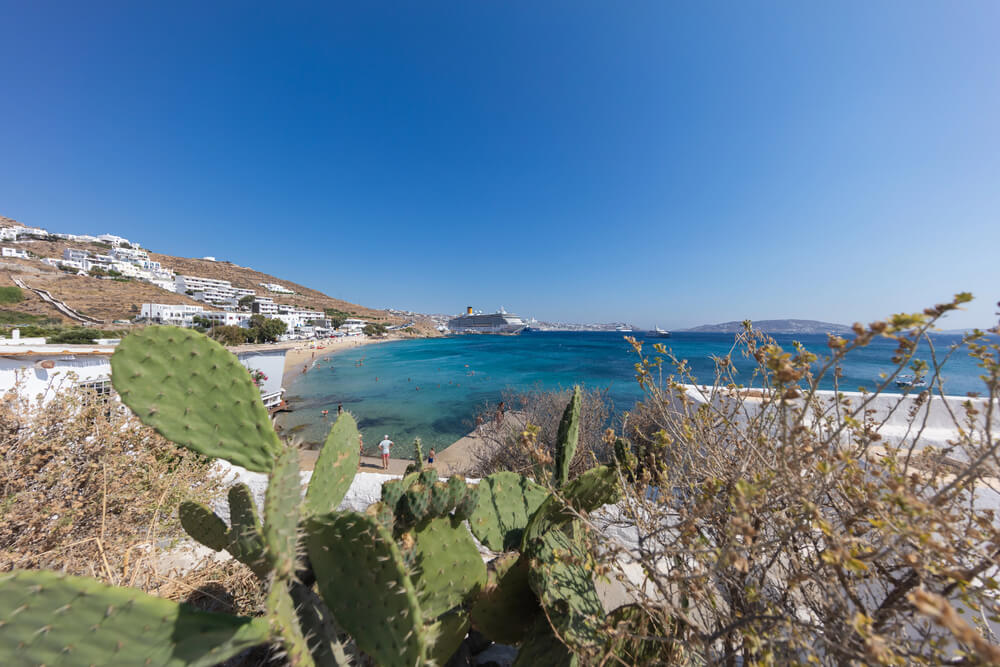
Mykonos, Greece, vs. Tinos
— Photo by hokle1305
Mykonos is one of Greece’s most expensive island destinations, particularly during summer, when accommodations, restaurants, beach clubs, and transportation costs rise sharply. Nearby Tinos offers Cycladic architecture, beaches, villages, and traditional tavernas without the same concentration of luxury nightlife and international tourism.
The experience is quieter and generally easier to enjoy on a moderate budget.
Ibiza, Spain, vs. Formentera
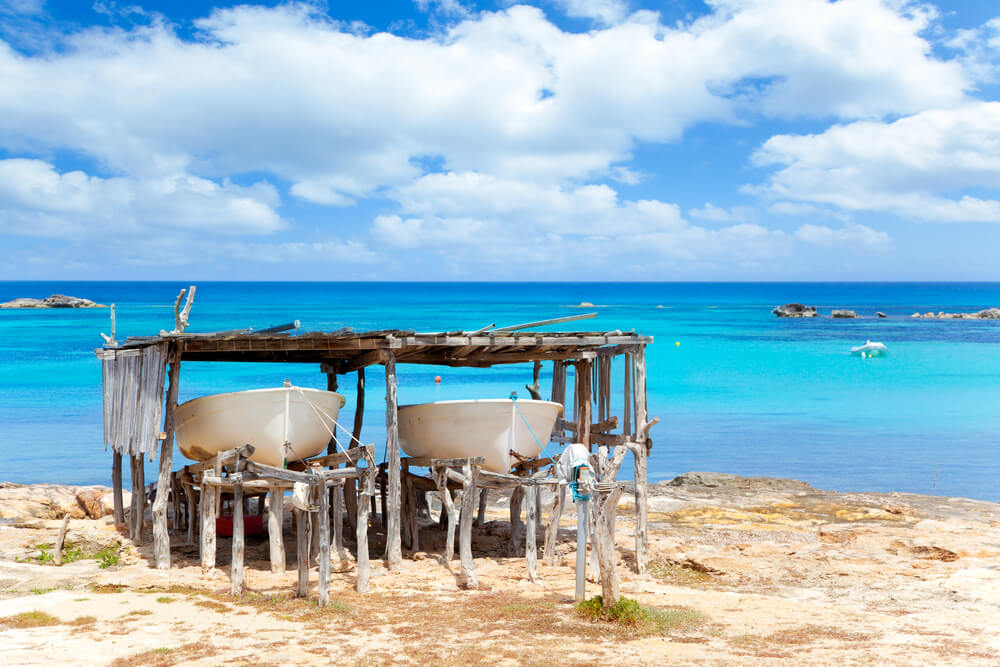
Ibiza’s international reputation for nightlife has helped make it one of the Mediterranean’s more expensive summer destinations. Nearby Formentera is hardly undiscovered or universally cheap, but travelers focused on beaches and relaxed island scenery can sometimes avoid Ibiza’s club-driven spending and higher-demand accommodation market.
The comparison works best for visitors who want the Balearic landscape rather than Ibiza’s nightlife.
Maui, Hawaii, vs. the Island of Hawaiʻi
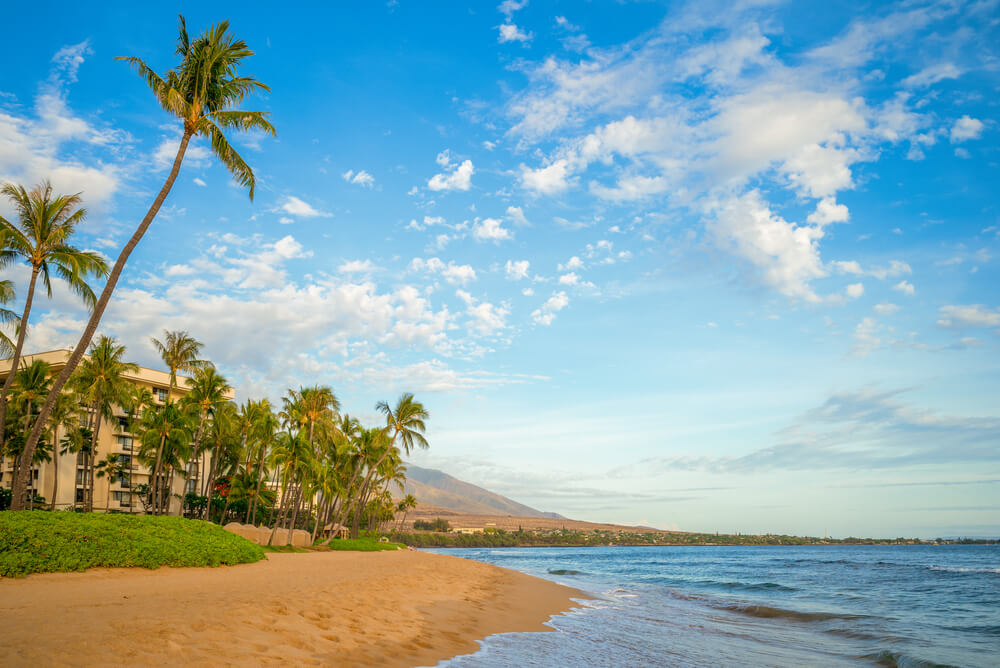
Maui’s beaches, resort areas, scenic drives, and outdoor activities make it enormously popular, but that popularity can translate into expensive accommodations and dining. The Island of Hawaiʻi offers beaches, volcanic landscapes, snorkeling, hiking, and resort options across a much larger area.
It isn’t always inexpensive, but travelers often have more choices across different price points.
Bora Bora, French Polynesia, vs. Moorea
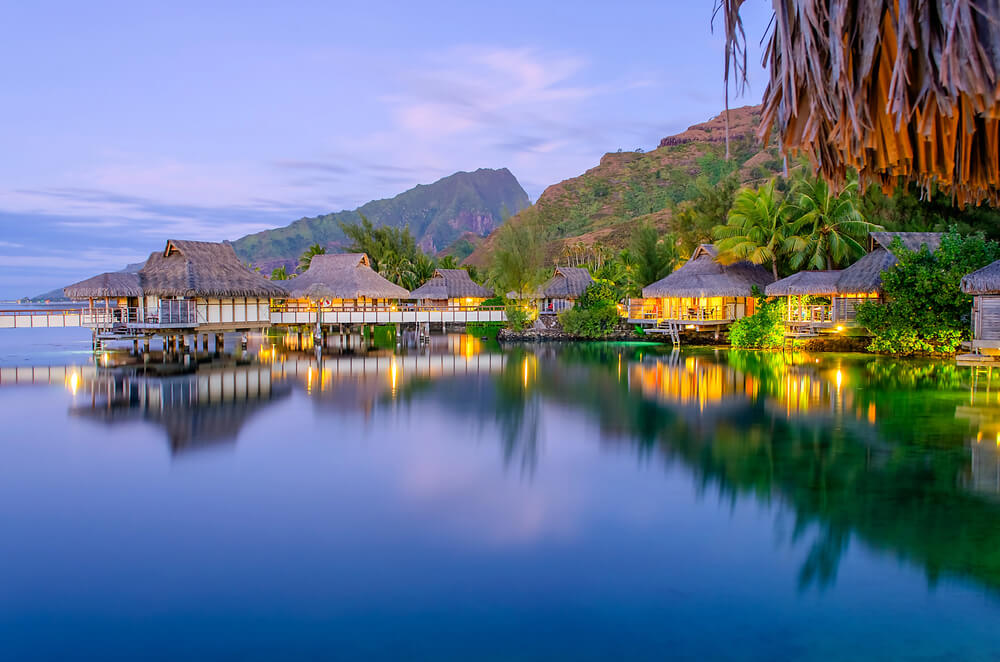
Bora Bora’s famous lagoon and overwater bungalows have made it one of the world’s premier luxury island destinations. Moorea offers dramatic mountains, lagoons, beaches, and access to many of the same South Pacific experiences while generally providing a broader range of accommodations and a less extreme luxury premium.
Aruba, vs. Curaçao
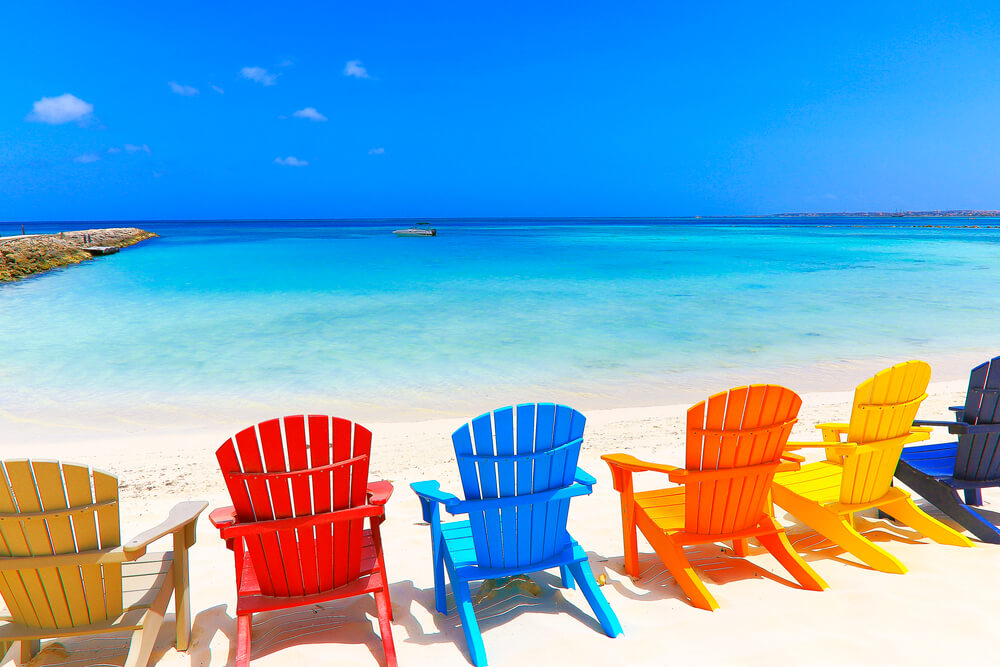
Aruba’s dependable weather and highly developed resort infrastructure make it exceptionally popular, particularly with North American visitors. Curaçao offers Caribbean beaches, diving, colorful colonial architecture, and a wider range of experiences beyond the resort strip.
Travelers who don’t need Aruba’s specific beach-resort formula may find Curaçao a better-value alternative.
Boracay, Philippines, vs. Palawan
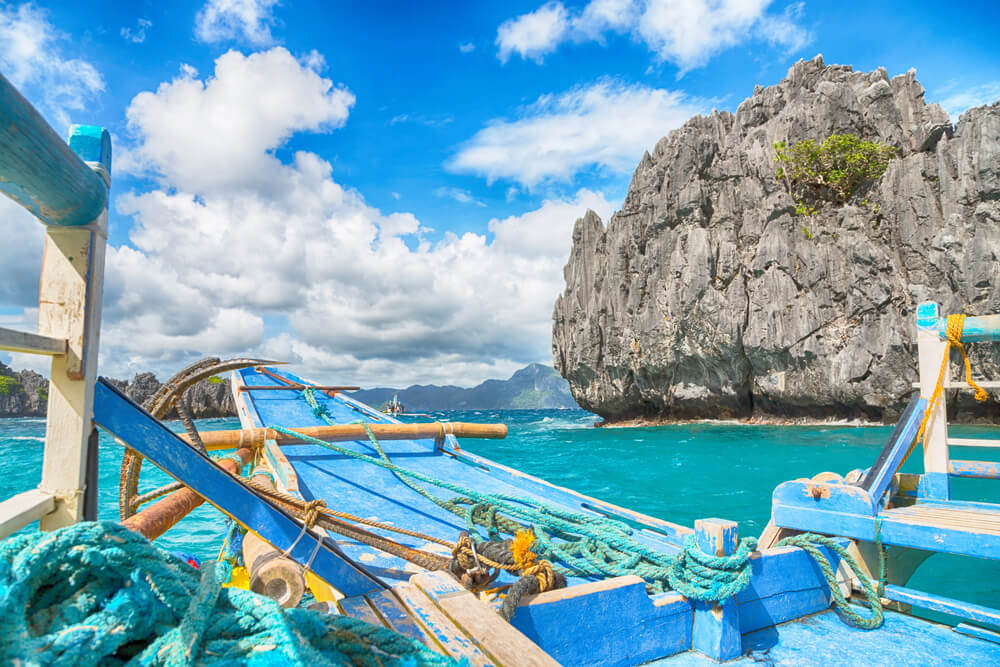
Boracay is famous for White Beach, but its popularity means that accommodation and dining costs can rise considerably during peak periods. Palawan offers a different type of island experience, with limestone landscapes, island-hopping, beaches, and access to destinations such as El Nido and Puerto Princesa.
It is not universally cheaper—El Nido can also be expensive—but budget travelers have more opportunities to choose lower-cost bases outside the most famous resort areas.
Phuket, Thailand, vs. Krabi
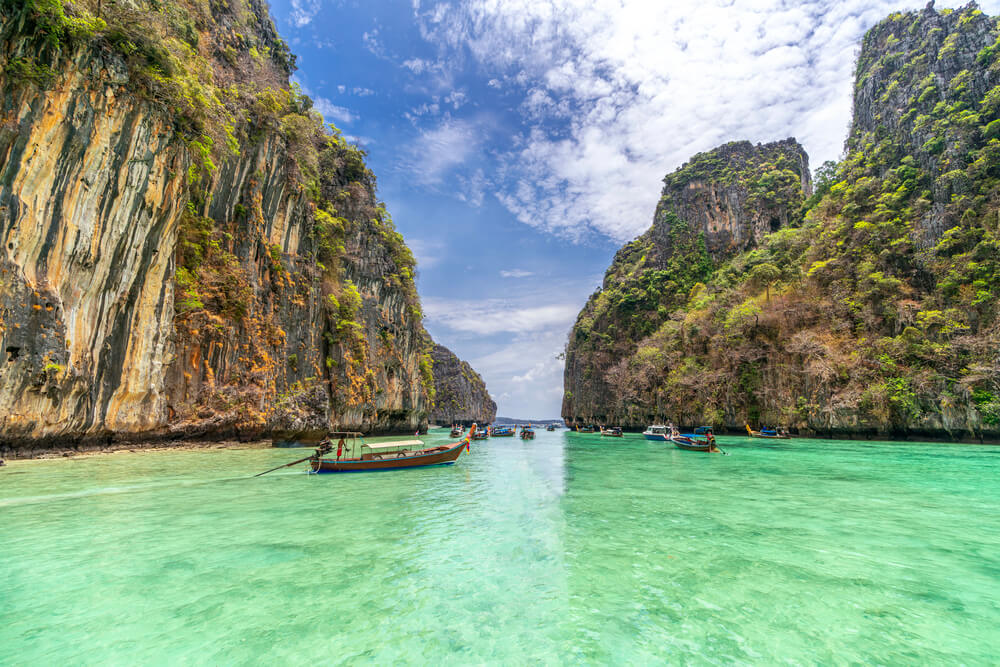
Phuket’s international airport and long-established tourism industry make it one of Thailand’s most accessible beach destinations, but popular resort areas can be expensive and heavily developed. Across the water on the mainland, Krabi provides beaches, limestone scenery, island excursions, and a wider range of budget accommodations.
The overall experience can be considerably less expensive depending on where travelers stay.
Langkawi, Malaysia, vs. Penang
— Photo by arpit.khambhata@gmail.com
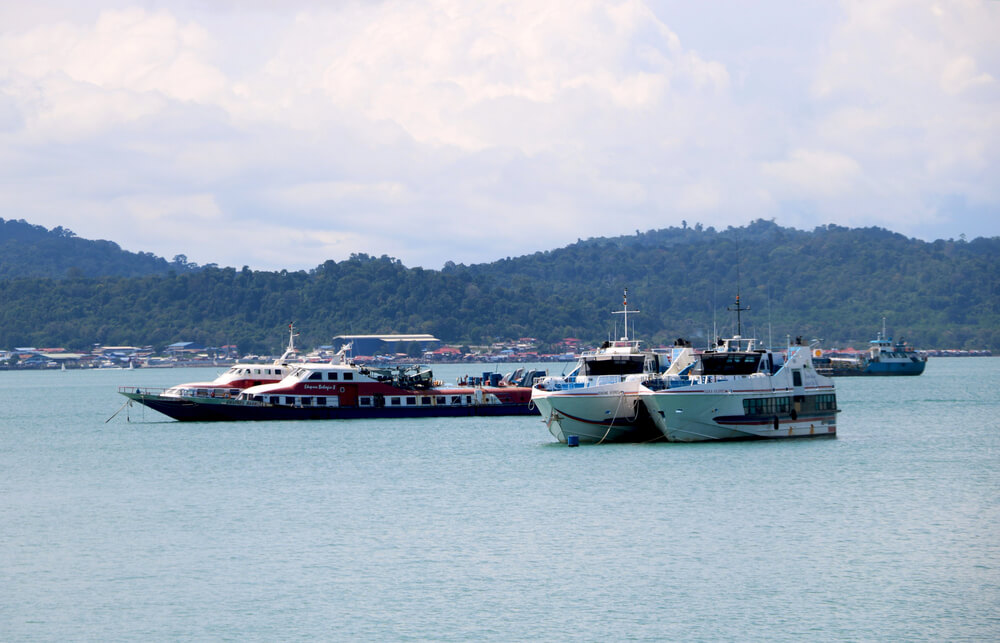
Langkawi is known for beaches, resorts, and island scenery, while Penang combines coastal areas with food, architecture, and urban culture. The destinations offer very different experiences, but travelers interested in Malaysia rather than a purely resort-based vacation may find Penang’s broader range of accommodations and local dining options easier on the budget.
Bali’s Seminyak, Indonesia, vs. Other Parts of Bali
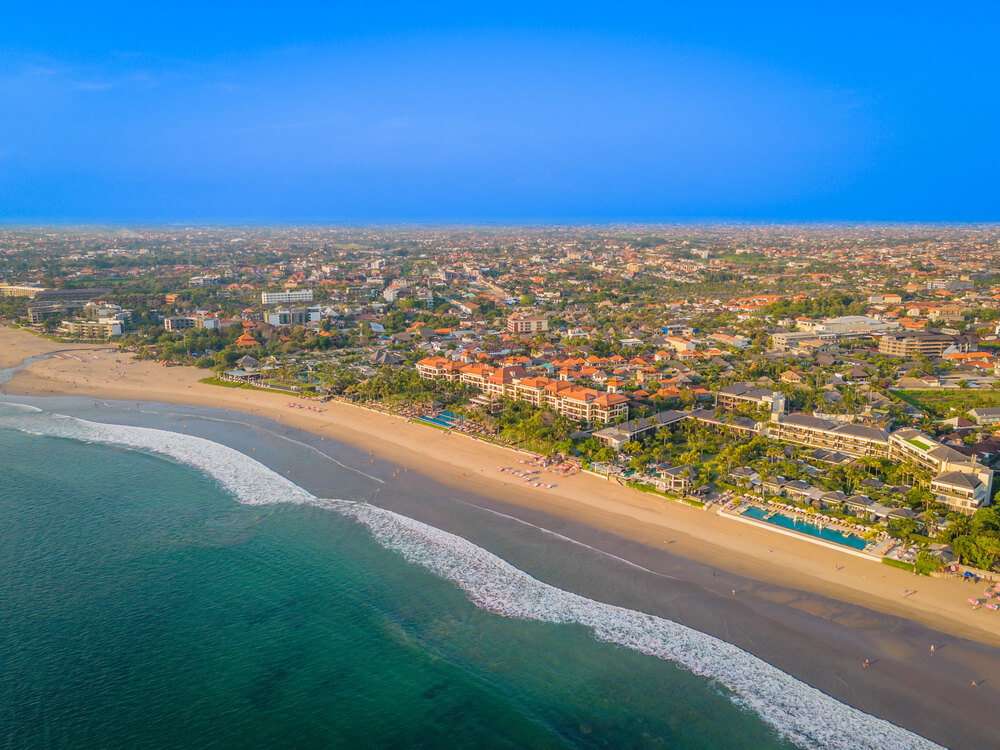
Seminyak demonstrates how popularity can create a premium even within the same island. Beach clubs, luxury villas, and international dining have pushed costs above those found in many other parts of Bali.
Areas outside the busiest southern resort districts can offer lower accommodation prices and a more relaxed pace while retaining access to Balinese food, landscapes, temples, and culture.
Tenerife, Canary Islands, vs. Gran Canaria
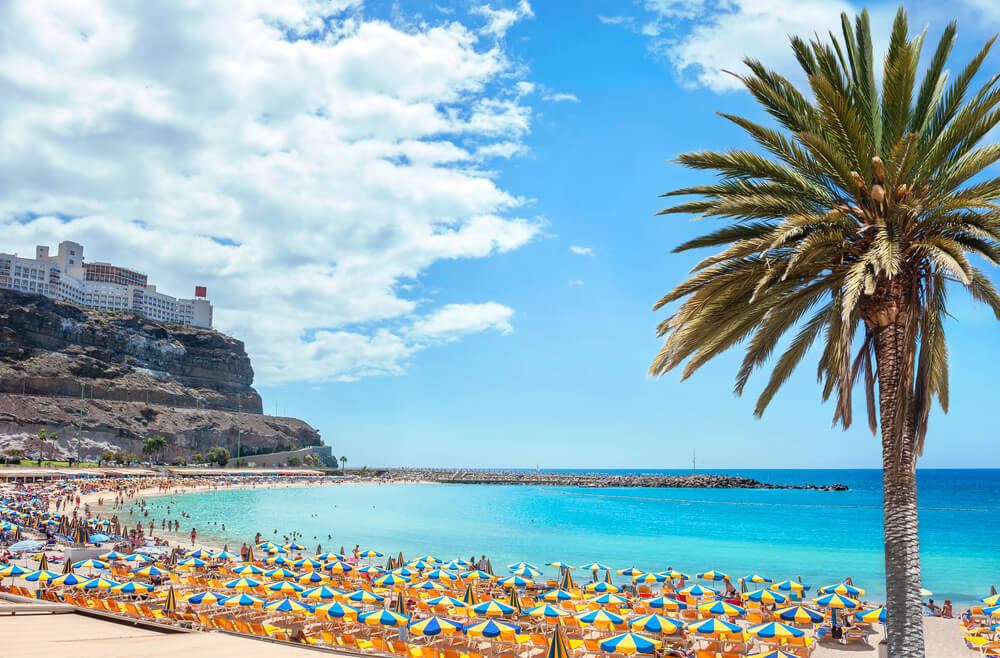
Tenerife is one of the Canary Islands’ most heavily visited destinations, particularly in major resort zones. Gran Canaria offers a similar year-round climate, beaches, volcanic scenery, and extensive tourism infrastructure.
Prices vary substantially by season and location, but travelers willing to compare resorts across the islands can often find better-value accommodation outside Tenerife’s highest-demand areas.
Malta, vs. Gozo
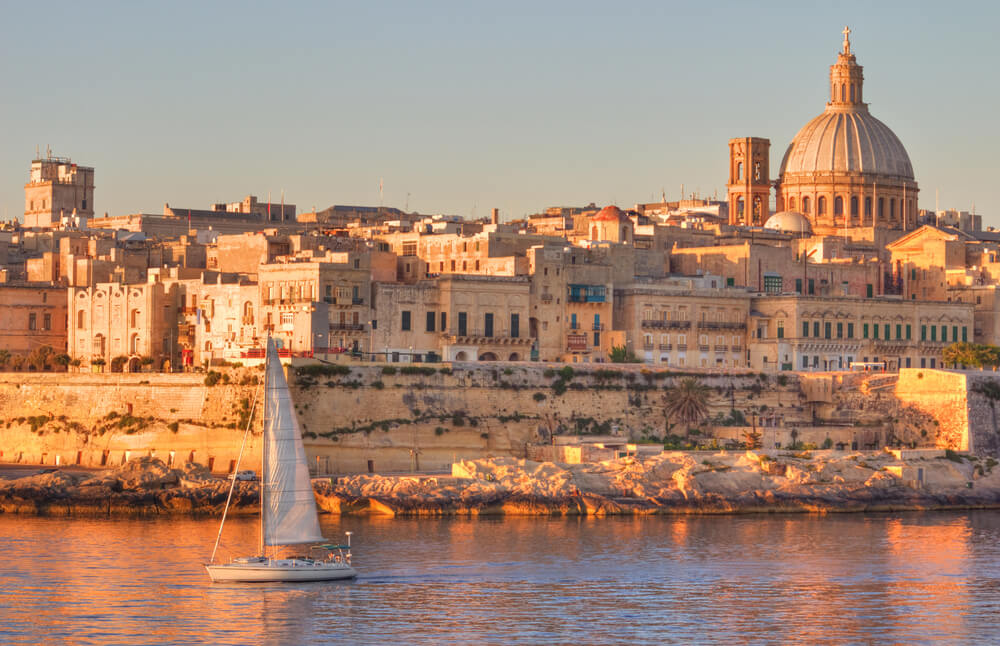
Malta’s compact size and concentration of historic attractions make it extremely popular, especially around Valletta and the island’s major resort areas. Gozo offers quieter villages, coastal scenery, diving, and a slower pace.
Accommodation and dining can be less expensive, particularly outside the busiest periods, while still providing easy access to Maltese culture.
Cyprus, vs. Turkey’s Mediterranean Coast
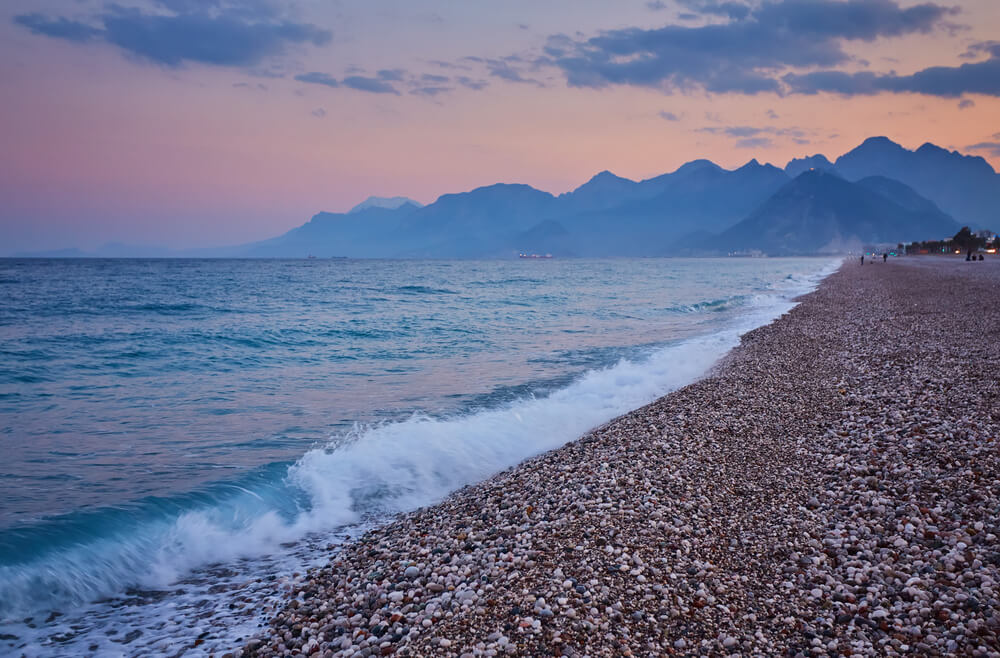
Cyprus offers beaches, archaeological sites, and resort towns, but popular areas can carry substantial seasonal accommodation costs. Turkey’s Mediterranean coast provides similar warm-weather conditions, beaches, historic sites, and resort infrastructure across destinations such as Antalya and Kaş.
Travelers prioritizing coastal scenery over visiting a specific island may find more budget flexibility on the mainland.
Barbados, vs. Grenada
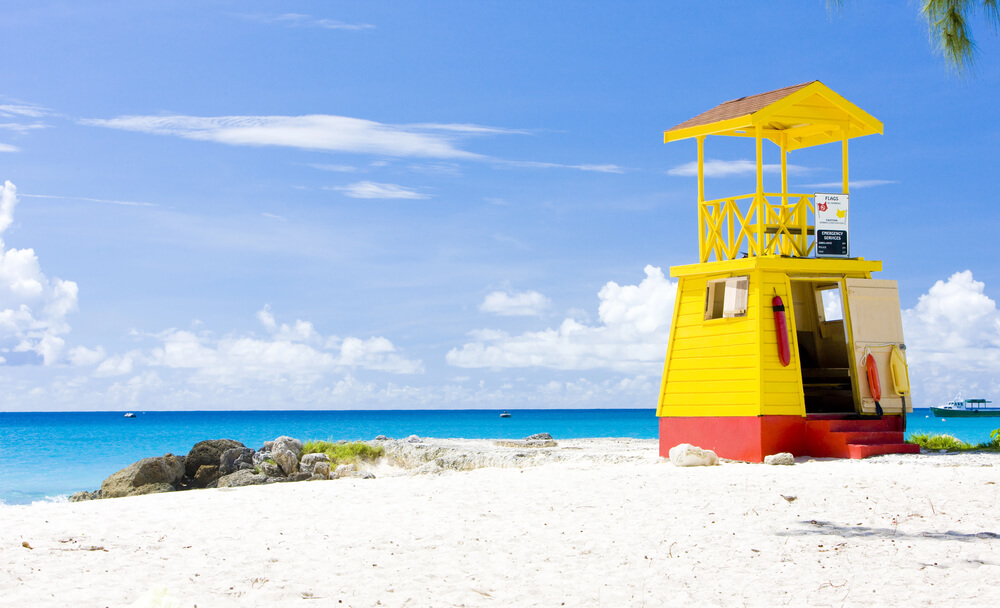
Barbados has a well-developed tourism industry and a strong reputation for upscale Caribbean vacations. Grenada offers beaches, rainforest, hiking, spice-growing regions, and smaller-scale tourism infrastructure.
Both destinations can be expensive, but Grenada often appeals to travelers looking for a less resort-dominated Caribbean experience.
British Virgin Islands, vs. the U.S. Virgin Islands
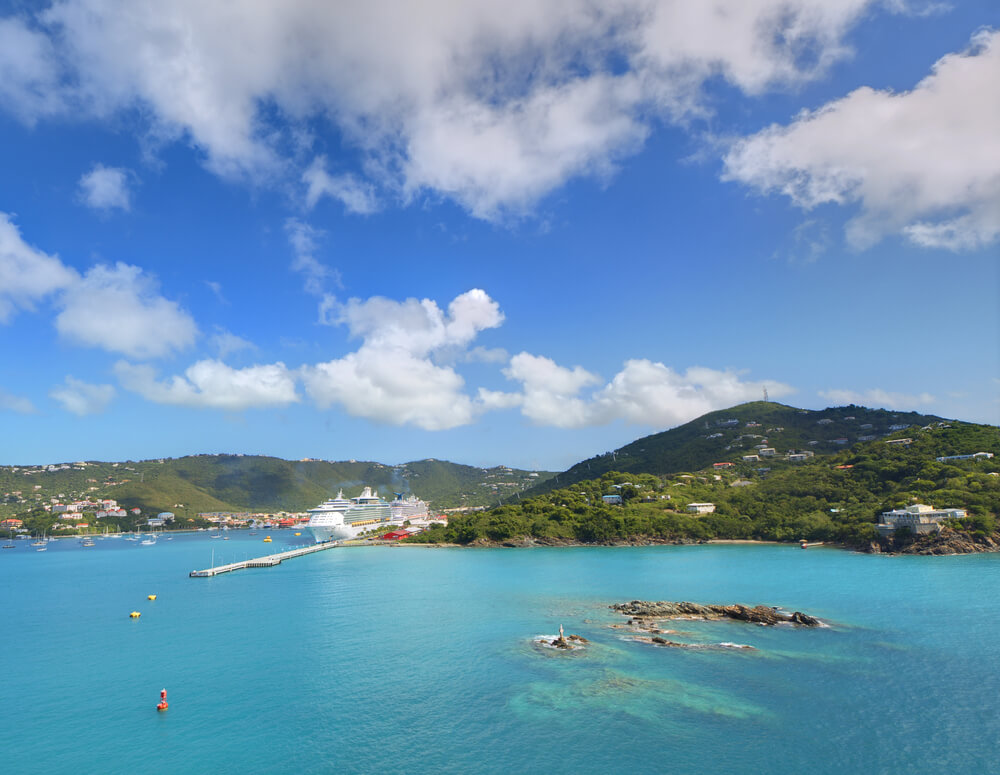
The British Virgin Islands are particularly associated with sailing, private villas, and high-end island tourism. The nearby U.S. Virgin Islands provide beaches, boating, snorkeling, and Caribbean scenery with a larger range of accommodation options and transportation connections.
Travelers can often find more budget flexibility without leaving the same general region.
Cayman Islands, vs. Jamaica
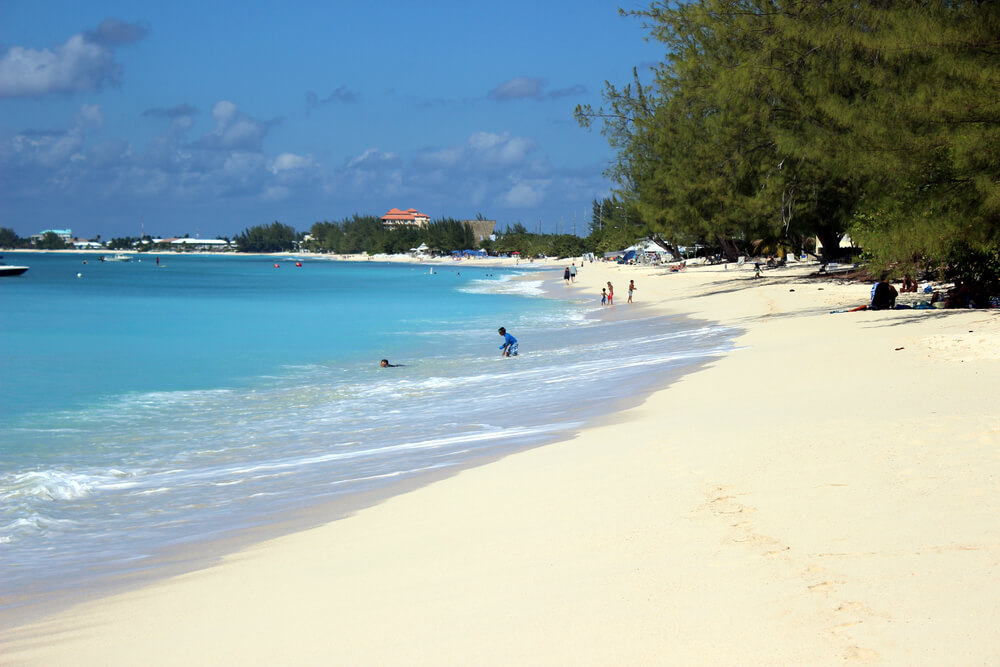
The Cayman Islands have an established reputation for luxury resorts, diving, and high-cost Caribbean travel. Jamaica offers beaches, waterfalls, mountains, music, and a much larger tourism economy with accommodation ranging from budget guesthouses to major all-inclusive resorts.
The experience is different, but travelers seeking a Caribbean vacation rather than Cayman specifically may find significantly more options.
Galápagos Islands, vs. Ecuador’s Mainland Nature Destinations
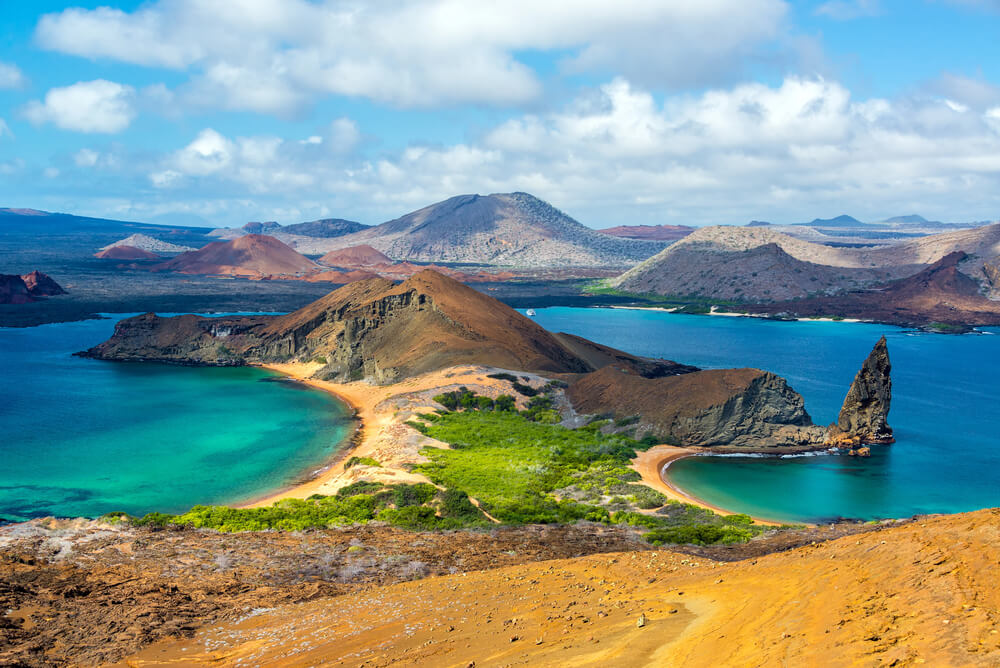
The Galápagos Islands are expensive for reasons that include conservation rules, transportation, and tightly managed tourism. Travelers seeking wildlife and dramatic natural landscapes rather than the specific Galápagos ecosystem can explore Ecuador’s Amazon, cloud forests, highlands, or national parks at a lower overall cost.
The biodiversity isn’t identical, but the mainland offers substantial nature experiences without the islands’ logistical premium.
Seychelles, vs. Mauritius
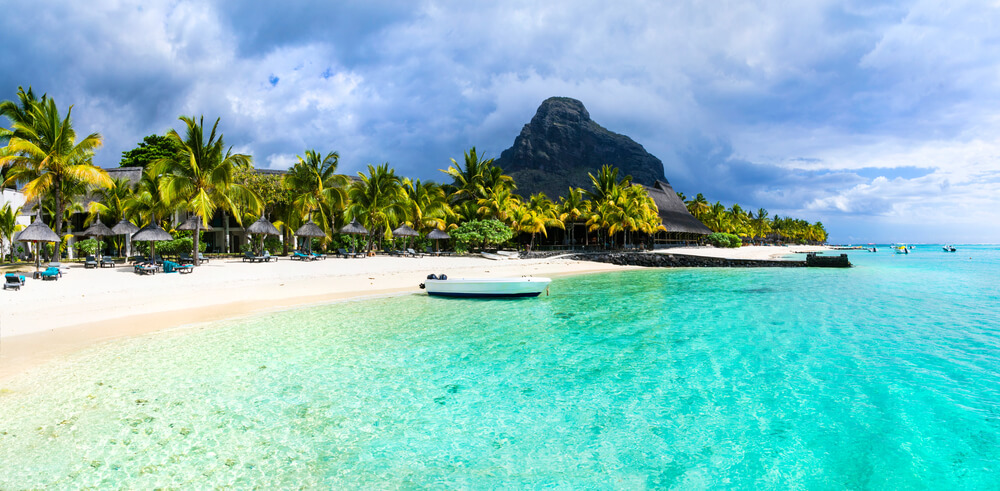
Seychelles is synonymous with luxury beaches and exclusive island resorts. Mauritius also offers beaches, coral reefs, hiking, and Indian Ocean scenery while providing a broader range of accommodations and resort styles.
Depending on season and location, travelers may find more affordable options without sacrificing the tropical island setting.
Fiji, vs. Samoa
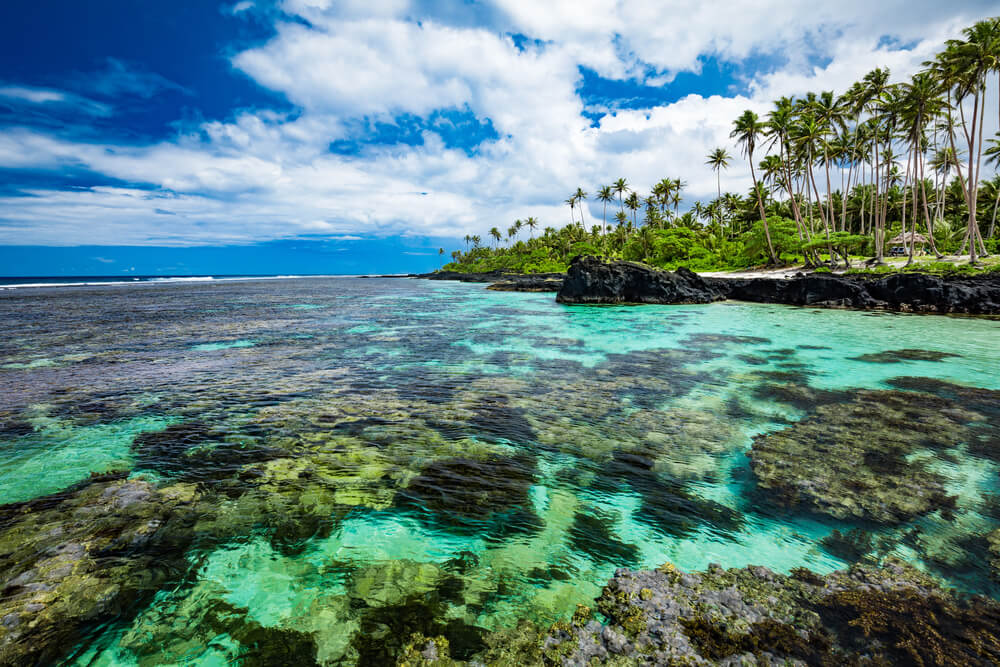
Fiji’s extensive tourism marketing and resort infrastructure have made its best-known islands expensive, particularly when transportation between islands is included. Samoa offers beaches, waterfalls, volcanic landscapes, and Polynesian culture with a generally less resort-saturated atmosphere.
Travelers who value the South Pacific experience over a particular resort brand may find Samoa a more affordable alternative.
Mauritius, vs. Réunion
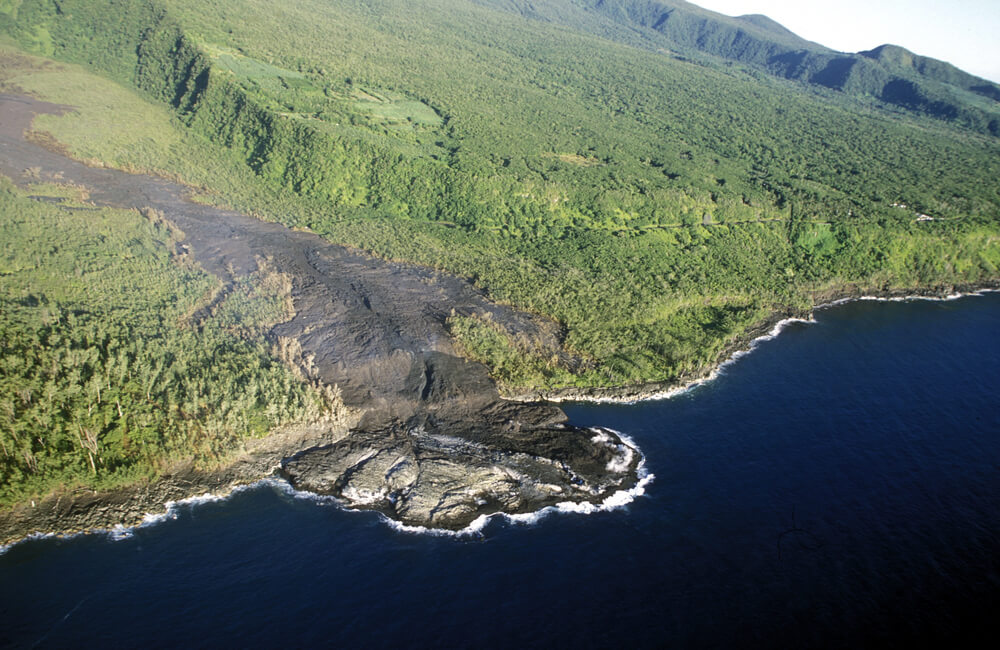
Mauritius is strongly associated with beach resorts, while neighboring Réunion emphasizes mountains, hiking, waterfalls, and volcanic scenery. The experiences are not interchangeable, but travelers who want an Indian Ocean island trip without focusing exclusively on luxury beaches may find Réunion offers a different and potentially better-value combination of landscapes and activities.
Barbuda, vs. Antigua
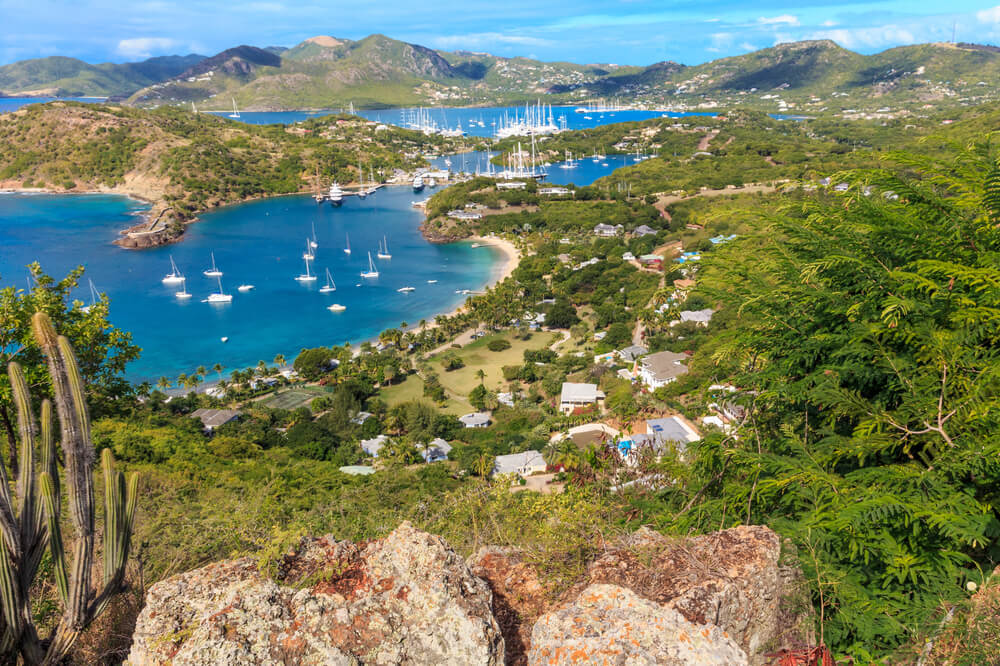
Barbuda’s small size and limited development have contributed to its reputation for exclusivity. Antigua, while also a popular Caribbean destination, offers a larger range of accommodations, restaurants, beaches, and transportation options.
Travelers willing to sacrifice Barbuda’s isolation can often find greater choice and flexibility on Antigua.
Anguilla, vs. St. Martin/Sint Maarten
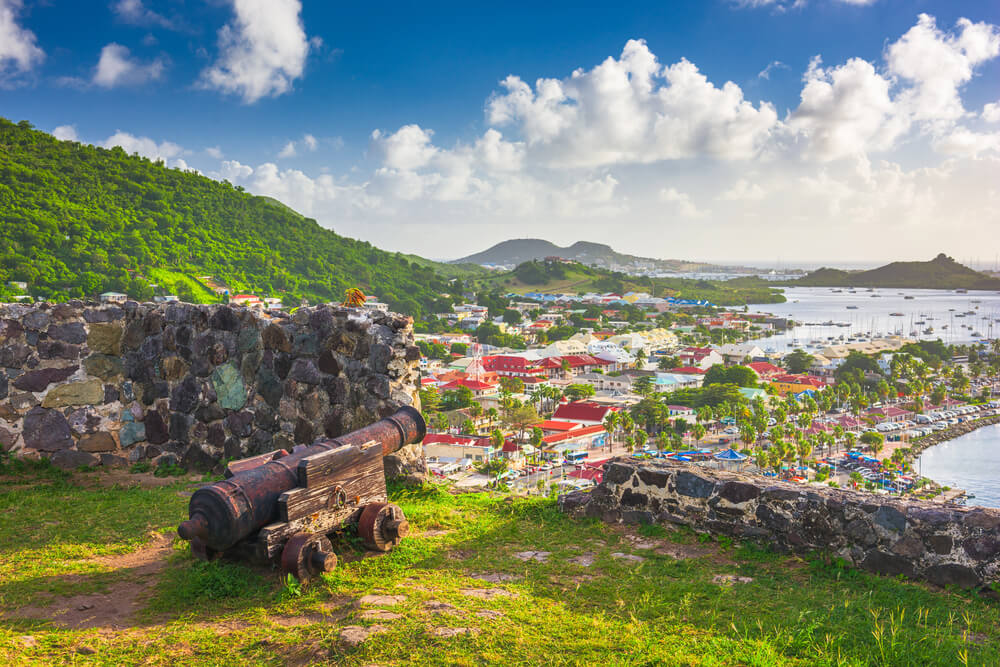
Anguilla’s quiet beaches and upscale resorts have made it one of the Caribbean’s more expensive destinations. Nearby St. Martin/Sint Maarten offers beaches, restaurants, nightlife, and easier access through a major airport.
The atmosphere is busier, but the larger tourism infrastructure can provide more accommodation options across different budgets.
Turks and Caicos, vs. the Bahamas’ Less-Developed Islands
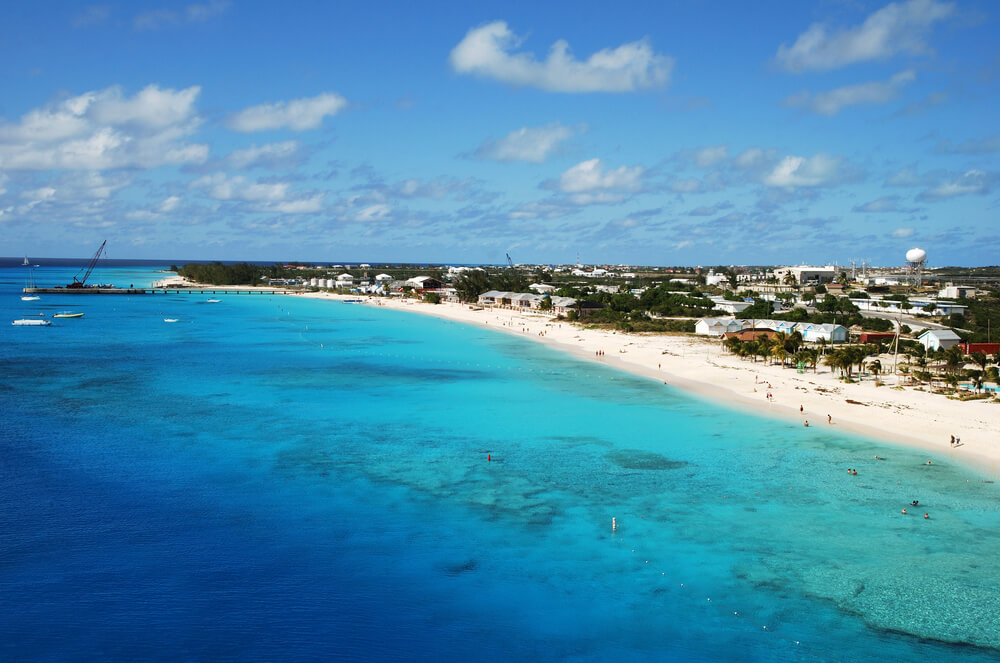
Turks and Caicos is known for exceptionally clear water and luxury resorts, but its popularity has helped push up accommodation costs. Some less-developed Bahamian islands offer beaches, boating, snorkeling, and a quieter atmosphere with fewer large-scale luxury resorts.
Accessibility varies considerably, so transportation costs should be compared alongside hotel prices.
Santorini, Greece, vs. Naxos
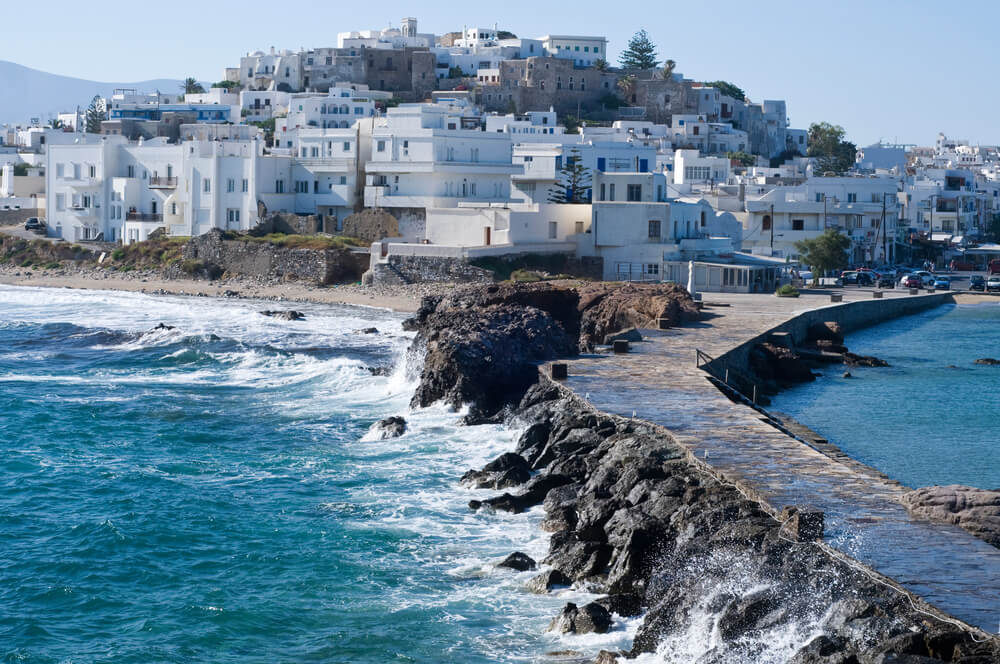
Santorini’s caldera views and famous sunsets create one of the strongest tourism premiums in the Greek islands. Naxos offers beaches, whitewashed villages, traditional food, and Cycladic scenery without the same concentration of luxury cliffside hotels.
Travelers may sacrifice the caldera but gain more space, a broader range of accommodations, and a less intensely tourism-driven atmosphere.
Puerto Vallarta, Mexico, vs. Smaller Riviera Nayarit Towns
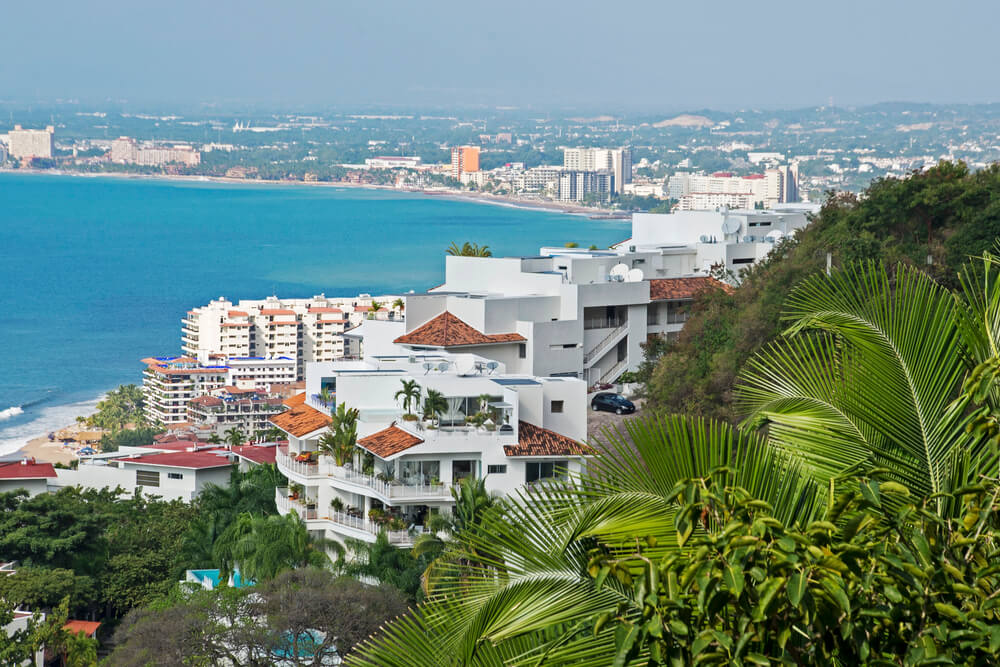
Puerto Vallarta’s established international tourism market can make central hotels and waterfront accommodations expensive during peak periods. Smaller destinations along the Riviera Nayarit, depending on location, can offer Pacific beaches and access to the same region with less urban density and a wider range of accommodation prices.
Cancún, Mexico, vs. Inland Yucatán
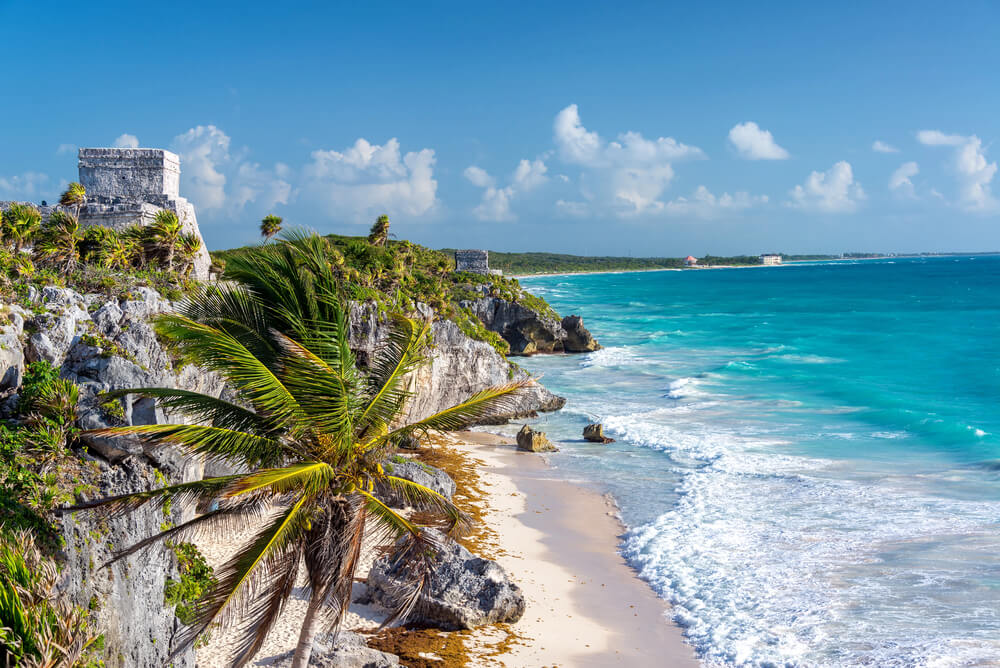
Cancún’s Hotel Zone commands a premium for beachfront access and all-inclusive convenience. Travelers who are more interested in cenotes, Maya sites, colonial cities, and regional food can base themselves in destinations such as Valladolid or Mérida and spend considerably less on accommodation and dining.
The beach experience is different, but the broader Yucatán region offers substantial attractions beyond the resort coast.
Montego Bay, Jamaica, vs. Other Jamaican Coastal Areas
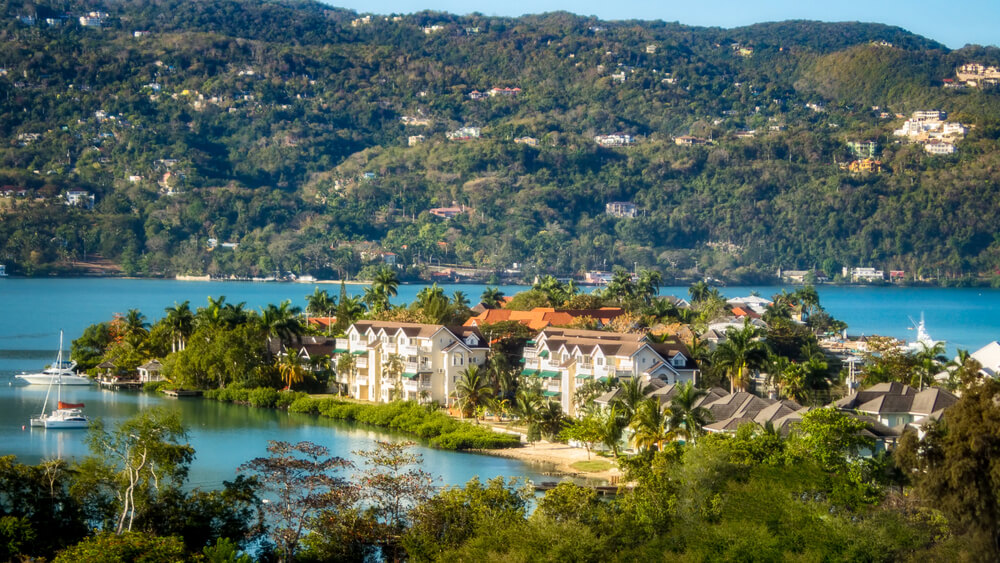
Montego Bay’s airport access and concentration of major resorts make it one of Jamaica’s most convenient—and often more expensive—tourism hubs. Other parts of the island offer beaches, smaller accommodations, and different styles of travel.
Prices vary widely, but travelers willing to move beyond the main resort gateway can often find a broader range of options.
Oʻahu, Hawaii, vs. Staying Outside Waikīkī
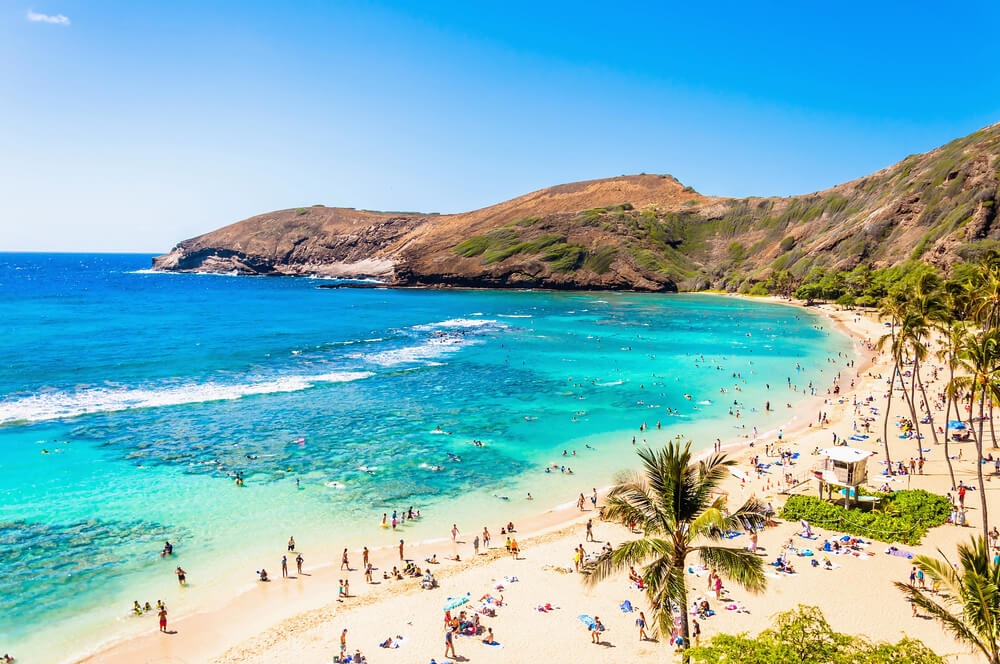
Waikīkī is one of Hawaii’s most concentrated tourism districts, and its location can command high accommodation and dining prices. Travelers staying elsewhere on Oʻahu may find different types of lodging and easier access to quieter beaches, hiking areas, and local communities.
Hawaii remains an expensive destination overall, but avoiding the island’s most famous tourism zone can reduce some of the popularity premium.
Rhodes, Greece, vs. Kos
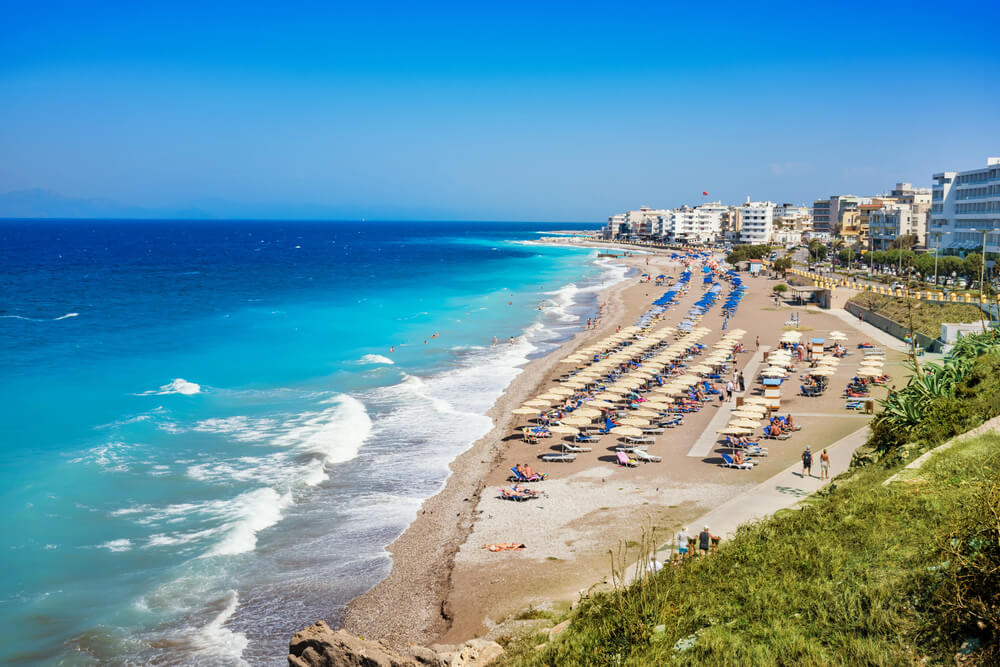
Rhodes attracts large numbers of visitors with its medieval Old Town, beaches, and extensive resort infrastructure. Kos offers beaches, archaeological sites, cycling routes, and a more compact island experience.
Prices fluctuate with demand, but travelers comparing package deals and independent accommodations may find better value on less internationally hyped islands.
When Island Fame Becomes a Price Premium
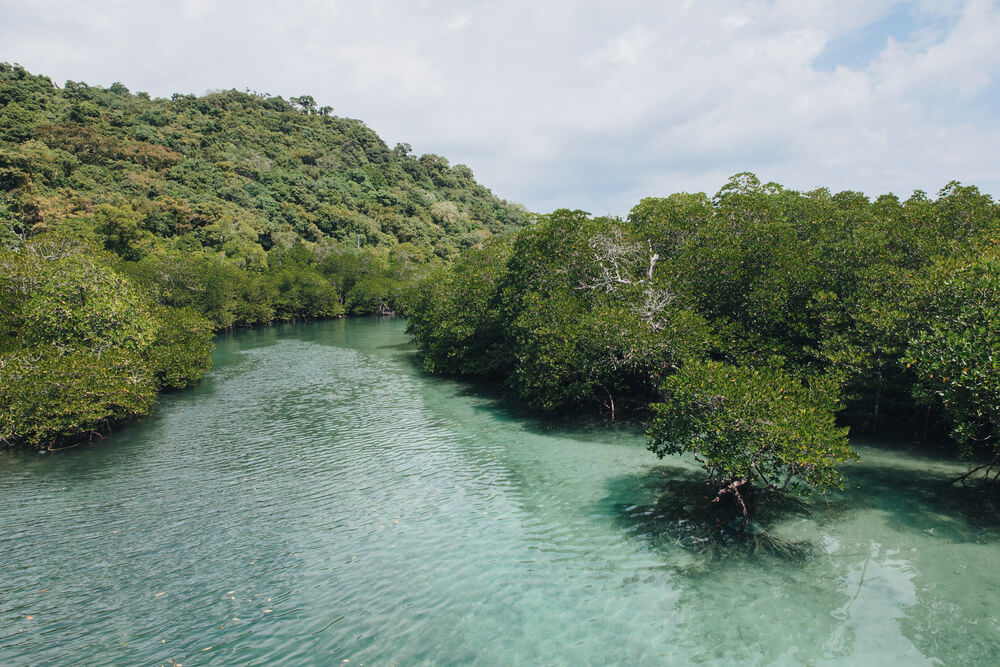
The most famous island isn’t automatically the best island for every traveler. Popularity can increase accommodation costs, restaurant prices, transportation expenses, and demand for limited space—especially during peak season.
In some cases, those higher prices reflect genuinely unusual geography or experiences. In others, travelers are paying largely for name recognition and the convenience of an established tourism market.
The best alternative isn’t always another island exactly two hours away, and it isn’t always dramatically cheaper. But looking beyond the destination that dominates social media and travel marketing can reveal quieter places with similar scenery, comparable activities, and more flexible prices.
Sometimes the biggest travel savings come not from finding a cheaper version of the same destination, but from realizing that the experience you actually want exists somewhere nearby without the fame-driven premium.
More from Travel Pug

- Underrated Italian Towns That Beat the Tourist Crowds
- Las Vegas Tourist Traps to Skip
- Prettiest Towns in Every US State
- 18 passport-free countries for Americans
- Signs Your Cruise Is Not Worth The Cost
Like Travel Pug’s content? Follow us on MSN.