

There’s a version of travel that involves restaurants with dress codes and reservation windows booked six weeks out. That version has its place.
But the most honest food experiences — the ones that actually stick — tend to happen standing up, somewhere slightly chaotic, with sauce on your shirt before you’ve had a chance to notice. Street food doesn’t ask you to perform appreciation.
It just hands you something extraordinary and lets you figure out the rest. These 27 cities do that better than anywhere else on earth.
Bangkok
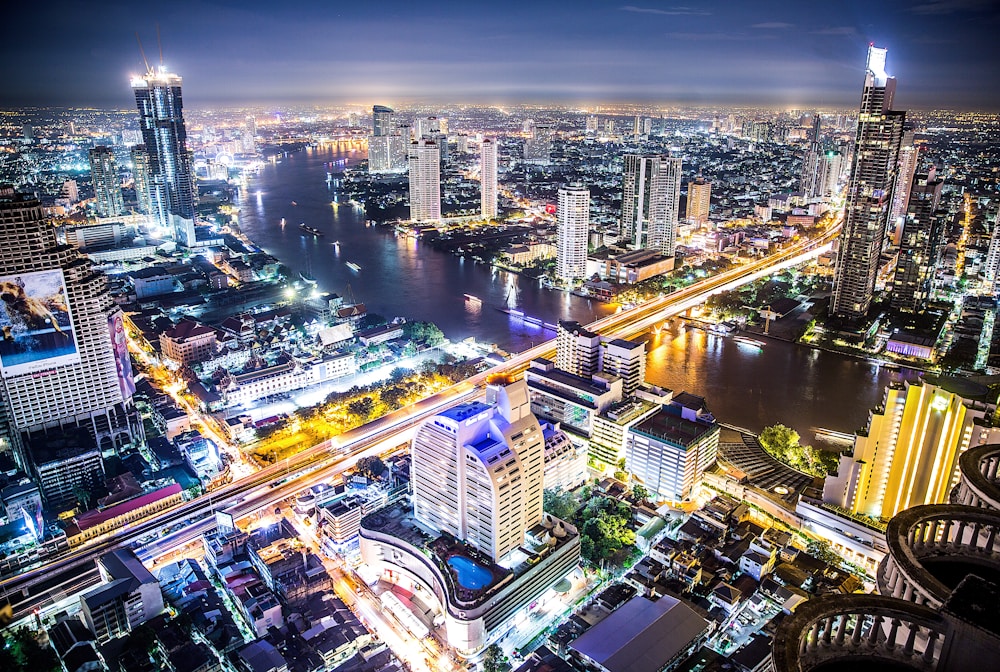
Bangkok doesn’t ease you in. The smell of charred pork fat and lemongrass hits before you’ve even properly looked around, and by the time you’ve found a plastic stool on Yaowarat Road, you’re already committed to a second bowl of boat noodles you haven’t finished the first.
This city runs on street food the way other cities run on coffee — not as an option, but as infrastructure.
Mexico City
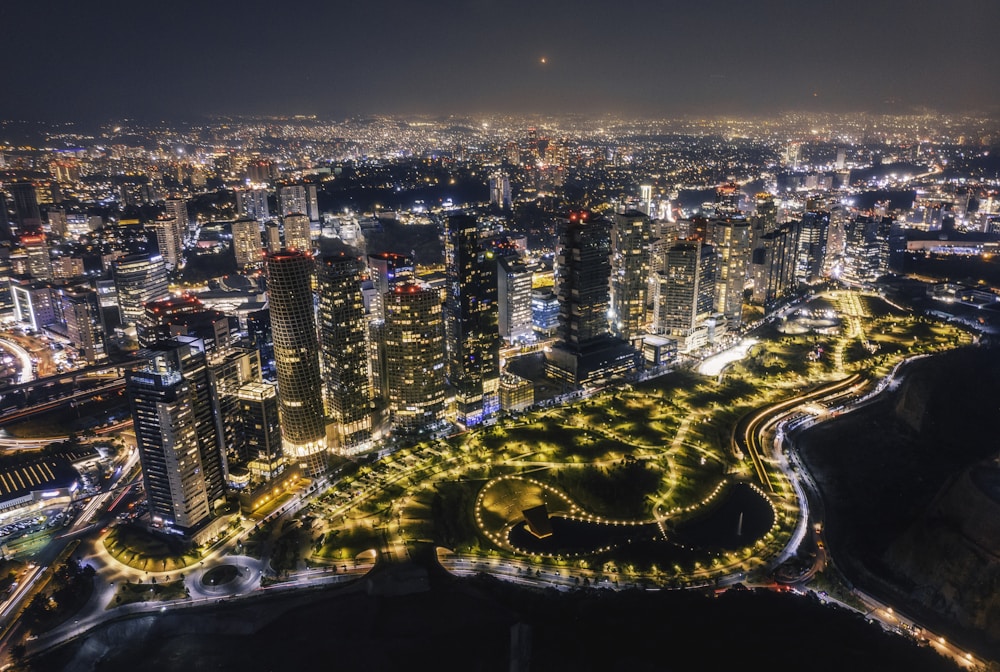
Mexico City is the best street food destination in the Western Hemisphere, and there’s really not a close second. The taco al pastor alone — pork shaved from a vertical spit, served with pineapple and cilantro on a small corn tortilla — is a case study in how a handful of ingredients can outlast every trend thrown at them.
To be fair, the tlayudas, elotes, and tamales aren’t exactly suffering in comparison.
Marrakech
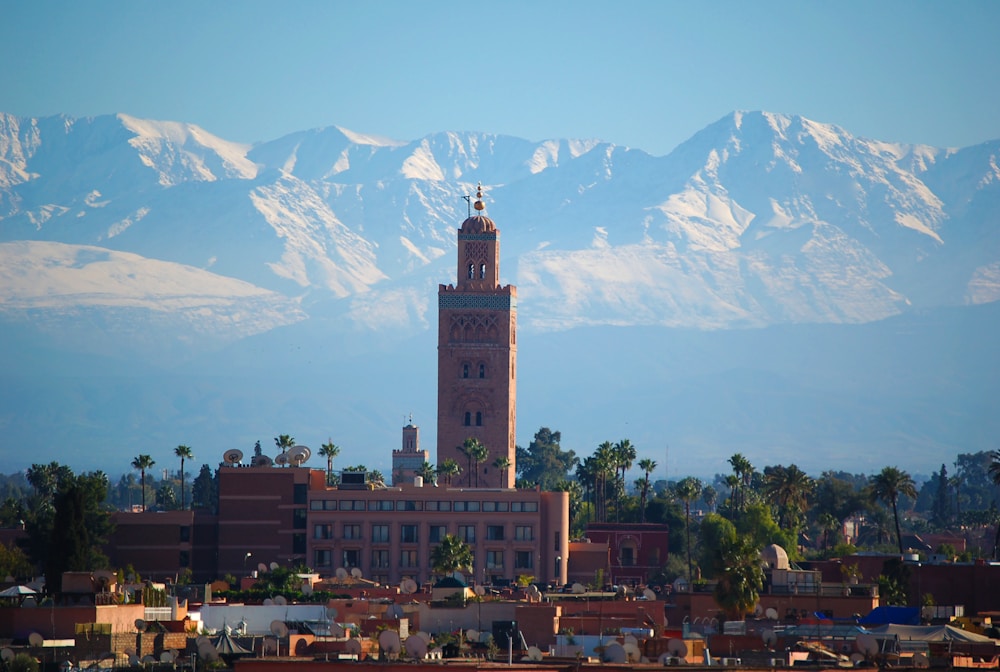
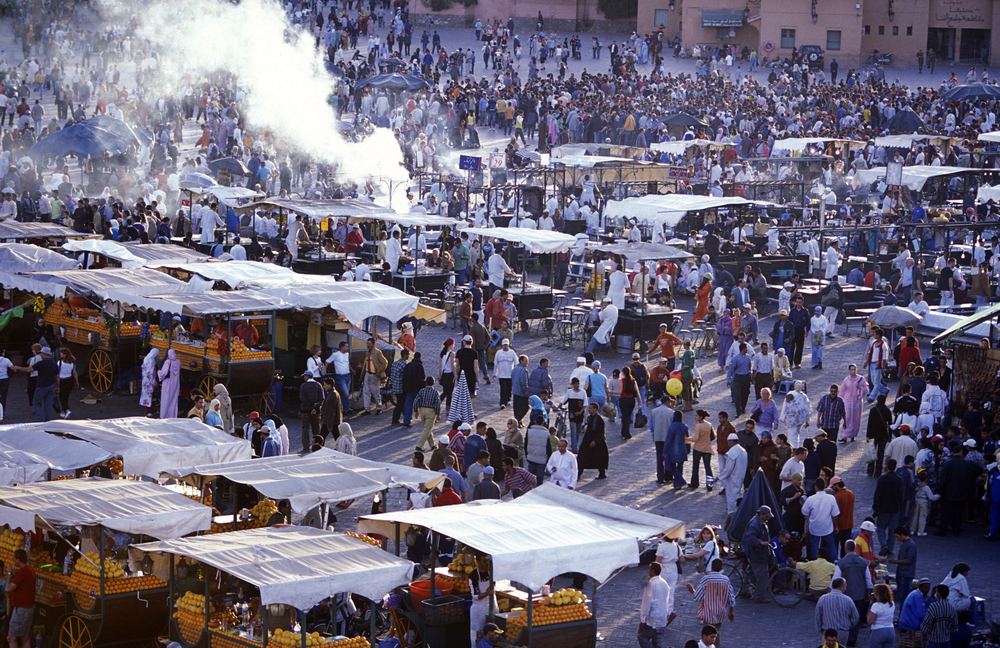
Jemaa el-Fna square at dusk is less a place than a weather event — the smoke from a hundred grills thickening the air, the call of the vendors overlapping until it becomes its own kind of ambient sound, the whole square operating as if it has been doing exactly this for centuries, indifferent to the tourists trying to photograph it. You pull up a bench at one of the lamb stalls and the merguez arrives before you’ve finished deciding, which turns out to be the correct way to order.
And then somehow you’re eating harira soup from a vendor who’s been making the same recipe since before you were born.
Istanbul
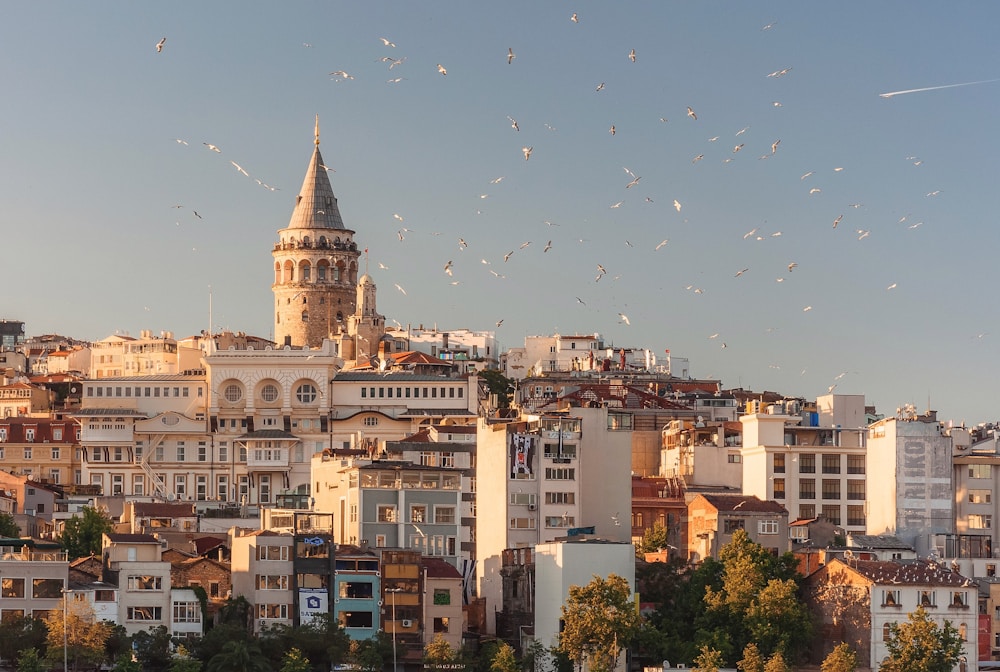
Istanbul sits on two continents and can’t commit to either one, which is what makes its food so genuinely strange and genuinely good. The simit sellers push their carts across the Galata Bridge every morning without particular fanfare, and a sesame-crusted ring of bread that costs almost nothing manages to taste like something a proper bakery would charge four times as much for.
Balık ekmek — grilled mackerel stuffed into a crusty roll, sold from boats moored at the waterfront — is the kind of thing you eat once and quietly resent every sandwich you’ve had since.
Hanoi
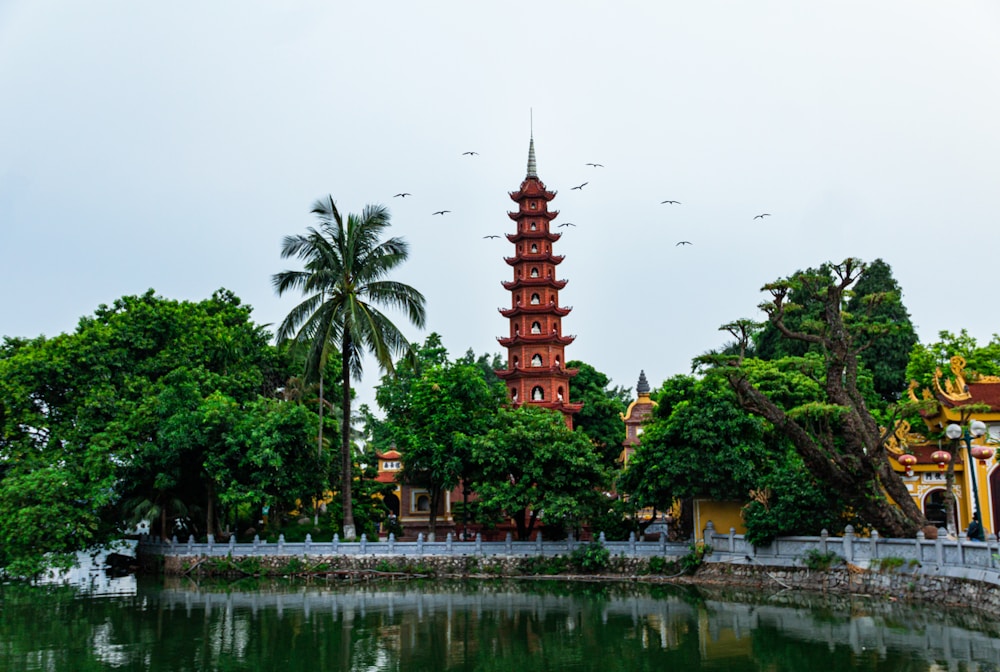
Hanoi moves at a speed that seems casual until you realize every square foot of pavement has a purpose. The pho here — the real bun-bo-nam-bo style, the bun cha with its charcoal-grilled pork patties and dipping broth — arrives at 7 a.m. at low plastic tables set up on sidewalks where everyone faces the same direction, like passengers on a very slow bus going somewhere excellent.
Singapore
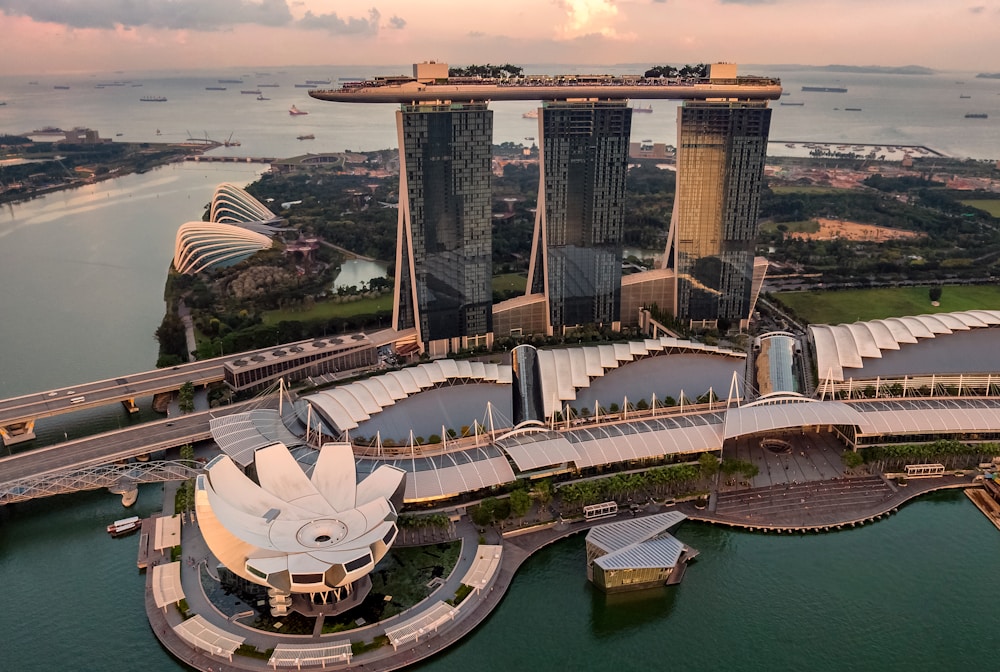
Singapore built an entire civic institution around street food, which is exactly the kind of decision that ages well. The hawker centers — government-developed food courts where individual stalls have been passed down through families for generations — serve Hainanese chicken rice, char kway teow, and laksa at prices that would embarrass most fast-food chains.
Michelin gave stars to two hawker stalls in 2016, which is either the most Singaporean thing that has ever happened or the most obvious thing that has ever happened, depending on how much time you’ve spent there.
Mumbai
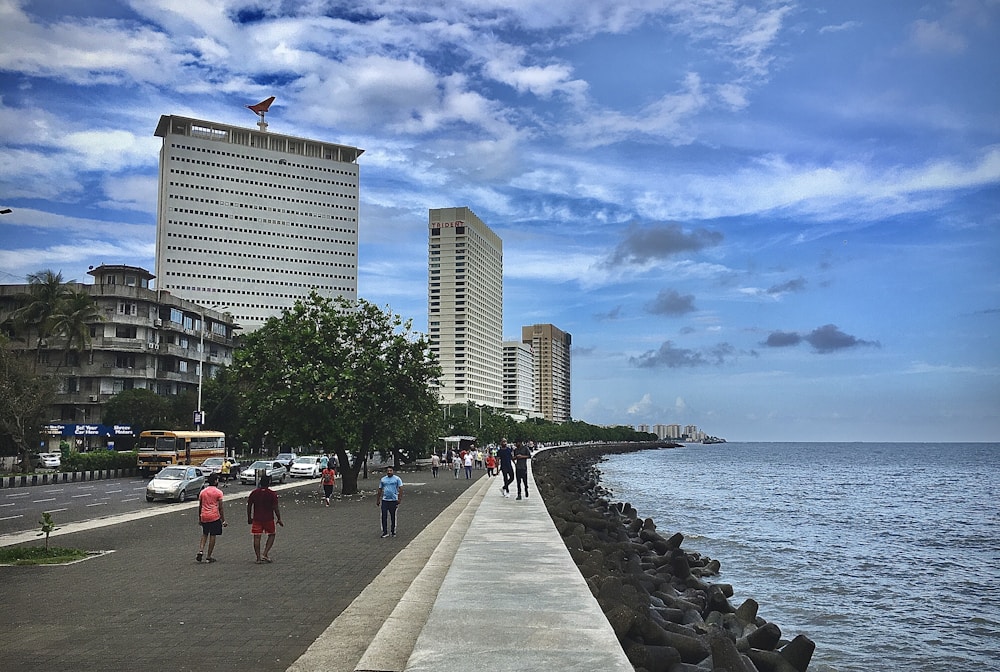
Mumbai’s street food wears its contradictions openly: a city of 20 million people where the best meal you’ll have costs about the same as a pack of gum back home, served from a cart that’s been in the same spot so long it’s practically load-bearing. Vada pav — a spiced potato fritter in a bread roll, with chutneys that range from mild to a quiet kind of suffering — is the city’s unofficial mascot, cheaper than the metro and considerably more satisfying.
Bhel puri from Chowpatty Beach, eaten while watching the Arabian Sea, is the kind of thing that quietly reorganizes your priorities.
Taipei
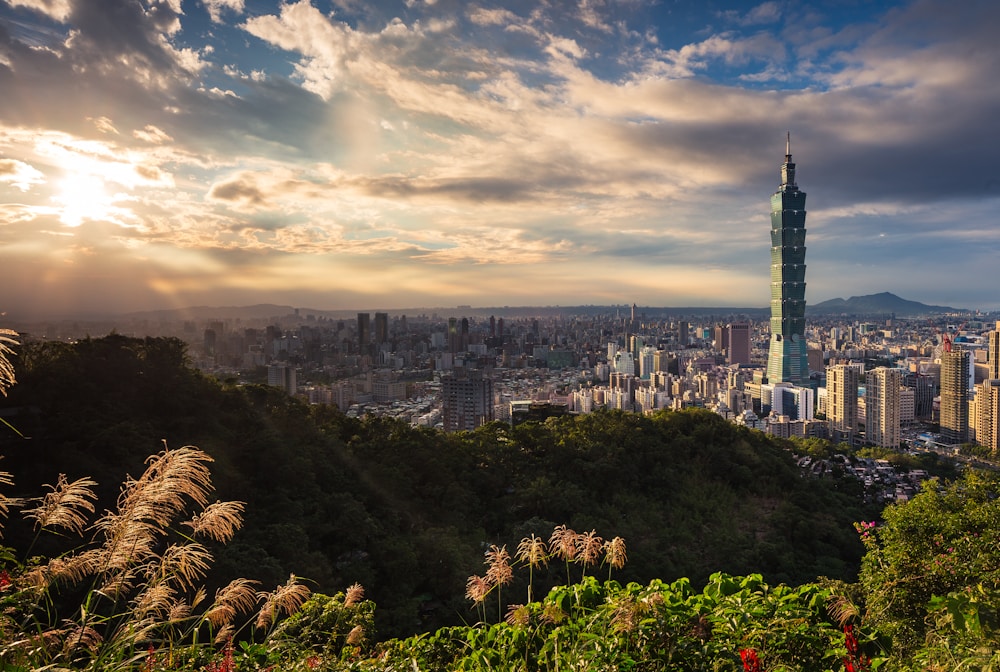
Night markets in Taipei are the answer to a question nobody thought to ask: what if an entire city decided that the hours between 9 p.m. and 2 a.m. were actually the main event? Stinky tofu — fermented, deep-fried, served with pickled cabbage — smells aggressive and tastes like something you’ll be thinking about for weeks.
The scallion pancakes, the oyster vermicelli, the bubble tea that actually originated here rather than at some airport kiosk: Shilin Night Market alone could occupy a full evening without repeating a single dish.
Naples
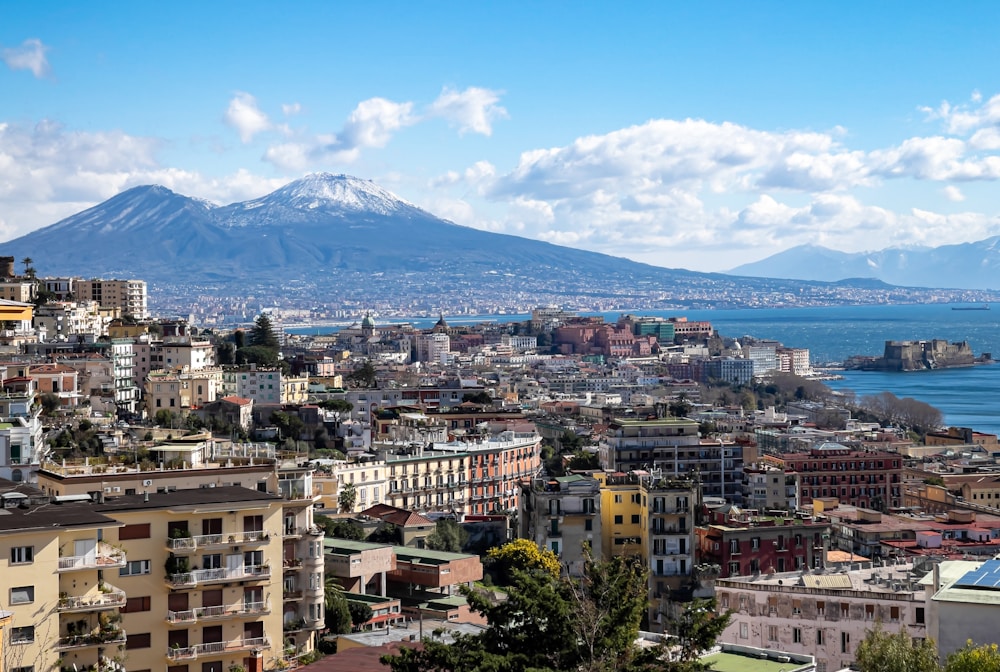
Naples invented pizza and has been correcting the rest of the world’s version ever since. A Margherita from a wood-fired oven in the Spaccanapoli neighborhood — blistered, slightly wet in the center, with San Marzano tomatoes that taste like they were picked that morning — renders every other pizza a polite approximation.
The frittatine and the deep-fried cuoppo (a paper cone filled with mixed fried street snacks) confirm that Naples approaches food with a stubbornness that reads as genius.
Oaxaca
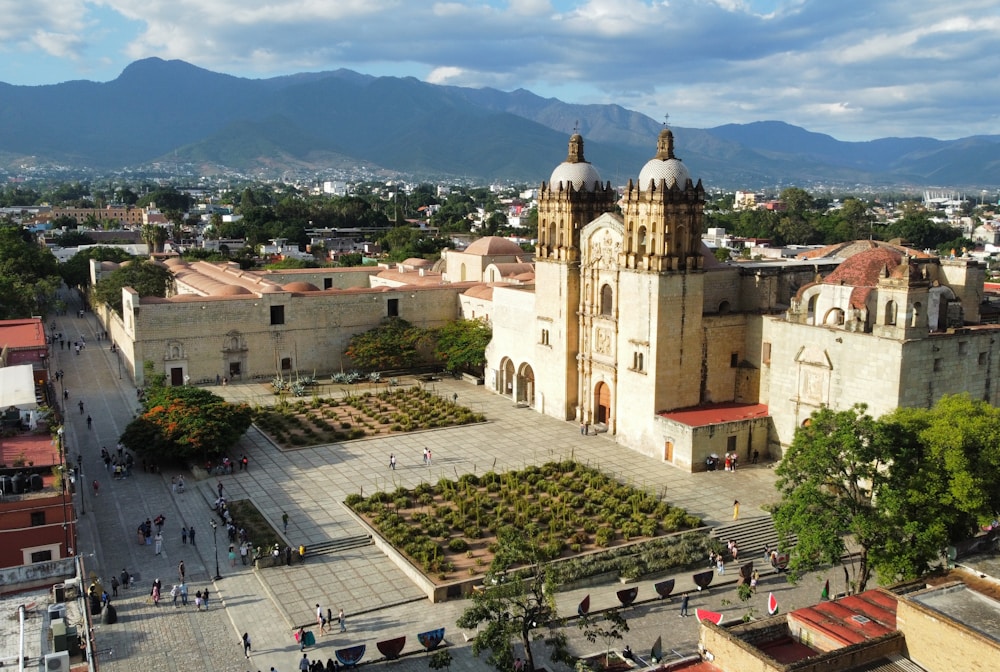
Oaxaca is the kind of city that ruins you for simplicity — not because everything is complicated, but because the flavors are so layered and specific that ordinary food starts to feel like a rough draft. The tlayudas (large, partially dried tortillas loaded with black bean paste, Oaxacan cheese, and your choice of meat) are assembled with a precision that looks casual but clearly isn’t, and the chapulines — toasted grasshoppers seasoned with lime and chili — are a reminder that the most interesting ingredient is usually the one that makes you hesitate.
Mole negro, served from enormous clay pots at the market stalls in Mercado Benito Juárez, is the reason people plan return trips.
Penang
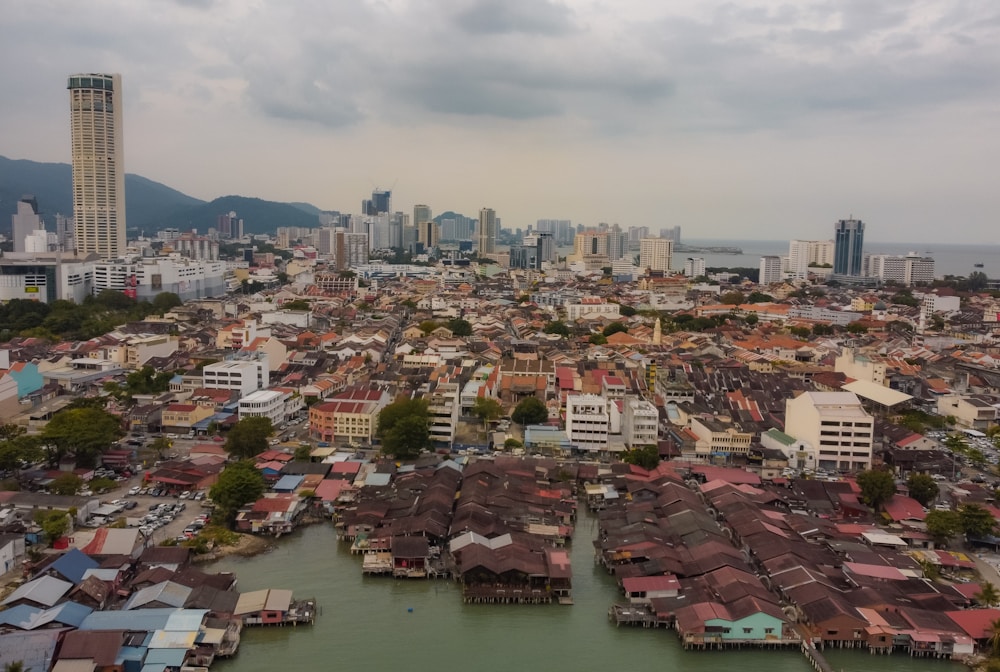
Penang is where Malay, Chinese, and Indian culinary traditions ran into each other and decided collaboration was more interesting than competition. The char kway teow here — flat rice noodles wok-fried with prawns, Chinese sausage, bean sprouts, and eggs over screaming heat — has a smokiness called “wok hei” that simply cannot be replicated outside of a street cart with a flame that would concern a fire marshal.
George Town itself is a UNESCO World Heritage Site, and its hawker culture is one of the city’s defining attractions.
Lagos
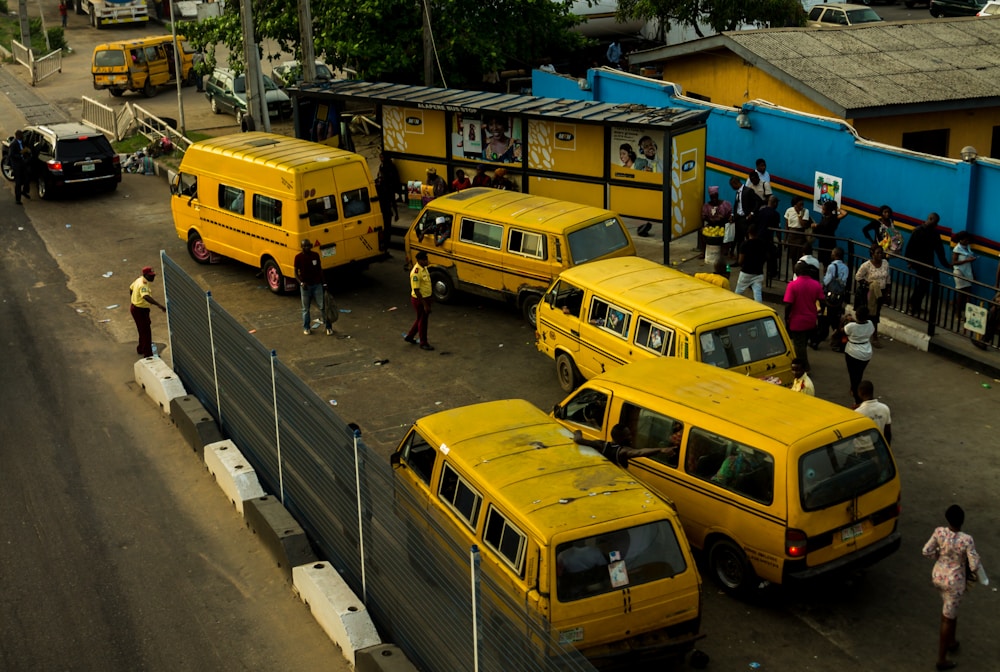
Lagos moves fast, eats faster, and doesn’t particularly care if you’re keeping up. Suya — skewered beef rubbed in a spice mix of ground peanuts, ginger, and paprika, then grilled over open coals — arrives wrapped in newspaper with raw onions and tomatoes, and it’s the kind of thing that makes every other grilled meat feel underdressed.
The buka stalls serving jollof rice and egusi soup are less restaurants than living rooms with benches, and showing up as a stranger is treated as entirely normal.
Chengdu
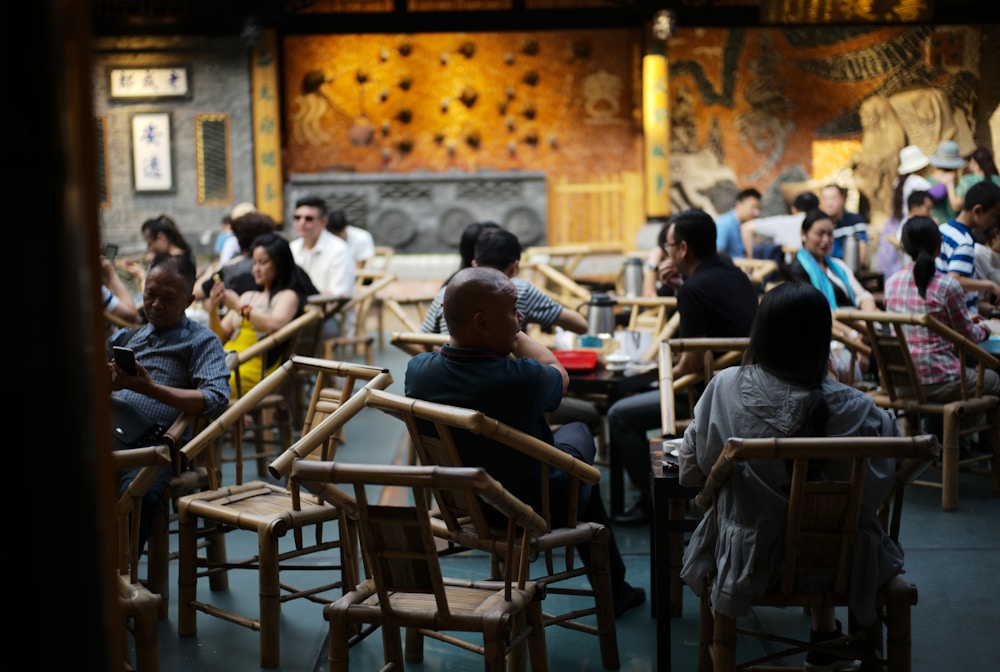
Chengdu is ground zero for Sichuan cuisine, and nothing prepares you for the first proper encounter with mala — the numbing, mouth-tingling heat from Sichuan peppercorns that seems designed to make you question your own nerve endings. Dan dan noodles, served from street carts with a sauce of chili oil, preserved vegetables, and ground pork, are technically a snack and practically a revelation.
The hot pot culture here bleeds into the street food — skewers of cold ingredients dipped into boiling broth at outdoor stalls line entire blocks of the city.
Cartagena
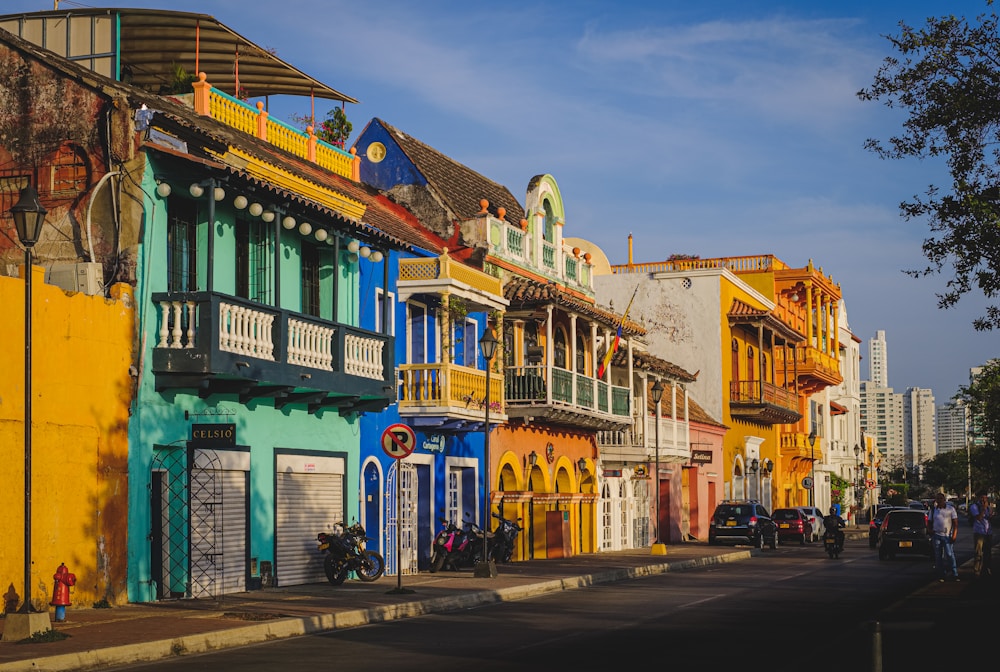
Cartagena’s street food operates like the city itself: warm, slightly unhurried, and more complex than the postcard version suggests. The arepa de huevo — a corn cake filled with a whole egg and deep-fried — is sold by vendors called areperas who carry them in baskets on the streets of the old city, and finding one feels less like lunch and more like luck.
The fresh fruit vendors with their carts of mango, papaya, and corozo doused in lime and salt are easy to miss until you realize they’re on every corner, which is to say: you won’t miss them.
Tokyo
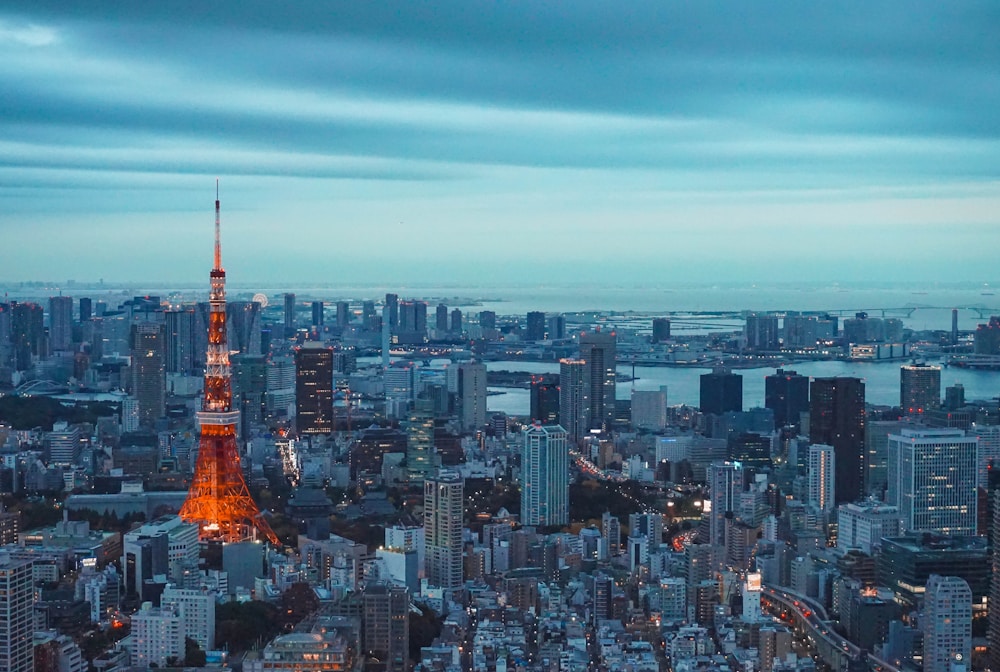
Tokyo operates on the fiction that street food is somehow less serious than restaurant food, and then turns out taiyaki, yakitori, and takoyaki that make most restaurant kitchens look like they’re not trying hard enough. The yakitori stalls under the train tracks near Yurakucho — skewers of chicken grilled over binchotan charcoal, eaten standing with a glass of something cold — are the city condensed to its essential self: precise, unpretentious, and quietly extraordinary.
Convenience store onigiri also counts here, and anyone who disagrees hasn’t had the right one.
Fes
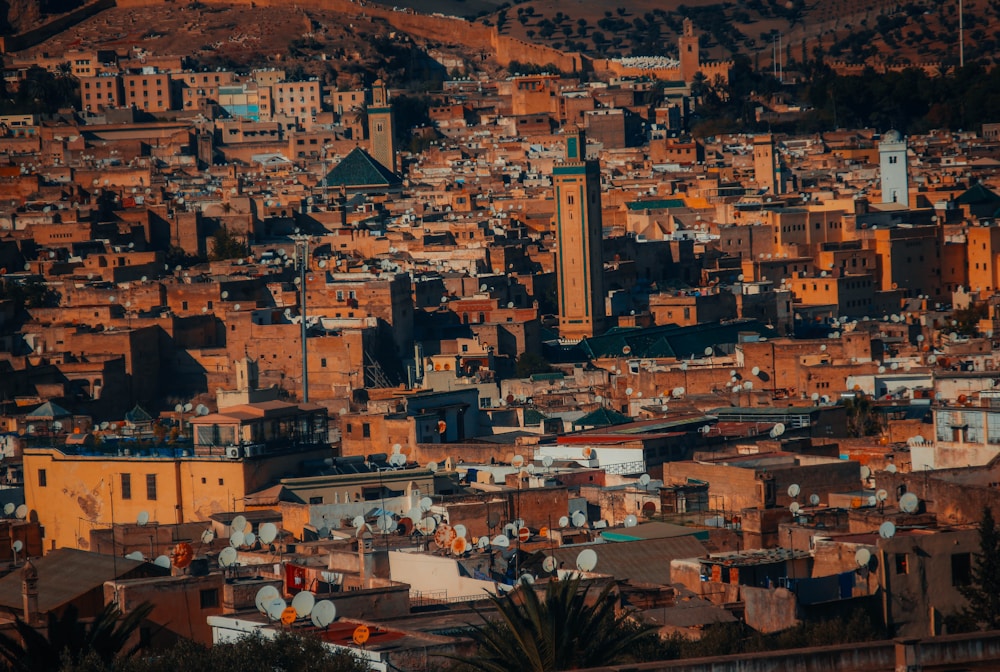
Fes is a medieval city that has been making the same food in the same medina for a thousand years, and the continuity is not an exaggeration — it’s an architectural fact. The b’stilla vendors near Bab Bou Jeloud (savory-sweet pastilla pastry filled with pigeon, almonds, and cinnamon) serve something that was already ancient when the leather tanneries visible from nearby rooftops were being built.
Merguez sausages grilled on charcoal in the alleyways smell like the very idea of dinner before you’ve even committed to stopping.
Ho Chi Minh City
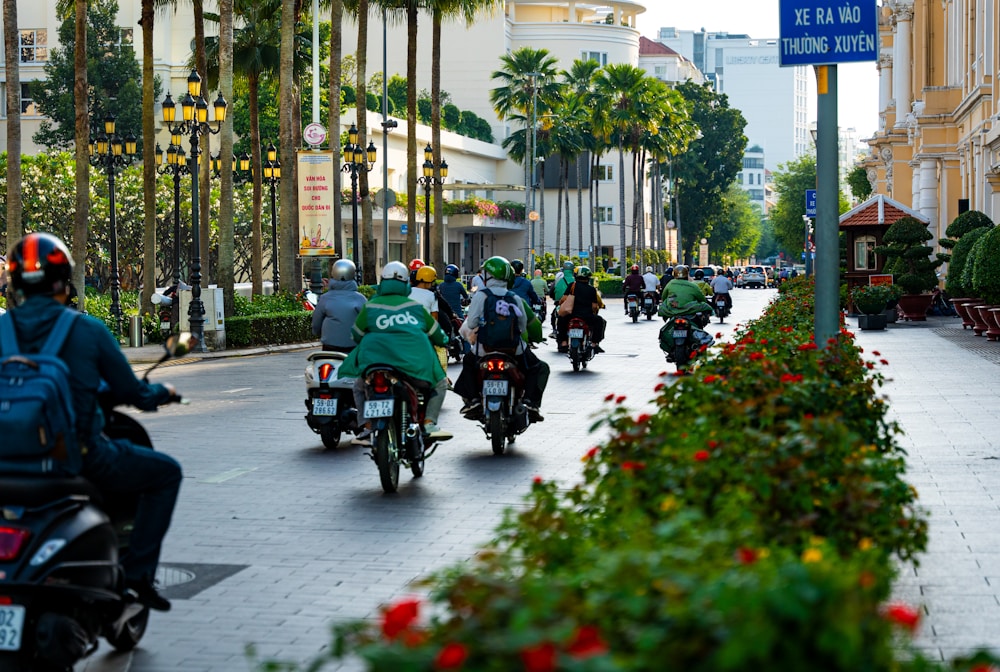
Ho Chi Minh City feeds you from the moment you arrive, whether or not you asked for it. Banh mi — the Vietnamese sandwich that exists because French colonialism left baguettes behind and a cuisine improved them beyond recognition — is assembled at carts on almost every block with liver pâté, pickled daikon, cilantro, and chili, and it costs less than a dollar while being one of the best sandwiches on the planet.
The com tam stalls (broken rice with grilled pork ribs, shredded pork skin, and a fried egg) operate from 6 a.m. with queues that are a reliable indicator of quality.
Kolkata
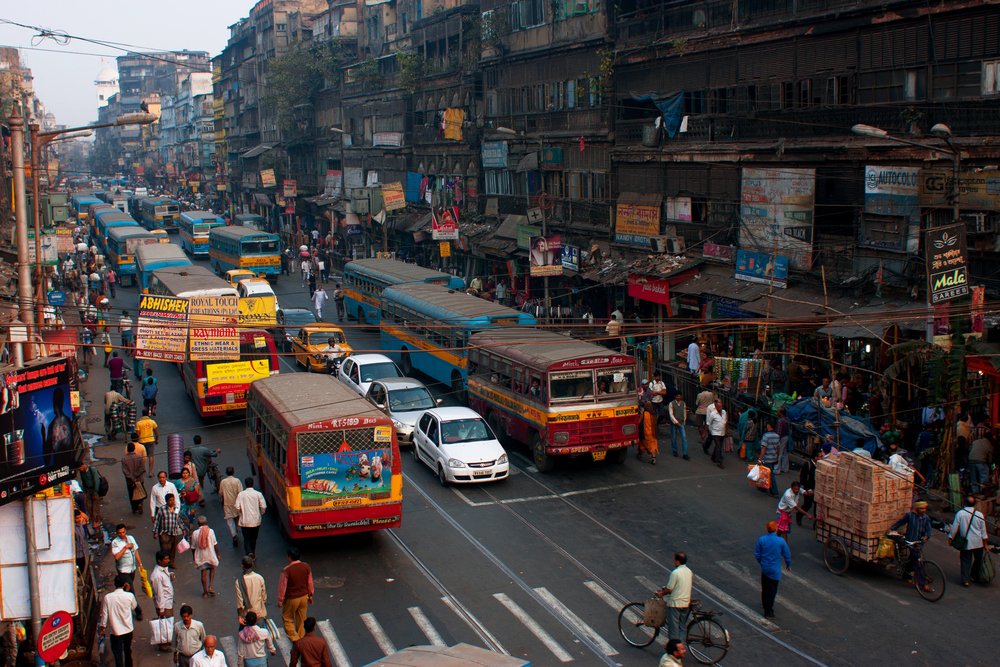
Kolkata’s street food culture is a city within a city — a parallel economy of phuchka vendors, kathi roll carts, and mishti doi sellers that runs independently of every restaurant in the place. Phuchka (the Bengali version of pani puri, filled with a more tart tamarind water than you’ll find anywhere else in India) is the street food equivalent of an argument: everyone has a strong opinion about whose is best and nobody is entirely wrong.
The kathi roll — a paratha wrapped around egg-coated skewered meat with onions and lime — was invented here, and the original is still better than every version that followed.
Guadalajara
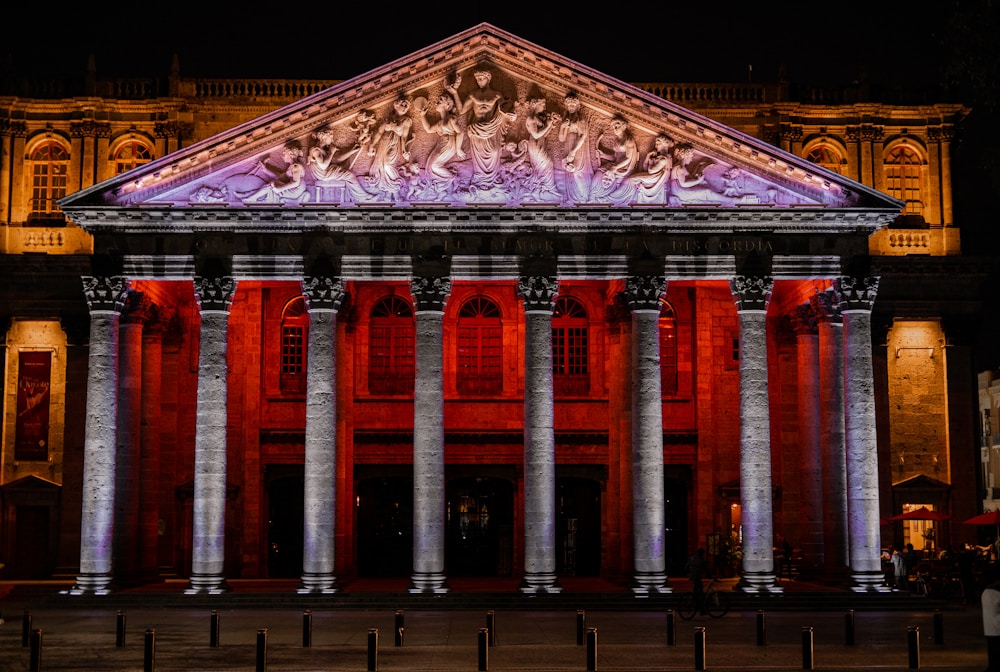
Guadalajara is where birria — beef or goat stewed in a deep red chile broth until it falls apart — achieved the kind of cultural momentum that eventually spreads everywhere, although the version back at the source remains the standard everything else is measured against. The torta ahogada (a pork-stuffed roll drowned in a fiery tomato-chile sauce) is the city’s obsession, eaten at any hour with a dignity that suggests drowning your sandwich in sauce was always the correct decision.
Street vendors near Mercado San Juan de Dios sell both with a confidence that suggests they know exactly how good this is.
Beirut
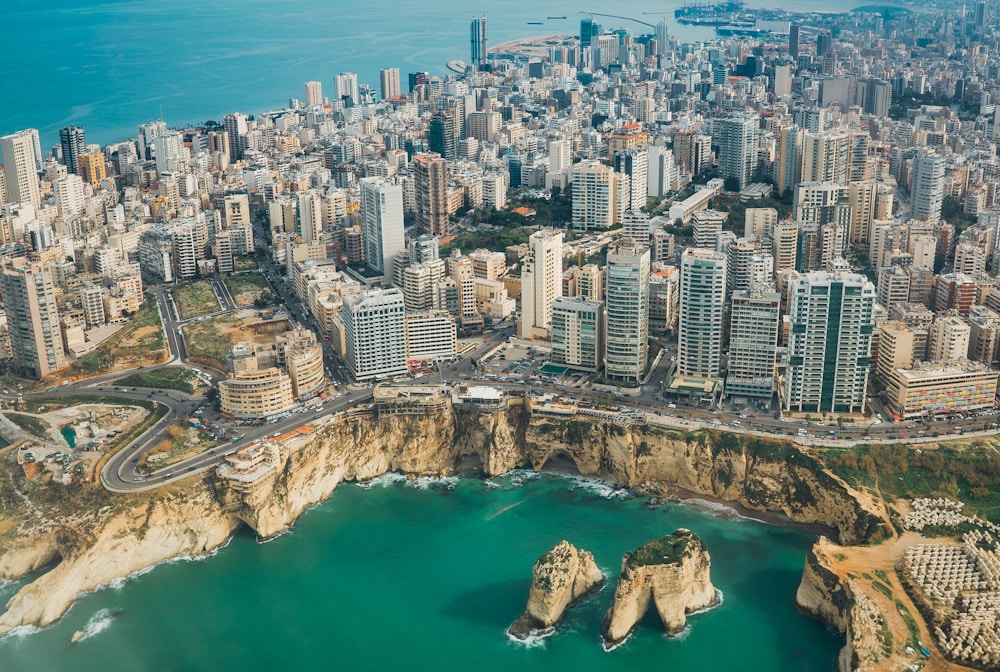
Beirut is stubborn in the best possible way — a city that has rebuilt itself repeatedly and kept its food culture intact through all of it, which is saying something. The man’oushe (flatbread topped with za’atar and olive oil, baked on a curved iron griddle called a saj) is breakfast here the way eggs are breakfast elsewhere: non-negotiable and better than it sounds on paper.
Falafel from Falafel Sahyoun, standing in the narrow doorway of a shop that’s been operating since the 1930s, is a direct argument against the idea that simplicity has limits.
Bogotá
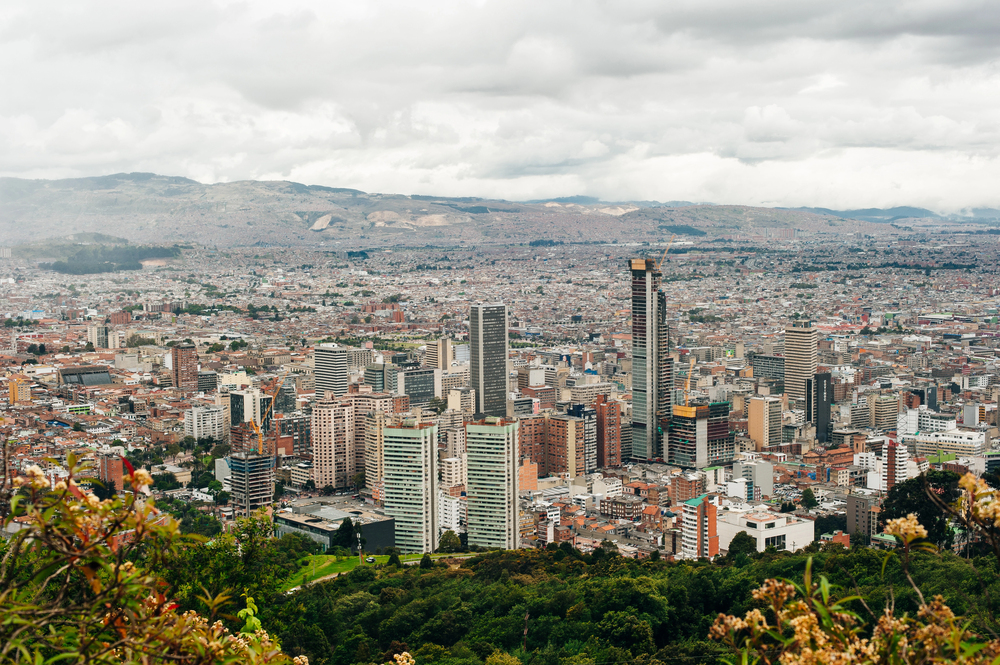
Bogotá sits at over 8,600 feet above sea level, and something about the thin air makes the smell of fresh arepas cooking on a griddle at 7 a.m. land harder than it should. The empanadas here — small, golden, filled with potato and beef and served with aji sauce — are eaten by the paper bagful at market stalls in La Paloquemao, which is both the city’s central market and a reasonable argument for skipping any other planned activity.
Chocolate santafereño (hot chocolate with a wedge of white cheese melted into it) sounds like a mistake and is not one.
Palermo
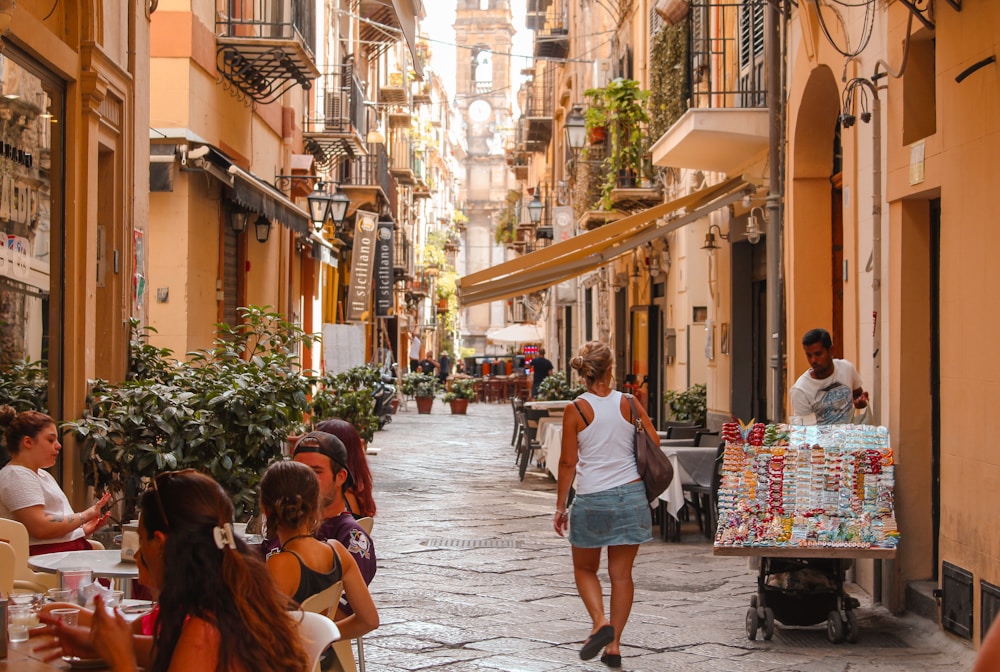
Palermo’s street food is strange, specific, and completely serious about itself. The arancina (a fried rice ball filled with meat ragù or cheese), the sfincione (a thick Sicilian pizza with onion, tomato, and caciocavallo cheese), and the pane ca meusa (a soft roll filled with boiled and fried spleen and lung) exist in a city that built a cuisine from Arab, Norman, and Spanish influences and refused to smooth the edges down.
The Ballarò market, one of the oldest in Europe, is where all of this happens simultaneously in a space that feels like it’s been intentionally designed to overwhelm your decision-making.
Chiang Mai

Chiang Mai’s Sunday Walking Street on Wualai Road is the kind of event that starts as a browse and ends two hours later when you realize you’ve been eating continuously without really noticing. The khao soi — a Northern Thai curry noodle soup with crispy fried noodles on top, coconut milk broth, and pickled mustard greens on the side — is a dish that tells you immediately it belongs to a specific place and refuses to travel well.
Sai oua (Northern Thai herbal sausage grilled over coals) smells like lemongrass and galangal from a block away, which is as good an invitation as any.
Dakar
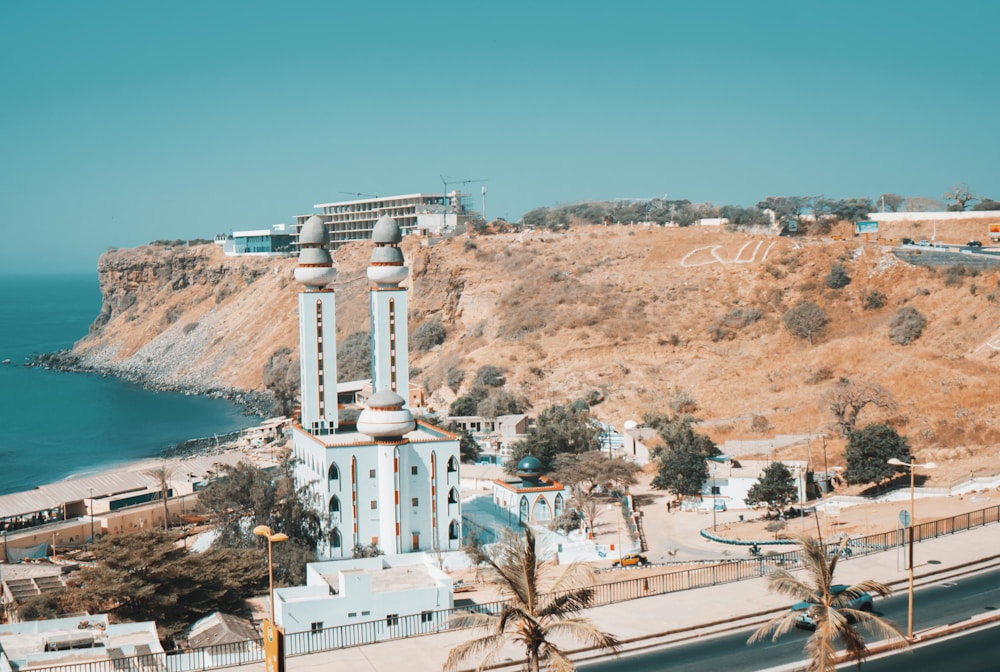
Dakar’s thieboudienne — fish and rice cooked in a tomato-based sauce with vegetables, considered the national dish of Senegal — is made in enormous pots at street-side restaurants called gargotes, and the version you eat from a shared platter with strangers in Medina is categorically different from any adaptation you’ve encountered before. Dibi (grilled lamb, chopped on a wooden board and served with mustard and onions) is sold at dibiteries scattered throughout the city, each run with the kind of casual authority that comes from knowing your product doesn’t need explaining.
The thiof fish sandwiches sold near Soumbédioune market are Dakar’s quiet answer to every other great fish sandwich in the world.
Lima
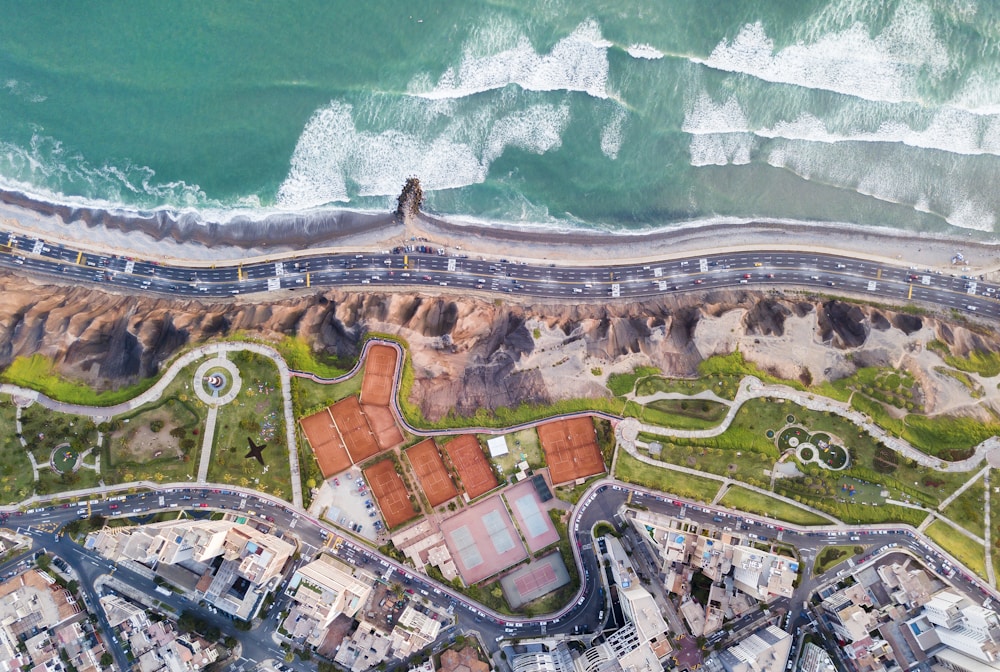
Lima is the food capital of South America, and arguing otherwise requires a level of stubbornness not available to most people. The anticuchos — beef heart skewers marinated in aji panca and cumin, grilled over coals, sold by anticucheras who set up their carts after dark — are the most honest illustration of how Peruvian cuisine transforms humble ingredients into something that wins international awards.
Ceviche from a market stall in Surquillo, eaten at 11 a.m. with a glass of chicha morada, is Lima presenting itself without apology.
Osaka
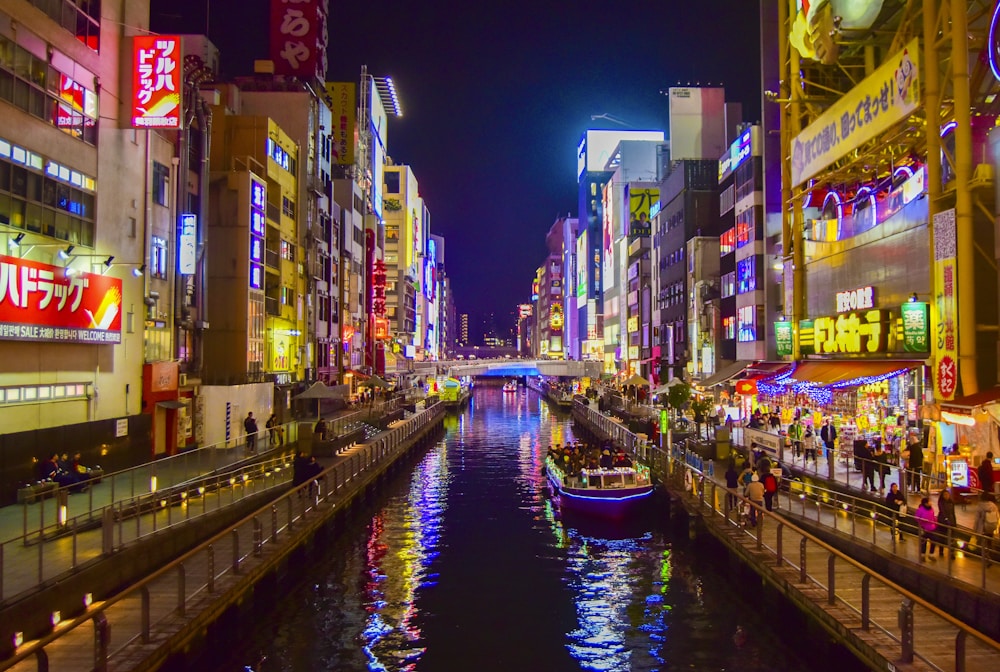
Osaka has a word for its own relationship to food — kuidaore — which roughly translates to “eat until you drop,” and it’s treated less as a warning and more as a civic value. Takoyaki (octopus balls cooked in a special molded pan, topped with bonito flakes, mayonnaise, and sweet sauce) originated here, and the original is still the definitive version; okonomiyaki (savory pancakes with cabbage, pork, and a dozen possible additions) is sold from griddles on Dotonbori street with a speed and confidence that borders on performance.
This is a city that takes the act of feeding people very, very seriously.
Addis Ababa
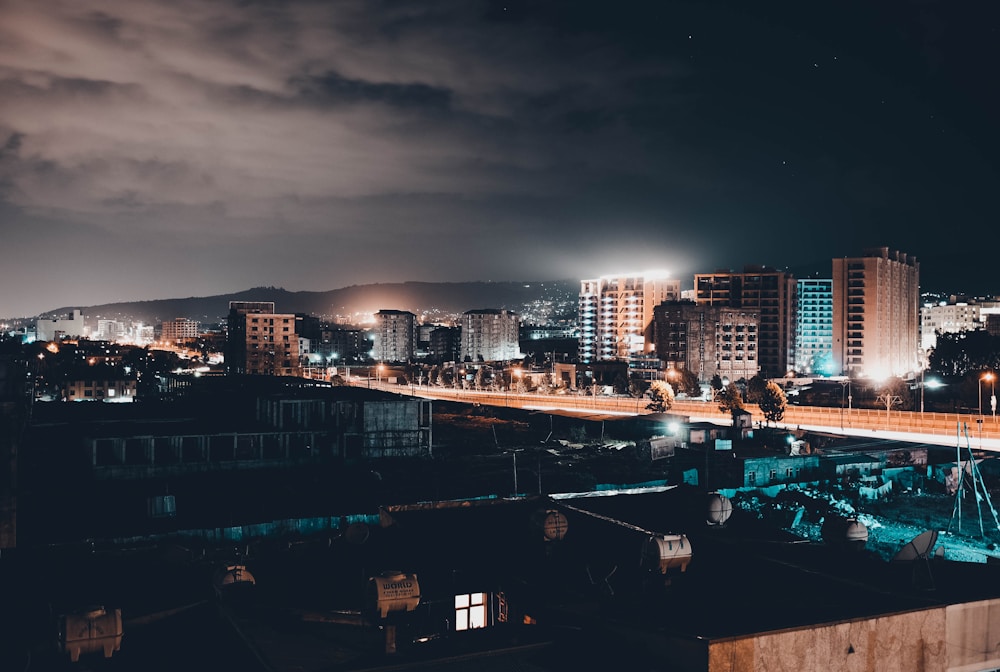
Addis Ababa’s street food centers on injera — a large, spongy sourdough flatbread made from teff — used as both plate and utensil for the tibs, lentils, and berbere-spiced stews piled on top at streetside tej houses and small restaurants called kitfo bets. The kitfo itself (Ethiopian steak tartare seasoned with mitmita spice and clarified butter) is served at small stalls with a matter-of-factness that suits it perfectly, which is to say: no ceremony, no explanation, just the thing itself.
Addis is a city of 5 million people that collectively understands that the best meals don’t require a table.
The Hunger That Starts Before You Land
There’s a moment before every trip — somewhere between booking the flight and actually arriving — where you start looking up food markets, late-night stalls, the name of the vendor someone mentioned in a forum six years ago. That hunger is part of the journey, and it doesn’t really go away once you’re there.
The cities on this list feed you in ways that aren’t just about taste: they show you how a place thinks about pleasure, community, and the daily act of keeping people fed. You’ll stand at a cart in one of these cities, holding something wrapped in paper or served on a plastic plate, and realize you’ve learned more about the place in fifteen minutes than you could have from any guidebook.
Street food has a way of stripping travel back to its essentials: local ingredients, everyday rituals, and conversations that happen over a meal rather than across a reservation book. These cities don’t just feed visitors—they introduce them to the culture one bite at a time.
More from Travel Pug

- Underrated Italian Towns That Beat the Tourist Crowds
- Las Vegas Tourist Traps to Skip
- Prettiest Towns in Every US State
- 18 passport-free countries for Americans
- Signs Your Cruise Is Not Worth The Cost
Like Travel Pug’s content? Follow us on MSN.