

There’s a particular kind of summer that only exists in the Upper Midwest — one that smells like sunscreen and pine, where the mornings are cool enough for a sweatshirt and the afternoons beg you to sit on a dock and do absolutely nothing productive. Retirees figured this out long before the rest of the country caught on.
While coastal destinations fight over limited shoreline and charge accordingly, the lake towns scattered across Minnesota, Wisconsin, Michigan, and the Dakotas quietly offer something most people spend their whole lives looking for: genuine stillness with just enough to do. These are the places they keep coming back to.
Brainerd, Minnesota
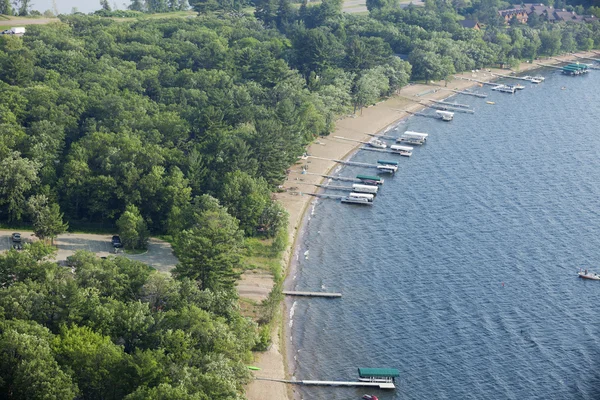
Brainerd punches above its weight. Surrounded by hundreds of lakes within a short drive, it functions less like a single town and more like a headquarters for an entire region of water.
Retirees settle into the area for weeks at a time, partly for the fishing, partly because the pace of life there feels like someone finally turned down the volume on everything.
Bayfield, Wisconsin
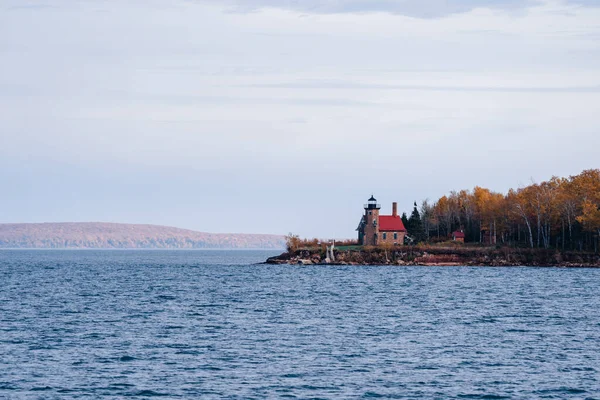
Bayfield sits at the tip of a Wisconsin peninsula like something that wasn’t supposed to be discovered — a small harbor town with Victorian architecture, a ferry to Madeline Island, and the kind of quiet that corrects your assumptions about what summer is supposed to feel like. The Apostle Islands National Lakeshore wraps around it, and Lake Superior stretches out beyond the breakwater in a shade of blue that has no business existing this far inland.
People come for a weekend and start doing the math on whether they could stay longer.
Traverse City, Michigan
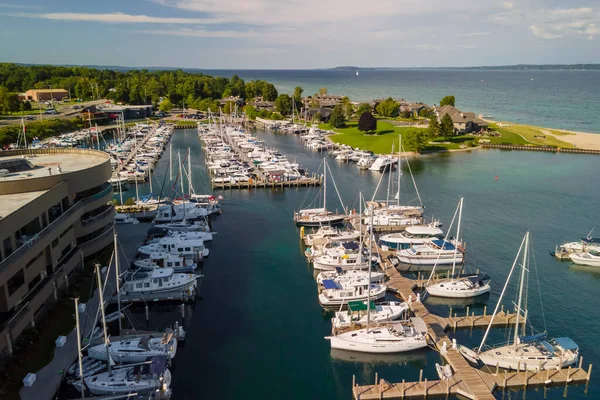
Traverse City is genuinely excellent, and it knows it — which, to be fair, is earned. Perched between Grand Traverse Bay’s two arms, it offers beaches, cherry orchards, a walkable downtown, and a wine trail that takes the concept of “afternoon activity” seriously.
Retirees who land here tend to stay for the whole season, not just a week.
Crosslake, Minnesota
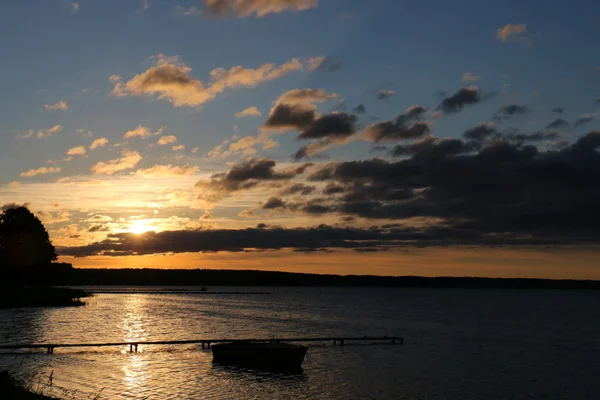
Crosslake is the kind of town that doesn’t need to advertise itself — it sits at the heart of the Whitefish Chain of Lakes — a large interconnected system of lakes in central Minnesota — and the water does all the convincing, drawing people back year after year with a stubbornness that has nothing to do with novelty and everything to do with familiarity. The town itself is small and unhurried, with resorts along the shoreline that have been hosting the same families — and now their retired parents — for decades, and the whole place operates on a schedule that seems to answer to the fish more than the clock.
So it sticks.
Minocqua, Wisconsin
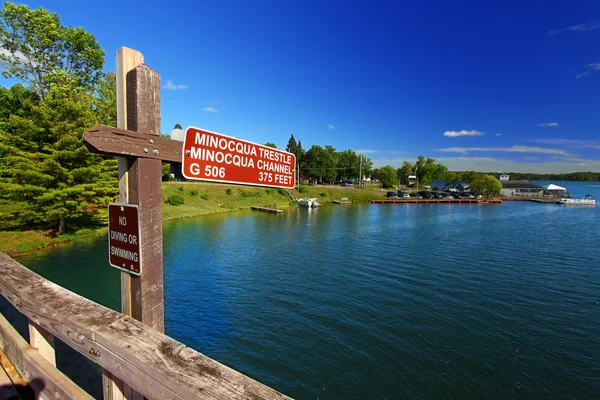
Minocqua sits on an island in the middle of Kawaguesaga Lake, and that geography does something to a place — it makes it feel enclosed in the best possible way, like the rest of the world requires a bridge to reach you, and you can decide whether that bridge is worth crossing today. The town is compact enough to walk, with shops and restaurants that lean into the northwoods identity without overdoing the kitsch.
Retirees gravitate here for the fishing, the lakeside concerts, and the unhurried rhythm that the island layout enforces almost without trying.
Cadillac, Michigan
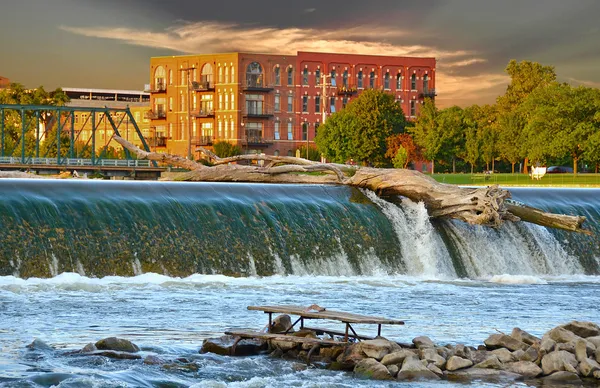
Cadillac sits between two lakes — Mitchell and Cadillac — which sounds like a geographic accident but functions like a deliberate luxury. The William Mitchell State Park connects them with a canal that’s been a fishing destination for over a century, and the town around it has the comfortable, well-worn feel of a place that never tried too hard to be charming and ended up there anyway.
Summer here is low-key in the best possible sense.
Walker, Minnesota
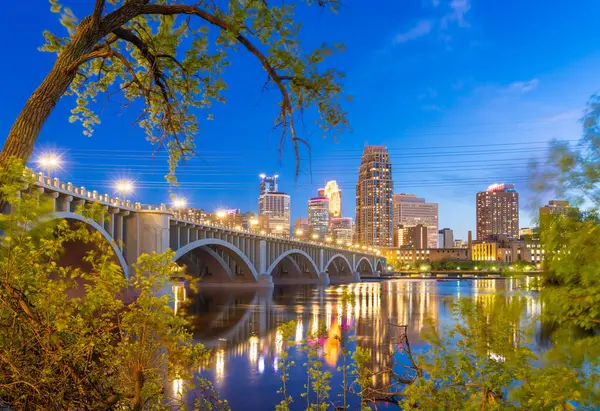
Walker is a small town on Leech Lake, one of the largest lakes in Minnesota, and it carries that proximity with a quiet confidence. The fishing is exceptional — walleye, especially, which locals discuss with the kind of seriousness usually reserved for more consequential matters.
Retirees who value an uncrowded shoreline and a genuine small-town center find Walker surprisingly complete.
Sister Bay, Wisconsin
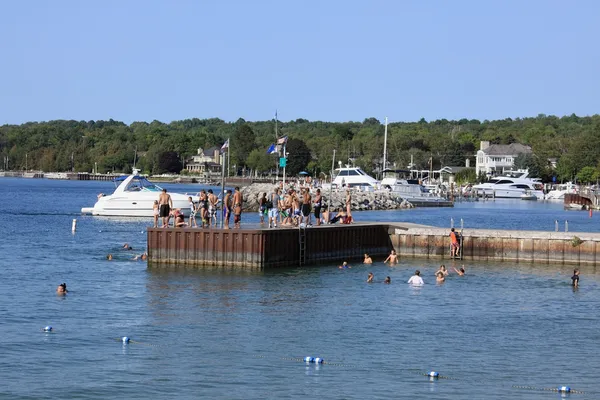
Sister Bay occupies a particular niche in Door County’s constellation of small towns: it’s lively enough to feel alive but not so overrun that you’re sharing a restaurant table with a stranger. The bay itself is calm and shallow, ideal for kayaking and swimming at a pace that doesn’t require ambition, and downtown has a rotation of good restaurants and independent shops that justify a slow afternoon walk.
It’s the kind of place where the goats on the roof of Al Johnson’s Swedish Restaurant are a genuine landmark, which tells you something about the scale of the place.
Ashland, Wisconsin
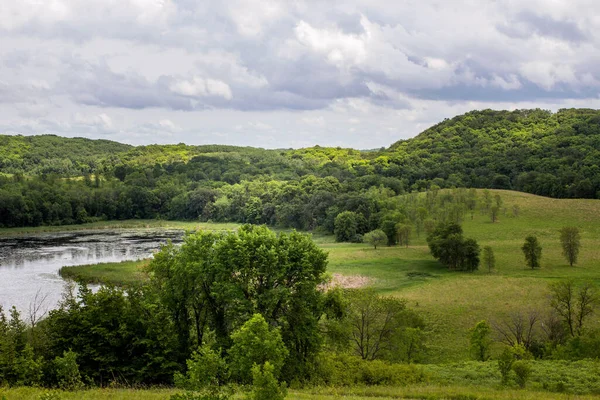
Ashland doesn’t get enough attention, which is entirely its own fault — it refuses to market itself aggressively, sitting on Chequamegon Bay with its back to the drama and its face toward the water. The Chequamegon-Nicolet National Forest begins practically at the edge of town, the Ore Dock stretching into the bay is one of the more striking pieces of industrial architecture in the region, and the cost of a summer rental here is a fraction of what you’d pay somewhere with worse scenery.
Retirees who find it tend to feel like they’ve been let in on something.
Charlevoix, Michigan
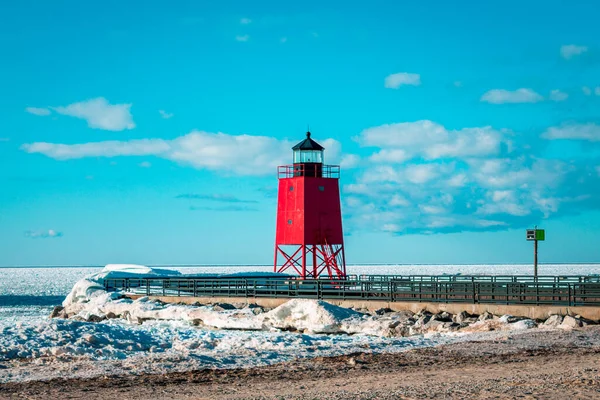
Charlevoix is almost unfairly beautiful, and to be fair, it seems aware of this. A channel connects Lake Michigan to Round Lake and then to Lake Charlevoix, so the town essentially floats between three bodies of water — each with its own character, its own kind of light in the late afternoon.
The mushroom houses built by Earl Young in the 1920s and 30s give the residential streets a storybook quality that shouldn’t work but absolutely does.
Ely, Minnesota
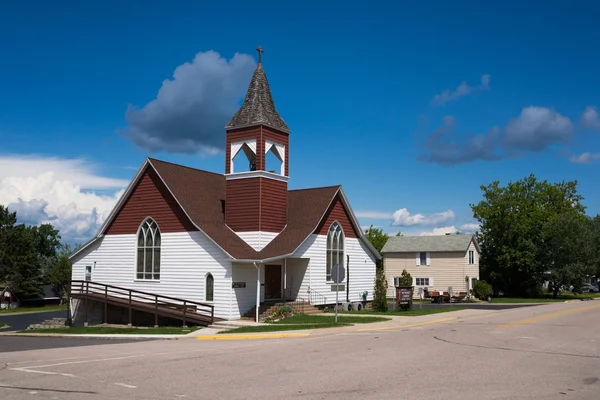
Ely is a gateway town in the most literal sense — it sits at the edge of the Boundary Waters Canoe Area Wilderness, a million-acre roadless expanse of lakes and portages that begins where the pavement ends. But Ely itself is a proper small town, with a main street, good food, and a retired population that arrived for the summer and, in more than a few cases, never entirely left.
The quiet here isn’t ambient; it has weight to it.
Elk Rapids, Michigan
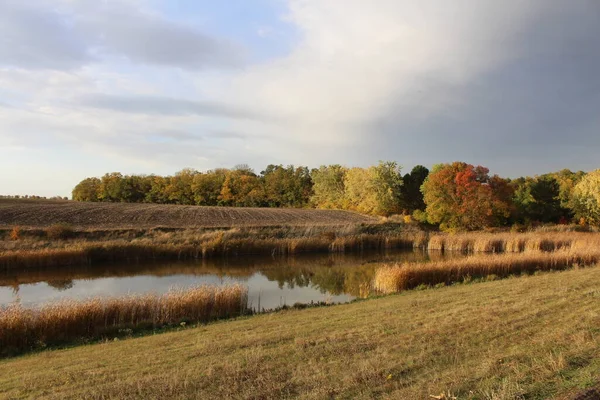
Elk Rapids is a small town at the mouth of the Elk River where it empties into Elk Lake before reaching Grand Traverse Bay, and that layered geography — river, lake, bay, all within walking distance of each other — gives it a character that larger resort towns spend millions trying to manufacture. The harbor is active without being overcrowded, the beach is genuinely good, and the pace of the place rewards people who’ve stopped needing to fill every hour.
Retirees find it and tend to feel, without quite being able to explain why, that it was waiting for them.
Baudette, Minnesota
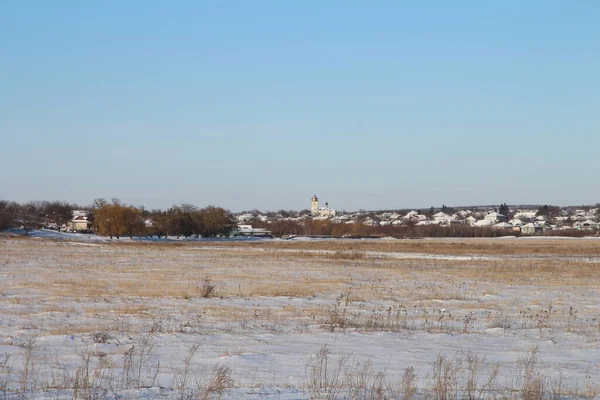
Baudette sits on the Rainy River along the Canadian border, and its identity is tied entirely to one thing: the walleye. It calls itself the “Walleye Capital of the World,” and while such claims are inherently unprovable, the fishing in Lake of the Woods — which the town accesses via the river — is legitimate enough that serious anglers don’t argue with it.
Retirees who care more about a well-rigged rod than a well-reviewed restaurant find this place extremely easy to like.
Petoskey, Michigan
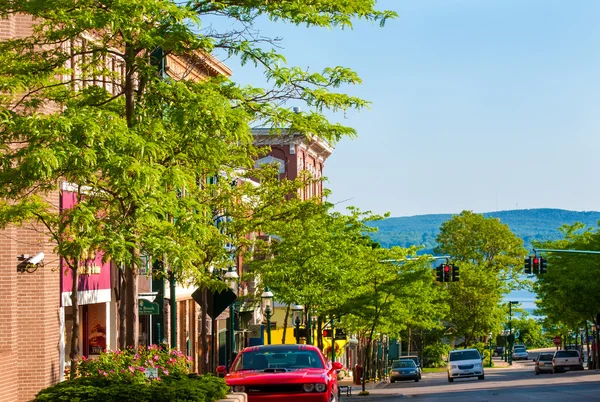
Petoskey is anchored by Petoskey State Park and Little Traverse Bay, but what makes it particularly livable in summer is the Gaslight District — a compact downtown that functions as a small city’s worth of dining and retail compressed into a walkable few blocks, accessible to people who’ve decided that a golf cart is a perfectly reasonable mode of transportation. The Petoskey stone, a fossil-bearing limestone found on the beaches, gives even a casual walk along the shoreline an odd sense of purpose.
People come here expecting a nice lake town and leave with a small collection of fossils and a reservation for next July.
Hayward, Wisconsin
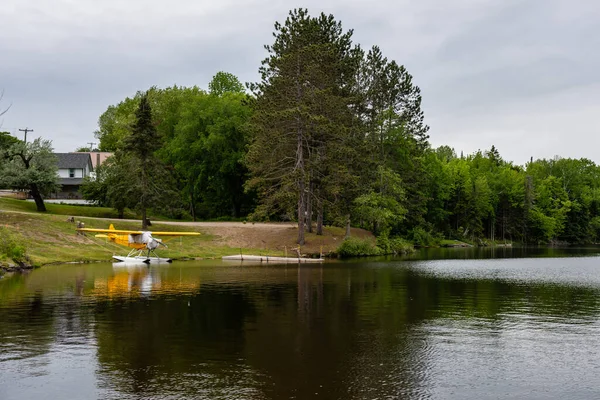
Hayward’s identity is built around freshwater fishing the way some towns are built around a cathedral — the National Fresh Water Fishing Hall of Fame is literally shaped like a giant muskie, which is either the most Wisconsin thing imaginable or exactly the right amount of commitment to a local obsession. The Namekagon River runs nearby, the lakes are numerous, and the summer population swells with retirees who’ve been making the drive north from Milwaukee and Madison for long enough that the route is memorized.
It doesn’t pretend to be anything other than what it is, which is a feature, not a limitation.
Where the Water Keeps Winning
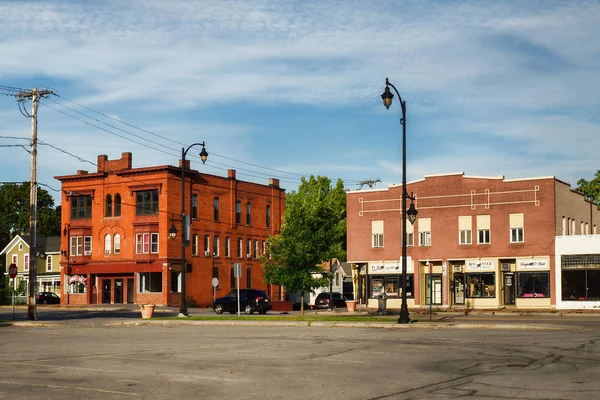
There’s a pattern worth noticing in all of these places: none of them are trying to be something else. They’re not performing relaxation or packaging solitude as a product — they’re just towns that happen to sit next to water, with hardware stores and bait shops and good pie somewhere downtown.
Retirees return to them not because they’ve exhausted other options but because they’ve finally stopped needing novelty to feel satisfied. The lake doesn’t change much from year to year.
And it turns out that’s exactly the point.
More from Travel Pug

- Underrated Italian Towns That Beat the Tourist Crowds
- Las Vegas Tourist Traps to Skip
- Prettiest Towns in Every US State
- 18 passport-free countries for Americans
- Signs Your Cruise Is Not Worth The Cost
Like Travel Pug’s content? Follow us on MSN.