

Airports rarely take money in one large bite. The damage comes in small increments: a parking gate here, a bag fee there, a bottle of water priced like a cocktail.
By the time the plane lands, a cheap fare can look a lot less cheap. Most of these losses are avoidable with a little planning the night before.
Some come from habits, some from confusing rules and some from simply not knowing that a refund or a free option exists. Fees and rules below reflect airline and government policies as of 2026 and can change.
Paying Drive-Up Rates for Airport Parking
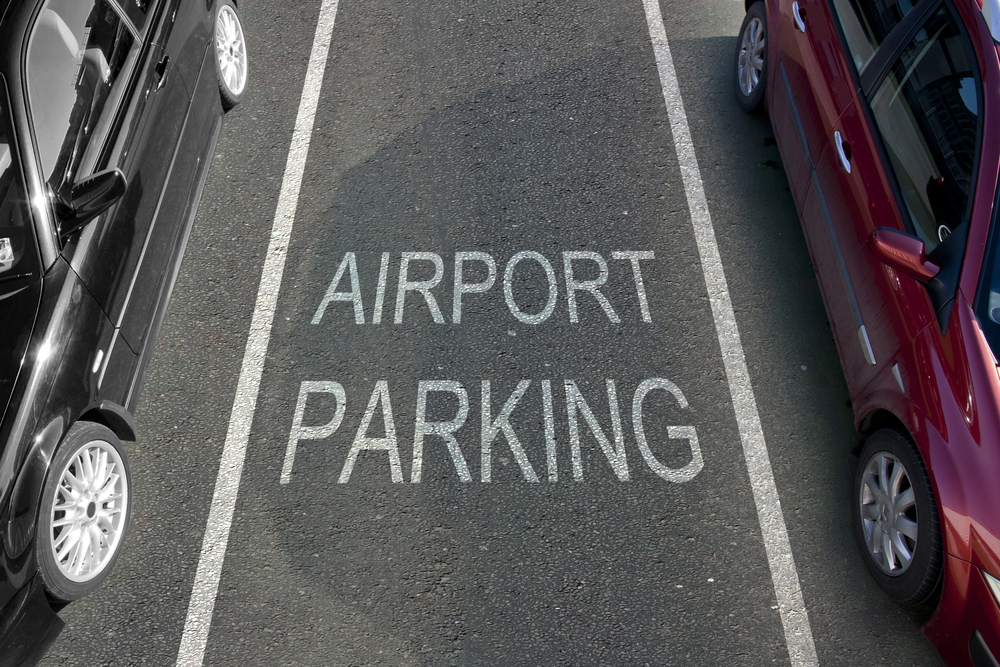
Airport parking can cost more when you simply drive up without comparing advance-booking or off-airport options. Many major airports, as well as off-site lots with shuttle service, offer advance reservations that can be cheaper than their drive-up rates.
The difference over a week-long trip can easily reach fifty dollars or more. Off-airport lots often add perks such as covered spaces or car washes, although shuttle frequency and fees vary by operator.
Travelers who drive up on the morning of departure may pay the posted daily rate and have fewer parking options available.
Buying Bottled Water Past Security

A bottle of water inside the terminal often costs several dollars, sometimes more than the same brand in a supermarket six-pack. The TSA allows empty bottles through the checkpoint, and many large United States airports have water-filling stations after security.
Solid snacks such as granola bars, sandwiches and fruit also pass security without trouble, provided they are solid foods rather than liquids or gels. A family of four filling bottles and packing lunch can save a meaningful sum before the flight even boards.
Exchanging Cash at Airport Currency Counters
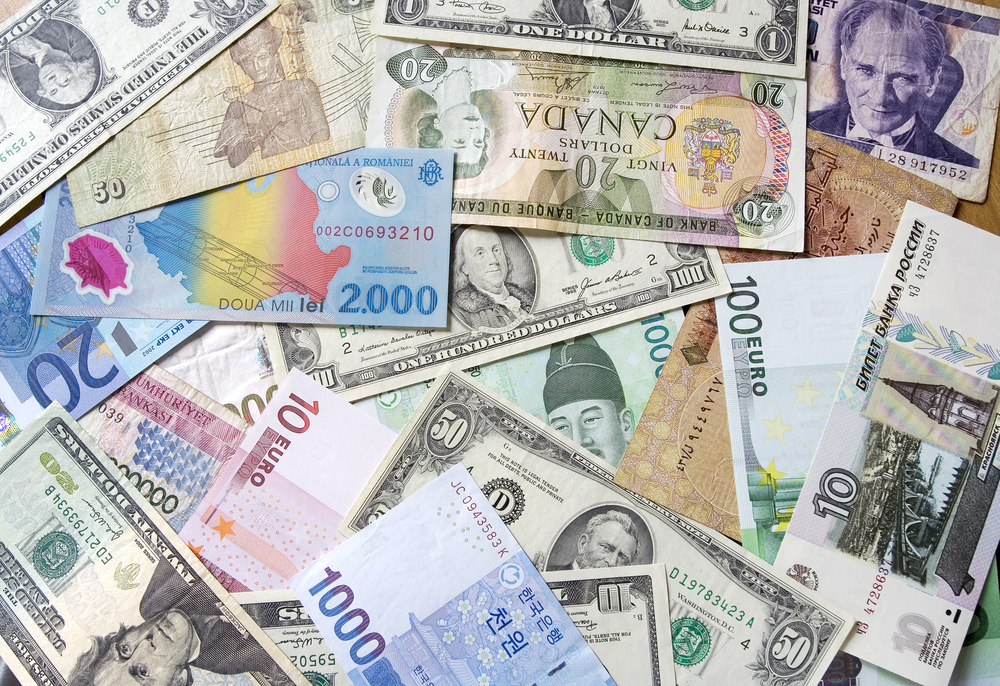
Currency exchange counters in airport terminals are convenient, and they price that convenience into their rates. Their exchange rates can be less favorable than rates available through banks or card networks, and some services also charge commissions or fees.
A bank ATM in the arrivals hall may offer a more competitive rate, although ATM and foreign-transaction fees still depend on the card and bank. Travelers who want a little local cash before departure often do better ordering it from their own bank a week ahead.
Accepting Charges in the Home Currency Abroad
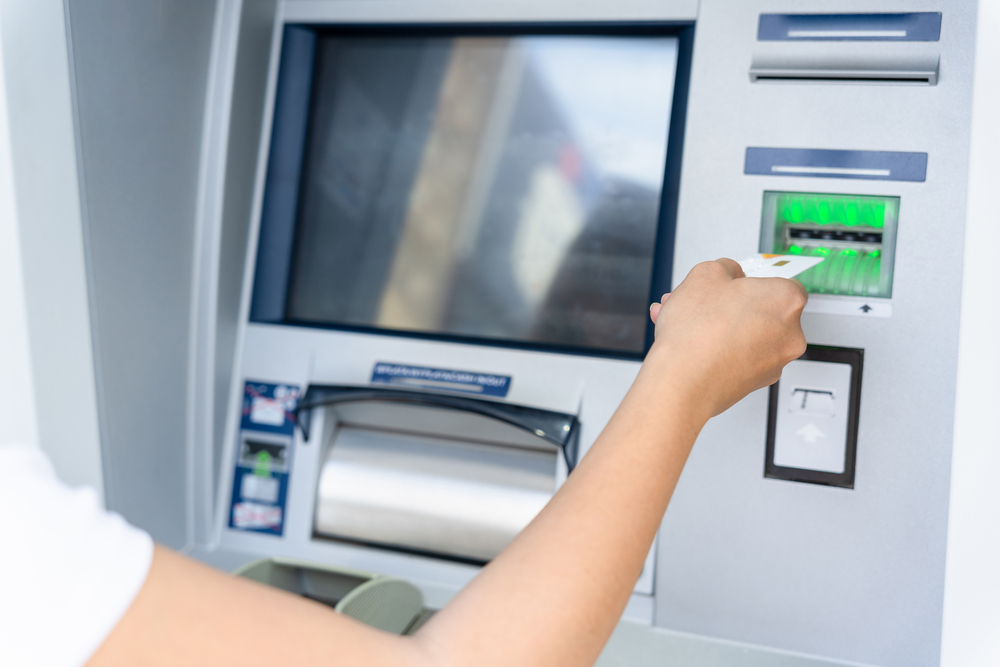
Card terminals and ATMs overseas often ask whether to charge in dollars or in the local currency. Choosing dollars triggers dynamic currency conversion, where the merchant or ATM operator sets its own exchange rate, which can include a markup that is often around 3% to 5%.
The screen presents the choice as a favor, but travelers should compare the displayed rate and fees before accepting it. Picking the local currency lets the card issuer handle the conversion under its own applicable exchange-rate and fee rules.
Visa specifically recommends declining DCC if you want to avoid the merchant’s or ATM’s conversion markup.
Skipping the Luggage Scale at Home
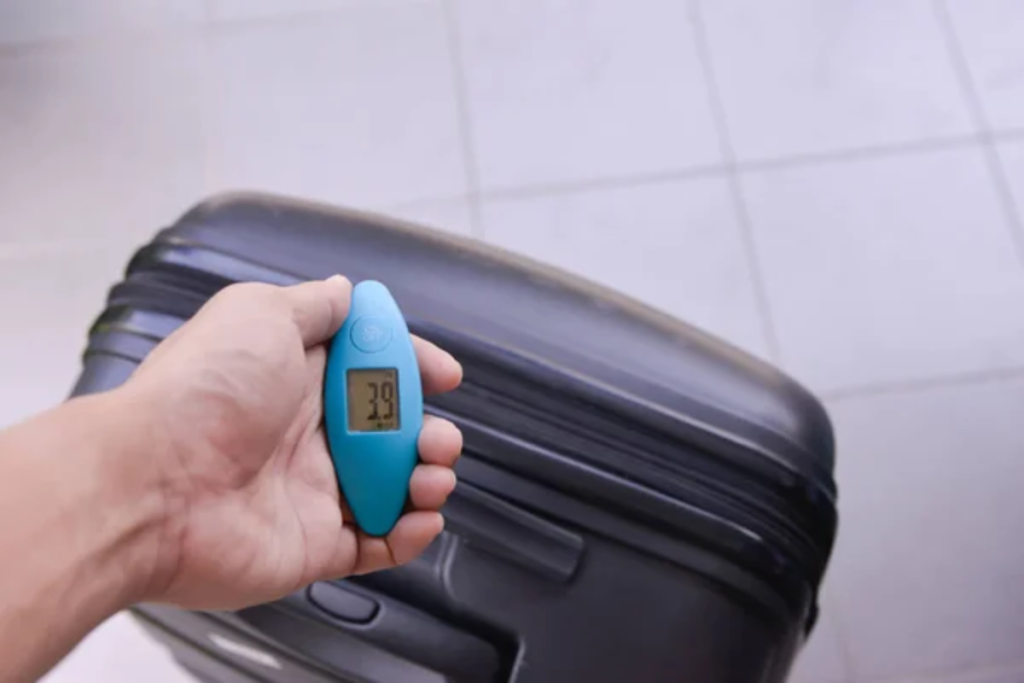
Many major United States airlines use a 50-pound limit for standard economy checked bags, but limits and overweight fees vary by airline, route and fare. A bag that tips over that line can trigger an overweight fee in addition to the standard bag charge.
Some airlines impose higher fees at heavier weights, and individual policies can differ on whether very heavy bags are accepted at all. A handheld luggage scale costs about the same as an airport lunch.
Weighing the bag at home leaves time to move shoes or books into a carry-on instead of repacking on the terminal floor.
Paying Bag Fees at the Check-In Counter

Several airlines charge more for a checked bag paid at the airport than for the same bag paid online in advance. The exact difference varies by airline, route, ticket date and when the bag is purchased.
American Airlines, for example, currently says passengers can pay for eligible bags online ahead of time and describes online payment as offering the best available price. On ultra-low-cost airlines, fees can also rise as the departure date approaches or when bags are added at the airport.
Adding bags through the airline app before arriving at the airport can therefore be cheaper than waiting until the counter or gate.
Overlooking the Free Bag on an Airline Credit Card
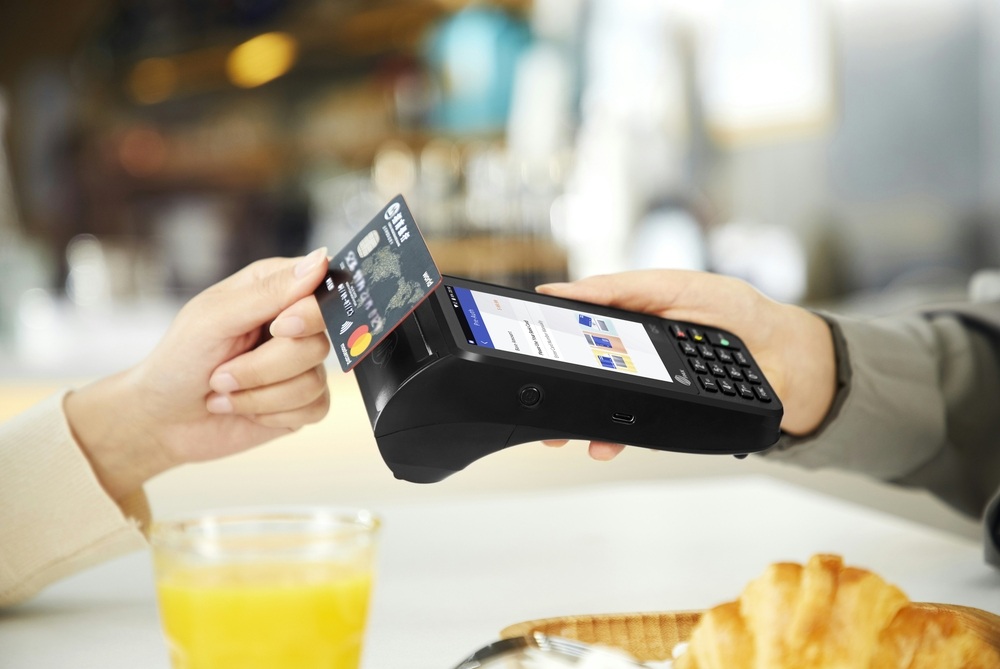
Many travelers carry an airline co-branded credit card and still pay for checked bags. Delta’s co-branded American Express cards can waive the first checked bag for the cardholder and eligible companions on the same reservation, with terms that vary by card.
American and other airlines also offer checked-bag benefits on qualifying cards, but the number of free bags, companions, routes and fare restrictions differ. The perk usually requires the cardholder to be on the booking and the frequent-flyer number to be associated with the reservation.
A round trip for a family of four can mean hundreds of dollars in fees that could potentially be avoided by using an eligible card benefit.
Checking In at the Airport on a Budget Carrier
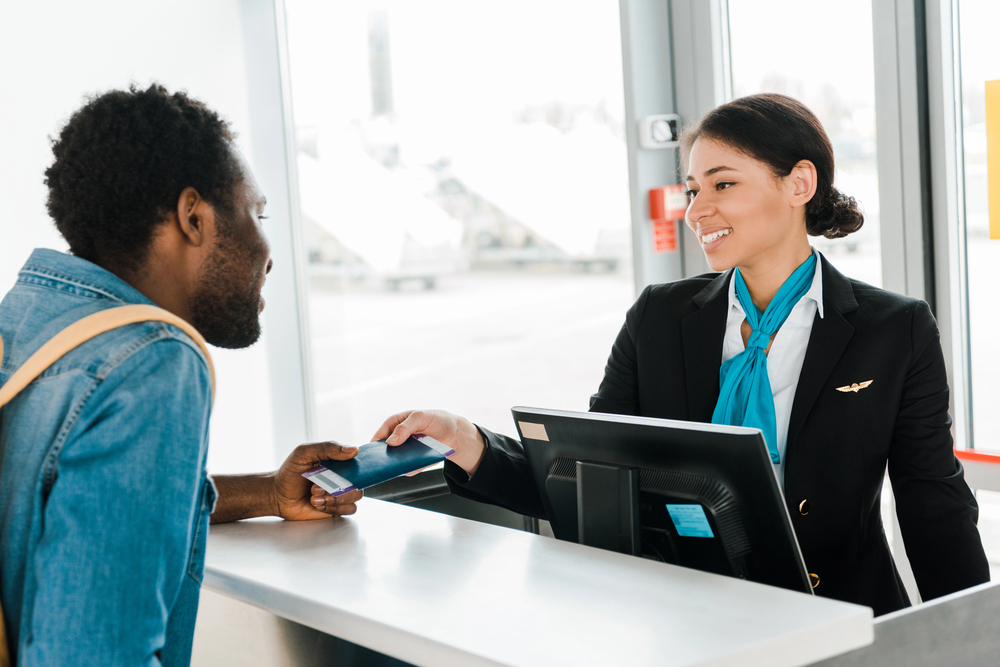
Some European budget airlines treat airport check-in as a penalty rather than a service. Ryanair moved to digital boarding passes only in November 2025, and travelers who fail to complete required online check-in or document verification can face an airport check-in fee of €55 per person.
Wizz Air and other low-cost carriers also have their own airport check-in rules and fees. The check-in window on these airlines typically opens within a day or more before departure, depending on whether a seat has been reserved and on the airline’s current rules, so setting a reminder avoids unnecessary fees.
Gambling on the Personal Item Sizer

Low-cost carriers often sell fares that include only a small personal item, and some enforce the size limit with a physical size at the airport. A backpack that bulges a few inches too deep can be sent to the hold for a gate fee that on some airlines reaches roughly a hundred dollars.
Ryanair’s free personal item limit measures 40 by 30 by 20 centimeters, smaller than many standard backpacks. Measuring the bag at home, or buying a carry-on allowance in advance, costs far less than paying at the gate.
Missing the Bag Drop Cutoff
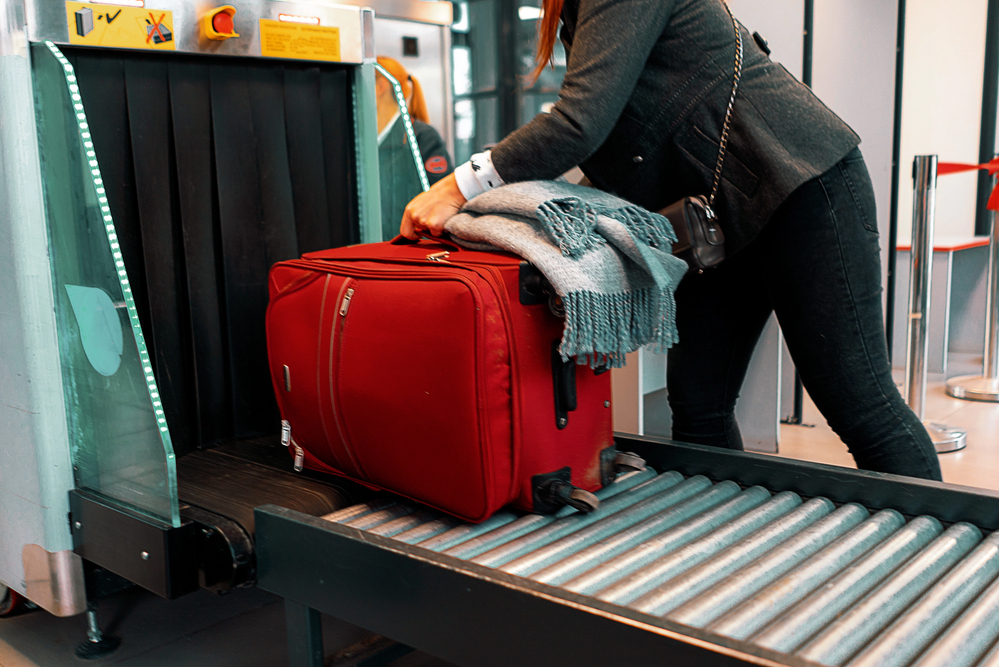
Airlines close checked baggage acceptance well before the departure time, and the deadline is firm. American Airlines, for instance, stops accepting checked bags 45 minutes before most domestic departures and 60 minutes before most international departures, although some airports have earlier cutoffs.
A traveler who reaches the counter a few minutes late can be rebooked on a later flight, sometimes with a change fee or fare difference. Long security lines during holiday periods make the cutoff easy to miss, so arriving early is a financial decision as much as a comfort one.
Skipping the First Leg of a Round Trip
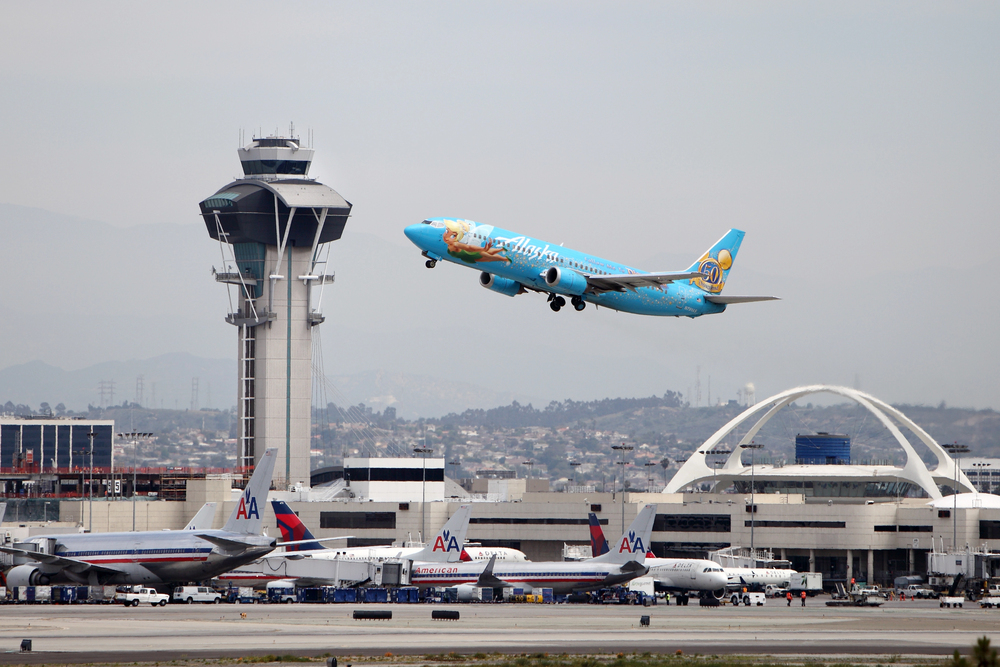
Airlines treat a missed outbound flight as a no-show, and many airlines may cancel the remaining segments on the same reservation, including the return. A traveler who drives to the destination instead of flying out, planning to use only the return flight, can find the seat home gone.
Buying a new one-way ticket at the last minute usually costs more than the original round trip. Calling the airline before the missed departure can sometimes preserve the return, but only if the airline agrees.
Booking Separate Tickets With a Tight Connection
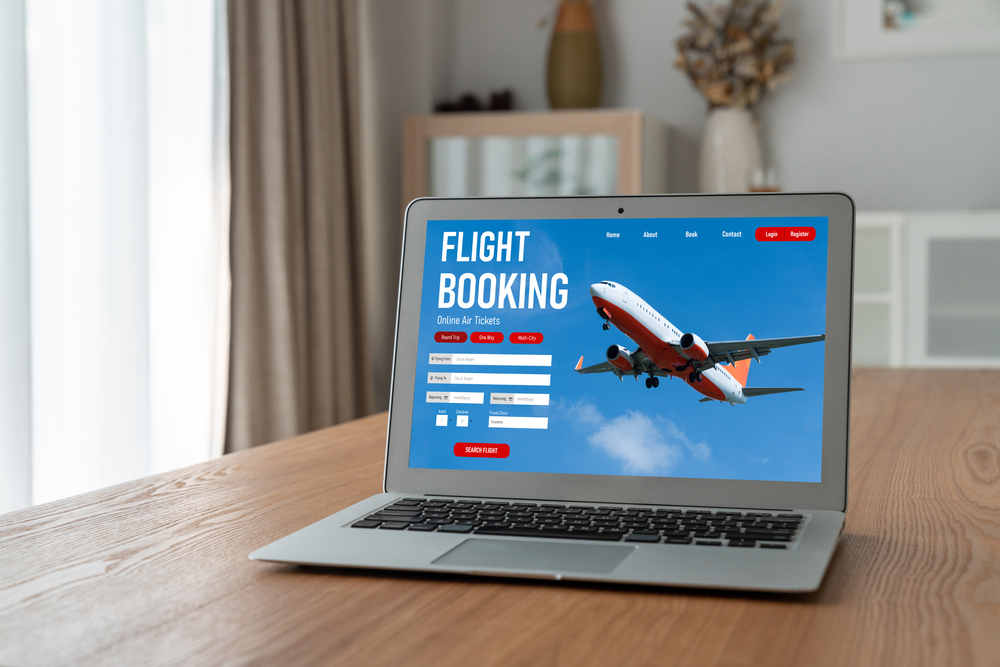
Combining two unrelated tickets can save money on paper, but the second airline has no obligation to wait if the first flight arrives late. When flights are on separate tickets, the airlines generally treat each itinerary independently rather than providing the same connection protection as a single itinerary.
Checked bags also need to be collected and rechecked when they are not checked through to the final destination, which eats more time. Travelers who self-connect generally leave several hours between flights, or an overnight stay.
Taking a Voucher When a Refund Is Owed

Under a federal rule implemented in 2024, airlines flying in the United States must issue automatic cash refunds when they cancel a flight or significantly change it and the passenger declines the alternative. For example, a departure or arrival time change of three hours or more for a domestic flight or six hours or more for an international flight qualifies as a significant change under the DOT rule, along with certain other changes.
Gate agents and apps often offer travel credit first, and accepting it instead of the refund-eligible alternative can waive the right to cash. Credits frequently expire or carry restrictions, while a refund goes straight back to the original payment method.
Leaving European Delay Compensation Unclaimed

European Union rules require compensation when a qualifying flight arrives more than three hours late and the disruption falls within the applicable passenger-rights rules rather than an extraordinary circumstance. The standard compensation amounts are €250, €400 or €600 depending on flight distance, although the amount can be reduced in certain rerouting situations.
The rules cover flights departing from the EU and certain flights arriving in the EU on EU airlines. The United Kingdom has its own passenger-rights system with similar protections but different rules and amounts, so it should not be treated as identical to EU law.
Many eligible passengers never file, either because they do not know the rule exists or because the airline’s claim form is buried deep on its website.
Forgetting to Ask for Meal Vouchers

Long delays often come with food support, but airlines rarely announce it loudly. The major U.S. airlines listed on the Department of Transportation’s current customer-service dashboard have committed to providing a meal or meal voucher after a controllable delay of three hours or more.
European rules also provide meals and refreshments after specified delay thresholds based on flight distance. Travelers who buy lunch at the terminal without asking at the gate or checking the airline app for a digital voucher may pay for food that the airline has committed to provide during a qualifying disruption.
Walking Out Without a Baggage Report

A delayed or damaged bag needs a report filed at the airport, ideally before leaving the baggage claim area. Under the Montreal Convention, which governs most international flights, passengers have seven days to report damage and 21 days to claim a delayed bag.
For U.S. flights, DOT rules also provide a refund of the checked-bag fee when a bag is significantly delayed, provided the passenger files the required mishandled-baggage report. For domestic flights, DOT defines a significantly delayed bag as one not delivered within 12 hours after the flight arrives at the gate; international thresholds can be 15 or 30 hours depending on flight length.
Leaving without paperwork makes every later claim harder to prove.
Packing Full-Size Toiletries in a Carry-On

The TSA still limits carry-on liquids, gels and aerosols to containers of 3.4 ounces or less, all fitting in one quart-size bag. A full bottle of sunscreen, perfume or good shampoo may be removed at the checkpoint, forcing the traveler to discard it or check the bag if possible.
Container size matters, not the amount inside, so a half-empty large bottle is still rejected. Travel-size refillable bottles cost a few dollars and last for years.
Assuming Duty-Free Means Cheaper

Duty-free shops skip certain duties or taxes on eligible products, but their prices are set with a captive audience in mind. Perfume, liquor and chocolate are often priced at or above what downtown stores and online retailers charge.
Returning United States residents also face limits, including a standard $800 personal exemption in many circumstances. One liter of alcoholic beverages may be included in that duty-free exemption for qualifying travelers, subject to age, personal-use and state-law requirements.
Checking a price online while waiting at the gate usually reveals whether the airport bargain is real.
Checking the Bag Before the VAT Refund Stamp

Eligible non-EU residents shopping in the European Union can often reclaim VAT on qualifying purchases, but the goods must be exported and the required customs validation completed. Officials may ask to see the goods, which becomes impossible once the bag disappears onto the belt.
Travelers with eligible goods in checked luggage should find out where customs validation is required before handing over the bag. The United Kingdom scrapped tax-free shopping for most international visitors in Great Britain in 2021, although Northern Ireland has a limited VAT-refund scheme for qualifying visitors.
Leaving Data Roaming On After Landing

A phone that connects to a foreign network the moment the plane lands can begin racking up charges immediately. Major United States carriers sell international day passes priced around the low-teens to several dollars more per day, depending on the carrier and destination, and some plans charge per megabyte without a pass.
A two-week trip on a daily plan can cost more than a hundred dollars. An eSIM bought before departure, or a local SIM card purchased on arrival, can cost substantially less, depending on the destination and data needs.
Booking the Wrong Airport
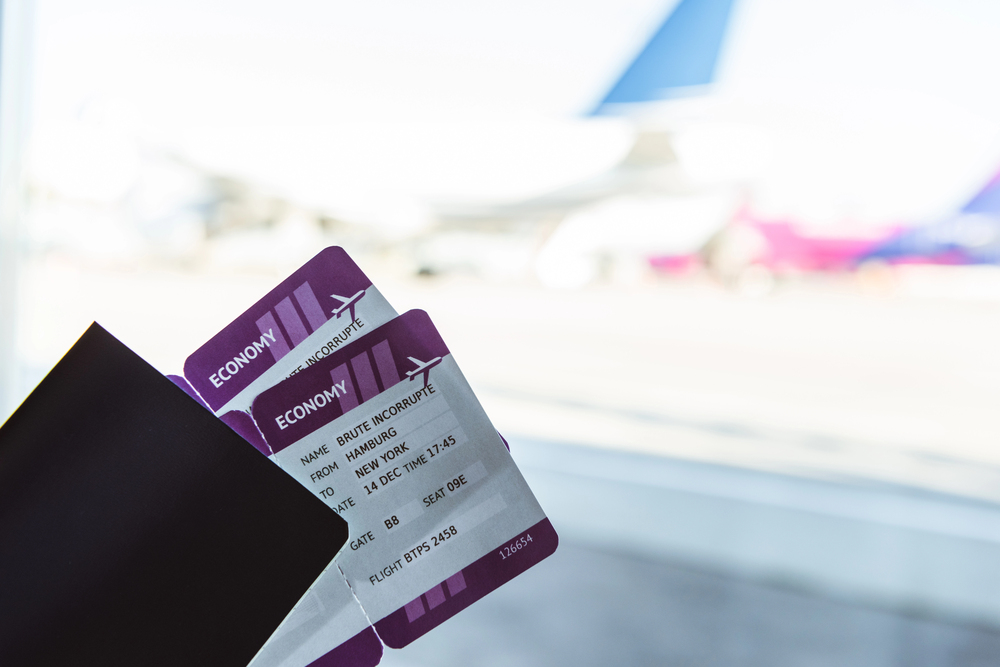
Budget airlines often fly into secondary airports whose names suggest a major city. Paris Beauvais, used heavily by Ryanair, sits about 85 kilometers north of central Paris, and Frankfurt-Hahn lies more than a hundred kilometers from Frankfurt.
The shuttle bus ride can take well over an hour and cost enough to erase the savings on the fare. Checking the three-letter airport code and the ground transport options before booking avoids a costly surprise on arrival.
Paying Extra to Seat Children With Parents
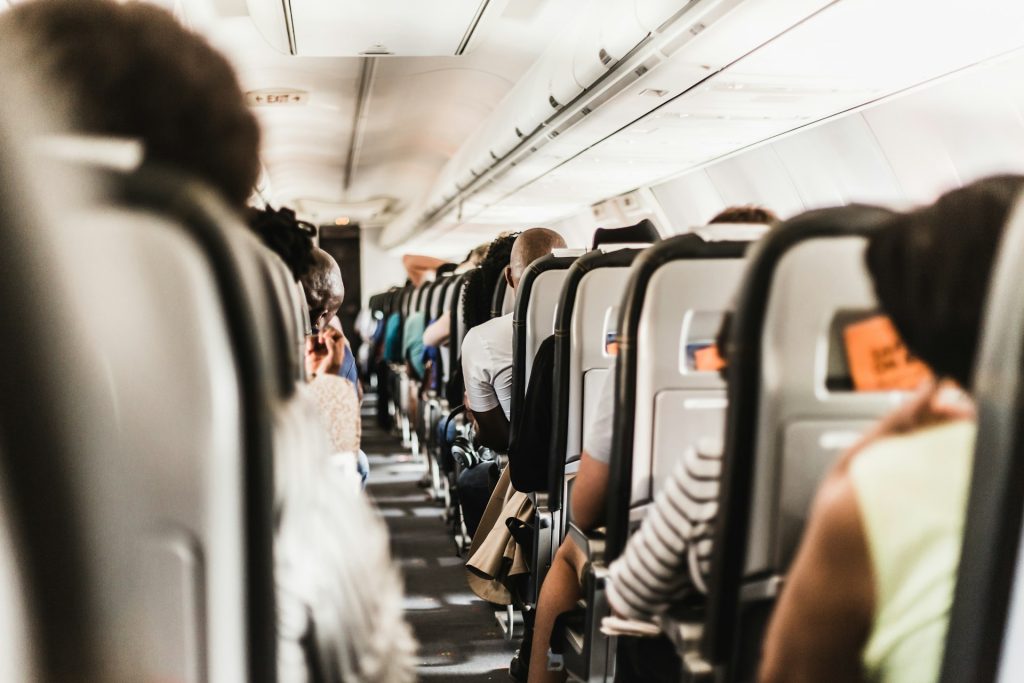
Parents on basic economy fares often pay for seat selection to sit next to young children. Several major U.S. airlines have committed to seating children 13 and under next to an accompanying adult at no additional cost, but the commitment is not universal and is subject to conditions.
As of the current DOT dashboard, Alaska, American, Frontier, Hawaiian and JetBlue make this commitment, while Allegiant, Delta, Southwest and United do not. Parents who pay before checking the policy can spend fifty dollars or more per seat for something their airline may already provide under its current family-seating commitment.
Renting a Car at the Terminal Counter
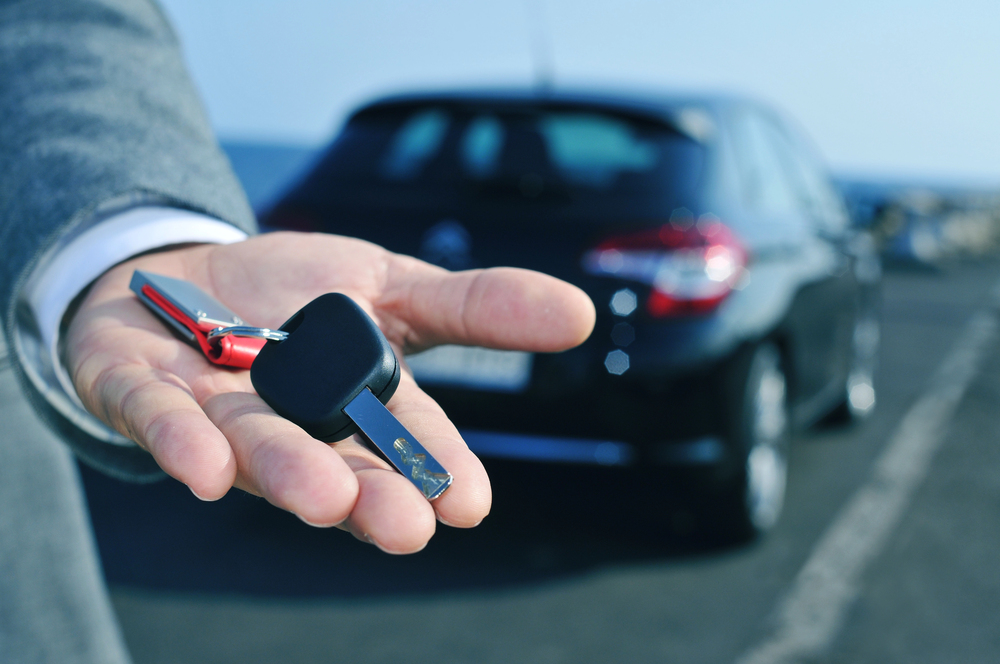
Car rentals picked up at airport counters carry a stack of fees that downtown locations often avoid. Concession recovery fees, customer facility charges and local airport taxes can add a significant share to the base rate.
A neighborhood rental office a short rideshare away may charge noticeably less for the same car class. The savings grow on longer rentals, where daily airport surcharges multiply, so comparing a terminal quote with an off-airport location is worth the few minutes of searching.
Returning a Rental Car With a Low Tank
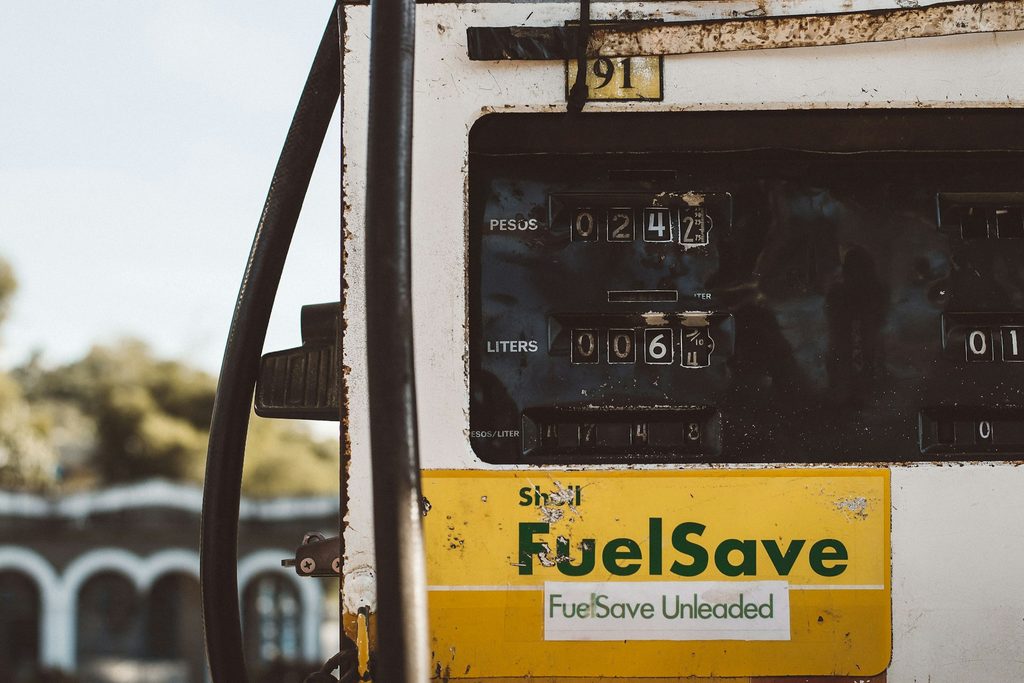
Rental companies charge heavily when they refuel a car themselves, sometimes double the local pump price per gallon plus a service fee. The prepaid fuel option sounds convenient, but it charges for a full tank regardless of how much fuel remains at return.
Gas stations near airports can also charge more than stations farther away. Filling up a few miles away from the airport, and keeping the receipt, usually costs the least when the rental company’s policy allows it and the receipt requirement is met.
Accepting the Rental Company Toll Device
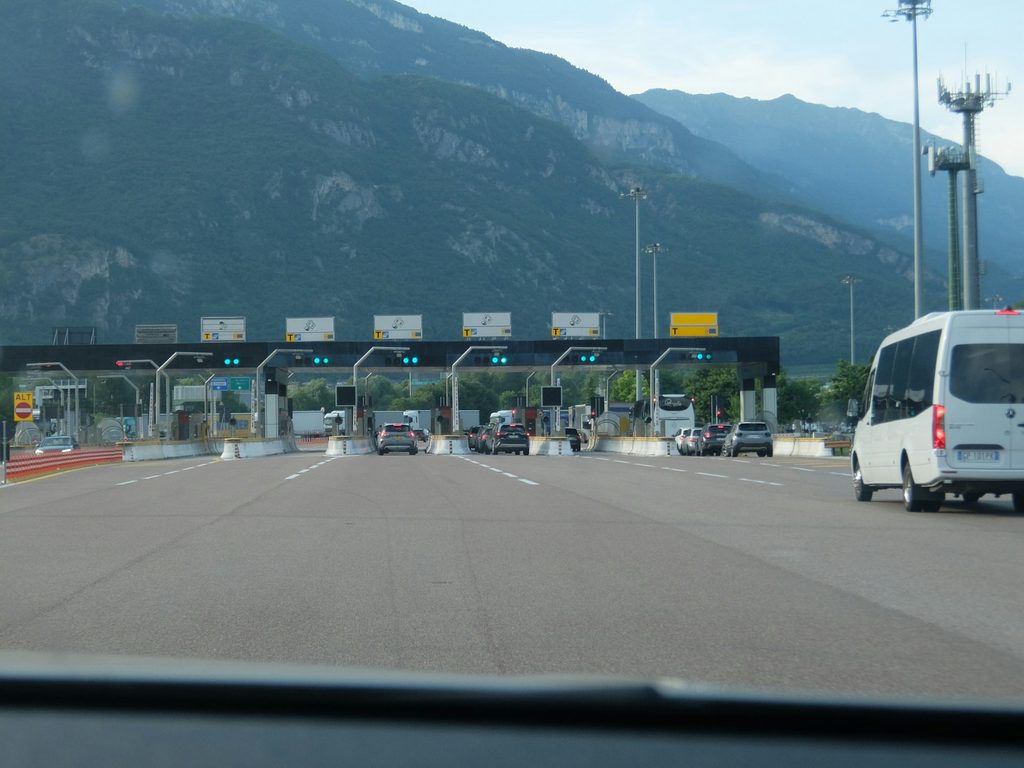
Many rental cars come with a toll transponder or plate-reading program that activates automatically on the first toll. Companies typically charge a daily convenience fee or another administrative fee, depending on the rental company and toll program.
A week-long rental with one toll crossing can generate a surprising bill. Some drivers bring their own transponder, such as E-ZPass in the East or SunPass in Florida, when the transponder and rental-company rules allow it, or set navigation apps to avoid toll roads altogether.
Circling Short-Term Parking Instead of the Cell Phone Lot

Drivers picking up arriving passengers often pay for short-term parking while the flight taxis, clears immigration or waits for bags. Many large United States airports operate free cell phone waiting lots or designated waiting areas a short distance from the terminal.
Drivers wait there until the passenger calls from the curb, then pull up for a quick pickup. Short-term garages usually charge a minimum hourly rate, and idling at the curb invites a ticket from traffic officers who move cars along constantly.
Ignoring Passport Validity Rules

A valid passport is not always valid enough. Schengen countries generally require a passport to remain valid for at least three months beyond the planned departure from the Schengen area, and the document generally must have been issued within the previous 10 years.
Many other countries require six months of remaining validity. Airlines check these rules at the counter and deny boarding when a passport falls short.
A traveler turned away usually loses a nonrefundable ticket, plus any prepaid hotels. Checking the expiration date months before any international trip prevents the problem.
Using Lookalike Sites for Travel Authorizations

Electronic travel authorizations such as the ESTA for the United States and the ETA for the United Kingdom have official government sites with set government fees. The ESTA currently costs $40.27, while the UK ETA currently costs £20.
Some third-party sites charge more simply to submit the same application on the traveler’s behalf. Applying only through the official government domain avoids the markup and reduces the risk of giving passport information to an unnecessary intermediary.
Plan Ahead, Save More
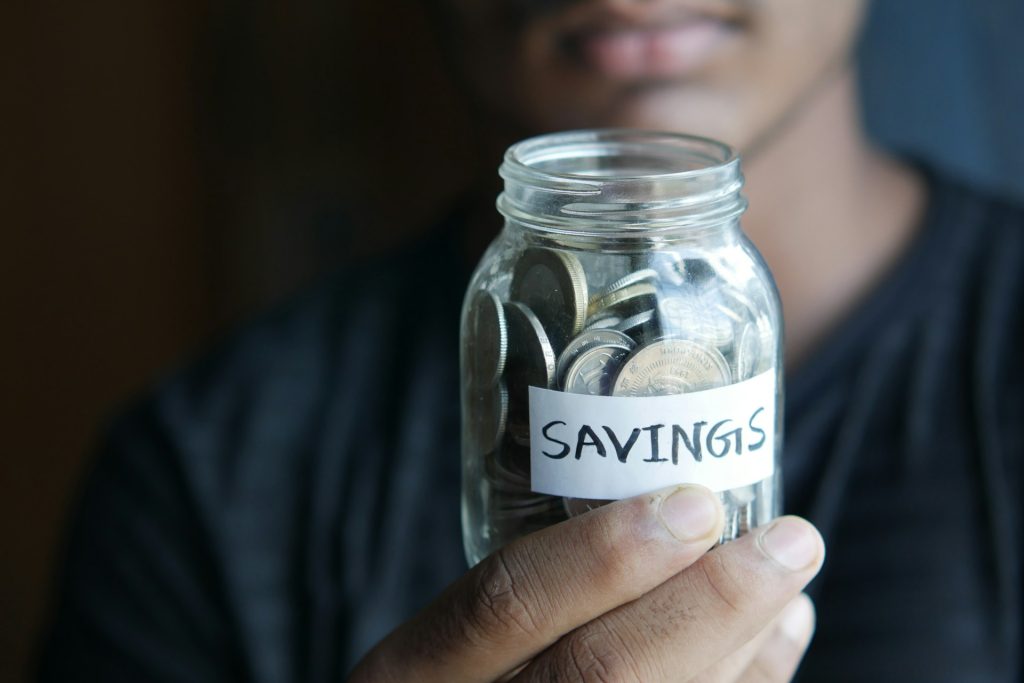
Nearly every expensive airport mistake shares the same root cause, which is a decision made in a rush. Parking, bag fees, currency exchange and fuel all can cost more when chosen at the last minute.
Airports are designed around that fact. The traveler in a hurry has fewer opportunities to compare prices, check rules or use cheaper alternatives.
The cheapest trips tend to belong to people who handle the details the night before. They check the airline’s bag rules, weigh the suitcase, download the app and read the fine print on refunds and compensation.
None of it takes long, and most of it takes no money at all. A calm half hour at the kitchen table often saves more than any fare sale.
More from Travel Pug

- Underrated Italian Towns That Beat the Tourist Crowds
- Las Vegas Tourist Traps to Skip
- Prettiest Towns in Every US State
- 18 passport-free countries for Americans
- Signs Your Cruise Is Not Worth The Cost
Like Travel Pug’s content? Follow us on MSN.