

Cruise ships advertise their headliners loudly. Water slides, Broadway-style shows and specialty restaurants get the photographs, the commercials and the brochure covers.
Tucked between them are rooms and services that plenty of passengers walk past for an entire voyage. Many are included in the fare, while others require a reservation, an additional fee or access on a particular ship.
A few are genuinely rare at sea, and some exist on only one ship.
Libraries With Ocean Views

Many ships still keep a library, often with deep armchairs, sea views and a shelf of guidebooks for the ports ahead. Cunard’s Queen Mary 2 carries one of the largest collections afloat, with thousands of volumes and a quiet reading space with sea views.
Borrowing is free on Cunard, with guests asked to return books before disembarkation. The rooms are often among the quietest indoor spaces on board, even on the busiest sea day.
Card Rooms and Game Shelves
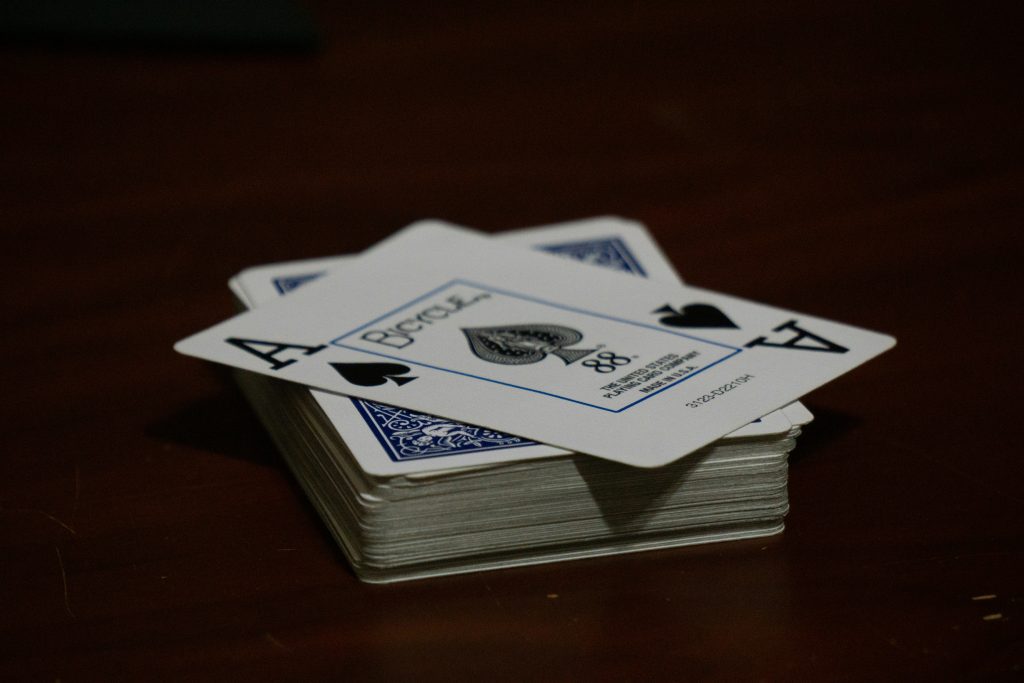
Card rooms with proper game tables sit near the library on many ships, stocked with playing cards, chess sets, jigsaw puzzles and board games that passengers can borrow where provided. Cunard schedules bridge sessions on many of its sailings, and some lines bring hosts aboard to run them.
Families who pack a travel game rarely realize the ship already has a cupboard full of them. On a rainy port day, these rooms can become gathering places for passengers who remembered to look for them.
Forward Observation Lounges
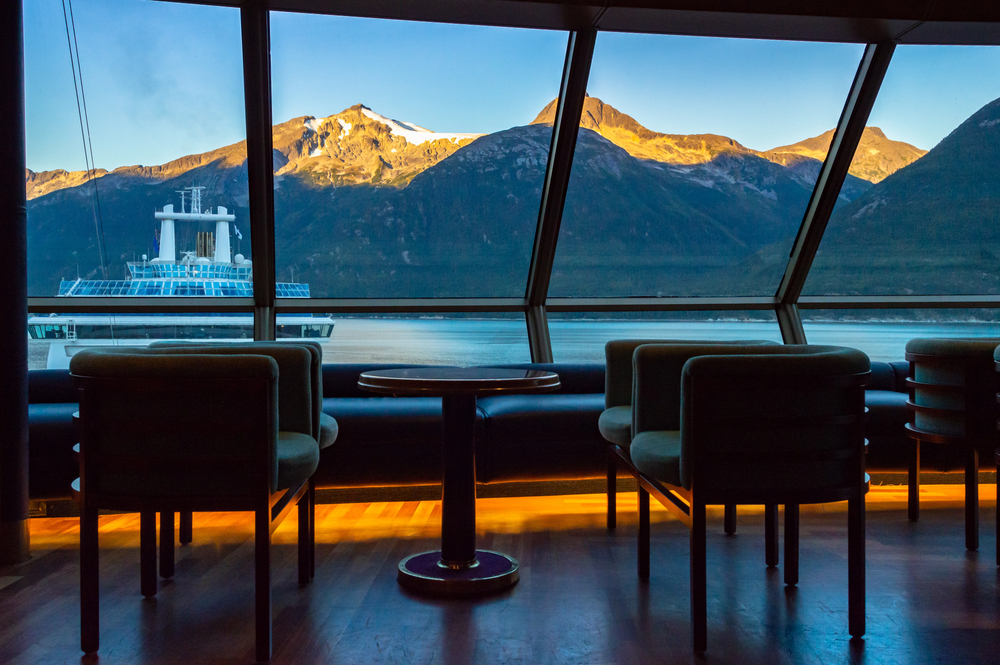
Lounges that face forward over the bow, such as Holland America’s Crow’s Nest, have wraparound windows and a view of the course ahead. By day they can be surprisingly quiet on ships where the pool deck draws the biggest crowds.
A coffee and a front-row seat on a scenic morning, whether the ship is entering a harbor or cruising past glaciers, beats most balconies. Evening crowds arrive for music and cocktails, but mornings are often a particularly peaceful time to use the space.
A Planetarium Under a Dome at Sea

Queen Mary 2’s Illuminations is a distinctive domed theater that has hosted planetarium programs as well as films, lectures and other presentations. The venue is being upgraded as part of Queen Mary 2’s current refit, with the ship scheduled to return to service in May 2027.
When operating, the space gives transatlantic passengers an unusual way to spend an hour with the night sky or another presentation while thousands of miles from land. Program schedules and access can vary by voyage.
Kennels for Dogs and Cats

Queen Mary 2 is famous for offering dedicated kennels for dogs and cats on transatlantic crossings, with a kennel area and outdoor exercise space on board. A dedicated kennel team looks after the animals, and owners visit during designated hours.
The service is limited and must be booked in advance, so it is aimed at passengers who specifically need to bring a pet rather than casual travelers. The outdoor exercise area gives the operation away to curious passengers, with a British lamppost and an American fire hydrant standing side by side.
Heritage Displays in the Corridors

Cunard ships carry a heritage trail of panels, photographs and artifacts drawn from the line’s history, which reaches back to 1840. On Queen Mary 2, the displays tell the stories of earlier Cunard liners, wartime service and famous passengers. Hundreds of people walk past them on the way to dinner every night without stopping.
A self-guided look at the displays can take under an hour and offers a quick introduction to the line’s long maritime history.
Enrichment Lectures

Many lines bring aboard historians, astronomers, retired diplomats and naturalists, particularly on longer voyages. Cunard’s Insights program is one of the best-known lecture series at sea, with guest speakers from fields ranging from science and history to journalism and the arts. Attendance can be surprisingly light at some sessions, despite the caliber of the speakers.
A single lecture on the history of the next port can change what a passenger notices once ashore. Some lines also make selected talks available through onboard media, but live question-and-answer sessions are limited to the scheduled presentation.
Lincoln Center Stage

Holland America created Lincoln Center Stage in partnership with Lincoln Center for the Performing Arts, a small venue with a grand piano where professional musicians perform chamber music. There is no cover charge for the performances when the venue is operating as part of the ship’s entertainment program.
Several of the line’s ships have offered the venue, although the current fleet lineup and programming can change. Most passengers walk straight past it on the way to the louder bars nearby.
Free Dance Lessons
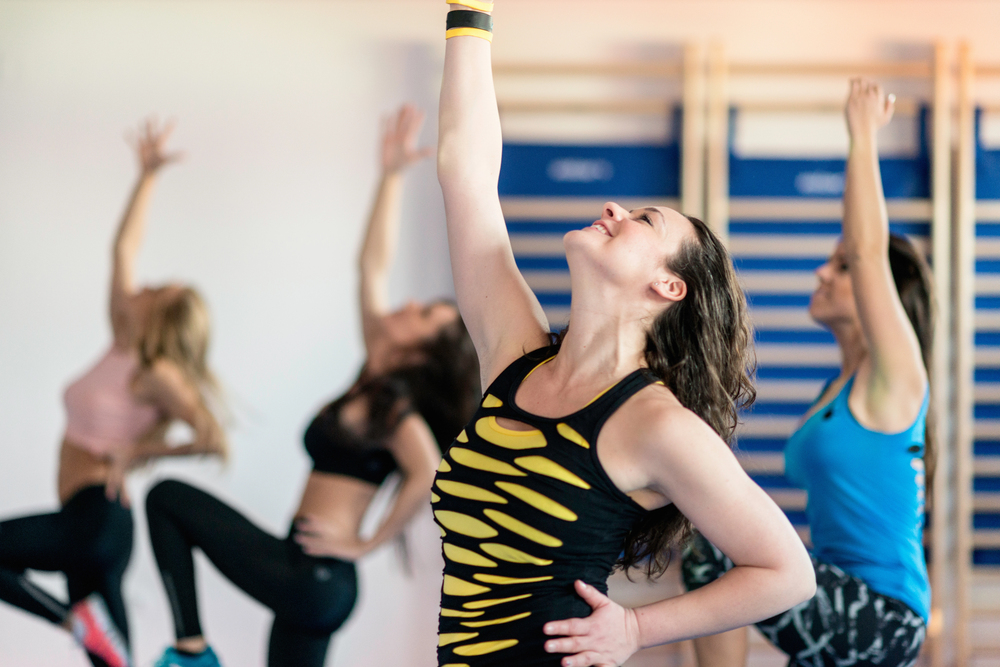
Several lines offer free group dance lessons on sea days, from line dancing to salsa and the waltz. Cunard, which still holds dressy evenings with live orchestras, teaches traditional partner dances as part of its onboard activity program. Beginners are welcome, and some lessons do not require a partner.
The lessons pay off at night, when the dance floor suddenly stops feeling intimidating. Couples who have not danced together in decades are a common and cheerful sight by the second week.
Chapels and Quiet Rooms
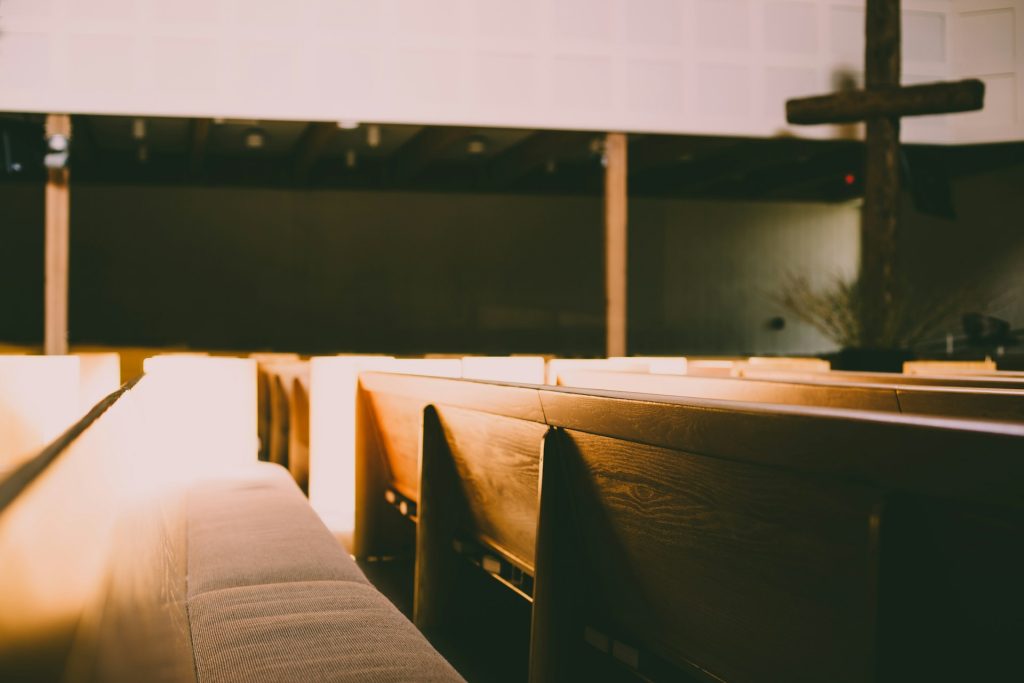
Some ships carry a small chapel or dedicated multi-faith/quiet space, and many lines hold interfaith services on Sundays or holidays, sometimes led by visiting clergy. On days without a ceremony, these rooms can be among the most peaceful spots aboard.
Passengers looking for a place to sit in silence can often use them freely when the space is not reserved for a service or private event. Most never find the door, which is often tucked away on an upper deck far from the traffic.
Spa Relaxation Rooms

Passengers who book a spa treatment may be able to use the spa’s relaxation area before or after the appointment, depending on the ship and treatment. Some spaces include heated loungers, herbal tea and sea views.
Most guests leave the moment their massage ends. On some ships, treatment guests may also receive access to certain spa facilities for the day, while thermal areas can carry a separate charge. It is worth asking at the spa desk before booking, since the policy differs by line and ship.
Saunas in the Gym Locker Rooms

On some ships, the fitness center locker rooms include a small sauna or steam room open to passengers without the separate charge associated with a thermal suite. On others, those facilities are restricted, unavailable or part of a paid spa area.
Most guests assume every heated room costs extra and never check. A morning workout followed by a sauna makes a satisfying routine on a cool sea day. Policies vary from ship to ship, so a question at the gym desk on the first day settles it.
Free Fitness Classes

Some fitness classes carry a fee, especially spin, yoga and personal training, but many ships also run free stretch, core and walking classes early in the day. The daily planner marks which sessions are included.
The fitness center itself is often included in the fare, frequently with ocean views that rival any gym on land. Morning crowds show up on sea days, but by midday the machines may be easier to find. A treadmill facing the ocean makes a dull workout feel like part of the vacation.
Mini Golf on the Top Deck

Miniature golf courses appear on select Carnival, Royal Caribbean and Norwegian ships, usually tucked onto an upper deck and often free to use. Putters are kept nearby or at a sports desk. The courses can be quiet outside in the late afternoon.
Playing a round at sea, with the wind shifting and the deck gently moving underfoot, adds a twist that no course on land can match. Availability, hours and equipment arrangements vary by ship.
Multi-Sport Courts

Many large ships have a netted multi-sport court on the top deck, open for pickup games, organized tournaments and informal coaching. Sports equipment is often available from the ship, although borrowing arrangements vary. The court can sit empty through the day while the pool deck overflows just below.
A game played with the ocean wind whipping across the netting is a strange and memorable experience. Staff may organize passenger-against-crew matches, which draw a small and loyal crowd.
Climbing Walls

Royal Caribbean offers complimentary rock-climbing walls on many applicable ships, often rising high above the deck, and entry generally requires a waiver, with harnesses and other equipment provided. Crew members supervise the activity.
Plenty of adults never try it, assuming it exists only for children. Reaching the top rewards a climber with one of the highest viewpoints on the ship. Hours and access can vary by ship and weather, and lines are often shorter when fewer passengers are aboard.
Wraparound Promenade Decks
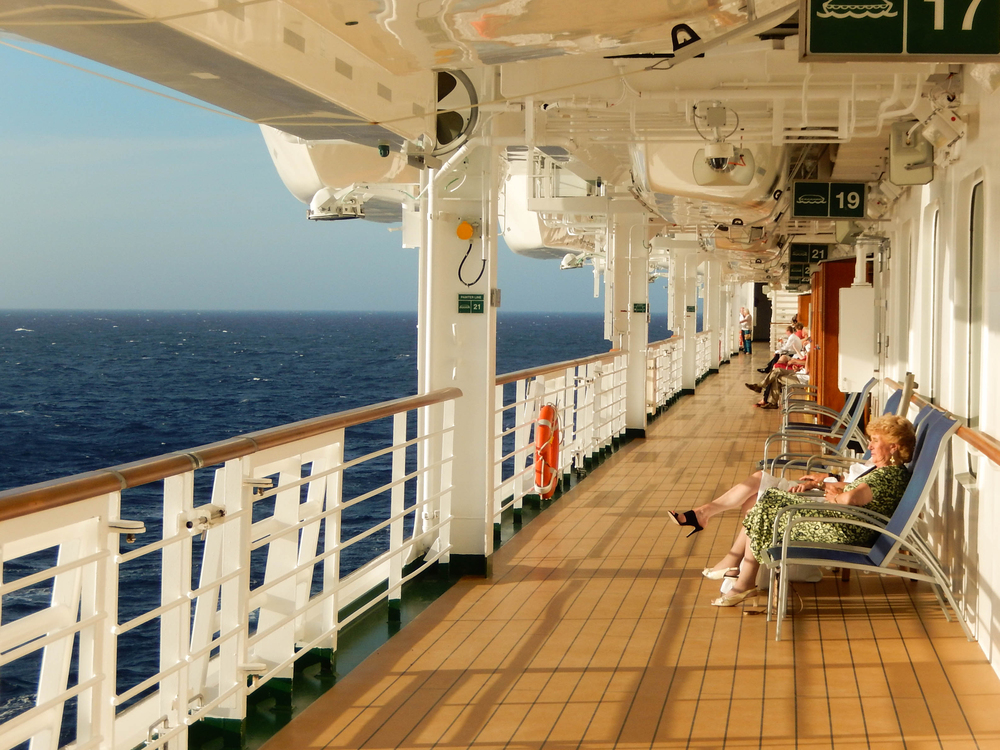
Holland America, Princess and Cunard ships often feature substantial outdoor promenade areas, although the exact design varies by class and ship. Many passengers never walk them, drawn instead to the pool decks above.
The promenade offers shade, fresh air and a view of the sea close to the waterline. On Queen Mary 2, three laps of the promenade deck equal about one mile. On a transatlantic crossing, the promenade can be a good place to watch for dolphins and passing ships.
Bow Camera Channel

Stateroom televisions on some ships include a channel showing a live view from a camera mounted near the bow, often alongside the ship’s position, speed and weather. Some passengers leave it running at night like a window.
Inside cabins benefit most, since the feed is the only view of the sea they get. The same channel can help you check general conditions before heading up to the open decks, but it shouldn’t replace the ship’s official weather or safety announcements.
Forgotten Essentials at Guest Services

Guest services on many ships can help with forgotten essentials or direct passengers to the appropriate onboard source, while some lines keep limited supplies such as toothbrushes, sewing kits or other basic items. Passengers who forget something often head straight to the onboard shop and pay retail prices.
Ask Guest Services before buying, but never assume complimentary availability. The cabin steward can also bring extra pillows, hangers or a bathrobe on many lines.
Lost-and-found items are commonly handled through Guest Services as well.
Art Collections Along the Stairwells

Large ships carry sizable art collections hung in stairwells, corridors and lounges, and some lines offer printed guides or app-based tours. Celebrity Cruises and Royal Caribbean have extensive onboard art programs and galleries, although the size and style of the collection varies by ship.
Very few passengers stop to look. A walk through the collection with the guide in hand can reveal pieces and artists that are easy to miss when rushing between venues.
On Celebrity ships, the collections often include contemporary pieces selected or commissioned for particular ships.
Galley Tours

Some lines offer tours of the main galley, usually on a sea day, showing the scale of a kitchen that turns out thousands of meals a day. Some tours are free, while others come bundled into a paid behind-the-scenes package.
Passengers see the prep lines, the bakery and the dishwashing stations that keep the entire operation running. Places fill up quickly when announced, but few passengers think to ask about them.
Availability, pricing and access to working areas vary by line and sailing.
Hands-On Cooking Schools

Oceania Cruises’ Marina, Riviera, Vista and Allura carry a Culinary Center, a teaching kitchen with individual cooking stations where passengers take hands-on classes. Classes are an additional experience and can carry a fee, and often focus on cuisines tied to the itinerary, sometimes paired with a market visit ashore.
Many passengers never realize a working classroom sits among the restaurants. For food-minded travelers, it can be the most memorable room on the ship. Classes are small, so spaces go early on popular sailings.
Open Decks at the Bow
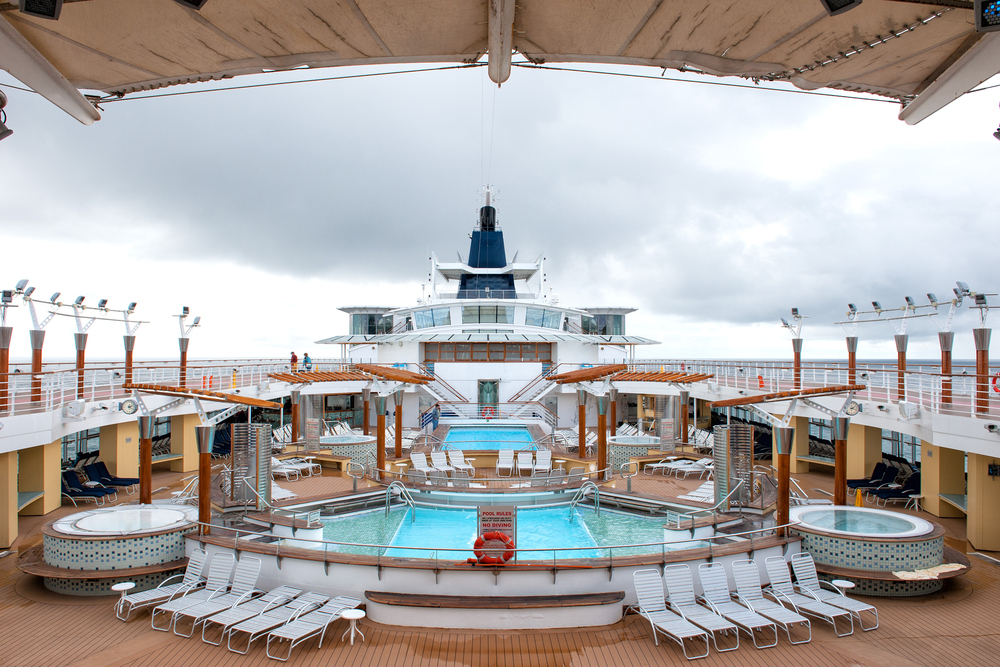
Some ships have an open deck near the bow, reached through an unmarked door or an outside stairway, that gives passengers a forward view close to what the bridge officers see. On some Royal Caribbean ships, portions of the forward deck or helipad may be opened to passengers when conditions and operations permit.
Most people never find these spaces. A cool, quiet bow on a clear morning feels like a private ship.
Crew can point out the access on ships that have one, but passengers should never enter a restricted or crew-only area simply because a door is accessible.
Curiosity Pays the Cover Charge
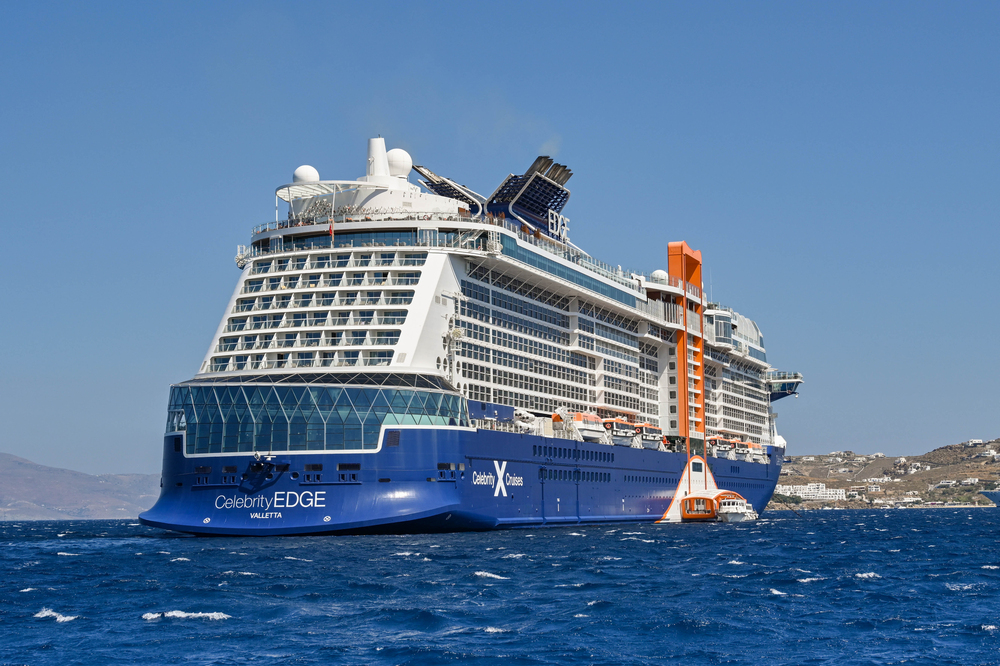
Most of these spaces are either included or available at no additional charge, but some require reservations or an extra fee, and the ones that do can still cost less than a single shore excursion. They stay empty because passengers never ask and crew rarely advertise them. The daily planner or onboard app lists nearly every one.
Passengers who read that planner cover to cover find a quieter ship tucked inside the busy one. It has a library, a chapel, a window over the bow and, on one famous liner, a kennel full of dogs.
None of it shows up in the commercials, which is exactly why it stays so pleasant.
More from Travel Pug

- Underrated Italian Towns That Beat the Tourist Crowds
- Las Vegas Tourist Traps to Skip
- Prettiest Towns in Every US State
- 18 passport-free countries for Americans
- Signs Your Cruise Is Not Worth The Cost
Like Travel Pug’s content? Follow us on MSN.