

The plane lands and the vacation clock begins running, whether the traveler is ready or not. The first two hours after landing can set the tone for the entire trip, and small errors there tend to cost the most time.
A missed form, a wrong carousel, or an unplanned ride can eat an afternoon.The mistakes below are common, avoidable, and mostly dull. Fixing them takes a few minutes of preparation at home.
Landing Without a Working Data Plan

Many travelers reach the arrivals hall with no way to open a ride app or a map. Airport Wi-Fi often needs a sign-up screen and can drop at the exact moment a driver is calling.
An eSIM or local plan activated before takeoff keeps directions, translation, and bookings working from the jet bridge.
Changing Money at the First Kiosk
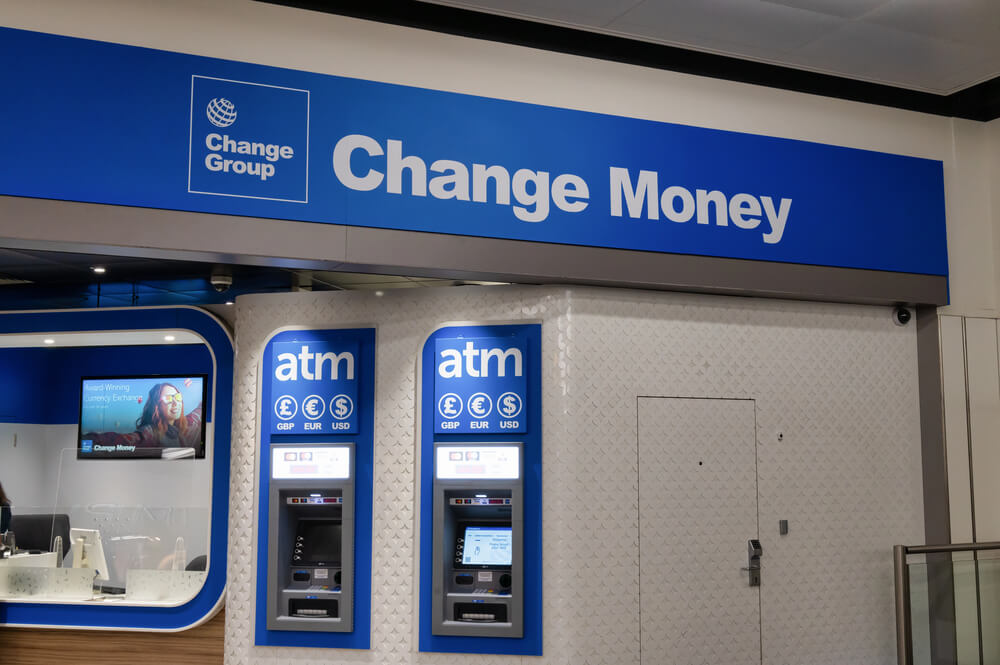
Airport exchange counters commonly offer weaker rates and add fees, and the difference grows on larger amounts. Withdrawing a modest sum from a bank machine, or paying by card where possible, usually costs less.
Check your bank’s foreign transaction and ATM fees before relying on this approach. A small amount of local cash is plenty for the first taxi and a snack.
Skipping Digital Arrival Forms
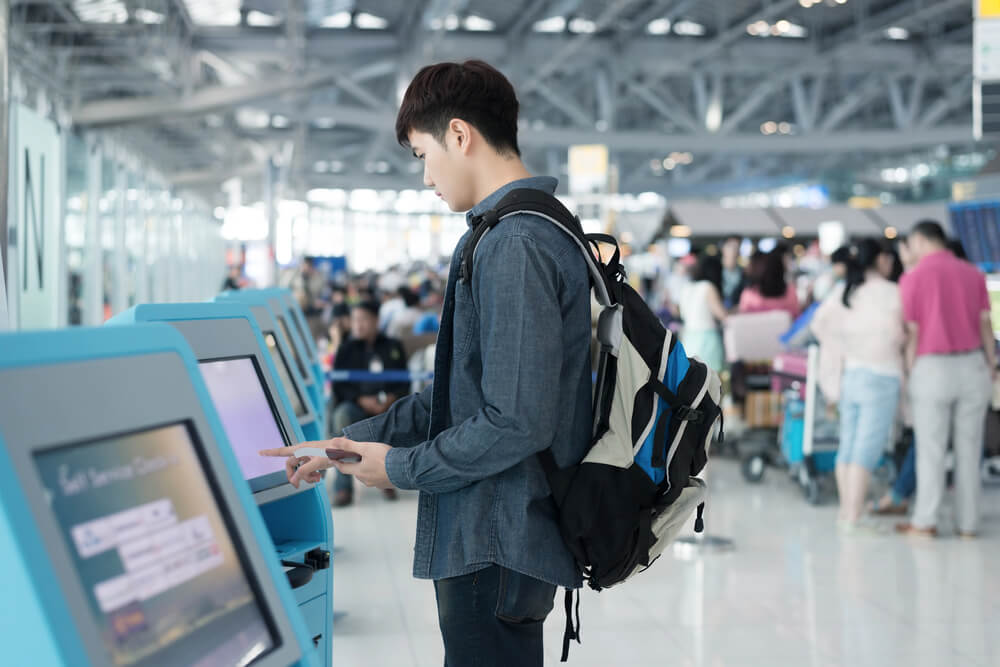
Several countries now use online arrival cards that must be completed before landing or at a kiosk, and the forms ask for flight and lodging details. Filling one in on a crowded line turns a five-minute task into a long one.
Completing it at home, with the booking confirmation open, avoids the scramble. Requirements and submission windows differ by destination, so check the official government instructions before departure.
Forgetting the UK Travel Authorization

Since January 8, 2025, U.S. citizens visiting the United Kingdom for a short stay have needed an Electronic Travel Authorization in advance. Airlines check it before boarding, so the mistake often surfaces at the departure gate rather than at the border.
The application is completed online, but approval is not necessarily immediate. Travelers should apply well before departure and confirm that the authorization is linked to the passport they will use.
Choosing the Longest Immigration Line
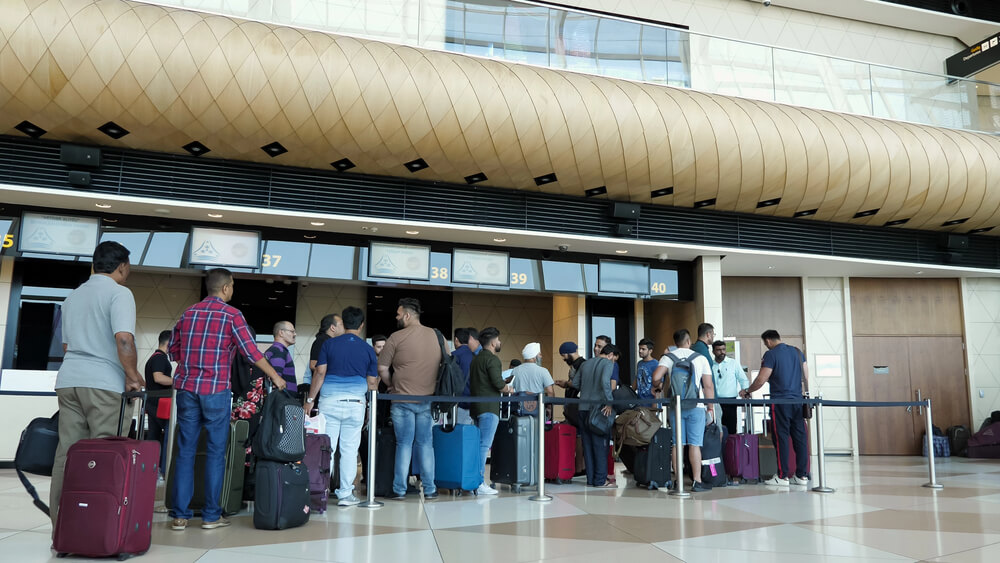
Lines look similar from a distance, but one may serve a different passport type or include a group flight that just landed. A quick glance at the signs and at who is queued where can save a long wait.
Families and travelers who need assistance should look for dedicated lanes.
Heading to the Wrong Baggage Carousel
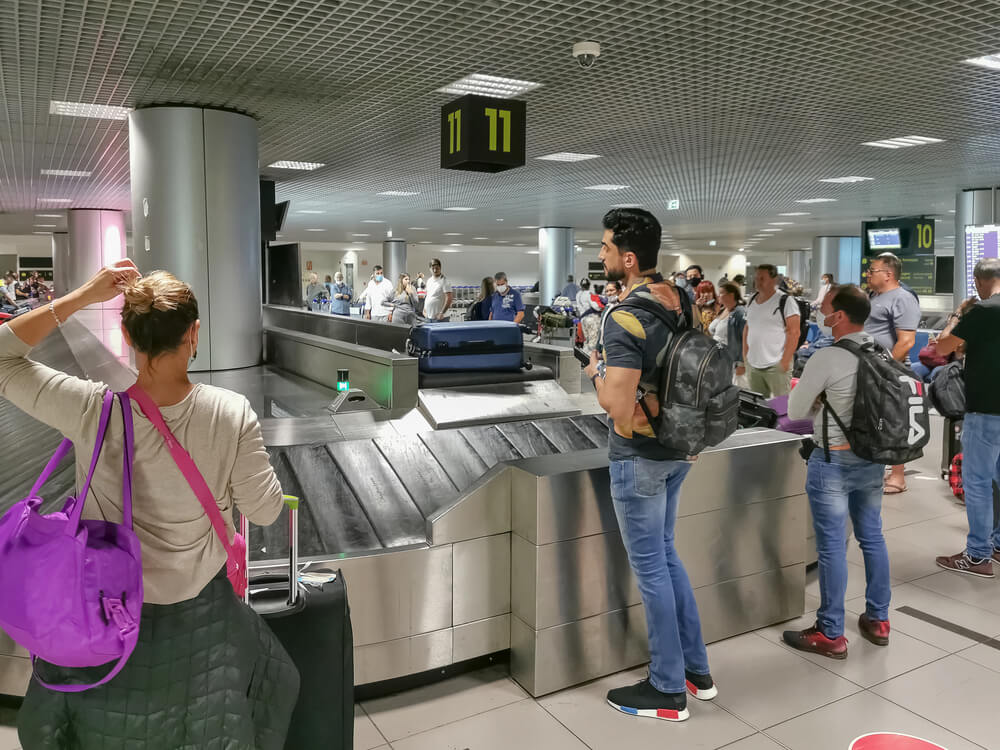
Screens in the arrivals hall assign each flight to a carousel, and the assignment can change as bags are unloaded. Standing at the first belt that looks busy can mean watching the wrong luggage circle.
Checking the monitor again after a few minutes catches the switch.
Walking Away From a Delayed Bag
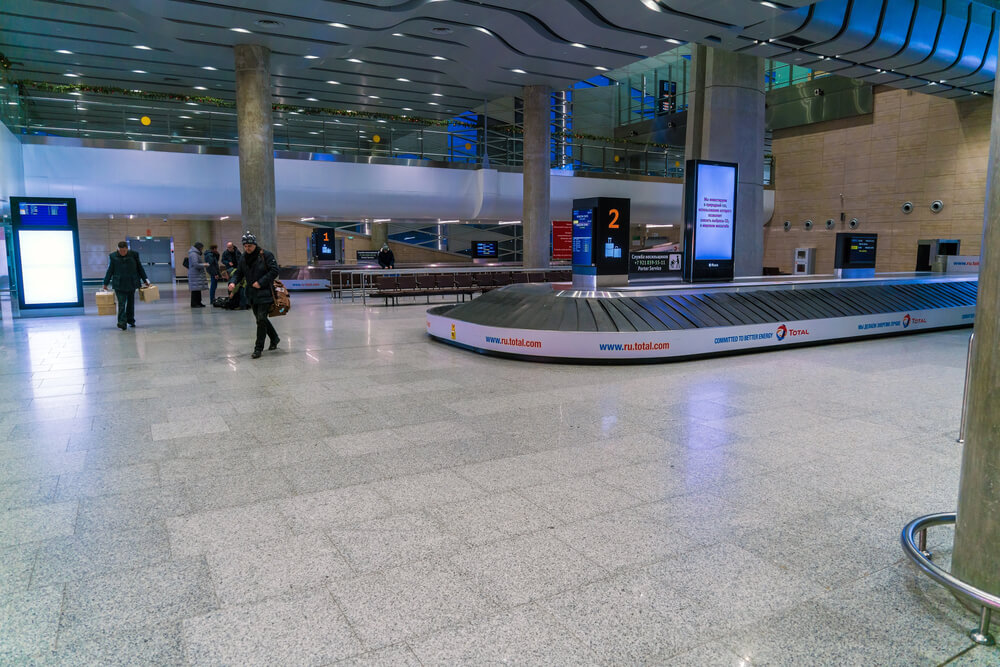
A late bag still requires a report before leaving the airport, since the report is the paper trail for every claim that follows. Under the U.S. Department of Transportation’s rules, airlines must automatically refund checked-bag fees when luggage is not delivered within 12 hours of a domestic flight’s arrival at the gate. For international flights, the deadline is 15 hours for shorter trips and 30 hours for longer ones.
Passengers must file a mishandled-baggage report to qualify. Without a filed report, it can be harder to establish the claim and obtain the refund.
Leaving the Baggage Hall Before Checking for Damage
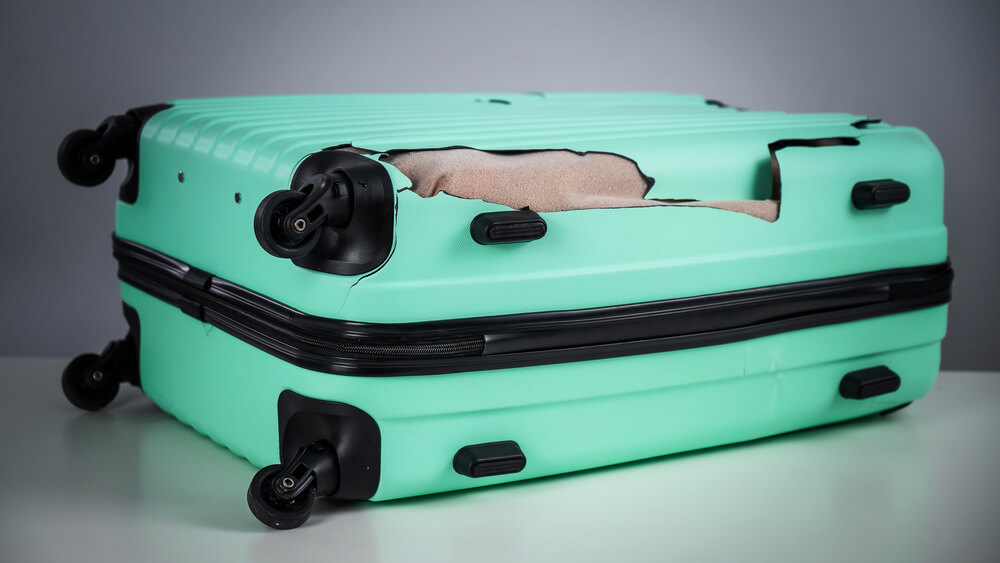
Cracked wheels, torn fabric, and broken handles are easiest to document while the bag is still in front of the claim desk. Airlines generally expect damage to be reported promptly, and some set short deadlines.
A photo taken at the carousel, plus the claim tag, strengthens the case.
Packing Fresh Fruit in the Carry-On

An apple left over from the flight can become a declaration problem at customs, since many countries inspect food closely and fines can be steep. Australia and New Zealand are known for strict biosecurity at arrivals.
Declaring food honestly is nearly always cheaper than being caught with it.
Misjudging Duty-Free Allowances

Limits on alcohol and gifts vary by country, and exceeding them means duties at the border. A bottle from the departure airport can be fine on one trip and taxable on another.
Looking up the destination’s allowance before shopping avoids a surprise at the customs desk.
Following the Unlicensed Driver
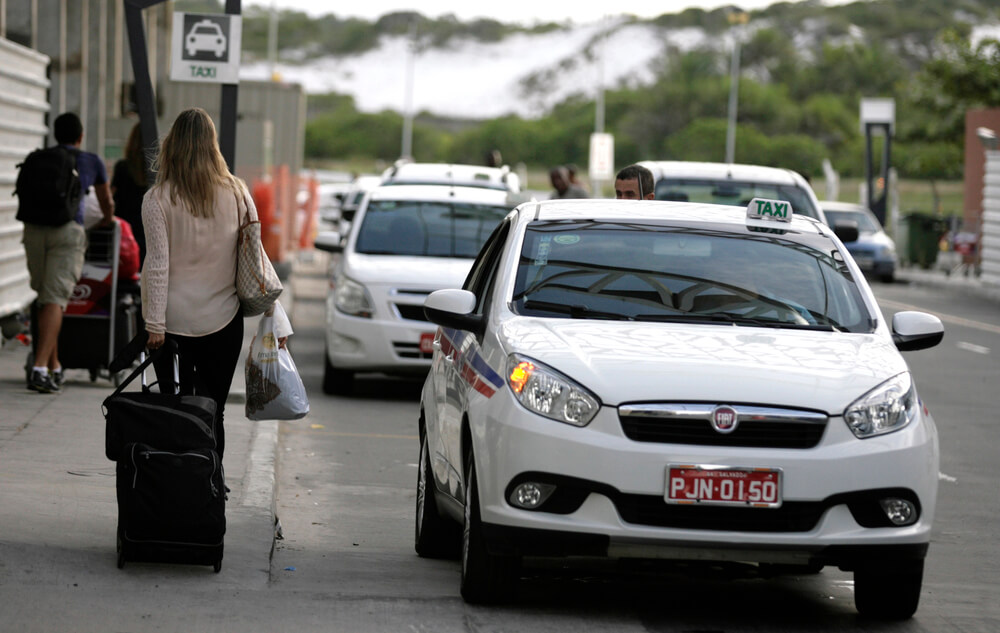
Individuals who approach arriving passengers offering a ride are a common source of overcharging and, at times, worse. Official taxi stands and prepaid counters tie the fare to a posted system.
Walking to the marked queue costs a minute and reduces the risk of an unlicensed or unregulated ride.
Ordering a Ride at the Wrong Pickup Zone
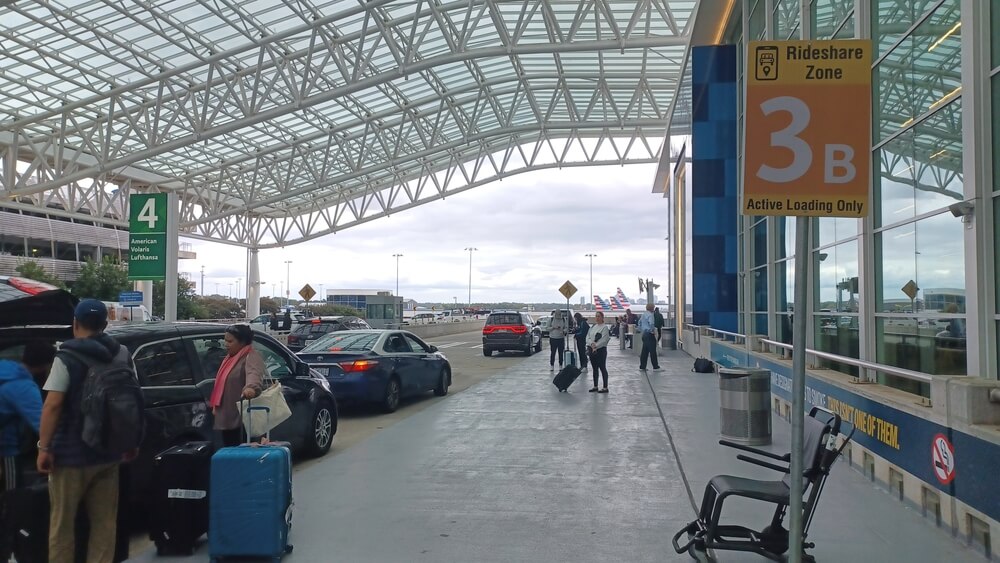
Many airports designate rideshare pickup areas away from the terminal curb, sometimes in a garage or a separate lot. A pin dropped at the arrivals door can leave a driver circling while the app counts down.
The app’s pickup instructions are worth reading before leaving the hall.
Ignoring the Airport Train

In many cities, a rail link or express bus covers the airport-to-center run at a flat fare and often beats road traffic. Rush hour can turn a 30-minute taxi ride into a long crawl.
A glance at the airport’s ground-transport page and current transit schedules helps identify the faster option before landing.
Assuming the Rental Counter Is in the Terminal
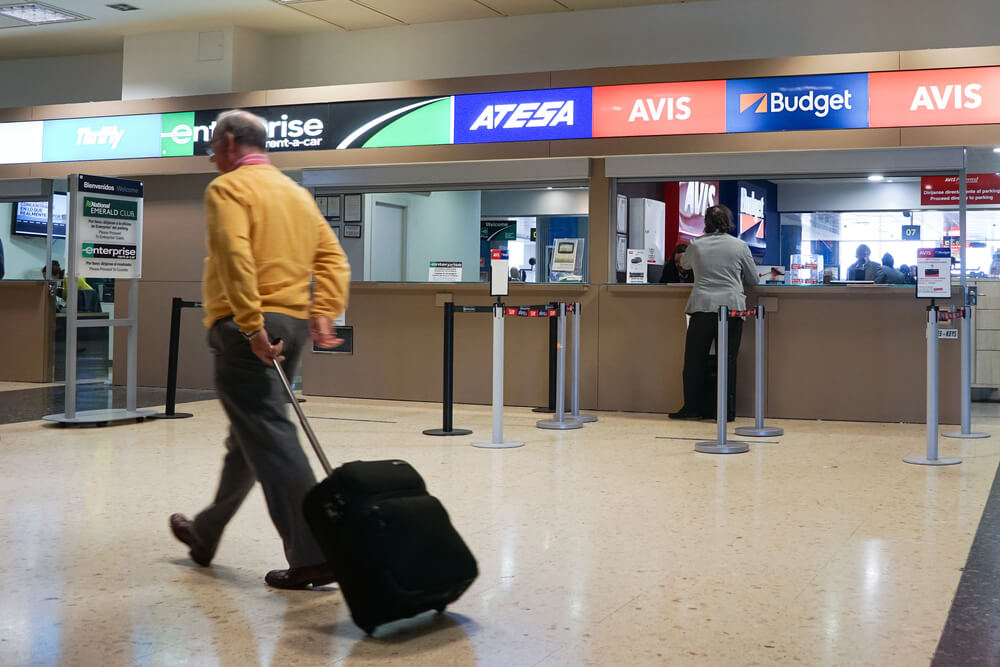
At many airports, rental companies operate from off-site lots reached by shuttle bus, adding time before the drive can begin. Lines at the counter can be long after a big flight lands.
Joining a loyalty program that lets members skip the counter may shorten the process.
Overlooking Toll Rules on a Rental
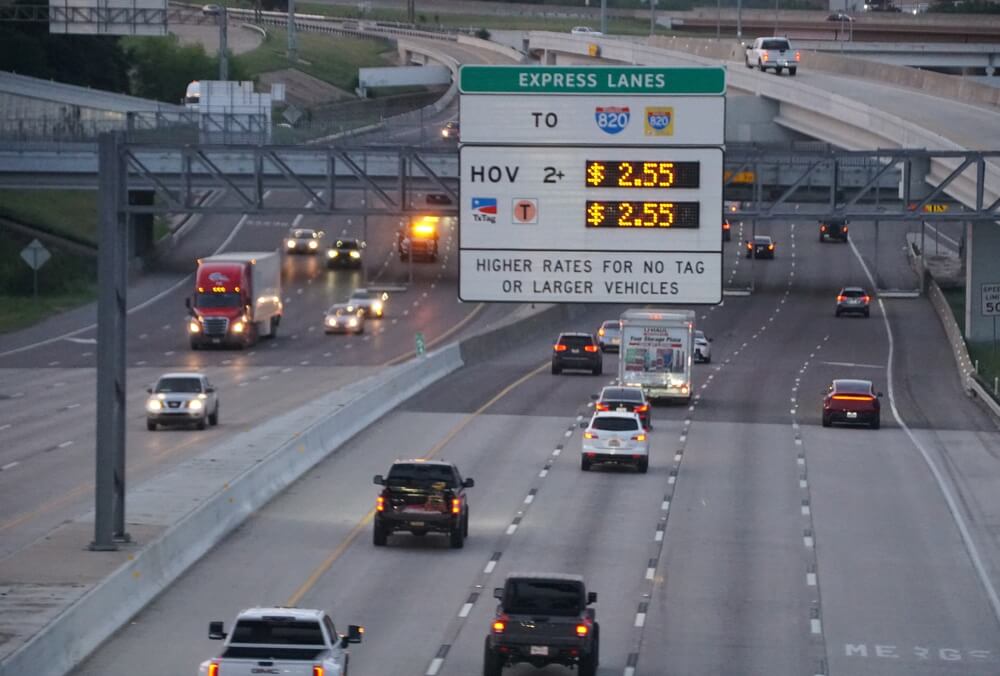
Some roads use electronic tolls with no cash booth, and rental companies may attach a daily fee to their transponders. A few tolls can become a larger charge once service fees are added.
Asking at pickup how tolls are billed settles the question.
Forgetting the Hotel Address in Local Script
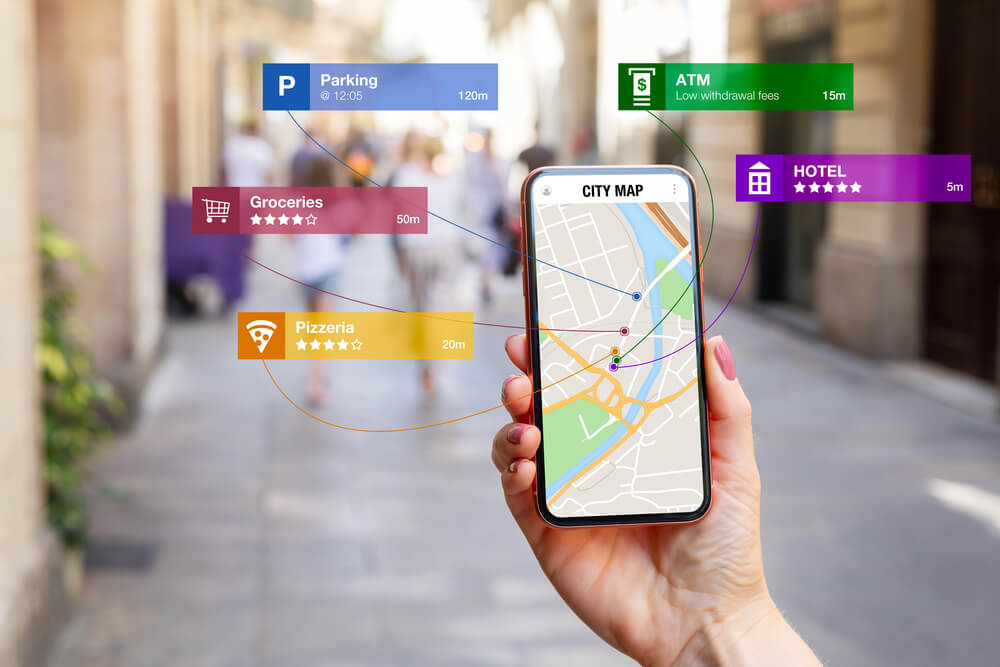
Showing a driver an address in English letters can fail in places that use another writing system. A screenshot of the hotel’s name and address in the local language solves it.
A map pin and a phone number serve as backups.
Arriving Hours Before Check-In
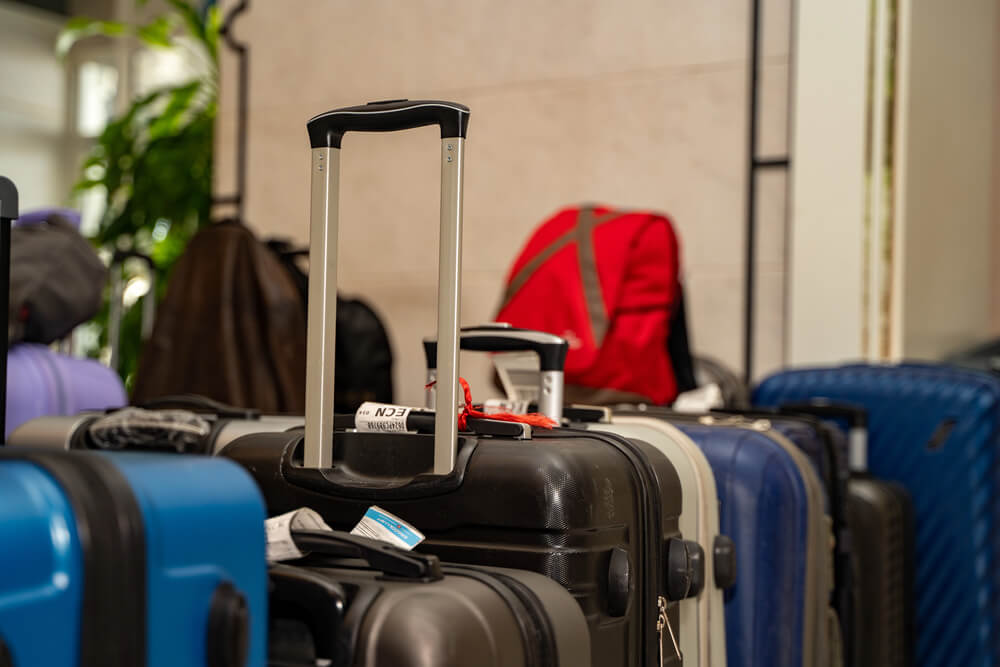
A morning landing meets an afternoon check-in time at many hotels, which leaves exhausted travelers in the lobby with luggage. Asking for early check-in, or at least bag storage, ahead of time often helps.
A message sent a day before arrival gives the front desk a chance to plan.
Booking an Activity for the Landing Afternoon

A tour scheduled a few hours after arrival is exposed to every possible delay, from late departures to long customs lines. A missed tour often carries a no-refund policy.
A free first afternoon is cheap insurance.
Fighting Jet Lag With a Long Nap

A multi-hour nap on arrival day can push the body clock the wrong way and make the first night worse. A short rest and a walk in daylight can help travelers adjust to the local schedule faster than a long afternoon of sleep.
Morning light on the first day can also help reset the body clock.
Letting the Phone Battery Run Down

Ride apps, maps, hotel confirmations, and digital tickets live on one device, and a dead battery after a long flight locks all of them away. A small power bank in the carry-on solves the problem.
Charging at the gate before landing helps.
Joining Any Open Wi-Fi Network

Open networks in terminals can be copied by fake hotspots with similar names, and connecting to an untrusted network can expose personal information. Banking and passwords should wait for a trusted connection.
Mobile data is generally a safer option for sensitive tasks; a VPN can add protection but does not make every network risk-free.
Skipping the Visitor Information Desk
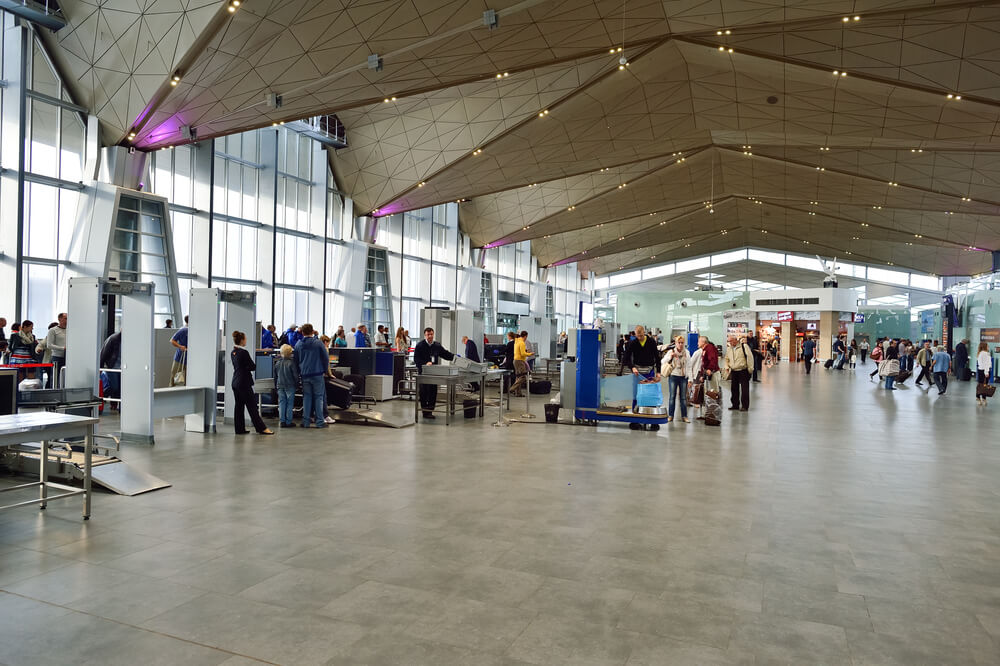
Staff at airport information counters may provide city maps, explain transit passes, and direct travelers to hotel shuttles or taxis at set prices. The desk is often right in the arrivals hall and costs nothing.
Visitors who walk past it can miss useful local information and transport options.
Underestimating Deplaning Time

Getting off a full aircraft, walking through a long terminal, and clearing immigration can take far longer than the scheduled layover suggests. A tight connection can collapse on the first delay.
Flights booked on one ticket usually offer more protection because the airline generally handles rebooking when a delay causes a missed connection, subject to its policies and applicable rules. Separate tickets usually leave travelers responsible for arranging and paying for a replacement flight.
Missing the Terminal Transfer
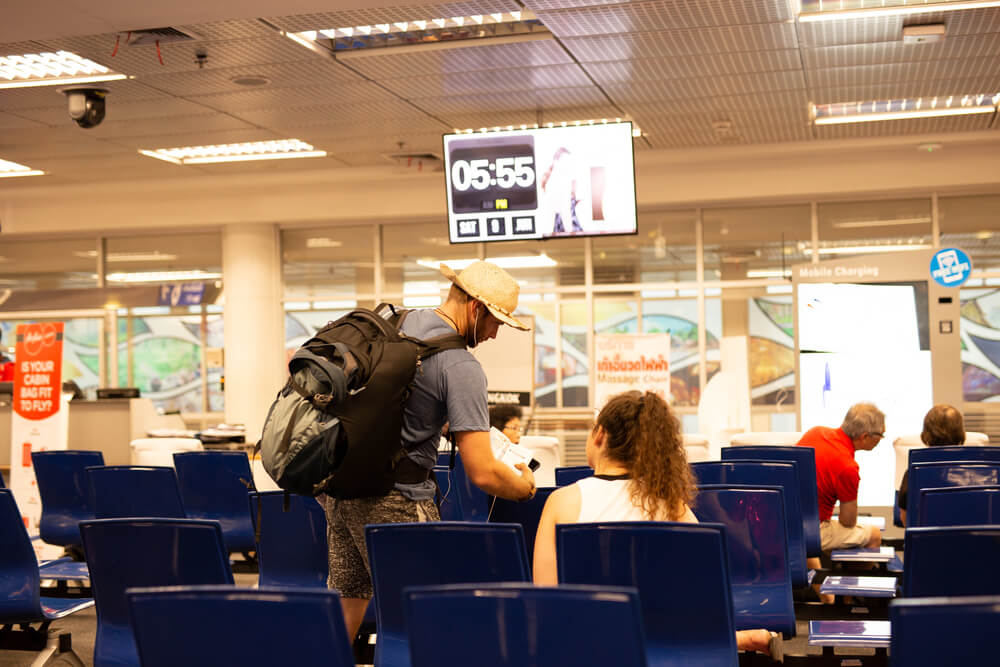
Connections sometimes require changing terminals, and that can mean a train, a bus, or a walk outside security. The boarding pass shows the next gate, but not always the route.
Looking at the airport map during the first flight avoids a sprint.
Forgetting to Share the Flight Number With the Transfer Company
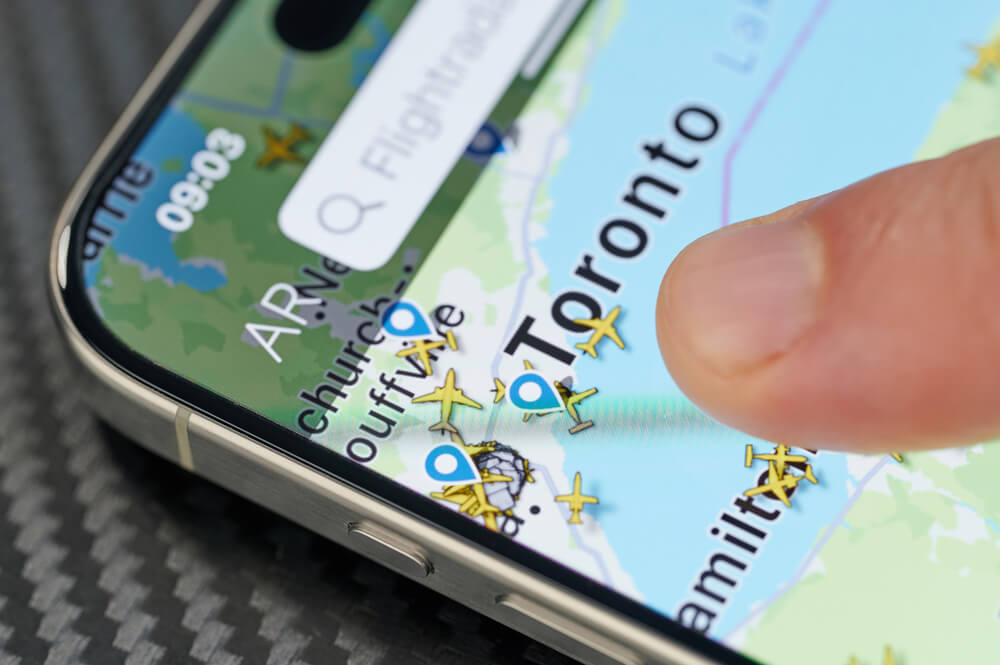
Drivers who track flights can adjust for delays, while those who do not may leave after a short wait. A transfer booking without a flight number is just a time.
Sending the number and a phone contact ahead of travel keeps the pickup alive.
Carrying No Small Bills for the First Hour

Porters, parking machines, and taxi tips often need local coins or small notes, and large bills draw blank looks. Breaking a big note at the airport can be tricky or costly.
A few small denominations tucked away before leaving home cover the first stop.
Overlooking Trusted Traveler Options on the Return Home
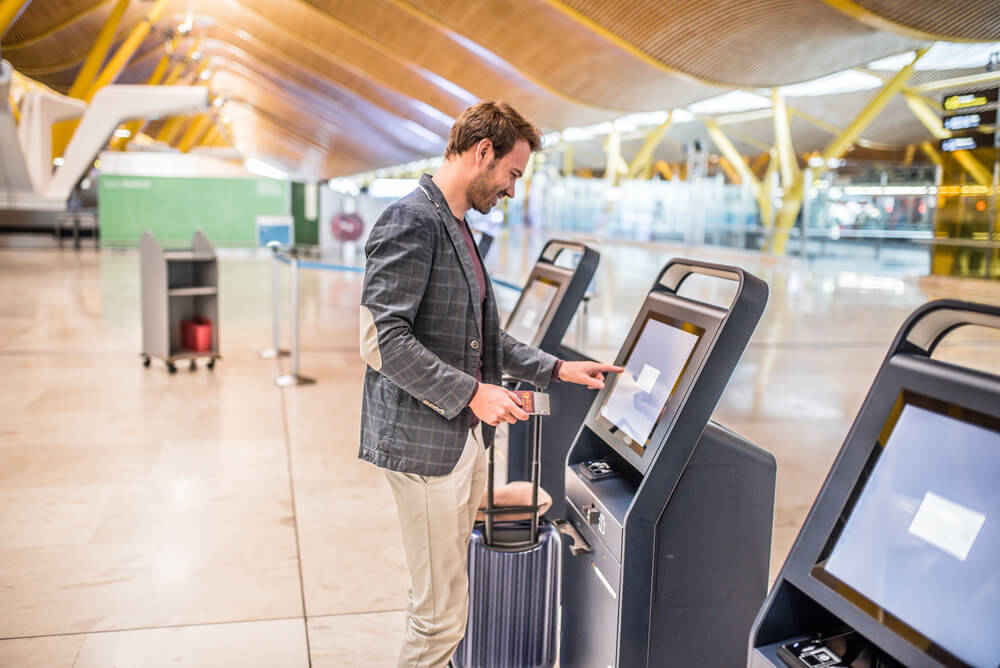
U.S. Customs and Border Protection offers the Mobile Passport Control app and Global Entry for eligible travelers who want to speed up the arrival process. The programs involve setup, and some need approval in advance.
Looking into them months before travel pays off on every return.
Accepting Unrequested Help With Bags
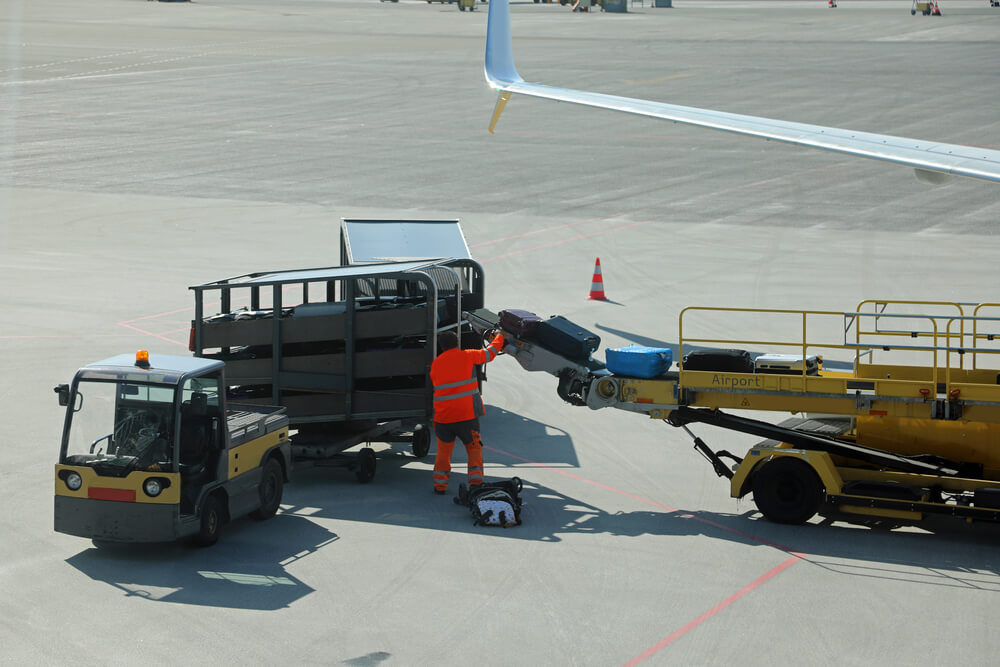
People who grab a suitcase to help in the arrivals hall may expect payment or, in worse cases, vanish with it. Official porters wear uniforms or badges and quote rates.
Keeping luggage in sight and declining politely is the safer habit.
Skipping the Hotel Shuttle Question

Many hotels run shuttles on a schedule, and the schedule may not match a late arrival. A free shuttle that last runs at ten at night does little for a midnight landing.
Asking about hours and pickup spot before booking helps.
Where the Vacation Really Begins
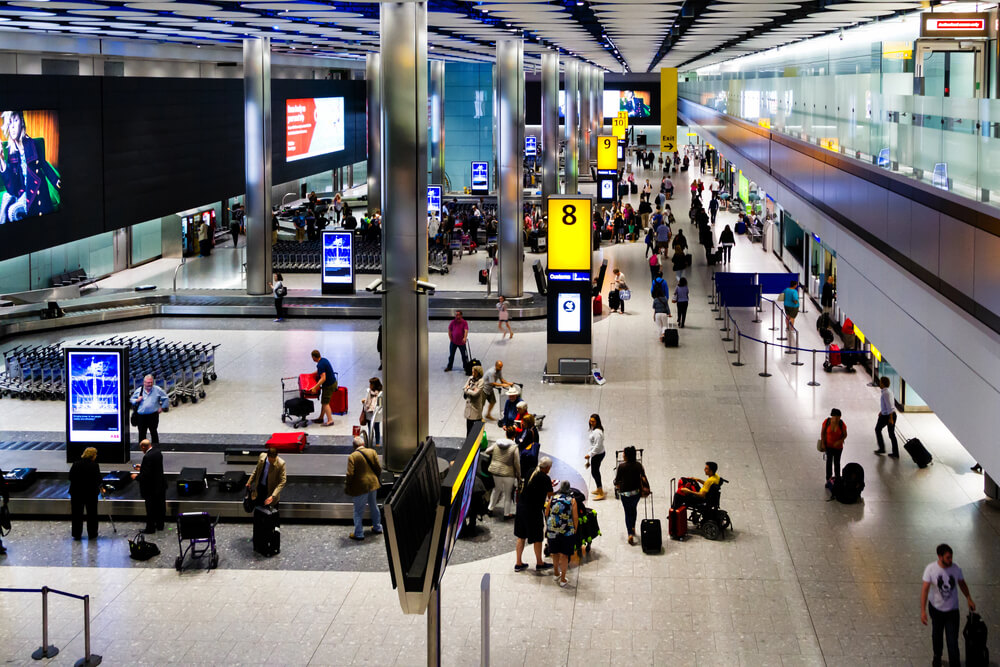
The arrival is the part of a trip that nobody photographs, yet it decides how the next several hours feel. A calm landing leads to an easy first dinner, while a chaotic one can echo through the first day.
The difference usually comes down to a handful of small preparations.The 29 mistakes above share a pattern: each one is cheap to prevent and expensive to fix on the spot. A few minutes of planning at home buys back hours at the destination. That is a trade worth making every time.
More from Travel Pug

- Underrated Italian Towns That Beat the Tourist Crowds
- Las Vegas Tourist Traps to Skip
- Prettiest Towns in Every US State
- 18 passport-free countries for Americans
- Signs Your Cruise Is Not Worth The Cost
Like Travel Pug’s content? Follow us on MSN.