

Cruise lines offer far more children’s programming than many parents realize, ranging from age-specific clubs and supervised activities to sports, crafts, games, and evening events. Yet families sometimes underuse these programs because they assume the activities are little more than babysitting, worry about leaving children with staff, or simply do not know what is available.
Understanding the options before sailing can help families balance children’s entertainment and social time with opportunities for parents to relax.
Age-Gated Kids Club Enrollment

Most major cruise lines divide children’s programming into age groups so activities can be tailored to different developmental stages. Registration requirements, age ranges, operating hours, and supervision policies vary by cruise line, so parents should review the specific program before sailing.
Enrolling early also helps families understand pickup procedures and participation rules.
Toddler Nursery Programs

Some cruise lines offer dedicated nursery services for infants and toddlers, while others provide limited programming for younger children. These services can give parents time for dinner, entertainment, or other activities when childcare is available.
Age limits, hours, fees, and staffing arrangements vary considerably, making advanced research essential.
Preschool Kids Club Programming

Programs for younger children commonly include supervised games, storytelling, crafts, music, and imaginative play. Age-appropriate activities give preschoolers opportunities to interact with other children while parents take a break nearby.
Because policies differ by ship, parents should confirm whether children must be fully toilet-trained or accompanied by an adult for particular activities.
Elementary School Recreation Activities

Children in elementary-school age groups can often choose from scavenger hunts, crafts, games, sports, and themed activities. Rotating programming gives children reasons to return throughout the voyage rather than spending every sea day in the cabin.
Parents can check the daily schedule and choose activities that match their child’s interests.
Preteen Supervised Social Events
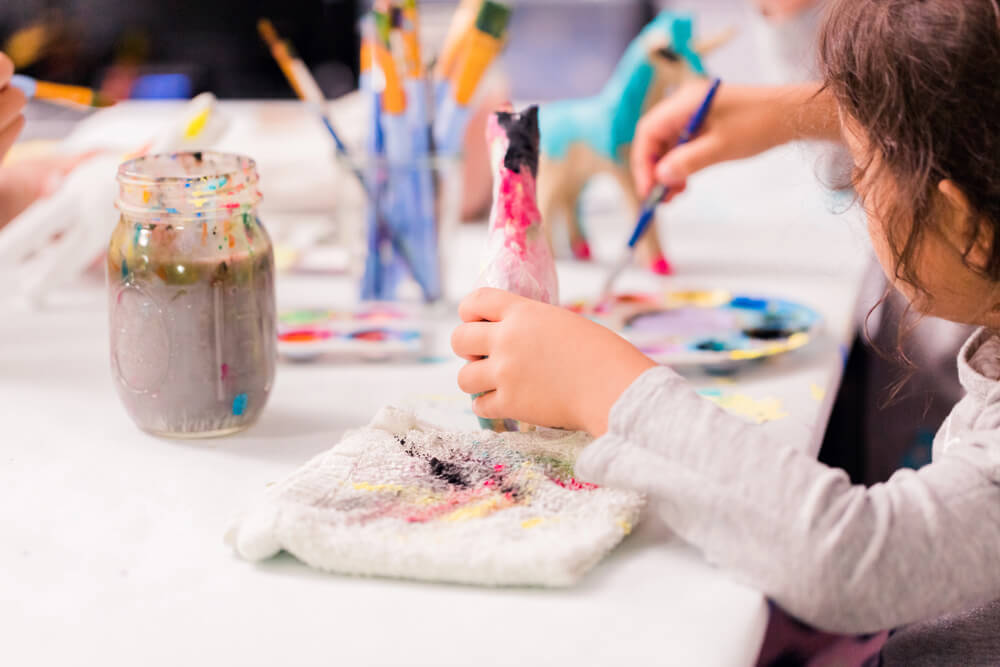
Preteen programs provide an organized setting for children who have outgrown younger kids’ activities but are not yet ready for teen programming. Scavenger hunts, games, competitions, and group activities can help preteens meet other passengers their age without requiring parents to organize every interaction.
Teen Club Programming

Teen spaces are designed to give older children more independence while maintaining cruise-line rules and supervision. Activities may include gaming, sports, parties, movies, and organized social events.
Parents should review the ship’s teen-club policies because some activities are supervised differently from younger children’s programs.
Evening Kids Programs
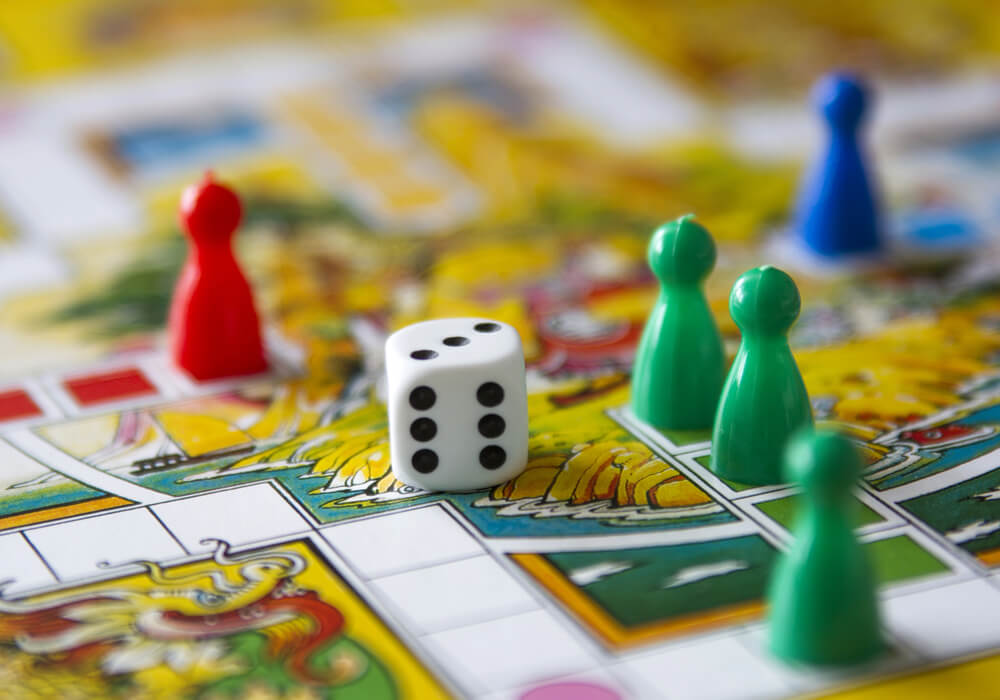
Evening programming can be particularly useful for parents who want to enjoy a specialty dinner, show, or other adult-oriented activity. Depending on the cruise line, children’s clubs may offer evening games, movies, parties, or themed activities.
Hours and fees vary, so parents should check the daily schedule rather than assuming the club operates late every night.
Sea Day Activities

Sea days are when children’s programming can provide the greatest value. With everyone onboard, kids’ clubs often schedule a wider selection of crafts, games, sports, competitions, and themed activities.
Checking the schedule at the beginning of each sea day can help families avoid spending the entire day deciding what to do.
Kids’ Culinary Classes

Some ships offer children’s cooking demonstrations or hands-on culinary activities. Depending on the program, children may decorate desserts, prepare simple foods, or learn basic kitchen techniques.
These activities combine entertainment with a practical skill and can be especially appealing to children who enjoy cooking at home.
Science and Technology Workshops
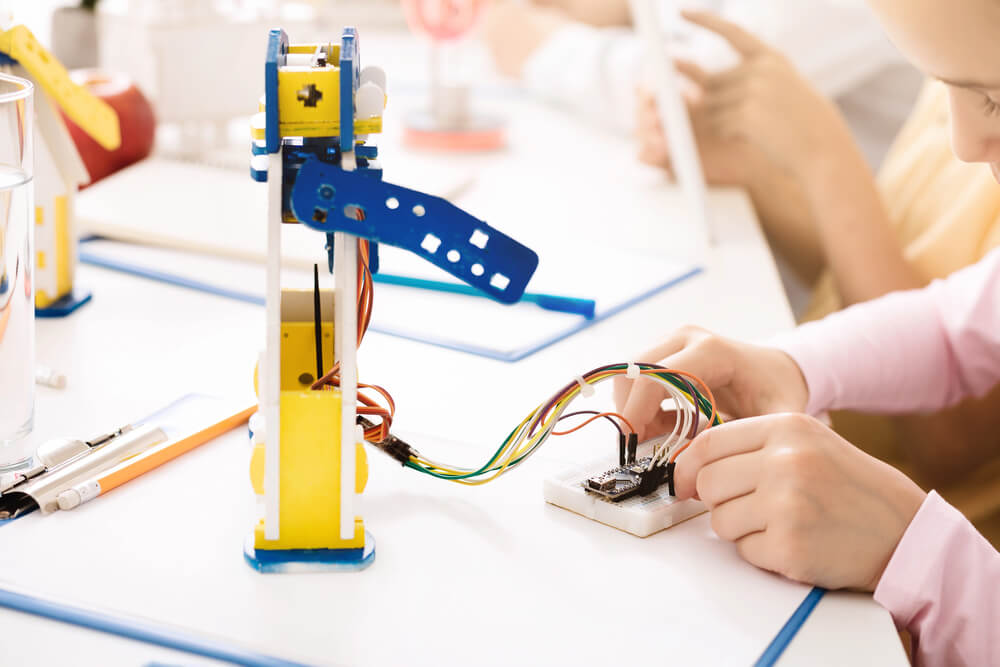
STEM-themed activities, demonstrations, robotics sessions, and technology workshops are available on some ships. These programs give children an alternative to purely recreational activities and can be particularly appealing to kids who enjoy experiments, building, or problem-solving.
Arts and Crafts Studios
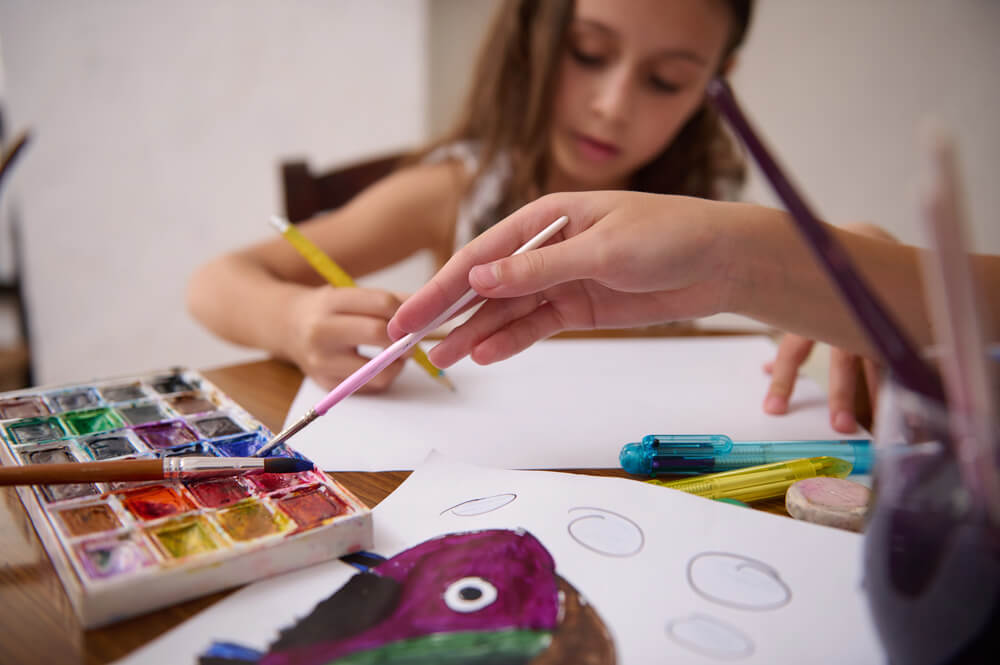
Supervised craft sessions provide children with supplies and structured projects they can complete independently or with guidance from staff. Painting, drawing, decorating, and other hands-on activities can give children a quieter alternative to sports and pool activities.
Finished projects also become inexpensive souvenirs from the voyage.
Swimming and Water Activities
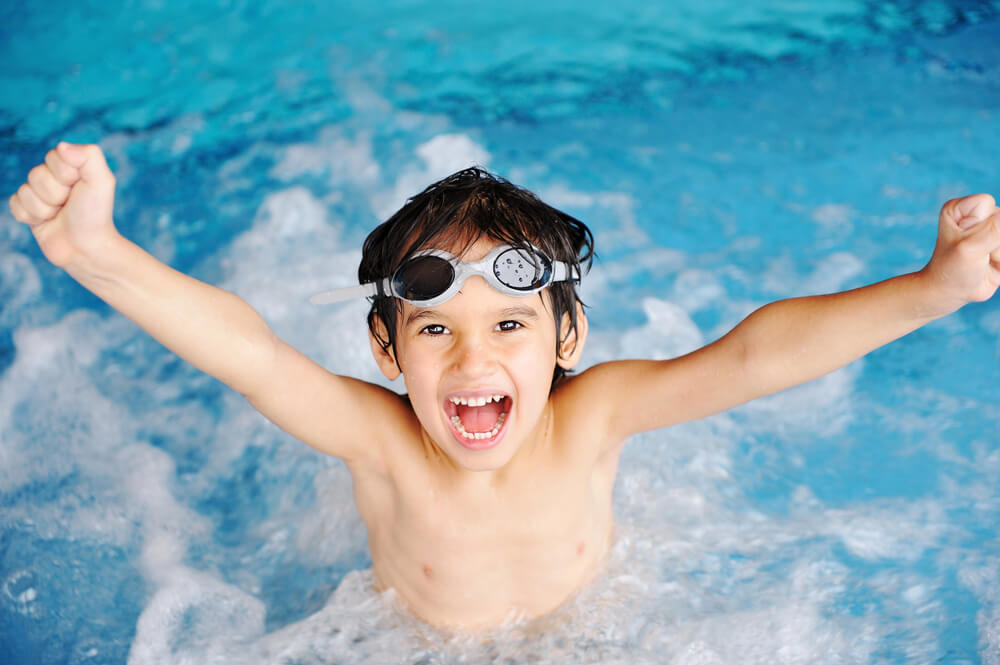
Some cruise ships offer organized swimming activities or water-based programming for children, although formal swim instruction is not universal. Parents should never assume a kids’ program replaces ordinary pool supervision.
Children should follow the ship’s age, height, and swimming rules and remain supervised according to the cruise line’s requirements.
Dance Performance Classes

Some children’s programs include dance lessons or rehearsals that culminate in a performance. Participating gives children an opportunity to learn choreography, practice with peers, and perform for family members.
The activity can be particularly appealing to children who enjoy music and performing arts.
Theater Productions for Kids
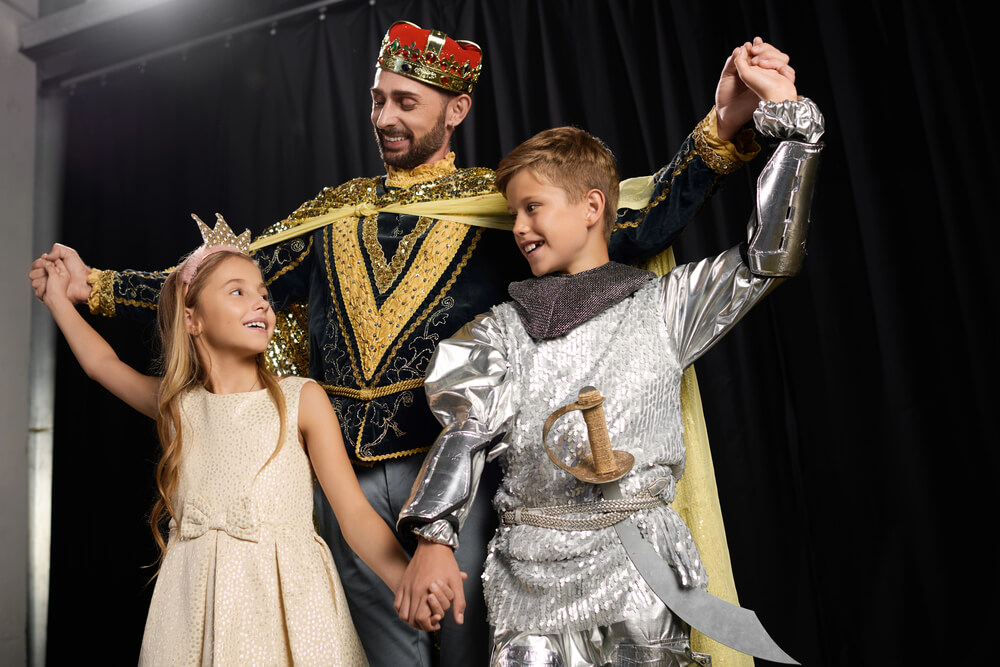
Some cruise lines provide opportunities for children to participate in theatrical activities, from short performances to structured productions. Rehearsals can involve acting, movement, costumes, or stage work.
These programs offer children a creative challenge while giving families another onboard event to enjoy together.
Video Game and Esports Activities

Gaming lounges and youth programs on some ships incorporate organized video game sessions or competitions. Structured gaming can turn an activity children might otherwise do alone into a social experience with other passengers their age.
Availability and game selection vary by ship.
Outdoor Deck Games
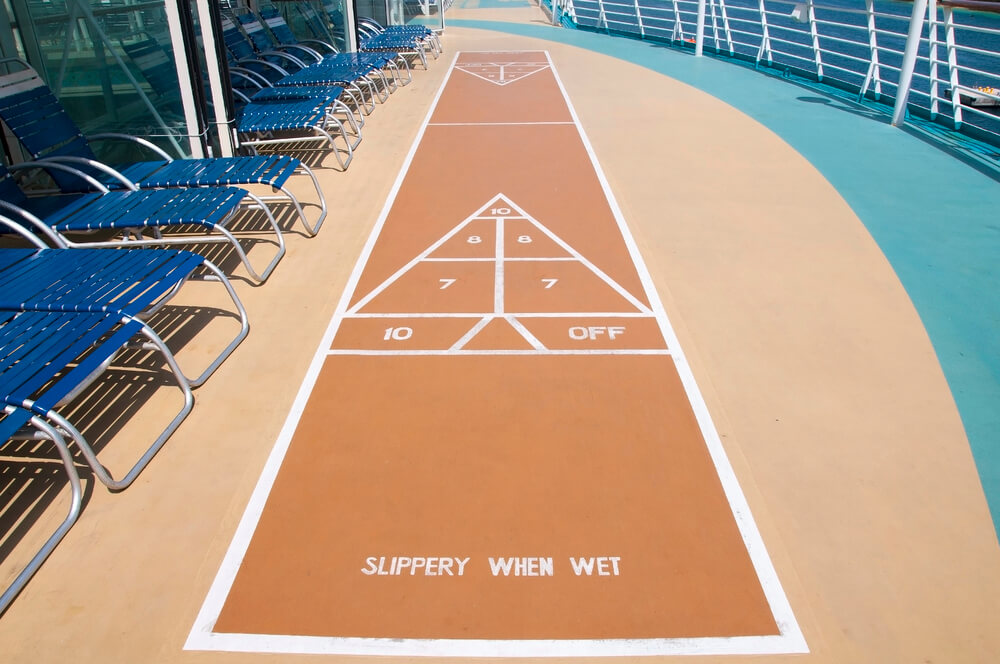
Organized deck activities can include sports, relay games, putting, shuffleboard, or other age-appropriate competitions. These activities encourage children to spend time outdoors rather than remaining in the cabin with screens.
Parents should still follow all ship rules regarding pool and deck supervision.
Junior Naturalist Programs
Expedition and destination-focused cruise lines sometimes offer children’s programming centered on marine life, wildlife, conservation, or local environments. Naturalists and expedition staff may introduce children to the destinations they are visiting through talks, observations, and hands-on activities.
These programs can make port destinations more meaningful for younger travelers.
Kids’ Sports Clinics

Sports activities can range from informal games to organized clinics and tournaments. Basketball, soccer, table tennis, mini-golf, and other recreational options give active children opportunities to burn energy while meeting other passengers.
Special guest instructors may appear on some sailings, but they are not a standard feature across the industry.
Scavenger Hunt Competitions
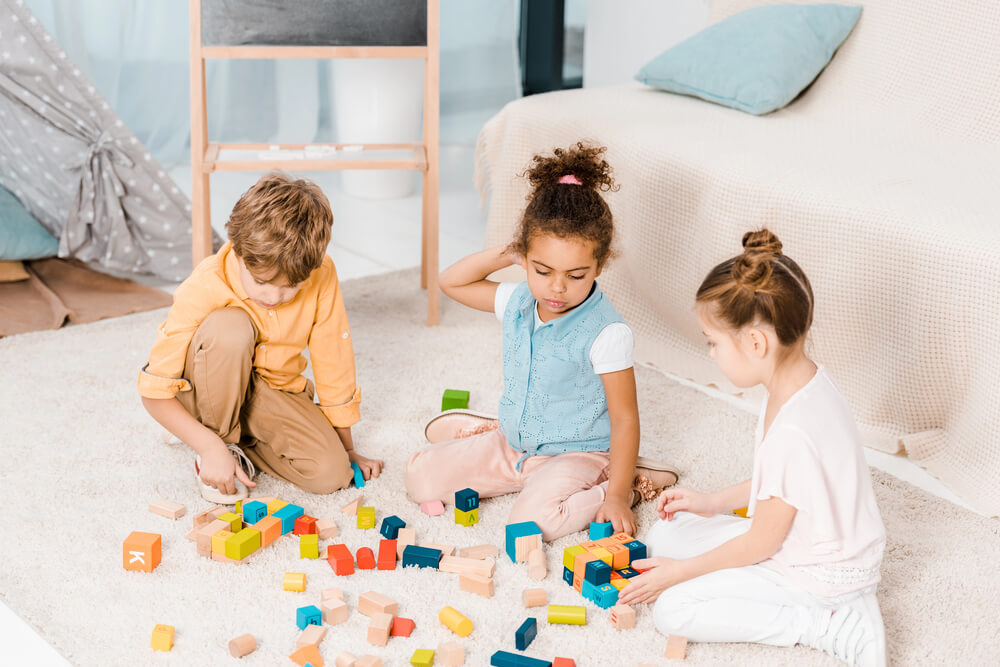
Shipwide scavenger hunts encourage children to explore public areas while completing clues and challenges. When organized through youth programming, the activity provides a structured alternative to wandering around the ship without a plan.
Competitions can also help children interact with other participants.
Supervised Karaoke Events
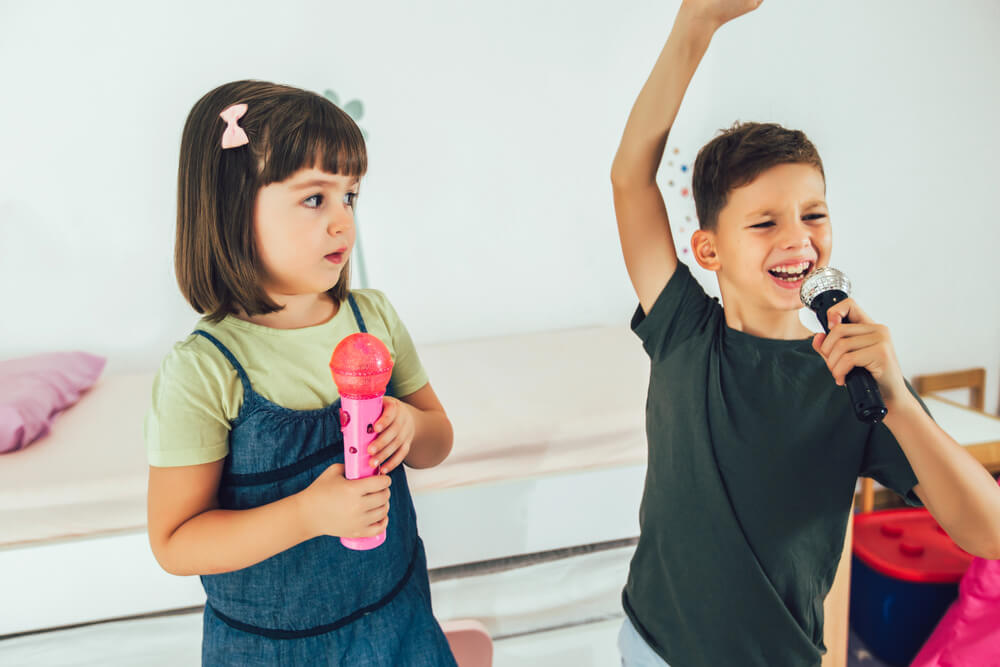
Children’s karaoke sessions give young passengers an opportunity to perform in a less intimidating environment than an adult-focused entertainment venue. Group participation can make singing and performing feel more like a game than a formal performance, particularly for children who enjoy music.
Mini-Golf Tournaments
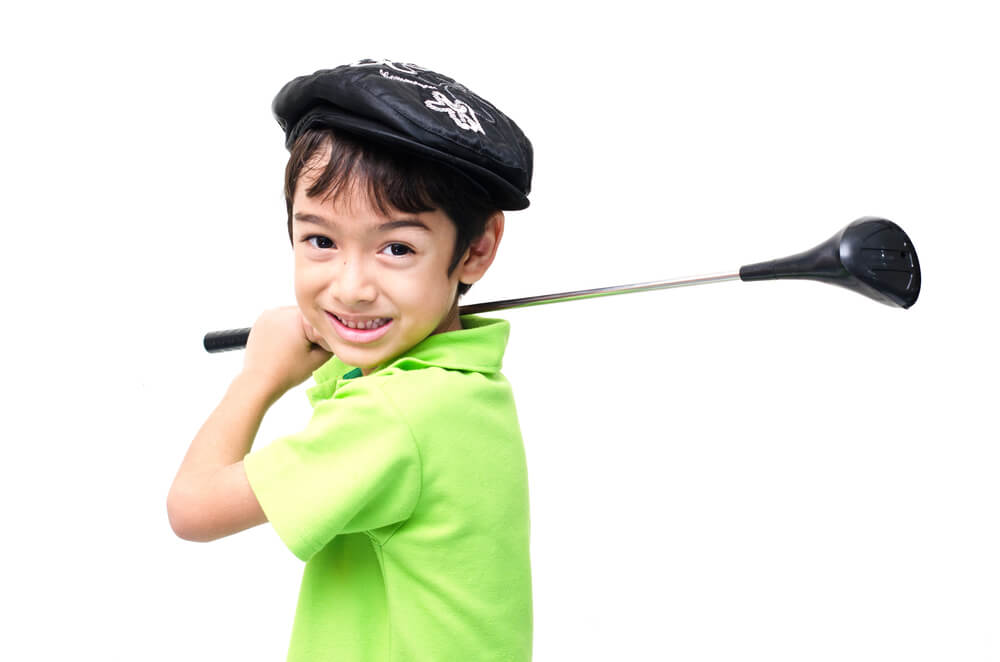
Ships with mini-golf courses may incorporate the activity into organized youth competitions. A tournament format adds structure to what could otherwise be a casual game and gives children a chance to compete with other passengers.
Availability depends entirely on the ship’s facilities and programming schedule.
Tie-Dye and Craft Workshops

Tie-dye, jewelry-making, canvas painting, and similar workshops provide hands-on activities that produce something children can take home. These sessions are particularly useful on sea days or during periods when outdoor activities are limited by weather.
Kids’ Movie Programming

Dedicated children’s movie screenings can provide an alternative to watching television in the cabin. Group screenings turn movie time into a social activity and may be scheduled around other youth-program events.
Parents should check the daily program for age ratings and screening times.
Water Slide and Pool Activities
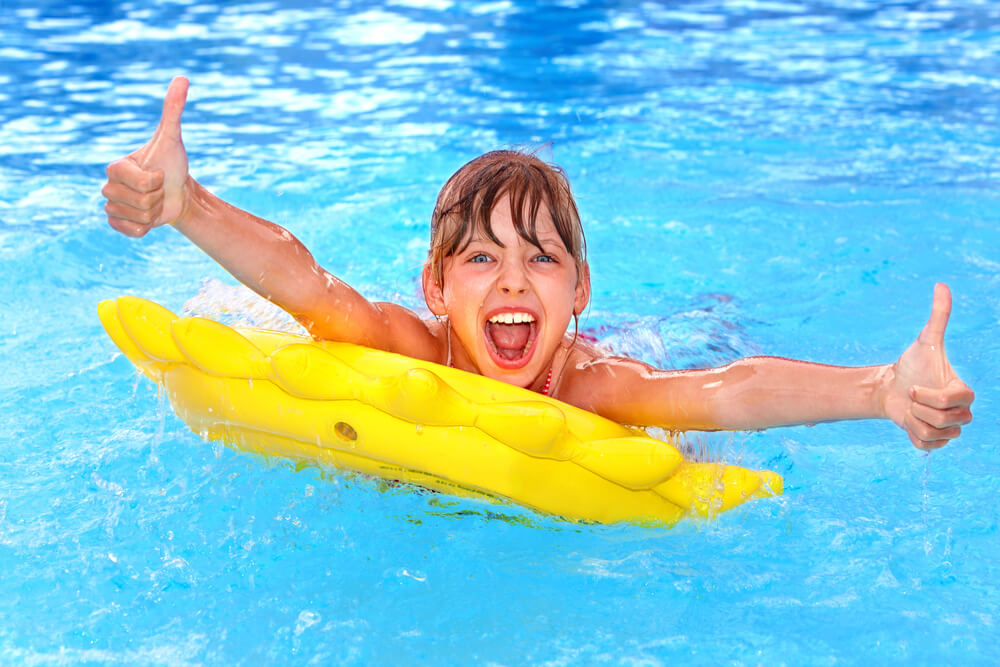
Ships equipped with water slides or dedicated children’s pool areas may schedule organized activities or competitions around those facilities. These can add structure to pool time, although parents should follow the ship’s specific supervision requirements and should not assume that youth-program staff supervise children outside the designated activity.
Beverage-Making Workshops

Some children’s or family activities involve making simple beverages, mocktails, smoothies, or other nonalcoholic drinks. These sessions turn food and drink preparation into an interactive activity and can appeal to children who enjoy experimenting with ingredients.
Comic Book Drawing Classes

Drawing and illustration sessions can give children a creative activity that requires little equipment and produces a tangible result. Where offered, instructors may teach basic character design, storytelling, or comic-panel techniques.
The format appeals particularly to children who prefer creative activities to sports.
Talent Show Preparation and Competitions

Talent shows give children an opportunity to sing, dance, perform magic, tell jokes, or demonstrate another skill in front of an audience. Some youth programs help participants prepare beforehand, making the eventual performance less intimidating and more organized.
Friendship Bracelet and Jewelry Making
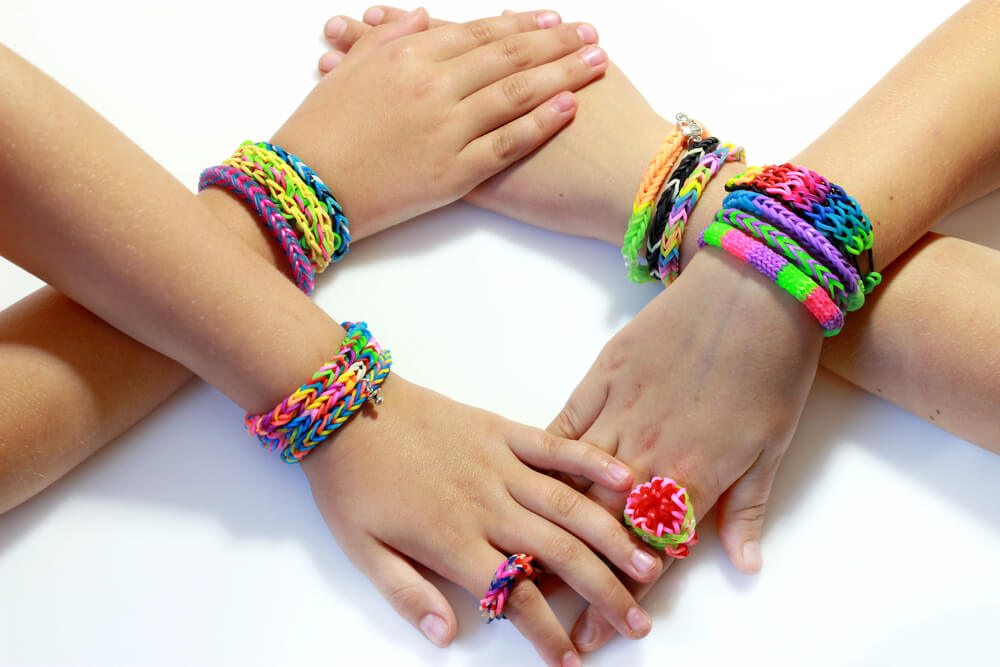
Bracelet-making and other simple jewelry projects provide quieter social activities for children who may not enjoy competitive sports or large group games. Children can create keepsakes for themselves or exchange them with new friends they meet onboard.
Interactive Music Programs
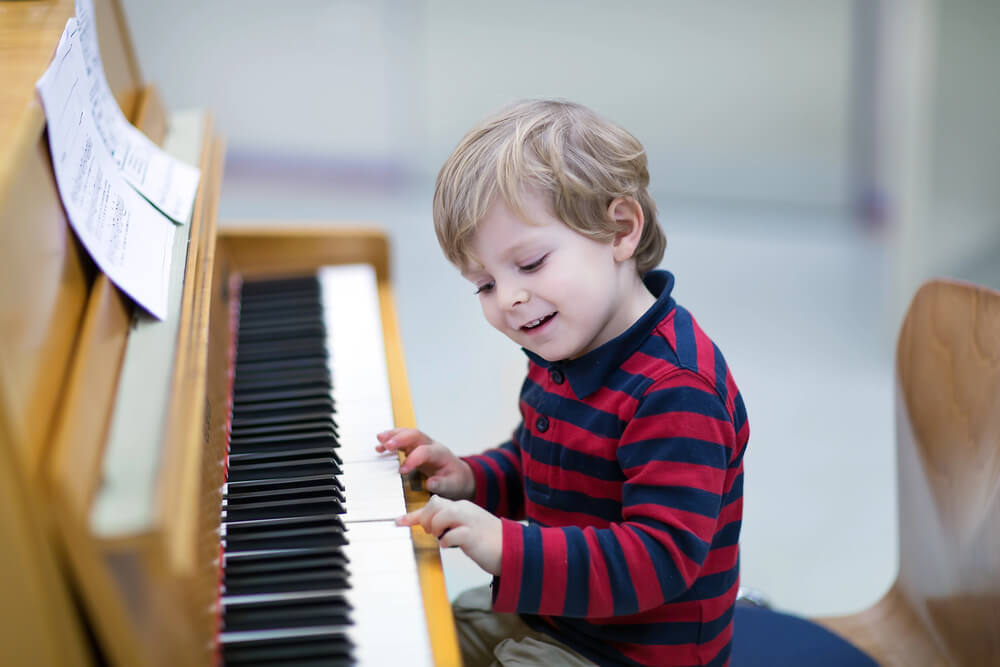
Some ships incorporate music activities into children’s programming, including rhythm games, introductory instrument sessions, or interactive performances. These programs give children a chance to participate rather than simply watch a show and can introduce them to musical styles they might not encounter at home.
Making Better Use of Kids Programs at Sea

Cruise children’s programs are most useful when parents treat them as one component of the family vacation rather than as a replacement for family time. Checking age requirements, registration procedures, operating hours, fees, and daily schedules before sailing removes much of the uncertainty.
Children get opportunities to socialize, create, compete, and explore independently, while parents gain legitimate time to enjoy dining, entertainment, or quiet moments of their own. The result is a cruise that gives every member of the family some room to enjoy the vacation on their own terms.
More from Travel Pug

- Underrated Italian Towns That Beat the Tourist Crowds
- Las Vegas Tourist Traps to Skip
- Prettiest Towns in Every US State
- 18 passport-free countries for Americans
- Signs Your Cruise Is Not Worth The Cost
Like Travel Pug’s content? Follow us on MSN.