

Embarkation day looks like a formality to first-time cruisers: check in, find the cabin, attend a safety briefing, and wait for dinner. Regulars treat the same few hours as the only window all week to set up the ship the way they actually want it to run.
Almost none of these habits take more than a few minutes, and most of them solve a problem before it exists rather than after.
Completing the E-Muster Safety Video Before Boarding

Many major lines now let passengers complete at least part of the required safety briefing through the cruise line’s app or another onboard system before reaching the assigned muster station. On some lines, portions can be completed before boarding; on others, the process is completed after embarkation. Doing the available steps in advance can turn the required muster process into a quick check-in at the assembly station rather than a full group presentation.
Locating the Muster Station on the Deck Plan First
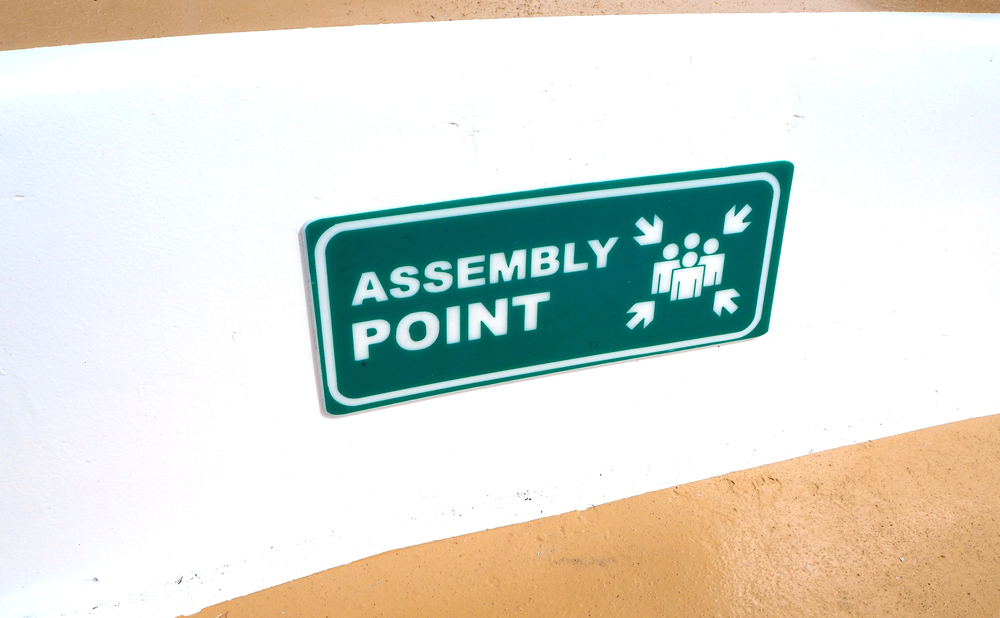
Before boarding, regulars find their assigned muster station in the cruise line’s app, boarding documents, or cabin information and note which stairwell or corridor leads there fastest from the cabin, rather than waiting to figure it out during the actual drill.
Walking the Route From Cabin to Muster Station Once, Unhurried
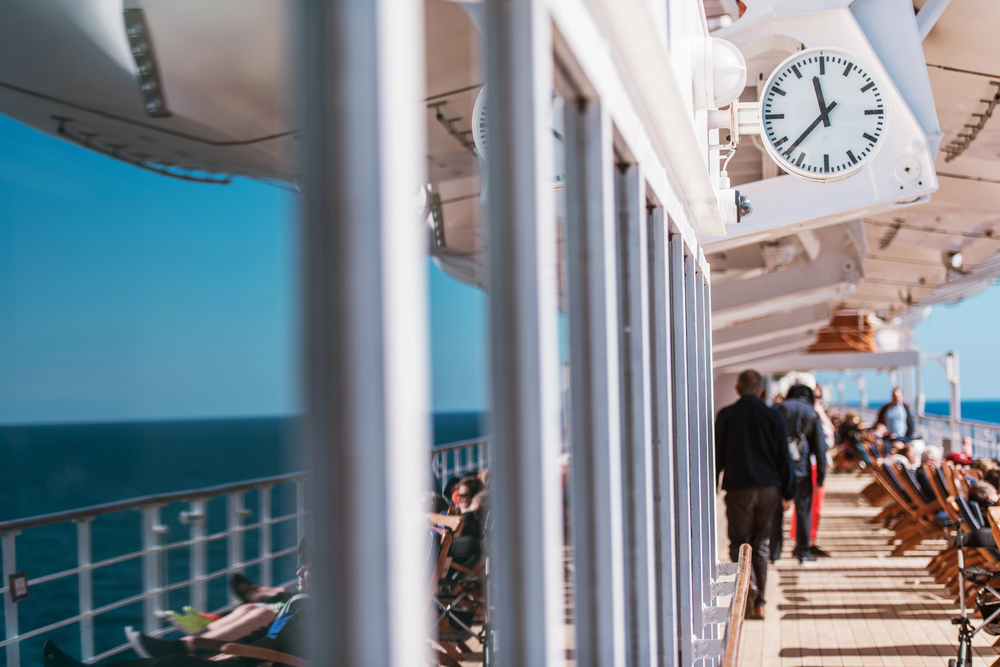
A single unhurried walk from the cabin to the muster station shortly after boarding, before the ship gets fully crowded, means the route is already familiar if it’s ever needed under less relaxed circumstances.
Checking the Life Jacket Location in the Cabin Immediately

Life jackets are commonly stored in passenger cabins, often in a closet or beneath the bed, but the exact location varies by ship. Some newer ships instead keep life jackets at the muster station. Checking the location assigned on the ship’s safety information removes one variable from an emergency scenario.
Reading the Safety Card Behind the Cabin Door
The safety card posted in or near many cabins lays out the muster station assignment, evacuation route, and general procedures specific to that location, and it takes under a minute to read.
Unpacking Before the Ship Leaves Port

Luggage is usually delivered to the cabin after boarding, although the timing varies by ship and embarkation process. Unpacking as soon as the bags arrive, rather than waiting until after dinner, means the cabin is functional from the first evening instead of sitting under a pile of suitcases during the busiest social hours of the trip.
Setting Up the Onboard Account Immediately

Registering a credit card or confirming the account setup at check-in avoids a line at guest services later, and having the account active from the beginning means every drink, specialty charge, or shop purchase is tracked from the start rather than requiring a retroactive fix.
Booking Specialty Dining Reservations the First Afternoon
Specialty restaurants can fill their prime evening slots within the first day of a sailing, and regulars book any planned specialty dinners as soon as they board rather than waiting until later, when the best times may already be gone.
Reserving Shows and Entertainment Early

Ships with reservation-based entertainment, particularly headline shows on newer vessels, can release booking access at the beginning of the sailing, and regulars secure seats for the entire week’s must-see shows on embarkation afternoon when reservations are available.
Downloading the Cruise Line’s App and Connecting to Ship Wi-Fi

Getting the cruise line’s app installed and connecting to the ship’s onboard Wi-Fi or messaging system, when available, before the ship departs makes it easier to check the daily schedule, reservations, and announcements later without relying on cellular service.
Meeting the Cabin Steward on Day One
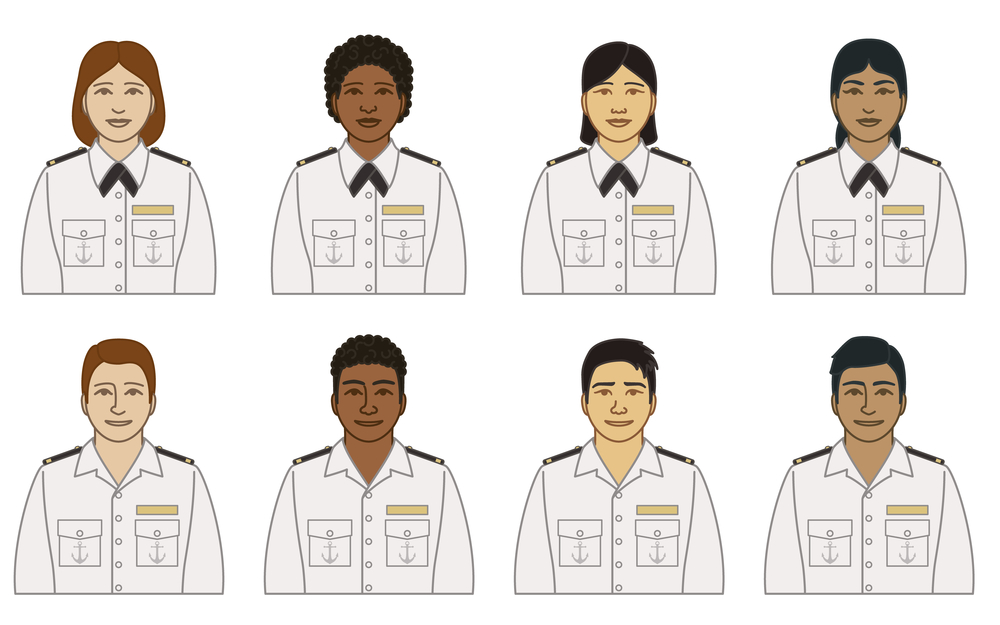
A short, friendly introduction to the cabin steward on the first day establishes a rapport that can make a real difference in small daily requests, from extra towels to a preferred ice bucket schedule, for the rest of the sailing.
Setting a Preferred Turn-Down Time With the Steward

Letting the steward know a general preference for morning versus evening cabin service on day one can avoid repeated scheduling friction later in the week.
Confirming the Prepaid Gratuity Setup

Checking exactly how automatic gratuities are applied to the onboard account, and whether they’ve already been prepaid, avoids a surprise on the final bill and lets a passenger understand the gratuity arrangement from the beginning.
Exploring the Ship Before the Crowds Settle In
The first afternoon can provide a useful opportunity to explore the ship while some passengers are still checking in or unpacking, and regulars use it to walk the layout without competing with the larger crowds that develop later in the sailing.
Locating the Nearest Stairwell and Elevator Bank to the Cabin

Knowing which stairwell and elevator serve the cabin directly, rather than relying on whichever one is most visible, saves real time in hallway navigation for the rest of the sailing.
Checking the First Night’s Dress Code

The first evening’s dress code, whether casual or an opening formal night, is posted in the daily program or app, and checking it before unpacking avoids digging back through luggage later for a specific outfit.
Reviewing the Full Week’s Daily Programs at Once, When Available

Some lines make the full week’s schedule available digitally on embarkation day, and reviewing it in one sitting lets a passenger flag which sea days have activities worth planning around before the week gets busy.
Filling a Reusable Water Bottle at a Free Station

Locating a free ice water or beverage station near the cabin on day one, and using a reusable bottle from it, avoids relying on paid bottled water for basic hydration throughout the trip.
Checking Laundry Bag and Service Details Early

For passengers planning to use the ship’s laundry service, locating the laundry bag in the cabin and understanding the pricing or package options on day one avoids scrambling near the end of the sailing when items are actually needed clean.
Setting Clocks and Phones to Ship Time Immediately

Ship time can differ from a passenger’s home time zone or even the departure port’s local time on some itineraries, and setting clocks and checking phone time settings on embarkation day prevents missed muster calls, dining reservations, or shore excursion departures later.
Confirming Shore Excursion Bookings and Meeting Points

Any excursions booked in advance should be confirmed on embarkation day, including exact meeting locations and times, since ships can adjust logistics that were set before the current itinerary was finalized.
Locating the Medical Center

Knowing the location of the ship’s medical center on day one, even without an immediate need, removes one more unknown from the week and can be particularly useful for passengers who may need medical assistance during the sailing.
Checking In With Guest Services About Any Special Requests
Dietary restrictions, mobility needs, or celebration requests communicated to guest services or the dining team on the first day are more likely to be arranged smoothly than the same requests made mid-week.
Attending the Muster Drill in Person, Not Just Watching the Video
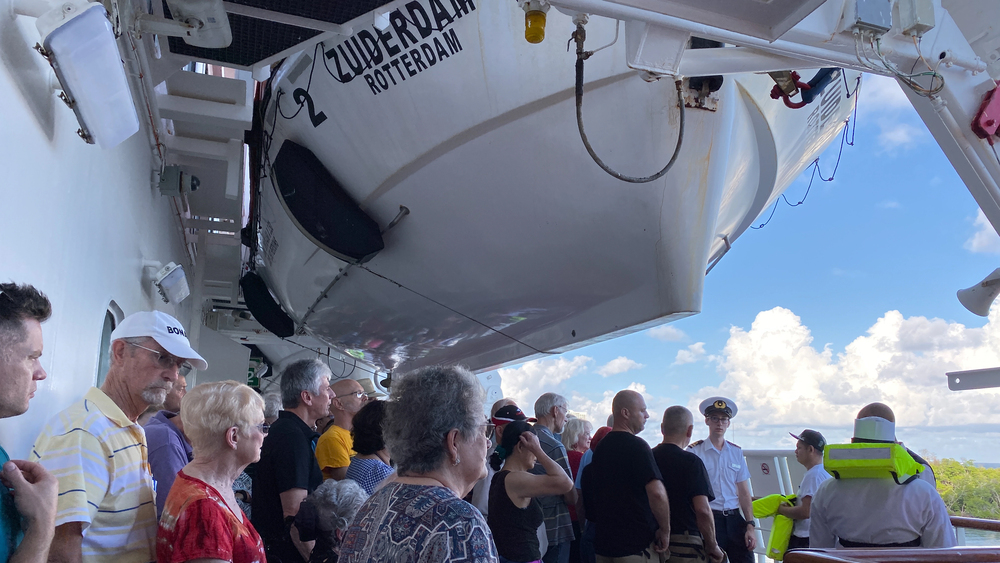
Even on lines with a digital pre-boarding or embarkation safety video, passengers generally still need to check in physically at their assigned muster station before departure. Skipping this step and assuming the video alone satisfies the requirement is a common first-timer mistake.
Silencing Phones and Actually Listening During the Drill
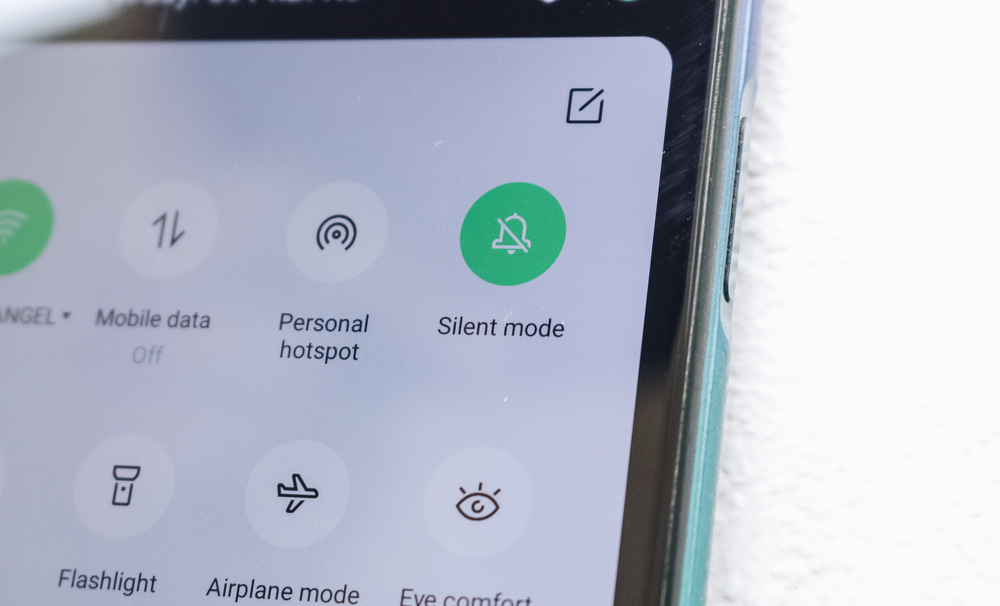
Regulars treat the in-person portion of the muster process as worth a few minutes of full attention rather than background noise, since procedures can vary between ships and sailings even for passengers who have done a version of the drill before.
Noting the Emergency Whistle and Light on the Life Jacket

The small whistle and light attached to a life jacket, when provided, are easy to overlook, and taking a few seconds to locate and understand them during the muster process is a simple safety habit.
Photographing the Deck Plan for Offline Reference

Taking a photo of the full deck plan, including public room and dining locations, provides an offline reference for the rest of the sailing that doesn’t depend on app connectivity or a signal.
Locating the Nearest Public Restroom to Frequently Used Spaces
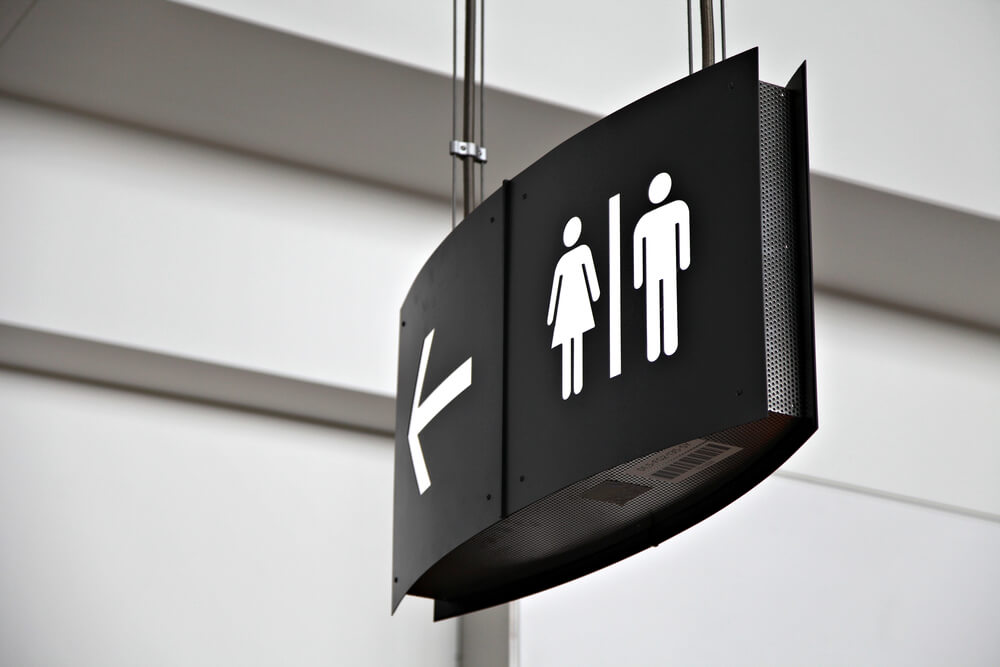
A quick mental note of restroom locations near the pool deck, buffet, and theater on day one avoids searching for one later during a crowded event or a show intermission.
Setting Expectations With Traveling Companions Before the Week Gets Busy

A short conversation on embarkation day about which activities each traveling companion actually wants to do, versus which ones are assumed group plans, heads off a surprising number of mid-week scheduling conflicts on a ship with limited reservation slots.
Why the First Few Hours Carry More Weight Than They Look Like They Do

Almost everything on this list is available to any passenger at any point during the sailing, not just on embarkation day. What changes is availability: dining slots, show reservations, and even a quiet walk through the ship can get harder to manage once several thousand other passengers have made the same decision to explore.
Regulars aren’t doing anything the cruise line hides from first-timers. They’re simply moving on information that’s available to everyone, before everyone else acts on it too.
More from Travel Pug

- Underrated Italian Towns That Beat the Tourist Crowds
- Las Vegas Tourist Traps to Skip
- Prettiest Towns in Every US State
- 18 passport-free countries for Americans
- Signs Your Cruise Is Not Worth The Cost
Like Travel Pug’s content? Follow us on MSN.