

Long-haul flights test endurance in ways that most people underestimate. Every detail—from seat pitch to aisle positioning to boarding order—can compound across eight, 15 or 24 hours.
The difference between suffering and staying comfortable often comes down to choices made before you even board, choices that many travelers make by accident rather than intention.
Exit Row Seats on Wide-Body Aircraft
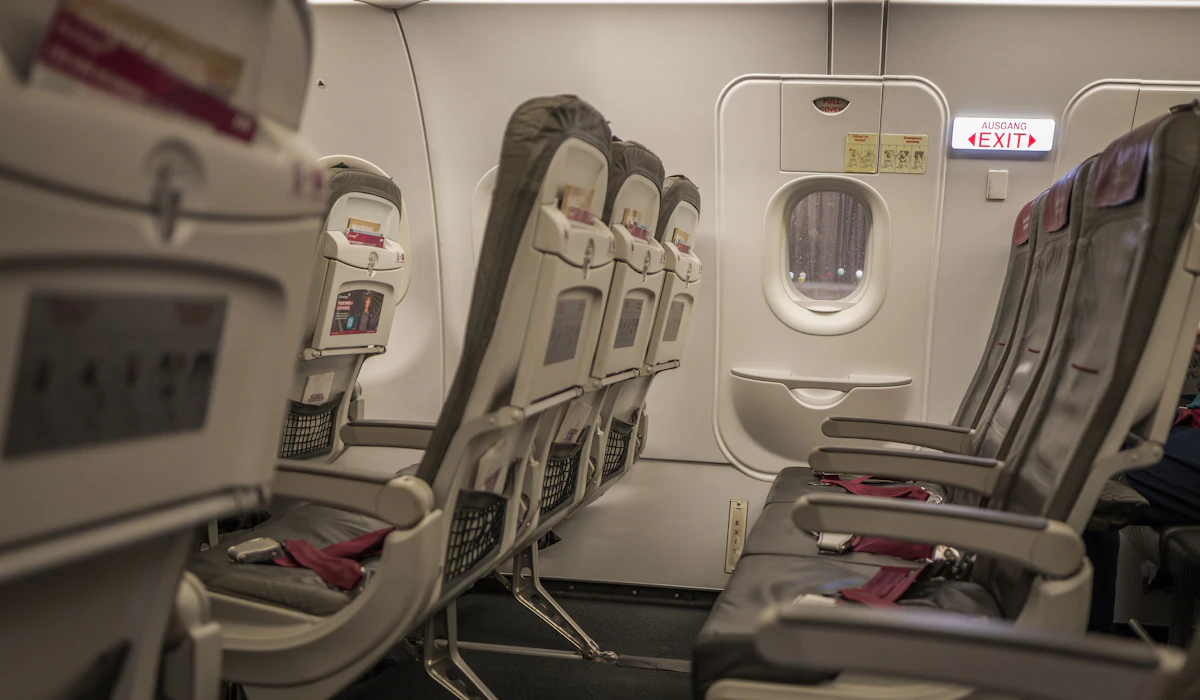
Exit rows offer significantly more legroom than standard economy seats, with some configurations providing substantially more pitch than the rows behind them. The trade-off is that armrests are often fixed, and in-flight entertainment screens may be smaller or absent, but the ability to extend your legs can transform long-haul comfort.
Airlines charge extra for many exit-row seats precisely because the additional space matters.
Bulkhead Row Seats
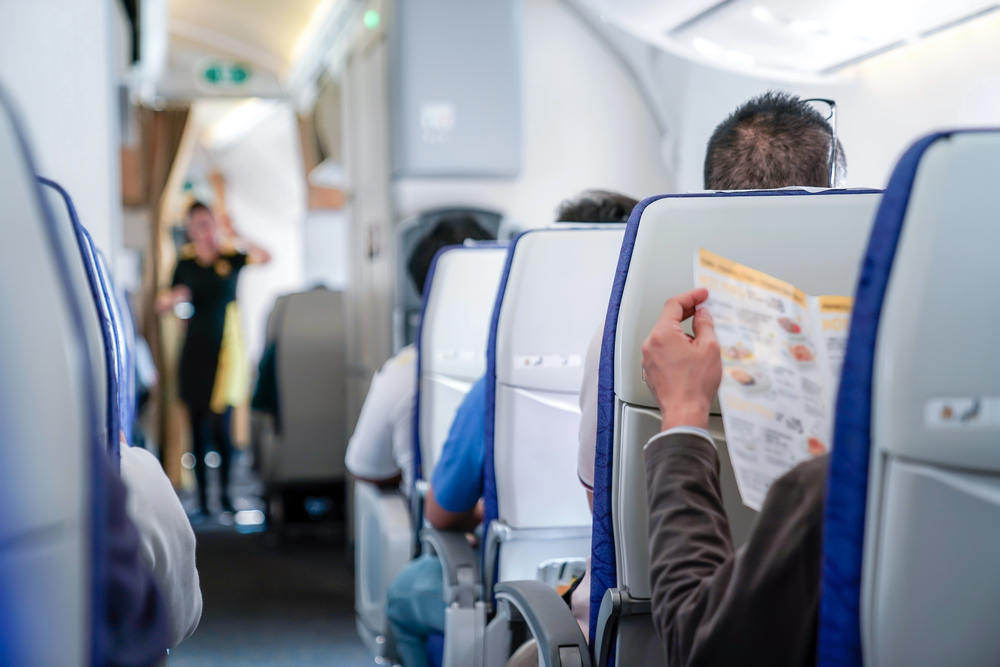
Bulkhead rows sit directly behind a cabin partition rather than another row of seats, offering unusual legroom and no seat directly in front. The downside is that armrests are often fixed, and carry-on items generally must be stored overhead during takeoff and landing.
Proximity to galleys or lavatories can also mean more traffic, but the extra legroom can be worthwhile on long flights.
Boeing 787 Dreamliner Cabin Features
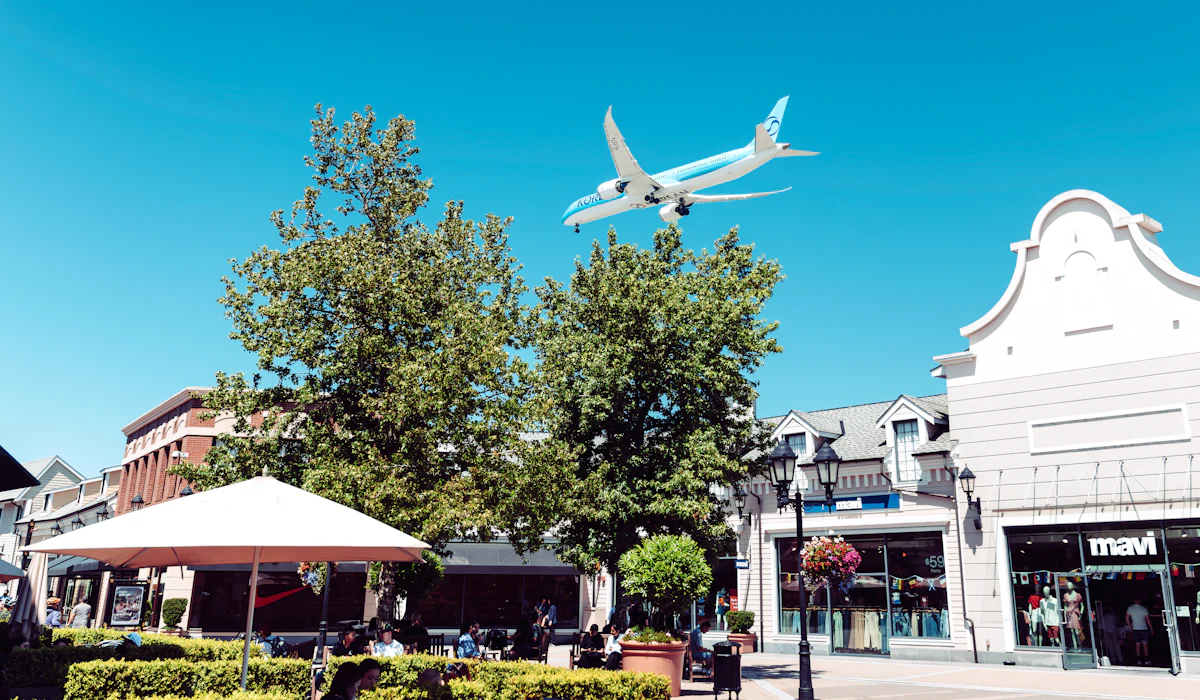
The Boeing 787’s cabin design includes larger windows, higher cabin humidity than many older aircraft and a lower cabin altitude than conventional aircraft. These features can make the cabin feel more comfortable during long flights.
Its electronically dimmable windows and adjustable cabin lighting also give passengers greater control over light, which can be useful when trying to sleep.
Airbus A350 Cabin Configurations
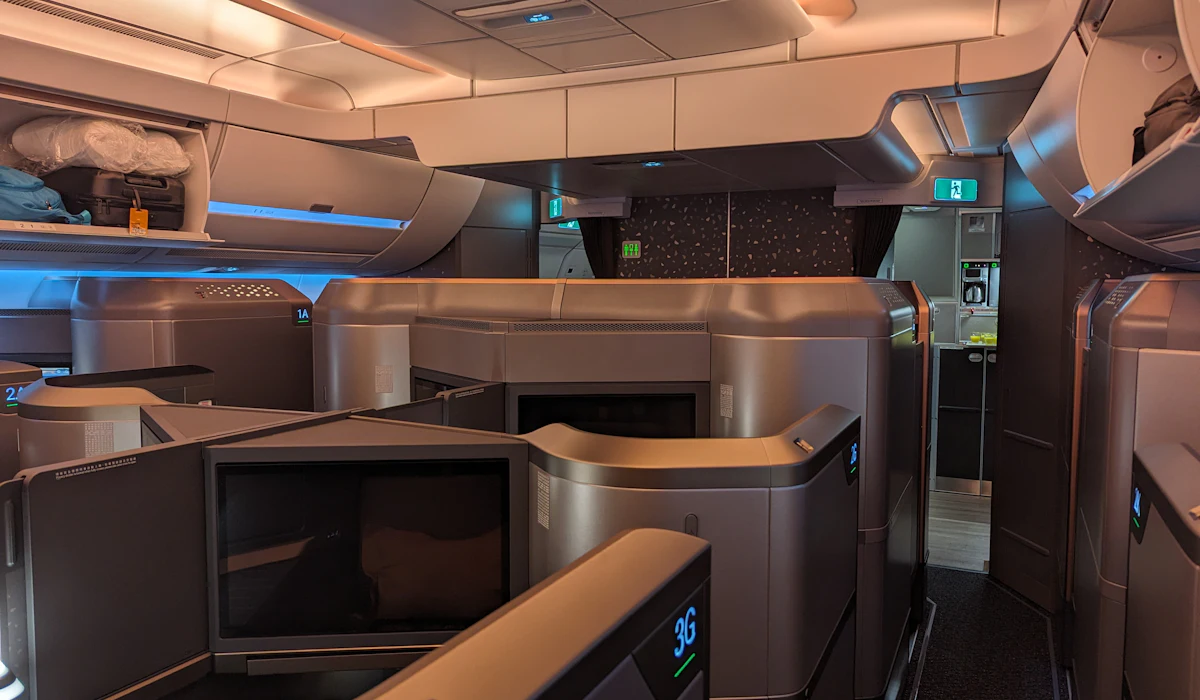
The Airbus A350 is operated with different cabin layouts depending on the airline. Some configurations provide wider aisles or distinctive two-seat sections that eliminate middle seats in certain rows.
Checking the specific airline’s seat map matters because the A350’s seating arrangement can vary significantly from one carrier to another.
Boeing 777-300ER Economy-Plus Configurations
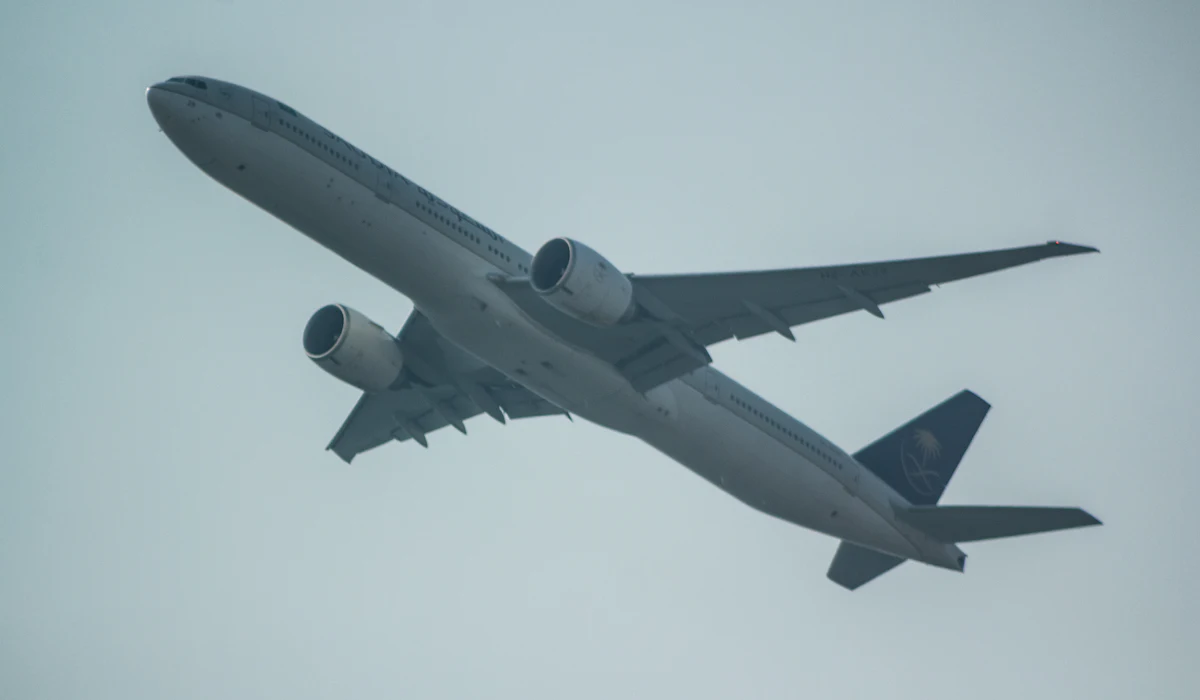
Some airlines configure the Boeing 777-300ER with dedicated extra-legroom or premium-economy sections, giving passengers more space without the cost of business class. Seating layouts vary by airline, so travelers should check the aircraft-specific seat map rather than assuming every 777 offers the same configuration.
Boarding Group Priority Position
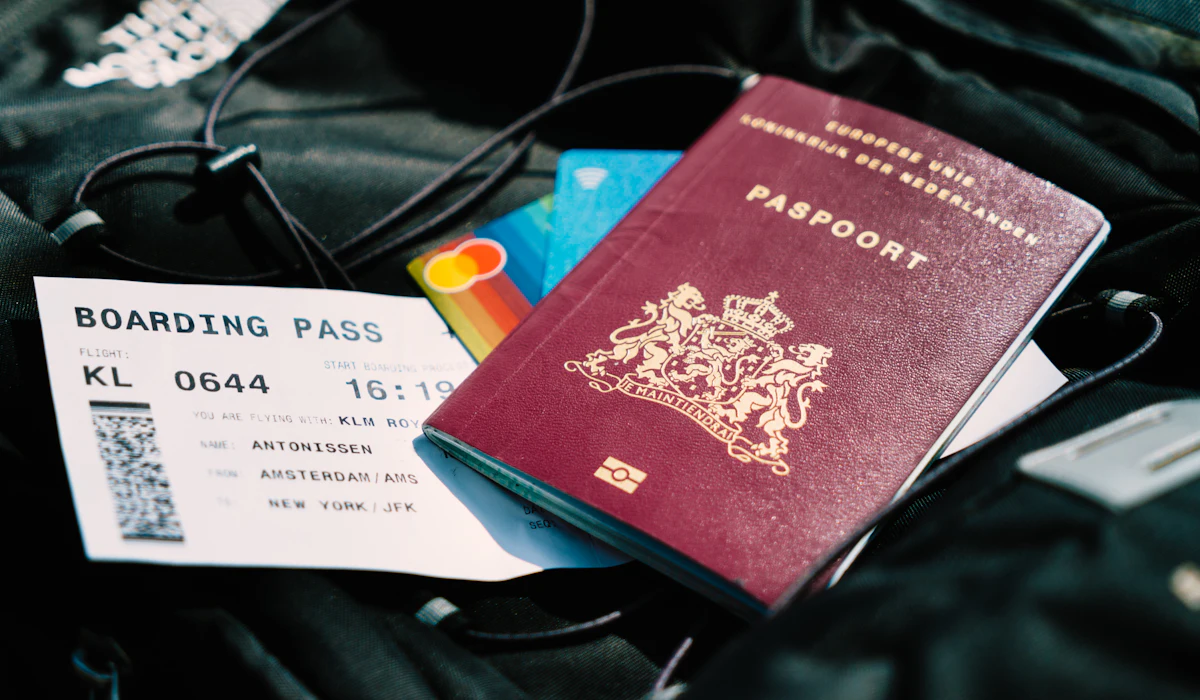
Airlines board in waves, but boarding later can sometimes mean less time spent sitting on the aircraft before departure. The trade-off is that later boarding may leave fewer choices for overhead-bin space.
For travelers with minimal carry-on luggage, a later boarding group can reduce the amount of time spent waiting in the cabin before takeoff.
Forward Cabin Positioning
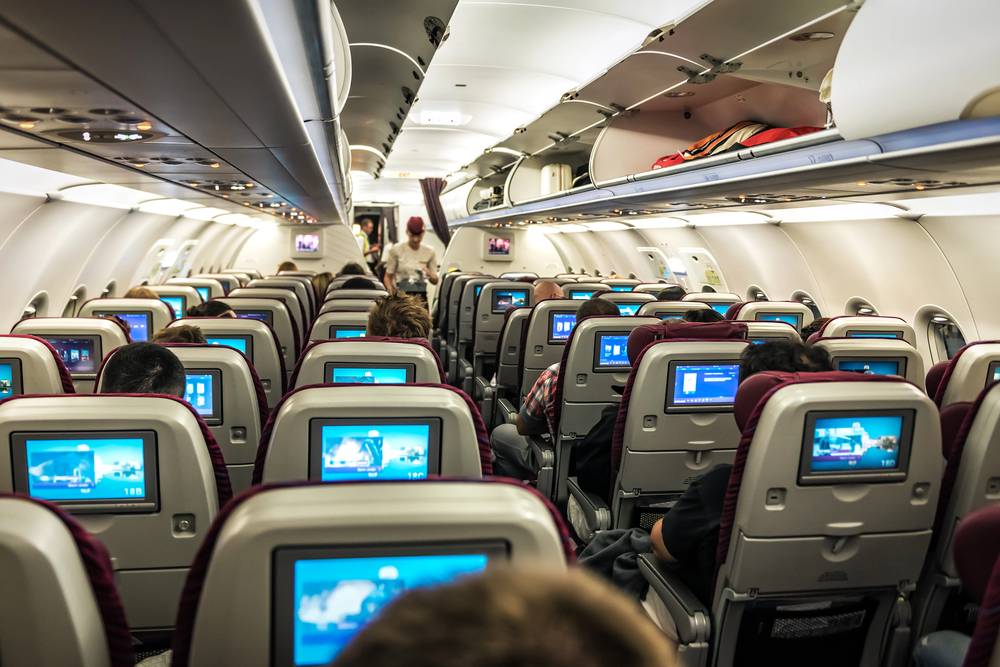
Sitting toward the front of the aircraft can reduce the sensation of some aircraft movements compared with seats farther aft, although the effect varies with aircraft type and turbulence. Forward seats also generally allow passengers to exit the aircraft sooner after landing.
The trade-off can be increased exposure to galley and cabin-service activity.
Aisle Seat in Center Cabin Rows
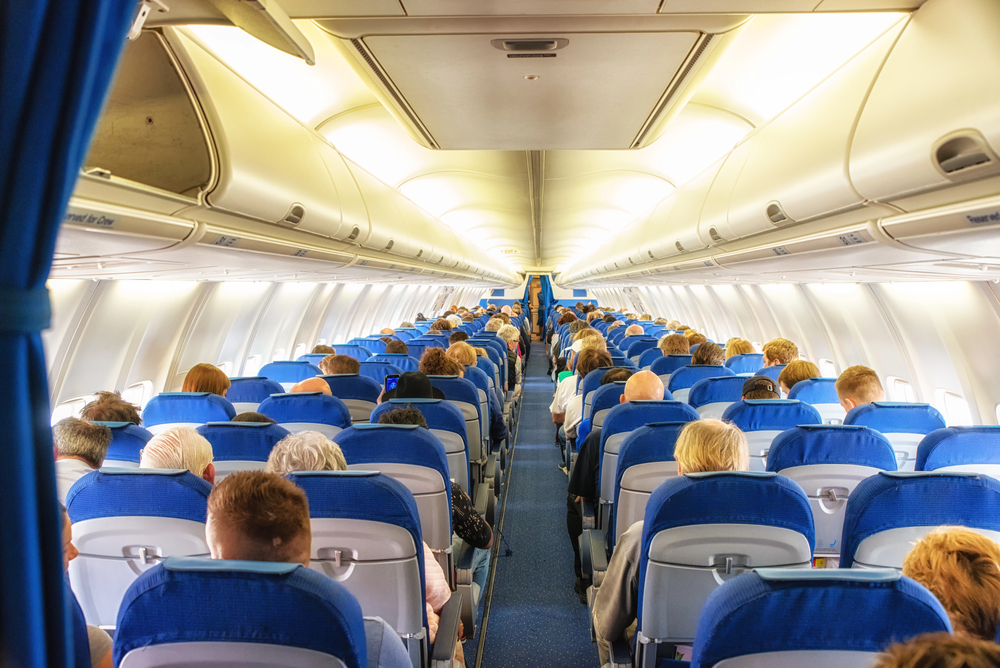
Aisle seats in the center section of a wide-body aircraft provide easy access to the aisle without requiring a window seat. You can reach the lavatory without asking a seatmate to move, although you may experience more contact with passing passengers and crew.
For long flights, that freedom of movement can be more valuable than a window view.
Aircraft Lavatory Proximity Trade-Off
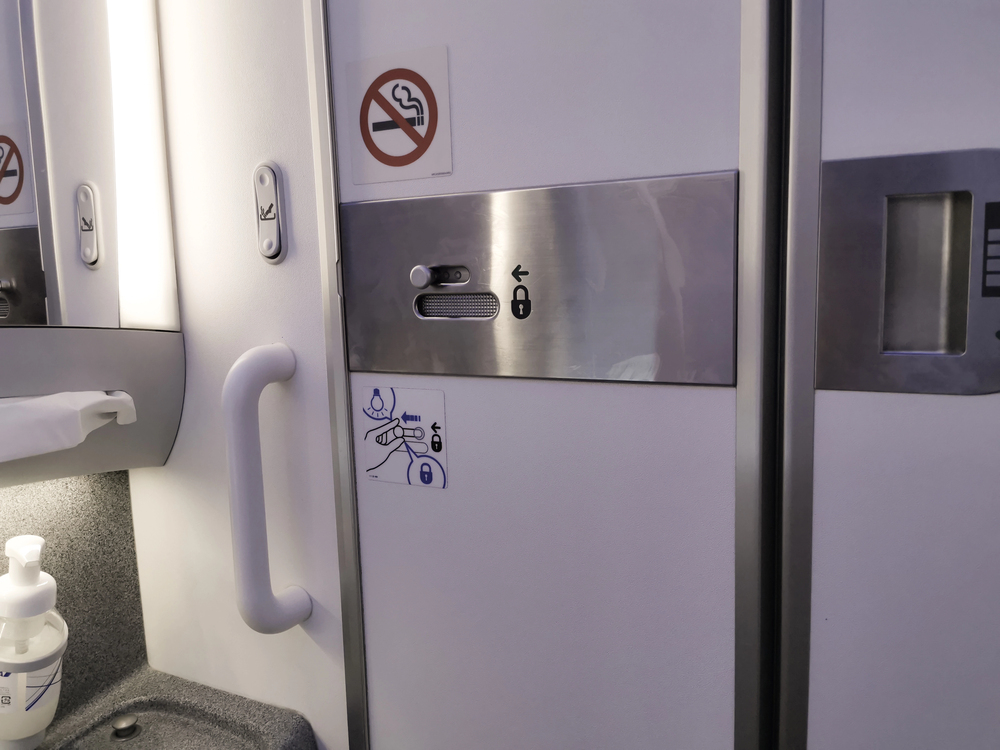
Sitting several rows away from the lavatories can provide a useful compromise between convenience and noise. Seats directly beside or opposite lavatories tend to experience more passenger traffic, waiting lines and door movement.
Choosing a location that is close enough for easy access but not immediately adjacent can make a noticeable difference on long flights.
Seatback Entertainment System Quality Variation
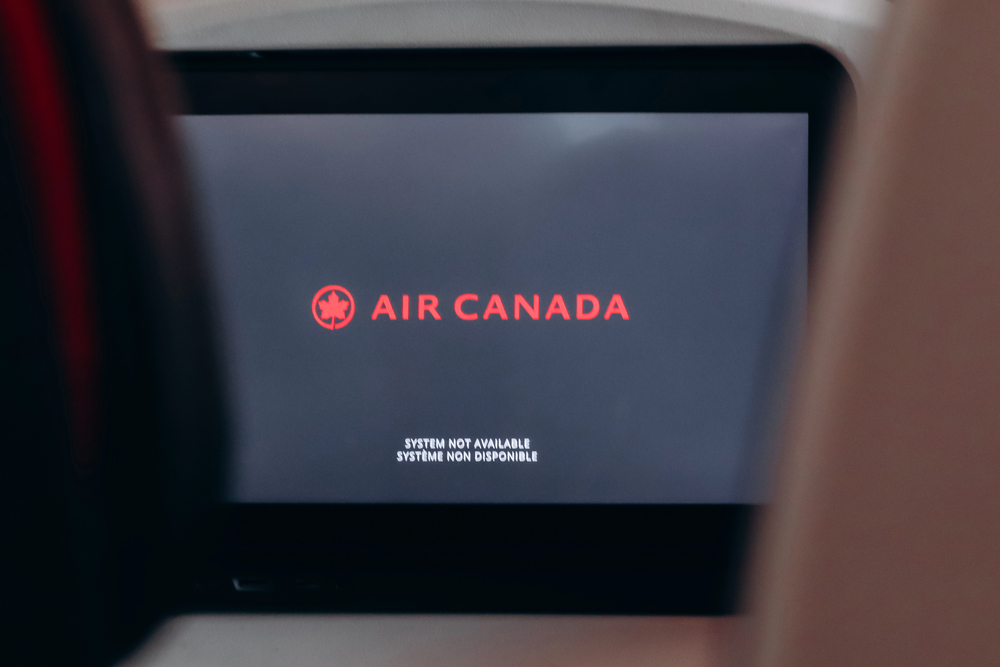
Older aircraft can still have smaller, lower-resolution entertainment screens, while newer cabins may feature larger displays, improved interfaces and more current entertainment selections. When the aircraft type is available during booking, checking the specific aircraft can provide clues about the in-flight entertainment experience.
On a 14-hour flight, a better screen can make a long stretch of time considerably easier.
Power Port Accessibility
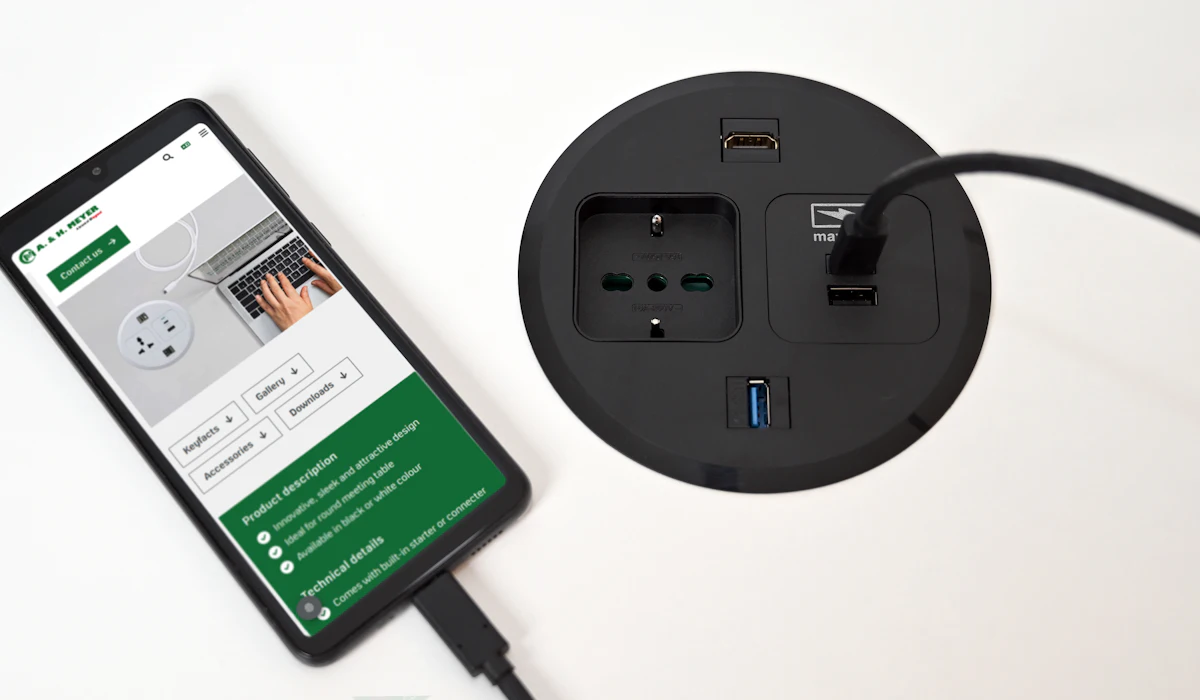
USB ports and AC outlets allow passengers to keep phones, tablets and laptops charged throughout a long flight. Their location varies by aircraft and seat, so checking the seat specifications before departure can prevent unpleasant surprises.
Older aircraft and some seats may have limited or no charging options.
Seat Width Variation on Wide-Body Aircraft
Economy seat width varies considerably among wide-body aircraft and airline configurations. Even a small difference can become noticeable after many hours, particularly for passengers who need more shoulder or hip room.
Checking the aircraft and airline’s seat specifications before booking can help travelers avoid unexpectedly narrow seats.
Reclining Seat Range Effectiveness
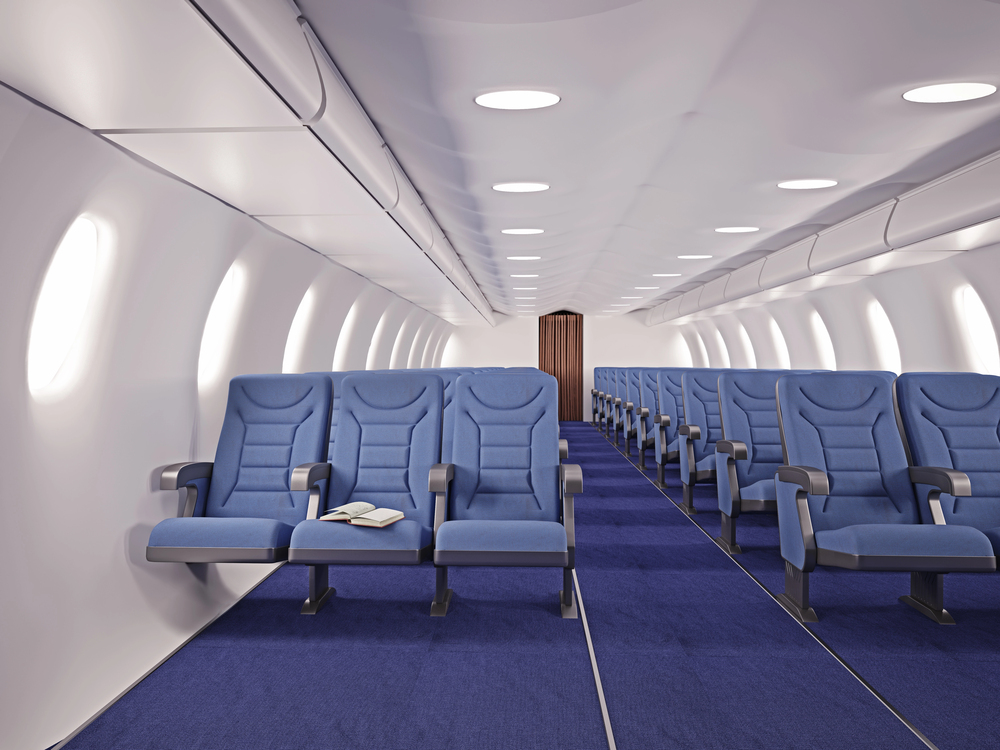
Seats with meaningful recline can make sleeping easier on long flights, while limited recline may leave passengers in an awkward position. Recline specifications vary among airlines and aircraft, so checking the seat details before booking can help travelers choose more comfortable options.
Some newer seats are also designed to recline without significantly reducing the space available to the passenger behind.
Articulated Headrest Support
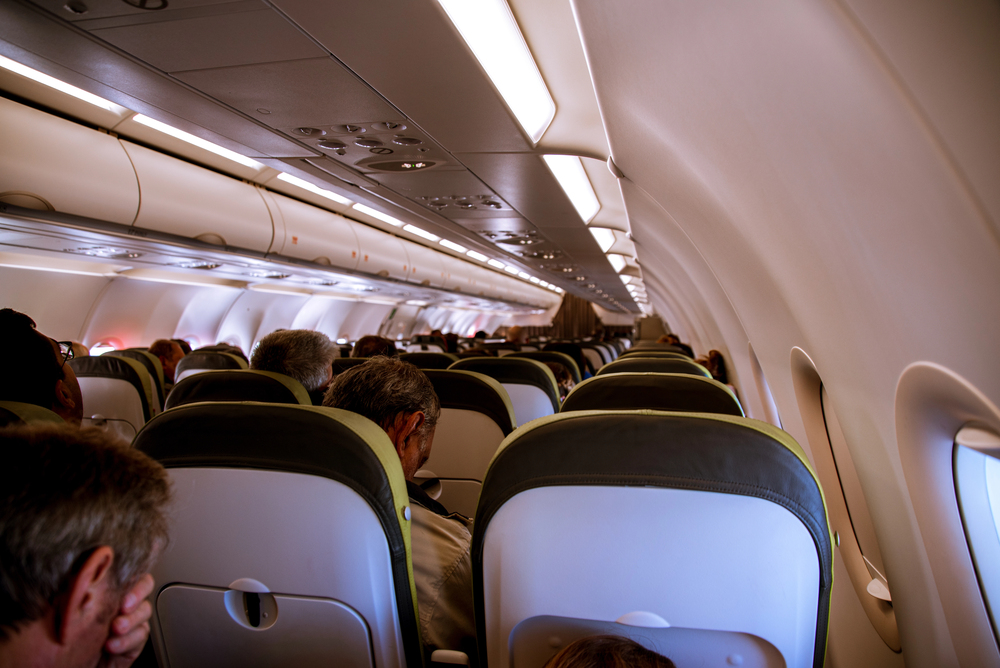
Newer economy seats increasingly feature adjustable or articulated headrests that can support the head and neck during sleep. Older seats may offer only a fixed headrest or basic pillow.
On a 10-hour flight, better head support can make it easier to maintain a comfortable sleeping position.
Lumbar Support Adjustment
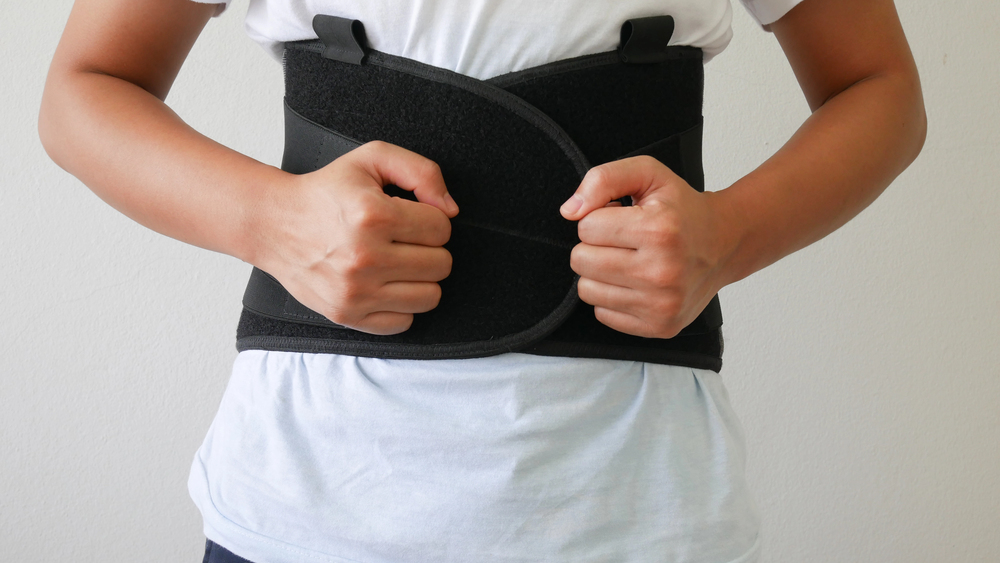
Seats with adjustable lumbar support allow passengers to change the amount of lower-back support they receive. This feature is more common in premium cabins and certain newer seat designs.
For travelers who experience discomfort from sitting for long periods, checking whether lumbar adjustment is available can be worthwhile.
Footrest Availability
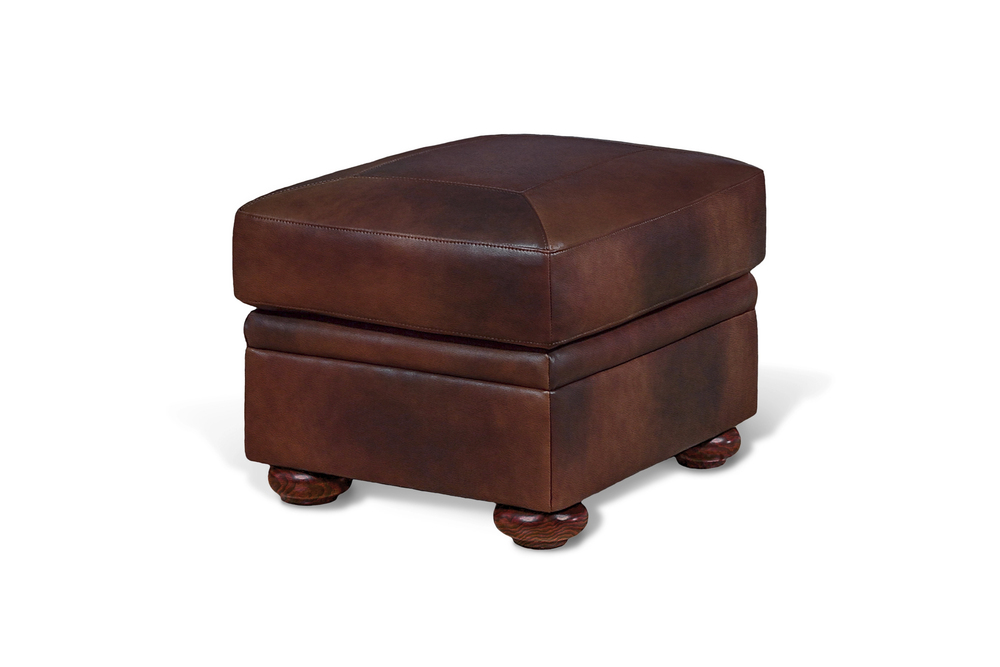
Some economy and premium-economy seats feature fold-down footrests or leg supports that provide additional support during rest. A footrest does not replace adequate legroom, but it can make a seated sleeping position more comfortable.
Legroom, foot support and recline work together to determine how usable a seat is for sleeping.
Armrest Height Adjustment
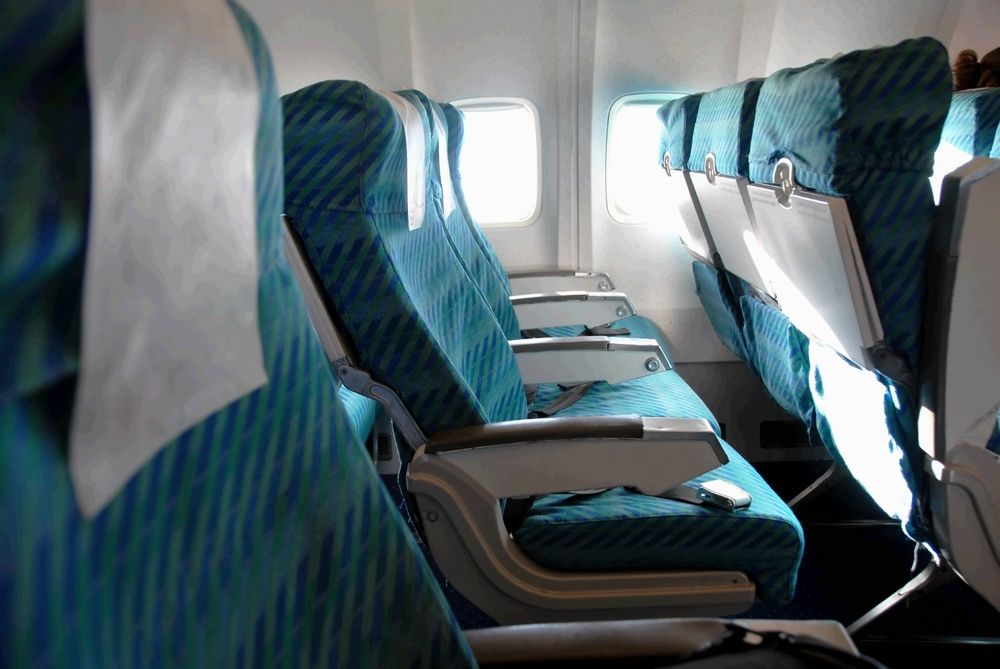
Adjustable armrests or center armrests that can be moved out of the way give passengers greater flexibility when resting. Fixed armrests can force passengers into a single position for hours.
This is a small design detail, but it can affect shoulder comfort during a long flight.
Window Shade Design
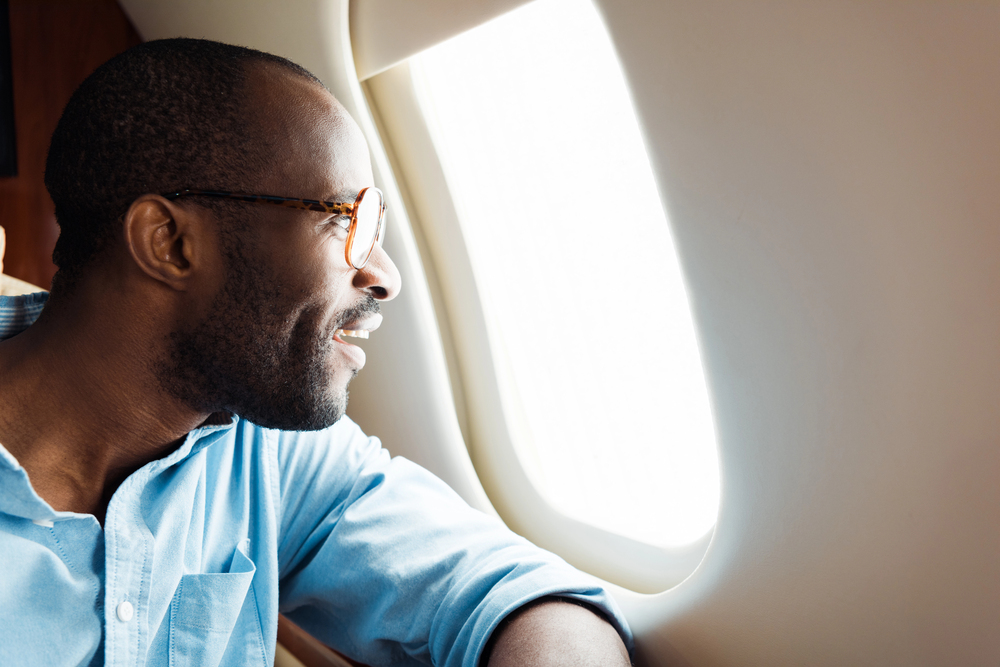
Electronic window shades on aircraft such as the Boeing 787 and Airbus A350 can be adjusted gradually rather than simply being opened or closed. This makes it easier to control cabin light without completely blocking the window.
Light management can be particularly useful when passengers are trying to sleep while crossing multiple time zones.
Galley Positioning and Lavatory Noise
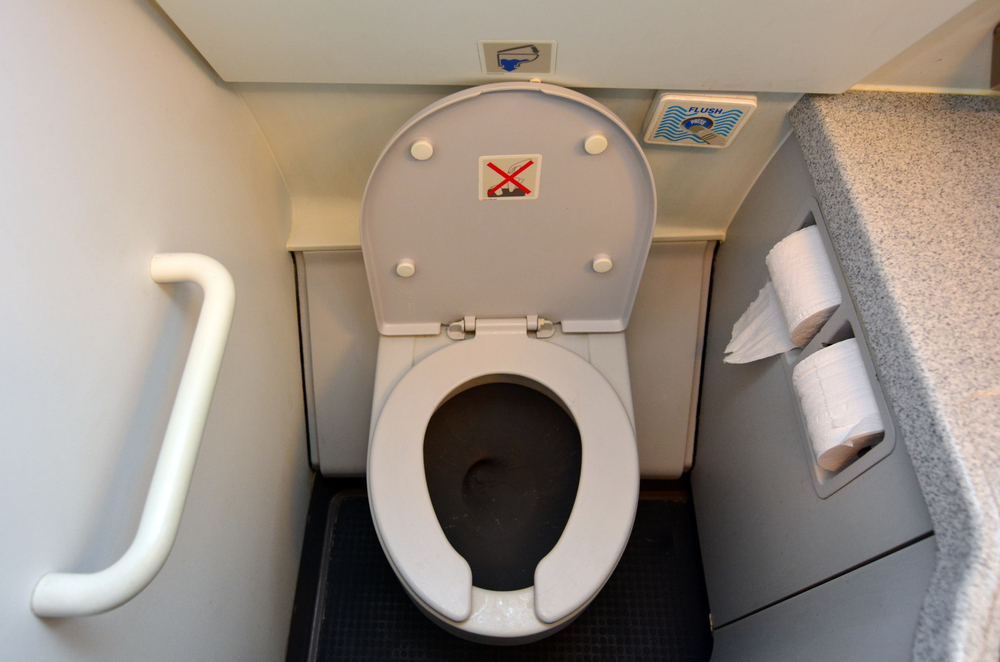
Galley and lavatories can become some of the busiest areas of a wide-body cabin, particularly during meal service. Seats immediately beside them may experience conversations, footsteps, service-cart activity and passengers waiting for the lavatory.
Travelers prioritizing quiet should check the seat map and avoid these high-traffic zones when possible.
Boarding Bridge Deployment
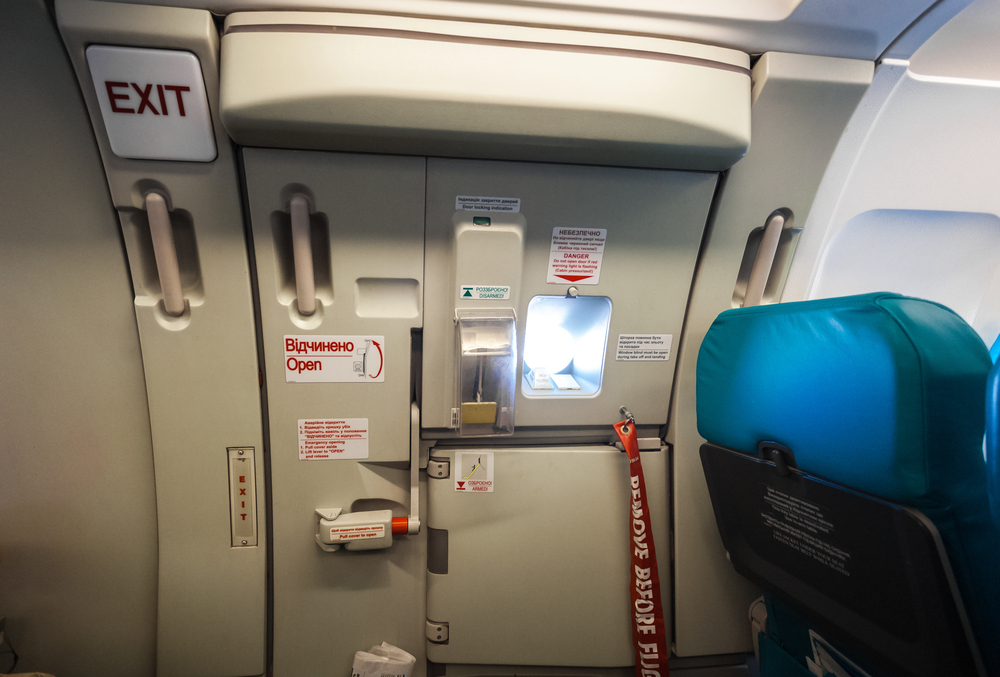
Airports and airlines use different boarding procedures, including single-door and dual-door boarding on some aircraft. When both front and rear doors are used, passengers can sometimes be distributed more efficiently throughout the cabin.
While travelers have little control over the airport’s boarding setup, understanding the process can explain why some flights move passengers into the aircraft faster than others.
Pre-Board Medical Equipment Access

Passengers traveling with approved medical equipment or requiring mobility assistance may be eligible for preboarding or additional boarding assistance, depending on the airline and applicable rules. Arranging this in advance can provide extra time to get settled and ensure equipment is handled appropriately.
Travelers should contact the airline before departure rather than relying on assistance being arranged at the gate.
Seat Selection by Airline Software Algorithm
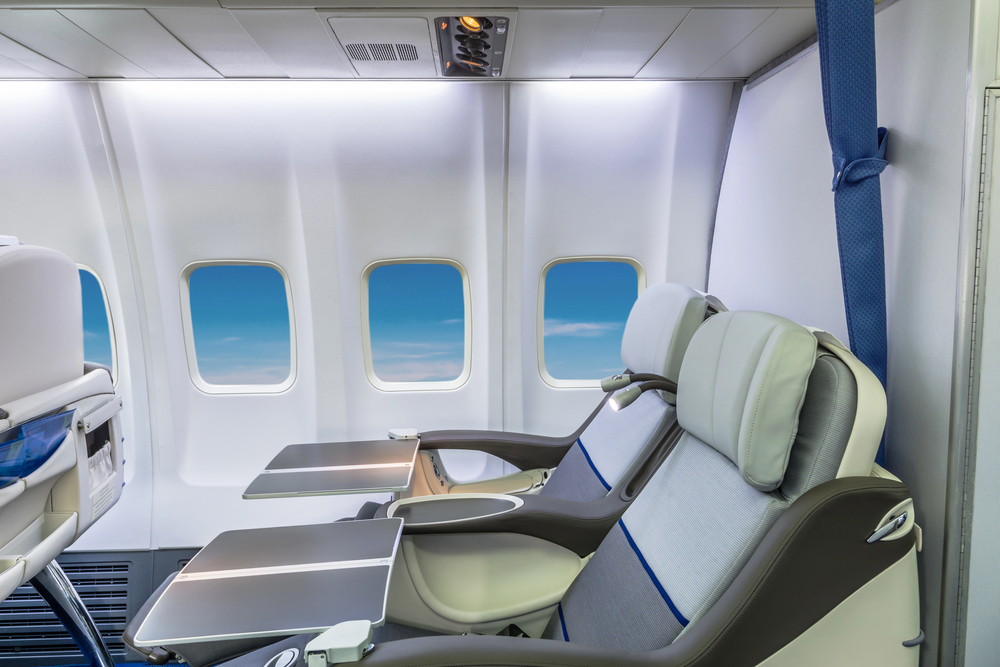
Airline seat-selection screens often identify certain seats as preferred, but those labels may reflect a combination of passenger demand, additional fees and seat characteristics. Travelers should not assume that a seat labeled “preferred” is automatically the most comfortable.
Comparing the seat map, location, legroom and proximity to galleys or lavatories can produce a better choice than simply following the airline’s labels.
Aircraft Type and Maintenance Considerations
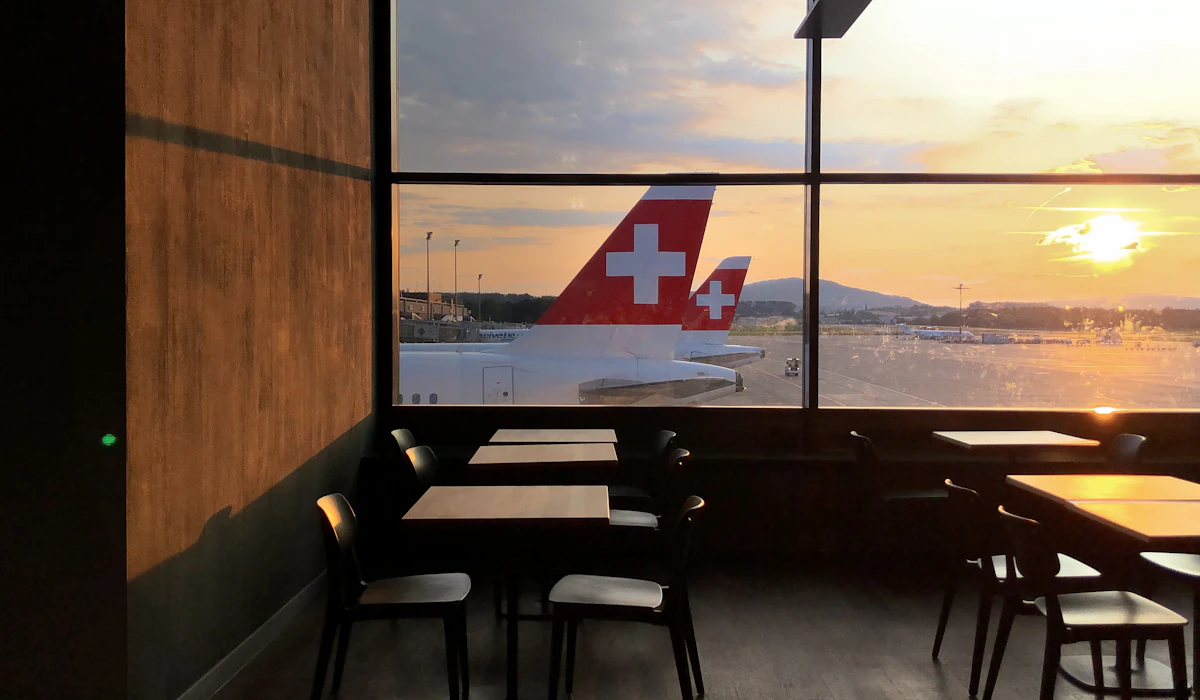
Aircraft type can affect cabin design, seating, entertainment systems and other aspects of the passenger experience. However, reliability depends on many factors beyond aircraft age or model, including airline operations and maintenance practices.
Travelers choosing between otherwise similar flights may still want to compare the aircraft type because newer aircraft often offer updated cabin features.
Crew Rest Compartment Proximity Effects
Certain long-haul aircraft have dedicated crew-rest compartments, sometimes located above or within sections of the passenger cabin. Access areas can generate occasional crew foot traffic during long flights.
The compartments themselves are designed to isolate resting crew members, so their presence does not necessarily make nearby passenger seats noisier.
Cargo Hold Pressurization and Temperature Control
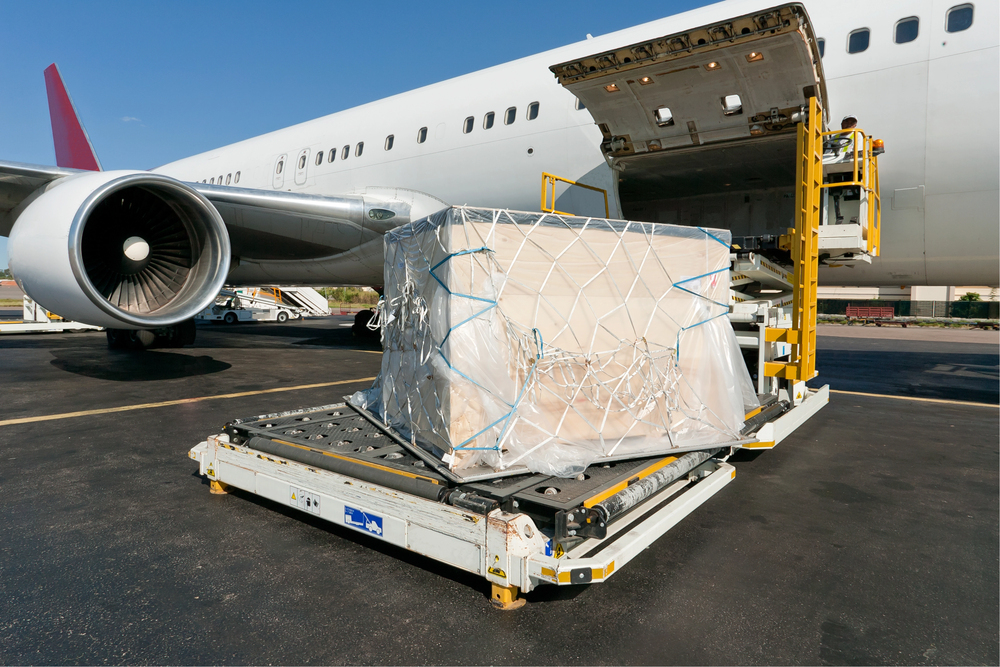
Modern passenger aircraft pressurize cargo compartments and maintain controlled temperatures during flight, although conditions vary by aircraft and cargo compartment. Travelers transporting pets or temperature-sensitive items should follow the airline’s specific requirements rather than assuming every aircraft provides identical conditions.
Understanding the aircraft’s cargo configuration can be useful when transporting sensitive items.
Cabin Pressure Altitude

Aircraft cabins are pressurized to an altitude far below the aircraft’s actual cruising altitude, commonly equivalent to roughly 6,000 to 8,000 feet. Some newer aircraft operate at lower cabin altitudes, which can contribute to a more comfortable cabin environment.
Over a 12-hour flight, cabin pressure is one of the invisible factors that can affect how passengers feel when they land.
Overhead Bin Conditions
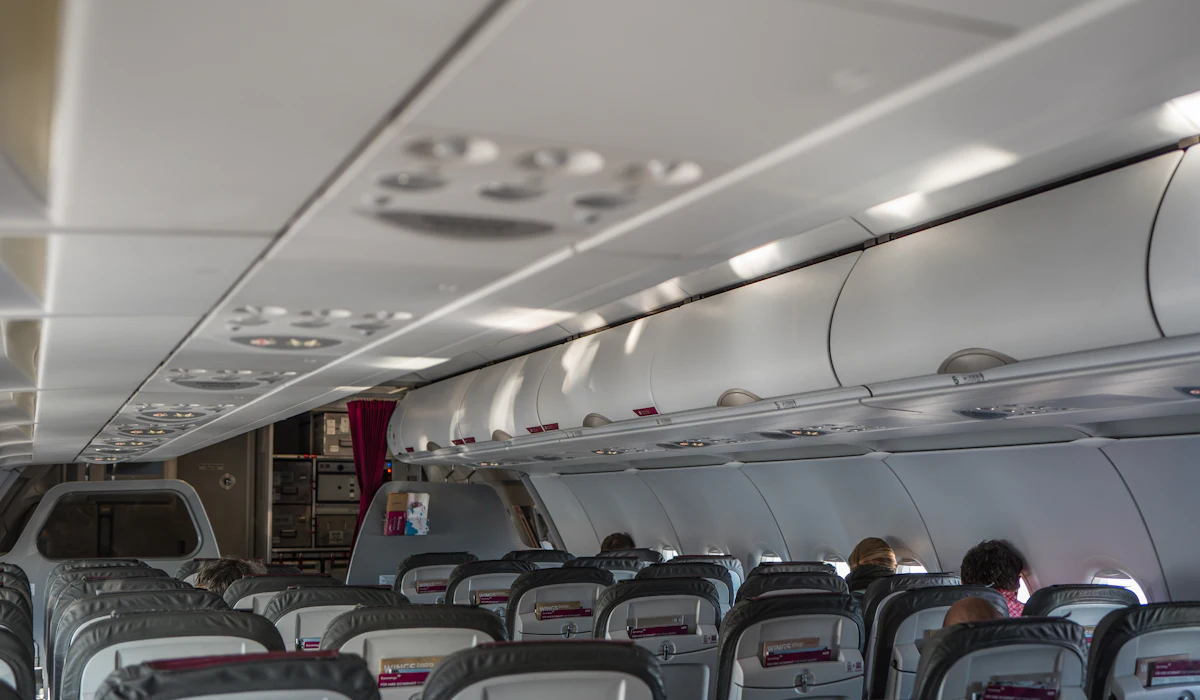
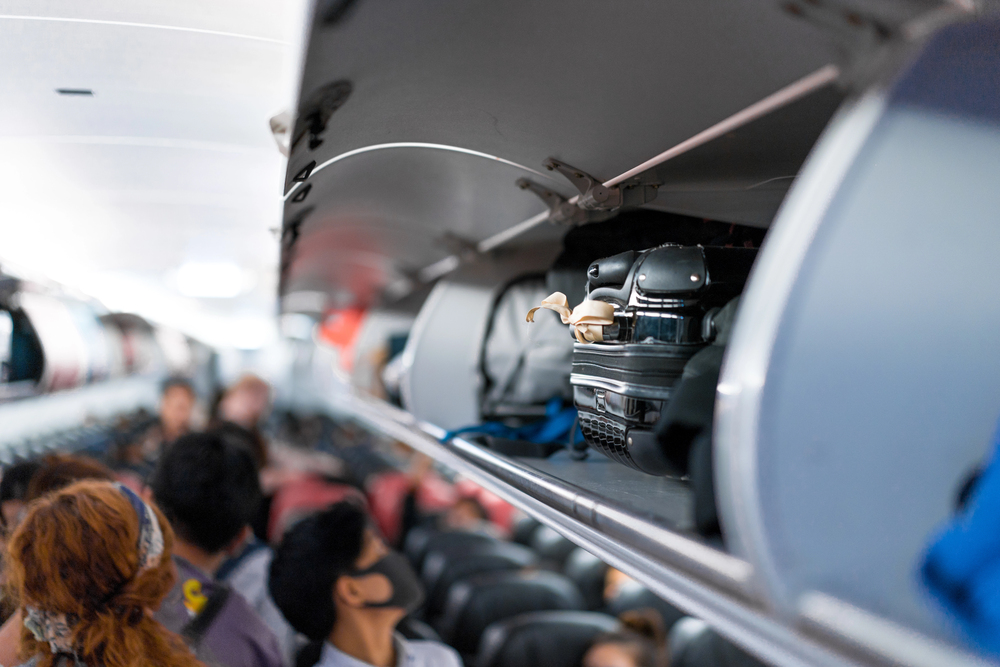
Overhead bins are part of the aircraft cabin environment and generally remain within controlled temperature and pressure conditions. However, travelers should not assume that every bin provides specialized climate control for medications or sensitive electronics.
Items requiring specific temperature conditions should be stored and transported according to the airline’s instructions.
Seat Cushion Density Variation
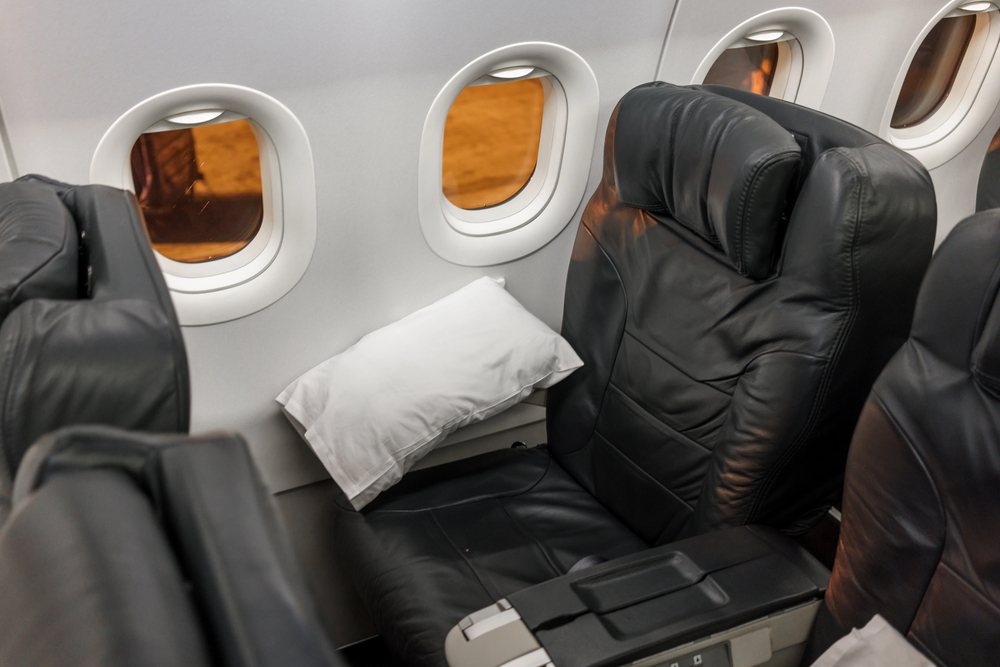
Seat cushioning varies by aircraft, airline and cabin class. Newer seats may use different foam designs intended to maintain support over long periods, while older cushions can feel increasingly uncomfortable as the flight progresses.
A seat that feels fine for an hour can become noticeably less comfortable after eight or 10 hours, making cushioning an underrated part of long-haul seat selection.
Galley-to-Seat Meal-Service Positioning

The location of galleys can influence how quickly different parts of the cabin receive meals and how much service activity passengers encounter. Travelers who plan to sleep through meal service may also want to consider their position relative to the galley and cabin crew.
Checking the aircraft seat map can reveal whether a particular row is likely to experience more service-related activity.
The Geometry of Invisible Comfort
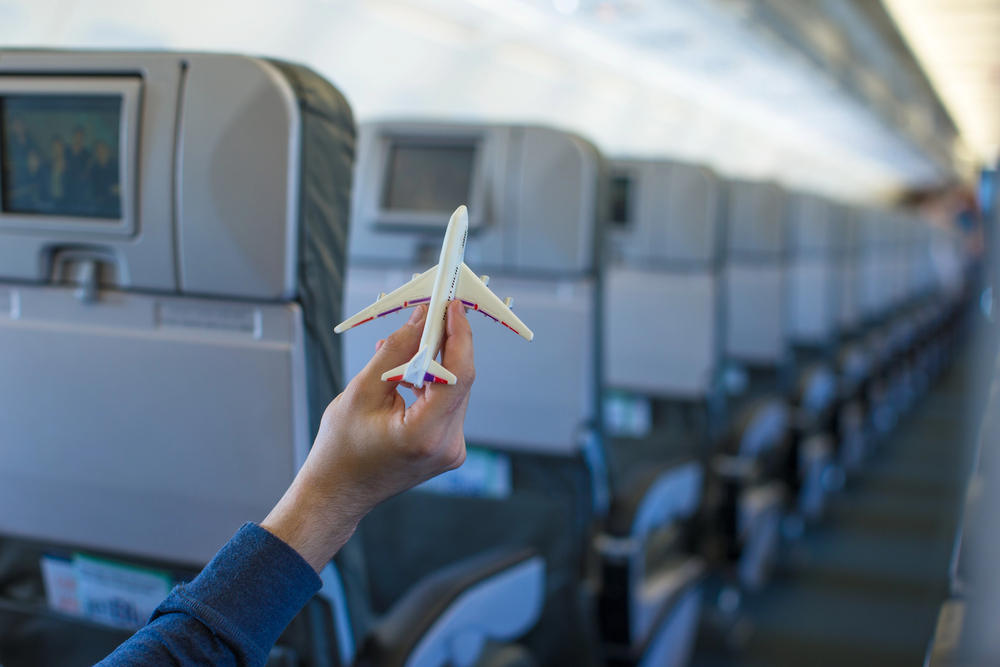
Long flights reveal how precisely the details of aircraft design affect comfort. Seat width, recline depth, armrest position, cabin pressure, lighting and access to power can all become more important as the hours pass.
Most travelers focus on obvious choices such as exit-row legroom or window versus aisle, but the smaller details can determine how manageable a long-haul flight feels.
The best strategy is not necessarily finding one perfect seat. It is identifying the combination of features that matters most for your flight, your aircraft and the way you travel.
On an eight-, 15- or 24-hour journey, small advantages can add up to a significantly easier trip.
More from Travel Pug

- Underrated Italian Towns That Beat the Tourist Crowds
- Las Vegas Tourist Traps to Skip
- Prettiest Towns in Every US State
- 18 passport-free countries for Americans
- Signs Your Cruise Is Not Worth The Cost
Like Travel Pug’s content? Follow us on MSN.