

The room rate looked reasonable. The flight was a bargain.
Then the sand showed up, and so did a long line of small charges that never appeared on the booking page.
Beach trips run on add-ons, and most of them are modest on their own. Together they can quietly turn a budget getaway into a very expensive tan.
Here is where the money tends to go once the room rate is accounted for.
Chair and Umbrella Rentals

Many popular beaches around the world set up rows of loungers and umbrellas that are rented by the day, and the price often depends on how close to the water the row sits. Front rows cost more than back rows, and a pair of chairs plus an umbrella is usually bundled together.
Rates are frequently posted on a small sign or quoted aloud, so asking before sitting down avoids an awkward surprise. Bringing a lightweight folding chair and a sand-anchored umbrella can pay for itself within a few days.
Beach Parking Lots and Meters

— Photo by kuremo
Parking near a popular shoreline is rarely free, and lots closest to the sand often charge by the hour or by the day. Many coastal towns use pay stations or phone apps instead of coins, which means a dead battery can turn into a ticket.
Street spots a few blocks inland are usually cheaper but may carry time limits or permit-only rules in residential zones. Reading the posted signs closely matters, since towing enforcement in resort areas can be swift.
Beach Club Food and Drink Minimums

Some beach clubs advertise free entry but require a minimum spend on food and drinks in exchange for a lounger or table. The minimum can be reasonable for a long lunch, or steep for someone who only wanted a cold drink and a shaded seat.
Weekends and holidays often carry higher minimums than weekdays. Checking the policy before claiming a spot makes it easier to walk away if the math does not work.
Water Sports Rentals
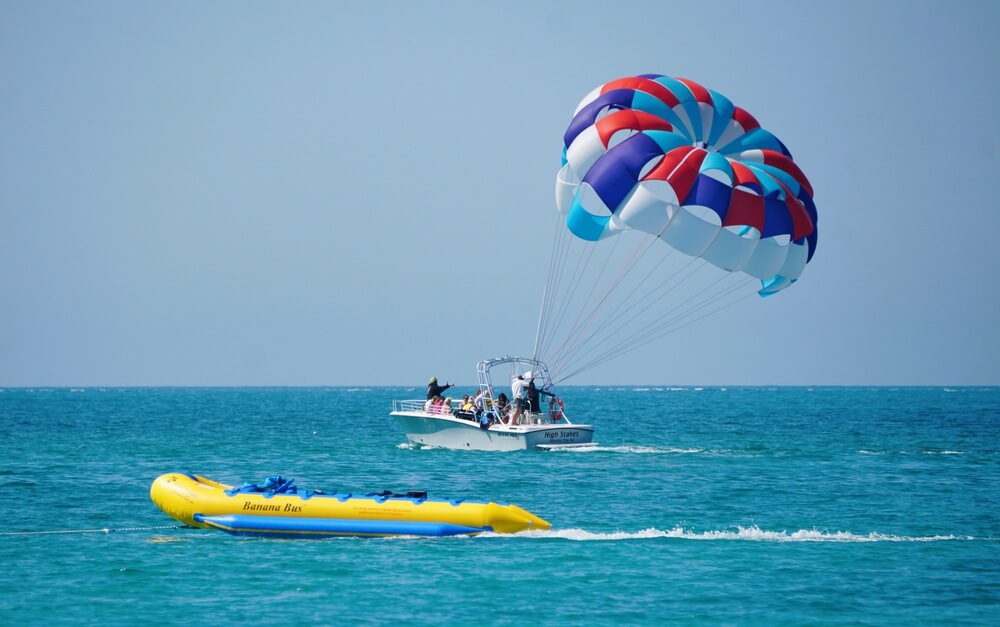
— Photo by khairil77
Jet skis, paddleboards, kayaks, and parasailing rides are typically priced by the half hour or the hour, and the meter runs from the moment the equipment leaves the dock. Many operators ask for a deposit or a card imprint in case of damage.
Fuel surcharges and insurance add-ons sometimes appear in the fine print for motorized rentals. Comparing a couple of vendors along the same stretch of shoreline often reveals noticeably different pricing for similar gear.
Sunscreen at Resort Prices
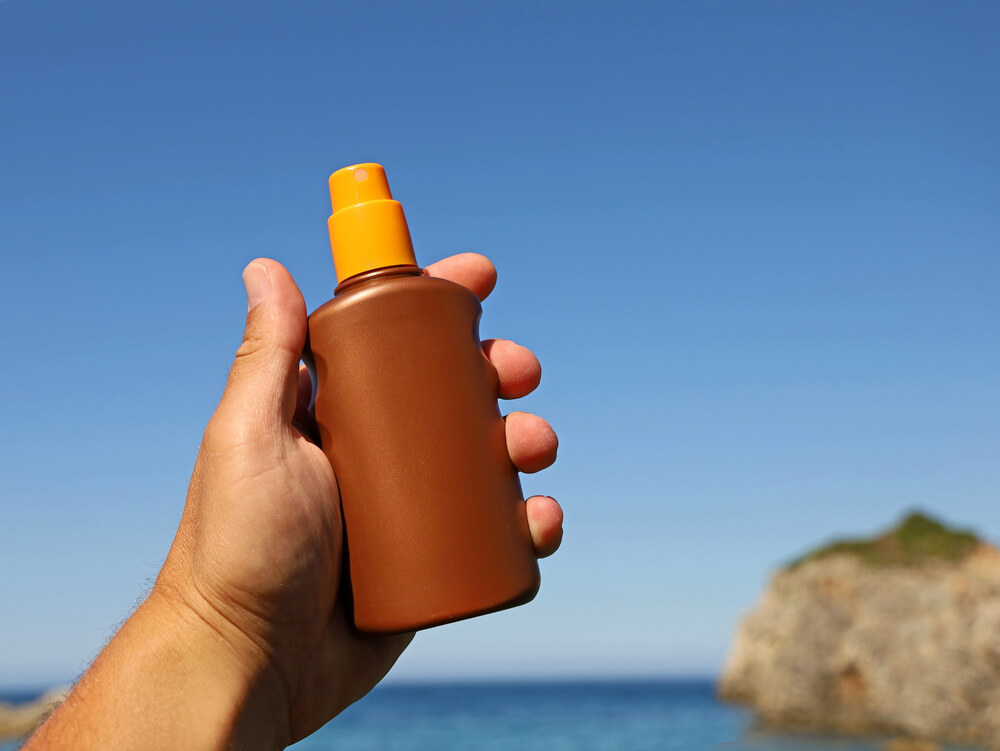
Sunscreen bought at a hotel gift shop or a beachfront kiosk tends to cost more than the same bottle at a grocery store or pharmacy a few blocks away. Sunscreen should generally be reapplied at least every two hours, and more often after swimming or heavy sweating, according to the product directions.
A family spending several days outdoors can burn through multiple bottles faster than expected. Packing a few bottles in checked luggage or buying at a local supermarket on arrival keeps the cost sensible.
Replacing Sun Protection Gear

Hats blow into the surf, sunglasses vanish under a towel, and rash guards get left on a rental chair. Replacing them at a tourist shop usually costs more than buying at home.
Polarized lenses and wide-brimmed hats are among the most commonly lost items on beach trips. Cheap duplicates packed in the suitcase can save a mid-trip shopping run.
Beachfront Snacks and Drinks
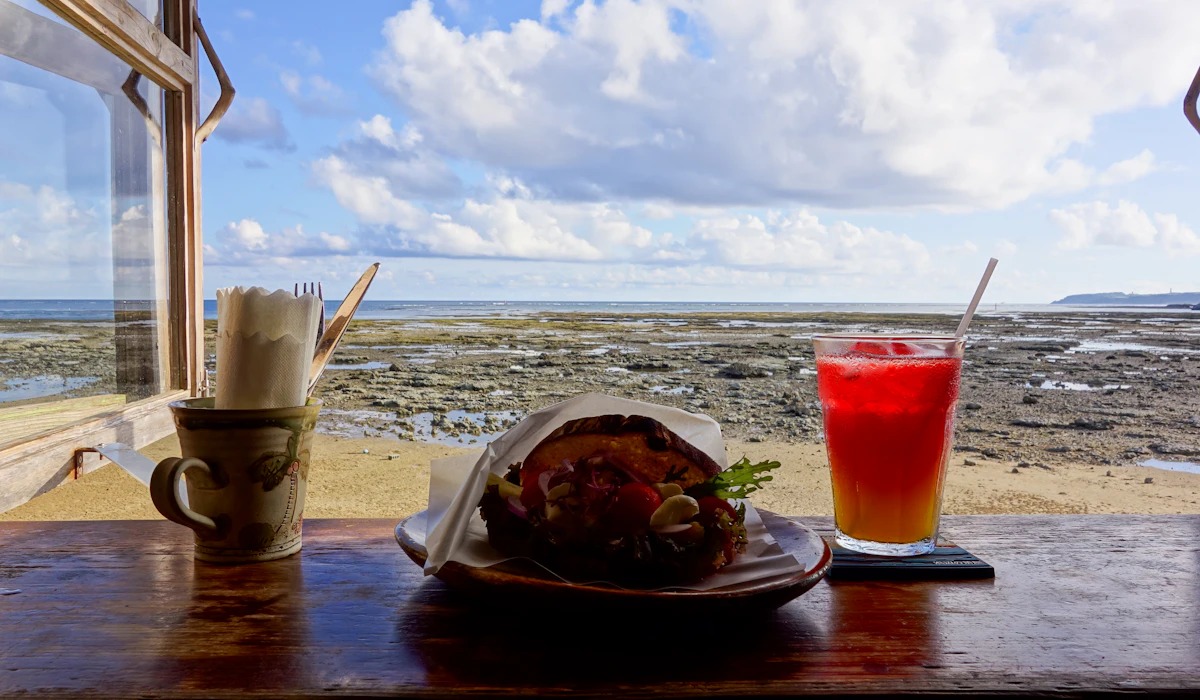
Anything sold within sight of the water carries a convenience premium, from bottled water to ice cream to a single slice of pizza. Vendors know that hungry, hot travelers are not inclined to hike to a supermarket.
Over a week, a daily habit of buying drinks and snacks on the sand adds up faster than most budgets anticipate. A small insulated bag filled each morning is one of the most reliable ways to cut the total.
Boat Tours and Snorkel Trips

Half-day boat outings and snorkel excursions are among the larger single purchases on many beach trips. Prices often vary depending on whether gear, lunch, and drinks are included, and some operators sell tickets cheaper in person than through hotel concierge desks.
Marine park or reef entry fees are sometimes collected separately from the boat fare. Reading what the ticket covers prevents paying twice for a mask that was already included.
Rental Snorkel Gear

Masks, snorkels, and fins are commonly rented by the day at beach shops, and the daily charge can exceed the cost of a basic set bought outright. For anyone planning more than a couple of outings, owning a well-fitting mask often makes more financial sense.
A poor seal leaks and ruins the experience, so fit matters more than brand. Compact sets pack easily and also avoid the hygiene question of sharing mouthpieces.
Rideshare and Taxi Fares to the Shore

Resorts that are not directly on the sand, or that sit in a separate part of town from the best beaches, make transportation a daily line item. Rideshare prices can surge after sunset or during big events, and getting a ride back from a remote beach is not always guaranteed.
Taxis in some destinations use fixed zone fares, while others rely on meters or negotiation. Agreeing on the fare before the car moves is a standard precaution in many tourist areas.
Rental Car Costs Beyond the Daily Rate

A rental car opens up quieter beaches, but the posted daily rate rarely tells the entire story. Airport surcharges, insurance upgrades, additional driver fees, and fuel policies can all raise the final total.
Some islands also see rental demand spike in peak season, which pushes prices up even for basic models. Comparing the all-in cost with a few rideshare trips can show whether a car is actually the cheaper choice.
Resort Day Passes

Travelers staying outside a luxury resort sometimes buy a day pass for access to its pool, private beach, and sometimes a food credit. These passes can be a good value for a single splurge day, but they are often limited in number and sell out on busy weekends.
The pass may exclude spa services, water sports, or premium drinks. Reading what is included keeps a relaxing day from turning into a string of add-on charges.
Towel Rentals and Replacement Fees

Hotels often loan beach towels, but many charge a replacement fee if one goes missing, and some beach clubs rent towels by the day. A towel left on a lounger overnight can disappear and show up on the room bill.
Bringing quick-drying travel towels avoids both the rental charge and the risk. They also take up far less suitcase space than ordinary cotton towels.
Cabana Rentals

A private cabana offers shade, a table, and usually dedicated service, and it is priced accordingly. Rates differ widely by resort and season, and many require reservations in advance.
Some cabanas come with a food and drink minimum on top of the rental fee. For a group splitting the bill, the cost per person can drop to something far more manageable than the sticker price suggests.
Professional Beach Photography

Sunset portraits, family sessions, and proposal shoots on the sand are popular, and local photographers typically charge for a set amount of time plus edited images. Print rights and digital delivery are sometimes priced separately.
Booking ahead is common in busy destinations, and weather can force a reschedule. Asking exactly what the fee includes, and when the photos will arrive, avoids disappointment after the trip ends.
Photos Sold by Roaming Vendors

Costumed characters, tour guides, and boat crews sometimes take photographs and then offer prints at the end of the outing. The pitch is friendly, and the price can be higher than expected for a single printed image.
Travelers who prefer their own phone shots can simply decline. Waterproof phone pouches are an inexpensive way to capture the day without paying for an official souvenir.
Local Tourist Taxes and Resort Fees

Many destinations charge occupancy or tourist taxes that are collected separately from the room rate, sometimes in cash at check-in. Resort fees, where they apply, often cover amenities that guests may not use.
The amounts and the rules vary widely by city and country. Reading the booking confirmation closely and checking the local tax rules before arriving prevents a surprise at the front desk.
Beach Access and Entry Fees
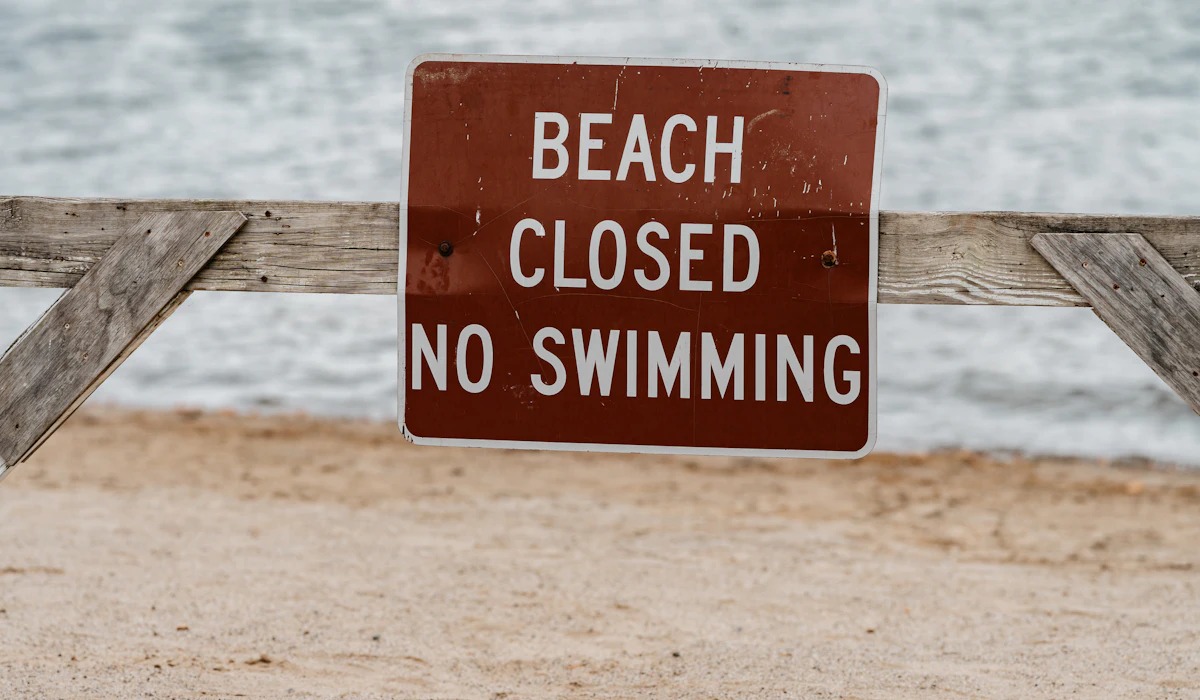
Not every shoreline is free to enter. Some beaches, state parks, and national seashores charge a daily entry fee or sell seasonal passes, and a few island destinations collect environmental or conservation fees from visitors.
These fees are usually collected at a gate or kiosk, sometimes in cash only. Checking the official park or municipal website ahead of time clarifies what is required.
Coolers and Sand Gear

A good cooler, a pop-up shade tent, and a set of beach toys all carry real price tags at retail shops near the shore. Buying them at a big-box store before the trip, or borrowing from a rental company, is usually the cheaper route.
Rental companies serving vacation homes often deliver gear to the door for a weekly fee. Gear left behind at checkout is simply money wasted, so a plan for what happens to it matters.
Ice and Bottled Water for the Cooler

A cooler is only useful with ice, and bags of ice at beach convenience stores cost more than the same bags at a supermarket. Reusable water bottles help, particularly in places where refill stations are common.
In hot climates, hydration needs rise, which means more bottles and more money if the plan relies on buying them one at a time. Freezing water bottles overnight turns them into both ice packs and a cold drink later.
Cash-Only Beach Vendors

Many small beach vendors, from coconut sellers to hair braiders to shell stands, accept only cash. Travelers without small bills may end up overpaying simply because change is unavailable.
Tipping customs for these workers also vary, so having small denominations on hand is helpful. A few folded bills in a waterproof pouch beat a trip back to the room.
ATM Withdrawal Fees
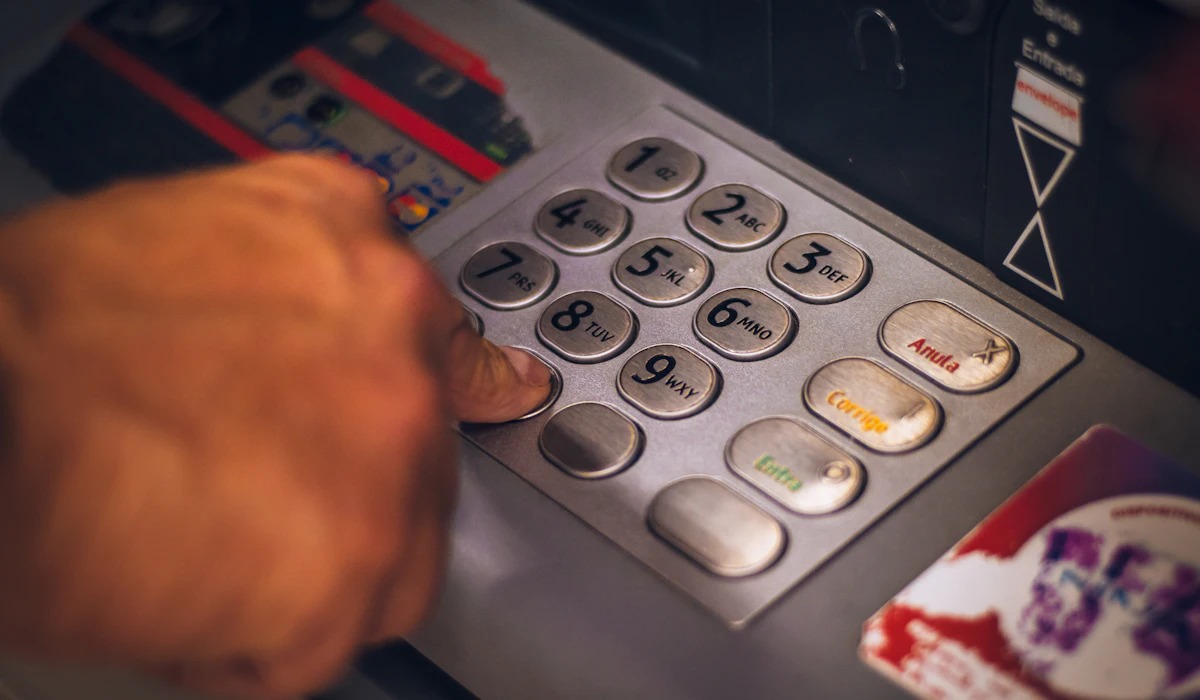
Cash is often necessary on beach trips, and ATMs located near tourist areas may charge higher fees than some bank-affiliated machines. A home bank may add its own foreign transaction charge on top of the local operator fee.
Choosing ATMs attached to a bank branch and withdrawing larger amounts less often can reduce the number of withdrawal fees, though travelers should balance this against carrying extra cash. Some travel-friendly cards reimburse ATM charges, which is worth confirming before departure.
Dynamic Currency Conversion at the Register
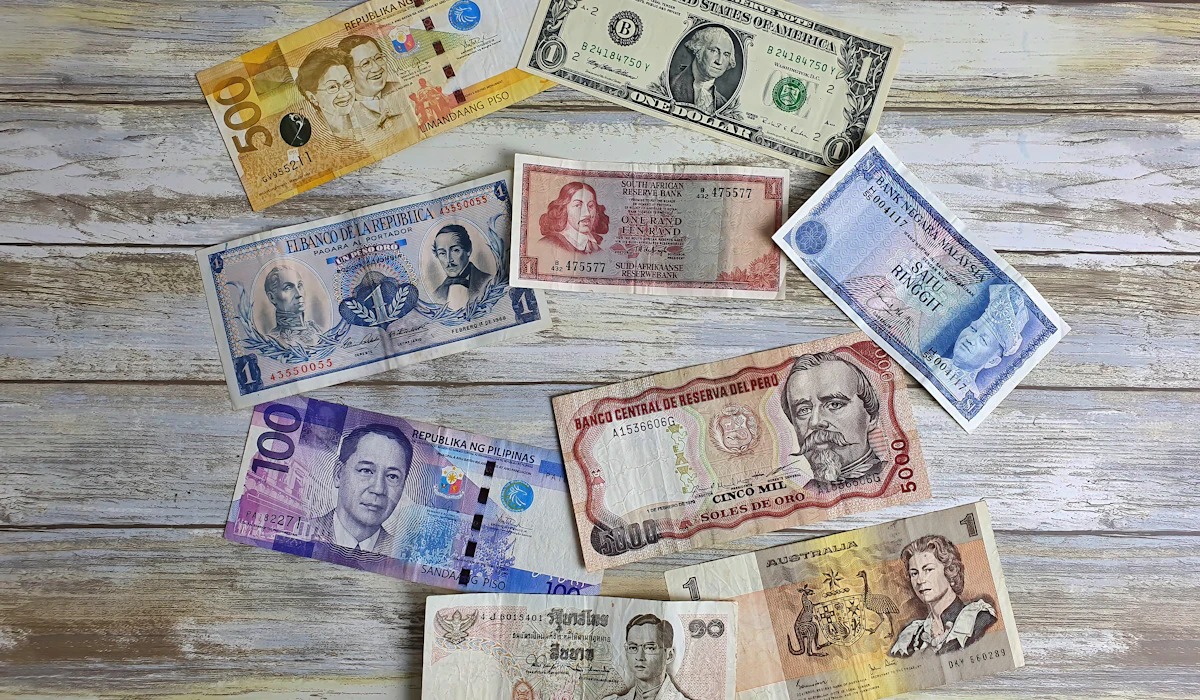
When a card terminal abroad offers to charge in the traveler’s home currency instead of the local currency, it is called dynamic currency conversion. The exchange rate offered may be less favorable than the rate applied by the card network, and additional fees or markups may apply.
Declining the offer and paying in local currency is often the better choice, but travelers should compare the displayed rate and fees before deciding. The same trap appears at ATMs, where the prompt can look like a helpful courtesy.
Laundry for Sandy Gear
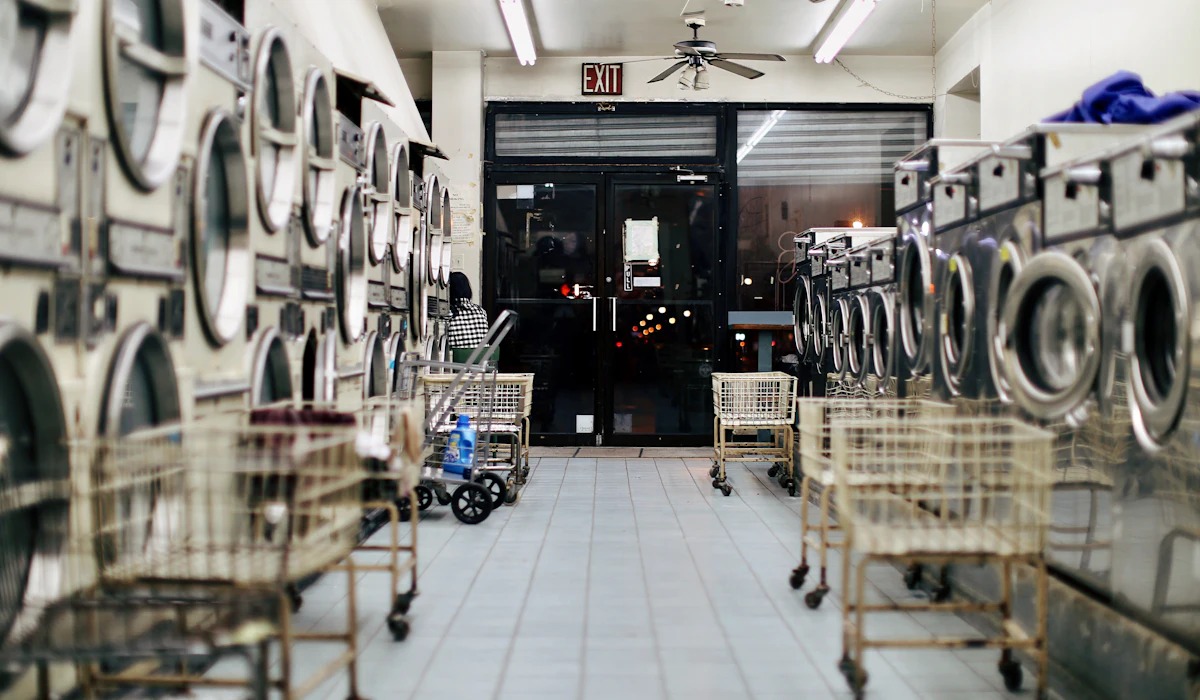
Sand finds its way into every fabric, and wet swimwear, beach towels, and stained clothing add up to a surprising laundry load. Hotel laundry services charge per piece, which is expensive for bulky items.
Self-service laundromats in coastal towns are cheaper but require time and coins or a card. Rinsing items outdoors before packing them reduces both the sand and the wash needed later.
Sunburn Relief and After-Sun Care
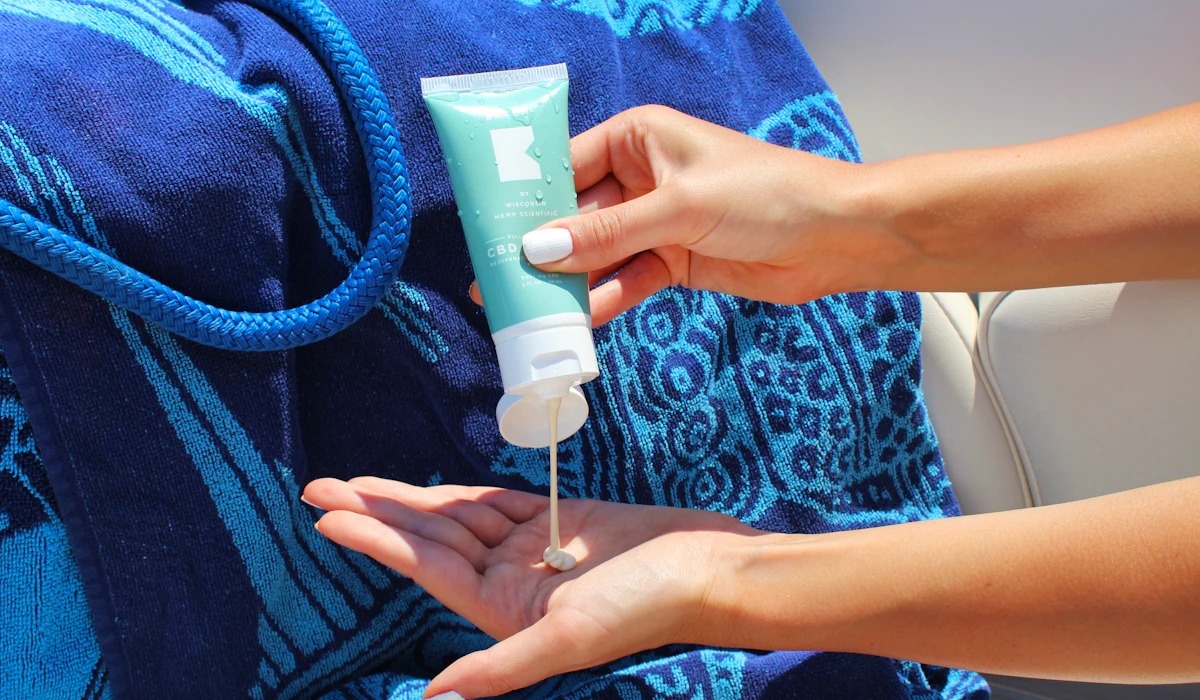
Aloe gel, cooling lotions, and over-the-counter pain relievers sell for premium prices at resort shops, usually at the exact moment travelers need them. Staying out of the sun during the middle of the day reduces the need for any of it.
Severe burns with blistering, fever, or chills call for medical attention rather than a store-bought remedy. Packing a small kit in advance costs less than buying one in a panic.
Jellyfish Sting Treatment

Jellyfish season varies by region, and stings range from mild irritation to something requiring medical care. Many beaches post warnings or flags, and lifeguards typically keep basic first-aid supplies.
Pharmacies near popular shorelines sell sting-relief products, often at a markup. Because first-aid advice differs by species and region, travelers heading to areas with known jellyfish activity should check local guidance and know where to get medical help.
Travel Insurance and Medical Coverage

Beach activities such as snorkeling, jet skiing, and swimming in rough surf can lead to injuries that a basic health plan may not cover abroad. Travel insurance with medical coverage is a separate purchase, and policies differ on which water activities they include.
Evacuation coverage matters most on remote islands. Reading the exclusions before buying is far cheaper than discovering them at a clinic.
Baggage Fees for Beach Gear
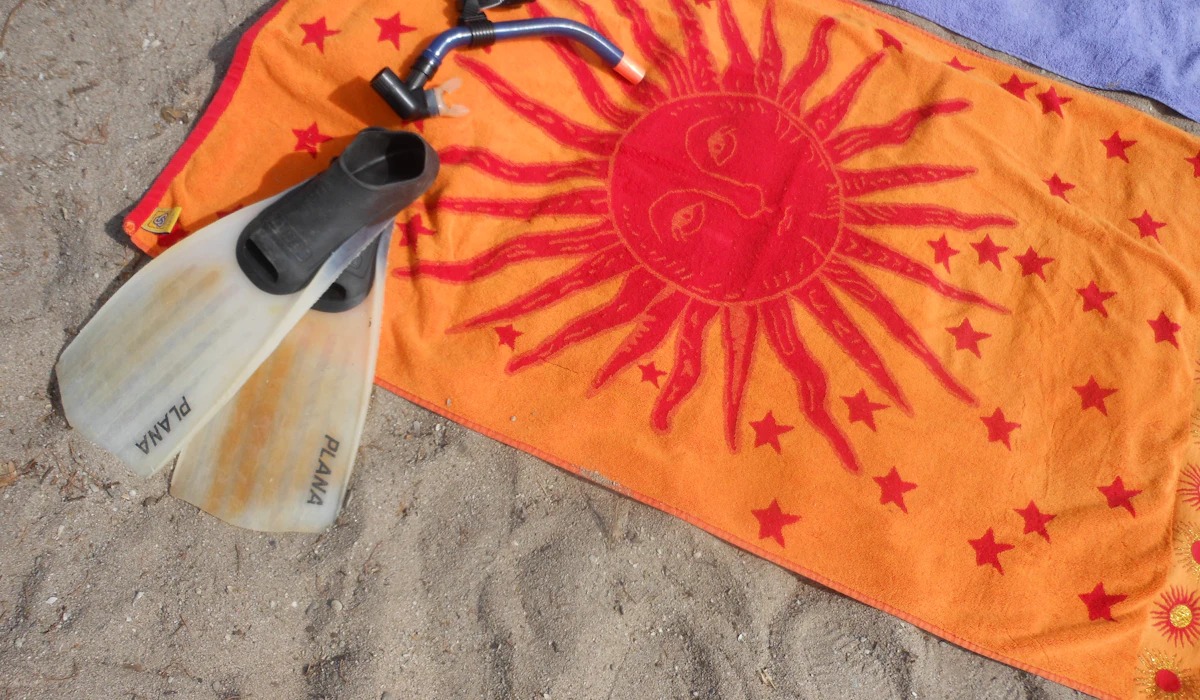
Airlines charge for checked bags, and boogie boards, paddleboards, and large coolers can trigger oversize or special-item fees. Weight limits matter too, since towels, sand toys, and gear add up quickly.
Checking the airline’s published rules for sports equipment before packing avoids a costly surprise at the counter. Renting or buying gear at the destination sometimes costs less than hauling it across the country.
Souvenirs and Impulse Shopping
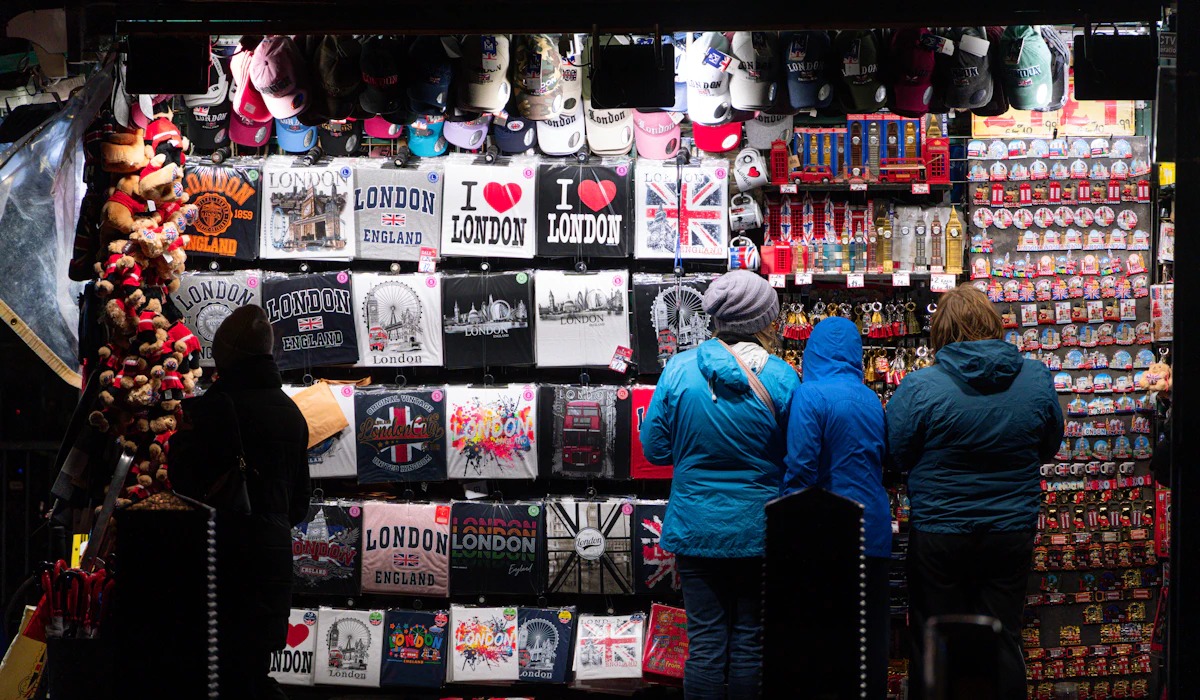
Beach towns are designed for browsing, with shell jewelry, sarongs, and novelty T-shirts displayed along every promenade. Impulse purchases feel small in the moment and look larger on a credit card statement.
Many items sold as local crafts are mass-produced elsewhere. Setting a souvenir budget before the trip keeps the shopping bag from outgrowing the suitcase.
Tipping Beach Staff

Lounger attendants, bartenders, boat crews, and tour guides often rely on tips, and customs differ by country. Some places add a service charge automatically, while others expect cash directly.
Tips on a long trip with many activities can become a significant line item without anyone noticing. Learning the local norm in advance prevents both underpaying and double tipping.
The Real Price of a Day by the Water

The ocean itself is free, but almost everything surrounding it comes with a price tag. A beach trip is really a collection of small decisions about shade, food, transportation, and entertainment.
Each one looks harmless until the totals are added up at the end of the week.
Travelers who budget for these costs ahead of time tend to enjoy the trip more, because there is less to regret on the plane ride home. A little planning, a packed cooler, and a few small bills can reclaim a surprising amount of money.
The sand and the surf remain the same either way.
More from Travel Pug

- Underrated Italian Towns That Beat the Tourist Crowds
- Las Vegas Tourist Traps to Skip
- Prettiest Towns in Every US State
- 18 passport-free countries for Americans
- Signs Your Cruise Is Not Worth The Cost
Like Travel Pug’s content? Follow us on MSN.