

Embarkation day is the most chaotic stretch of any cruise. Thousands of people arrive at once, luggage vanishes into the system and a ship the size of a small town opens its doors to passengers who have never seen the layout.
Veterans treat the first day as a strategy session. First-timers tend to learn the same lessons the hard way, often before the ship has even left the pier.
Flying In The Same Morning

Booking a flight that lands a few hours before the ship sails looks efficient on paper. In practice, a single delay, cancellation or missed connection can mean watching the ship leave without its passenger.
Cruise lines are not obligated to wait for travelers who booked their own flights, and catching up at the next port can be expensive and complicated. Experienced cruisers fly in at least a day early and treat the hotel night as part of the vacation.
The extra cost is small compared with the price of a missed sailing.
Showing Up Hours Before The Assigned Arrival Time

Most cruise lines now assign arrival windows for check-in, spreading passengers across the late morning and early afternoon. First-timers eager to board often arrive long before their slot, only to wait outside the terminal or in a crowded holding area.
Terminals are designed to process passengers in waves and arriving outside the assigned window can mean a longer wait rather than earlier boarding. Some lines may not be able to accommodate early arrivals immediately.
Following the assigned time usually results in a smoother check-in and less standing around with carry-on bags in the heat. Arriving during a less busy window can make the process easier, but there is no guarantee of walking straight through.
Skipping Online Check-In

Most lines ask passengers to complete online check-in before sailing, often entering passport details, identification information and emergency contacts through the line’s website or app. First-timers who leave this until the terminal can face delays, extra paperwork or a long wait at a help desk.
Some lines set firm deadlines before departure and missing them can complicate boarding. Completing the process early also generates boarding documents and luggage tags.
A few minutes at home can save time at the port. Paper copies of the documents make a useful backup if a phone battery dies in line.
Handing Essentials To The Porter

Porters at the terminal curb take checked bags and deliver them to cabins later in the day, sometimes well into the evening. First-timers occasionally hand over suitcases containing passports, medications, chargers or valuables.
Once a bag disappears into the system, retrieving something from it before it reaches the cabin is generally difficult or impossible. Bags are also screened and anything flagged can be held further.
Anything needed before dinner and anything that cannot be replaced belongs in a carry-on. Experienced cruisers pack a small day bag precisely so that the porter only ever sees clothes and shoes.
Losing a suitcase for six hours is an inconvenience, while losing essential medication for six hours can be a crisis.
Forgetting To Tip The Porters

Porters handling luggage at cruise terminals are commonly tipped for handling bags, often a few dollars per bag. First-timers who arrive without small bills sometimes feel awkward or simply walk away.
Porters work hard in hot conditions, lifting heavy bags all day. Bringing a few small bills is a simple way to handle the customary tip without searching for change.
Bringing a few small bills for the curbside handoff is an easy courtesy that sets a good tone for the vacation. Many travelers keep an envelope of small bills in a carry-on for porters, hotel shuttle drivers and other service workers.
Attaching Luggage Tags Carelessly
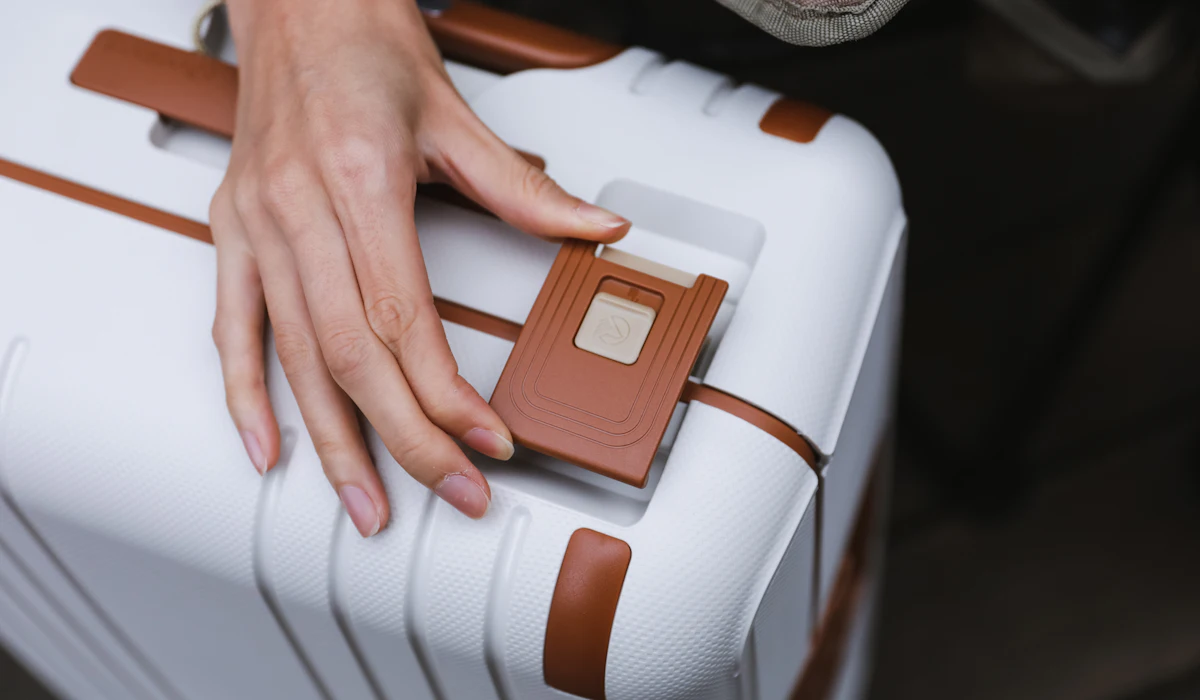
Cruise-line luggage tags printed at home after online check-in show information used to route bags to the correct cabin. First-timers sometimes attach them loosely, fold them incorrectly or forget to update them after a cabin change.
A tag that falls off or shows the wrong cabin can delay delivery for hours. Plastic tag holders or zip ties help keep them secure.
Checking that every bag has a correct, firmly attached tag before handing it over avoids a long evening of wondering where the luggage went.
Packing Banned Items In Checked Bags
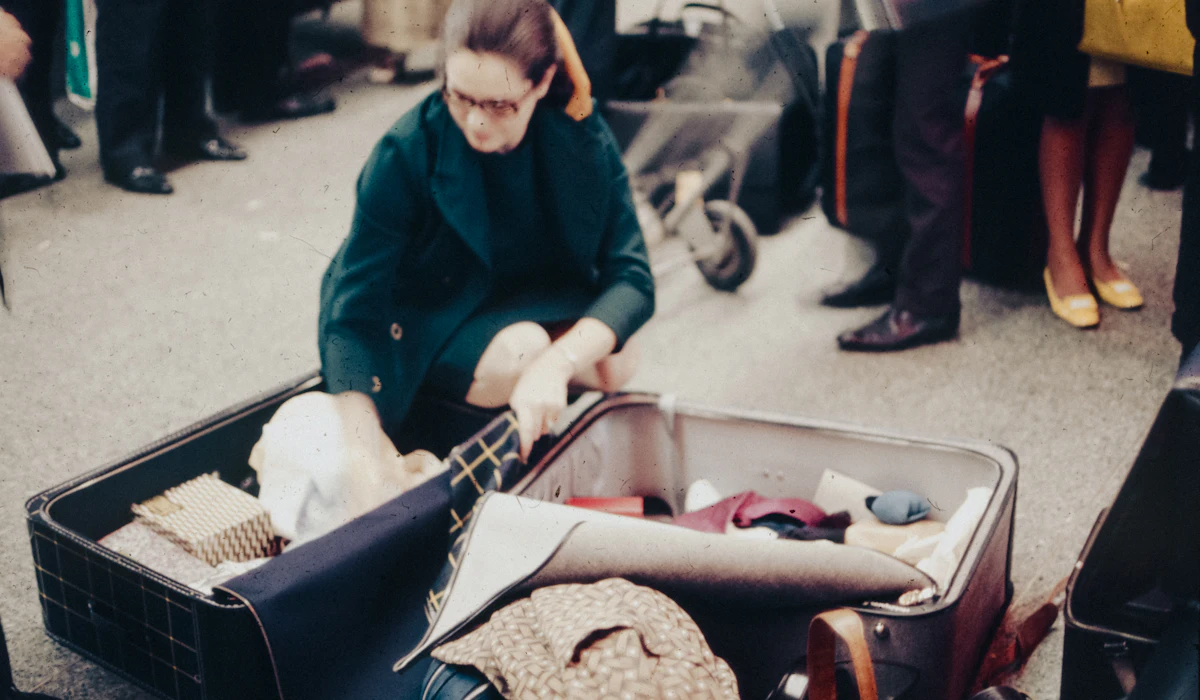
Clothing irons, steamers, candles, surge-protected power strips and certain appliances are prohibited aboard because of fire risk. First-timers who pack them in checked luggage may find their bag missing at dinnertime.
Security screening can flag the item and the bag may be held until the passenger visits a designated desk to resolve the issue. The prohibited item may be confiscated or held until the end of the voyage, depending on the cruise line and item.
Reading the line’s prohibited-items list before packing prevents a frustrating first evening. Travelers who arrive with a flagged bag should visit the desk promptly.
Expecting The Cabin To Be Ready On Boarding
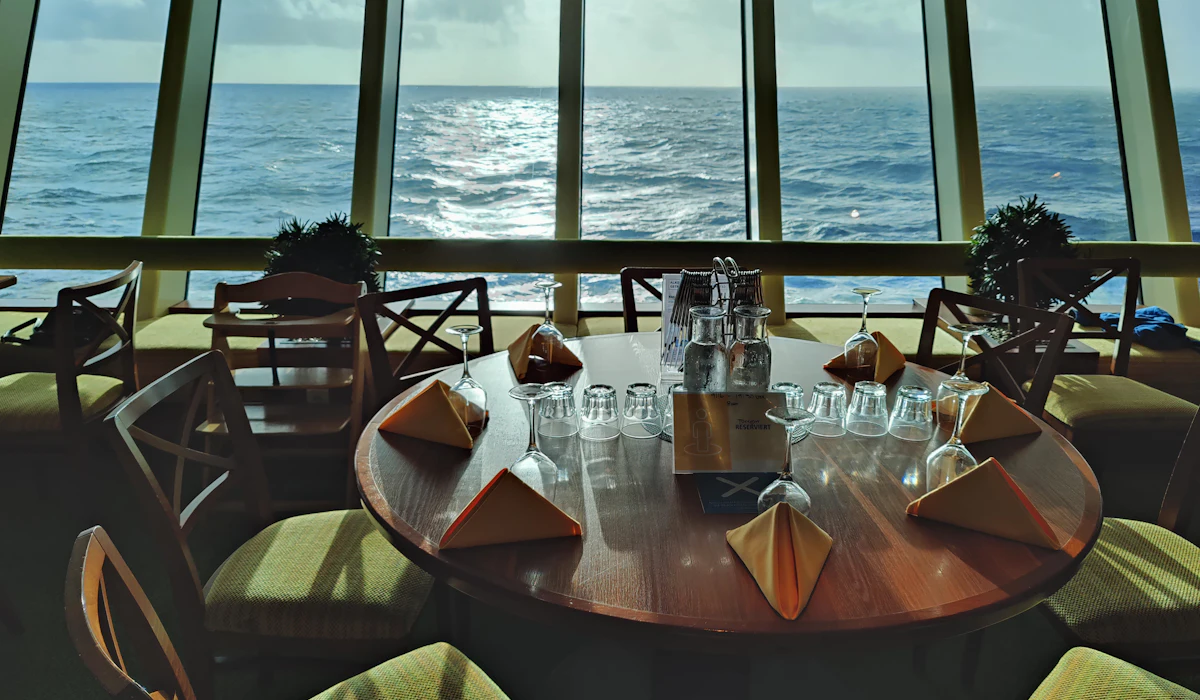
Crews spend the morning of embarkation day cleaning and preparing cabins after the previous sailing’s passengers leave. Many ships do not open cabin corridors until early afternoon.
First-timers who plan to drop bags and change in their room right away end up wandering with carry-ons. Most experienced cruisers expect this and head to lunch or the pool first.
Announcements over the public address system or notifications in the cruise app let passengers know when cabins are ready. Patience on the first afternoon pays off.
A light carry-on makes that wait far more pleasant.
Rushing The Buffet With Everyone Else

The main buffet is usually the first stop for newly boarded passengers and it can be packed shoulder to shoulder at lunchtime. Finding a table becomes a competitive sport.
Many ships also open quieter options on embarkation day, such as a sit-down dining room, a pizza counter or a poolside grill. Checking the daily planner or app for these alternatives can mean a relaxed meal instead of a scramble.
Experienced passengers often avoid the buffet entirely on day one. Lunch in a quieter venue also gives passengers a chance to study the ship map and plan the afternoon.
Missing The Muster Drill
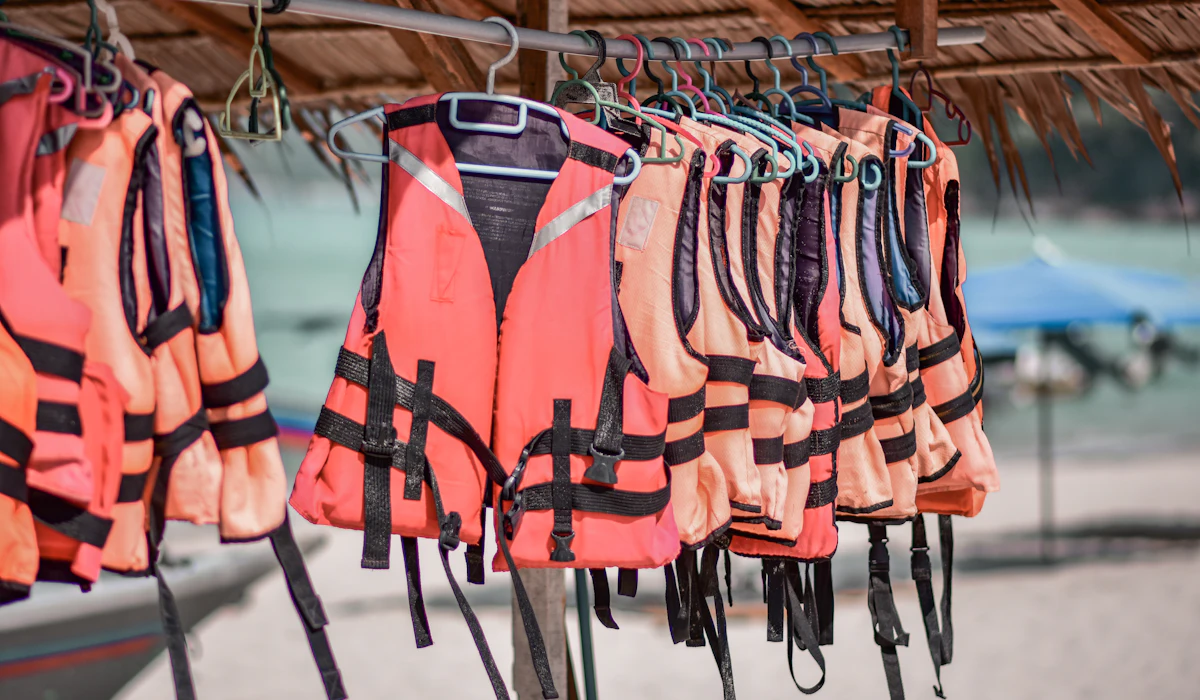
Every cruise ship must conduct a safety drill before or shortly after departure and attendance is mandatory. Many lines now use electronic muster systems, allowing passengers to complete part of the safety briefing on a phone or cabin television before checking in at their assigned muster station.
First-timers who skip it can be tracked down by crew and required to complete the process. Failure to complete the required safety procedure can result in further action by the cruise line, including being denied permission to sail in serious cases.
Completing it early frees the rest of the afternoon.
Overlooking The Dining Assignment

Ships with traditional dining assign passengers a set time and table in the main dining room, while others offer flexible options. First-timers who never check their assignment sometimes show up at the wrong time or restaurant.
The information usually appears in the cruise app, on the cruise card or in documents delivered to the cabin. Requests to change times are easiest to handle on embarkation day.
Confirming the dining plan early avoids confusion when everyone is hungry. Popular dining times can fill up quickly.
Waiting Too Long To Reserve Shows And Restaurants
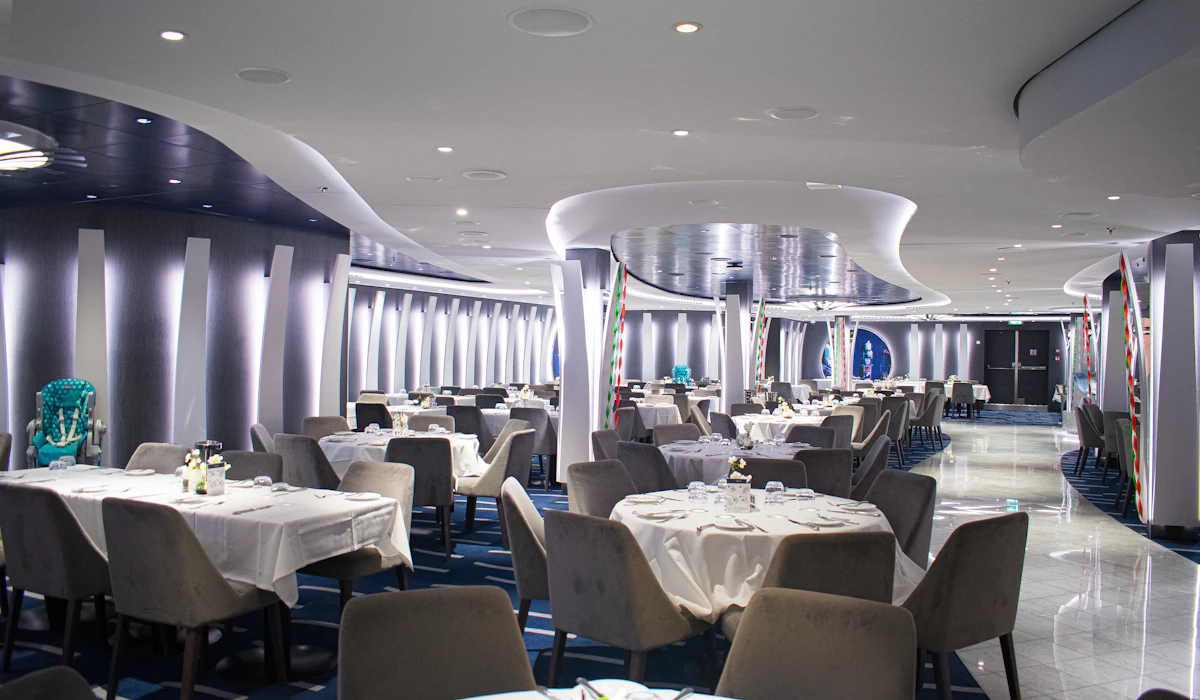
On large ships, popular shows, specialty restaurants and activities can fill up quickly. Some lines, such as Royal Caribbean, require reservations for headline shows on certain ships.
First-timers who wait until after unpacking may find the best times gone. Many reservations can be made before the cruise through the line’s website or app.
Experienced cruisers book key items in advance and use the first afternoon to fill in gaps. Planning ahead does not mean overscheduling, just securing the essentials.
Waitlists may be available, but there is no guarantee they will clear.
Buying A Drink Package Without Doing The Math

Beverage packages can save money for heavy drinkers, but they often cost far more than casual passengers will actually consume. Some lines, including Royal Caribbean and Carnival, have rules requiring all adults of legal drinking age in the same stateroom to purchase the same alcoholic package, although policies and exceptions vary.
First-timers sometimes discover this rule only after committing. Estimating daily drinks and comparing the total with the package price helps avoid overspending.
Package prices and discounts can change, so comparing the current pre-cruise and onboard prices is worthwhile.
Ignoring The Cruise App And Daily Planner

Most cruise lines now publish their daily schedules through an app, with some still offering printed planners. First-timers who ignore these miss trivia, classes, shows and special events, as well as changes to restaurant hours.
The app often handles dining reservations, onboard messaging and account balances too. Downloading it before boarding and connecting to the ship’s network once aboard makes it easier to plan the first day.
Many apps allow access to onboard features through the ship’s Wi-Fi without requiring a paid internet package. Notifications can also alert passengers to schedule changes during the voyage.
Racking Up Roaming Charges

At sea, phones may connect to maritime cellular networks that charge high roaming rates, sometimes without the user noticing. First-timers who leave cellular data on can face large bills after the cruise.
Putting phones in airplane mode once the ship leaves port, or turning off cellular data and roaming, can help prevent unexpected maritime roaming charges. Wi-Fi calling may still work if the passenger purchases internet access aboard, although it depends on the carrier and phone settings.
Checking with the mobile carrier before sailing helps avoid an expensive lesson. Some carriers offer cruise packages, though they tend to be pricey.
Overpaying For Wi-Fi

Internet packages can sometimes be cheaper when purchased before sailing, but pricing and promotions vary by cruise line and sailing. First-timers who wait until later may pay higher prices.
Packages vary in speed and the number of devices allowed, so comparing options matters. Some passengers decide they do not need internet at all, which can be the best savings of all.
Making the decision early avoids paying for days already passed. Others share one package across a cabin, which some lines allow by switching devices rather than sharing a simultaneous connection.
Passengers who work remotely should test the connection in the cabin, since speed varies widely between decks and public areas.
Missing The Sail-Away
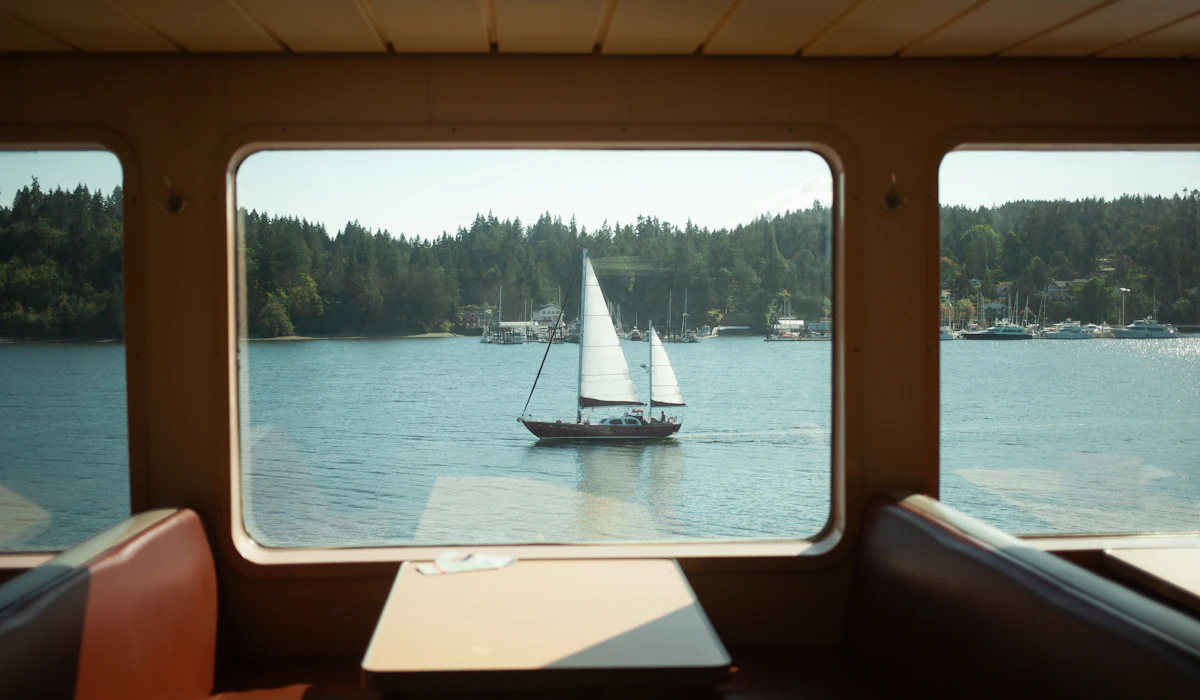
Departure from port is one of the most scenic moments of a cruise, often accompanied by music and a deck party. First-timers who are still unpacking or waiting for luggage sometimes miss it entirely.
Ports such as Seattle, Vancouver, Fort Lauderdale and Miami offer impressive views as the ship pulls away. Experienced cruisers head to an open deck well before departure time.
The moment marks the official beginning of the vacation. Sail-away parties often include music, dancing and drink specials.
Passengers who miss them do not get a second chance to experience that particular departure.
Getting Sunburned On The First Afternoon
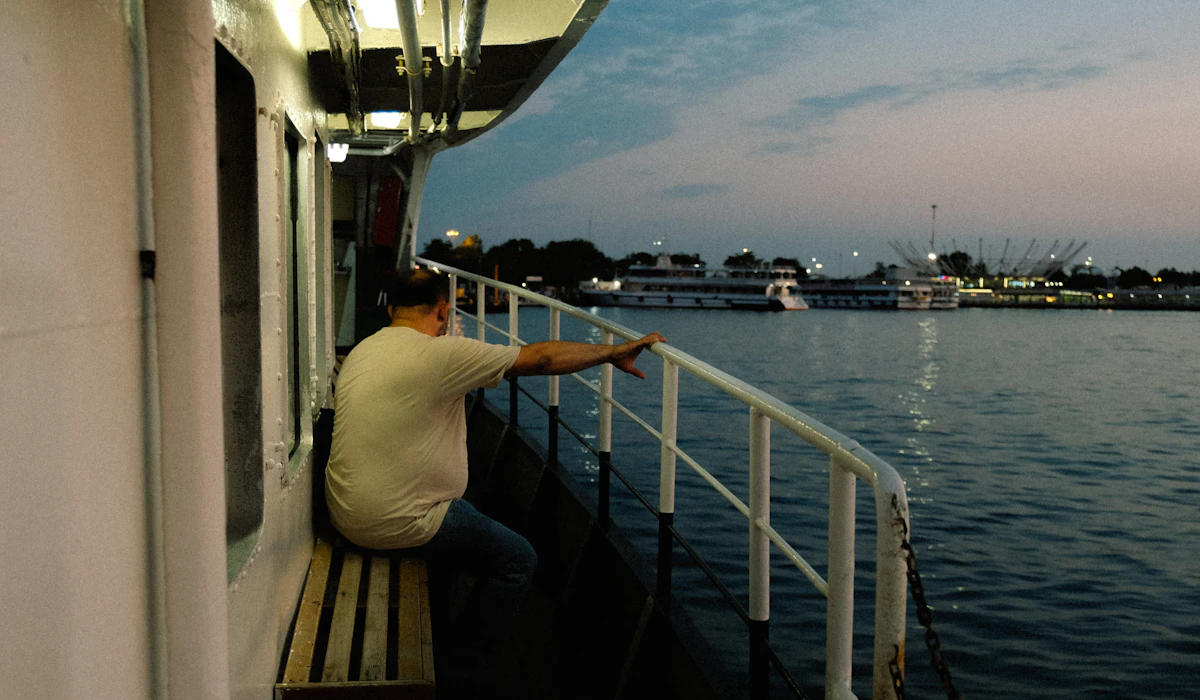
The first afternoon aboard often brings strong sun, especially on Caribbean sailings leaving from Florida or Texas. First-timers excited to hit the pool may skip sunscreen or spend hours outdoors without shade.
A painful burn on day one can make the rest of the cruise uncomfortable. Applying sunscreen early and reapplying after swimming helps.
Hats and shaded loungers also reduce exposure. Protecting skin on day one keeps the rest of the week enjoyable.
Wind on deck masks the heat, so many people do not notice the burn until evening.
Overdoing The First-Night Drinks

Excitement, sun and easily accessible bars can lead first-timers to drink more than usual on day one. Hangovers can ruin the first port day or sea day.
Some passengers also forget that ship motion can intensify the effects of alcohol. Pacing drinks and alternating with water helps.
Experienced cruisers treat the first night as the beginning of a week, not a single big party. Dehydration hits harder in hot weather and on sunny decks.
Passengers on a seven-night cruise have plenty of time to enjoy themselves, so there is no reason to compress the entire week into the first evening.
Skipping An Early Ship Tour

First-timers often spend the entire first day at the pool or buffet, missing the chance to explore the ship while crowds are elsewhere. Walking the decks early helps passengers learn where key venues, elevators and stairwells are located.
Knowing the layout makes later days far easier. Some ships offer guided tours or maps in the app.
Experienced cruisers take a quick lap through public areas before settling in. The first afternoon can be a good opportunity to explore quieter lounges, theaters and outdoor decks before the ship gets busier.
Finding a favorite quiet corner on day one pays off for the rest of the week.
Losing Track Of Forward And Aft

Large cruise ships can feel like mazes and first-timers often wander the wrong direction looking for their cabin or a restaurant. Learning which way is forward, or bow, and which way is aft, or stern, helps.
Many ships mark directions on signs near elevators. On some ships, patterns in the carpet hint at the direction of the bow.
Taking note of landmarks near the cabin also helps passengers find their way back after a long day. Many newcomers also take note of whether their cabin is on the port side, the left when facing forward, or the starboard side.
Not Inspecting The Cabin Right Away
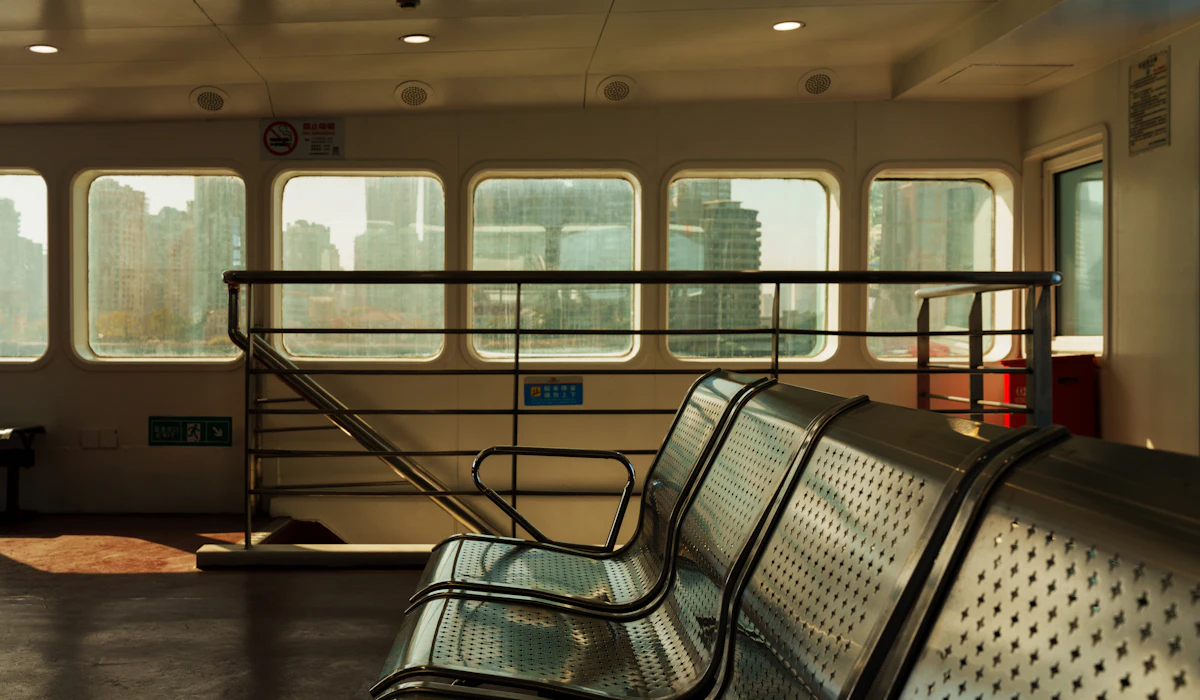
Problems with a cabin, such as a broken safe, air conditioning issues or the wrong bed configuration, are easiest to fix on the first day. First-timers who wait may find the ship fully booked and fewer options for repairs or changes.
A quick check of lights, toilet, shower, safe and thermostat after arrival helps. Reporting issues to the cabin attendant or guest services early gets them on the list.
Experienced cruisers take a few minutes for this before unpacking. Photos of any existing damage can also prevent disputes later.
Living Out Of Suitcases

Cabins are compact and leaving suitcases open on the floor makes them feel even smaller. First-timers sometimes skip unpacking on day one and spend the week digging through bags.
Most suitcases fit under the bed once empty, freeing up space. Unpacking into drawers and closets on the first evening helps passengers settle in.
A tidy cabin makes the rest of the week more comfortable. Shoes go under the bed or in a hanging organizer and toiletries line up on bathroom shelves.
Ten minutes of unpacking on day one saves far more time over the week and means the suitcase stays out of the way until the final night.
Skipping Kids Club Registration

Families with children often want to use the ship’s youth programs, which may require registration or orientation on embarkation day. First-timers who wait until later sometimes miss orientation sessions or find activities already full.
Many lines hold open houses on the first afternoon so parents and children can meet staff and see the facilities. Registering early allows kids to make friends from the first day of the voyage.
Parents also gain peace of mind knowing the procedures. Some programs also hand out wristbands or devices that help staff track children during sessions.
Not Setting Up The Onboard Account

Ships operate largely cashless systems, where purchases are charged to an onboard account linked to the cruise card. First-timers who do not link a credit card or deposit cash may need to settle the account or establish a payment method before making purchases.
Some lines allow setting up the account during online check-in. Checking the account early helps catch errors.
Reviewing charges during the cruise avoids surprises at the end. Some lines place holds on credit cards early in the voyage, which can tie up available credit.
Passengers paying with debit cards should be aware that holds may reduce their bank balance temporarily. A quick visit to the app or guest services clears up questions.
Passing Up Embarkation-Day Spa Deals

Some ship spas offer embarkation-day or early-cruise promotions, when demand may be lower. First-timers who wait until port days may find fewer appointment choices or different pricing.
Spa tours and open houses on day one sometimes include special offers. Experienced cruisers who want massages or facials book early.
Even those who skip treatments can tour the spa and see what is available. Promotional giveaways or raffles may also be offered, depending on the ship.
Passengers should still read the fine print, since product sales pitches can accompany treatments.
Leaving The Balcony Door Open
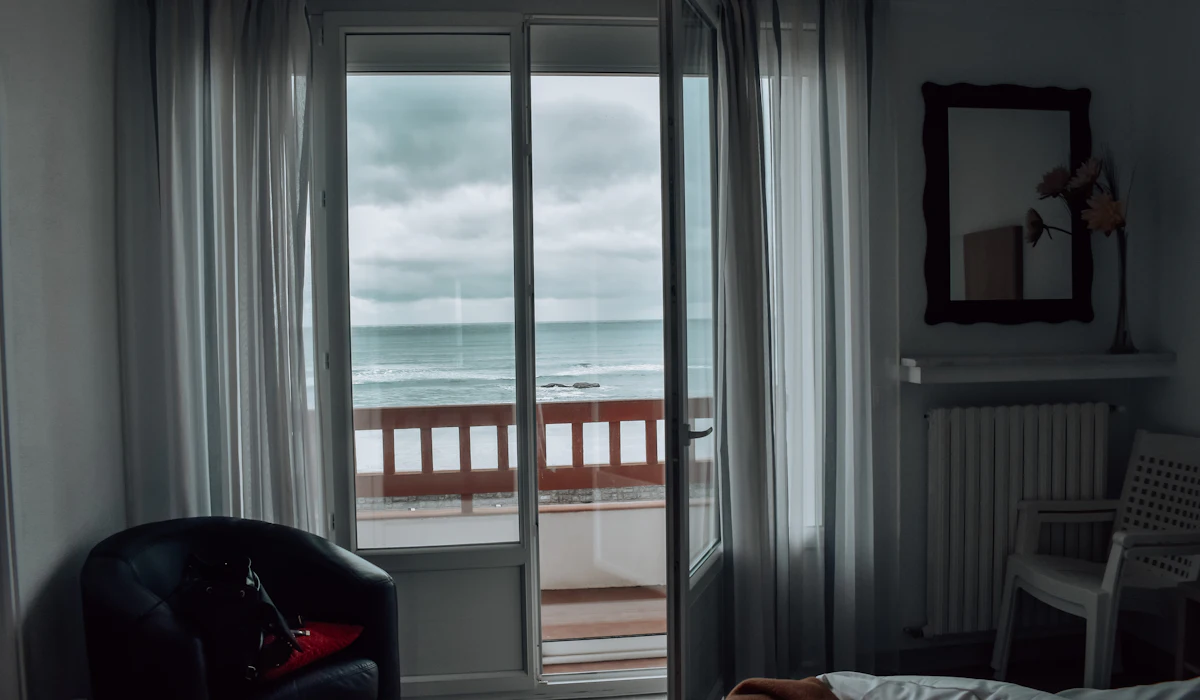
On many ships, balcony doors can affect the cabin’s climate control when left open. First-timers who leave them open for long periods can return to a warm, humid room.
An open balcony door can also affect air pressure when the cabin door is opened, sometimes causing the cabin door to close more forcefully. Closing the balcony door when not in use helps keep the cabin cool and quiet.
Experienced cruisers enjoy the fresh air in shorter intervals. Moisture from humid air can also leave the cabin feeling damp.
Following the ship’s instructions for balcony doors is the safest approach.
Waiting For Elevators At Peak Times
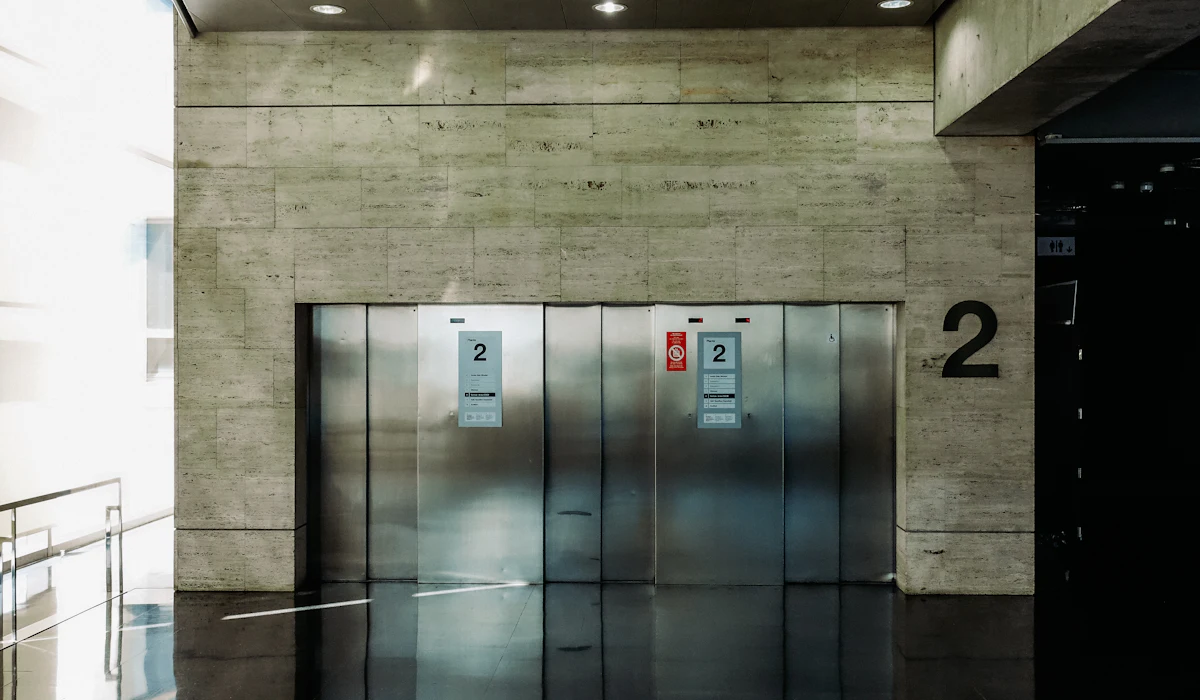
Elevators on cruise ships can be overwhelmed on embarkation day, especially after muster, before dinner and when cabins open. First-timers waiting for lifts may spend long periods in crowded lobbies.
Taking the stairs for a few decks is often faster. Learning which stairwells are closest to the cabin helps.
Passengers with mobility needs can benefit from planning trips at less busy times. Stairs also help offset all the free food.
Some newer ships provide elevator displays or systems designed to improve traffic flow.
Assuming Everything Is Included
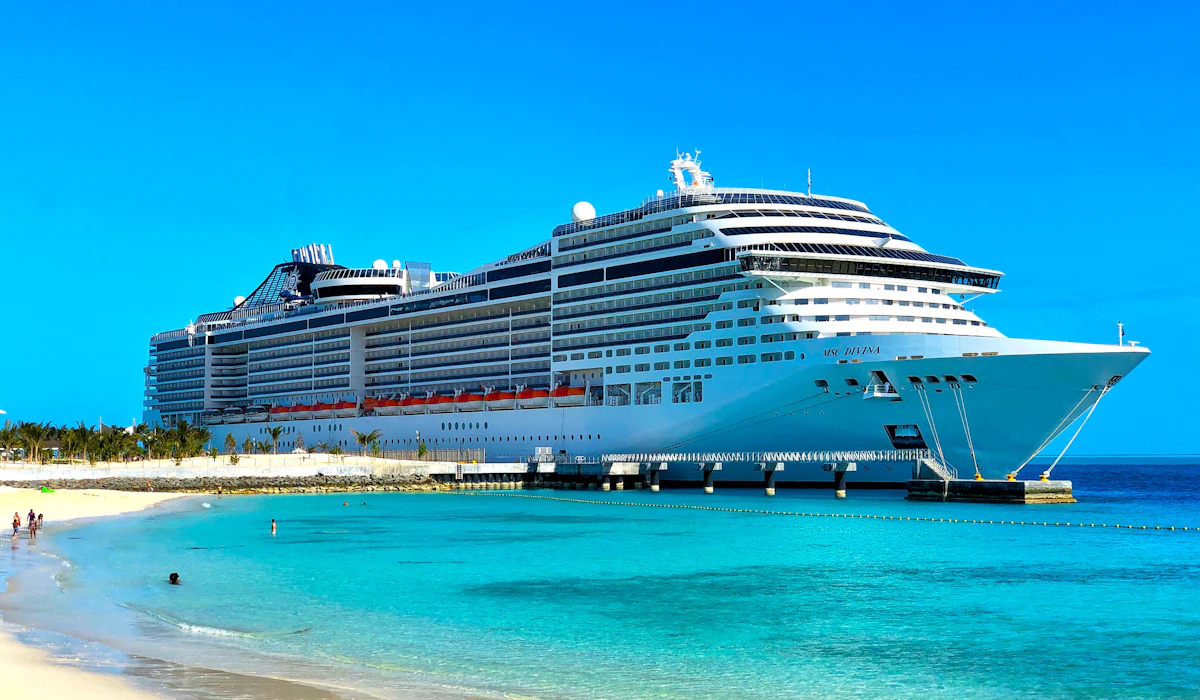
Fares cover a lot, including main dining, buffets, many snacks and most entertainment, but not everything. Specialty coffee, soda on many lines, alcohol, specialty restaurants, spa treatments, shore excursions and internet usually cost extra.
First-timers sometimes assume all items are free and get a shock when they check their account. Reading the line’s inclusions and asking staff when unsure helps avoid surprises.
Daily gratuities are also often added automatically. Room service on some lines adds delivery fees.
Bottled water, often placed in cabins as a convenience, may also be charged to the account. Checking the onboard account regularly helps avoid surprises.
Trusting The Phone Clock

Ships keep their own time, which may differ from the local time in port or the time zone shown on a phone. Phones may switch automatically to a foreign network’s time zone or fail to update at sea.
First-timers who rely on their phones can miss dinner, shows or all-aboard deadlines later in the trip. The ship’s daily planner and announcements list the official ship time.
Checking the ship’s stated time before going ashore and keeping an eye on the daily schedule helps avoid confusion. Mistakes with time can be among the reasons passengers miss the ship in port.
Not Meeting The Cabin Attendant

Cabin attendants provide housekeeping service according to the cruise line’s schedule, which can vary by ship and itinerary. First-timers who never introduce themselves may miss out on a simple way to make the week more comfortable.
A quick hello on the first day helps the attendant learn names and preferences. Requests such as separating beds or adding a crib are easier to handle early.
Experienced cruisers know that a good relationship with the attendant can improve the entire stay. Daily gratuities are commonly added to the onboard account, while additional cash tips are optional.
Day One Sets The Rhythm

The first day of a cruise is a strange mix of logistics and vacation. Passengers who get through it calmly usually spend the rest of the week ahead of the crowds rather than chasing them.
The difference often comes down to a handful of small decisions made before lunch.
None of these mistakes ruins a cruise on its own. Stacked together, they can turn the first day into a blur of lines, bills and missing bags.
A little preparation turns that same day into one of the best of the voyage.
More from Travel Pug

- Underrated Italian Towns That Beat the Tourist Crowds
- Las Vegas Tourist Traps to Skip
- Prettiest Towns in Every US State
- 18 passport-free countries for Americans
- Signs Your Cruise Is Not Worth The Cost
Like Travel Pug’s content? Follow us on MSN.