

Most states give riders one or two solid trail systems.
Utah went ahead and crammed in everything. Red rock deserts that look straight out of a sci-fi movie.
Pine forests at elevation where the air’s thin and the descents are fast.
Slickrock that shouldn’t work but does.
Alpine meadows that bloom wildflowers in summer.
It’s almost overkill.
Over 1,200 trails cover nearly 4,000 miles across the state.
But numbers don’t tell the real story. What matters is how completely different the riding gets depending on where the bike’s pointed.
The southern deserts feel alien.
The northern mountains feel like classic backcountry.
And because of the elevation spread, something’s always in season.
Here’s why riders keep showing up.
The landscape changes everything
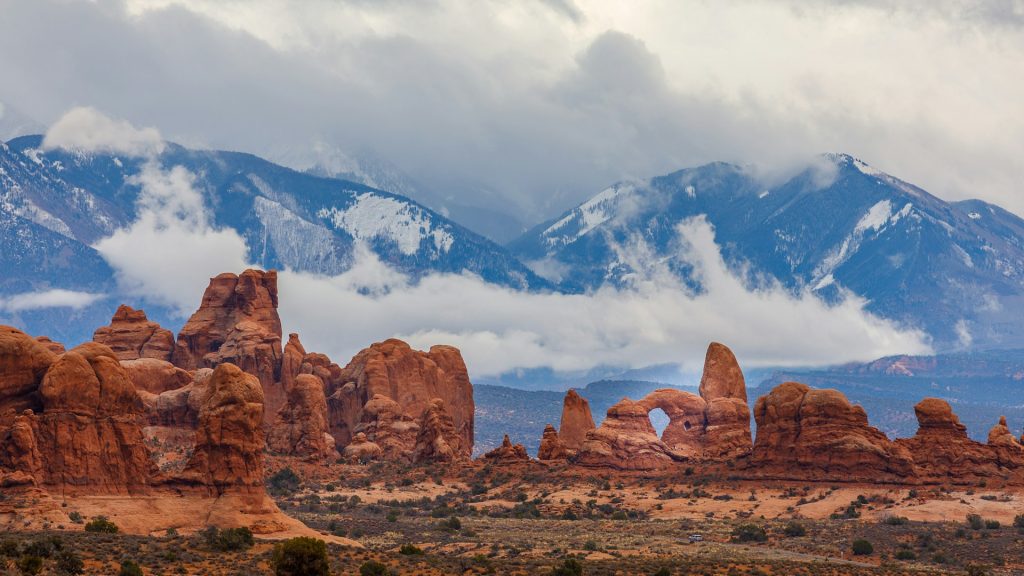
Southern Utah’s red sandstone doesn’t ride like normal trail surfaces.
The rock’s textured enough that tires grip on climbs that look vertical.
It’s ancient sand dunes turned to stone and polished by wind, and navigating it means following white paint dashes across curves and drops that twist in every direction.
Regular trail logic doesn’t apply here.
Slickrock riding takes getting used to.
There’s no dirt to read, no roots to avoid.
Just smooth stone rolling over itself in ways that mess with perspective.
Flat sections aren’t flat.
Impossible-looking lines work fine.
It’s weird at first.
A few hours north, the Wasatch Range might as well be another country.
Suddenly there’s flowing singletrack through aspens, cooler temps, that papery bark peeling off white trunks everywhere.
Fall turns the whole mountainside gold.
The riding speeds up.
Technical sections show up in the form of rocks and roots instead of sandstone puzzles.
Wasatch Crest Trail has it all — views that stretch forever, sections that flow smooth, rock gardens that demand attention, climbs that are manageable, then one climb that absolutely isn’t.
It’s a reminder of why bikes are fun.
Moab earned its reputation
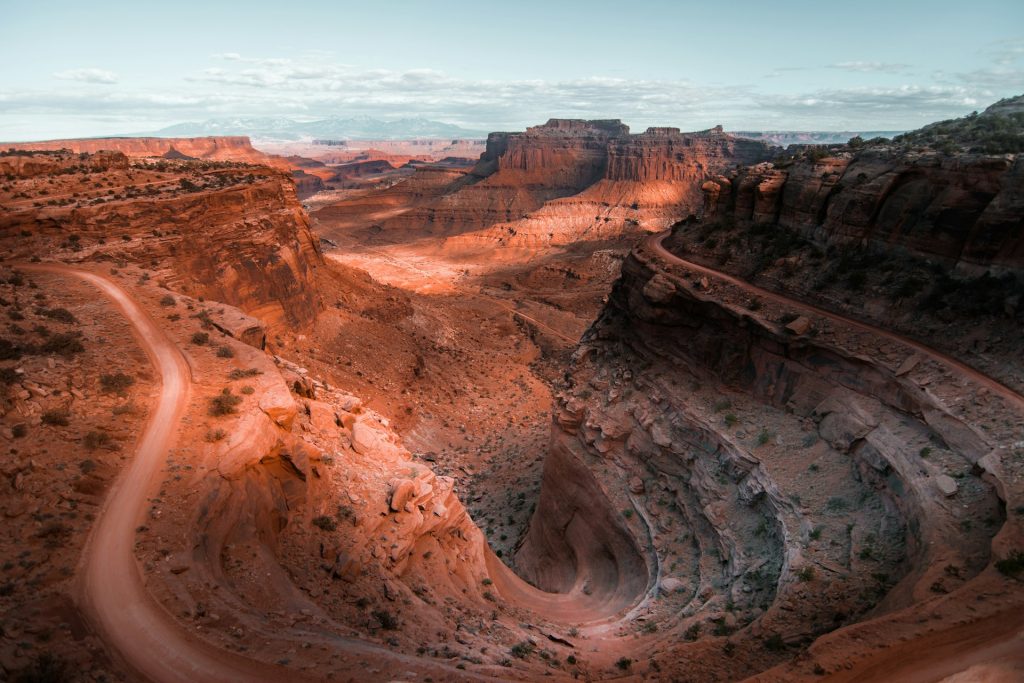
Moab is the destination.
Has been for decades.
Red rock formations surround the town, the La Sal Mountains loom in the background, and mountain biking culture runs deep here.
The place didn’t accidentally become famous.
Slickrock Trail is 10.5 miles of what made Moab matter.
Still packed with riders years later.
But the town’s got way more than one trail now.
Amasa Back and Captain Ahab.
Navajo Rocks.
Klonzo and Klondike Bluffs.
Over 900 miles total, and most of it doesn’t require being a pro.
The Whole Enchilada route lives up to the hype.
Starting high in the La Sals and dropping 7,000 feet to desert floor, it connects Porcupine Rim, LPS, and UPS into one massive day.
The ride transitions through completely different ecosystems on the way down.
Alpine to high desert to red rock.
Exhausting in the best way.
Moab also works for less experienced riders.
Plenty of beginner and intermediate stuff winds through the area.
Families come through and have a great time.
That range keeps people coming back.
Park City built something special
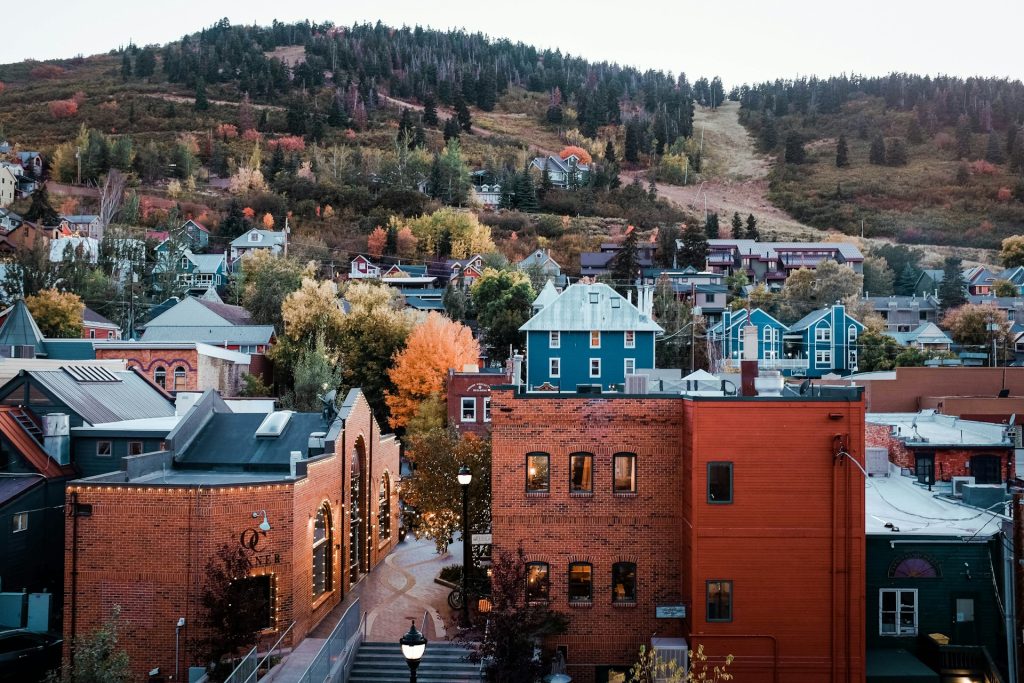
Moab gets the headlines.
Park City just kept building trails and improving infrastructure until it became the first International Mountain Bicycling Association Gold Level destination worldwide.
That certification isn’t easy to get.
The riding varies wildly.
Singletrack through aspens.
Flow tracks at Deer Valley that feel freshly groomed.
Deer Valley’s been running summer lifts since 1992 — before most resorts figured out mountain bikers wanted that — and now maintains over 70 miles of trail.
Lift service means maximizing downhill runs.
Solitude Bike Park opened new trails last fall.
Four routes from beginner to expert, designed by people who build trails professionally.
Salt Lake City finally has lift-assisted riding without driving to Park City.
The expansion keeps happening.
Mid Mountain Trail flows beautifully for miles.
Flying Dog gets technical fast.
Bonneville Shoreline stretches along the mountain base with options for every skill level.
Wasatch Crest delivers everything in one ride — views, flow, rocks, climbs, one brutal ascent thrown in.
Enough variety that a month here wouldn’t cover it all.
The south rides through winter
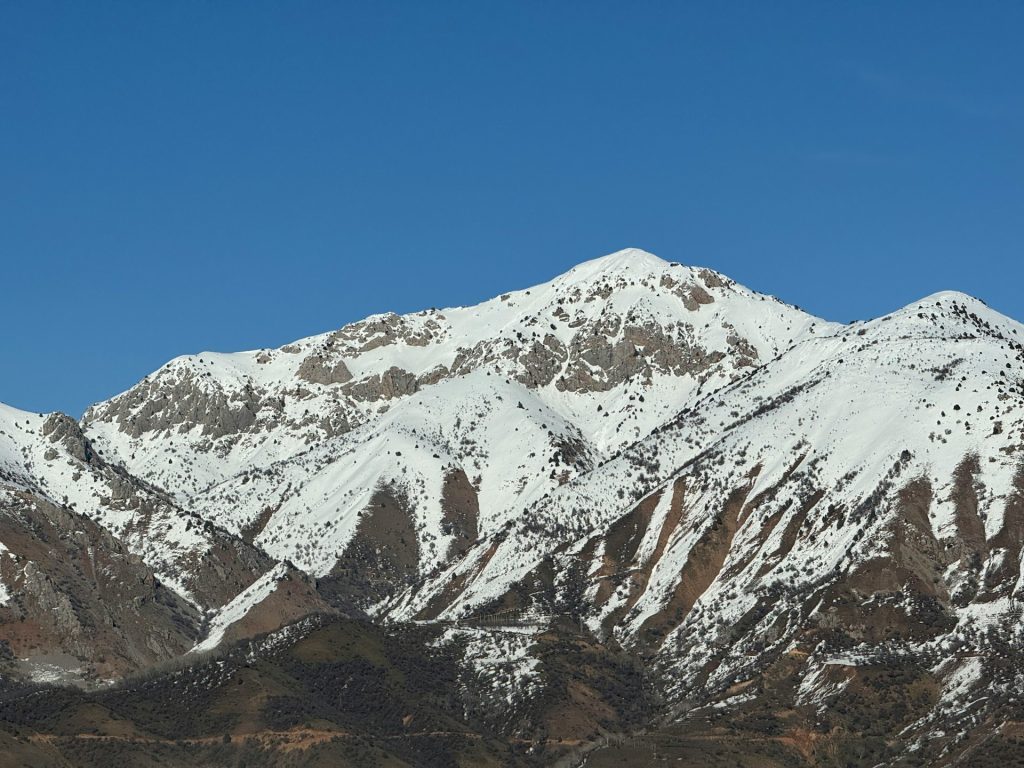
When northern trails freeze, southern Utah stays open.
St. George averages low 60s in winter and rarely sees snow on trails.
Riders head there from November through February when home trails are iced over.
The desert climate just works for off-season riding.
Hurricane hits its sweet spot in spring and fall.
October, November, March, April, May — temps drop, rain stays away, trails stay tacky.
Winter’s colder but still rideable.
The town’s not playing second fiddle to Moab anymore. It stands on its own.
Gooseberry Mesa sits nearby with slickrock as good as anything in Moab but half the crowd.
Late fall and winter conditions stay mild.
Good trails without elbow-to-elbow traffic make it appealing.
Summer flips everything.
Southern deserts turn into ovens while northern mountains open up.
The seasonal rotation actually works — there’s always somewhere to ride.
Lift service keeps expanding
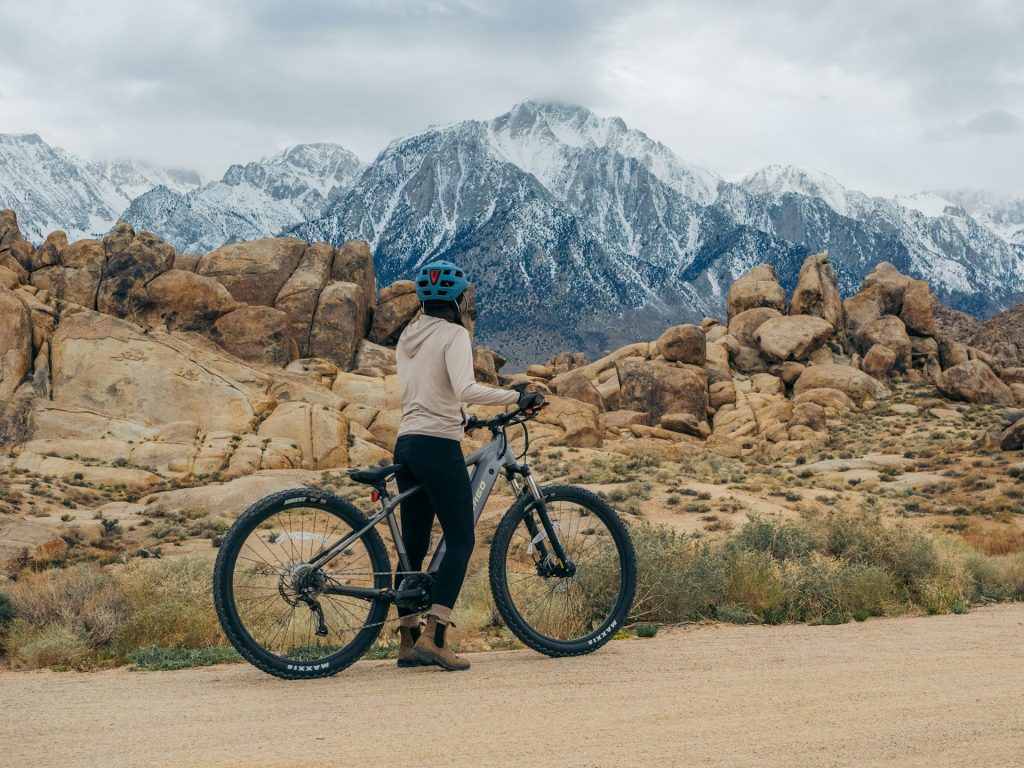
Deer Valley runs one of the best bike parks in the country.
Brian Head built up its summer operation into something legit, despite being three and a half hours from Salt Lake.
Corner Canyon near the city packs in cross-country, downhill, pump tracks, and skills parks.
Rush Trail, Levitate, and Vertigo cater to riders chasing speed.
These aren’t half-effort summer add-ons.
They’re purpose-built parks with features designed by professionals.
And they keep improving.
Solitude just opened Phase 1.
Other resorts are watching and planning their own expansions.
The infrastructure investment shows Utah’s not sitting still.
Communities keep building.
Trails keep getting better.
The scene’s growing, not stagnating.
Spots that fly under the radar
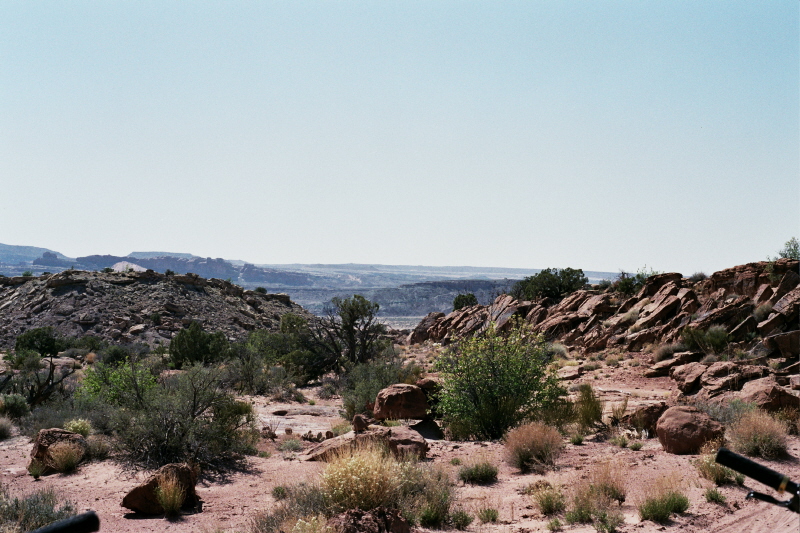
Moab’s expanding fast — trails like Sovereign and Magnificent 7 are adding serious mileage.
Virgin River Rim Trail stretches 32 miles across the Markagunt Plateau, winding through old-growth forest and alpine meadows.
Thunder Mountain near Bryce offers 24 miles of stunning singletrack around Red Canyon — top-notch riding with far fewer people than the headline trails.
Heber Valley has quietly become a low-key gem. Multiple terrains, high-quality trails, minimal traffic.
Wasatch Mountain State Park features the Wasatch Over Wasatch (WOW) Trail.
These spots are perfect when the famous destinations feel too crowded or when riders just want something fresh.
Across Utah, lesser-known areas keep delivering variety without the crowds.
What keeps riders coming back
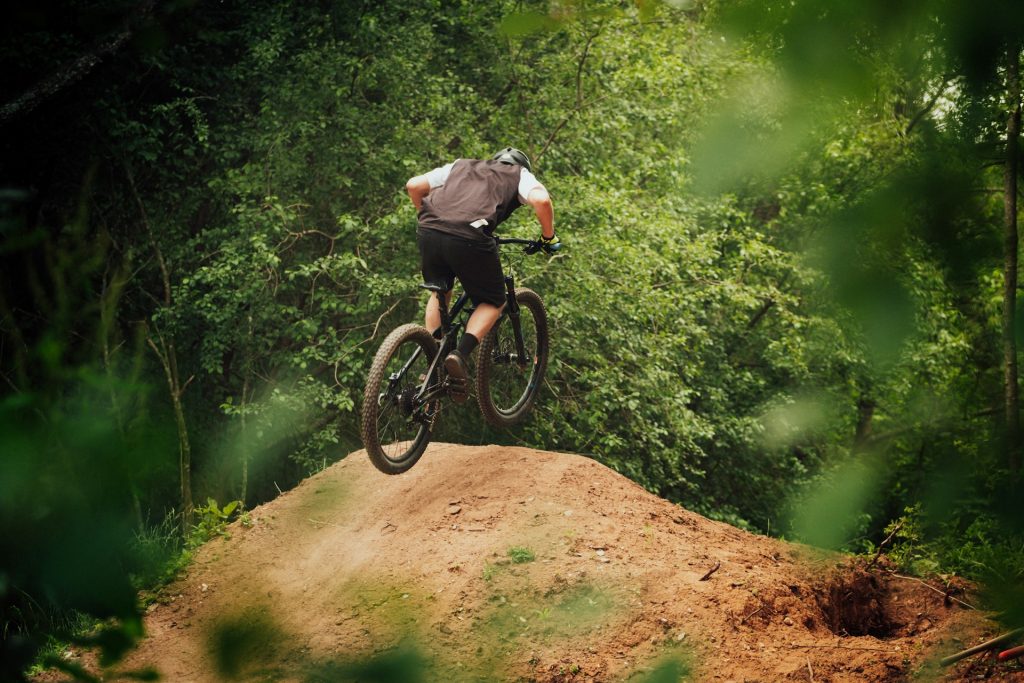
Utah’s got the geology.
That part’s luck. But the trail building over the past few decades turned natural advantages into something real.
Over 1,200 trails, nearly 4,000 miles, still growing.
What matters more than mileage is the range. A week here means totally different riding every day.
Slickrock that grips impossibly well.
Alpine trails through wildflowers.
Rocky technical descents.
Smooth flow tracks.
Few states pack that much diversity into their borders.
Southern trails ride through winter.
Northern mountains handle summer.
The season basically never stops.
Utah’s got drawbacks — southern summers cook riders, spring mud shuts things down, popular trails get packed.
But people keep returning.
The terrain delivers every time, and that consistency matters more than perfection.
More from Travel Pug

- Underrated Italian Towns That Beat the Tourist Crowds
- Las Vegas Tourist Traps to Skip
- Prettiest Towns in Every US State
- 18 passport-free countries for Americans
- Signs Your Cruise Is Not Worth The Cost
Like Travel Pug’s content? Follow us on MSN.