

Dry air, long sightlines, and winters that rarely ask for a snow shovel have drawn retirees to the American Southwest for generations. The big desert metros grabbed most of the attention, and their housing prices followed.
Smaller desert towns tell a different story. Many sit within a few hours of major airports and medical centers, yet still offer lower housing costs, potentially favorable tax situations and a pace that suits life after work. Each comes with trade-offs, from summer heat to thin specialist care, and those deserve as much attention as the sunsets.
Las Cruces, New Mexico
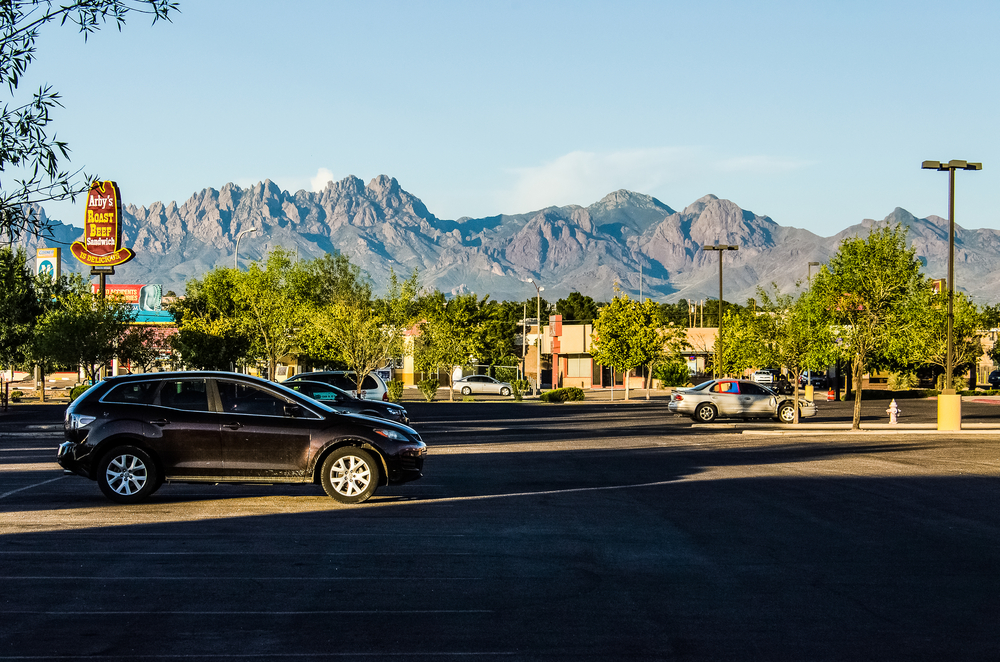
Las Cruces sits beneath the jagged Organ Mountains, which are part of the Organ Mountains-Desert Peaks National Monument established in 2014. As New Mexico’s second-largest city, it offers hospitals, New Mexico State University, and access to commercial air service in nearby El Paso, Texas, while housing has typically cost well below Phoenix or Tucson.
New Mexico also exempts Social Security income for most retirees who fall below specific income thresholds, a change that took effect in 2022. The historic plaza in neighboring Mesilla fills with farmers market stalls and festivals.
Summers are hot but drier than many Sun Belt alternatives, and the elevation of roughly 3,900 feet takes a little edge off the heat.
Deming, New Mexico
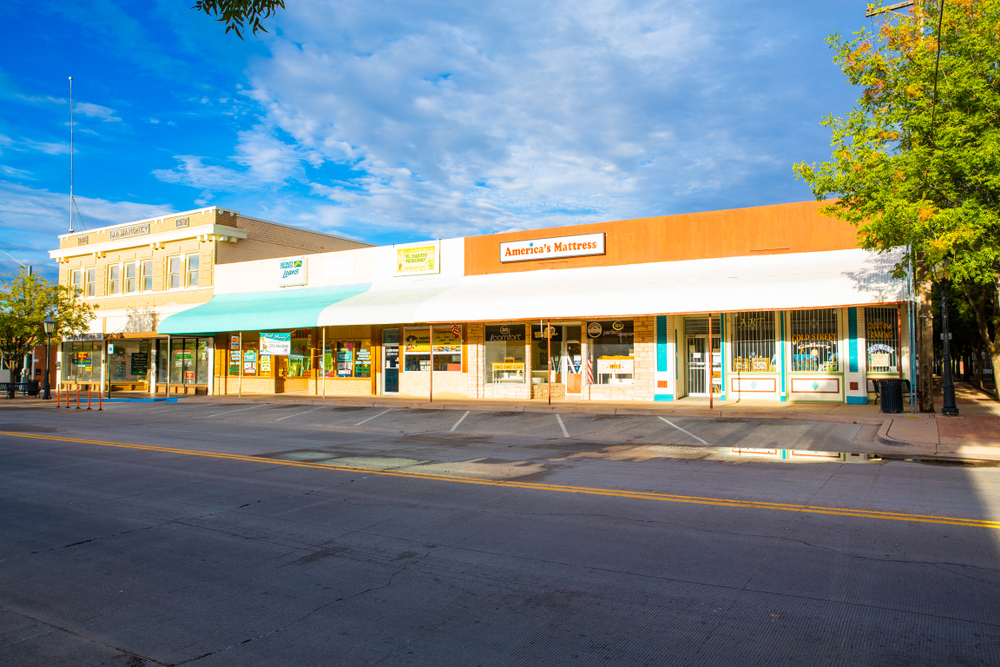
Deming is best known for the Great American Duck Race, an August tradition held since 1980 that draws visitors from across the region. Housing in this small Luna County town has generally been among the most affordable in southern New Mexico.
Rockhound State Park, just southeast of town, lets visitors collect limited amounts of certain rocks and minerals under park rules, a rare permission at a public park. The Florida Mountains rise dramatically to the south.
Health care options are limited compared with larger cities, so many retirees make the roughly hour-long drive to Las Cruces for specialist appointments.
Silver City, New Mexico
— Photo by Hackman
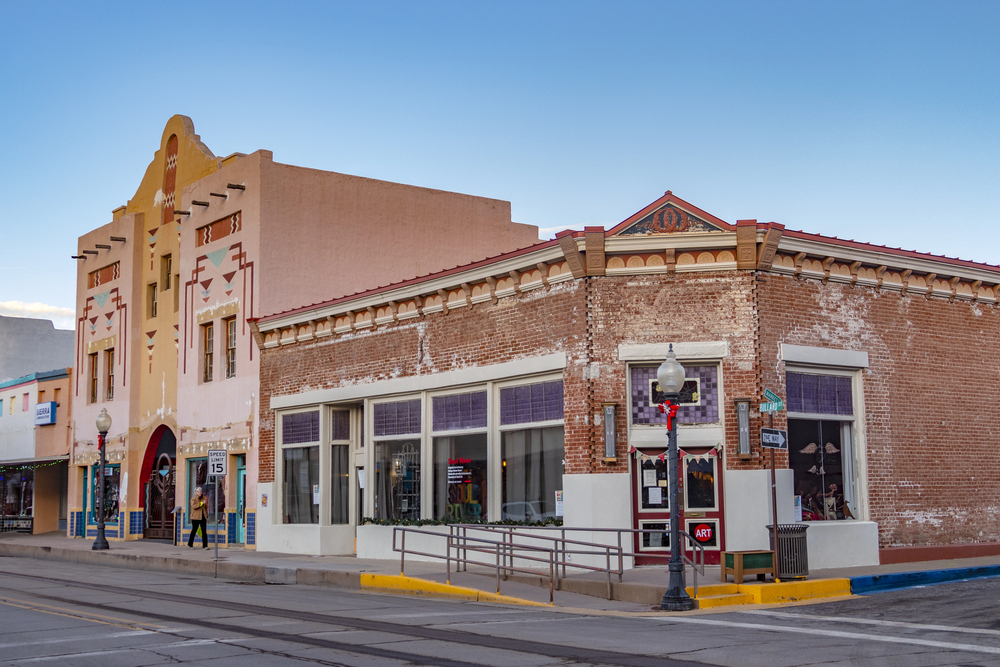
Silver City sits at about 5,900 feet, high enough for four mild seasons and occasional light snow. It serves as a gateway to the Gila Wilderness, designated in 1924 as the first wilderness area in the United States.
Western New Mexico University brings concerts, lectures and continuing education to a town of about 10,000 people. The historic downtown is filled with galleries, cafes and Victorian buildings left from the mining boom.
Home prices have generally stayed below those in Santa Fe or Taos, though remote location means a longer trip to major airports and medical centers.
Truth or Consequences, New Mexico
— Photo by CheriAlguire
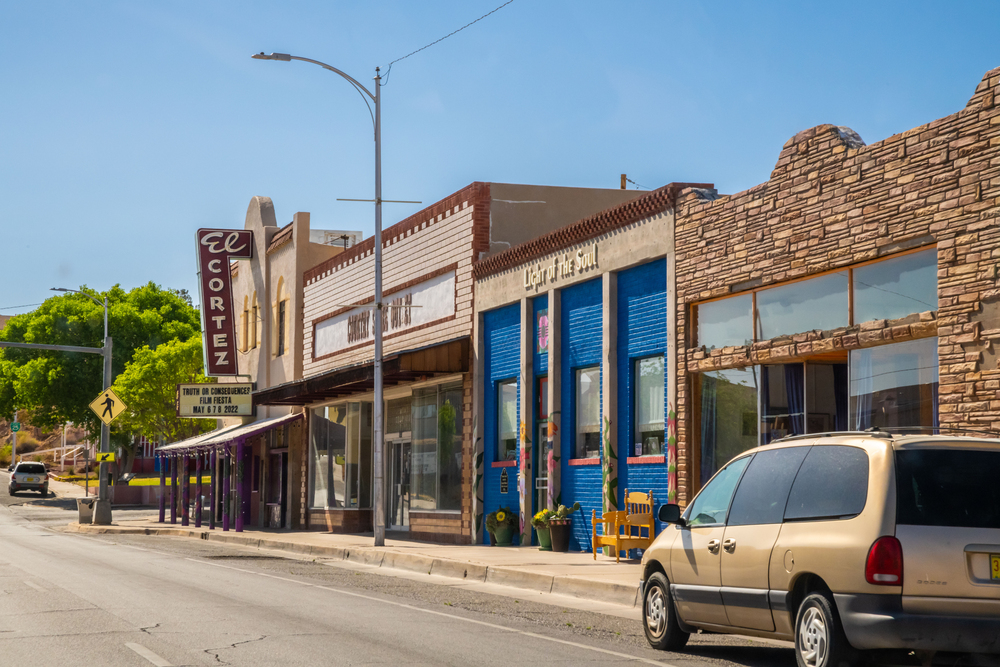
Truth or Consequences renamed itself in 1950 after the radio quiz show, winning a promise from host Ralph Edwards to broadcast from the town. The town sits atop natural hot springs, and small bathhouses in the historic district offer soaks for modest prices.
Elephant Butte Lake State Park, the largest in New Mexico, lies just north of town and draws boaters and anglers. Housing remains among the lower-cost options in the state.
Spaceport America, the commercial launch site in the surrounding desert, has given the area an unexpected link to the space industry, though most retirees come for the water and quiet.
Alamogordo, New Mexico
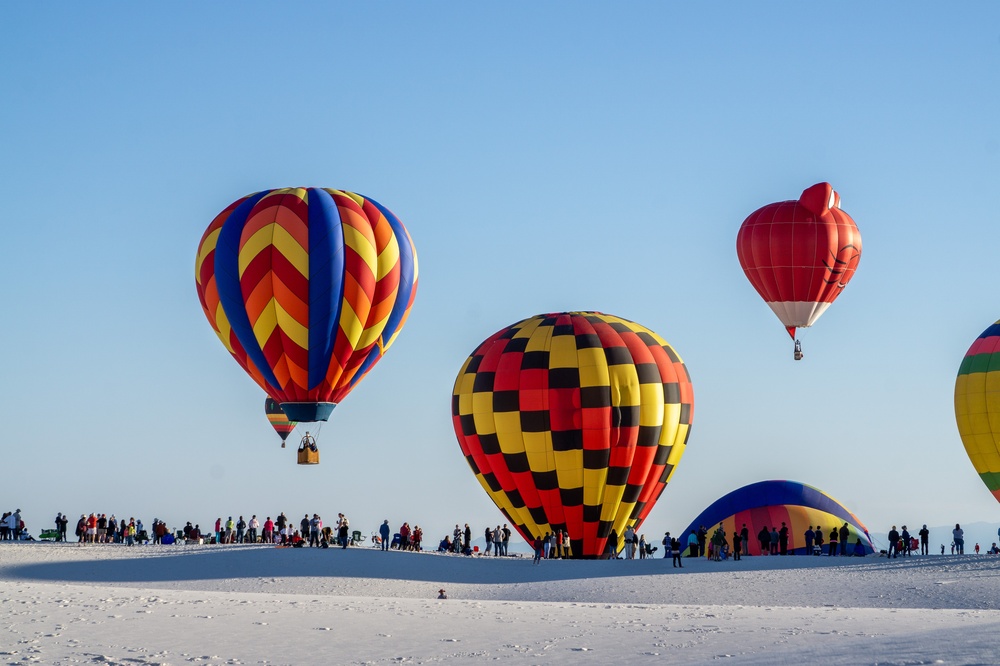
Alamogordo sits near the edge of White Sands National Park, where gypsum dunes stretch across one of the world’s largest gypsum dunefields. The park was redesignated from a national monument to a national park in 2019.
The New Mexico Museum of Space History reflects the region’s rocket heritage, and Holloman Air Force Base keeps a steady population of military retirees in the area. Real estate prices have generally been moderate compared with the rest of the state.
The Sacramento Mountains rise directly east of town, and the village of Cloudcroft, at nearly 9,000 feet, offers a cool summer escape within a short drive.
Roswell, New Mexico
— Photo by mixmotive
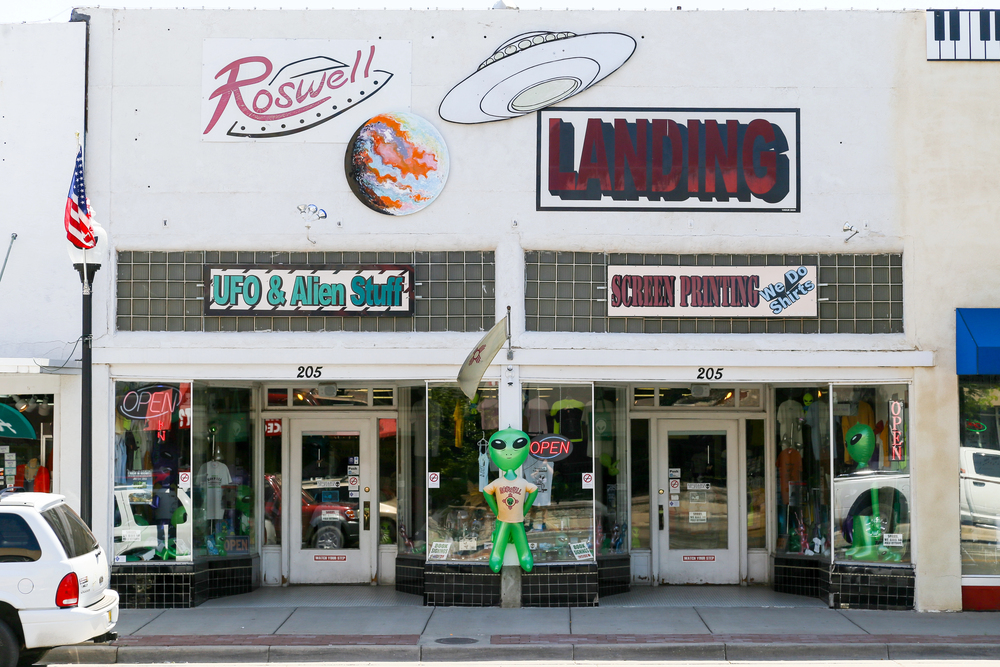
Roswell is famous for the 1947 incident that launched decades of UFO speculation, and the International UFO Museum and Research Center draws curious visitors all year. Beyond the alien kitsch, the town offers relatively affordable housing and a slower pace on the high plains of southeastern New Mexico.
Bottomless Lakes State Park, a chain of deep, spring-fed sinks south of town, offers swimming and trails. The New Mexico Military Institute and a branch of Eastern New Mexico University add a college town element.
Medical care is available locally, with larger hospitals in Lubbock and Albuquerque for specialty needs.
Carlsbad, New Mexico
— Photo by sepavone
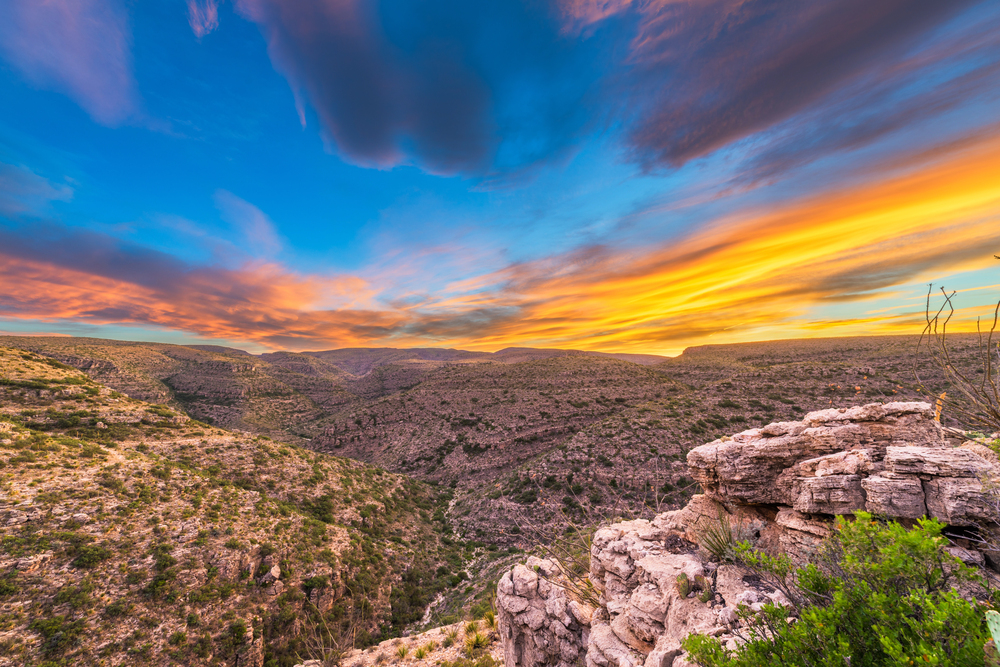
Carlsbad is the gateway to Carlsbad Caverns National Park, where the Big Room ranks among the largest cave chambers in North America. The Pecos River runs through town, with a riverwalk and beaches along its banks.
Prices for homes have risen in recent years because of the Permian Basin oil boom, which has pushed up rents and home prices. Retirees still find value compared with large cities, but the oil industry’s swings mean costs can change quickly.
Guadalupe Mountains National Park, across the Texas border, offers the highest peak in Texas and is about 56 miles southwest of Carlsbad.
Socorro, New Mexico
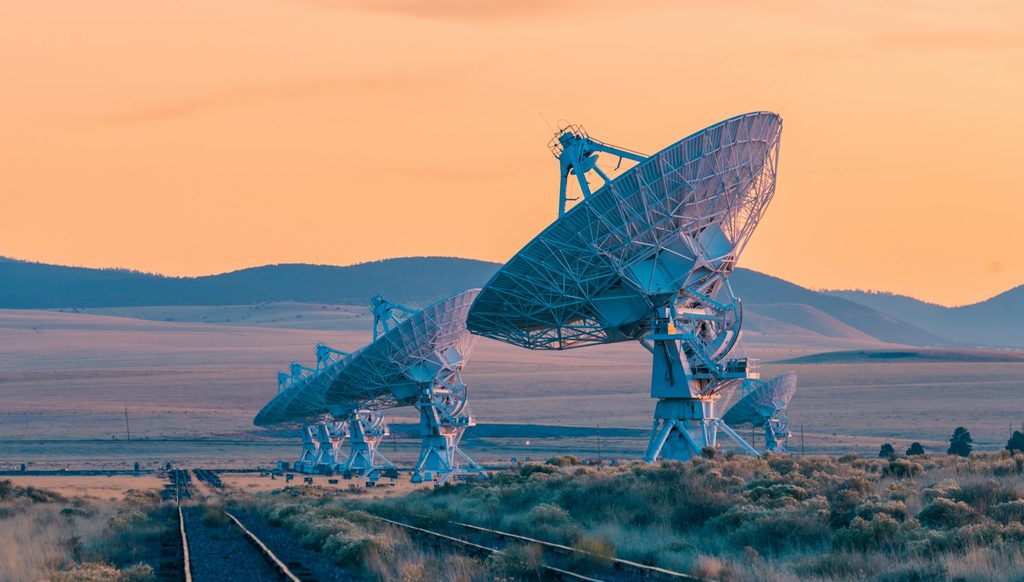
Socorro is a small college town along the Rio Grande, home to the New Mexico Institute of Mining and Technology. About 50 miles west, the Very Large Array of radio telescopes spreads across the Plains of San Agustin.
Each winter, thousands of sandhill cranes and snow geese gather at Bosque del Apache National Wildlife Refuge south of town, drawing birders from around the country. Housing costs are generally low compared with Albuquerque, which is about an hour north.
Health care options are limited locally, so retirees often travel to Albuquerque for specialty care.
Yuma, Arizona
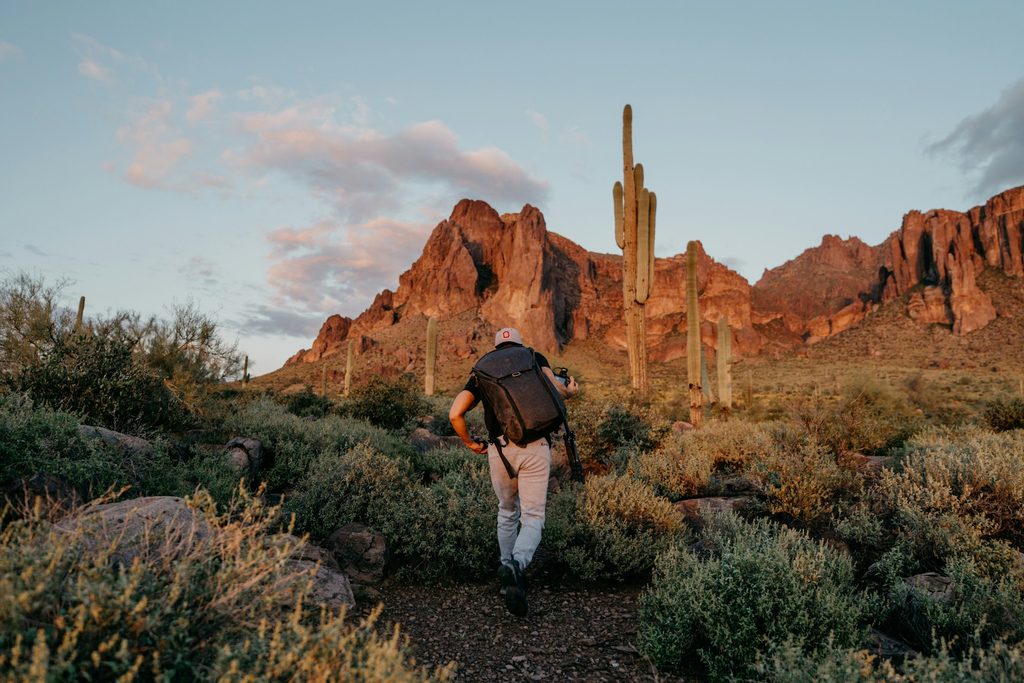
Yuma is recognized by Guinness World Records for having the highest annual percentage of possible sunshine, averaging about 91%. That sun brings intense summer heat, but winters are mild enough to draw large numbers of seasonal visitors in RVs and manufactured homes.
Housing remains relatively affordable compared with Phoenix and Tucson. Arizona’s flat state income tax rate is 2.5% for 2025, and Social Security benefits are exempt from Arizona income tax, adding to the appeal.
The Yuma Territorial Prison State Historic Park and the Colorado River waterfront offer history and recreation within a short drive.
Lake Havasu City, Arizona
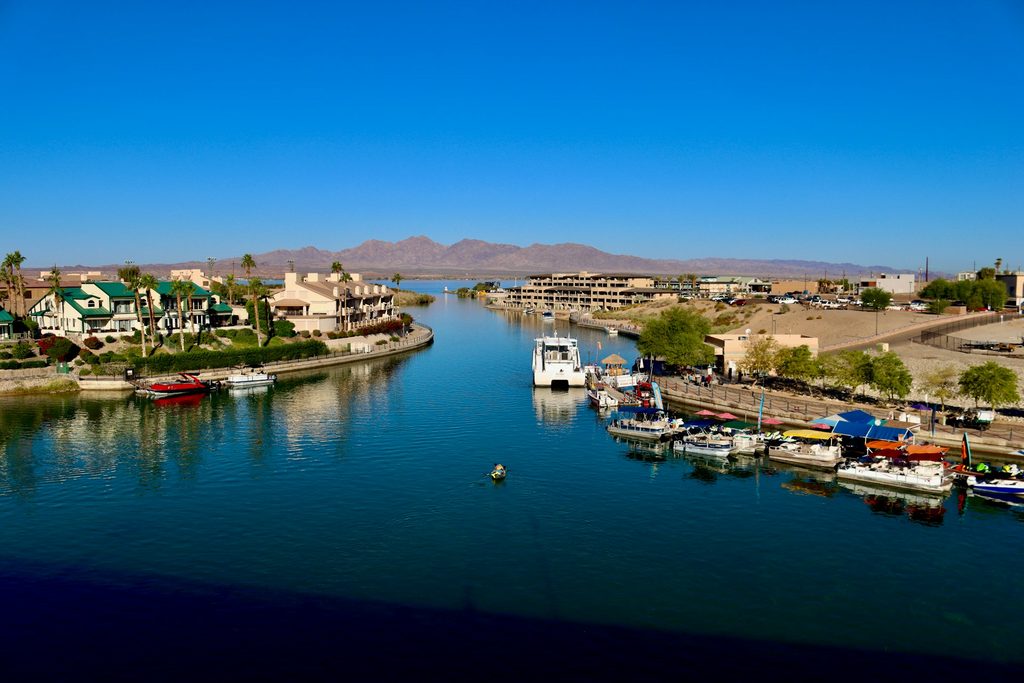
Lake Havasu City is home to the London Bridge, bought in 1968 by founder Robert McCulloch and reassembled over a channel in the Arizona desert by 1971. The lake draws boaters and anglers year-round, and the town hosts a large population of retirees and winter visitors.
Home prices have climbed over the past decade but remain below many California lake towns. Summers are extremely hot, often topping 110 degrees Fahrenheit.
A regional medical center serves the town, though complex cases may require travel to Las Vegas or Phoenix.
Kingman, Arizona

Kingman sits along one of the longest remaining stretches of historic Route 66, and its Powerhouse Visitor Center houses a museum devoted to the road. At about 3,300 feet, it stays slightly cooler than the low deserts.
The Hualapai Mountains, just southeast, offer pine forests and cabins for summer escapes. Real estate prices have been moderate compared with Phoenix and Las Vegas, both within a few hours’ drive.
Kingman Regional Medical Center serves much of northwestern Arizona. Retirees appreciate the access to small-town amenities and road trips through the Mojave Desert.
Bullhead City, Arizona
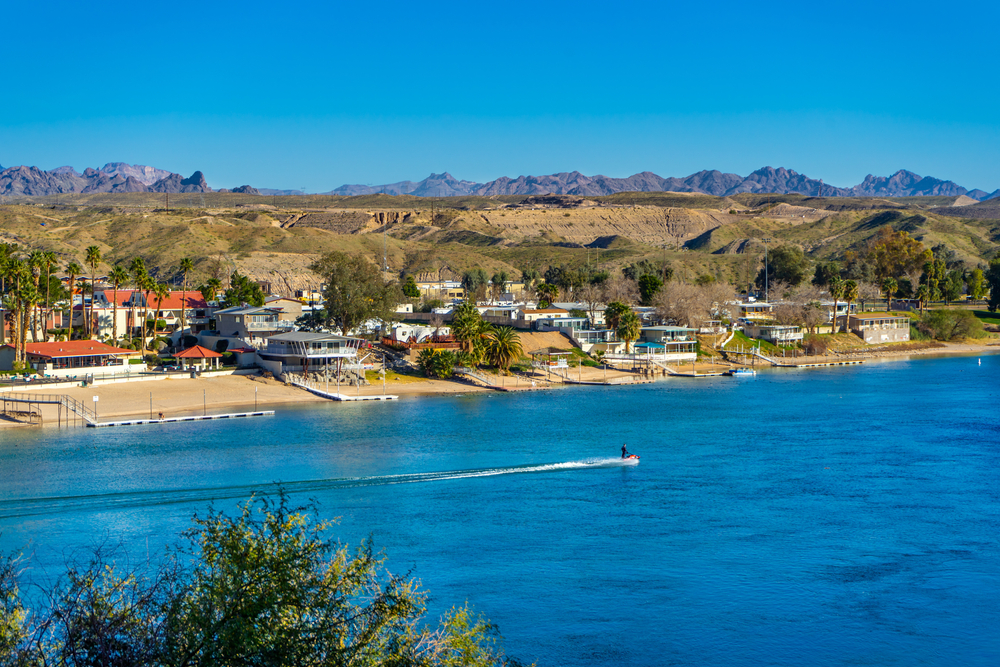
Bullhead City sits on the Colorado River directly across from the casinos of Laughlin, Nevada. Davis Dam, just upstream, forms Lake Mohave, a popular spot for boating and fishing.
Prices for homes have generally been lower than in Lake Havasu City and well below Las Vegas. Summers are intensely hot, but winters are mild enough to draw many seasonal residents.
Riverside parks and walking paths line the river, and casino buffets and shows across the bridge offer cheap entertainment. Health care is available locally, with more specialists in Las Vegas about 90 miles north.
Sierra Vista, Arizona
Sierra Vista sits at about 4,600 feet in southeastern Arizona, high enough for warm but not scorching summers. The town calls itself the Hummingbird Capital of the United States, with more than a dozen species spotted in nearby Ramsey Canyon and the Huachuca Mountains.
Fort Huachuca, a major Army installation, supports local services and draws military retirees. Housing costs are generally lower than in Tucson, about 75 miles northwest.
The San Pedro Riparian National Conservation Area offers trails and birding along one of the last free-flowing rivers in the Southwest.
Green Valley, Arizona
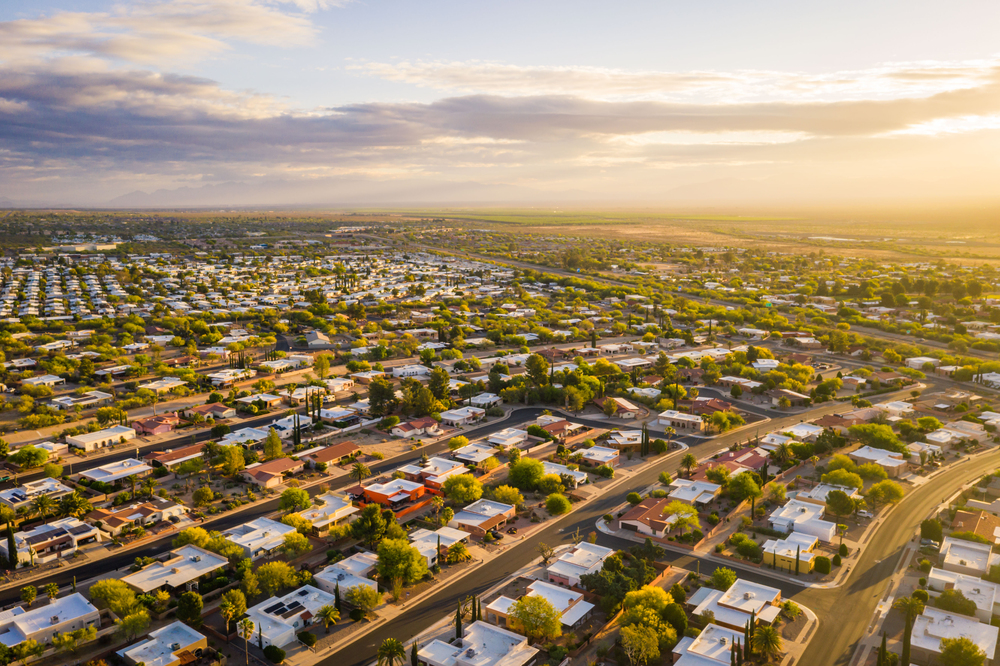
Green Valley was planned in 1964 as a retirement community, and much of the area remains age-restricted or geared toward older residents. Located about 25 miles south of Tucson, it offers golf courses, recreation centers and a strong community of retirees.
Home prices have generally been moderate compared with Scottsdale or Sedona. Madera Canyon in the Santa Rita Mountains offers some of the best birding in Arizona.
The Titan Missile Museum, a preserved Cold War missile site, sits just north in Sahuarita. Easy access to Tucson’s hospitals and airport adds to the appeal for retirees.
Ajo, Arizona
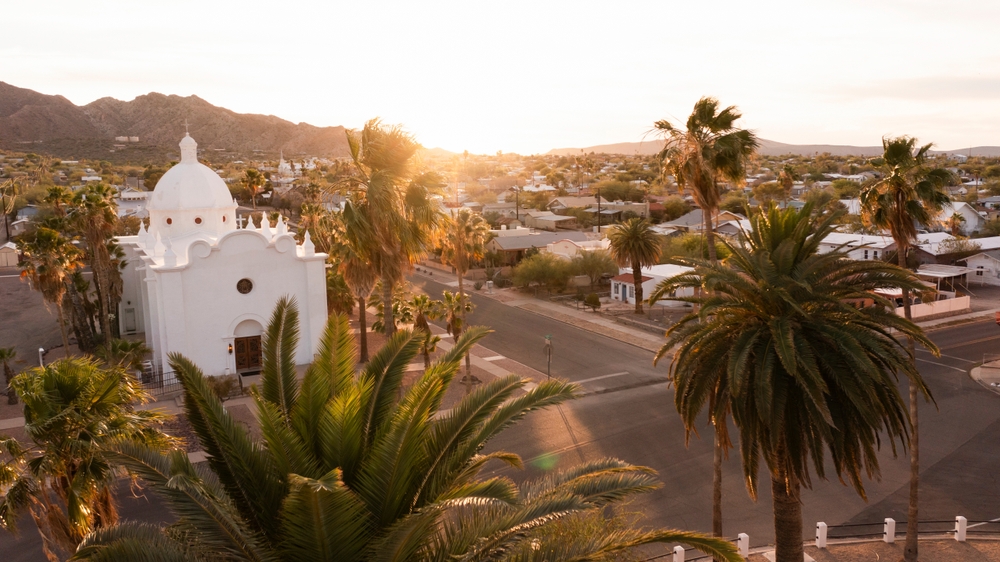
Ajo is a former copper mining town that lost its main employer when the New Cornelia Mine closed in the 1980s. Today its Spanish Colonial Revival plaza, built in the 1910s, anchors a quiet town of a few thousand people.
Real estate prices are among the lowest in Arizona, and the town has drawn artists and retirees looking for a peaceful setting. Organ Pipe Cactus National Monument lies just to the south.
The town is remote, more than two hours from Tucson and Phoenix, so health care and shopping require planning and longer drives.
Bisbee, Arizona
— Photo by neilld
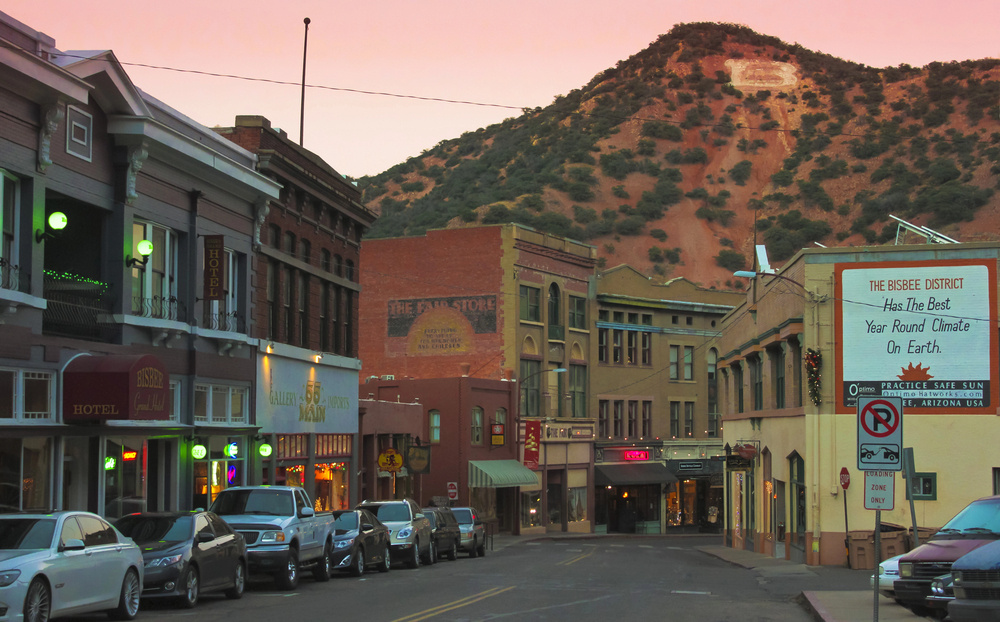
Bisbee clings to the steep slopes of the Mule Mountains at about 5,500 feet, a former copper boom town turned arts colony. The Queen Mine Tour takes visitors underground in an old mine car, led by former miners.
Houses stack up hillsides connected by long concrete staircases, celebrated each fall in the Bisbee 1000 stair climb. Prices for homes remain moderate, though older homes can need significant updates.
The town has a small hospital, with larger facilities in Sierra Vista and Tucson. Mild summers and a quirky arts scene draw retirees looking for character.
Safford, Arizona
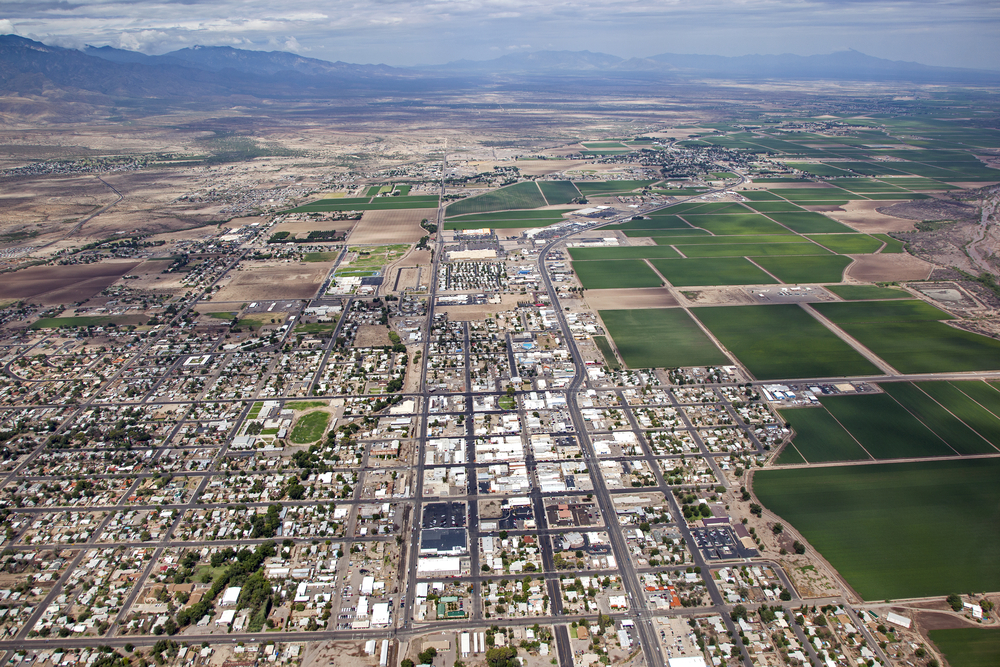
Safford sits in the Gila Valley beneath Mount Graham, which rises to more than 10,700 feet and hosts the Mount Graham International Observatory. The valley’s farms grow cotton and other crops, giving the town an agricultural character.
Housing costs are generally low compared with Arizona’s larger cities. Roper Lake State Park offers a natural hot spring tub and fishing. Eastern Arizona College provides classes and cultural events.
Health care is available locally, though specialists may require trips to Tucson, about two and a half hours away.
Wickenburg, Arizona
— Photo by Hackman
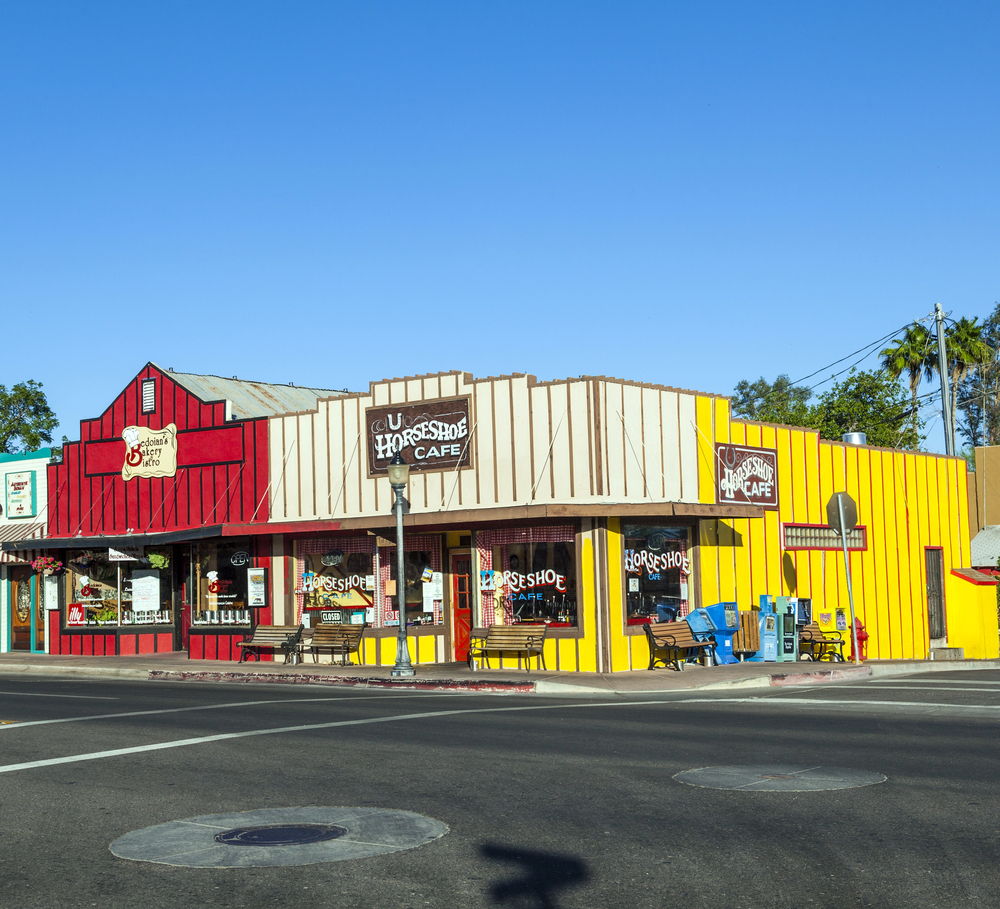
Wickenburg has long marketed itself as a dude ranch capital, with guest ranches dating back to the 1920s. The Hassayampa River Preserve offers a rare desert riparian habitat with trails and birding.
The historic Vulture Mine, once Arizona’s richest gold mine, offers tours just outside town. Home prices have risen but remain below many Phoenix suburbs.
The town sits about an hour northwest of Phoenix, close enough for big-city medical care and shopping. Its small-town feel, Western heritage and mild winters attract retirees looking for something quieter than the metro area.
Apache Junction, Arizona
— Photo by CheriAlguire
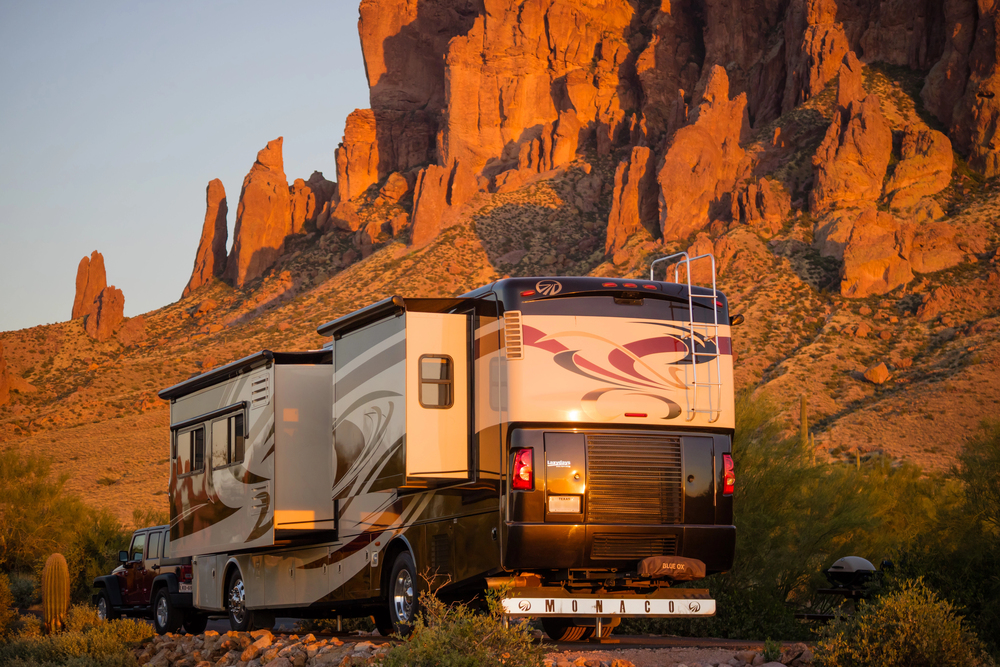
Apache Junction sits at the foot of the Superstition Mountains, home to the legend of the Lost Dutchman’s gold mine. Lost Dutchman State Park offers hiking trails and camping with views of the rugged peaks.
The town has many manufactured home communities and RV resorts, making it one of the more affordable options in the Phoenix area. Winter visitors swell the population each year.
Real estate prices are generally lower than in nearby Mesa and Scottsdale. Access to Phoenix hospitals and Sky Harbor Airport makes it practical for retirees who want desert scenery with city services nearby.
Pahrump, Nevada
— Photo by Hackman
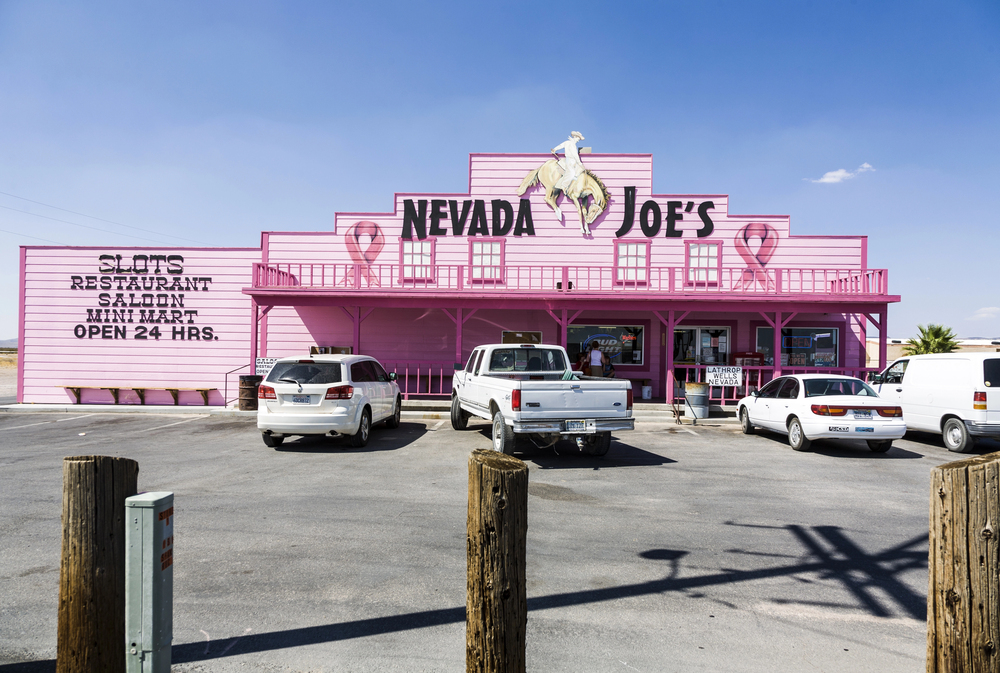
Pahrump sits about an hour west of Las Vegas, close enough for big-city shopping and medical care but far enough for lower prices for homes. Nevada has no state income tax, which makes Pahrump attractive to retirees with pensions or investment income.
The town has grown rapidly in recent decades, drawing retirees from California and other states. Pahrump Valley Winery offers a surprising local wine scene.
Death Valley National Park lies just to the west. Summers are hot, but the town’s elevation of about 2,700 feet keeps it slightly cooler than Las Vegas.
Boulder City, Nevada
— Photo by sainaniritu
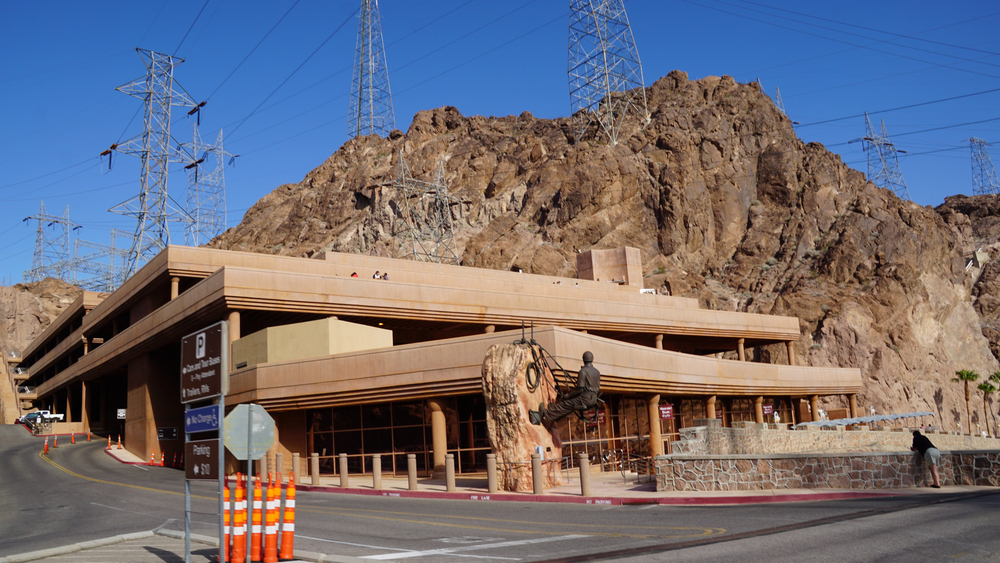
Boulder City was built in 1931 to house the workers building the great dam in Black Canyon, and it remains one of the few Nevada communities where casino gambling is prohibited. The town’s historic district features shops and restaurants.
Lake Mead National Recreation Area lies next door. Strict growth controls limit new construction, which keeps the small-town feel but can push housing prices higher than in other parts of the Las Vegas region.
Nevada’s lack of a state income tax adds appeal. Las Vegas hospitals and Harry Reid International Airport are about 30 minutes away.
Mesquite, Nevada
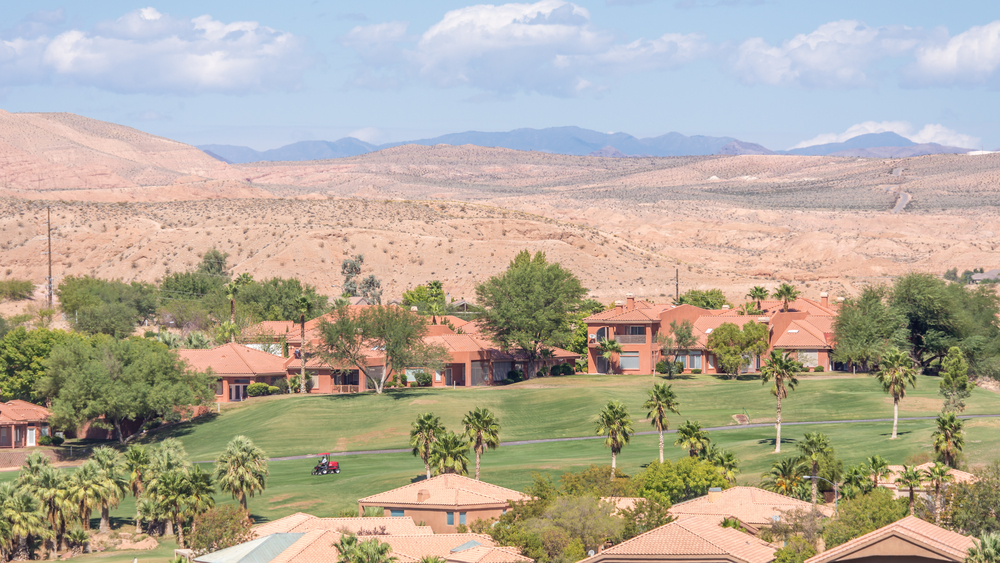
Mesquite sits along the Virgin River near the Utah border, about 80 miles northeast of Las Vegas. Golf courses and casinos draw both visitors and retirees, and the town has become a popular destination for active adult communities.
Nevada’s lack of a state income tax and relatively affordable housing compared with nearby St. George, Utah, add to the appeal. Summers are very hot, but winters are mild. The town has a local hospital, with more specialized care available in St. George, about 40 minutes away.
Zion National Park is within a reasonable day trip.
Kanab, Utah
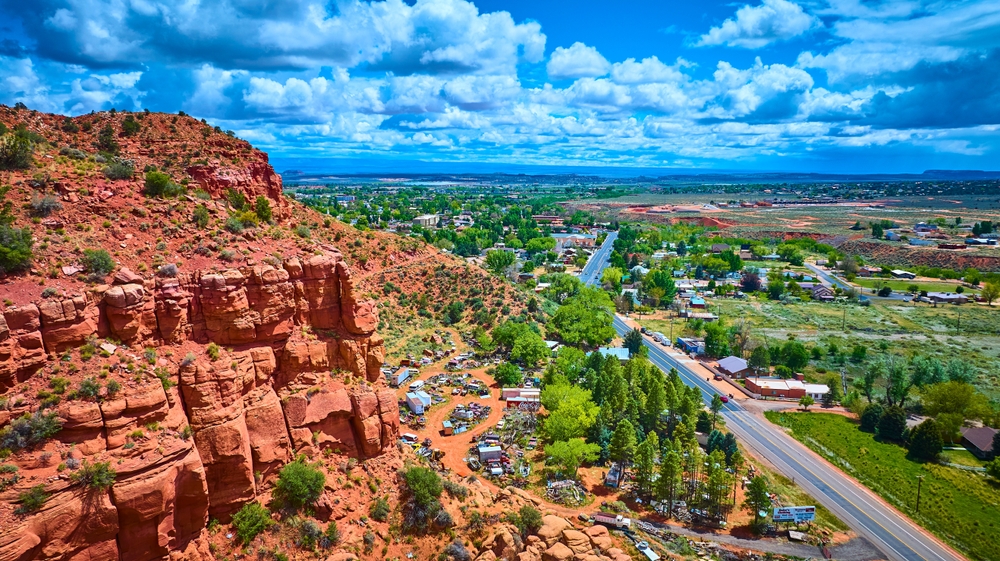
Kanab earned the nickname Little Hollywood after dozens of Western films and TV shows were shot in its red rock landscapes. It sits within driving distance of Zion, Bryce Canyon and the North Rim of the Grand Canyon.
Best Friends Animal Sanctuary, among the largest no-kill animal sanctuaries in the country, is just outside town and welcomes volunteers. Housing costs have risen with tourism but remain lower than in many Utah resort towns.
At about 4,900 feet, Kanab enjoys four seasons with mild summers by desert standards. Health care is limited, with larger hospitals in St. George.
Hurricane, Utah
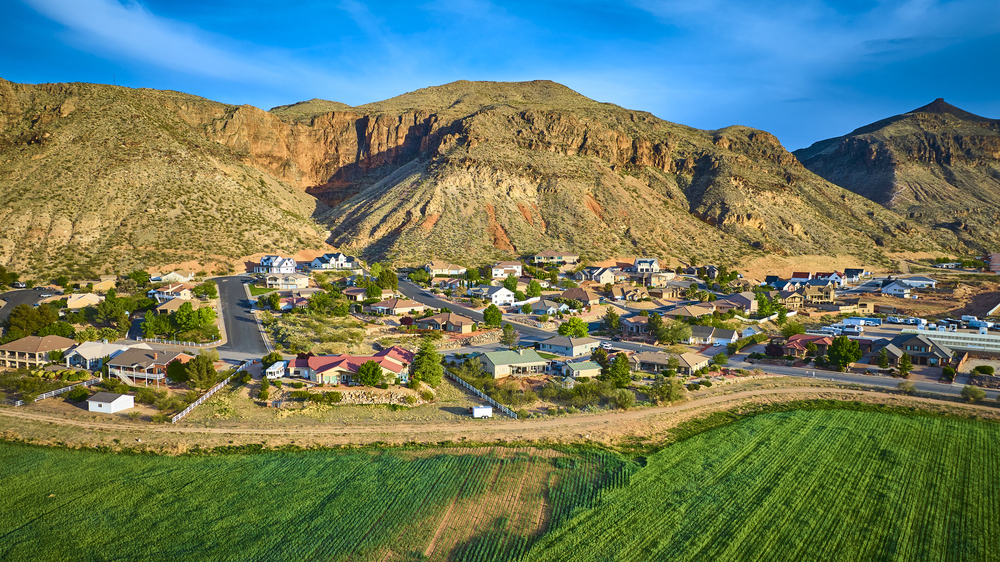
Hurricane sits about 20 miles from Zion National Park’s main entrance, making it popular with retirees who love hiking and red rock scenery. Sand Hollow State Park offers a reservoir for boating and dunes for off-road riding.
Home prices have climbed with the region’s rapid growth, but they generally remain below those in St. George. Mountain bikers come for the Gooseberry Mesa trails.
Summers are hot, and winters are mild. Health care is available in St. George, about 20 minutes away, which has a large regional medical center.
Twentynine Palms, California
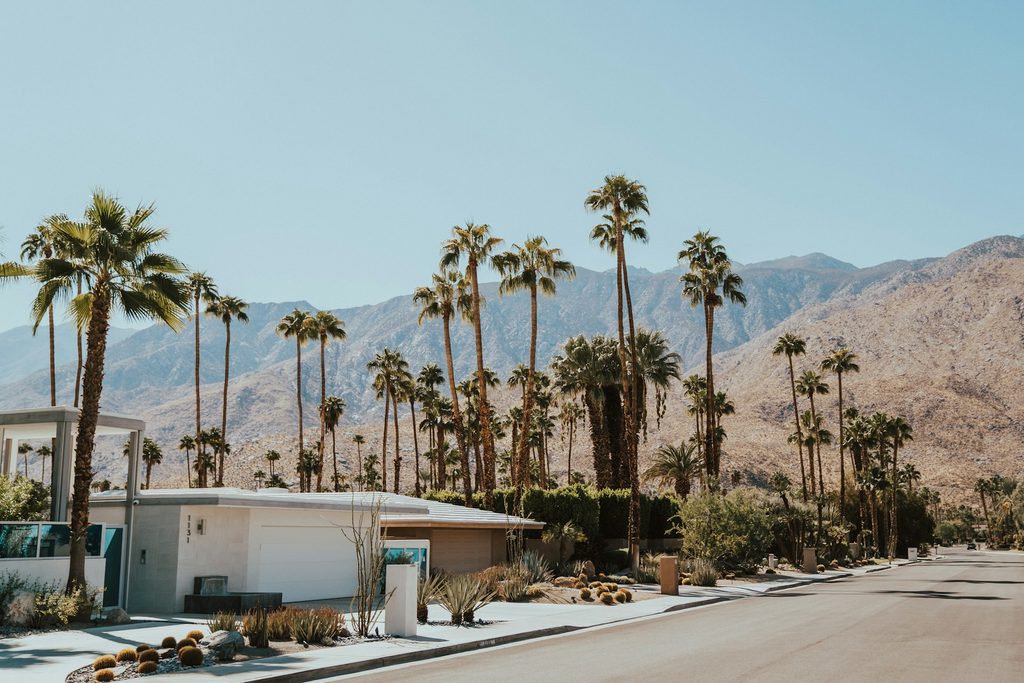
Twentynine Palms sits at the north entrance to Joshua Tree National Park, where twisted Joshua trees and boulder fields draw climbers and hikers. The Oasis of Mara, a natural palm grove, is part of the park’s visitor center area.
The Marine Corps Air Ground Combat Center nearby keeps the town busy and supports local services. Real estate prices are among the lowest in Southern California, though rising interest in the Joshua Tree area has increased prices.
Summers are hot, but the dry air and dark skies make it popular with stargazers. Palm Springs hospitals are about an hour away.
Yucca Valley, California
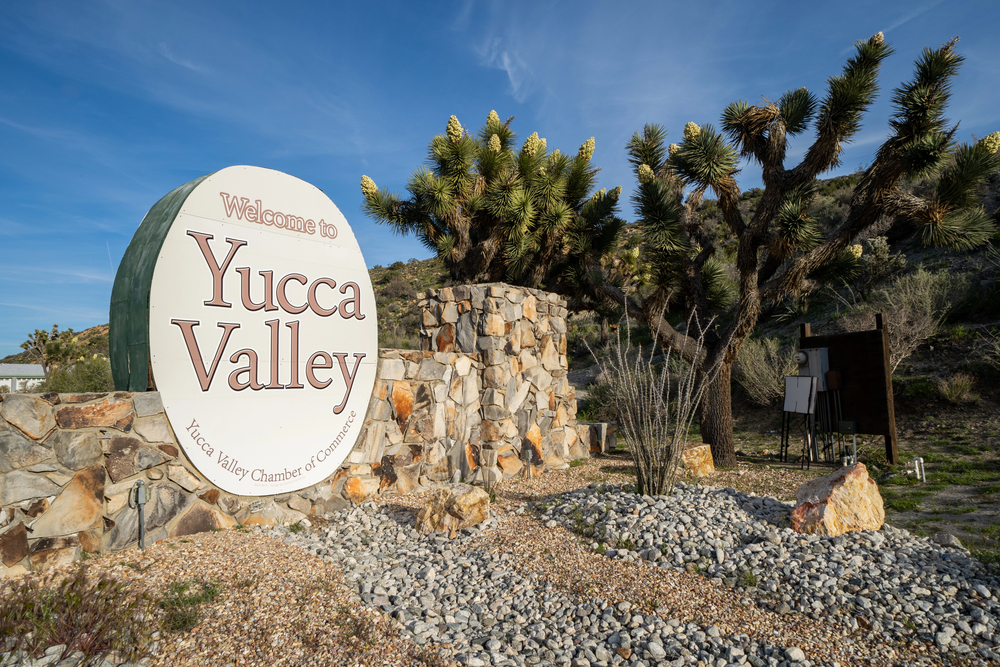
— Photo by mkopka
Yucca Valley sits at about 3,300 feet in the high desert, making it cooler than the Coachella Valley below. Pioneertown, built in 1946 as a Western movie set, lies just northwest and still hosts concerts at Pappy and Harriet’s.
Prices for homes rose sharply as short-term rentals spread through the Joshua Tree area, but they remain below coastal California levels. Joshua Tree National Park’s west entrance is a short drive away.
The town has a local hospital nearby in Joshua Tree, with larger facilities in Palm Springs, about 45 minutes away.
Ridgecrest, California
— Photo by miroslav_1
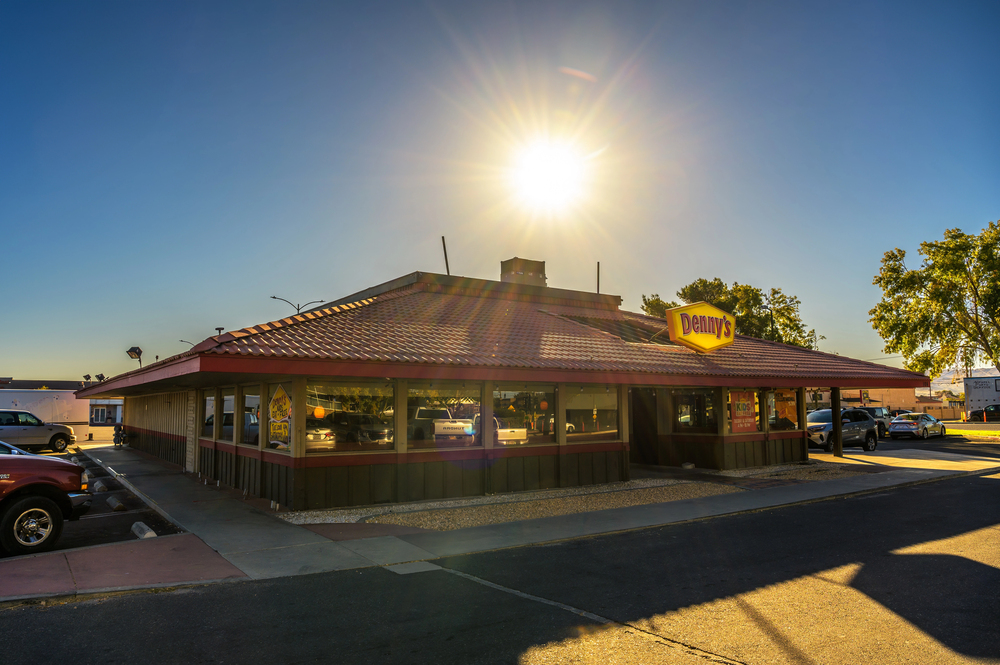
Ridgecrest sits in the Indian Wells Valley, home to Naval Air Weapons Station China Lake, which supports much of the local economy. Housing costs are among the most affordable in California, especially compared with coastal cities.
The Trona Pinnacles, unusual tufa spires rising from a dry lake bed, have appeared in many science fiction films. The town was shaken by a series of strong earthquakes in 2019.
The Sierra Nevada mountains are visible to the west. Health care is available locally, though complex cases may require travel to Bakersfield or Los Angeles.
El Centro, California
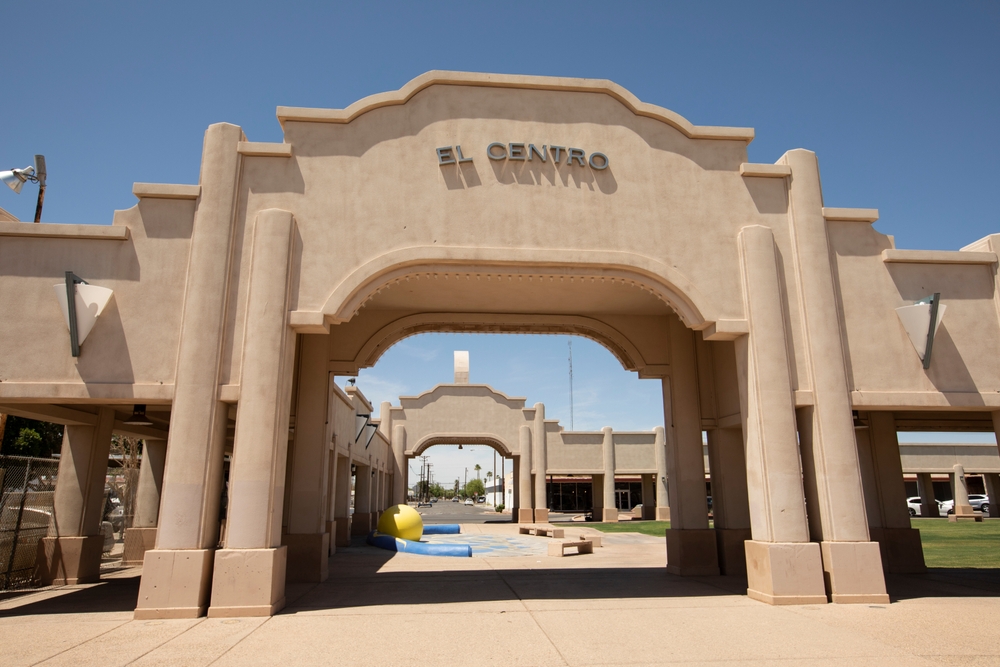
El Centro sits in the Imperial Valley, below sea level and surrounded by irrigated farmland. The valley grows much of the nation’s winter vegetables, giving the area an agricultural character.
Home prices are among the lowest in Southern California. Summers are extremely hot, often topping 110 degrees.
The Mexican border city of Mexicali lies just south, offering dining, shopping, and some lower-cost medical and dental services for retirees who choose to use them. San Diego is about two hours west.
Winter weather is mild, making El Centro popular with seasonal residents.
Borrego Springs, California
— Photo by mkopka
Borrego Springs is surrounded by Anza-Borrego Desert State Park, California’s largest state park. In 2009, it became an International Dark Sky Community, protecting its night skies for stargazers.
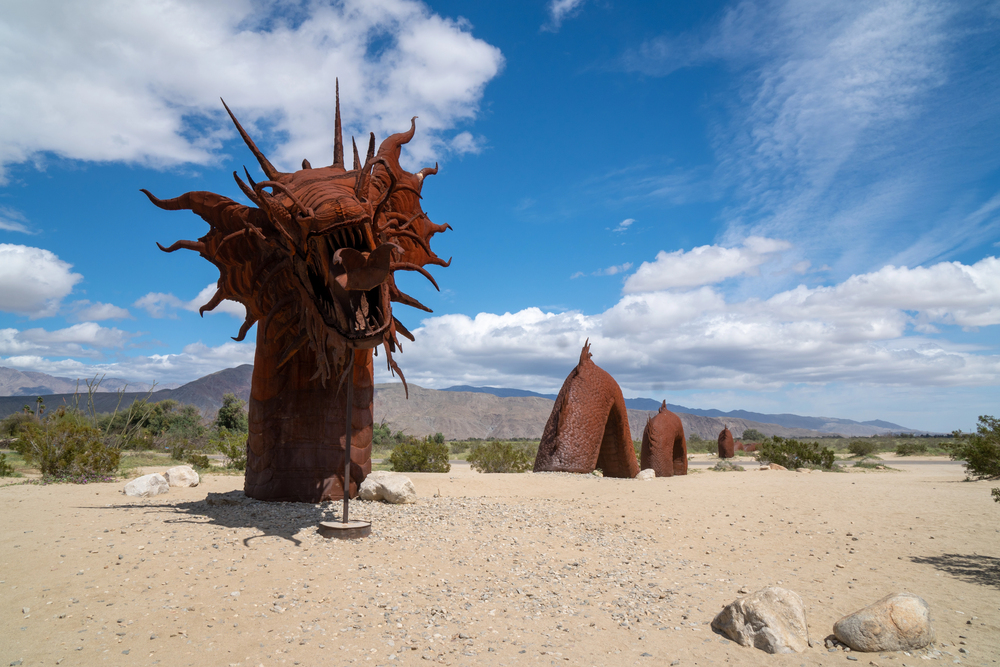
More than 100 metal sculptures of prehistoric creatures and dragons, created by artist Ricardo Breceda, dot the desert around town. Real estate prices are relatively affordable for California.
Spring wildflower blooms draw crowds in good rain years. The town is small and remote, with limited services, so retirees often travel to San Diego or Palm Springs for health care.
Alpine, Texas
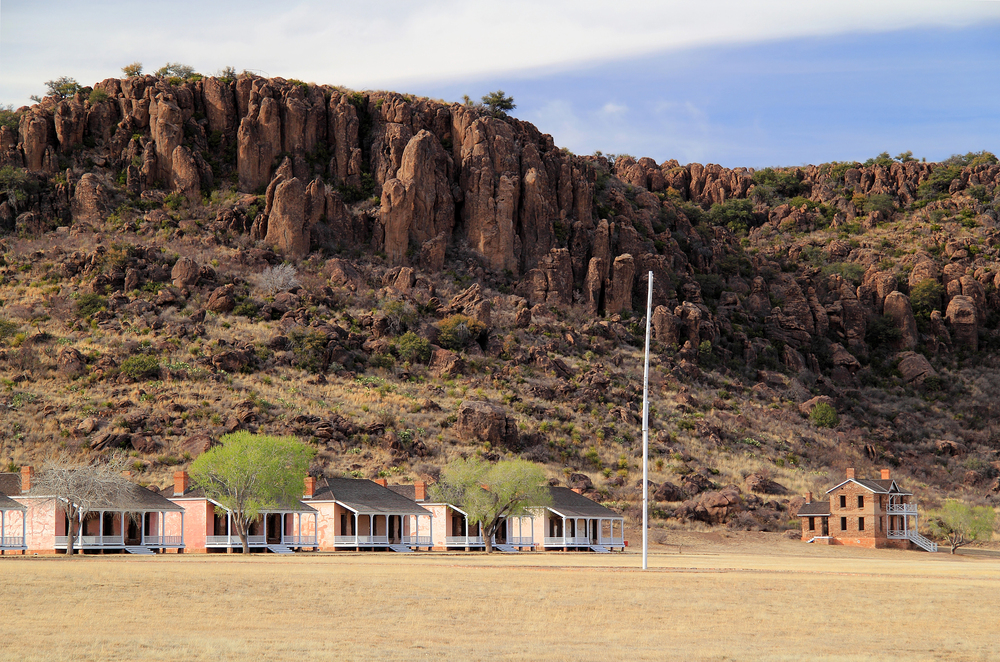
Alpine sits at about 4,500 feet in the Big Bend region of West Texas, giving it cooler temperatures than much of the state. Sul Ross State University brings students, events and a small-town college atmosphere.
Texas has no state income tax, which appeals to many retirees. Prices for homes have risen with interest in nearby Marfa but remain lower than many tourist towns.
Big Bend National Park lies about 100 miles south, and the McDonald Observatory near Fort Davis offers star parties. The town has a small hospital, with larger facilities in Odessa and Midland.
Fort Stockton, Texas
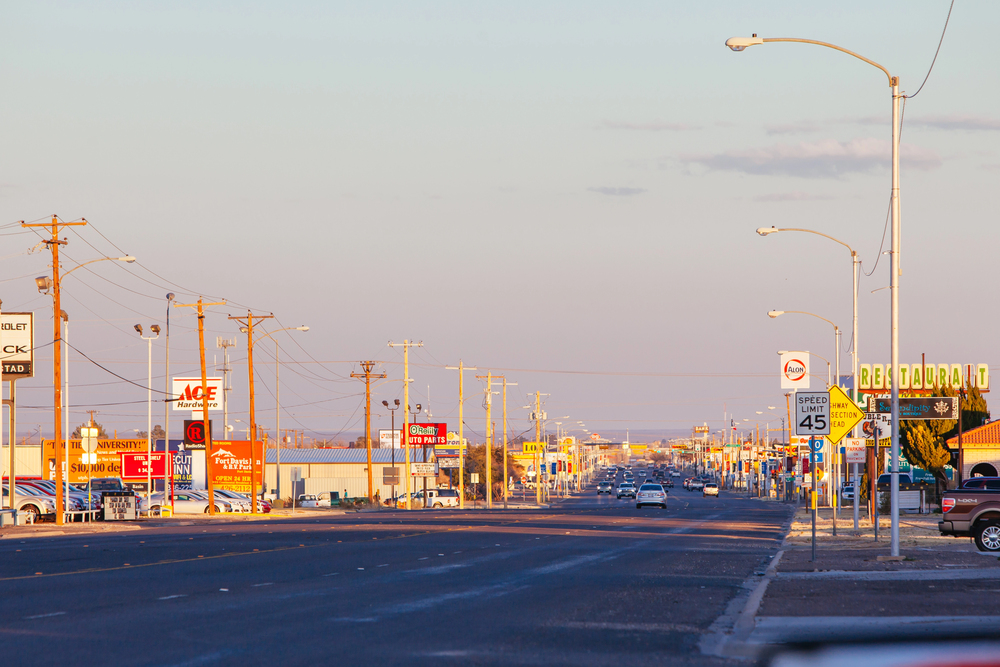
— Photo by filedimage
Fort Stockton is a small West Texas town known for Paisano Pete, a giant roadrunner statue that has greeted travelers since 1980. Historic Fort Stockton, a restored 19th-century Army post, offers a glimpse into frontier history.
Housing costs are among the lowest in the state, though the oil industry can cause fluctuations. Texas has no state income tax.
Comanche Springs, once a major water source, flows again intermittently in town. The town is remote, so retirees should plan for longer drives to major medical centers in Odessa or Midland.
Sunlight, Heat and the Price of Space
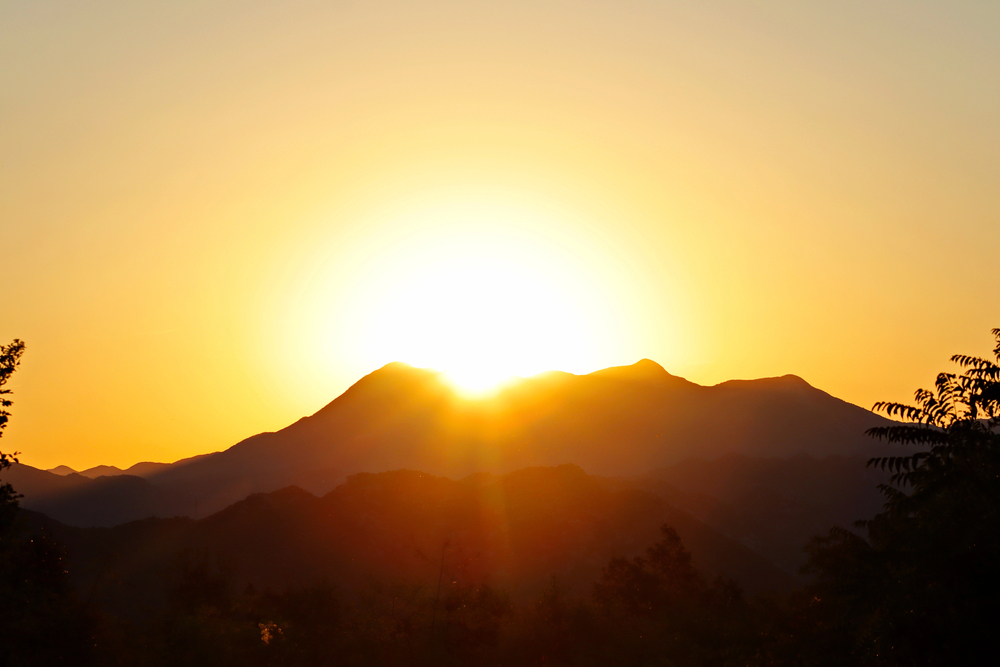
Sunlight is the obvious draw, but the deeper appeal of these towns is room. Lower land costs, quiet streets and wide horizons give retirees a kind of space that bigger cities have priced out.
That space often comes with long distances between neighbors, stores and services, which suits some temperaments far better than others. Every town on this list rewards a visit in July as well as January.
Water supply, wildfire risk and distance to a hospital matter more over a twenty-year retirement than a winter sunset does. For retirees who plan carefully, the desert can offer a life that is both affordable and expansive.
The best choice usually comes down to how much heat, isolation and character each person is willing to trade for that space.
More from Travel Pug

- Underrated Italian Towns That Beat the Tourist Crowds
- Las Vegas Tourist Traps to Skip
- Prettiest Towns in Every US State
- 18 passport-free countries for Americans
- Signs Your Cruise Is Not Worth The Cost
Like Travel Pug’s content? Follow us on MSN.