

Asia’s street food culture represents more than just cheap eats—it’s where culinary traditions meet daily life in the most authentic way possible. While tourists often gravitate toward restaurants with English menus and air conditioning, they miss out on the vibrant food scenes happening at markets and street corners where locals actually eat.
The combination of incredible flavors and rock-bottom prices makes Asian street food one of travel’s great pleasures. Here is a list of 13 affordable markets and street food experiences in Asia that deliver both cultural immersion and satisfying meals without straining your travel budget.
Shilin Night Market in Taipei
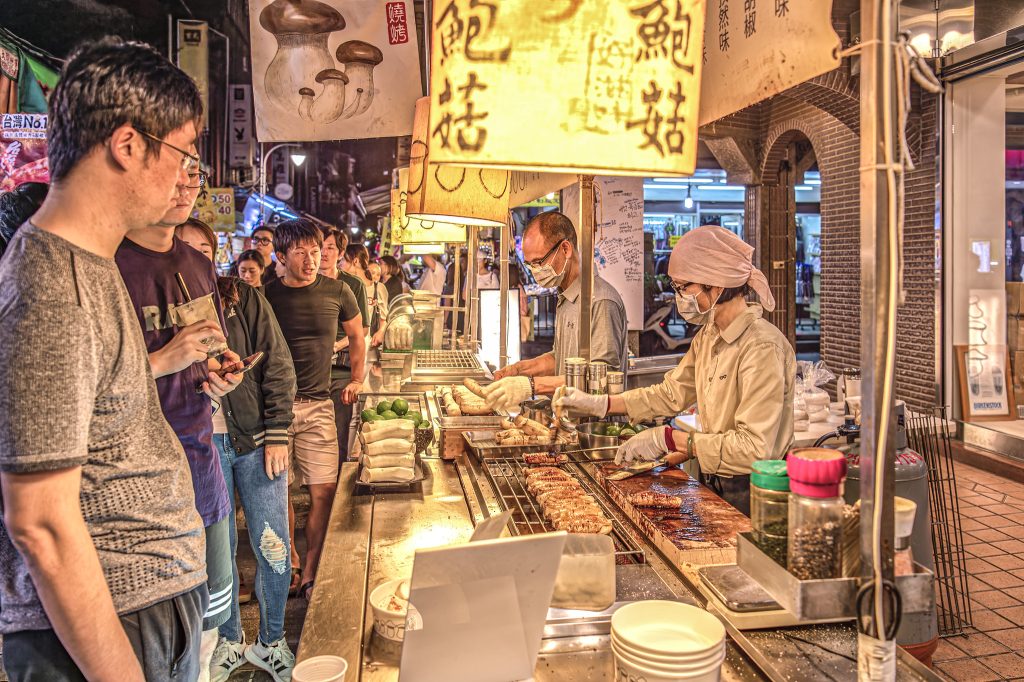
Taiwan’s night markets set the global standard for street food variety and quality, and Shilin delivers the full experience without the overwhelming crowds of some alternatives. Stinky tofu, oyster omelets, and bubble tea all originated or evolved in Taiwan’s night market culture.
The efficient setup—with most vendors accepting payment cards—makes navigation easy even when you can’t read Chinese characters.
Chatuchak Weekend Market in Bangkok
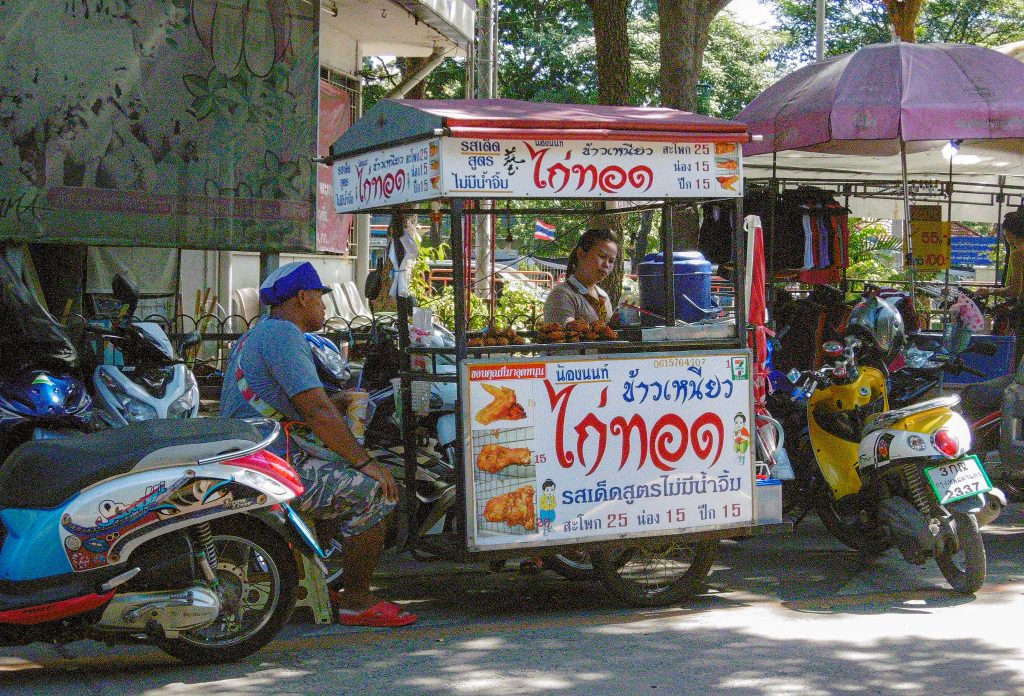
Bangkok’s Chatuchak sprawls across 27 acres with over 15,000 stalls, and while much of it focuses on clothing and handicrafts, the food sections deserve a full afternoon. You’ll find regional Thai dishes rarely seen in restaurants, from Isaan grilled meats to southern Thai curries that pack genuine heat.
Coconut ice cream served in coconut shells provides the perfect antidote to Bangkok’s humidity and spicy food.
Gwangjang Market in Seoul
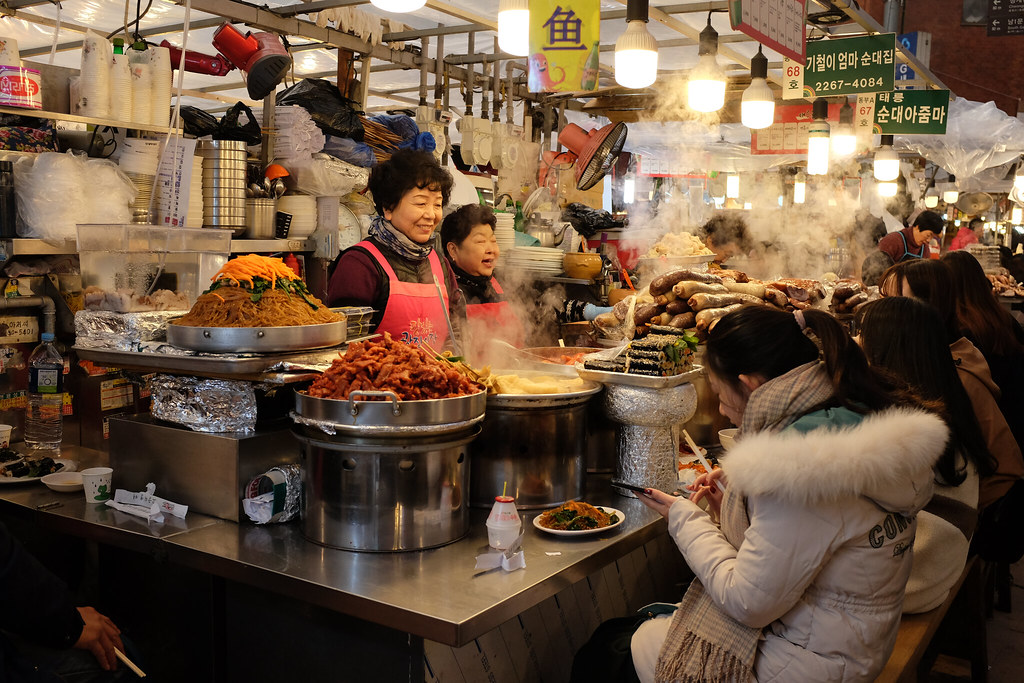
This century-old market in Seoul specializes in bindaetteok (mung bean pancakes) and mayak gimbap (addictive mini rice rolls), served at narrow counters where you’ll sit elbow-to-elbow with office workers on lunch breaks. The ajummas (older Korean women) running these stalls have perfected their recipes over decades, and watching them work with practiced efficiency becomes part of the entertainment.
Prices remain stubbornly low despite the market’s increasing popularity with tourists.
Ben Thanh Market in Ho Chi Minh City
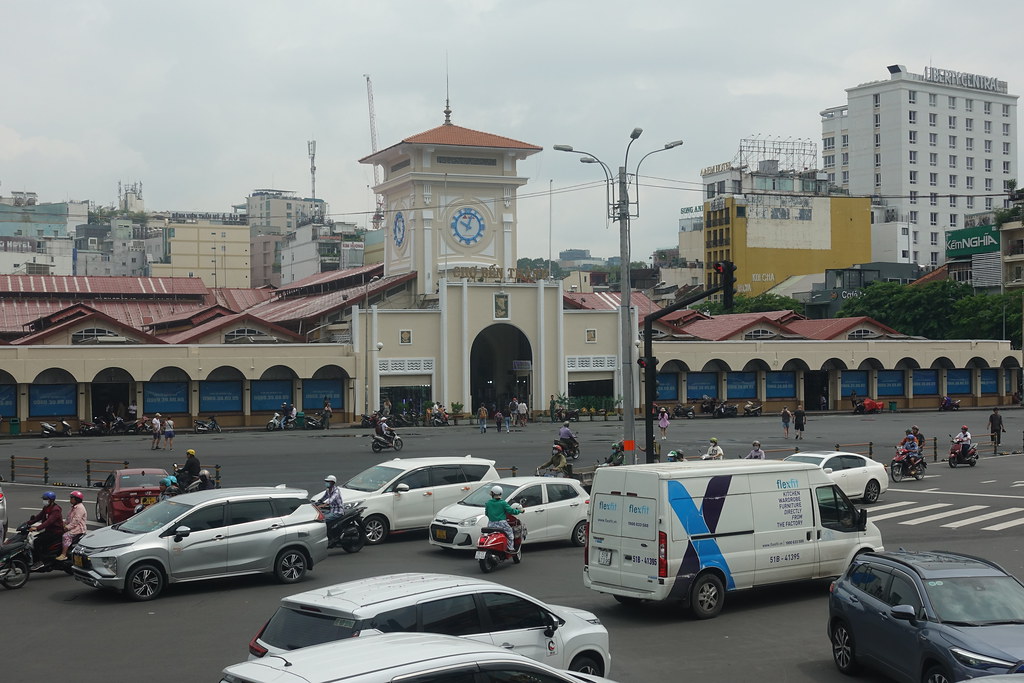
Ho Chi Minh City’s Ben Thanh Market transforms when the sun sets and the night market extends into surrounding streets. Bánh mì stalls serve Vietnam’s famous sandwiches for about a dollar, while pho vendors ladle steaming broth over fresh rice noodles.
The market’s central location makes it convenient, though venturing to District 4’s street food stalls rewards those willing to explore beyond the obvious tourist zones.
Gurney Drive Hawker Centre in Penang
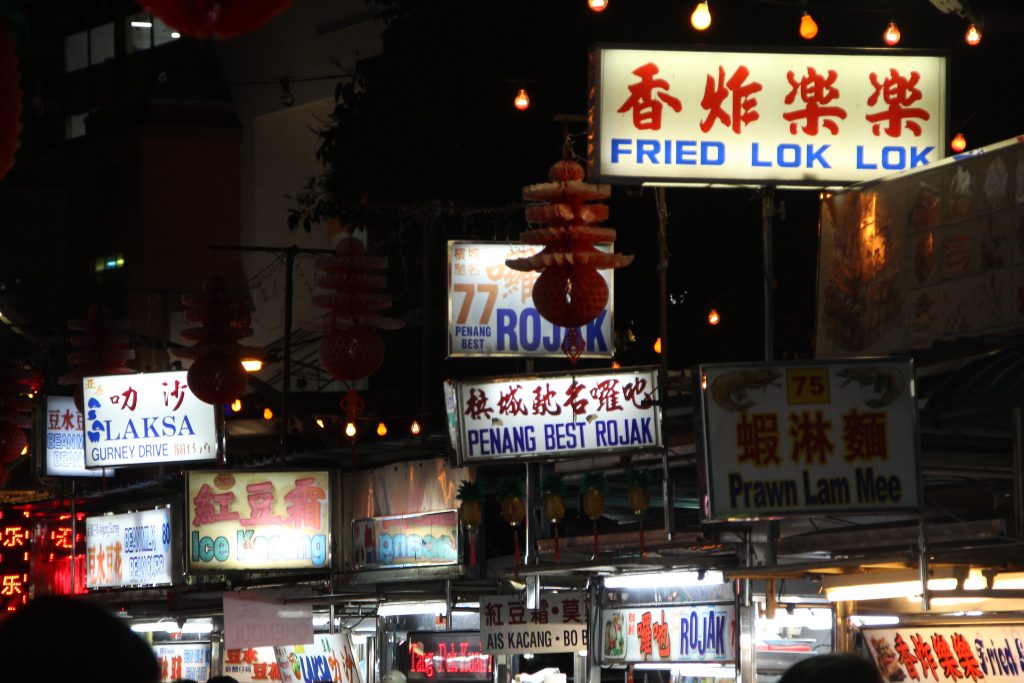
Penang earned recognition as one of Asia’s top food destinations, and Gurney Drive showcases why with dozens of hawker stalls facing the ocean. Char kway teow (stir-fried rice noodles) here sparked debates among Malaysians about which vendor serves the definitive version.
The seafront setting lets you enjoy ocean breezes while working through multiple dishes from different stalls—a luxury that fancy restaurants can’t replicate.
Tomohon Market in North Sulawesi
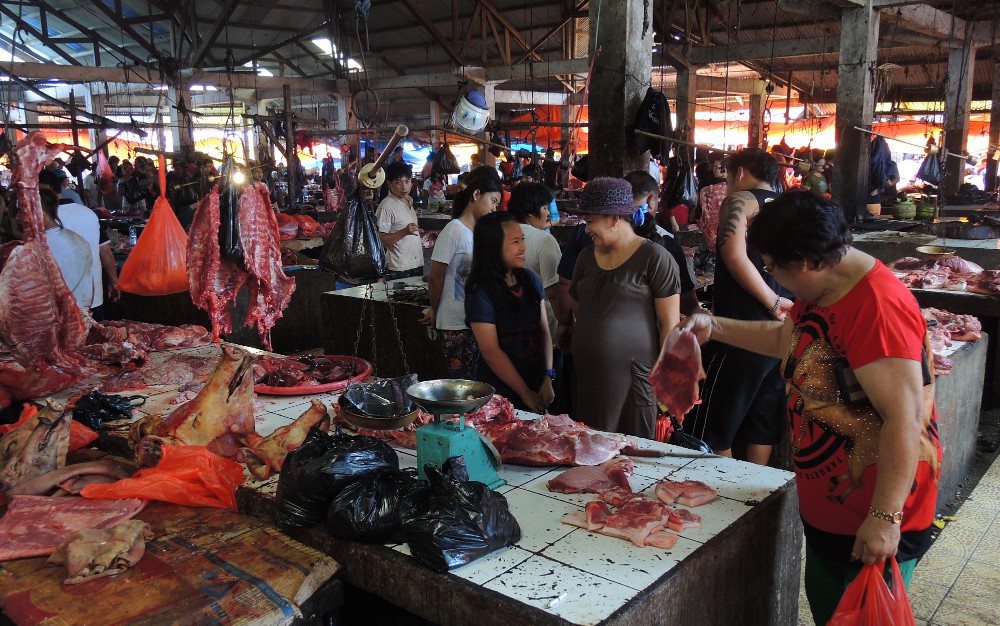
Indonesia’s Tomohon Market isn’t for the squeamish, as it sells exotic meats alongside conventional produce, but it offers an unfiltered look at Minahasan food culture. The surrounding warungs (small restaurants) prepare traditional dishes using ingredients sold meters away, creating an authentic farm-to-table experience.
Prices reflect local rather than tourist economics, making this one of Indonesia’s best value food destinations.
Khao San Road in Bangkok
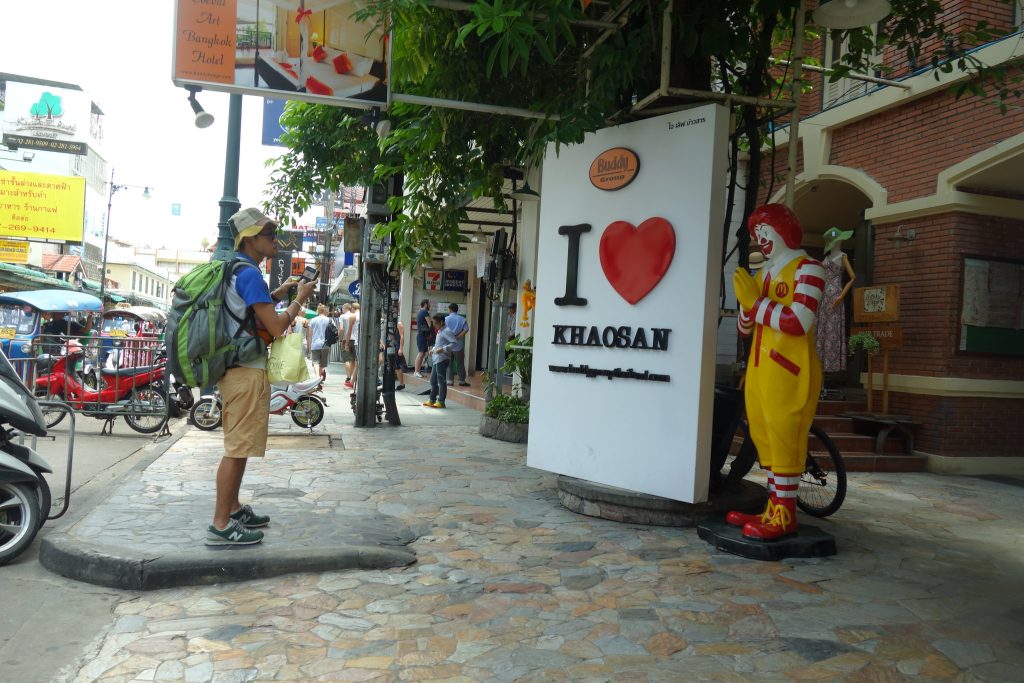
While Khao San Road carries a reputation as backpacker central, its street food remains legitimately good and cheap despite the area’s tourist orientation. Pad thai gets cooked in massive woks right on the sidewalk, and mango sticky rice vendors compete on both quality and presentation.
The people-watching rivals the food as an attraction, with the chaotic energy that defines Bangkok’s street life.
Kimberly Street in George Town, Penang
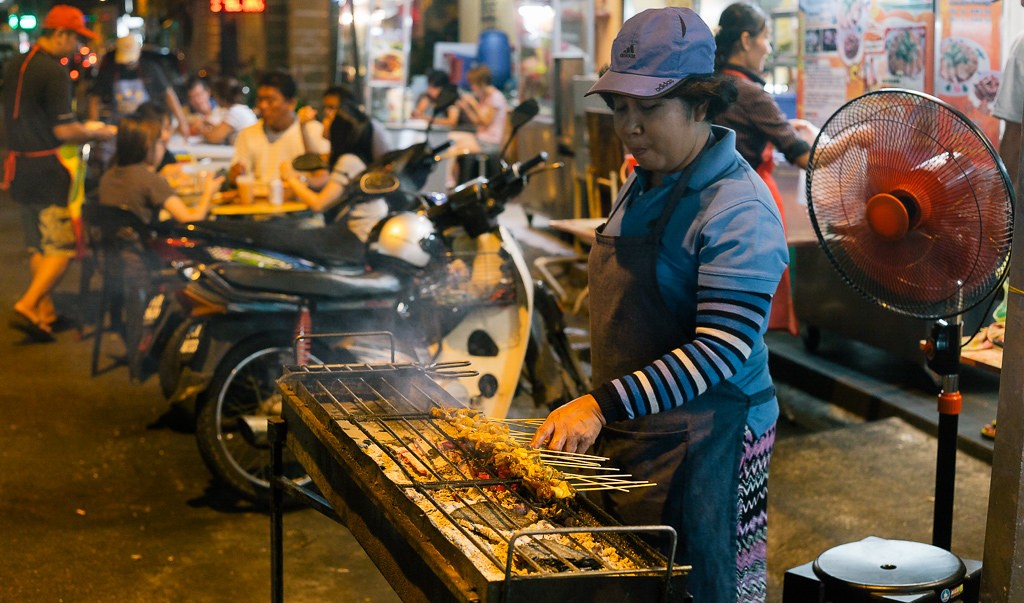
This small street in George Town punches above its weight with several legendary food stalls packed into one block. The duck kway chap (rice noodles with braised duck) and chee cheong fun (rice noodle rolls) have drawn crowds for generations.
Unlike some hawker centers that sprawl across large areas, Kimberly Street’s compact nature means you can sample multiple vendors without much walking.
Mongkok’s street food stalls in Hong Kong
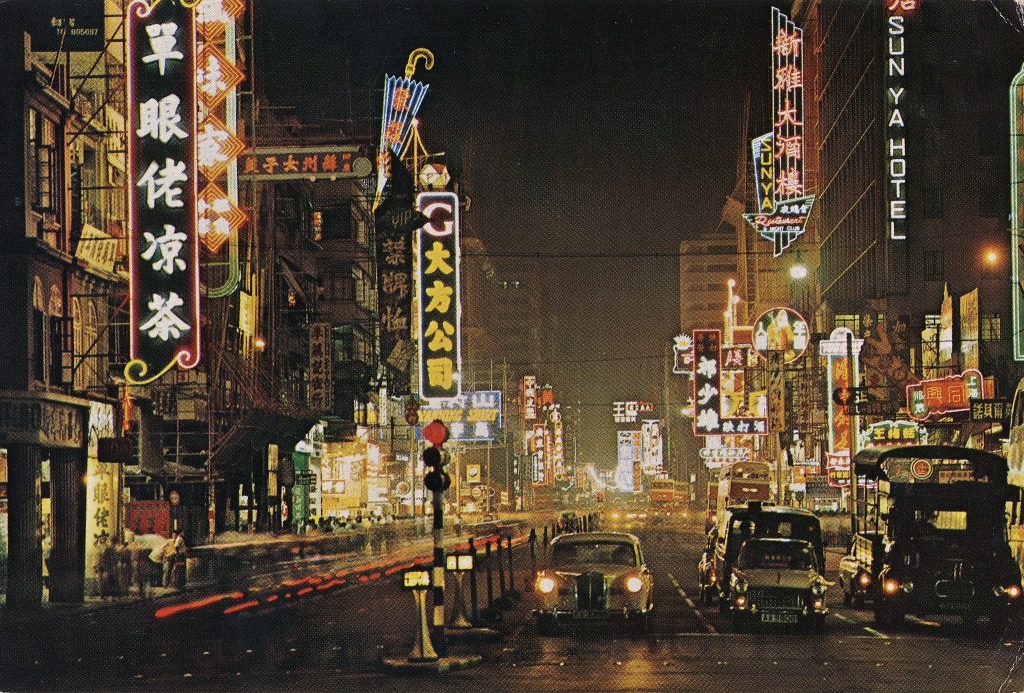
Hong Kong’s Mongkok district feels like organized chaos, and its street food reflects that intensity with vendors serving fish balls, egg waffles, and stinky tofu amid the urban rush. The efficiency required to serve hundreds of customers daily in limited space has refined these operations to near perfection.
Prices remain remarkably low considering Hong Kong’s cost of living, making street food one of the few bargains left in this expensive city.
Hoi An’s morning market in Vietnam

Hoi An’s market comes alive before dawn when vendors from surrounding villages arrive with produce, and it offers a quieter alternative to Vietnam’s more chaotic markets. Cao lau, a noodle dish specific to Hoi An made with water from local wells, gets served at simple stalls where recipes have passed through families.
The early morning timing means fewer tourists and more authentic interactions with vendors.
Jonker Street Night Market in Melaka
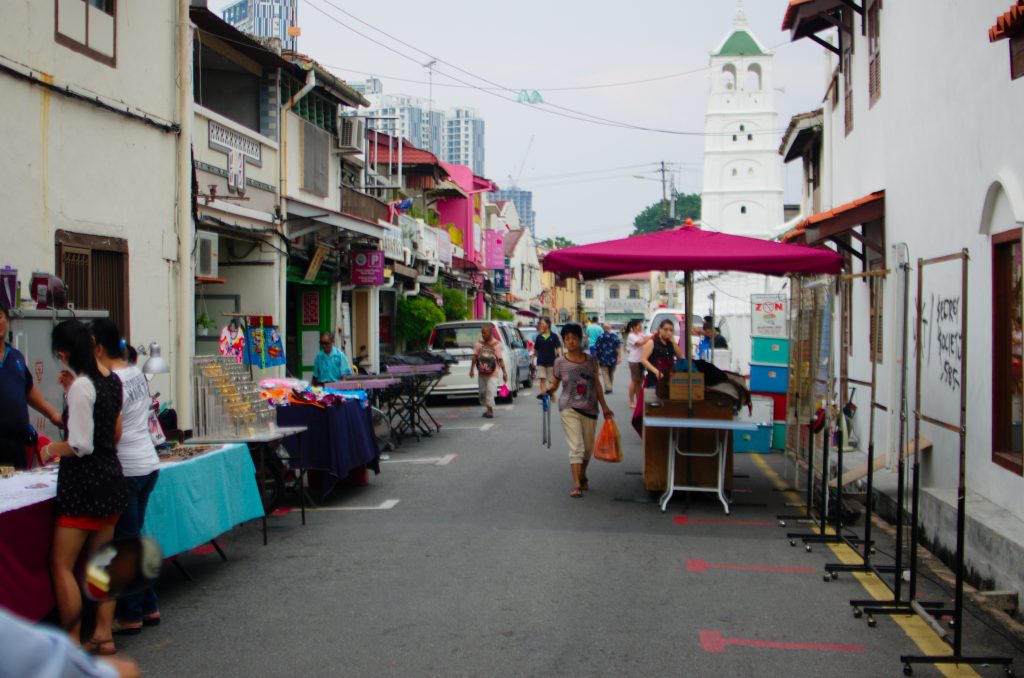
Malaysia’s Melaka closes Jonker Street to traffic every weekend, transforming it into a night market that showcases Peranakan (Straits Chinese) cuisine alongside standard Malaysian fare. Cendol, a dessert of shaved ice with palm sugar and coconut milk, provides relief from the tropical heat between savory courses.
The UNESCO World Heritage setting adds historical context to your culinary exploration.
Nishiki Market in Kyoto
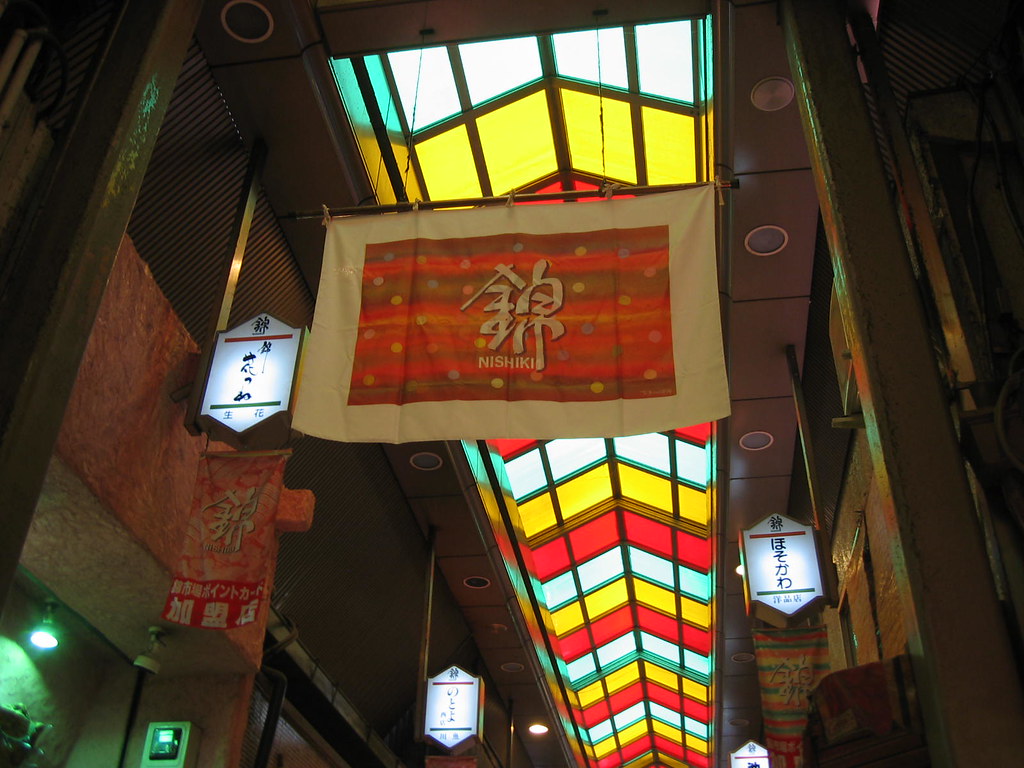
Japan’s street food culture differs from Southeast Asia’s—more refined, less chaotic—and Kyoto’s Nishiki Market exemplifies this approach. Vendors offer samples of pickles, grilled seafood, and mochi, letting you graze through the covered arcade.
While not as cheap as Southeast Asian markets, prices remain reasonable by Japanese standards, especially compared to Kyoto’s kaiseki restaurants.
Kaohsiung’s Liuhe Night Market in Taiwan
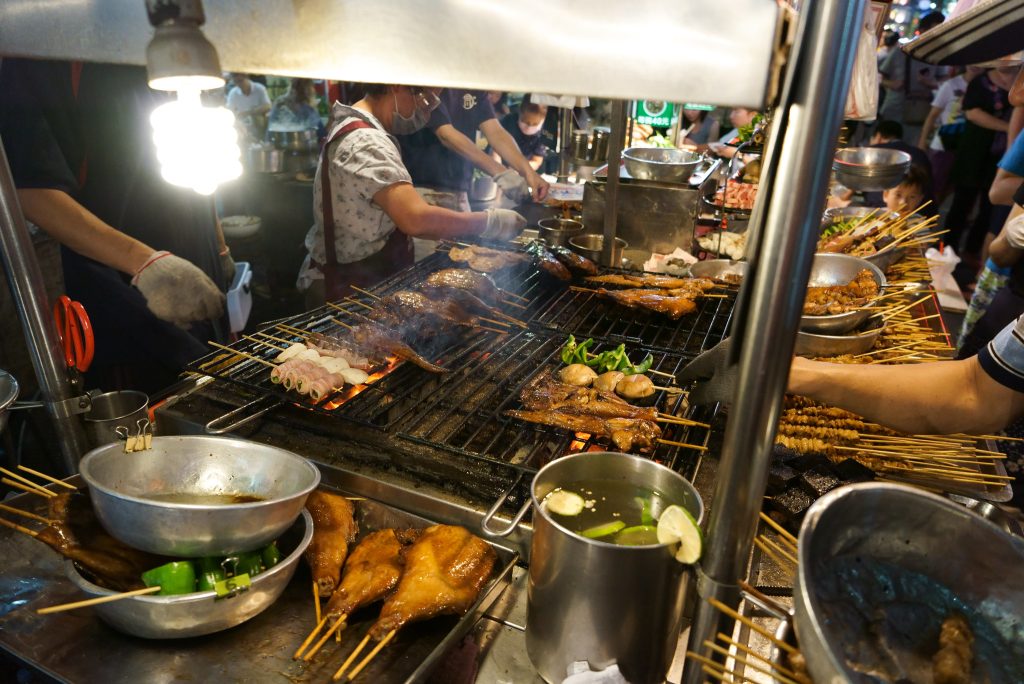
Southern Taiwan’s Kaohsiung offers a more laid-back alternative to Taipei, and Liuhe Night Market reflects that relaxed vibe while maintaining high food quality. Papaya milk, a Taiwanese invention that sounds weird but tastes refreshing, gets blended fresh at multiple stalls.
The market’s relatively compact size makes it manageable in a single evening without the exhaustion that larger night markets can induce.
Where authentic flavors meet real value
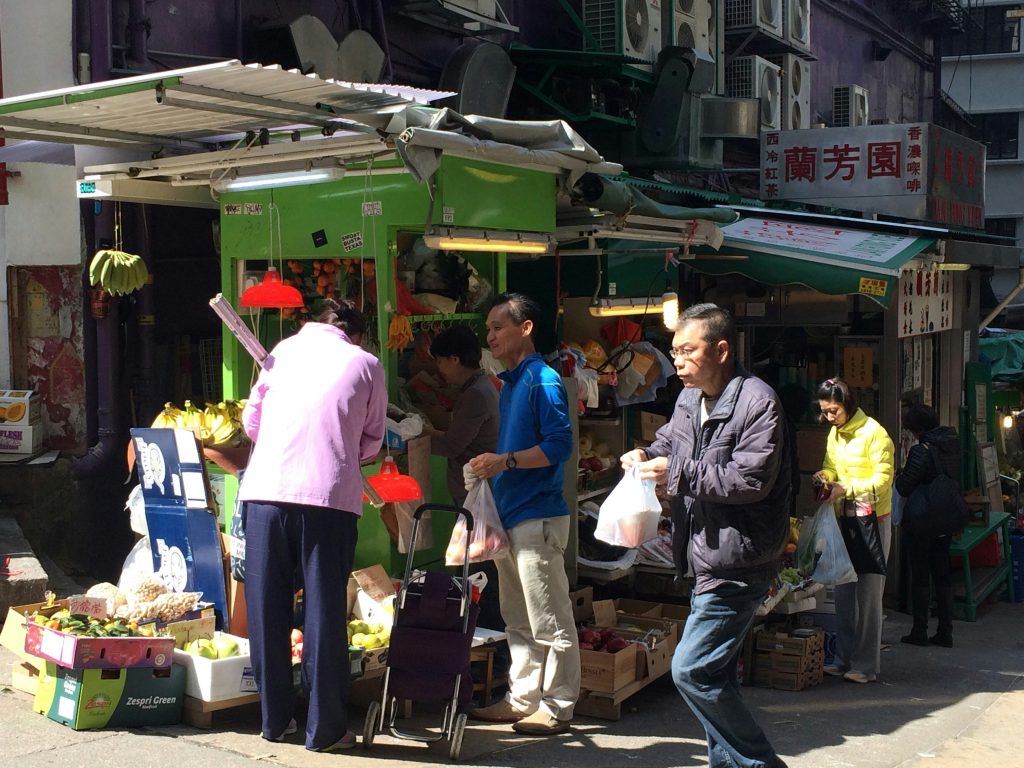
Asian markets and street foods offer access to culinary cultures that too frequently find themselves doctored for Western taste buds in restaurants. They function on local economic structures, not tourism-based ones, meaning your dollar goes further while your culinary adventures have more authenticity.
The most delicious meals can be eaten over plastic chairs at collapsible tables, proving ambiance isn’t everything.
More from Travel Pug

- Underrated Italian Towns That Beat the Tourist Crowds
- Las Vegas Tourist Traps to Skip
- Prettiest Towns in Every US State
- 18 passport-free countries for Americans
- Signs Your Cruise Is Not Worth The Cost
Like Travel Pug’s content? Follow us on MSN.