

The word “safari” conjures images of endless savannas and luxury lodges, but wildlife experiences come in many forms across different ecosystems and price points. From tracking mountain gorillas in misty forests to watching komodo dragons on remote islands, the planet offers opportunities to observe animals in their natural habitats that vary wildly in character and cost.
These experiences deliver more than just animal sightings—they connect you to conservation efforts and ecosystems in ways that zoos never could. Here is a list of 15 wildlife safaris worth experiencing that showcase the diversity of nature’s most compelling creatures across different continents and environments.
Gorilla trekking in Rwanda’s Volcanoes National Park
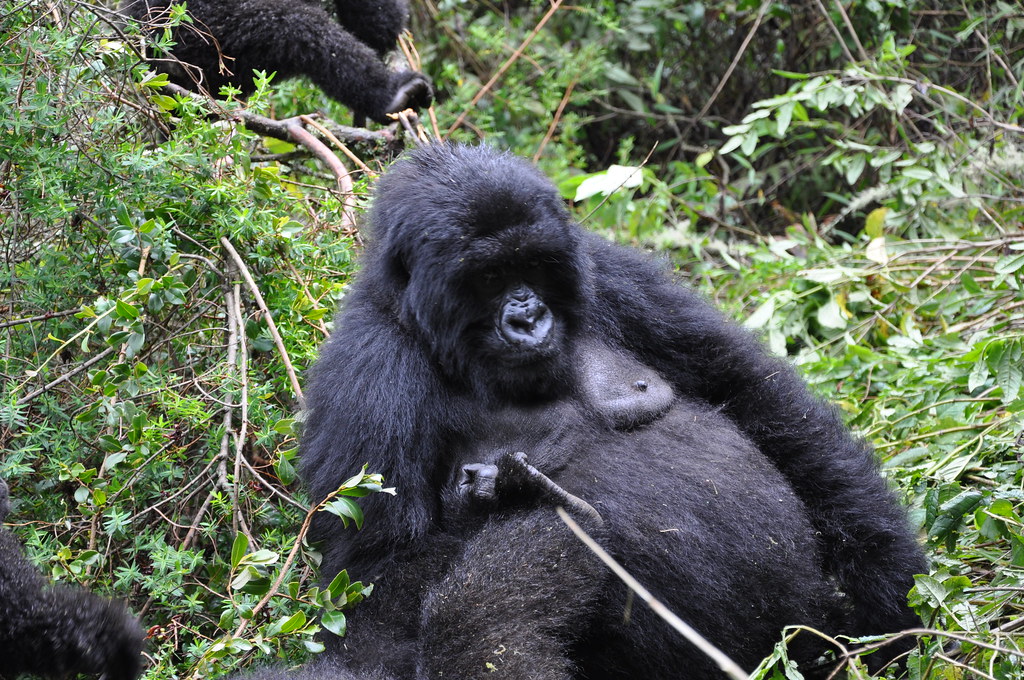
Hiking through bamboo forests to observe mountain gorillas ranks among the most profound wildlife encounters available, despite the hefty permit fees that fund crucial conservation work. The moment a silverback looks directly at you from just meters away creates a connection that photographs can’t capture.
Rwanda’s recovery from genocide to become a gorilla conservation success story adds meaningful context to the physical experience of the trek itself.
Galápagos Islands expedition in Ecuador
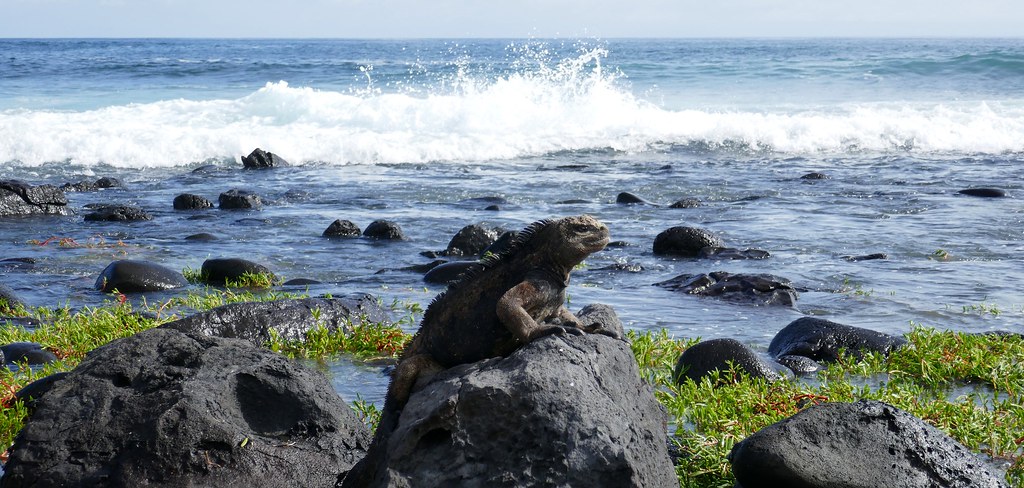
The Galápagos archipelago functions as a living laboratory where animals evolved without natural predators, resulting in wildlife that shows zero fear of humans. Blue-footed boobies, marine iguanas, and giant tortoises go about their business while you observe from remarkably close distances.
Though not cheap, the islands offer wildlife interactions that exist nowhere else on Earth, justifying the investment for serious nature enthusiasts.
Polar bear viewing in Churchill, Canada
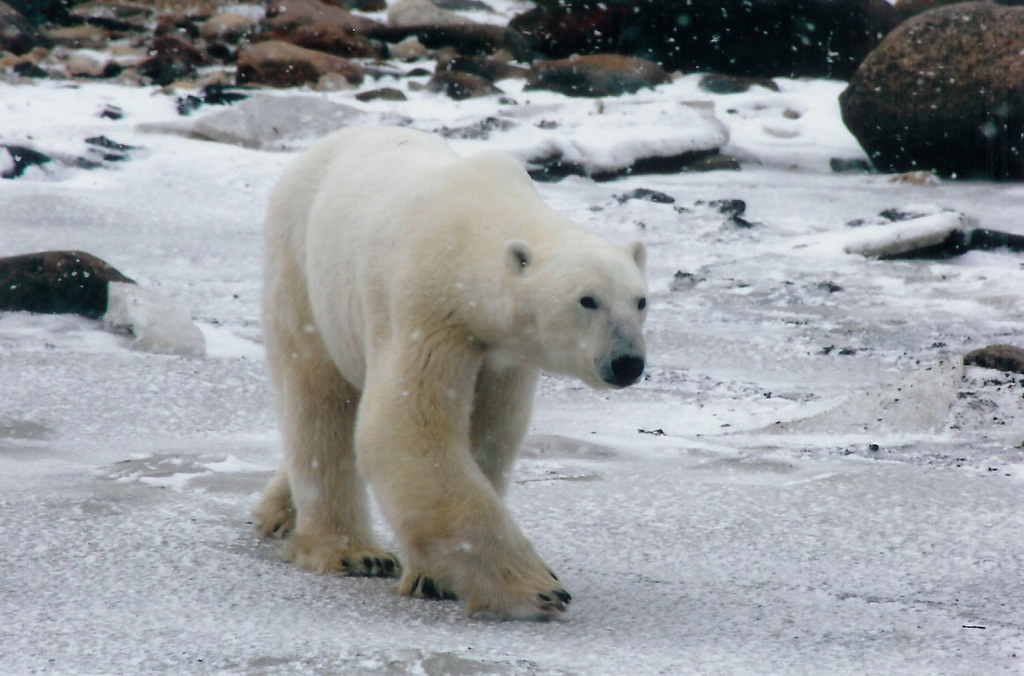
Churchill, Manitoba, positions itself as the “Polar Bear Capital of the World,” and late autumn brings dozens of bears to the shores of Hudson Bay waiting for ice to form. Specialized tundra vehicles let you observe these massive predators at eye level while remaining safe.
The harsh Arctic environment adds drama to the experience, with northern lights often appearing during the long nights.
Komodo dragon encounters in Indonesia
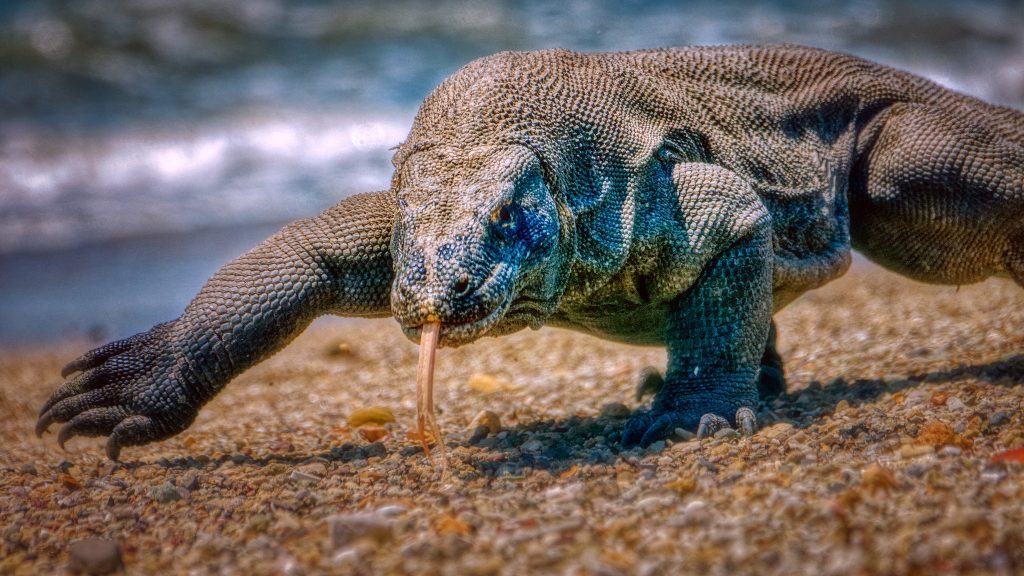
Komodo National Park protects the world’s largest lizards, which can reach 10 feet long and take down prey as large as water buffalo. Rangers guide treks across the islands where these prehistoric-looking reptiles bask in the sun or hunt for food.
The remote location and relatively challenging access keep crowds manageable, though tourism is increasing as more people discover this unique ecosystem.
Orangutan rehabilitation centers in Borneo
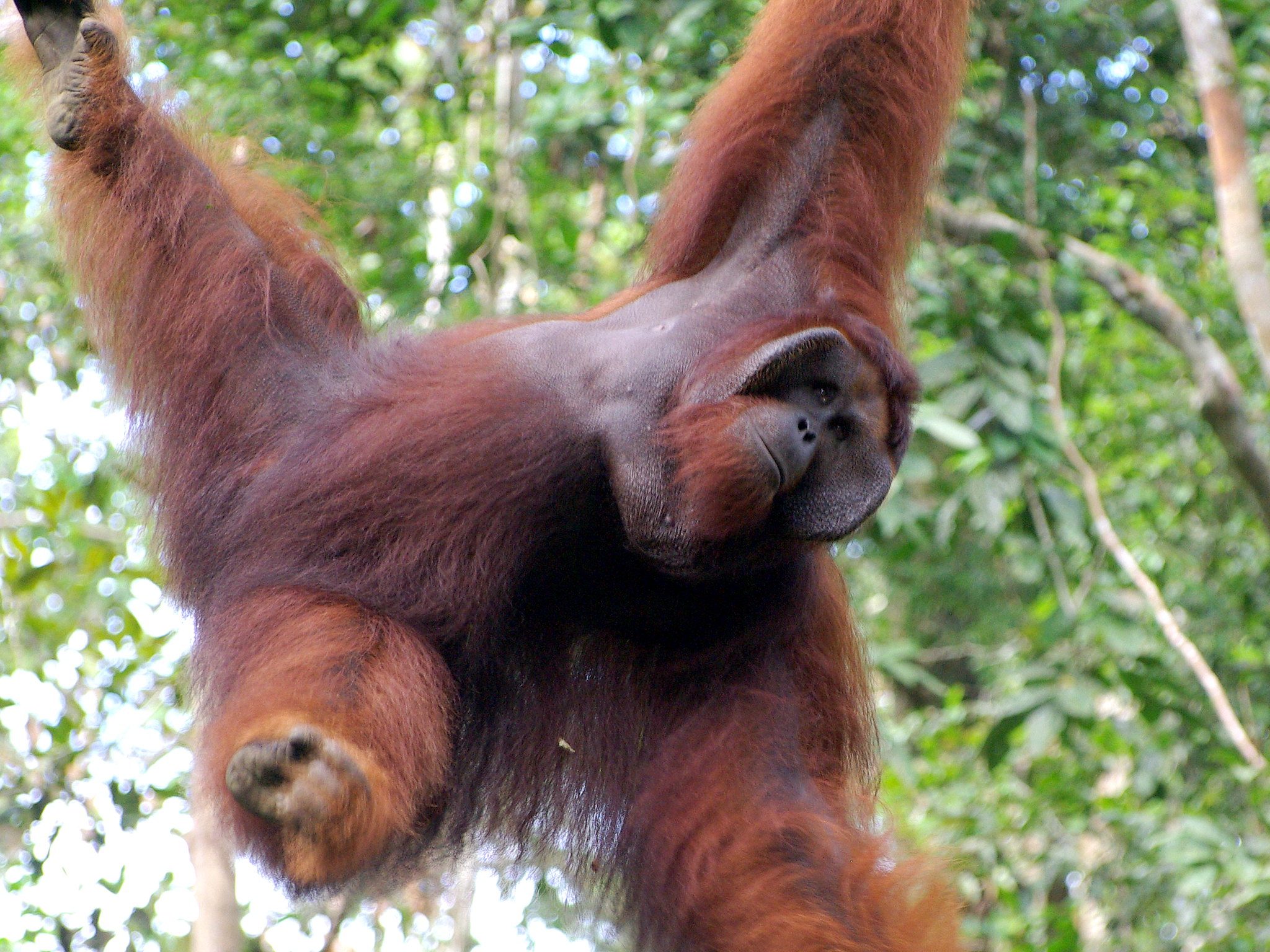
Borneo’s rainforests house several orangutan rehabilitation centers where rescued and orphaned apes learn survival skills before potential release back into the wild. Watching young orangutans play and learn in semi-wild settings provides insights into their intelligence and personalities.
The experience supports conservation efforts in regions where palm oil plantations increasingly threaten orangutan habitat.
Monarch butterfly migration in Mexico
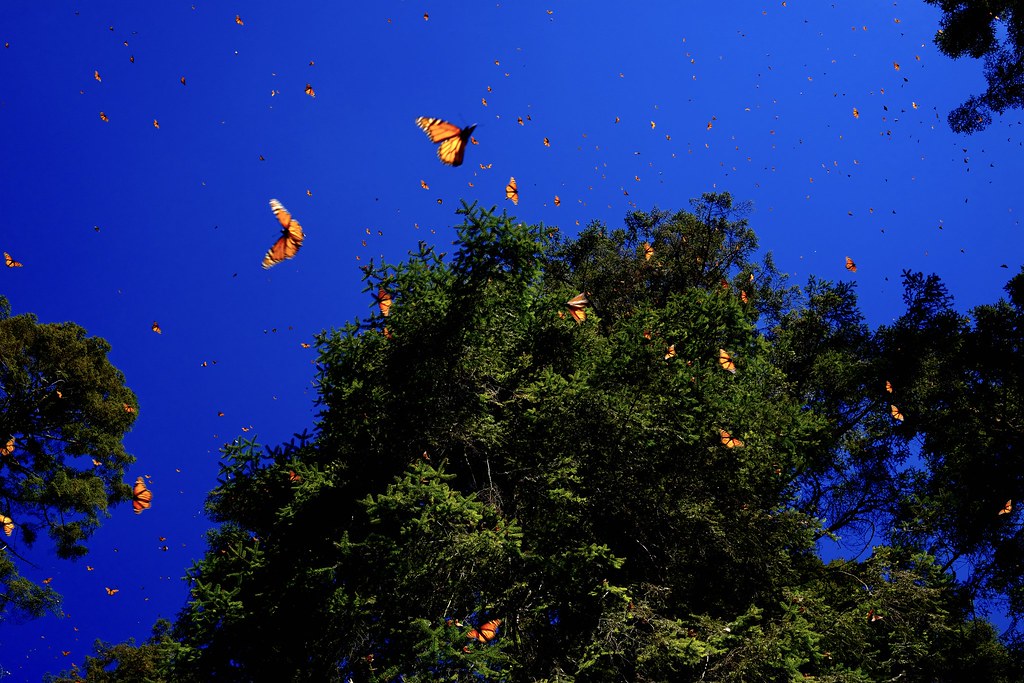
Every winter, millions of monarch butterflies cluster in oyamel fir forests in central Mexico’s mountains after migrating thousands of miles from North America. The trees literally bend under the weight of butterflies, and when the sun warms them, the air fills with orange wings.
This phenomenon occurs in just a few specific locations, making it both accessible and extraordinary.
Serengeti migration game drives in Tanzania
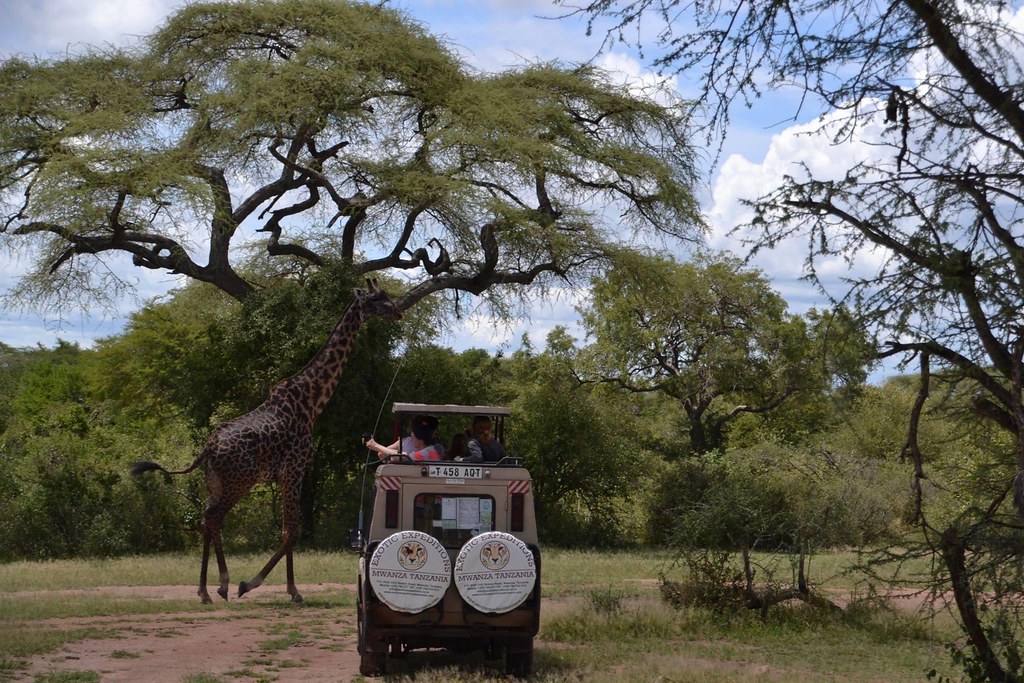
Tanzania’s Serengeti hosts the planet’s largest land animal migration, with roughly 1.5 million wildebeest joined by hundreds of thousands of zebras and gazelles moving in circular patterns following seasonal rains. River crossings, where crocodiles wait for crossing herds, create dramatic scenes that play out like nature documentaries in real time.
Multiple safari companies offer options from basic camping to luxury lodges, letting you match the experience to your budget.
Whale sharks in the Philippines
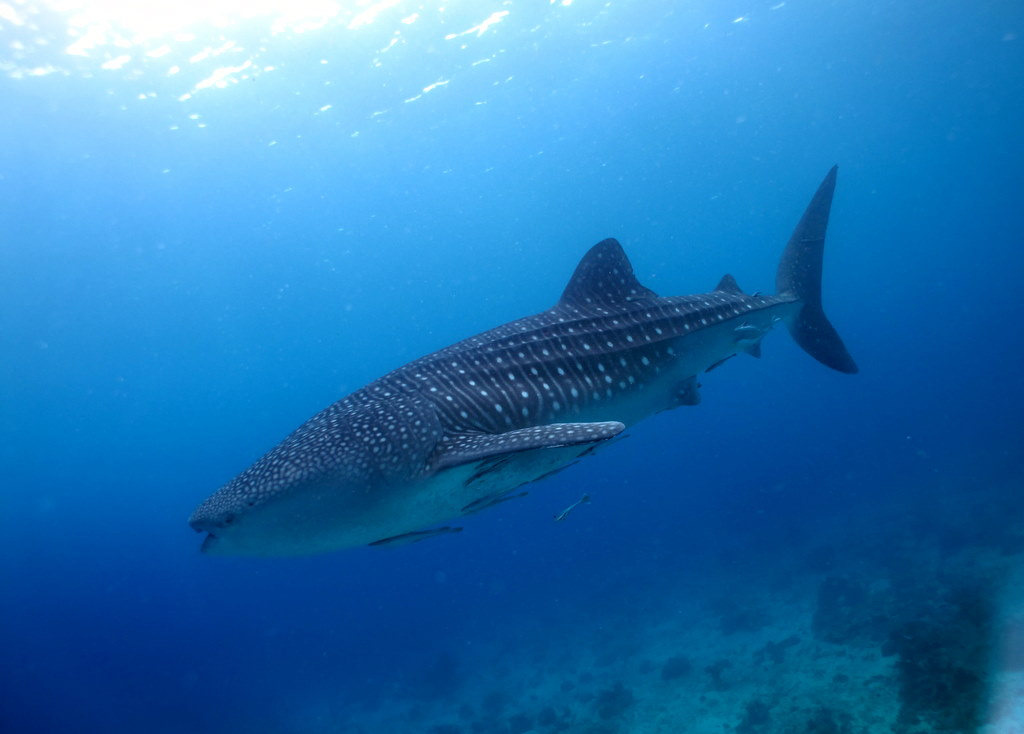
Oslob in the Philippines offers controversial whale shark encounters where feeding attracts these gentle giants, though more ethical options exist in Donsol where wild whale sharks appear seasonally. Swimming alongside the world’s largest fish—which can exceed 40 feet—puts your own size in humbling perspective.
The Philippines’ relatively low costs make this bucket-list experience more accessible than similar encounters elsewhere.
Sloth sanctuaries in Costa Rica

Costa Rica’s combination of conservation ethic and accessibility makes it ideal for observing sloths, poison dart frogs, and toucans in protected rainforest areas. Several sanctuaries rescue injured wildlife and provide rehabilitation while educating visitors about rainforest ecosystems.
The country’s compact size lets you visit multiple ecosystems—cloud forests, rainforests, and coastal areas—within a single trip.
African wild dog tracking in Botswana
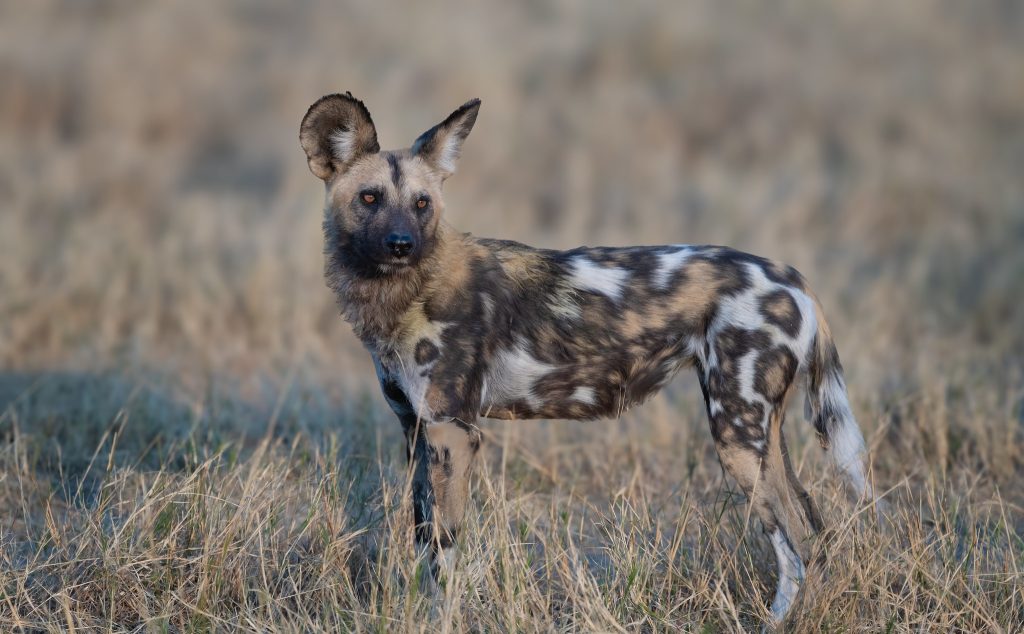
African wild dogs rank among the continent’s most endangered predators, and Botswana’s Okavango Delta supports significant populations that roam vast territories. These highly social animals display complex pack behaviors and cooperative hunting strategies that rival those of wolves.
Specialized guides track dogs using radio telemetry, significantly increasing your chances of meaningful sightings in the expansive wilderness.
Snow leopard expeditions in India’s Ladakh
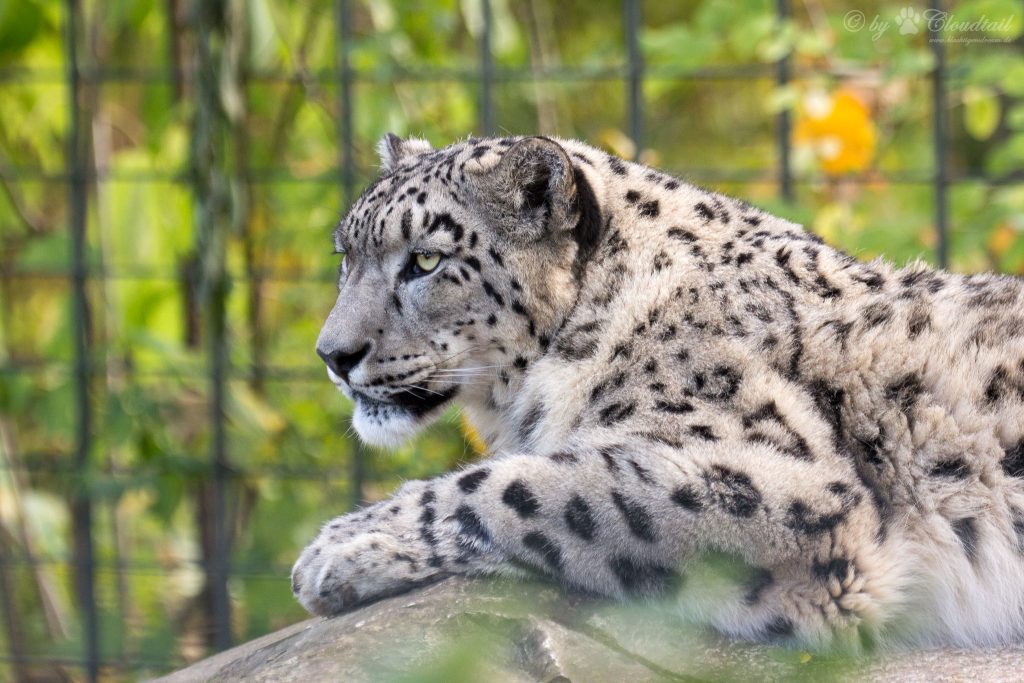
Tracking snow leopards in India’s Ladakh region requires patience, stamina, and tolerance for extreme cold, but spotting these elusive cats in the Himalayas represents one of wildlife watching’s ultimate achievements. Expert spotters scan rocky mountainsides for movement while you acclimatize to high altitudes.
The harsh landscape and challenging conditions make successful sightings feel genuinely earned rather than guaranteed.
Penguin colonies in Argentina
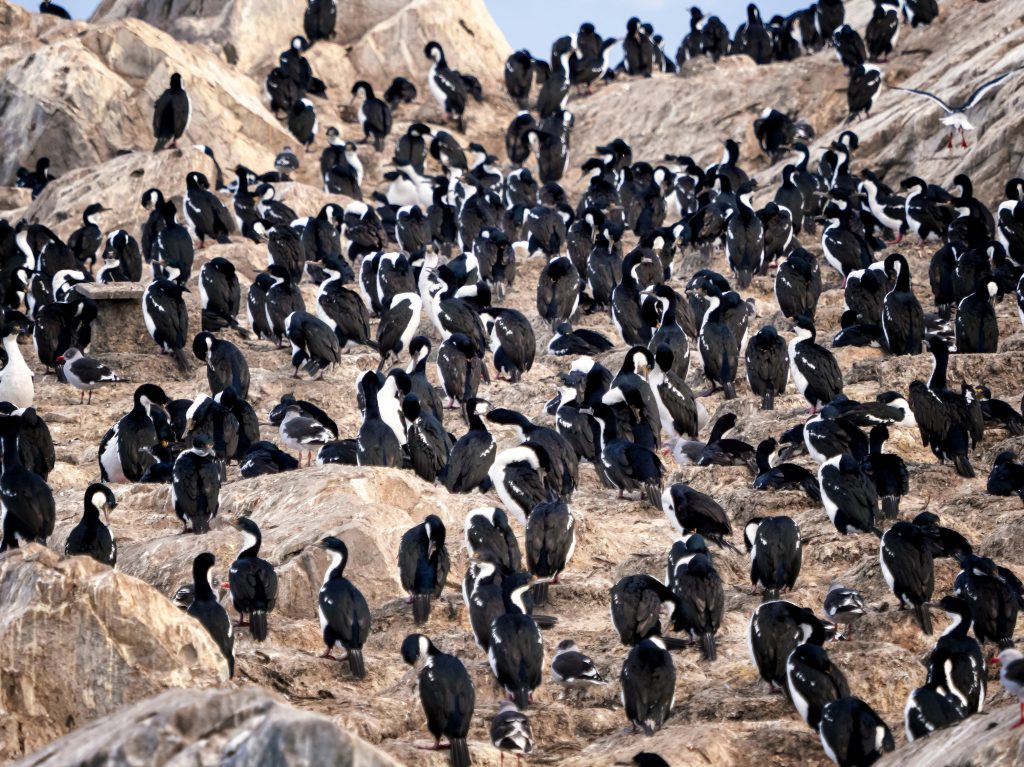
Argentina’s Punta Tombo hosts the largest Magellanic penguin colony outside Antarctica, with roughly half a million birds returning annually to breed during the southern spring and summer. Walking among thousands of penguins as they waddle, bray, and tend to their nests provides entertainment that never gets old.
The accessibility compared to Antarctic expeditions makes this experience more practical for most travelers.
Jaguar spotting in Brazil’s Pantanal
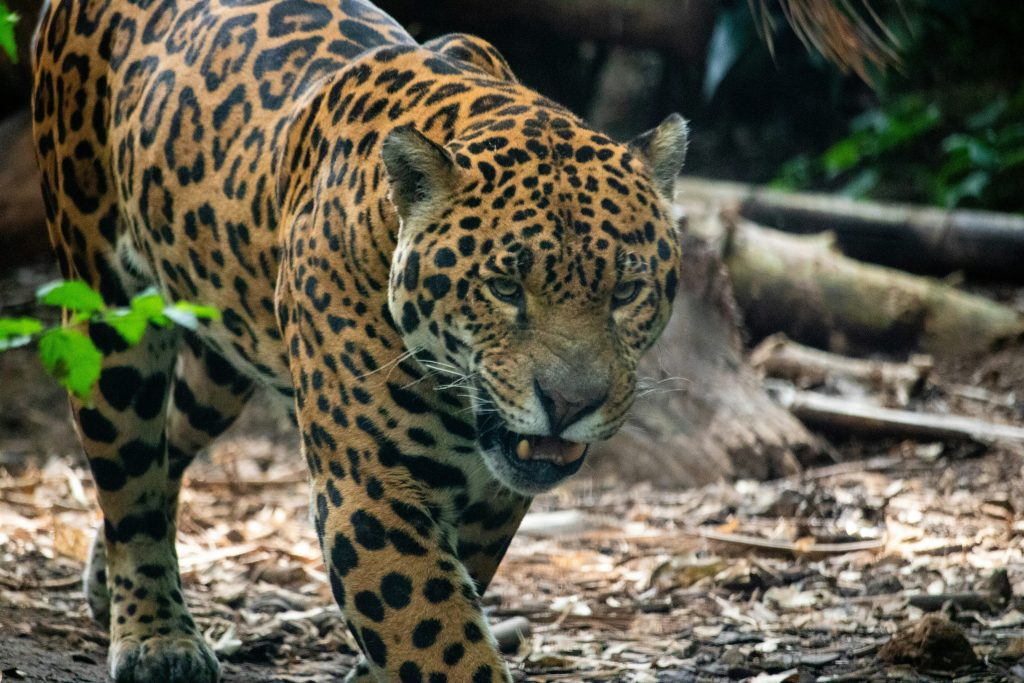
The Pantanal wetlands in Brazil offer better jaguar sighting odds than the Amazon, with specialized boat tours navigating rivers where these powerful cats hunt along the banks. The seasonal flooding creates concentrated wildlife viewing opportunities as animals congregate on remaining dry land.
Brazil’s jaguar conservation success stories provide optimism in contrast to declining big cat populations elsewhere.
Manta ray diving in the Maldives

The Maldives’ protected channels attract manta rays that feed on plankton-rich currents, and diving or snorkeling with these graceful giants creates an almost meditative experience. Some mantas exceed 15-foot wingspans, gliding through the water with movements that seem to defy their size.
Many Maldivian resorts now focus on marine conservation, adding educational value to the visual spectacle.
Bird migration at Gibraltar
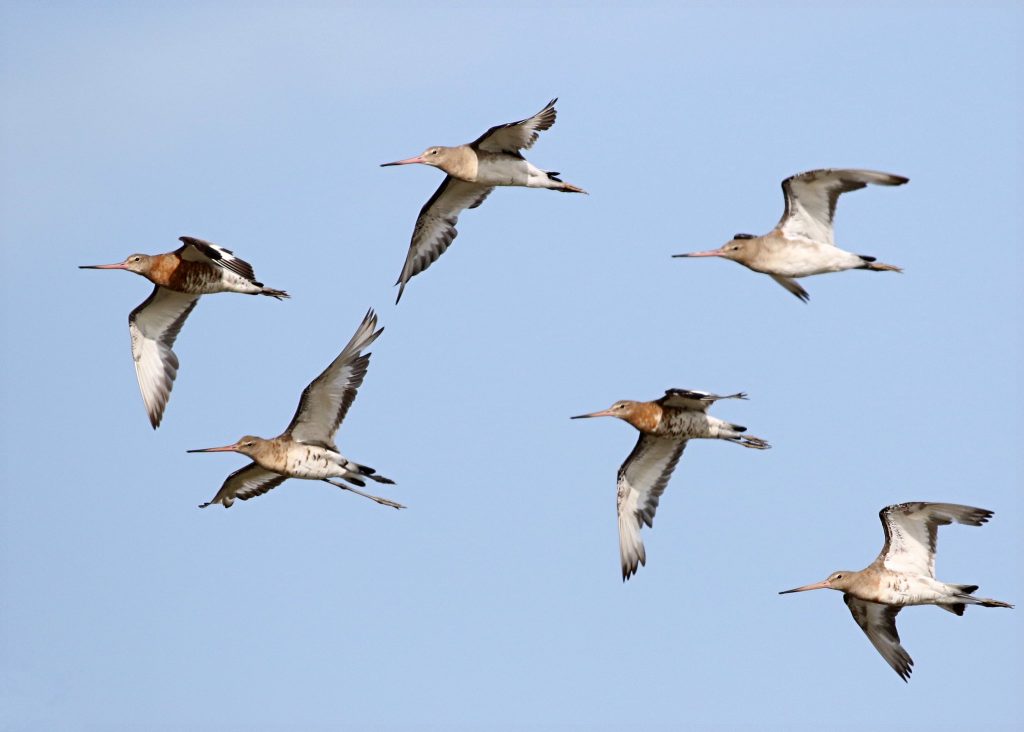
The Strait of Gibraltar funnels migrating raptors, storks, and other birds between Europe and Africa, creating spectacular viewing opportunities during spring and autumn migrations. Hundreds of thousands of birds pass through this narrow corridor, and the strategic location lets you observe multiple species in a single day.
The combination of European accessibility and African migration routes makes Gibraltar unique among birding destinations.
Encounters beyond the highlight reel
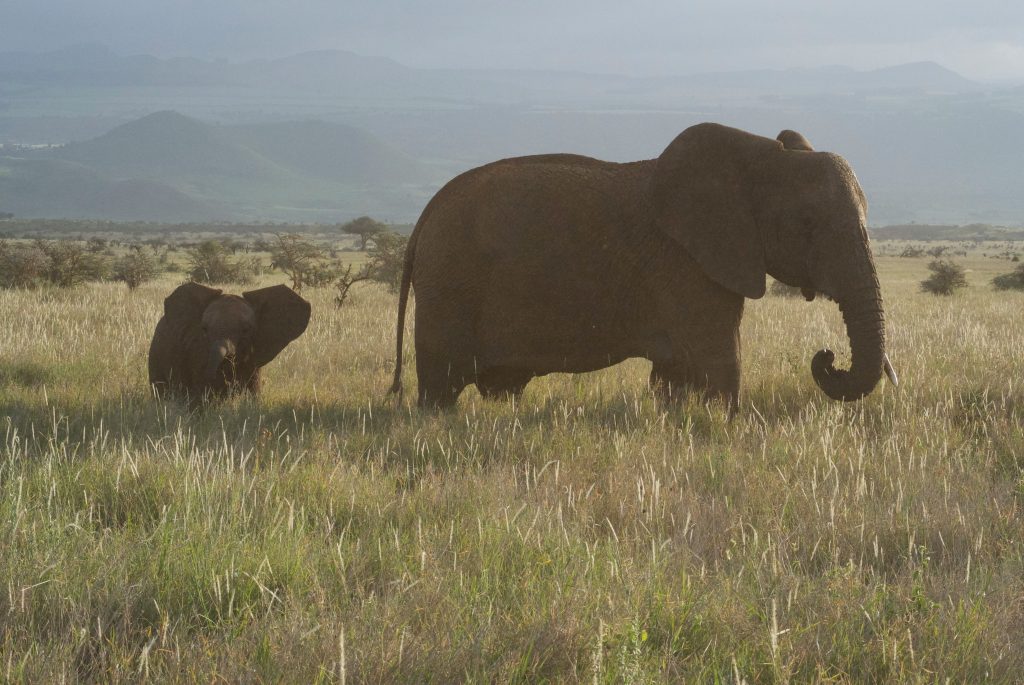
It is in the experiences of entire ecosystems that wildlife safaris truly add the most value rather than in the flagship species alone. It is the waiting, the landscapes, the surprise appearances of the more obscure wildlife, which add up to a realization about how the natural world operates.
This is because it serves as a reminder of the diversity in which wildlife exists despite the many challenges, but which will ultimately continue to depend on conservation for the future.
More from Travel Pug

- Underrated Italian Towns That Beat the Tourist Crowds
- Las Vegas Tourist Traps to Skip
- Prettiest Towns in Every US State
- 18 passport-free countries for Americans
- Signs Your Cruise Is Not Worth The Cost
Like Travel Pug’s content? Follow us on MSN.