

The laptop-and-passport lifestyle isn’t just a trend anymore.
Remote work has evolved from a pandemic necessity into a permanent fixture of how millions of people earn their living.
Entire countries have restructured their immigration policies to welcome this new wave of location-independent professionals.
Choosing where to set up camp as a digital nomad involves more than scrolling through Instagram-worthy destinations.
It requires weighing practical concerns like visa rules, internet reliability, cost of living, and whether you can actually stay productive while traveling.
Here’s a closer look at the countries that have become magnets for remote workers, each offering its own balance of infrastructure, affordability, and livability.
Portugal
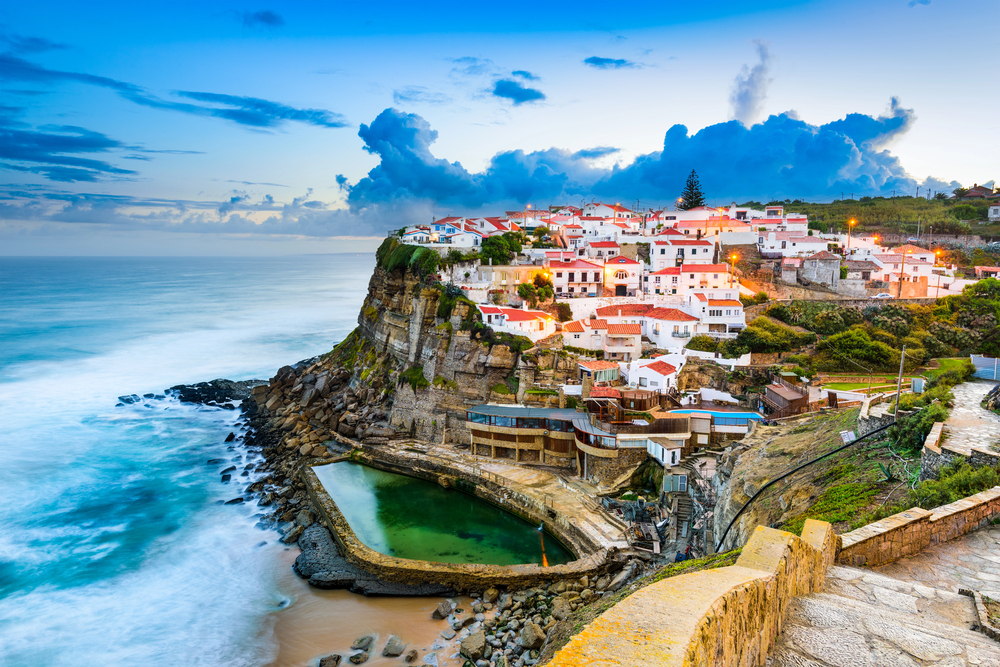
Portugal has become the poster child for digital nomad destinations, offering affordable living, strong infrastructure, and sunshine year-round.
Lisbon and Porto mix European charm with modern coworking culture, while inland cities like Braga offer quieter, cheaper alternatives.
The 2022 digital nomad visa allows remote workers to stay up to a year with clear requirements, and internet speeds rank among Europe’s best.
Combined with the Atlantic coast’s surf towns and mild climate, Portugal’s balance of lifestyle and logistics keeps it at the top of nomad wish lists.
Mexico

Mexico has quietly become a North American hub for remote workers thanks to its proximity, culture, and easy visa options.
The temporary resident visa allows stays up to four years, making it ideal for longer-term remote setups.
Neighborhoods like Roma and Condesa in Mexico City buzz with cafés, coworking spaces, and creative professionals.
Monthly living costs between $1,500 and $2,500 provide a high quality of life, and healthcare remains excellent and affordable.
Thailand

Thailand remains a favorite among digital nomads, offering low costs, vibrant culture, and a deep-rooted expat community.
Chiang Mai is the undisputed capital of remote work in Southeast Asia, with countless coworking hubs and networking events.
Bangkok adds global connectivity and urban convenience, while islands like Koh Phangan offer slower living and sea views.
Affordable healthcare, world-class cuisine, and easy travel to neighboring countries keep Thailand a top choice for long-term nomads.
Spain
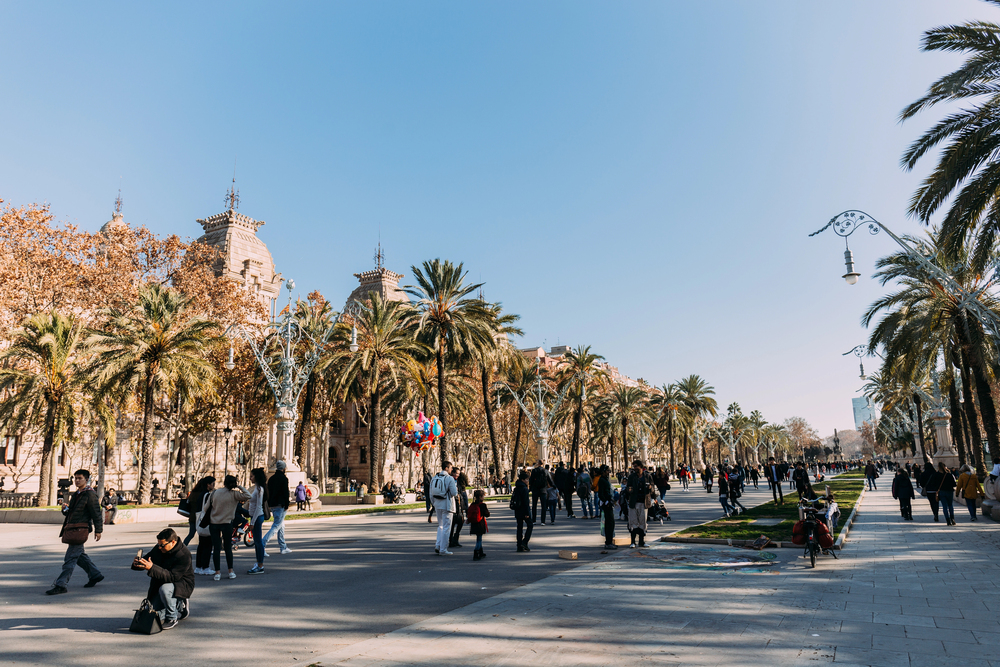
Spain’s 2023 digital nomad visa opened doors for remote workers seeking culture, comfort, and long-term options.
Valencia has become the sweet spot—affordable, seaside, and rich in creative energy.
Barcelona and Madrid offer cosmopolitan energy with excellent connectivity, healthcare, and infrastructure.
Spain’s relaxed rhythm—long lunches, late dinners, and a culture that values leisure—helps remote workers rediscover balance.
Estonia
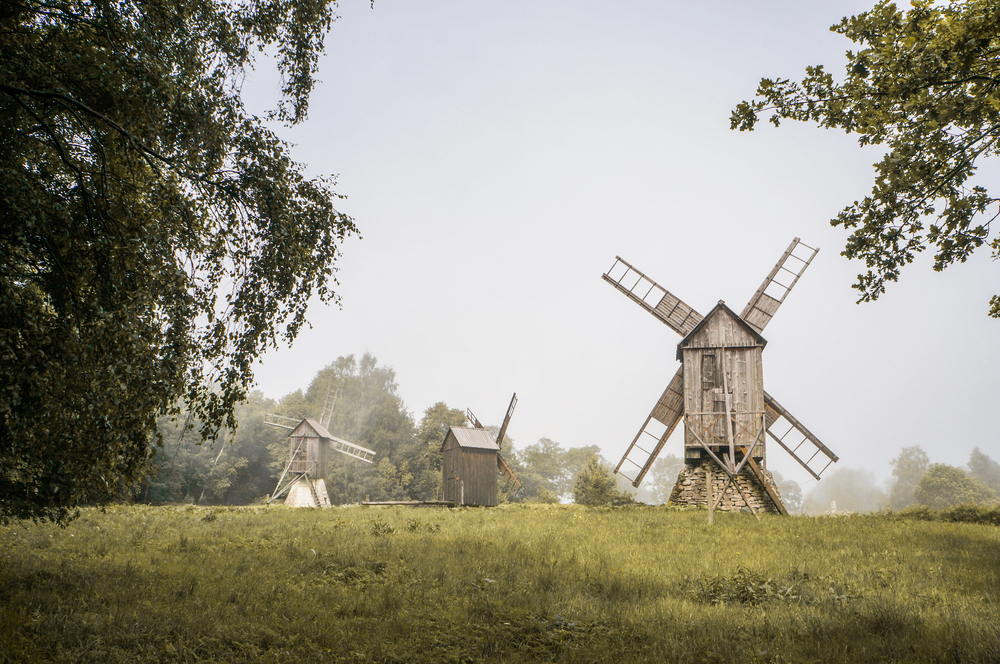
Estonia pioneered the concept of digital citizenship with its e-Residency and nomad visa programs.
Tallinn blends medieval streets with cutting-edge tech and one of Europe’s most efficient digital governments.
Low bureaucracy, solid internet, and an active startup scene make it ideal for entrepreneurs and freelancers.
Cold winters aside, Estonia’s digital infrastructure keeps work seamless and secure.
Colombia
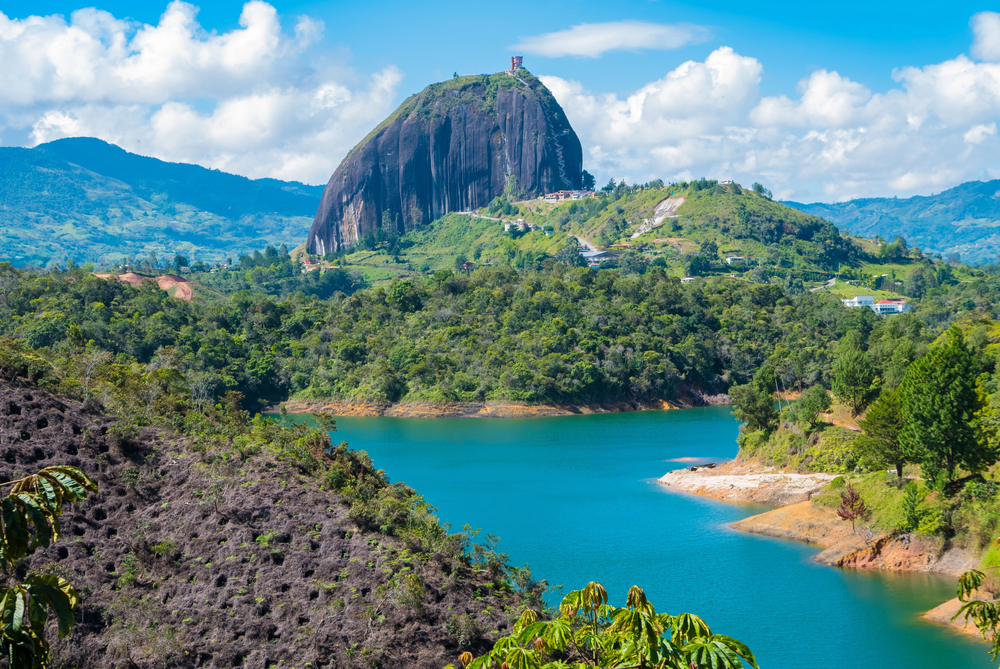
Colombia’s transformation has made it one of South America’s most exciting remote work destinations.
Medellín’s “eternal spring” climate, strong infrastructure, and welcoming expat scene make it the standout choice.
Monthly costs between $1,000 and $1,800 stretch far, and same-time-zone alignment with the U.S. keeps work schedules simple.
Modern coworking spaces, reliable Wi-Fi, and low-cost healthcare complete the appeal.
Georgia
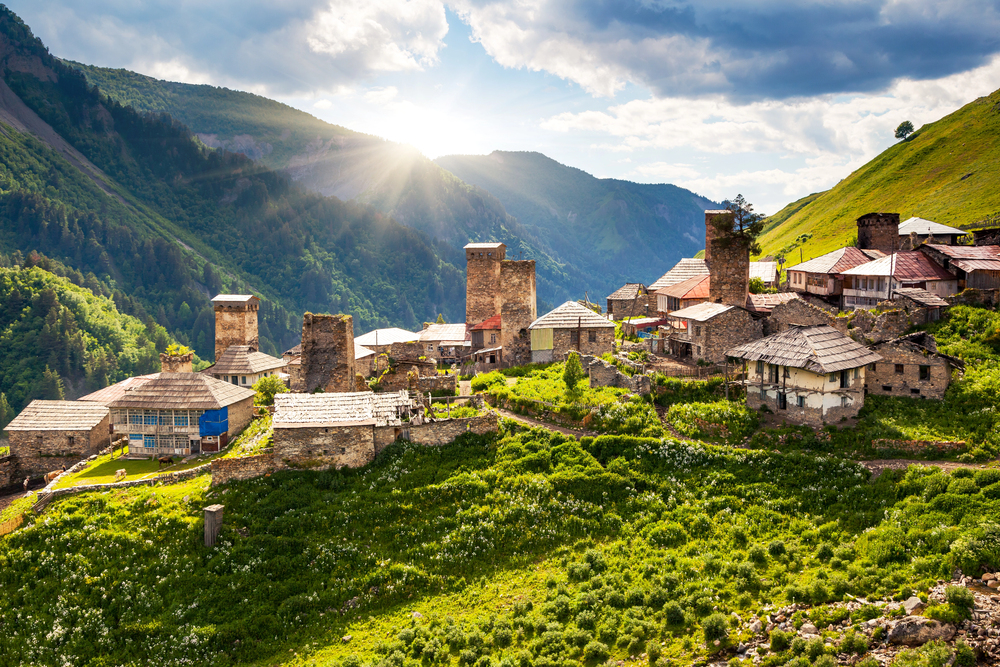
Georgia’s “Remotely from Georgia” program makes long-term stays effortless, with simple entry and low costs.
Tbilisi offers a creative, cafe-rich scene with monthly expenses around $800 to $1,200 for comfortable living.
The location bridges Europe and Asia, while nearby mountains and wine regions provide easy weekend escapes.
Affordable, welcoming, and full of personality—Georgia is the hidden gem of remote work hubs.
Where the Work Happens

The rise of remote work is reshaping global geography and economics alike.
These destinations aren’t just tourist traps—they’re evolving ecosystems built for knowledge workers who live lightly and contribute locally.
Still, the best country depends on your work hours, budget, and personal rhythm.
Some people need reliable U.S. time zones, while others crave nature, affordability, or creative culture.
As new visa programs launch and costs shift, one truth remains—the freedom to choose where you work is now one of the greatest perks of the digital age.
More from Travel Pug

- Underrated Italian Towns That Beat the Tourist Crowds
- Las Vegas Tourist Traps to Skip
- Prettiest Towns in Every US State
- 18 passport-free countries for Americans
- Signs Your Cruise Is Not Worth The Cost
Like Travel Pug’s content? Follow us on MSN.