

There is just something so irresistible about that $39 flight to Miami or a $19 ticket across Europe.
It pops up on your screen, and before you know it, you’re mentally packing your bag for poolside or exploration on shoestring streets.
Budget airlines are masters of the eye-catching fare, and they’ve built whole business empires on getting you to click that “book now” button.
The advertised price feels like found money, a travel hack that makes you savvier than all the people paying full price.
But here’s the thing about those dirt-cheap fares: they are often just the opening bid in a much longer negotiation.
The sticker price gets you on board, sure, but it might not get you much else.
What starts as a bargain can quietly morph into something approaching regular-priced airfare once you’ve added the extras most travelers actually need.
The gap between what’s advertised and what you’ll actually pay has become one of aviation’s most reliable sleights of hand.
How about we dive deep into how budget carriers transform rock-bottom base fares into revenue streams that will leave your wallet lighter than expected?
The baggage gauntlet
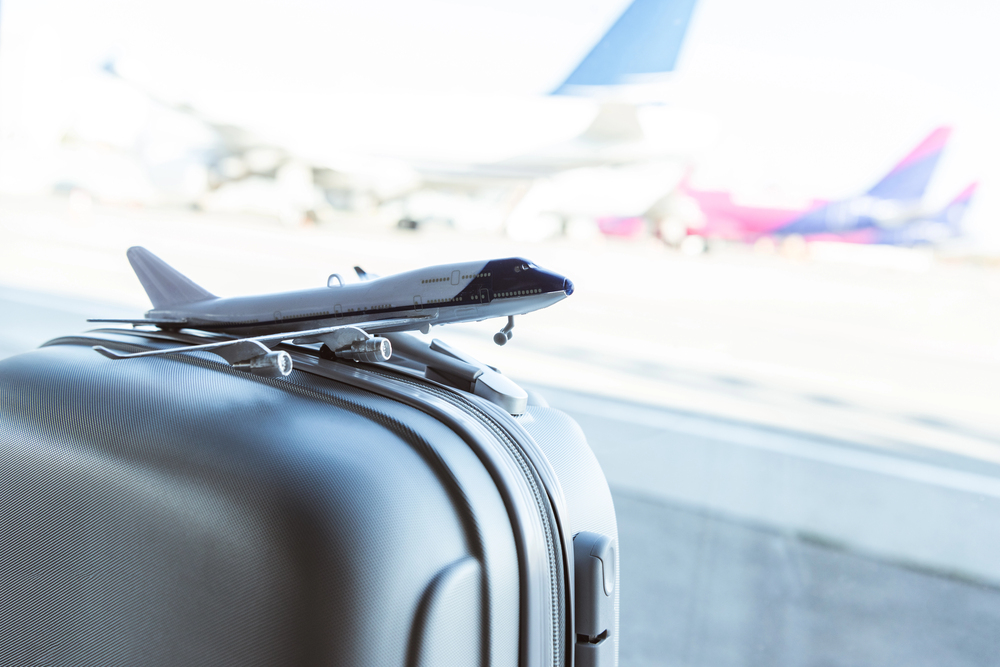
Budget airlines have turned luggage into a profit center that would make luxury brands jealous.
That personal item tucked under the seat in front of you might be free, but the moment you need a proper carry-on or checked bag, the fees start stacking up.
Spirit Airlines charges around $35 to $65 for a carry-on, depending on when you add it, while checked bags can run $30 to $100.
Frontier operates on similar principles, and European carriers like Ryanair have made an art form of charging for nearly every piece of luggage that isn’t small enough to fit in a coat pocket.
The psychology here is deliberate.
The base fare looks fantastic in search results, beating traditional carriers by $50 or $100.
Then you realize you can’t travel for a week with just a backpack that fits under a seat.
Add a carry-on and a checked bag, and suddenly that budget fare costs the same as or more than the legacy airline ticket you passed over.
The airlines know most people won’t travel with nothing but a purse or laptop bag, but they’ve calculated that advertising the bare-bones price gets more clicks than showing the real cost upfront.
Seat selection as a luxury

Flying used to mean you picked your seat when you checked in or booked your ticket.
Now, on many budget carriers, choosing where you sit is a premium service.
Want to sit with your travel companion or family?
That’ll be $10 to $30 per person, each way.
Prefer an aisle or window over the middle seat nobody wants?
Another charge.
The front of the plane, where you can deplane faster?
Premium pricing.
The alternative is accepting whatever random seat assignment the algorithm gives you at check-in, which often means middle seats scattered throughout the aircraft and families split across multiple rows.
Airlines have discovered that people will pay surprisingly large sums to avoid being the person wedged between strangers for three hours.
On a family trip, seat selection fees can easily add $100 or more to the total cost before anyone’s even at the airport.
The convenience of inconvenient airports

Budget carriers love secondary airports, and there’s solid financial logic behind it.
Landing fees and operating costs run lower at smaller airports farther from city centers.
Ryanair has built its European empire partly by flying into airports that sound close to major cities but require an hour or more of additional travel.
London Stansted instead of Heathrow.
Frankfurt-Hahn instead of Frankfurt proper.
Paris Beauvais instead of Charles de Gaulle.
The problem is that distance costs money and time.
A $50 budget flight that lands 60 miles from your actual destination starts looking less appealing when you price out the $30 shuttle bus or $80 taxi ride into town.
Traditional carriers flying into main airports might charge more upfront, but they’re depositing you where you actually need to be.
The time factor matters too — spending three extra hours in transit after a long flight has a value that doesn’t show up on the fare comparison site.
Change fees and flexibility

Budget airlines typically operate on strict, inflexible fare structures.
Need to change your flight because your meeting got rescheduled or a family situation arose?
The change fee alone might cost more than the original ticket, and that’s before paying any fare difference for the new flight.
Many ultra-low-cost carriers charge $100 or more to modify a booking, and some tickets are completely non-refundable and non-changeable regardless of circumstances.
Traditional carriers have significantly loosened change fees in recent years, especially after the pandemic reshuffled industry norms.
Many now allow free changes on most fares, though you’ll still pay any difference in ticket price.
That flexibility has real monetary value, particularly for business travelers or anyone whose plans might shift.
A cheap ticket that locks you into specific dates might save money if everything goes perfectly, but it’s a gamble that can backfire expensively when life inevitably gets complicated.
Onboard amenities and the nickel-and-dime experience
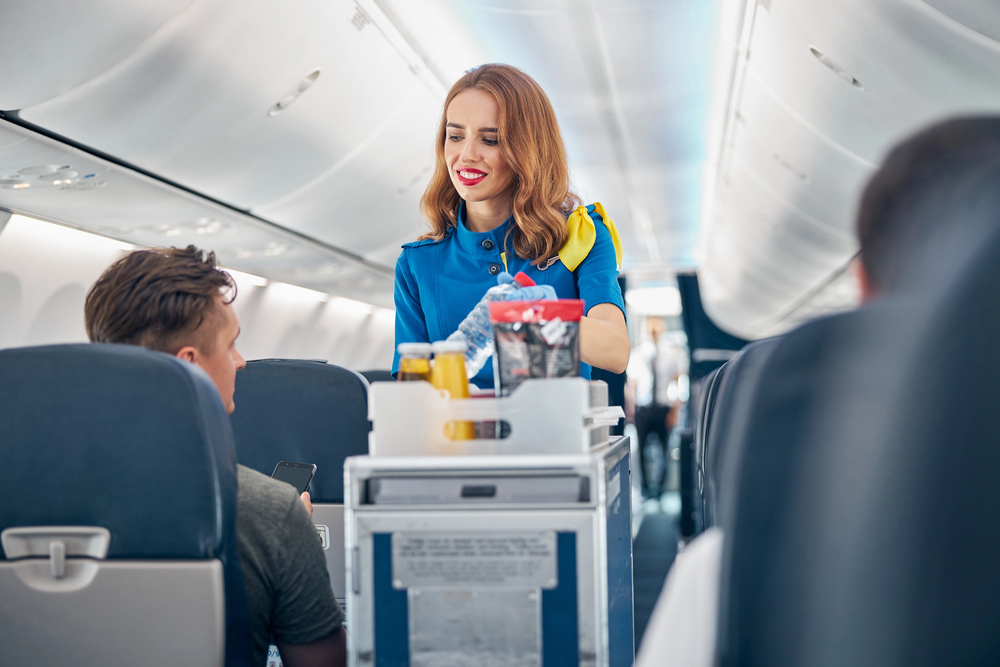
Everything costs extra once you’re on board a budget carrier.
Water might be free, but that’s often where the complimentary service ends.
Want coffee, juice, or a soft drink?
A few dollars.
Hungry during your flight?
Sandwiches and snacks come with price tags that would make airport vendors blush.
The flight attendants become mobile vendors, constantly pushing credit card applications and duty-free products along with the paid refreshments.
Legacy carriers typically include beverages and sometimes snacks on most flights, which seems minor until you’re traveling with kids who need juice boxes or you’re stuck on a delayed departure and desperately need coffee.
A family of four spending $20 on drinks and snacks during a flight has just added another hidden cost to that budget fare.
It’s death by a thousand cuts, each individually small but collectively meaningful.
Booking and payment fees
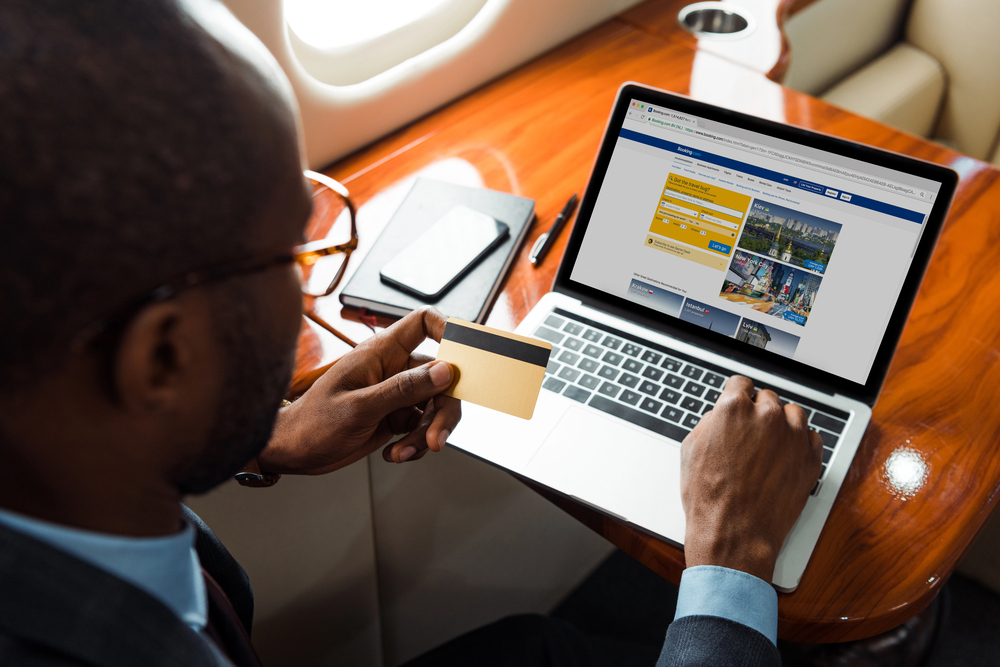
Some budget airlines have even figured out how to charge you for the privilege of buying a ticket from them.
Payment processing fees, booking fees, and service charges can add $10 to $30 to the transaction before you’ve selected a single add-on.
These fees often appear late in the booking process, right when you’ve invested time entering all your information and are psychologically committed to completing the purchase.
Some payment methods incur higher costs than others on these carriers.
Paying with a credit card may incur higher fees than with a debit card or bank transfer, introducing friction into what should be an easy purchase process.
Traditional airlines, for the most part, have moved away from these booking fees, integrating the costs into the ticket price instead.
The transparent, all-in pricing may look higher upfront, but at least there are no surprise charges popping up in your cart at checkout.
Customer service as a paid upgrade

When something goes wrong — and in air travel, things do — budget carriers often provide minimal support in the base fare.
Many don’t have phone customer service included, directing passengers to pay-per-minute hotlines or slow email support.
Getting help rebooking after a cancellation or dealing with lost luggage can mean waiting hours for responses or paying extra for priority support.
Legacy carriers typically include comprehensive customer service as part of the ticket price.
You can call a human without per-minute charges, and there are airport service desks at most locations.
When your flight is canceled at 11 PM and you need to get rebooked immediately, customer support suddenly has substantial value.
Budget airlines have calculated that most flights operate smoothly and most customers won’t need help, so they’ve made support a profit center rather than an included service.
The time-money equation

There’s an often-overlooked cost to budget flying that never appears in fare comparisons: your time.
Budget carriers frequently use less convenient scheduling, with early morning departures or late-night arrivals that maximize aircraft utilization but wreak havoc on travelers’ sleep schedules.
A 6 AM departure means getting to the airport by 4:30 AM, which might mean a 3 AM wake-up call or paying for an airport hotel the night before.
Longer layovers and less efficient routing also characterize many budget fares.
A direct flight might cost more, but the indirect budget option requiring a three-hour connection adds half a day to your travel.
For anyone who values their time, whether for work or vacation, those hours have monetary worth.
Sometimes paying an extra $75 to save four hours of travel time is actually the more economical choice when you calculate what those hours are worth to you.
What still matters
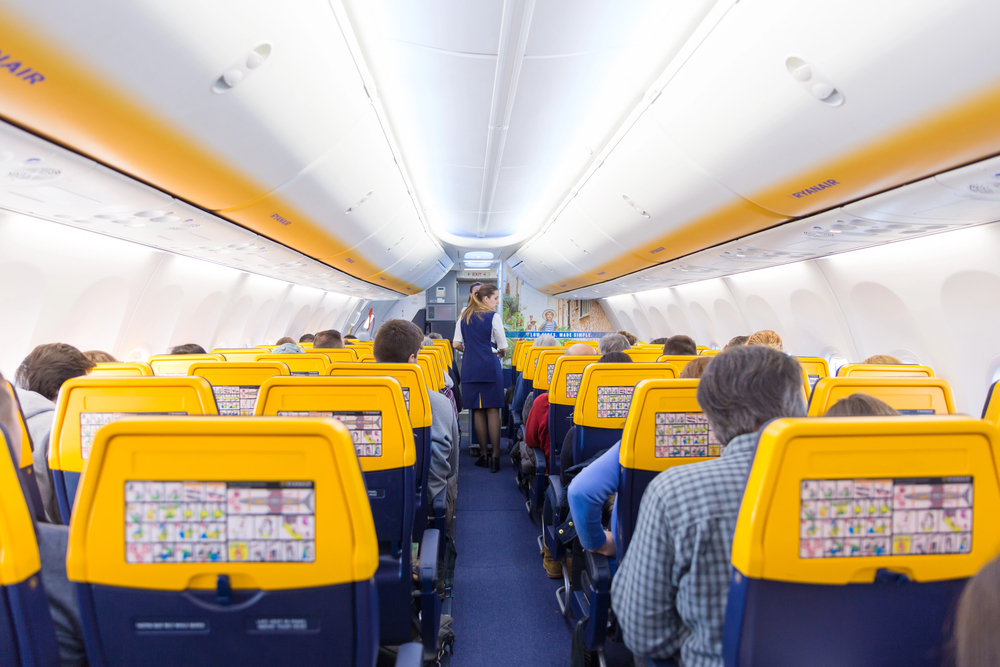
The budget airline revolution has democratized air travel in ways that previous generations could hardly imagine.
Routes that couldn’t be economically serviced by traditional models see regular service, while destinations once considered exotic have become weekend-trip possibilities.
The ultra-low base fare model genuinely offers value to the savvy traveler who truly can travel light, book far in advance, and needs zero flexibility.
In that very specific use case, the actual price often reflects the advertised price.
But the industry has also created a pricing structure that obscures true costs until you’re deep into the booking process or already committed to travel.
The $49 flight that becomes a $200 trip after all the necessary fees isn’t necessarily a scam, but it’s not quite the bargain it appeared to be either.
The fairest comparison isn’t between budget and legacy carrier advertised fares — it’s between the total out-the-door price for the complete experience you actually need.
More from Travel Pug

- Underrated Italian Towns That Beat the Tourist Crowds
- Las Vegas Tourist Traps to Skip
- Prettiest Towns in Every US State
- 18 passport-free countries for Americans
- Signs Your Cruise Is Not Worth The Cost
Like Travel Pug’s content? Follow us on MSN.