

Flying should be the exciting start to your getaway, but one wrong move at the airport can turn your dream trip into a nightmare before you even board the plane. Whether it’s missing your flight because you showed up too late or realizing your passport expires in four months when you need six, these slip-ups happen to travelers every single day.
Here is a list of 20 airport mistakes that can seriously mess up your vacation plans.
Arriving at the airport too late
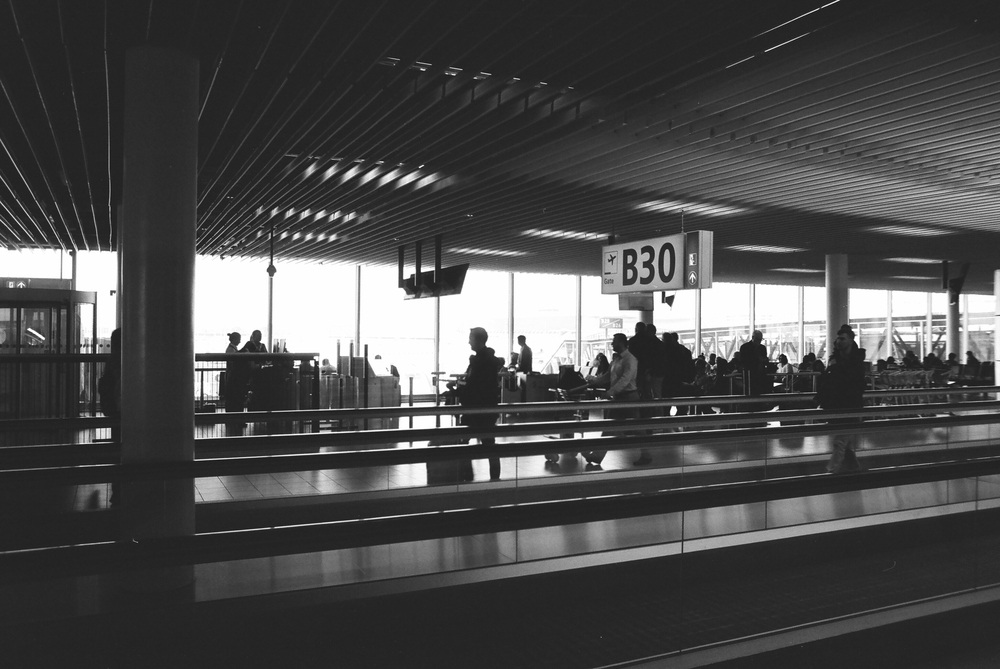
Most people think showing up an hour before their flight gives them plenty of time, but that’s wishful thinking. Security lines at major U.S. airports can easily take an hour or more on busy days, and airlines require you to check in at least 45 minutes before departure.
The standard recommendation is to arrive two hours early for domestic flights and three hours for international ones, even if you have TSA PreCheck. Those extra minutes give you a buffer for unexpected delays like traffic jams, long security lines, or that one person ahead of you who packed their entire bathroom in their carry-on.
Forgetting to remove shoes and belts at security
This tops the list as the most common TSA checkpoint mistake, with 28% of travelers admitting they’ve done it. Taking off your belt and shoes has been a requirement since the early 2000s, yet people still forget and hold up the line.
When you forget, TSA agents send you back to grab another bin, and you have to go through the whole process again. It wastes your time and annoys everyone waiting behind you.
Not checking in before arriving at the airport
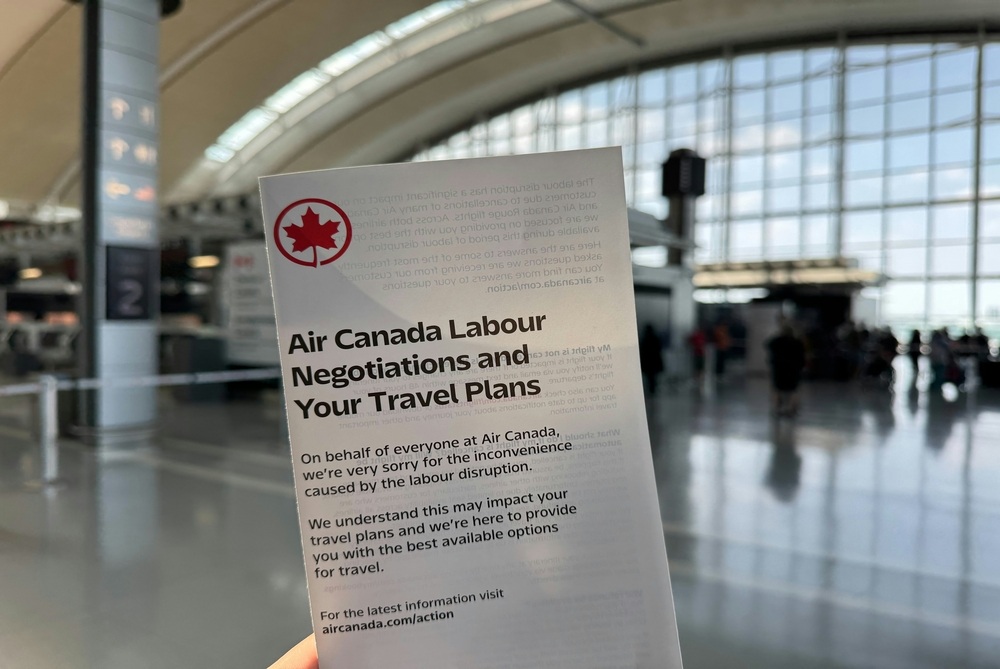
Just because you bought a ticket and got an email reminder doesn’t mean you’re ready to fly. Many travelers head straight to the TSA checkpoint thinking they’re all set, but without completing check-in and getting a boarding pass, you’re not actually registered for the flight.
You can start checking in 24 hours before departure through your airline’s website or app. The TSA scanner only verifies you have a valid ID and a ticket, not whether you’ve actually checked in.
Packing prohibited items in carry-on bags
Nothing derails your airport experience faster than having TSA pull you aside because you packed something you shouldn’t have. Full-sized toiletries over 3.4 ounces, aerosol cans, fireworks, paint, and anything over 70% alcohol are not allowed in carry-ons.
Even innocent items like snow globes or large containers of peanut butter can cause problems. The TSA website has a searchable tool called ‘What Can I Bring’ that takes the guesswork out of packing.
Booking through third-party websites without reading the restrictions

Third-party booking sites can look cheaper at first glance, but they often hide major restrictions that’ll bite you later. You might discover at the airport that your ticket doesn’t allow a carry-on bag, or that your multi-flight journey involves different airlines with no partnership.
This means you’ll have to grab your luggage, leave security, re-check your bag, and go through TSA again. These sites make money by betting that customers won’t read the fine print before clicking ‘purchase.’
Cutting connection times too short

That one-hour layover might seem doable on paper, but it’s a recipe for disaster in reality. You need to account for potential delays on your first flight, the time it takes to get between gates at massive airports, and the possibility of having to clear security again.
Frequent travelers recommend allowing 90 minutes to two hours for connections, and even more at major hub airports like Atlanta or Dallas/Fort Worth. Missing a connection, especially an international one, can blow up your entire travel schedule.
Not double-checking passport validity requirements
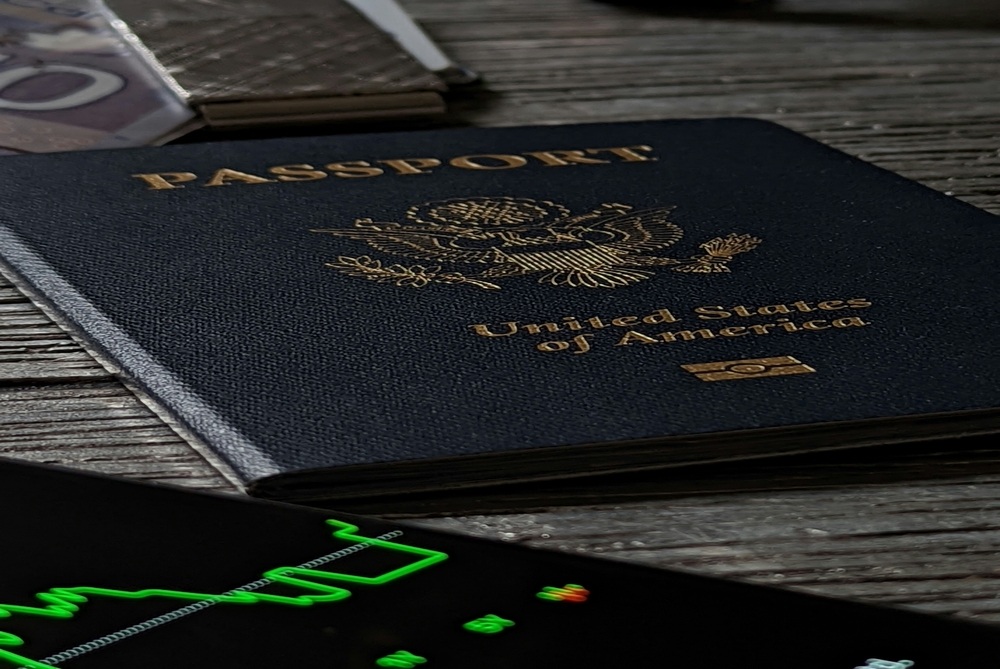
Showing up at the gate only to learn your passport doesn’t meet entry requirements is a vacation-ending mistake. Almost all countries require at least six months of remaining validity on your passport from your date of entry, and some countries like South Africa require two consecutive blank pages.
Airlines verify this information before boarding because they’re liable if they transport someone who gets denied entry. This mistake leaves passengers stranded and crying at the gate more often than you’d think.
Ignoring baggage fee policies
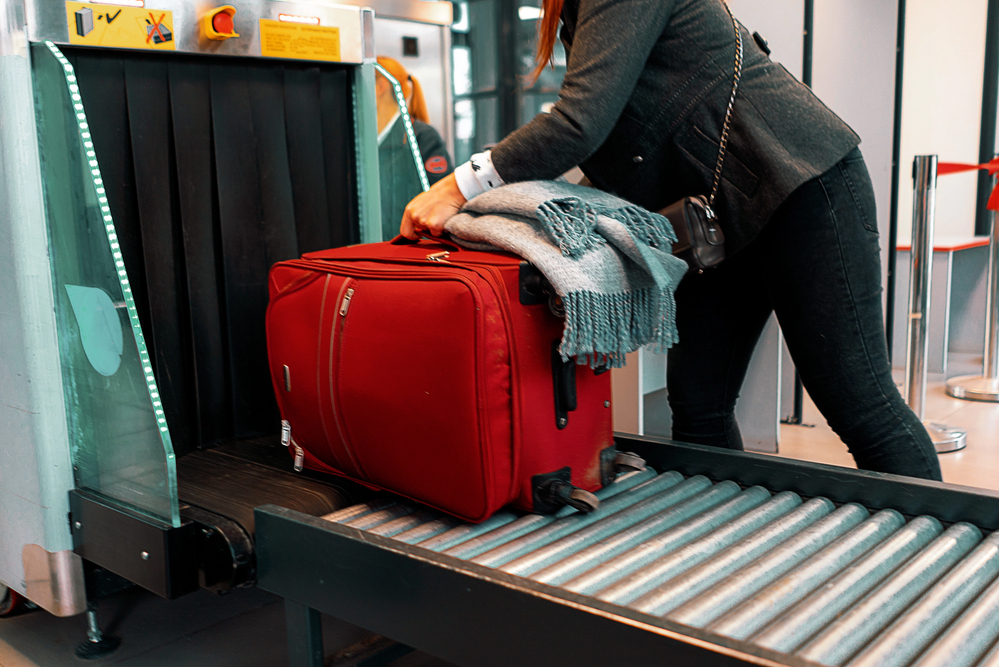
Despite checked baggage fees being around for over a decade, travelers still show up confused when asked to pay for a bag. Unless you’re flying Southwest or traveling internationally, you’re probably paying to check luggage.
Some credit cards offer free checked bags, and elite status members often get this perk extended to their travel companions. Even first-class passengers on some airlines now face checked bag limits, with American Airlines recently reducing their allowance from three bags to two.
Forgetting to track local time zones

Airport lounges with comfy seats and duty-free shops full of tempting products can distract you from what really matters—catching your flight. When traveling across time zones, your watch might not reflect local time, and that confusion can make you miss your boarding.
Airlines close the gate door 15 to 20 minutes before the actual departure time to prepare paperwork and weight calculations. Gate agents even have a term for late passengers from connecting flights: ‘runners.’
Not familiarizing yourself with the airport layout
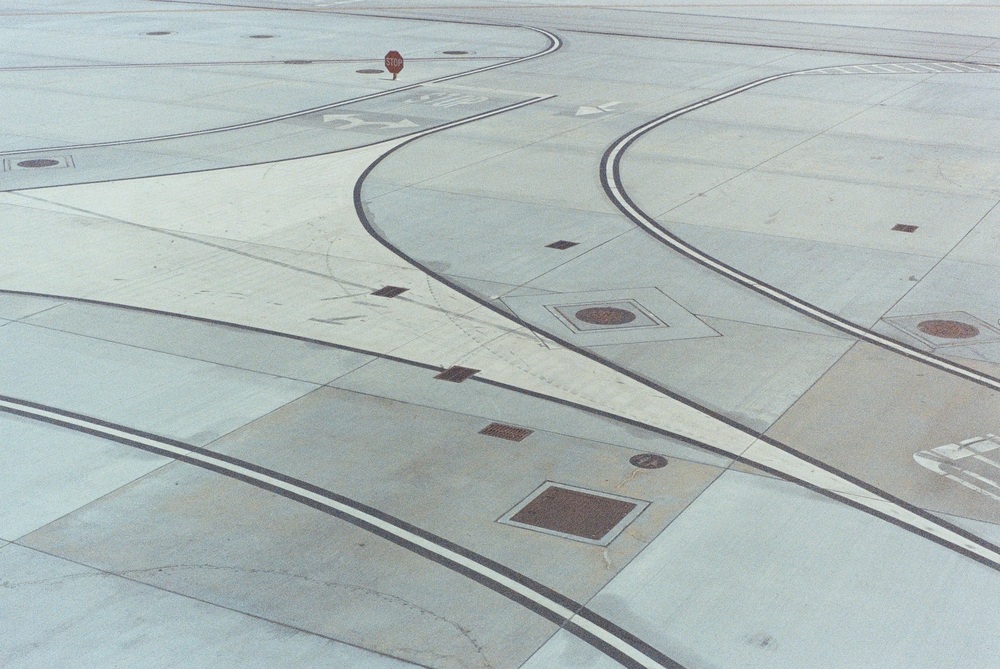
Walking into a massive airport without knowing where you’re going is like entering a maze blindfolded. This becomes especially critical at airports like Denver International, Dallas/Fort Worth, Orlando International, or Washington Dulles, which rank among the five largest airports on the planet.
Most airport websites and apps provide full layout maps that you can screenshot for offline access. Knowing where your gate, baggage claim, and ground transportation are located saves precious time and reduces stress.
Trusting that gate information never changes

Just because a gate agent told you that your connecting flight leaves from Gate B6 doesn’t mean it’s still true ten minutes later. Gate changes happen constantly, and airlines don’t always announce them clearly.
The same goes for other airport information—a flight attendant might say the flight is full with no standby room, but passengers could be running late, opening up seats. Always verify information on the departure boards or your airline app rather than relying solely on what someone told you earlier.
Packing valuables in checked luggage
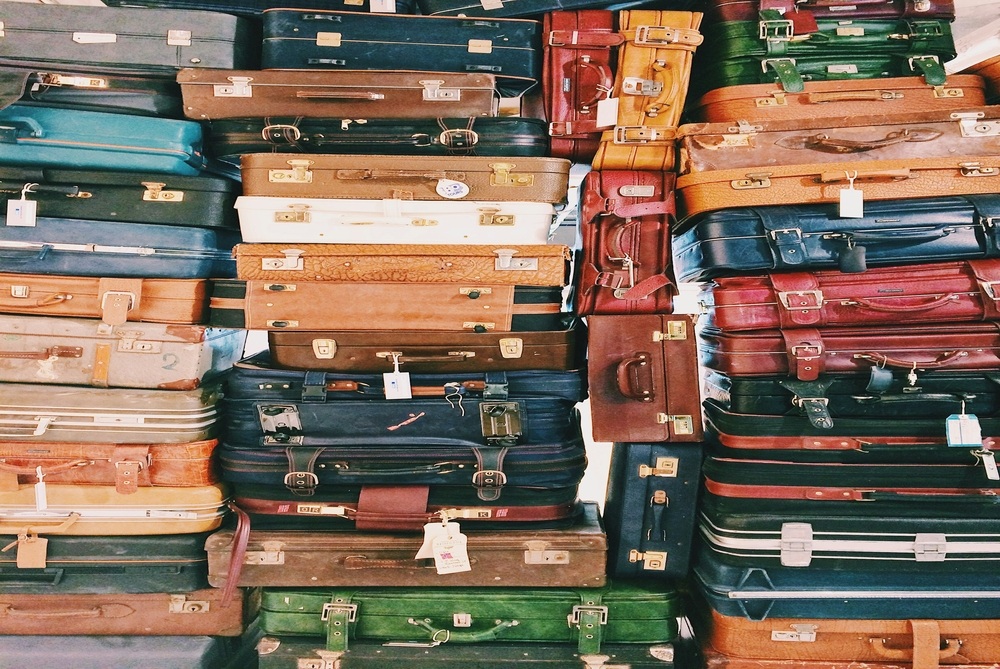
About seven out of every 1,000 bags get lost or delayed by airlines, which makes checking your important items a risky move. Frequent fliers rarely check bags partly because they’ve been burned by lost luggage at some point.
Your keys, medications, electronics, and anything truly valuable should always go in a bag that fits under the seat in front of you. That way, even if your checked bag takes a detour to another continent, you’ll still have what you need.
Skipping meals and hydration before your flight
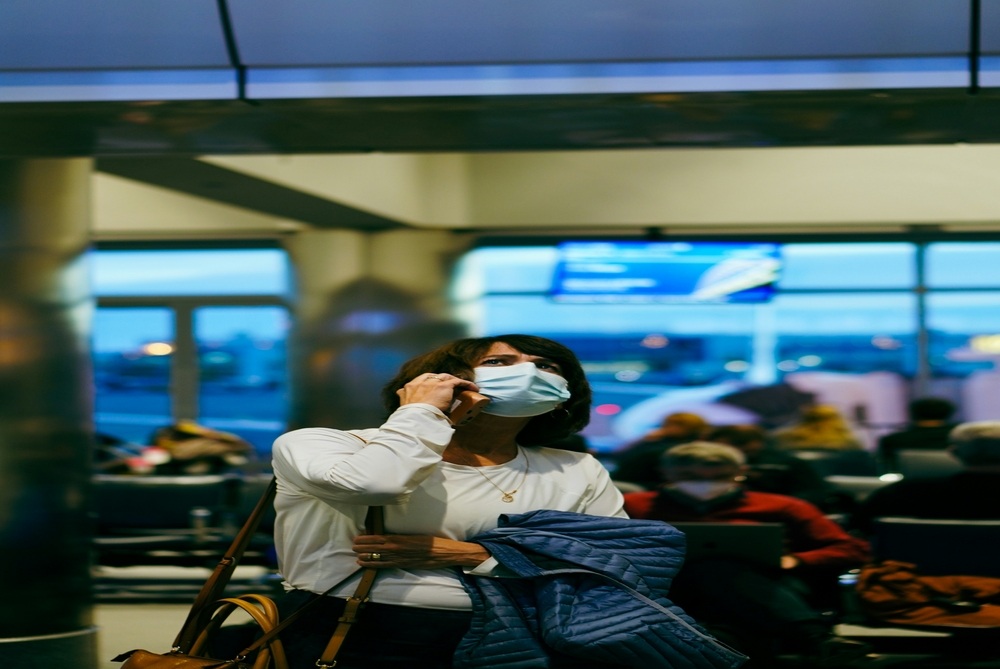
Between the chaos of getting to the airport and rushing through security, many people forget to eat or drink enough water. This becomes a serious problem once you’re on the plane, where humidity levels typically hover between 10% and 20%—much lower than the 30% to 60% our bodies are used to on the ground.
Dehydration hits harder at altitude, making you feel worse during and after the flight. Grabbing a water bottle and snack after security takes five minutes and can prevent you from feeling miserable mid-flight.
Not preparing electronics for security screening

Another 28% of travelers forget to put their phones, keys, and wallets in the plastic bins before walking through the scanner. These items can trigger alerts even though they’re completely harmless, causing TSA agents to pull you aside for additional screening.
Full-sized laptops and tablets also need to come out of your bag unless you have TSA PreCheck. Having everything ready before you reach the conveyor belt keeps the line moving and gets you to your gate faster.
Failing to download your airline’s app
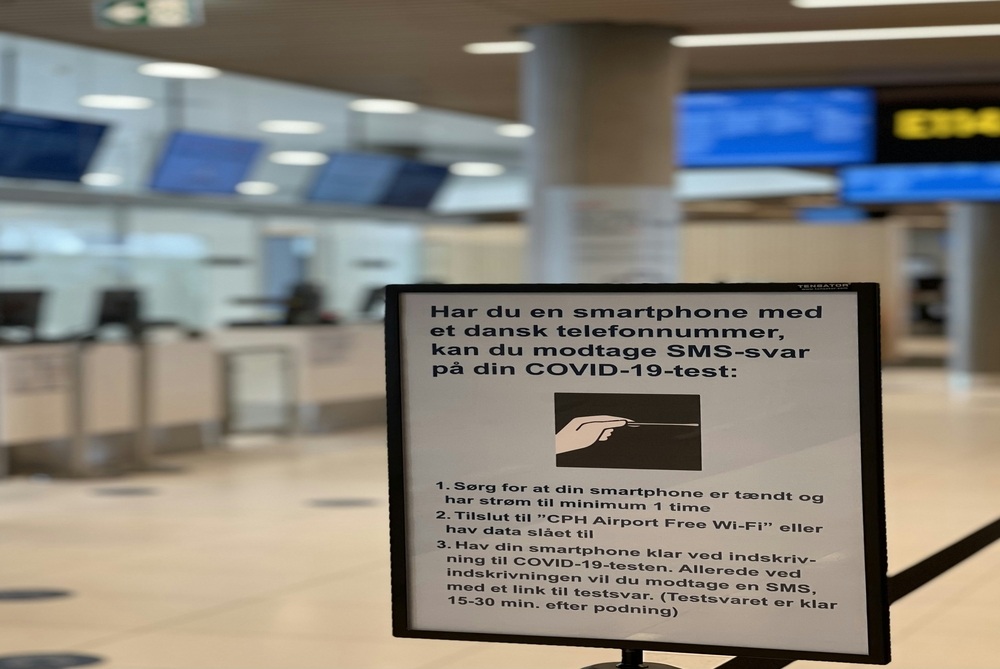
Airport kiosks and ticket counters work fine until they don’t, and then you’re stuck in a long line with your departure time creeping closer. Airline apps let you check in, access your boarding pass, track your luggage, and receive real-time updates about gate changes or delays.
They’re free to download and can save you from missing important information. You can always delete the app after your trip if you don’t want it taking up space on your phone.
Wearing complicated shoes and clothing to the airport

Those knee-high lace-up boots might look great, but they’re a nightmare at security when you need to take them off quickly. The same goes for belts with complicated buckles, layers of jewelry, and jackets with a million zippers.
TSA requires you to remove shoes and belts, and metal items often trigger the scanner. Wearing slip-on shoes, minimal jewelry, and simple clothing makes the security process much smoother and less stressful.
Not knowing your passenger rights

What you don’t know can absolutely hurt you at an airport. Many travelers have no idea what airlines are legally required to provide during delays or cancellations, or that mothers can bring breast milk through security regardless of the liquid restrictions.
Airlines have specific obligations when flights are delayed, but they count on passengers not knowing their rights. Taking a few minutes to research what you’re entitled to can mean the difference between sleeping on an airport bench and getting a free hotel room during an overnight delay.
Assuming you don’t need travel insurance

Some people see travel insurance as an unnecessary expense that just adds to their trip cost, but that perspective ignores reality. If you’re spending $3,000 on a vacation, paying an extra $50 to $100 for insurance that covers cancellations, medical emergencies, and lost luggage just makes sense.
Travel is unpredictable—flights get canceled, people get sick, and luggage goes missing. Insurance turns potential disasters into minor inconveniences by covering the costs of rebooking, medical care, or replacing your belongings.
Traveling internationally without proper documentation
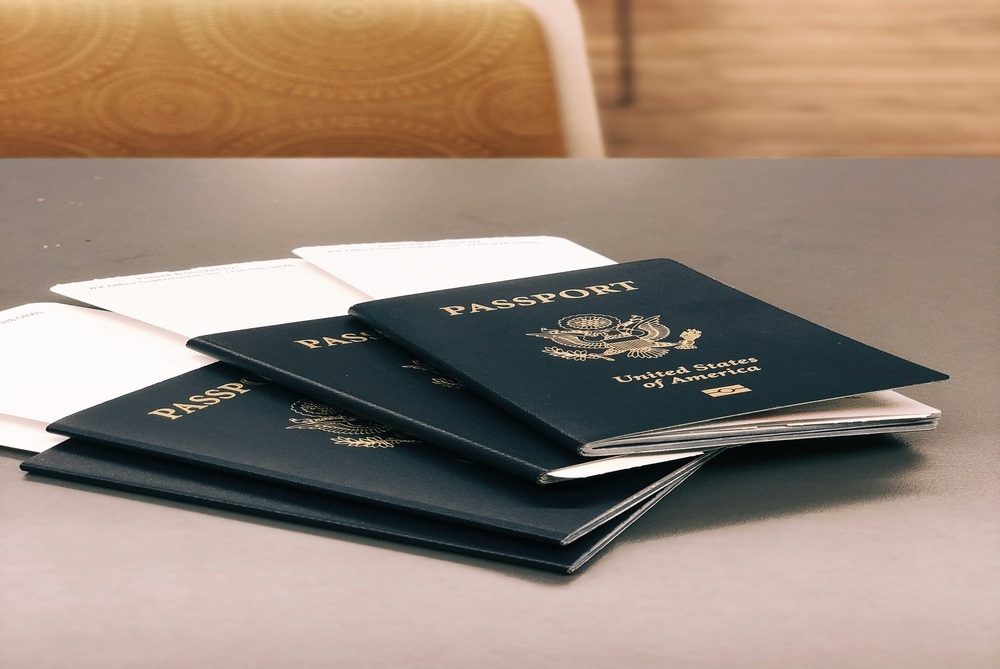
Different countries have wildly different entry requirements beyond just having a valid passport. Some nations require visas that take weeks to process, while others let you apply on arrival.
A few countries need proof of onward travel or specific vaccinations. Traveling solo with kids internationally often requires a notarized consent letter from the other parent, even if you’re married.
Not researching these requirements before booking can result in being denied boarding or entry at your destination. Always verify the exact entry rules well before you travel to prevent surprises at the airport.
Grabbing the wrong bag at baggage claim

In the rush to leave the airport, passengers sometimes grab a bag that looks like theirs and walk away, only to realize their mistake later. This happens frequently enough that experienced travelers always put a colorful ribbon, unique luggage tag, or distinctive marker on their bags.
Placing your phone number and address inside the bag also helps airlines contact you quickly if your luggage gets mixed up. These simple steps prevent the embarrassment of having to return to the airport after grabbing someone else’s identical suitcase.
From departure to arrival
The airport experience has changed dramatically over the decades, with increased security measures and more travelers filling terminals than ever before. What used to be a relatively relaxed process now requires careful planning and attention to detail.
The mistakes covered here share a common thread—they’re all preventable with a bit of preparation and awareness. Learning from other travelers’ errors means you can focus on the exciting part of your journey rather than scrambling to fix problems that could have been avoided.
More from Travel Pug

- Underrated Italian Towns That Beat the Tourist Crowds
- Las Vegas Tourist Traps to Skip
- Prettiest Towns in Every US State
- 18 passport-free countries for Americans
- Signs Your Cruise Is Not Worth The Cost
Like Travel Pug’s content? Follow us on MSN.