

Rome feels less like a city and more like a living museum where each cobblestone has been a witness to centuries of drama, victory, and life. The eternal city dishes out an intoxicating mix of ancient history and modern Italian style that’ll have you making plans for your return trip before you’ve even departed.
Below is a collection of 20 handpicked itinerary suggestions that will assist you in sampling Rome’s amazing cuisine, stunning ruins, and cultural riches. These options vary from morning market explorations to nighttime cultural shows, so that you’ll get to experience both the well-known spots and the insider secrets that make Rome magic.
Trastevere food walking tour
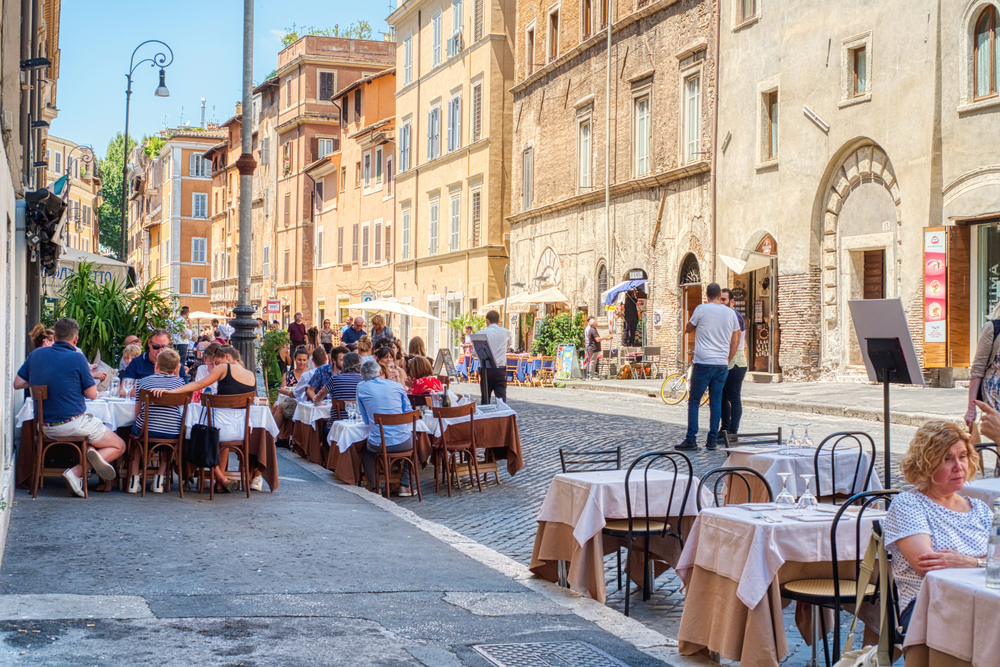
This charming medieval neighborhood transforms into a culinary playground after sunset, with narrow cobblestone streets leading to family-run trattorias that have perfected their recipes over generations. You’ll find locals gathering around tiny tables outside restaurants like Da Enzo, where the cacio e pepe arrives perfectly creamy and the wine flows as freely as the conversation. The area’s authentic atmosphere makes every meal feel like you’ve been invited to join an extended Italian family dinner.
Campo de Fiori morning market
The bustling morning market at Campo de’ Fiori awakens your senses with vibrant displays of seasonal produce, aromatic herbs, and vendors calling out specials in rapid-fire Italian. Fresh artichokes, sun-ripened tomatoes, and wheels of pecorino romano create a colorful tapestry that changes with the seasons — yet the energy remains constant year-round. Grab a cornetto and cappuccino from a nearby café while watching Romans select ingredients with the practiced eye of generations.
Like Travel Pug’s content? Follow us on MSN
Traditional Roman pasta dishes
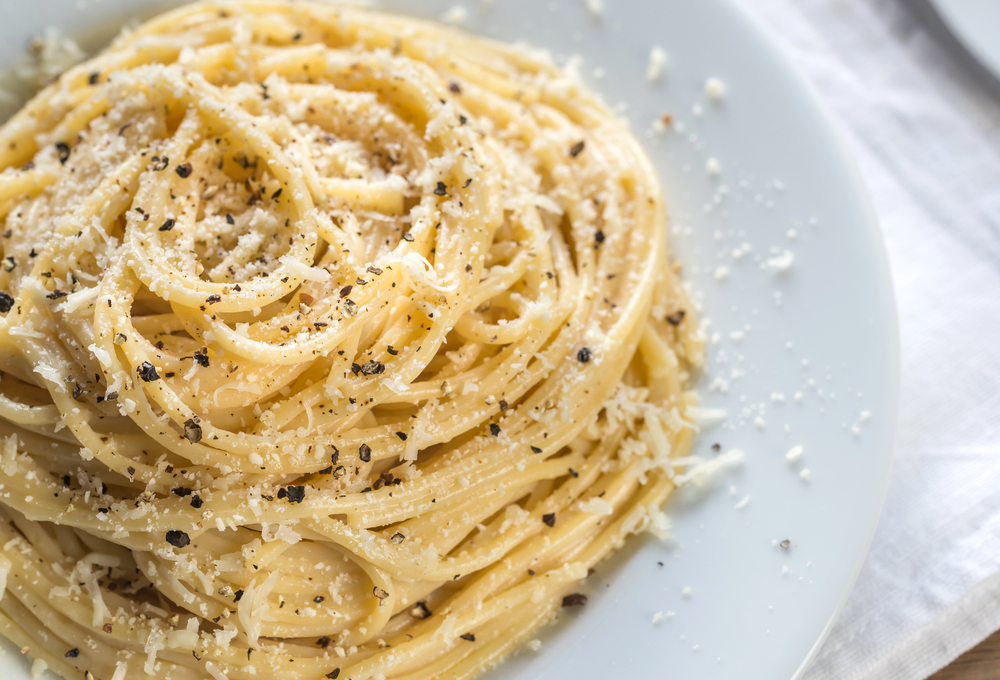
Rome’s four classic pasta preparations — carbonara, amatriciana, gricia, and cacio e pepe — represent the soul of Roman cooking with their simple ingredients and perfect technique. Each dish tells a story of the city’s working-class roots, from the charcoal workers who inspired carbonara to the shepherds who created cacio e pepe with just cheese, pepper, and pasta water. Despite their apparent simplicity, these dishes require skill that Roman chefs spend years mastering.
Best gelato neighborhoods
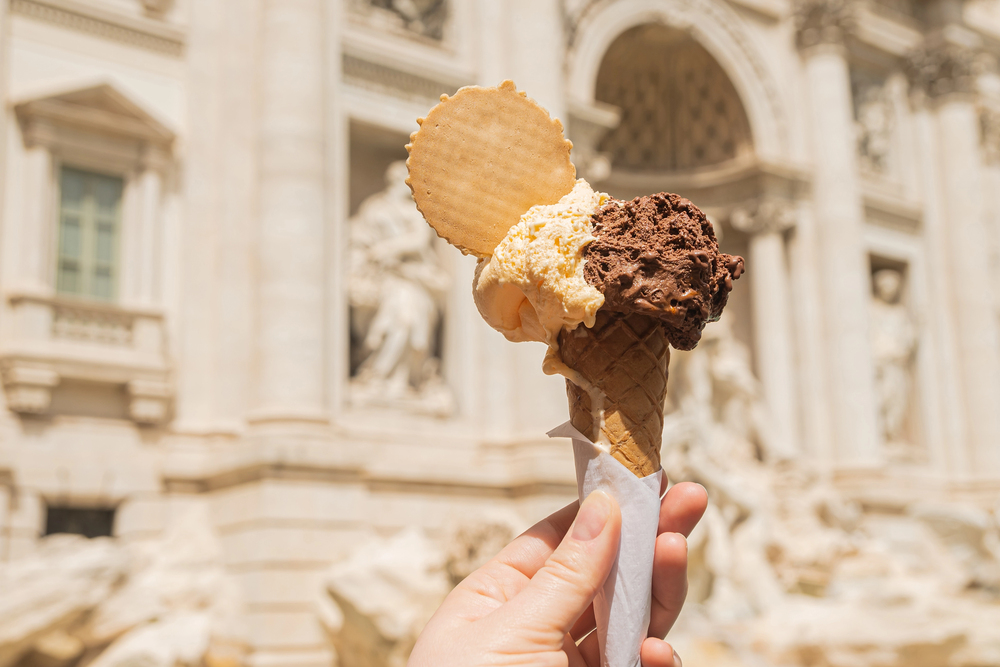
The Pantheon district has some of Rome’s most iconic gelaterias, where master artisans prepare fresh daily batches with ancient techniques and in-season ingredients. Giolitti has been dishing up creamy bliss since 1900, but newer establishments such as Fatamorgana innovate with unusual flavors such as rosemary in white chocolate. The secret is seeking out shops where the gelato is kept in covered metal containers, not on towering displays — a guarantee of quality and freshness.
Roman coffee culture ritual
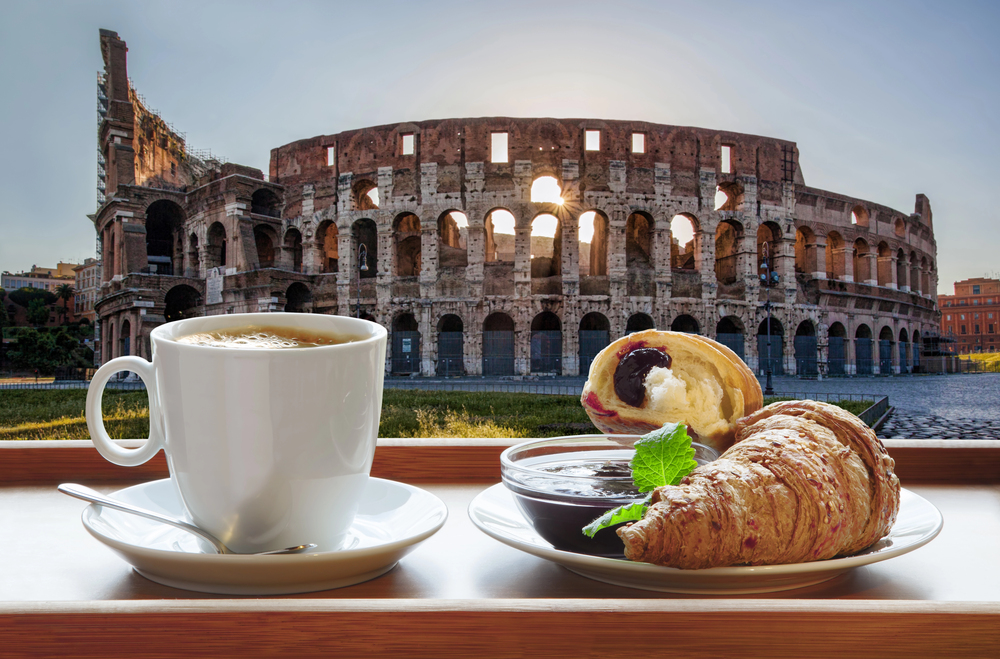
Romans approach their morning espresso as a ritual, getting to the bar counter and chatting with the barista who knows precisely how each of them wants their coffee done. Afternoon sees cappuccino or café macchiato, but ordering cappuccino after 11 AM marks you as a tourist faster than pulling out a map. These short coffee breaks are used as social landmarks during the day, interrupting work and conversation with some unadulterated Italian pleasure.
Testaccio food hall adventure
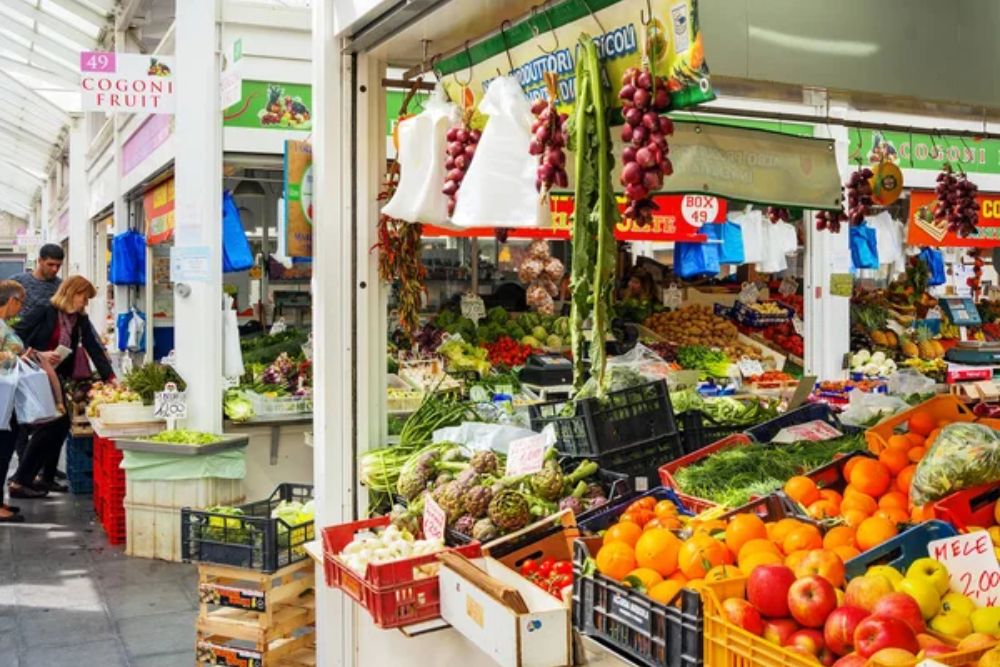
The covered Testaccio Market buzzes with energy as vendors offer everything from traditional Roman street food to modern interpretations of classic dishes. This former working-class neighborhood has evolved into a foodie destination while maintaining its authentic character — you’ll find both grandmothers shopping for Sunday dinner ingredients and young chefs sourcing specialty items. The market’s trapizzino stands serve Rome’s beloved street food sandwich, stuffed with everything from chicken cacciatore to meatballs in tomato sauce.
Like Travel Pug’s content? Follow us on MSN
Jewish quarter culinary gems
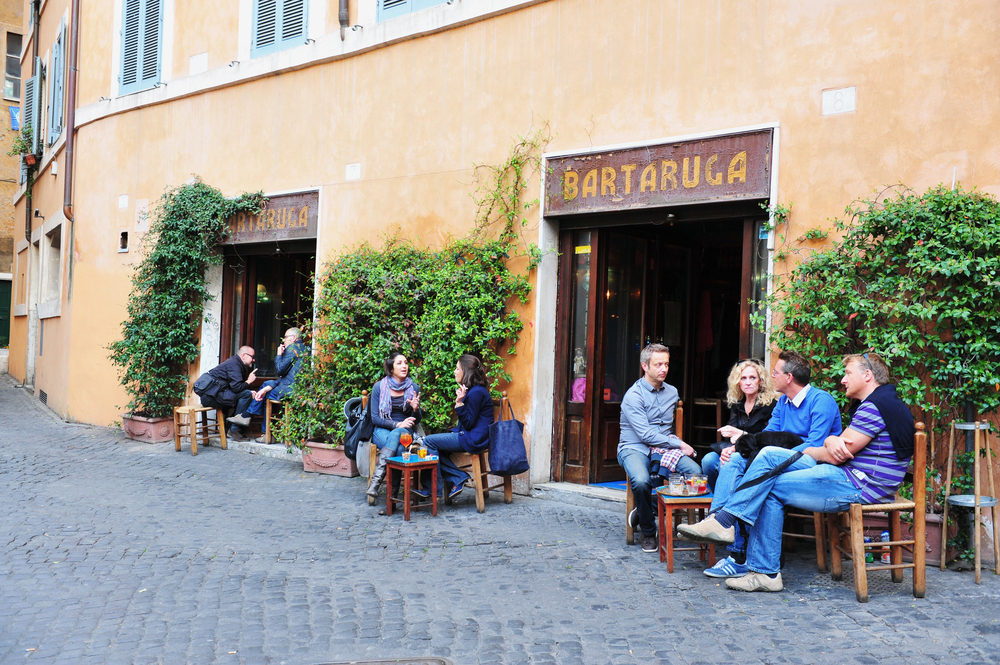
Rome’s ancient Jewish quarter, or Ghetto, has produced distinctive dishes that blend Italian and Jewish culinary traditions over nearly 2,000 years of continuous habitation. The neighborhood’s restaurants serve specialties like carciofi alla giudia (Jewish-style artichokes), which exist nowhere else in the world, creating crispy, golden petals that taste like edible flowers. Ba’Ghetto offers modern interpretations of traditional recipes, while Nonna Betta maintains time-honored preparations that have passed through generations.
Colosseum underground chambers
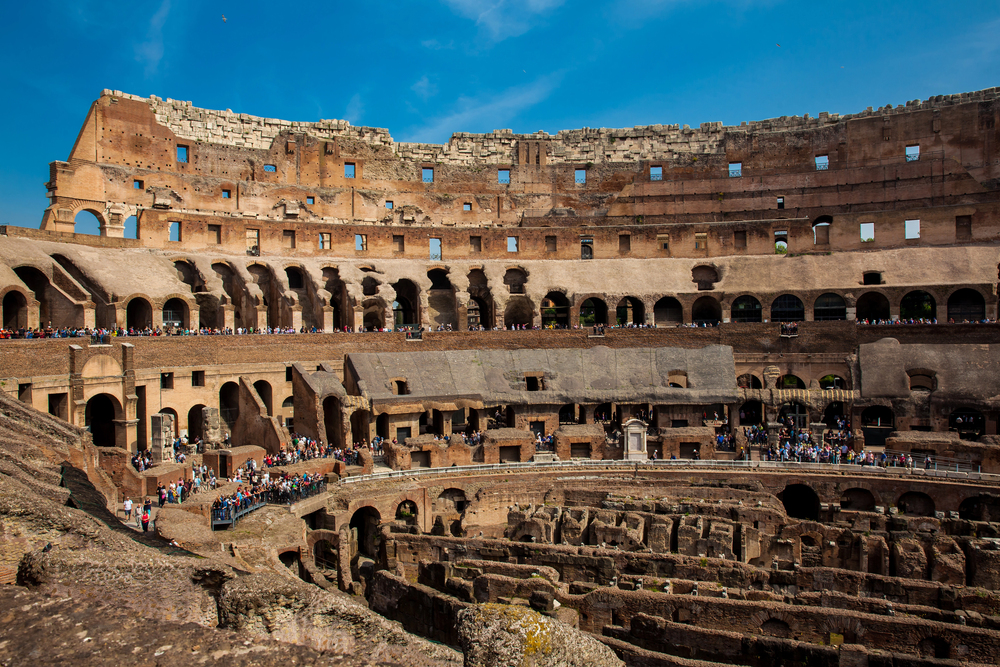
Descending into the Colosseum’s hypogeum reveals the complex machinery that powered ancient Rome’s most spectacular entertainment venue, with underground corridors where gladiators and wild animals awaited their dramatic entrances. The wooden elevator systems that once lifted lions and tigers to the arena floor have been partially reconstructed, giving visitors a visceral understanding of the engineering marvels hidden beneath the sand. These underground chambers housed a workforce of hundreds who orchestrated the elaborate spectacles that kept Roman crowds entertained and emperors popular.
Roman Forum, ancient pathways
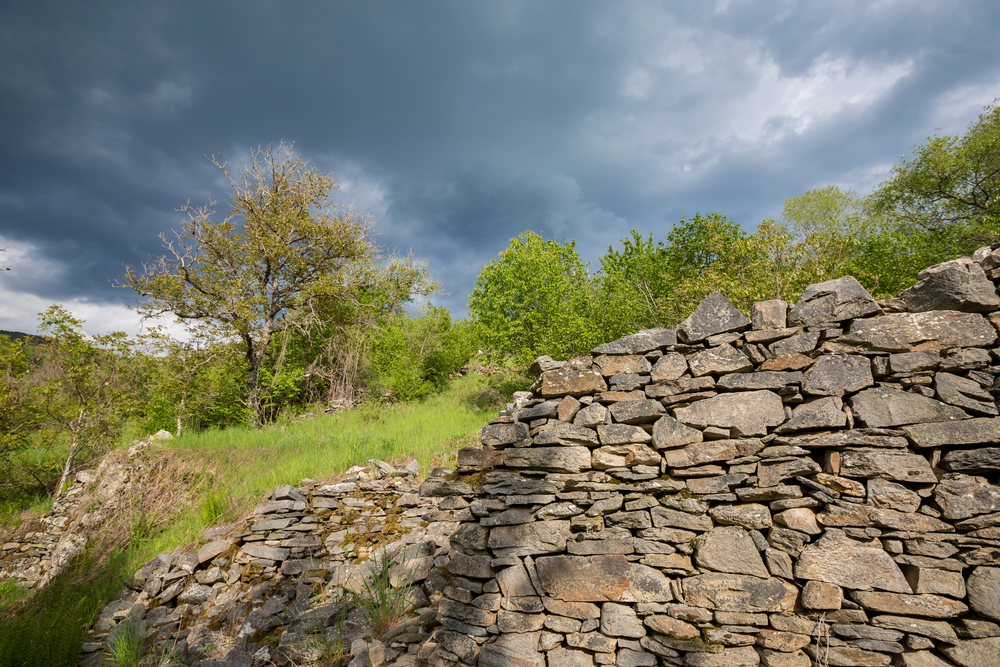
Walking the original Roman stone paths through the Forum connects you directly with citizens who traversed these same routes over 2,000 years ago, their footsteps wearing smooth grooves still visible today. The Sacred Way, or Via Sacra, once witnessed triumphant generals parading captured enemies and treasures before cheering crowds — now it leads modern visitors past crumbling temples and basilicas that once formed the beating heart of an empire. Each fallen column and weathered arch tells part of a larger story about power, politics, and daily life in ancient Rome.
Like Travel Pug’s content? Follow us on MSN
Pantheon architectural marvel
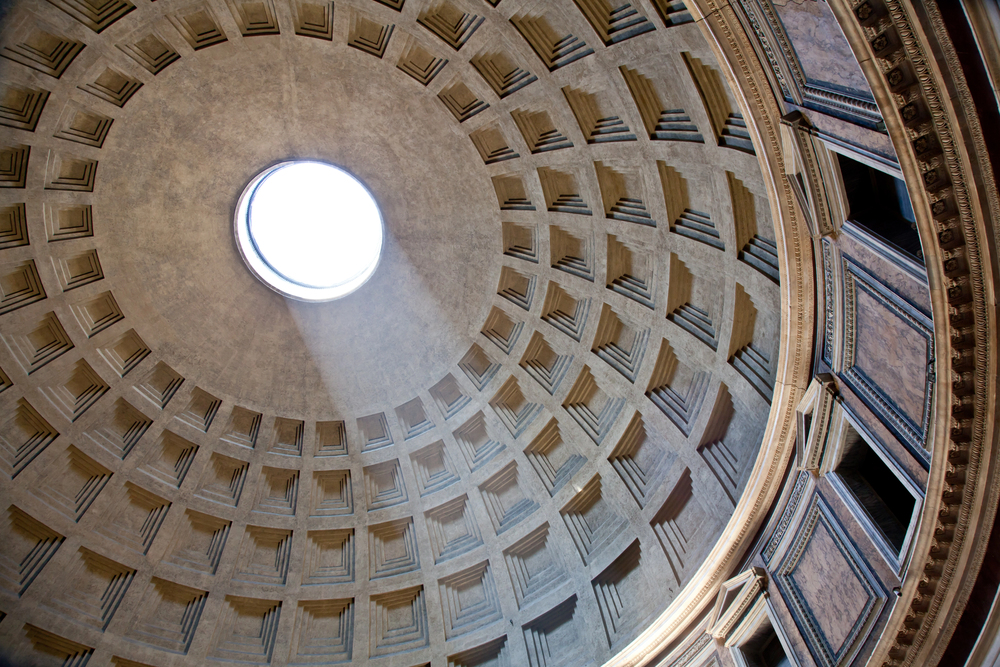
The Pantheon’s massive concrete dome, completed nearly 1,900 years ago, remains the world’s largest unreinforced concrete dome and continues to inspire architects and engineers today. Stepping inside feels like entering a sacred space where mathematics and spirituality converge — the dome’s height equals its diameter, creating perfect proportions that the human eye finds naturally pleasing. Rain falling through the central opening, or oculus, creates an almost mystical atmosphere while serving the practical purpose of washing the marble floors.
Baths of Caracalla ruins
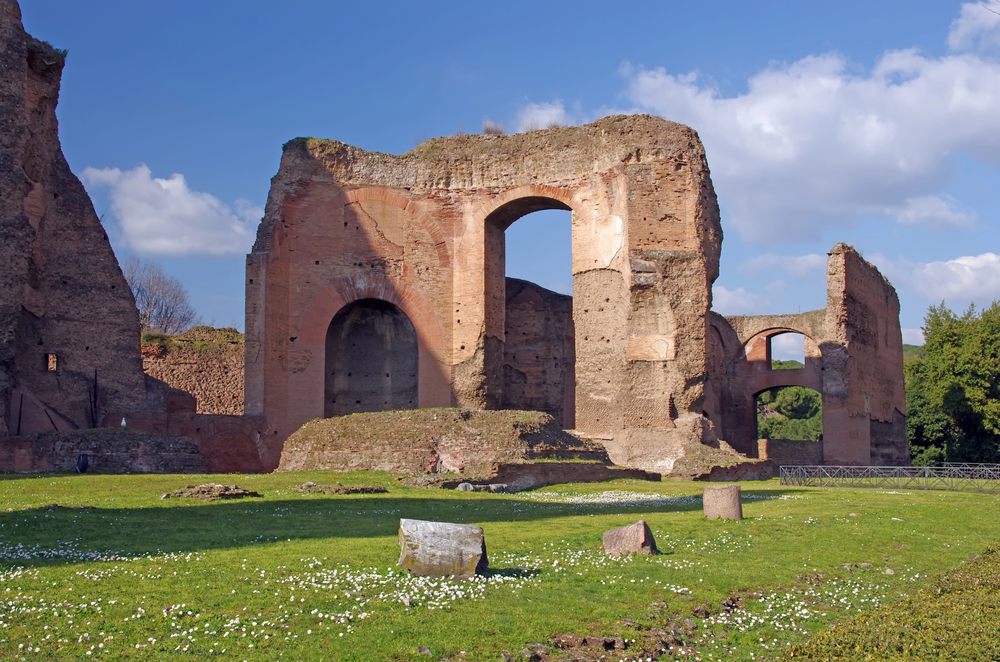
These sprawling thermal bath ruins showcase Roman engineering at its most ambitious, with massive brick walls and soaring arches that once enclosed swimming pools, libraries, and gardens serving up to 1,600 bathers daily. The complex’s sophisticated heating system, known as a hypocaust, circulated hot air through hollow walls and under floors — a technology that wouldn’t be matched in Europe for over a thousand years. Walking through the preserved chambers gives you a sense of the luxury and social importance these public baths held in Roman society.
Palatine Hill imperial palaces
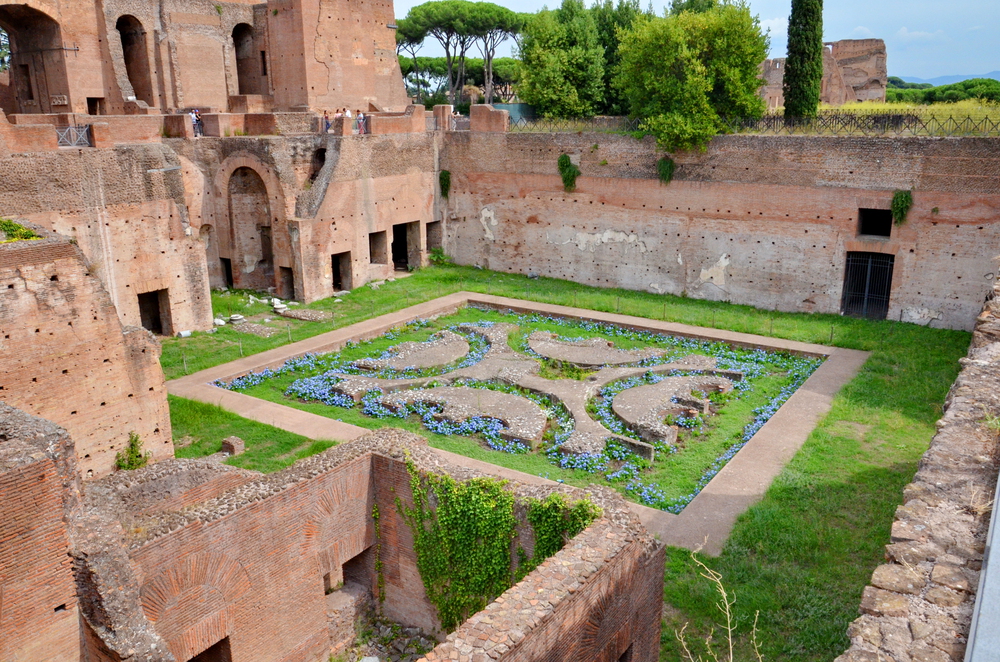
The Palatine Hill rises above the Roman Forum like an exclusive neighborhood where emperors built increasingly elaborate palaces, creating a vertical display of imperial power and wealth. Archaeological excavations have revealed stunning frescoes, intricate mosaics, and the remains of private dining rooms where the fate of the known world was decided over elaborate banquets. The Palatine Museum houses artifacts found on the hill, including delicate cameos and golden jewelry that once adorned the empire’s most powerful families.
Like Travel Pug’s content? Follow us on MSN
Castel Sant’Angelo fortress
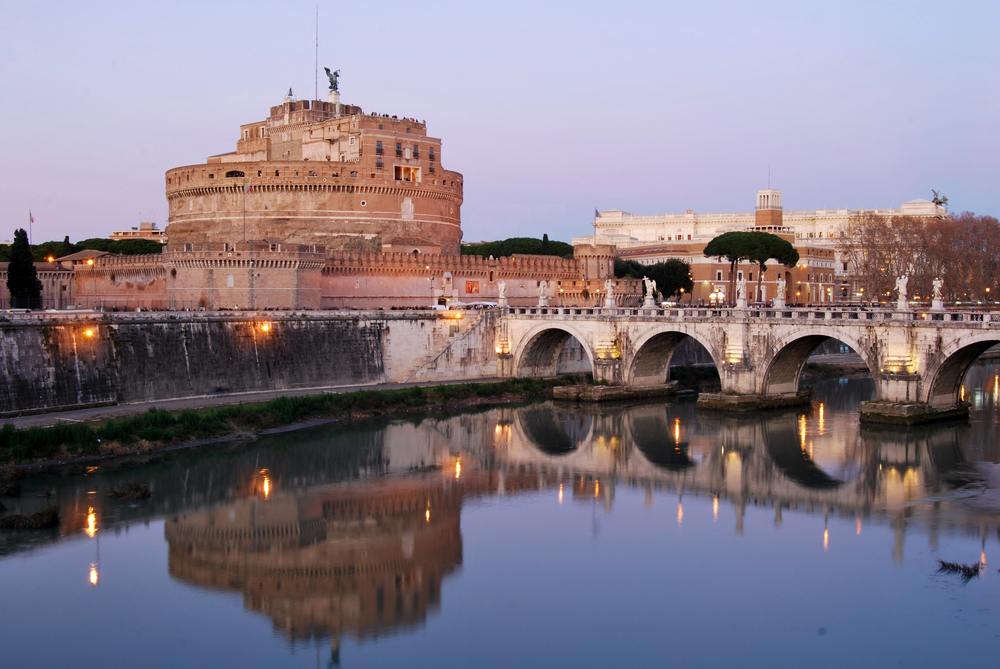
This cylindrical fortress began life as Emperor Hadrian’s mausoleum before being transformed into a papal refuge, connected to the Vatican by a secret elevated corridor still visible today. The castle’s multiple layers of fortification tell Rome’s story through different eras — from imperial tomb to medieval fortress to Renaissance papal apartment complete with frescoed walls and luxurious furnishings. Climbing to the terrace rewards visitors with panoramic views across Rome, including a perfect perspective of St. Peter’s Basilica and the Vatican.
Ostia Antica day trip
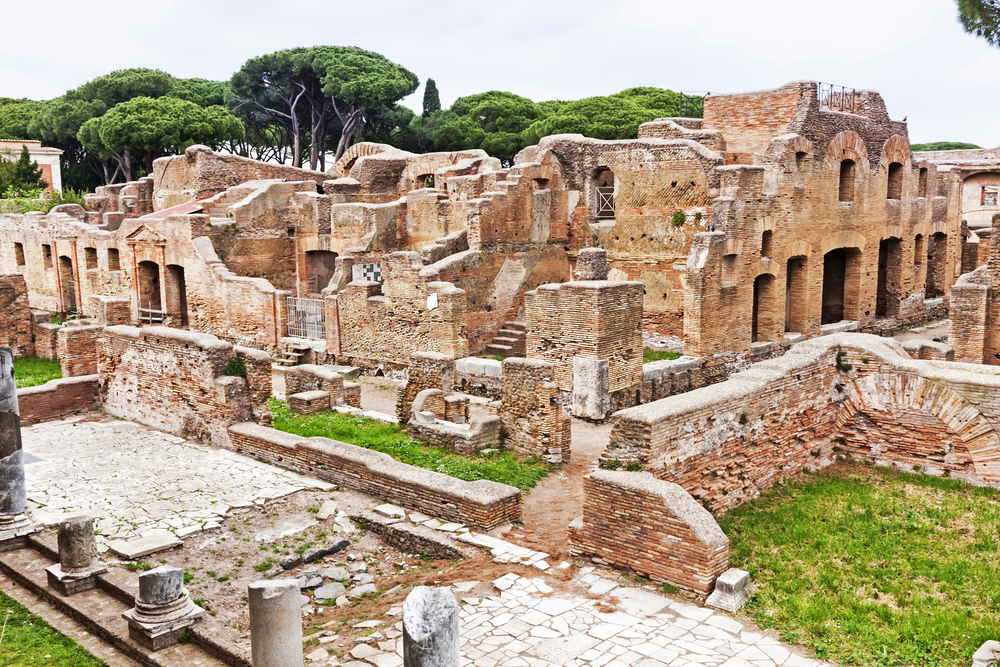
Just 30 minutes from central Rome by train, Ostia Antica preserves an entire Roman city buried by centuries of river silt, creating an archaeological wonderland where you can walk ancient streets largely alone. The remarkably preserved amphitheater, public latrines, and apartment buildings offer insights into daily life that complement the monumental attractions within Rome itself. Mosaics depicting everything from maritime scenes to mythological figures remain vibrant under the Mediterranean sun, while the site’s peaceful atmosphere provides a welcome contrast to Rome’s bustling energy.
Vatican Museums’ art treasures
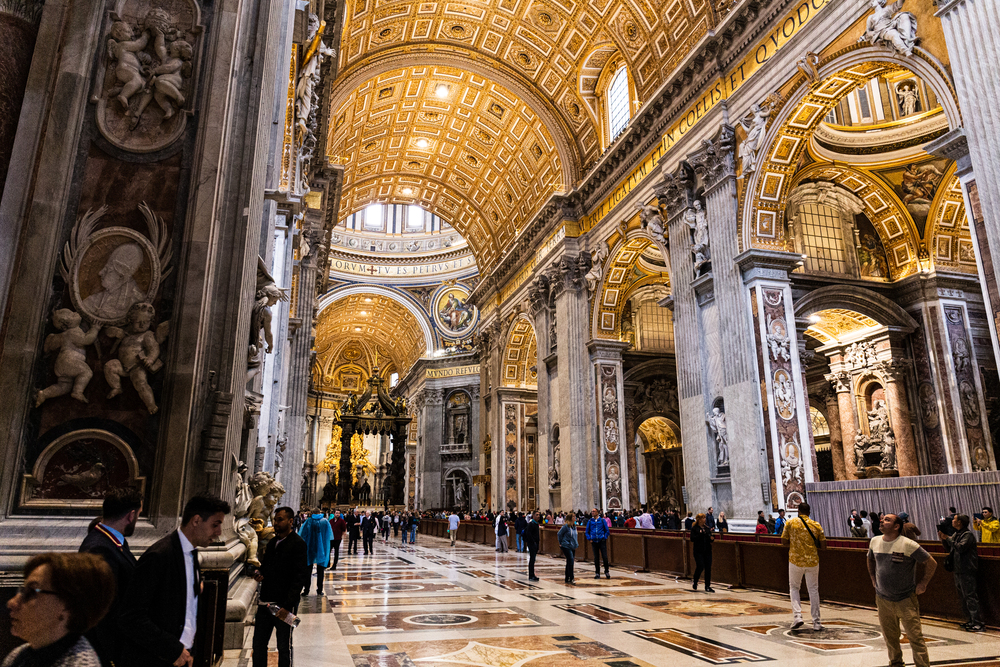
The Vatican’s vast collection spans centuries of artistic achievement, from ancient Roman sculptures repurposed by papal patrons to Michelangelo’s Sistine Chapel ceiling that took four years of back-breaking work to complete. The Gallery of Maps features 16th-century painted maps of Italian regions that are so detailed, they served as both art and navigation tools, while the Raphael Rooms showcase the artist’s mastery of perspective and storytelling. Booking early morning or late afternoon tours helps avoid the crushing crowds that can make viewing these masterpieces feel like a contact sport.
Like Travel Pug’s content? Follow us on MSN
Capitoline Museums collections
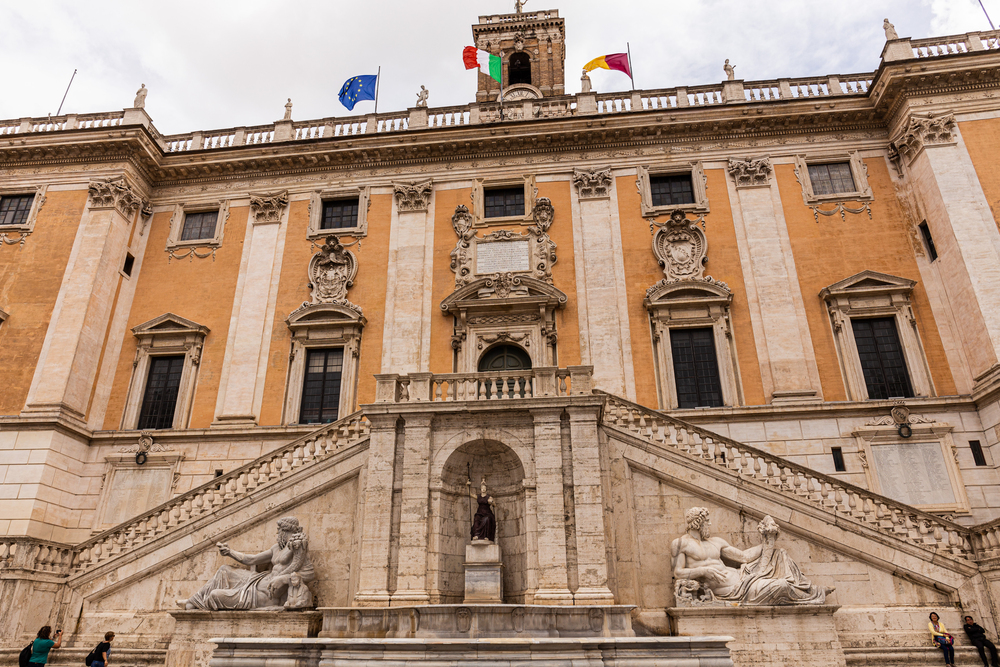
Rome’s oldest public museums house an extraordinary collection of ancient Roman statues, including the original Marcus Aurelius equestrian statue that inspired countless copies throughout European capitals. The museum’s courtyard displays massive fragments from a colossal statue of Constantine — just the head measures over 8 feet tall — giving visitors a visceral understanding of how Romans used scale to project imperial power. The building itself, designed by Michelangelo, creates a harmonious setting where Renaissance architecture frames ancient artifacts.
Villa Borghese cultural district
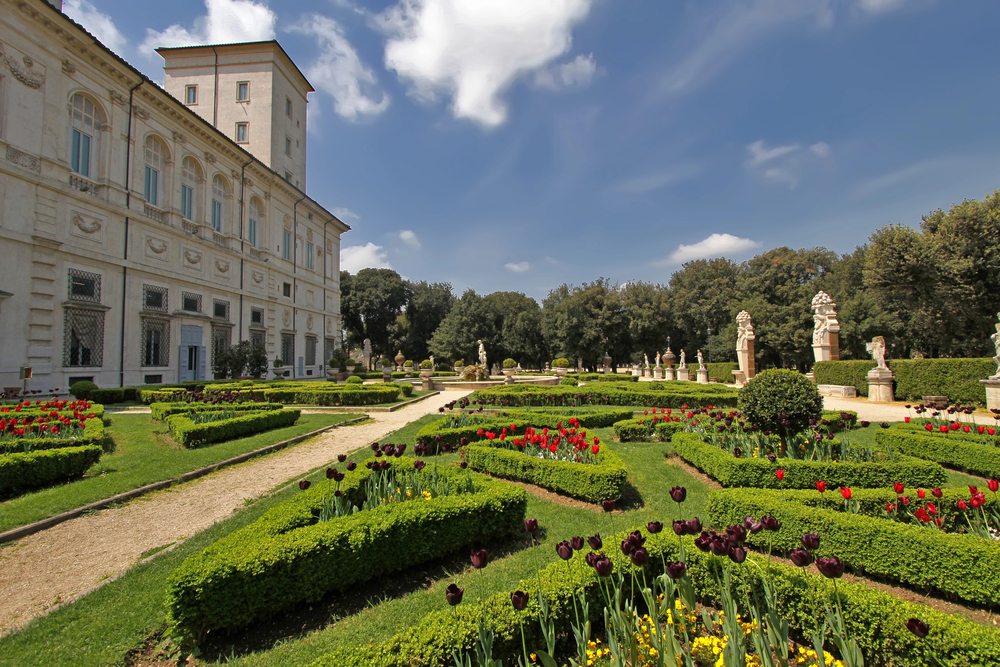
This sprawling park functions as Rome’s cultural heart, housing multiple museums and galleries within walking distance of each other amid landscaped gardens and tree-lined paths perfect for strolls. The Borghese Gallery contains Bernini sculptures so lifelike they seem ready to step from their pedestals. At the same time, the Etruscan Museum reveals the sophisticated civilization that predated Roman dominance in central Italy. Renting a bicycle or rowboat adds recreational variety to a day spent absorbing high culture.
Spanish Steps neighborhood culture
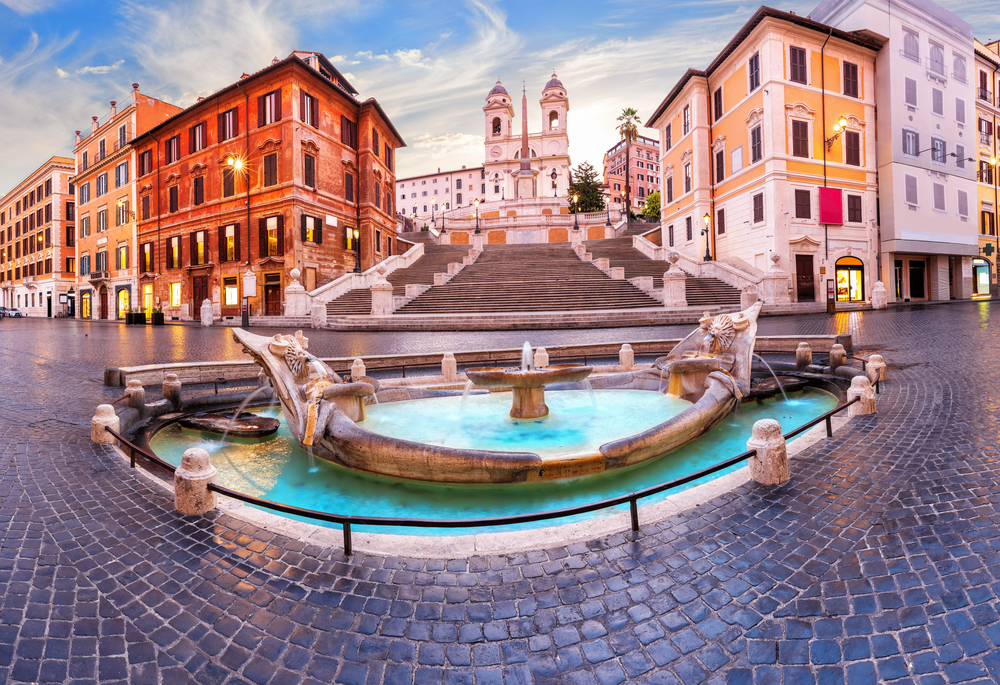
The elegant Spanish Steps create a theatrical backdrop for people-watching while serving as Rome’s unofficial outdoor living room where visitors and locals gather throughout the day. The surrounding streets house luxury boutiques, art galleries, and historic cafés like Antico Caffè Greco, where writers like Byron and Keats once debated literature over strong espresso. The nearby Keats-Shelley Museum occupies the house where the young English poet died, creating a pilgrimage site for literature lovers from around the world.
Evening aperitivo culture

Roman aperitivo hour transforms ordinary bars into social theaters where friends gather to unwind with spritz cocktails and complimentary appetizers that often constitute a light dinner. The ritual typically begins around 6 PM and stretches toward 9 PM, creating a leisurely transition between work and dinner that reflects Italy’s emphasis on savoring life’s daily pleasures. Popular spots near the Pantheon or in Trastevere offer outdoor seating perfect for watching the evening passeggiata — the traditional evening stroll that brings neighborhoods to life.
Like Travel Pug’s content? Follow us on MSN
Roman neighborhood festivals
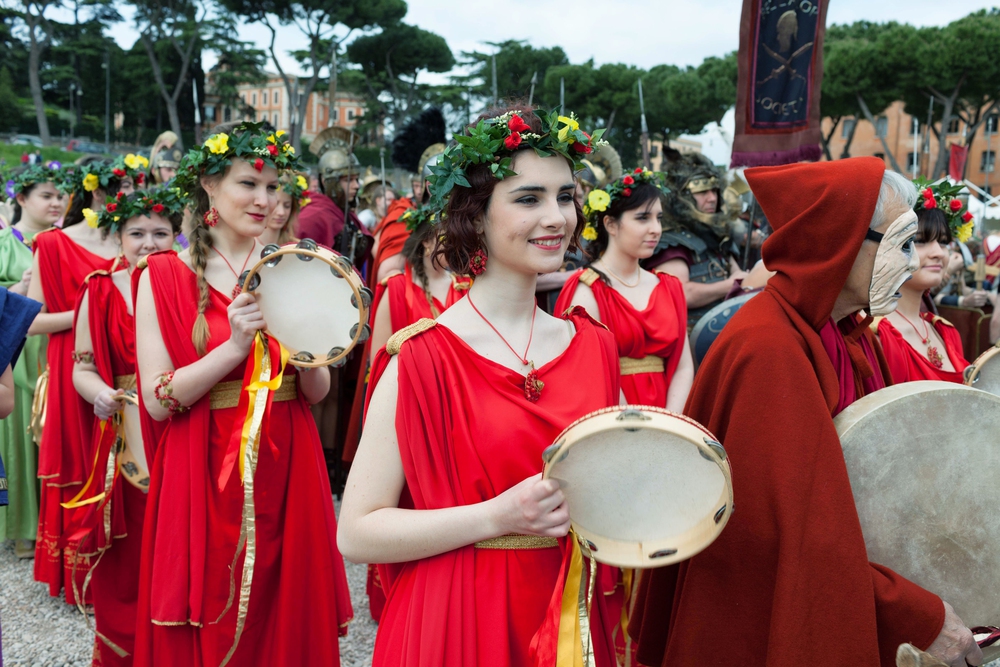
Throughout the year, Rome’s neighborhoods celebrate patron saints and local traditions with street festivals featuring live music, food stalls, and community gatherings that welcome visitors into authentic local culture. The summer Lungo il Tevere festival transforms the Tiber riverbanks into an outdoor party with restaurants, bars, and live entertainment that continues until late into the night. These events offer glimpses of contemporary Roman life that exist parallel to the tourist attractions, where families with children mingle with young couples and elderly neighbors in celebrations that feel genuinely inclusive.’
This is just a template and this text should be replaced in your post. Each gallery slide consists of a H2 heading, one image, an image caption, and then paragraph text. You can link to your post or another post which is reflected in the image in order to get traffic. You should have a minimum of 10 gallery slides, so 10 of these block combos. This template has 10 for you to start with.
Bringing ancient Rome alive today
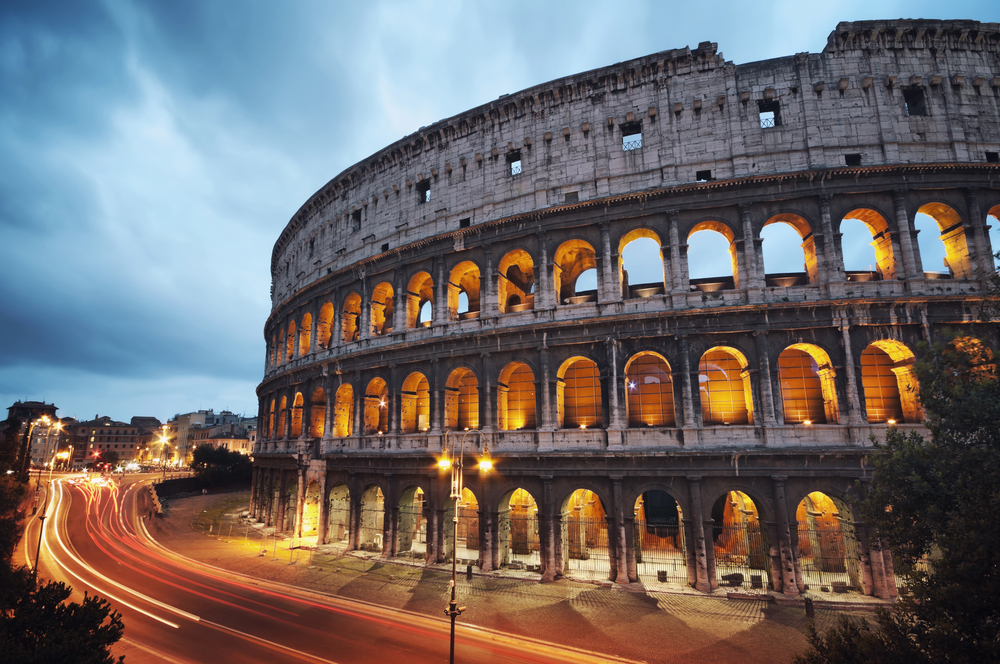
Rome’s magic is that it works so seamlessly, juxtaposing ancient history with modern Italian life, where morning coffee can be drunk while looking at ruins once home to Caesar’s political enemies. The city evolves further while paying tribute to its past, opening new restaurants in medieval structures and hosting modern art shows in ancient spaces that have seen centuries of human drama play out. Contemporary Romans chart their remarkable heritage with a relaxed familiarity that both maintains and renews their cultural heritage, keeping Rome exuberantly alive and not just a museum.
Every return yields additional layers of this richness, making Rome a city worth seeing repeatedly with increased comprehension and ongoing discovery. The city eternal gets its moniker not by immutable preservation, but by how well it’s able to reinvent itself while keeping the strands binding its visitors of today to the scores of generations that trod these same stone passageways.
More from Travel Pug

- 20 Best Beach Towns in the Carolinas
- 13 Destinations Where Tourists Regularly Regret Their Trip
- 20 Things You Actually Get in First Class
- 20 Small Airports With Aviation Museums
- 20 Places in the U.S. That Are Perfect for a Reset Trip
Like Travel Pug’s content? Follow us on MSN