

Tokyo’s reputation as an expensive city isn’t exactly undeserved—accommodation costs can eat through a travel budget faster than you can say “konbanwa.” Capsule hotels emerged in the late 1970s as a practical solution for businessmen who missed the last train home, offering a place to crash for the night without the price tag of a regular hotel room.
What started as utilitarian pods for salarymen has evolved into a quirky accommodation option that budget travelers now seek out deliberately, mixing affordability with that distinctly Japanese approach to maximizing limited space. Modern capsule hotels range from bare-bones sleeping quarters to surprisingly well-designed spaces with amenities that rival traditional hotels.
Here is a list of 15 capsule hotels in Tokyo for budget stays.
Nine Hours Shinjuku-North
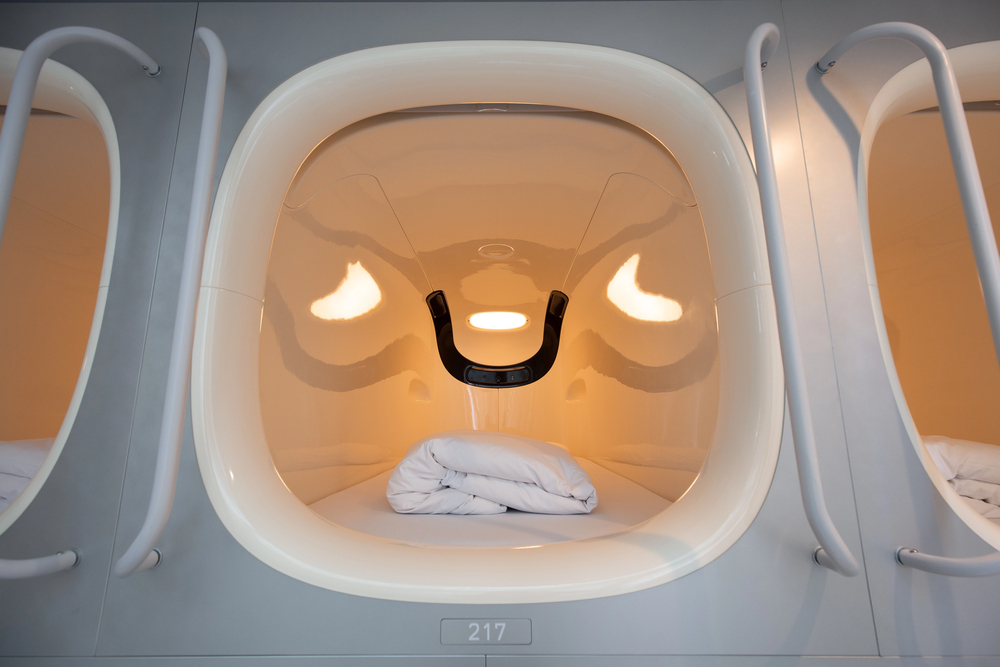
Nine Hours takes its name from the idea that you need nine hours total—one for a shower, seven for sleep, and one to get ready. The Shinjuku-North location opened in 2009 and helped redefine what capsule hotels could be with its sleek, minimalist design.
The pods are clean white fiberglass with surprisingly comfortable mattresses, though they remain tight for anyone over six feet tall. Everything runs on a card system, and the whole place has this futuristic vibe that feels very Tokyo.
Showers are separate from the sleeping area, and they provide pajamas and toiletries.
First Cabin Akihabara
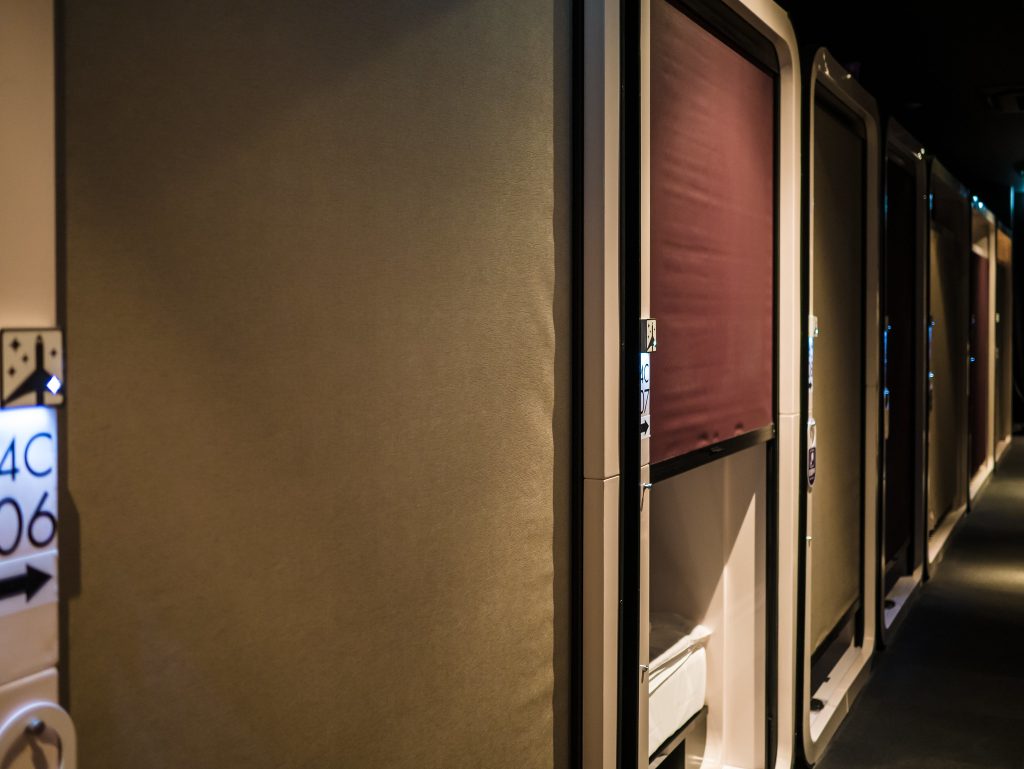
First Cabin markets itself as “compact hotels” rather than capsule hotels, and the distinction isn’t just marketing—the cabins here have more vertical space than typical pods. The Akihabara location puts you right in the middle of Tokyo’s electronics and anime district, which is convenient if that’s your scene.
Each cabin has a small desk area and enough room to actually sit up without hitting your head. The shared lounges are comfortable, and they’ve got separate floors for men and women.
It’s slightly pricier than traditional capsule hotels but still way cheaper than a regular hotel room.
Capsule Hotel Anshin Oyado Shinbashi
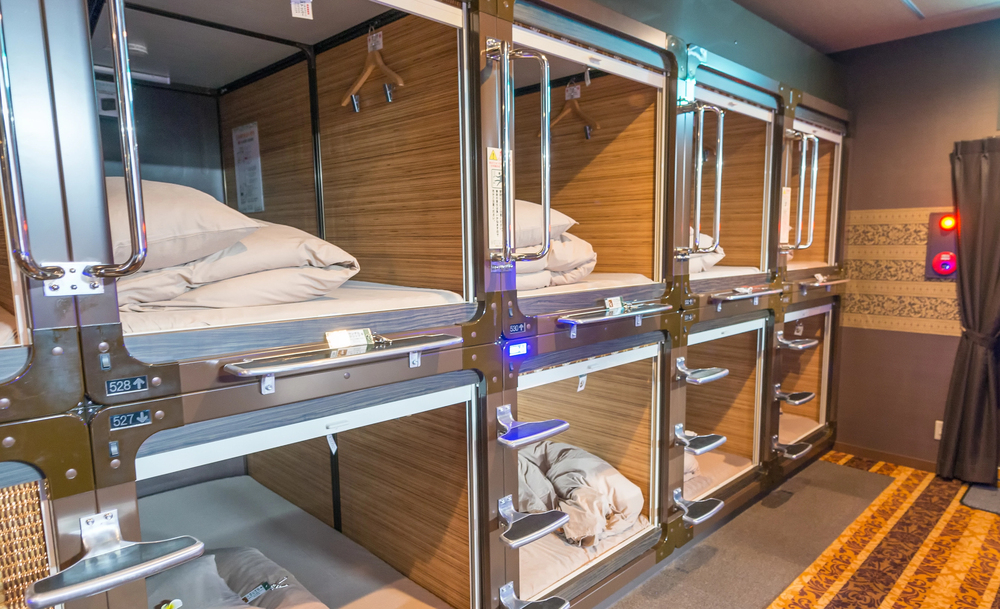
This place near Shinbashi Station keeps things traditional and no-frills, which translates to lower prices. The capsules are stacked two high with curtains for privacy—pretty standard setup from the 1980s playbook.
It’s popular with salarymen who actually missed their train, so don’t expect a quiet night on Fridays. The building has a sauna and public bath included in the price, which is a nice bonus.
It’s men-only, as are many of the older capsule hotels in Tokyo.
The Millennials Shibuya
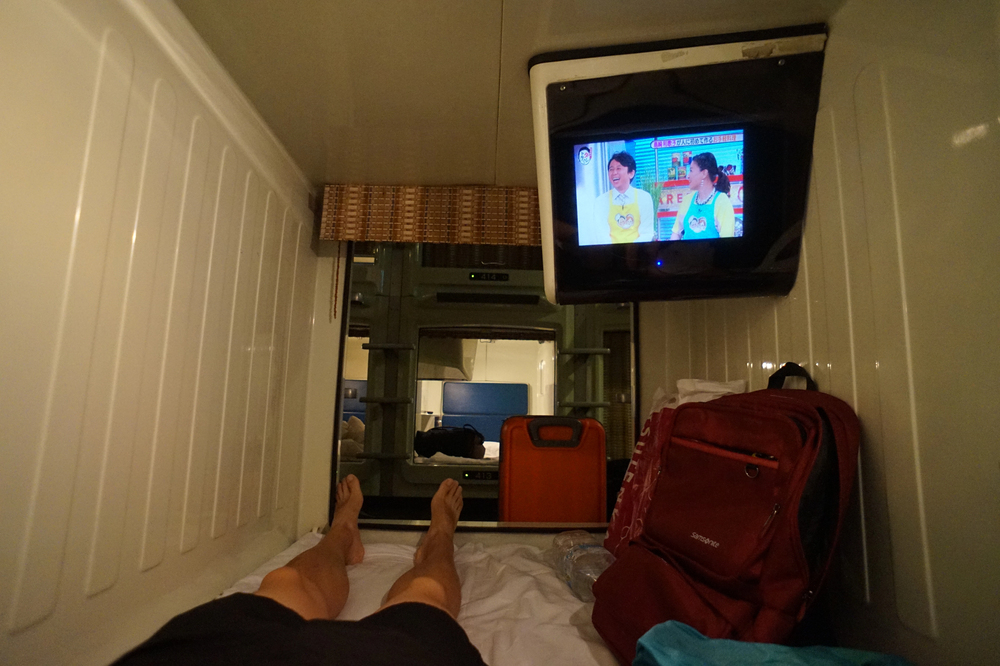
The Millennials targets—surprise—millennials and younger travelers with a design that emphasizes social spaces over pure functionality. The sleeping pods have electric controls that let you adjust the angle, which sounds gimmicky but actually helps with reading or watching stuff on your phone.
Each pod has USB charging ports and decent wifi. The ground floor café and bar area gets pretty lively in the evenings, which is great if you’re looking to meet other travelers but less great if you want to crash early.
Book and Bed Tokyo Shinjuku
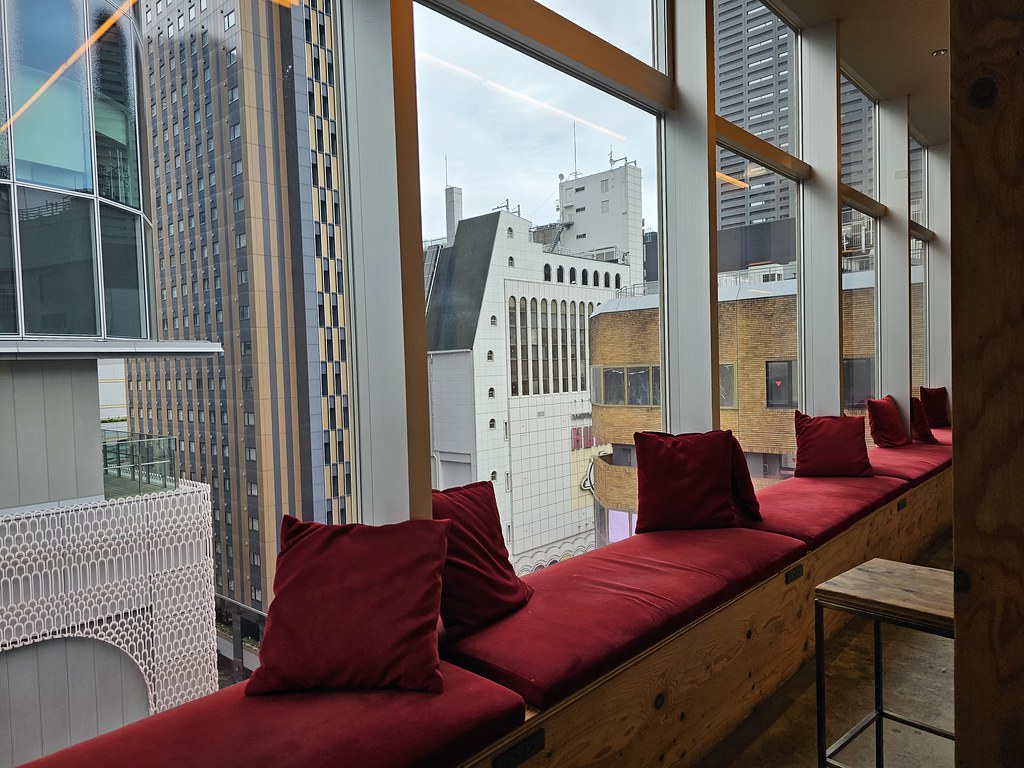
This spot combines a capsule hotel with a bookstore—the sleeping pods are literally built into bookshelves. You can pull books off the shelf and read in bed, which is a nice touch assuming you can read Japanese since most of the collection is in Japanese.
The Shinjuku location has both capsule-style pods and slightly larger “bookshelf beds” that cost a bit more. It’s mixed gender with separate bathroom facilities.
The atmosphere skews more cozy library than efficient sleeping machine.
Capsule Value Kanda
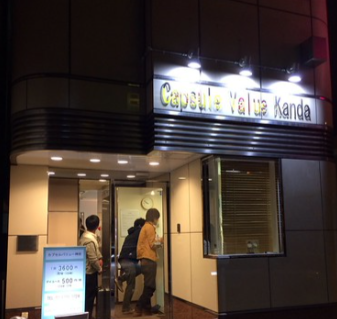
Value is right there in the name, and this place delivers on that promise with some of the cheapest capsule rates in central Tokyo. The pods are basic—you get a mattress, a light, and a TV mounted in the ceiling.
Bathrooms and showers are shared and can feel cramped during peak hours. The clientele is mostly Japanese businessmen, and the staff speaks limited English.
It’s functional rather than fun, but the location near Kanda Station is solid for getting around Tokyo.
Nine Hours Asakusa
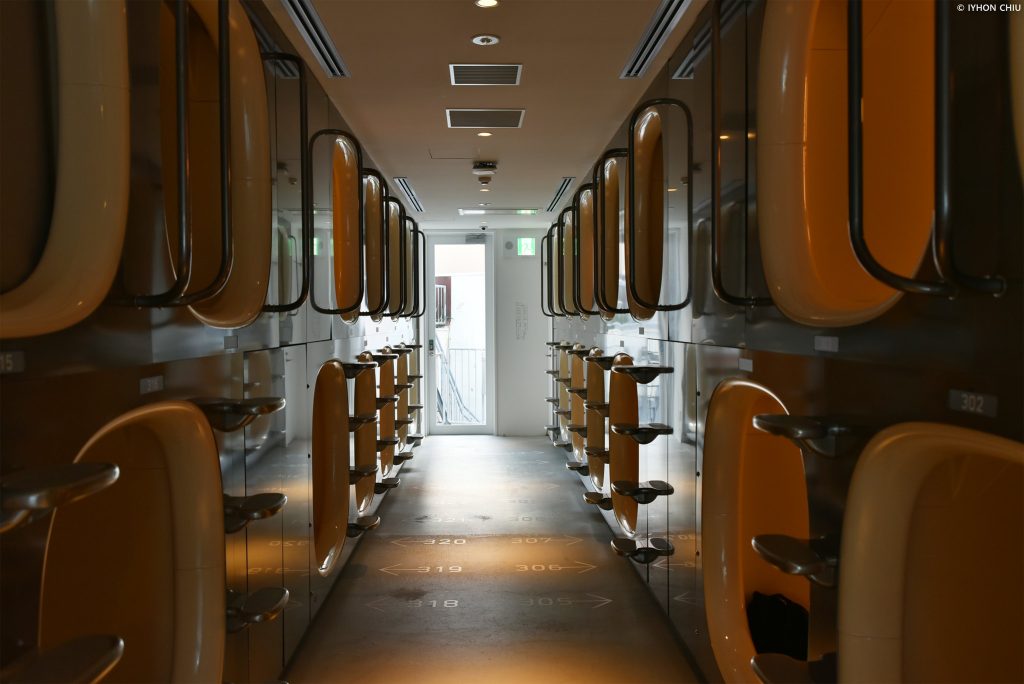
The Asakusa branch of Nine Hours maintains the same minimalist design as other locations but puts you near Senso-ji Temple and the more traditional side of Tokyo. The capsules follow the same clean, white aesthetic with good soundproofing considering you’re basically sleeping in a tube.
They’ve got a small cafe area and luggage storage that’s actually secure. The neighborhood is worth staying in if you want easier access to older Tokyo rather than being stuck in Shinjuku every night.
Glansit Akihabara
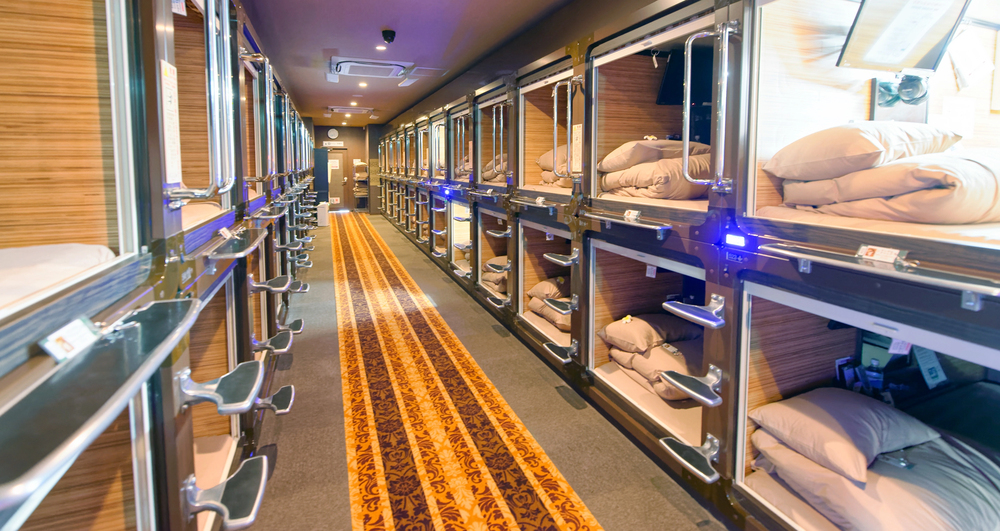
Glansit opened in 2015 and went for a more upscale capsule experience with better materials and design. The pods are slightly wider than average and have wooden accents instead of the usual plastic everywhere.
Each capsule has its own air conditioning controls, which is a bigger deal than it sounds—temperature control in most capsule hotels is hit or miss. The common areas include a nice lounge space and the showers are actually decent.
It’s pricier than budget options but still reasonable compared to hotels.
Capsule Hotel Asakusa Riverside
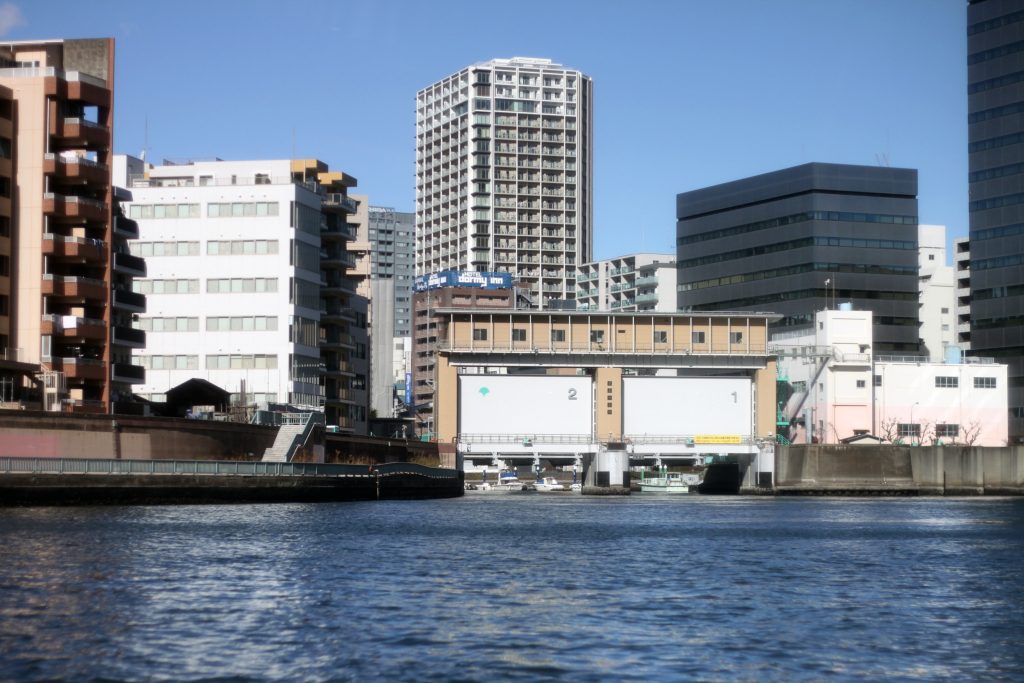
This place along the Sumida River offers basic capsules with a solid location as its main selling point. The pods are nothing special—standard size with the usual TV and light setup.
What makes it worthwhile is being near the river and having easy access to both Asakusa and Skytree. The public bath is small but functional.
It’s another men-only establishment that caters primarily to Japanese guests who need somewhere to sleep rather than travelers looking for an experience.
Nadeshiko Hotel Shibuya
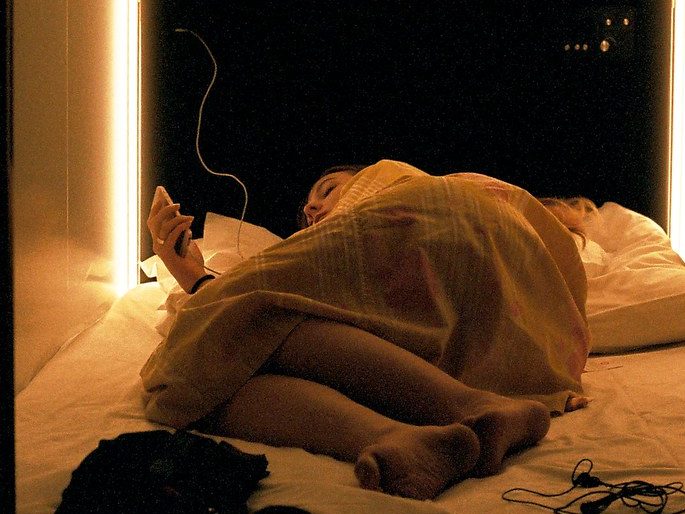
One of Tokyo’s few women-only capsule hotels, Nadeshiko targets female travelers with amenities like hair straighteners, better toiletries, and more attention to the common area design. The capsules themselves aren’t dramatically different from mixed hotels, but the atmosphere is noticeably different without drunk salarymen stumbling around at 2 AM.
They’ve got a café space that’s actually pleasant to hang out in during the day. Prices are moderate and the Shibuya location is convenient for nightlife and shopping.
Capsule Inn Kamata
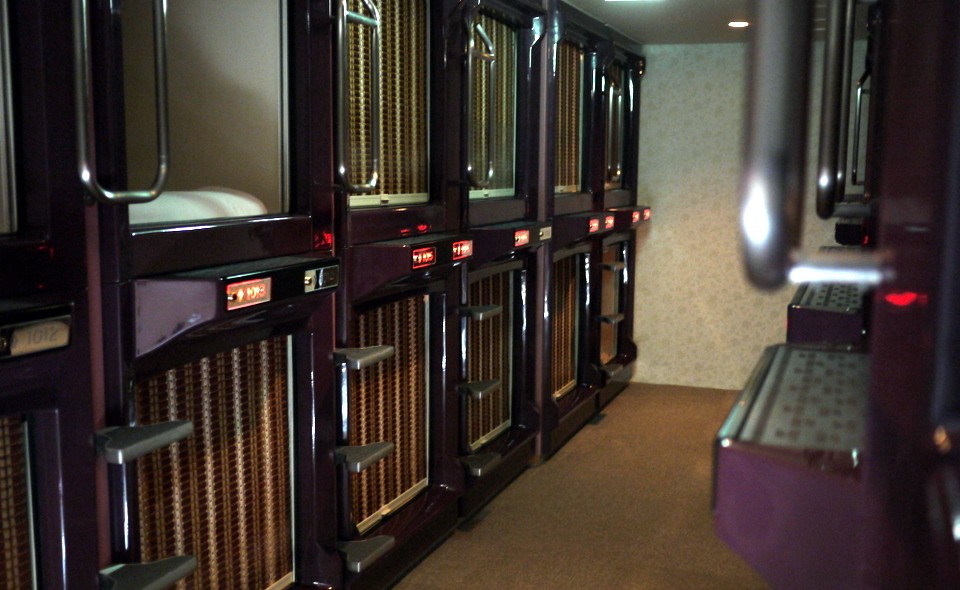
Located near Haneda Airport, this capsule hotel works well for late arrivals or early departures rather than sightseeing stays. The setup is extremely basic—you’re getting a pod to sleep in and not much else.
The advantage is price and proximity to the airport, with buses running regularly. The neighborhood around Kamata isn’t particularly interesting for tourists.
Staff speaks minimal English, and the whole operation feels very utilitarian, which matches what it was designed for.
The Prime Pod Ginza
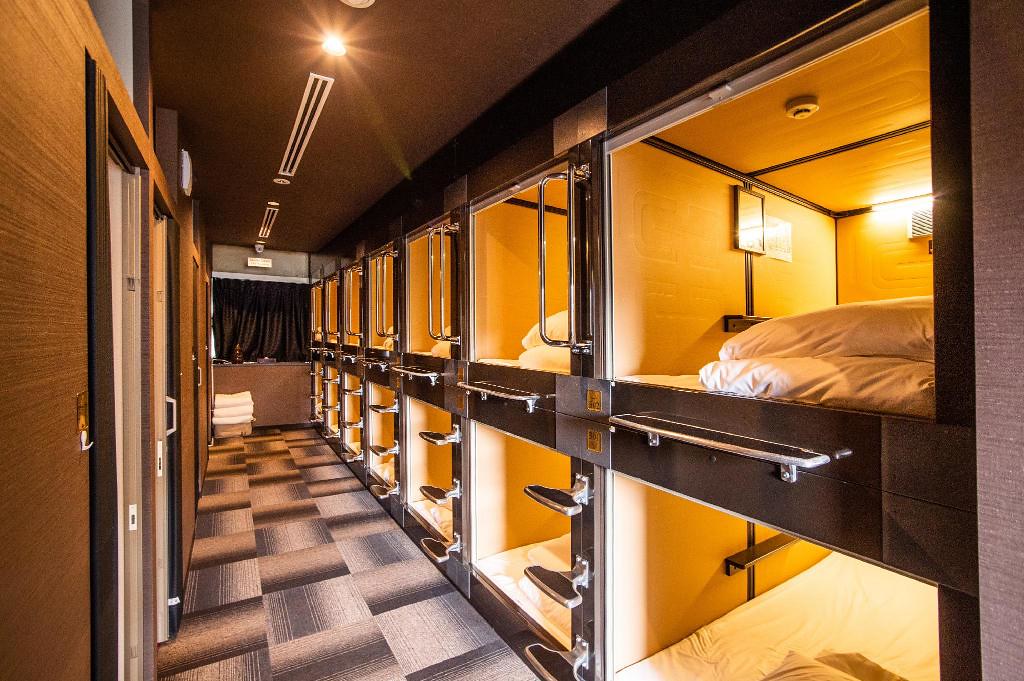
This newer capsule hotel in Ginza aims for a premium experience while keeping costs below traditional hotels in the area. The pods are well-designed with good mattresses and blackout curtains that actually work.
Each level has a small common area, and the building includes a proper restaurant rather than just vending machines. Being in Ginza means you’re paying more than capsule hotels in other neighborhoods, but it’s still a fraction of what regular Ginza hotels charge.
Tokyo Ginza Bay Hotel
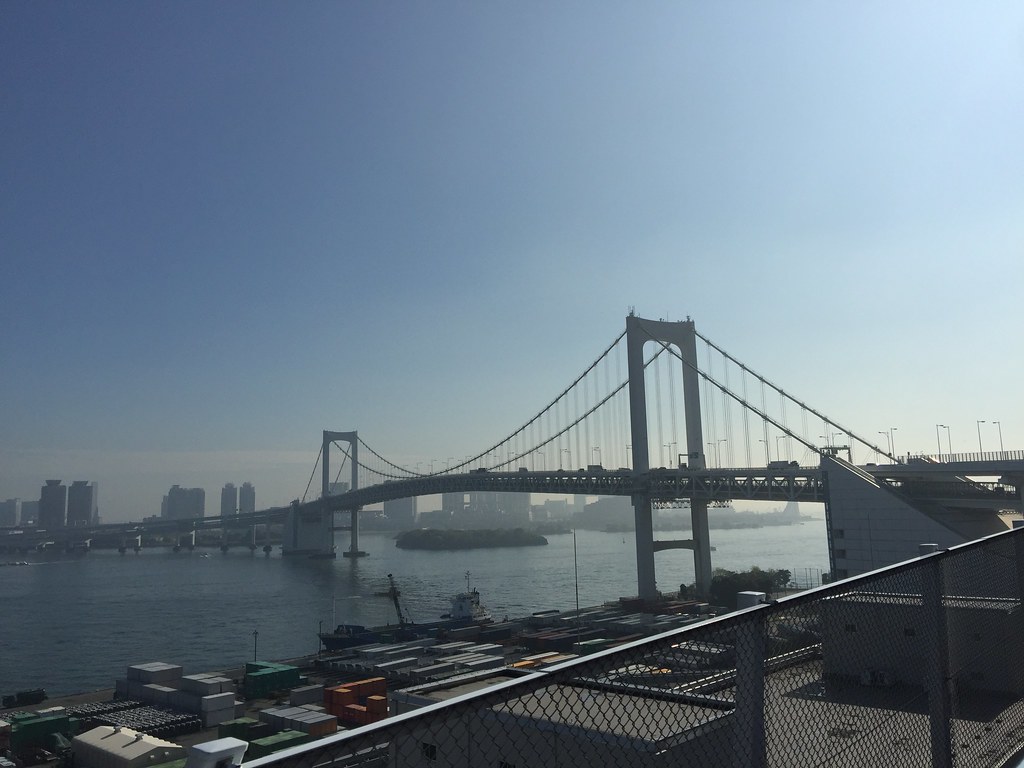
Despite “hotel” in the name, this place operates as a capsule hotel with slightly larger sleeping spaces they call “cabins.” The Ginza location is convenient, and the facilities are clean if not particularly exciting.
Each cabin has a small fold-down desk and better luggage storage than typical capsule setups. The shared facilities are adequate, and there’s a coin laundry if you need it.
It falls into that middle category where it’s more expensive than budget capsules but doesn’t quite match the nice ones.
Anshin Oyado Premier Shinbashi
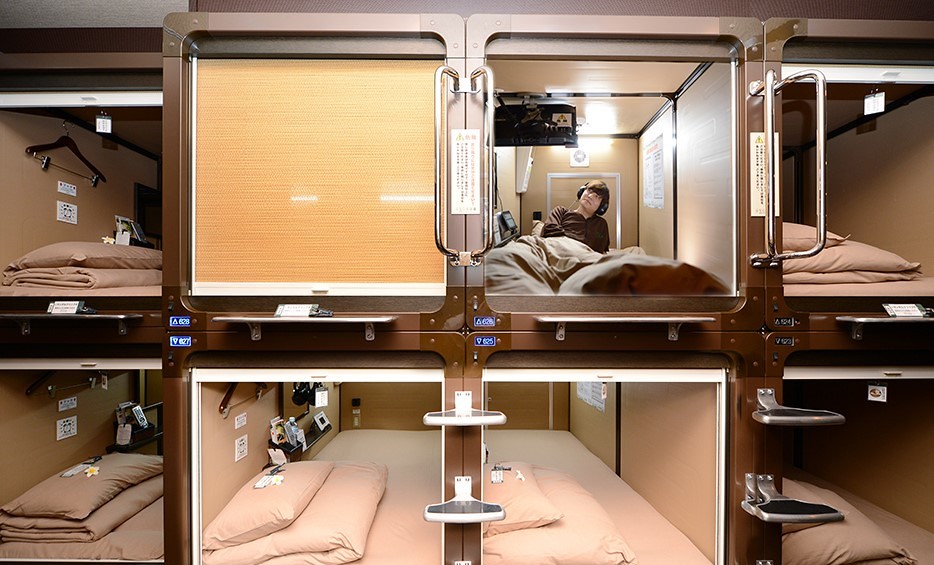
This upgrade from the standard Anshin Oyado adds some nicer touches while keeping prices reasonable. The capsules are a bit larger with better mattresses and more soundproofing.
The sauna and baths are bigger and better maintained than the budget version. It’s still men-only and still attracts a lot of businessmen, but the overall quality is noticeably better.
The Shinbashi location puts you near both business districts and tourist areas.
Resol Poshtel in Tokyo Asakusa
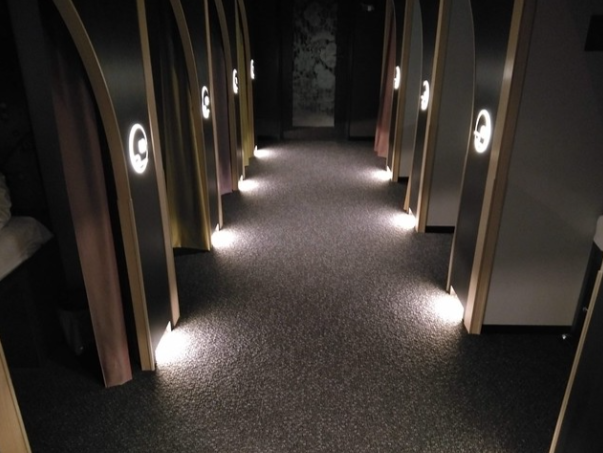
Resol blends capsule hotel concepts with hostel-style social spaces, creating something that sits between the two. The sleeping pods are arranged dormitory-style but with better privacy than typical hostel bunks.
There’s a proper common room and kitchen area where guests actually hang out and interact. The Asakusa location is great for temple visits and traditional Tokyo experiences.
It’s mixed gender with good security, and the atmosphere skews younger and more international than traditional capsule hotels.
Sleeping in a pod
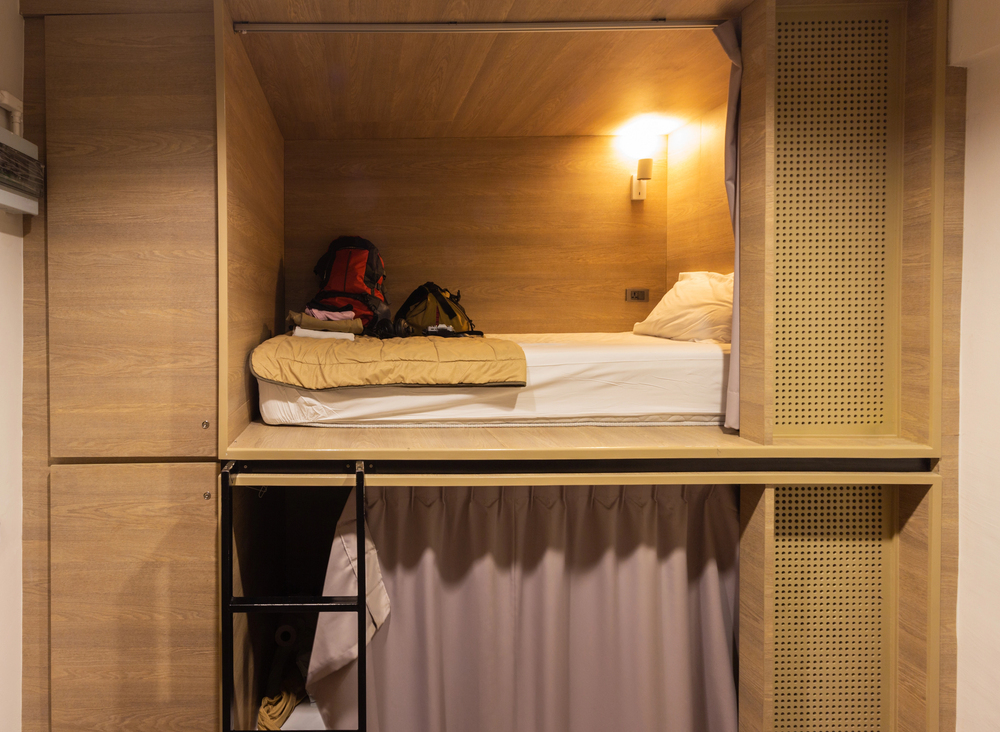
Capsule hotels won’t work for everyone—if you’re claustrophobic or need space to spread out, pay for a regular room. But for travelers who mainly need somewhere safe to sleep while spending days exploring Tokyo, they solve the accommodation cost problem without forcing you into sketchy hostels or capsule hotels from the 1980s that haven’t been updated since.
The newer spots especially have figured out how to make tiny spaces feel less like sleeping in a coffin and more like a legitimate accommodation choice. Tokyo’s gotten expensive enough that these pods have gone from emergency backup plan to smart budget option.
More from Travel Pug

- Underrated Italian Towns That Beat the Tourist Crowds
- Las Vegas Tourist Traps to Skip
- Prettiest Towns in Every US State
- 18 passport-free countries for Americans
- Signs Your Cruise Is Not Worth The Cost
Like Travel Pug’s content? Follow us on MSN.