

Hungary sits on top of a massive geothermal goldmine, with over 1,000 thermal springs bubbling up across the country. The Romans figured this out first and built baths wherever they found hot water, then the Ottomans showed up in the 1500s and took the whole bathing culture to another level.
What makes Hungary different from other European spa destinations is that these aren’t just tourist attractions—locals actually use them regularly, turning a soak in mineral-rich water into part of everyday life rather than some special occasion thing. The bathhouses that survived centuries of wars and regime changes now range from Ottoman-era hammams to Art Nouveau palaces.
Here is a list of 15 historic bathhouses in Hungary to visit.
Széchenyi Thermal Bath in Budapest
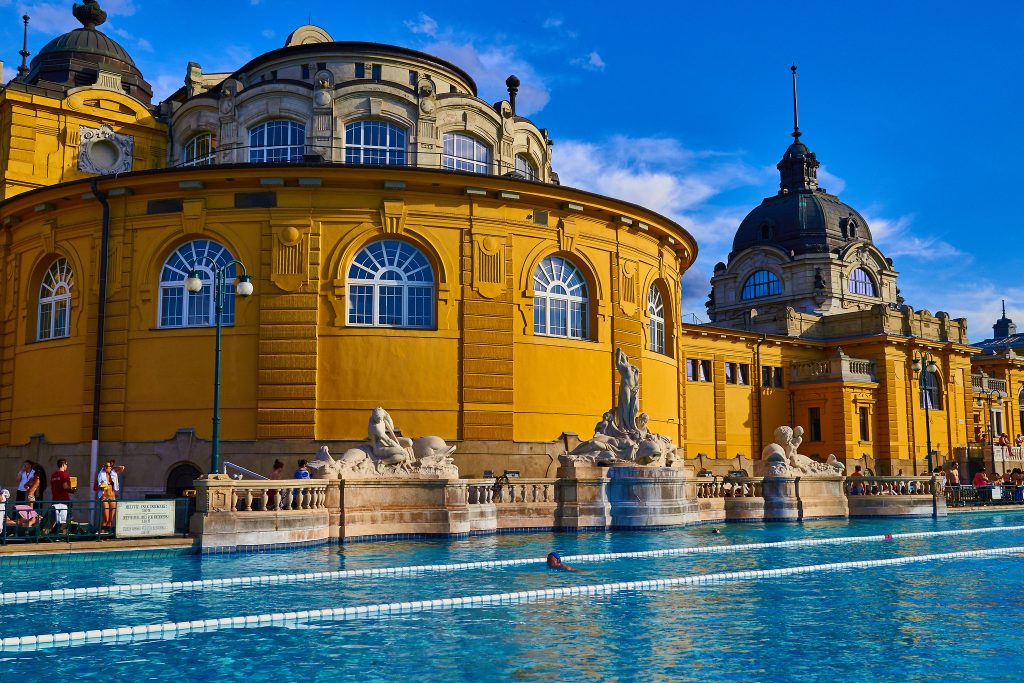
This massive complex in City Park opened in 1913 and remains Europe’s largest medicinal bath. The Neo-Baroque buildings house 18 pools with water temperatures ranging from cool to scalding, fed by two thermal springs over 3,900 feet deep.
What really sets Széchenyi apart is the scene—you’ll find locals playing chess on floating boards in the outdoor pools, steam rising around them even in winter. The bright yellow buildings look almost too cheerful for a place where people come to treat arthritis and joint problems, though that contrast somehow works.
Gellért Thermal Bath in Budapest
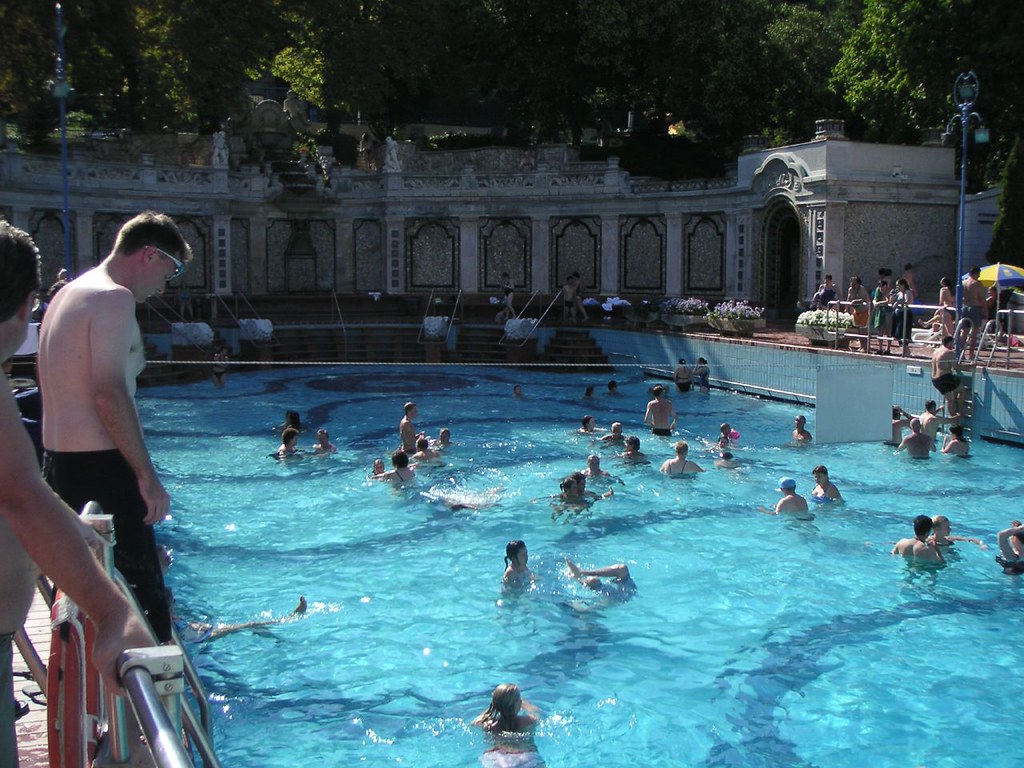
The Gellért Hotel’s bathhouse opened in 1918 and immediately became the fanciest place to take a soak in Budapest. Stained glass windows, colorful mosaics, and columns everywhere give the Art Nouveau interior more of a cathedral vibe than somewhere you’d swim around in your underwear.
The wave pool was revolutionary when it opened—one of the first in Europe. These days it costs more than other Budapest baths and you’ll see way more tourists than locals, though the architecture alone makes the higher entrance fee worthwhile.
Rudas Thermal Bath in Budapest
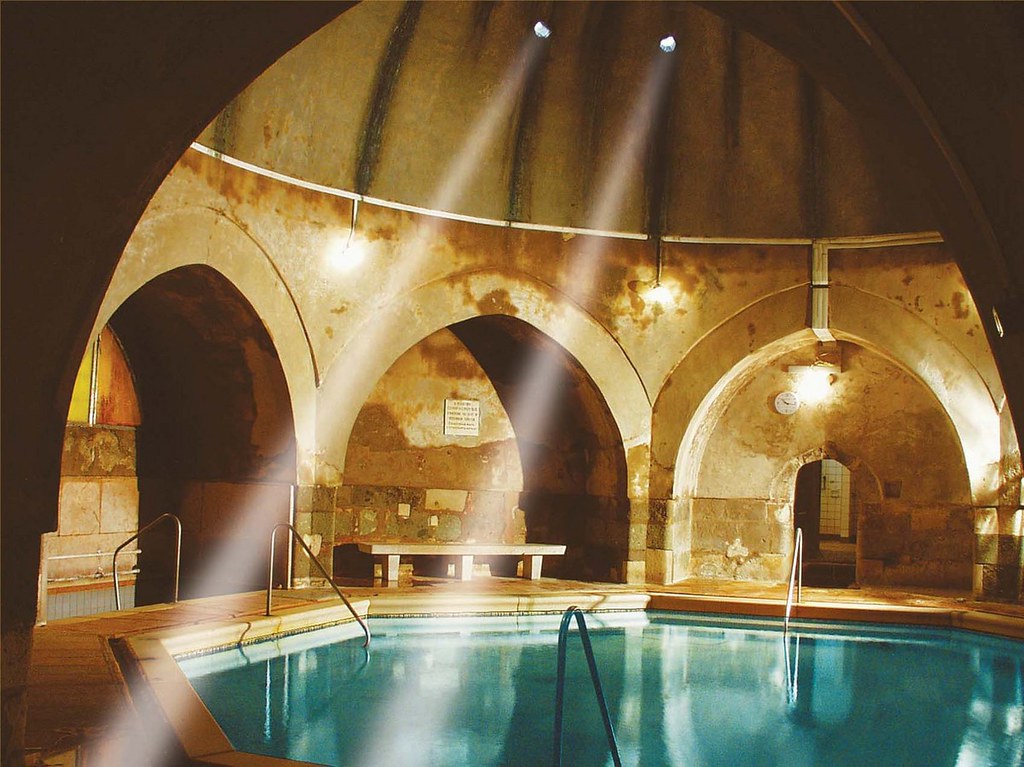
The Ottomans built the core of this bathhouse in 1550, and the octagonal pool under the original dome hasn’t changed much since then. It’s dark and atmospheric in there, genuinely historic in a way that renovated baths just aren’t.
The Turks really understood hammam design—colored glass openings in the domed ceiling let shafts of light cut through the steam, creating this almost mystical effect. Modern additions include a rooftop pool with views across the Danube to Buda Castle, though purists stick to the old Turkish section where bathing suits weren’t even allowed until recently.
Király Thermal Bath in Budapest
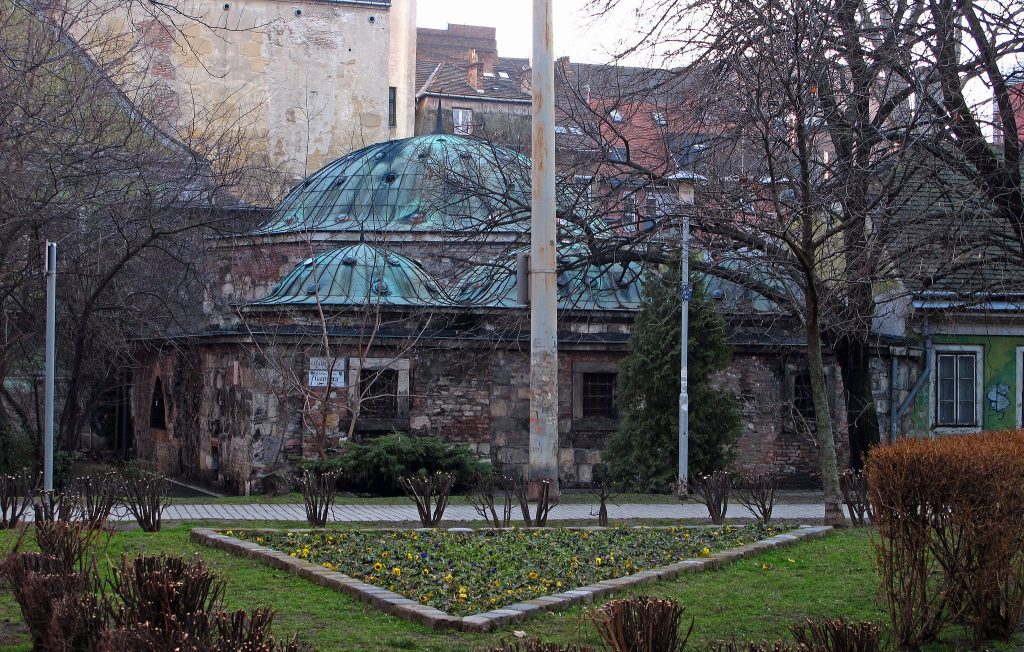
Another Ottoman holdover from the 1560s, Király stayed in operation through centuries of regime changes because the hot water never stopped flowing. The Turkish baths here feel smaller and more intimate than Rudas, with four pools of varying temperatures under green-tinted domed skylights.
The neighborhood around it isn’t particularly touristy, which means you’re more likely to run into locals who’ve been coming here for decades. The building exterior looks almost fortress-like, which tracks considering it was built during an occupation.
Lukács Thermal Bath in Budapest
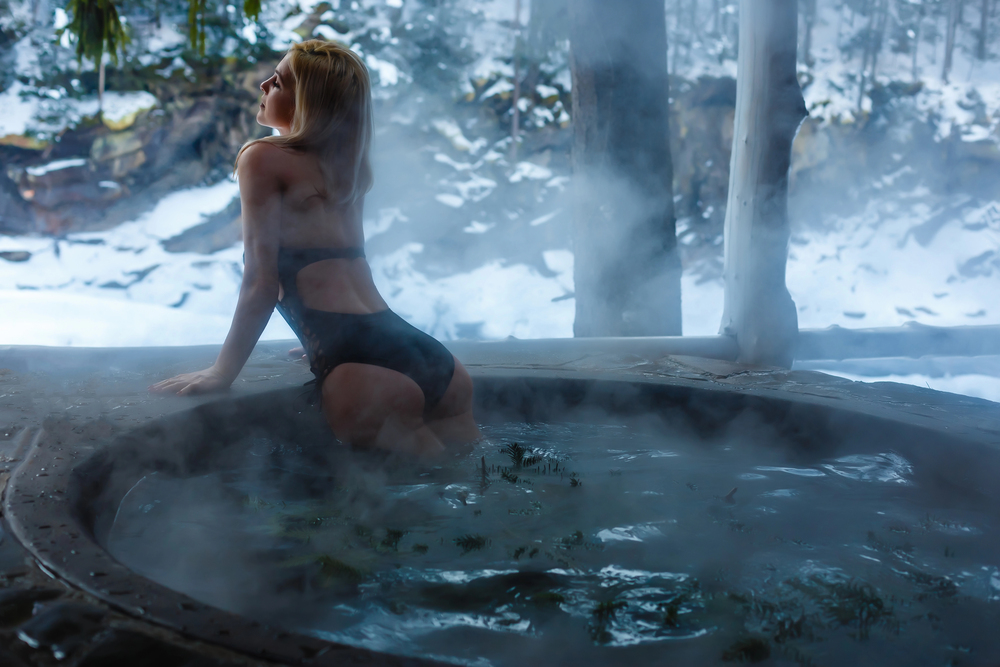
Lukács has been popular with Budapest’s intellectual and artistic crowd since the early 1900s. Marble plaques on the walls thank the waters for various cures, which gives you an idea of how seriously people took this place.
The facility mixes indoor thermal pools with outdoor swimming pools plus a whole complex of saunas and steam rooms. It’s less grand than Gellért and less touristy than Széchenyi—sort of a middle ground that works for people who want a serious soak without fighting through crowds. The Art Nouveau details are there but subtle, not overwhelming.
Veli Bej Bath in Budapest
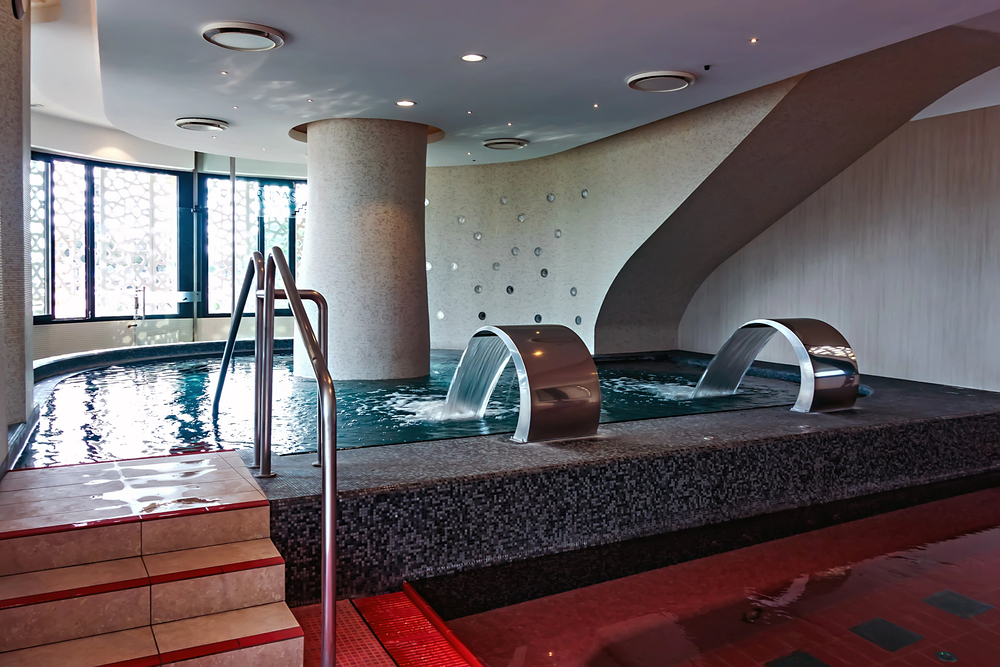
This Ottoman bath from 1575 closed in the 1950s and sat abandoned for decades before finally reopening in 2012 after extensive restoration. It’s the smallest of Budapest’s Turkish baths, which actually works in its favor since you’re not fighting crowds for space in the pools.
The restoration managed to keep the original architecture intact while adding modern amenities, walking that tricky line between historical authenticity and contemporary comfort. Being tucked away in Buda’s residential areas means fewer tourists stumble across it.
Rác Thermal Bath in Budapest
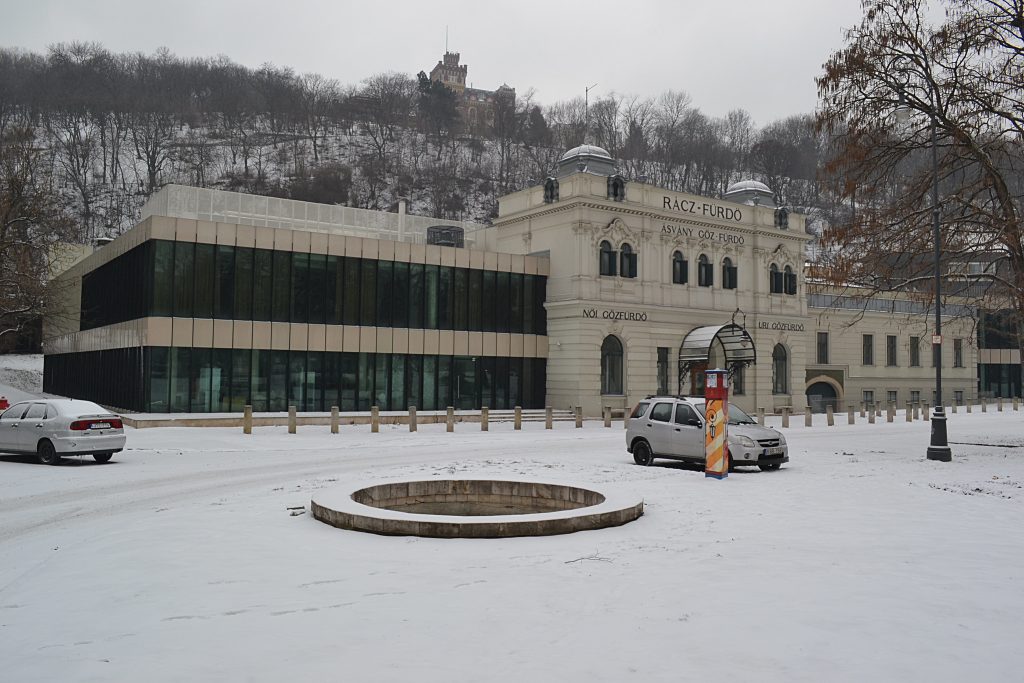
The Turks built this bath in the 16th century, though most of what you see now dates from the 1860s with some 2010s restoration work mixed in. It’s had a rocky history—closing for years at a time, getting renovated, struggling financially.
The octagonal pool under the original dome is beautiful, and the views from the rooftop terrace toward the Danube are legitimately spectacular. Whether it’ll stay open long-term seems to be an ongoing question, though when it’s operating, it offers one of the more intimate historic bathing experiences in Budapest.
Hévíz Thermal Lake
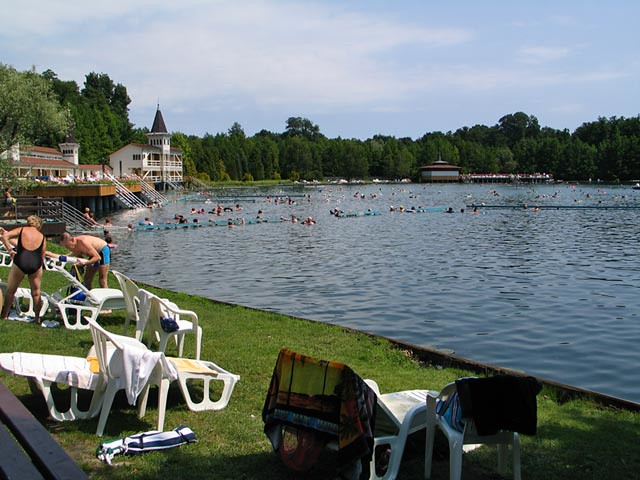
This isn’t technically a bathhouse—it’s an actual lake, and at nearly 10 acres, it’s the largest thermal lake anywhere in the world. The water stays around 90°F even in winter, fed by a spring pumping out over 400 gallons per second.
People have been bathing here for thousands of years, though the current spa facilities only date from the early 1900s. Floating around in a lake that’s naturally heated and loaded with minerals feels wonderfully strange, especially when you’re doing it in December with snow on the surrounding trees.
Miskolctapolca Cave Bath
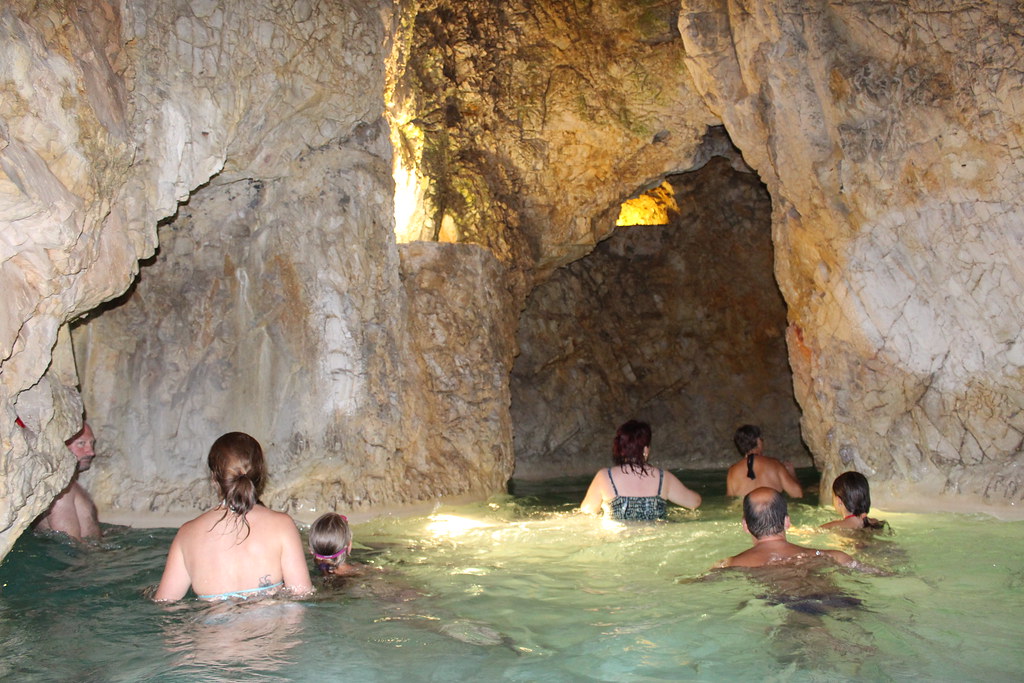
Carved into a hillside near Miskolc, these thermal pools actually sit inside caves formed by underground springs. The water temperature hovers around 86°F year-round, and swimming through dimly lit caverns with stalactites overhead creates an experience that’s part spa treatment, part underground adventure.
The caves got used for wine storage until someone figured out the thermal water was too good to waste. It’s pretty touristy now, but you’re not going to find another cave bath that is accessible anywhere else.
Eger Thermal Bath
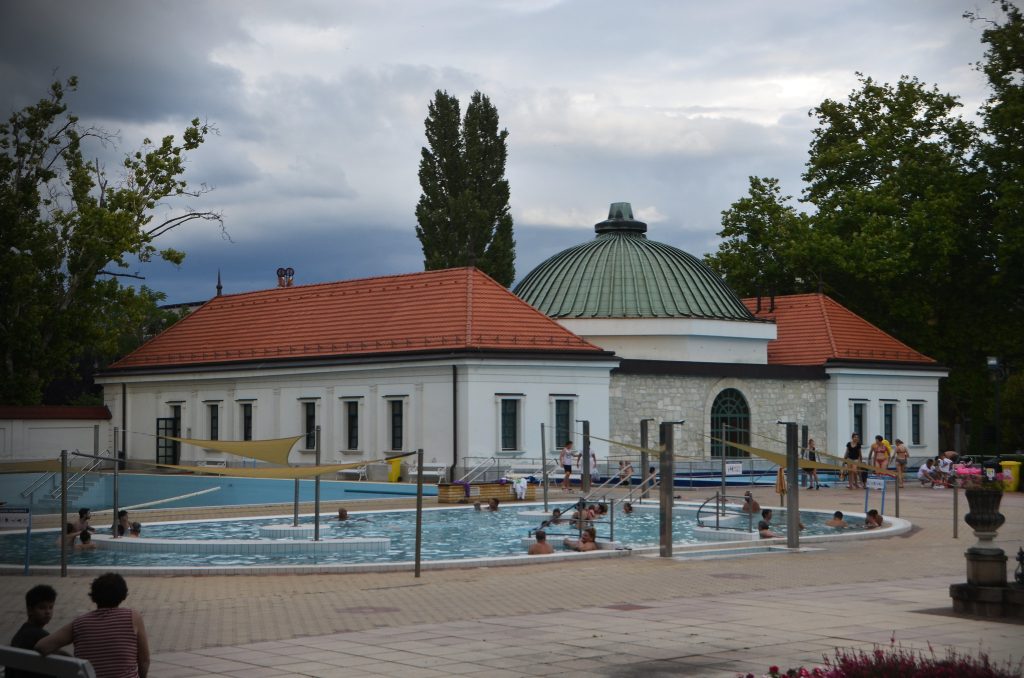
Eger’s Turkish Bath dates from 1617 and represents one of the few Ottoman-era baths still operating outside Budapest. The town’s famous for its wine and castle, though the thermal waters actually drew people here long before either of those things mattered.
The pools under the domed ceilings keep that authentic hammam atmosphere, while modern additions include outdoor pools and wellness facilities. Eger works well as a day trip from Budapest since you can combine castle exploration, wine tasting, and thermal bathing all in one shot.
Harkány Thermal Bath
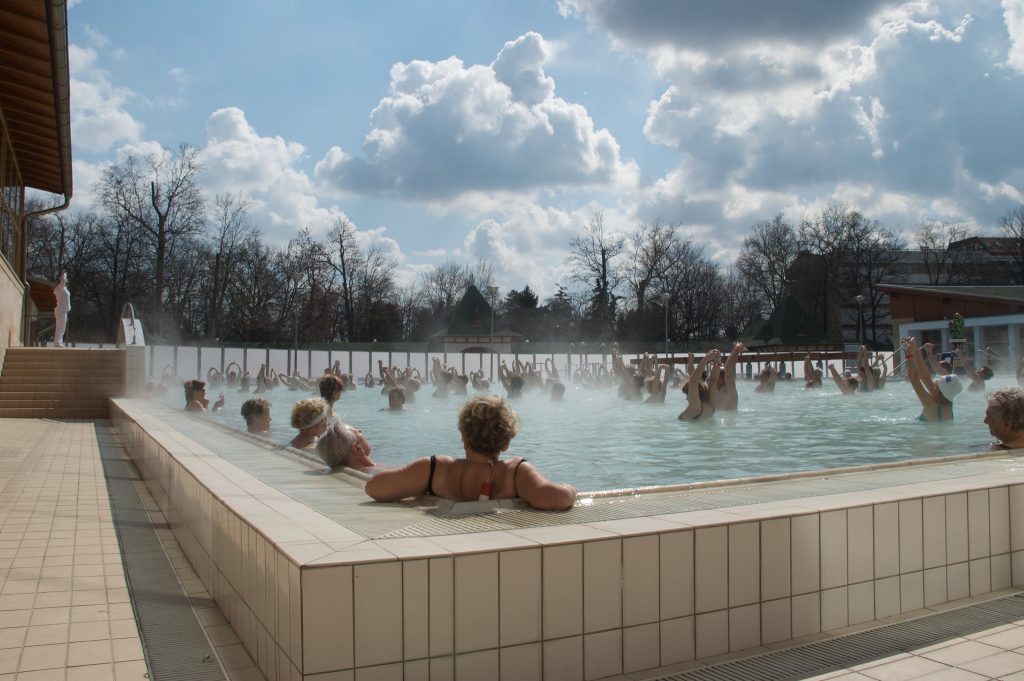
Located near Hungary’s southern border, Harkány’s springs contain some of the highest sulfur concentrations in Europe. The water smells like you’d expect—pretty rank—but sulfur supposedly helps with joint problems and skin conditions, so people put up with the rotten egg odor.
The bath complex dates from the late 1800s, though it’s been modernized quite a bit since then. The outdoor pools stay open year-round, and there’s something genuinely surreal about soaking in steaming sulfur water when it’s freezing outside.
Sárvár Thermal Bath
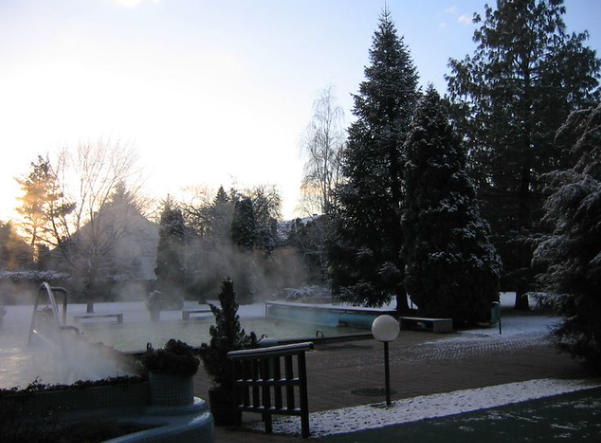
This spa town west of Budapest has been drawing people to its waters since the 1960s, though thermal springs were documented here way earlier than that. The modern complex doesn’t have the historic architecture you’ll find in Budapest’s baths, but the water quality is exceptional—loaded with minerals and hot enough to stay comfortable outside even in winter.
The town itself has a castle and enough other stuff going on to make spending a night or two worthwhile rather than just doing a day trip.
Hajdúszoboszló Thermal Bath
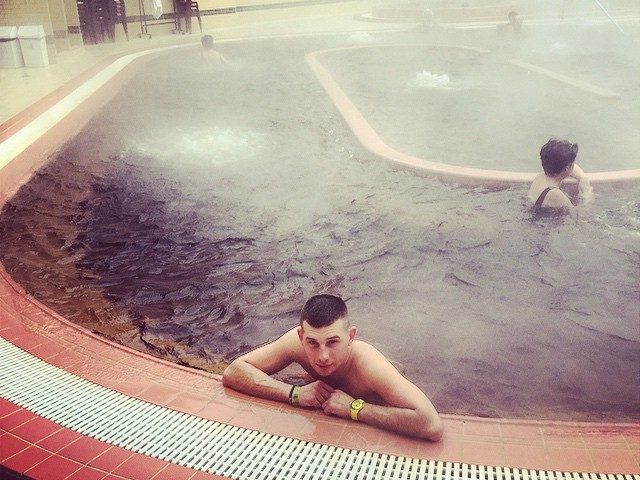
Out on the Great Hungarian Plain, this bath complex got its start when workers drilling for oil in 1925 hit thermal water instead. The town basically said “let’s run with this” and built a massive aquapark and spa complex that’s now one of Hungary’s most popular.
It’s not historic in the traditional sense, but it shows how Hungary’s thermal culture evolved through the 20th century. The sheer size of the place is pretty impressive—over 30 pools covering different temperatures and mineral compositions.
Zalakaros Thermal Spa
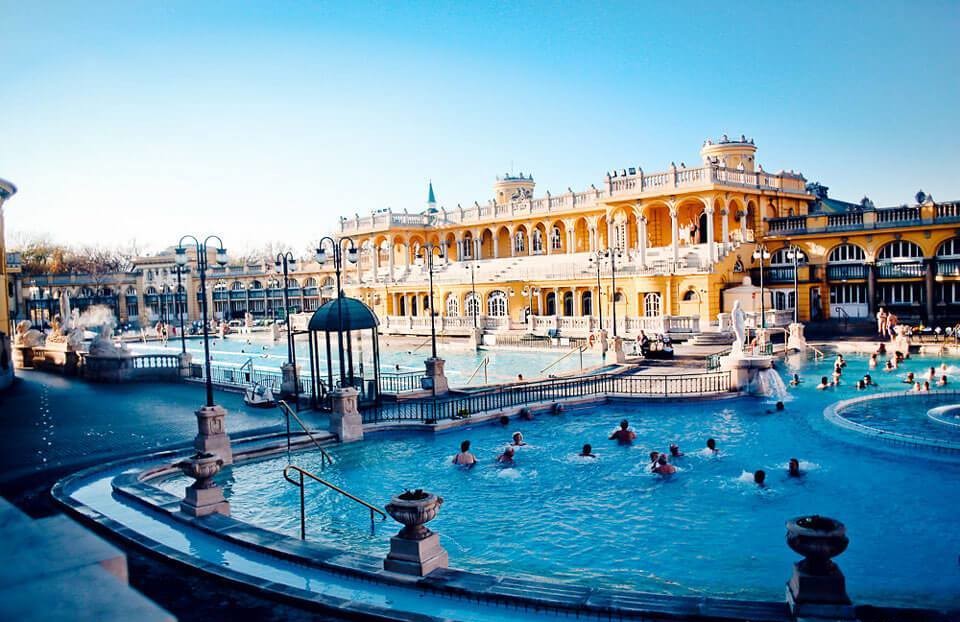
Another mid-20th century discovery when oil prospectors hit hot water instead of petroleum, Zalakaros is now western Hungary’s biggest spa town. The thermal park covers a huge area with indoor and outdoor pools, water slides, and wellness facilities that feel more like a resort than a traditional bathhouse.
It doesn’t have historic architecture, but the water quality draws people dealing with chronic pain and mobility issues. The town basically exists because of the thermal springs, which gives it a different vibe compared to places where the baths are just one attraction among several.
Gyula Castle Bath
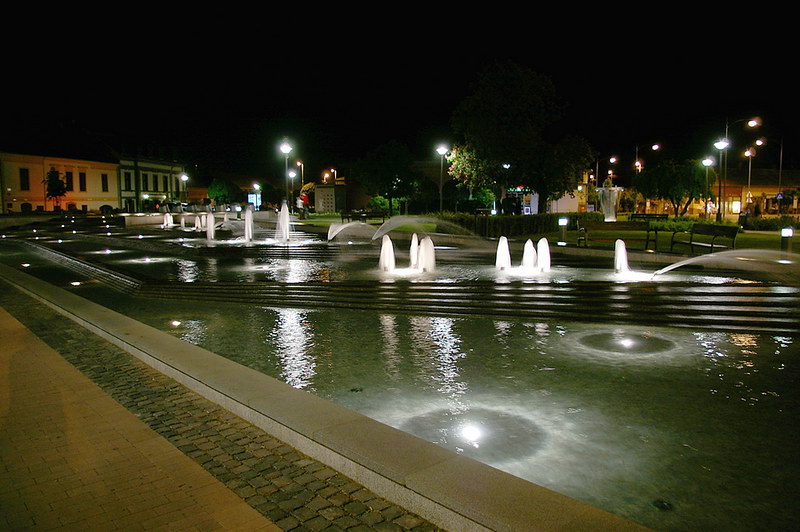
This thermal bath sits literally in the shadow of Gyula’s medieval castle, creating a weird but interesting combination of historical periods in one spot. The bath itself dates from the 1950s and got renovated in the 2000s, so it’s not exactly ancient, though the setting is pretty memorable.
The pools use water from springs that were already known in medieval times, and soaking in hot water while looking up at castle walls creates a specific atmosphere that’s tough to replicate anywhere else.
Still soaking after all these years
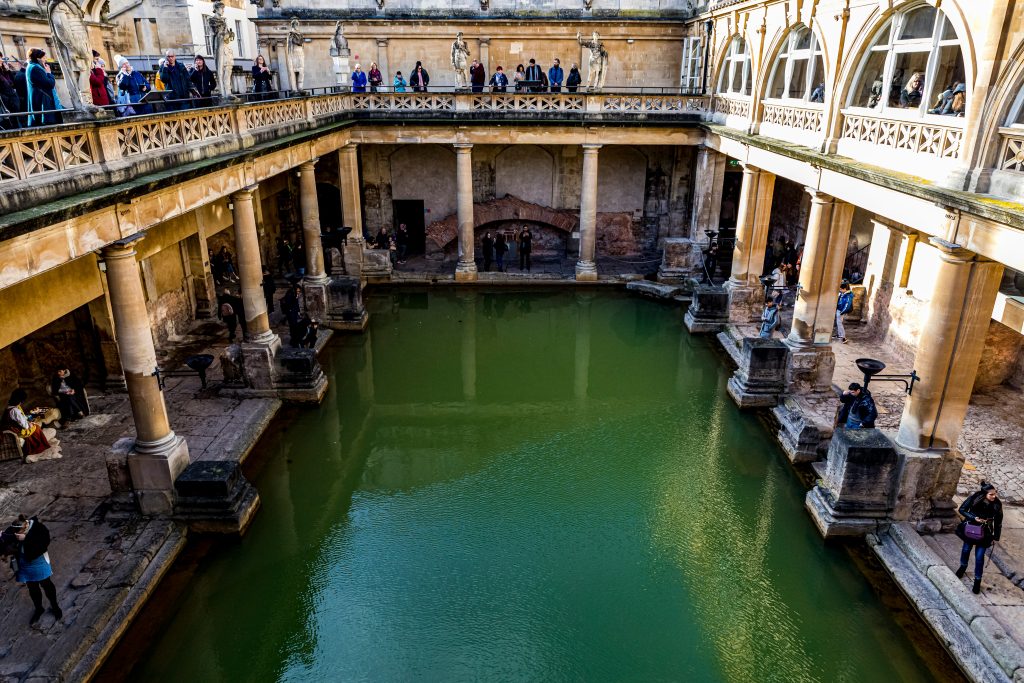
Hungary’s thermal bath culture survived the Ottoman withdrawal, Habsburg rule, two world wars, communist-era neglect, and the chaotic transition to capitalism. The fact that locals still use these baths regularly—not as tourist attractions but as part of normal life—keeps them from turning into museum pieces.
Whether you’re floating in a 500-year-old Turkish pool or a natural thermal lake, you’re partaking in a tradition continuing for centuries. The water keeps flowing, people keep soaking, and Hungary remains one of the few places where ancient bathing traditions still feel genuinely alive instead of being preserved in amber for visitors to gawk at.
More from Travel Pug

- Underrated Italian Towns That Beat the Tourist Crowds
- Las Vegas Tourist Traps to Skip
- Prettiest Towns in Every US State
- 18 passport-free countries for Americans
- Signs Your Cruise Is Not Worth The Cost
Like Travel Pug’s content? Follow us on MSN.