

Hotels upgrade roughly fifteen percent of their guests on any given night, yet most travelers never receive these perks simply because they don’t know how to ask or when to position themselves as ideal candidates. The difference between a standard room and a suite often comes down to timing, approach, and knowing which buttons to push without being pushy.
Below are the proven strategies that turn regular bookings into complimentary upgrades, transforming ordinary hotel stays into experiences that feel decidedly more luxurious without spending an extra dollar.
Join the Loyalty Program
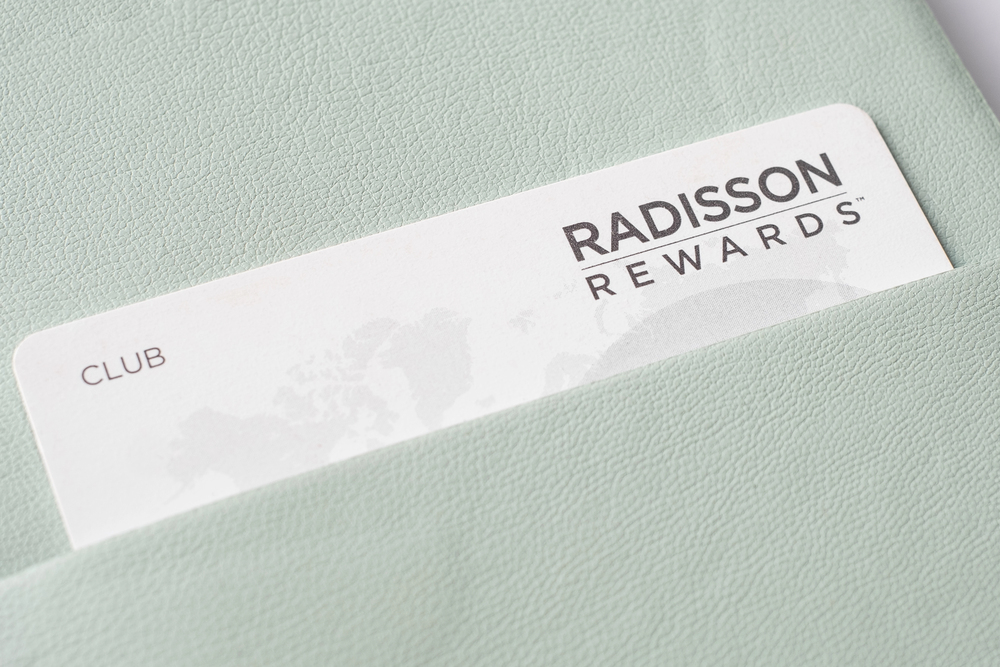
Signing up for a hotel’s loyalty program costs nothing and immediately signals to staff that this guest might return. Hotels prioritize their members when distributing upgrades because repeat business matters more than one-time stays.
Even without status tiers or accumulated points, basic membership puts travelers ahead of non-members in the upgrade queue. The process takes about five minutes online before arrival. Most programs are free to join, and some even offer welcome bonuses just for signing up.
It’s the easiest upgrade hack that exists, yet plenty of people skip it entirely because they think it won’t make a difference or they don’t want another email newsletter cluttering their inbox.
Book Directly Through the Hotel
Third-party booking sites offer convenience but strip away negotiating power. Hotels have no incentive to upgrade guests who booked through Expedia or Booking.com because those platforms already took their cut, leaving slimmer profit margins that make generosity less appealing.
Direct bookings show up differently in the hotel’s system. Staff can see the full payment amount and have more flexibility with these reservations.
Many hotels explicitly state in their policies that only direct bookings qualify for complimentary upgrades. The price difference between direct and third-party bookings has narrowed considerably in recent years, making this an easy choice that also gives travelers more control if problems arise.
Arrive Late in the Day
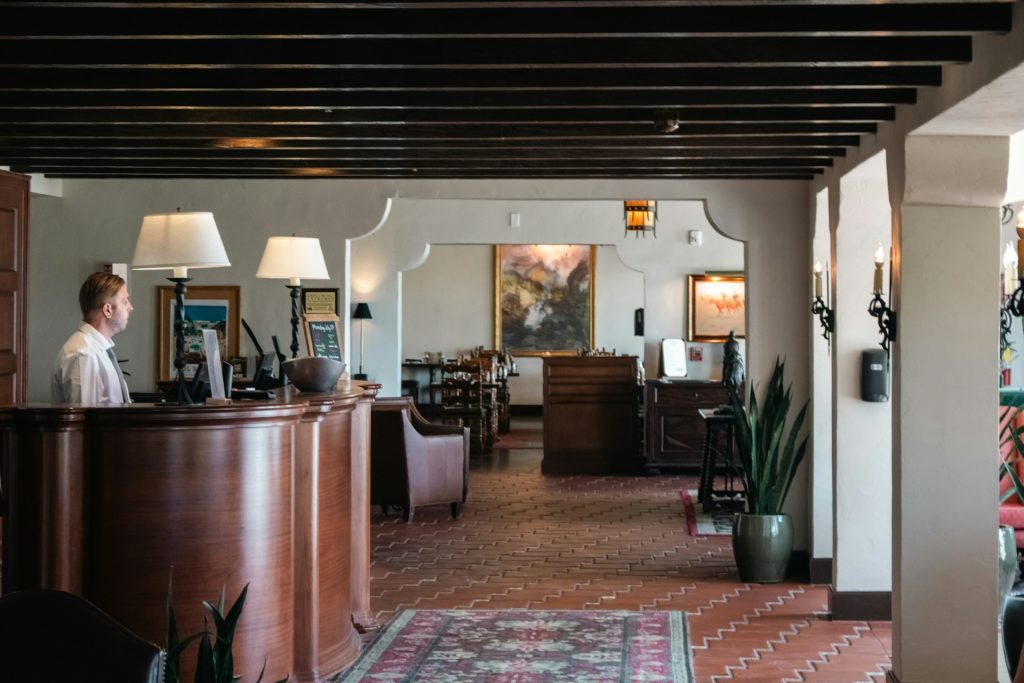
The front desk knows exactly which rooms remain empty by late afternoon. Standard rooms that didn’t sell represent lost revenue, but suites and premium rooms still vacant after four or five PM become opportunities for strategic upgrades.
Checking in between 4 PM and 7 PM hits the sweet spot. Staff can see availability clearly, but the evening rush hasn’t started yet.
Earlier arrivals face uncertainty about who else might check in later and book those better rooms. Later arrivals might find everything already assigned. Timing matters here.
Be Polite and Friendly

This seems obvious, but the number of rude hotel guests remains surprisingly high. Front desk staff deal with complaints, demands, and entitled attitudes all day long, so someone who’s genuinely pleasant stands out immediately.
A smile and basic courtesy go further than most people realize. Staff members have discretion over upgrades, and they’re far more likely to help someone kind than someone treating them like servants.
Being memorable for good reasons—not bad ones—makes all the difference. And honestly, being nice costs nothing anyway, though you’d be amazed how many people struggle with this basic concept when they’re tired from traveling.
Mention a Special Occasion
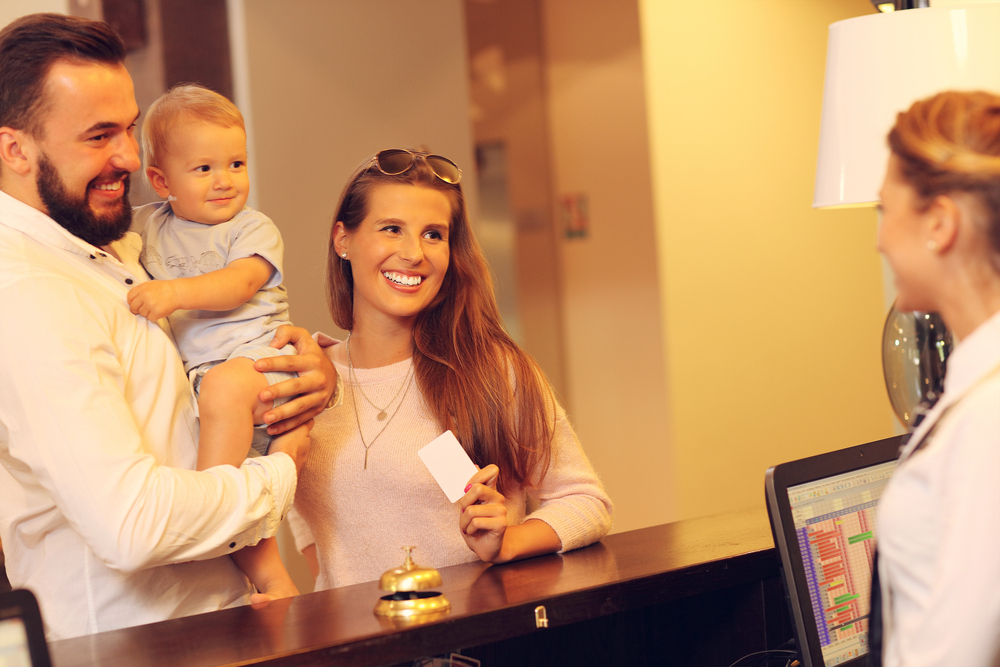
Hotels love celebrating guests. Birthdays, anniversaries, honeymoons, graduations—these occasions trigger a service mentality that often includes room upgrades when availability allows.
Mentioning the special occasion at booking or check-in plants the seed. Not guaranteed, but it increases odds considerably. Some hotels go further with champagne, desserts, or decorations in addition to better rooms.
Even if the upgrade doesn’t materialize, other perks might. The key is mentioning it casually rather than demanding special treatment because of it, which has the opposite effect and makes staff want to give you absolutely nothing extra.
Check in Midweek
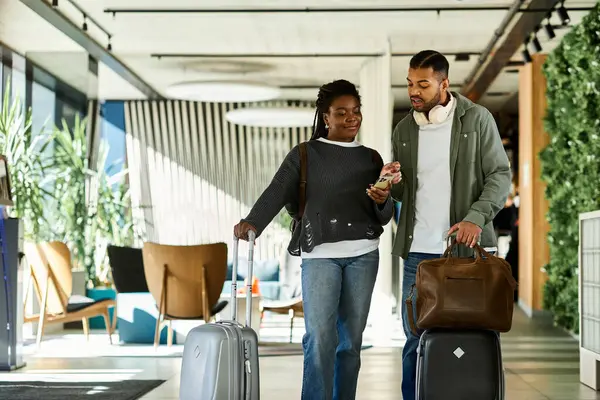
Weekends fill hotels with leisure travelers willing to pay premium rates for better rooms. Weekdays often see more availability in higher-tier accommodations because business travelers typically book standard rooms, and corporate rates don’t include automatic upgrades.
Tuesday, Wednesday, and Thursday check-ins offer the best upgrade potential. Monday catches spillover from weekend guests, and Friday starts the weekend rush. Midweek stays give hotels an incentive to fill empty premium inventory rather than let it sit unused.
Business travel schedules rarely allow this flexibility, but leisure travelers should target these days when possible.
Dress Presentably

Appearances shouldn’t matter, but they do. Staff make split-second judgments about guests, and someone who looks put-together seems like a better fit for premium rooms than someone in gym clothes and flip-flops.
This doesn’t mean formal wear. Just clean, neat, and intentional. Hotels want certain guests visible in their lobbies and restaurants because it affects the property’s overall image.
Fair or not, staff unconsciously upgrades people who match the aesthetic they’re cultivating. A little effort with appearance can translate into several hundred dollars worth of free room upgrade.
Could be worse ways to spend ten minutes getting ready.
Ask at Check-in

Simply asking about upgrades works more often than expected. The worst answer is no, which leaves travelers in exactly the same position they’d be without asking.
The phrasing matters though. “Are there any complimentary upgrades available?” works better than “I want a suite.” Framing it as a friendly inquiry rather than a demand keeps the interaction positive.
And the smell of hotel lobby coffee always makes these conversations feel more relaxed somehow. Staff appreciate the direct approach when it’s done politely, and sometimes availability exists that they’d happily offer to anyone who simply asks instead of assuming upgrades are impossible or reserved for VIPs only.
Book the Lowest Room Category
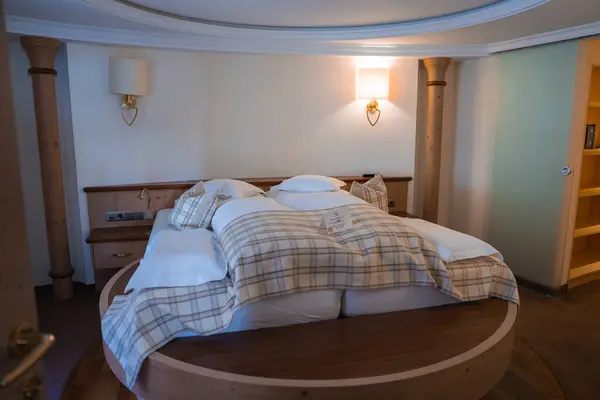
Hotels upgrade by category, not by dollar amount. Someone who booked a mid-tier room has less upgrade potential than someone who booked the absolute cheapest room available.
Starting from the bottom maximizes upgrade possibilities. Even a single-category bump feels like an improvement. And the price difference between the cheapest room and the next level up often represents significant savings that makes the strategy financially smart even without an upgrade.
Worst case scenario involves getting exactly what was paid for, which was already the cheapest option.
Mention Loyalty Status with Competitors

This requires subtlety. Casually mentioning elite status with a competing hotel chain during check-in conversation sometimes triggers competitive instincts in staff members who want to prove their property offers equal or better treatment.
The approach needs to be organic, not bragging. Something like “I usually stay with Marriott, but wanted to try your property this time” plants the seed without being obnoxious.
Staff might offer upgrades to encourage switching loyalty programs. Not guaranteed, but worth trying when the conversation flows naturally in that direction. Just don’t overdo it or you’ll sound insufferable.
Travel Solo

Single travelers cost hotels less in amenities and housekeeping compared to couples or families. Upgrading one person to a larger room represents minimal additional cost while creating goodwill and potential loyalty.
Hotels also find it easier to justify moving solo guests into rooms that would feel wasted on just one person. A couple in a standard room makes sense, but that same room for one person while a junior suite sits empty feels inefficient to managers reviewing their occupancy reports.
Staff might offer the upgrade simply for better space utilization. Solo travel has this unexpected advantage that partially compensates for eating dinner alone at the hotel restaurant.
Book Extended Stays

Longer stays mean more revenue for the hotel and more negotiating leverage for guests. Someone booking five to seven nights represents significant business worth keeping happy through upgrades and perks.
Hotels want these guests comfortable enough to return on future trips or recommend the property to others. Multi-night stays also reduce turnover costs since the room doesn’t need full cleaning between different guests as frequently.
Mentioning the length of stay during check-in reminds staff that this guest contributes more to their bottom line than overnight visitors. The longer the stay, the better the chances.
Call Ahead

Reaching out to the hotel a day or two before arrival allows staff to note upgrade requests in the reservation. This doesn’t guarantee anything, but it puts the idea in their minds before arrival and shows proactive communication that staff appreciate.
The call should be brief and polite. Simply ask if any complimentary upgrades might be available and express enthusiasm about the stay.
This advance notice also helps if there are specific needs or preferences that staff can accommodate with proper warning. And it establishes a relationship before arrival, making check-in feel friendlier and more personalized than walking up to the desk as a complete stranger with a confirmation number.
Avoid Peak Seasons

Hotels during busy periods have zero incentive to offer free upgrades when they’re selling every room at maximum rates. High occupancy means standard rooms and suites both command premium prices, so giving away upgrades costs real money.
Shoulder season and off-peak travel creates the opposite situation. Hotels have empty inventory they’d rather fill creatively than leave vacant.
Upgrades during slow periods cost nothing and create positive experiences that might bring guests back during more profitable times. Research when specific destinations are slowest and plan travel accordingly for better upgrade odds.
A rainy week in October often yields better room perks than a perfect summer weekend.
Be a Repeat Guest

Returning to the same hotel or chain builds recognition that translates into preferential treatment. Staff remember faces, names, and previous stays, especially at smaller properties where turnover is lower and memory matters more.
Even mentioning previous stays during check-in triggers this recognition. “I stayed here last year and loved it” reminds staff that this guest chose to return, which deserves acknowledgment.
Hotels track guest history in their systems, so repeat bookings show up in reservations and influence how staff approach service. Loyalty gets rewarded, even without formal status programs.
And frankly, it feels nice to be remembered somewhere.
Mention Issues from Previous Stays

This tactic requires honesty and tact. If a previous stay at the same property had genuine issues—noise, cleanliness, maintenance problems—mentioning this during booking or check-in sometimes results in compensatory upgrades.
The tone needs to be factual rather than complaining. “Last time I stayed here, the room near the elevator was pretty noisy” gives staff opportunity to make it right this time.
Hotels want to fix problems and prevent negative reviews, so they’ll sometimes upgrade proactively when aware of past issues. This only works with legitimate concerns, not manufactured complaints designed to game the system, which staff can spot immediately and which destroys any chance of receiving perks.
Check for Special Promotions
Hotels run periodic promotions that include complimentary upgrades for bookings during specific windows. These deals might be advertised on the property’s website, through loyalty program emails, or on social media channels.
Signing up for email alerts from preferred hotel chains keeps travelers informed about these opportunities. Some promotions target specific membership levels or require booking codes that unlock upgrade benefits.
Reading the terms carefully ensures eligibility before booking. These official promotions offer guaranteed upgrades rather than relying on availability or staff discretion at check-in.
Follow Up After Initial Check-in
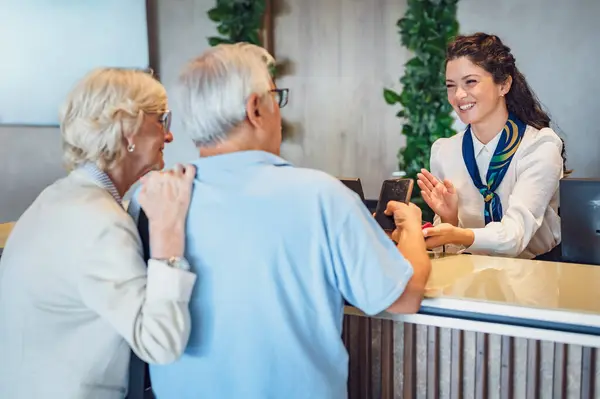
If the initial check-in doesn’t result in an upgrade, politely following up later in the stay sometimes works. Guests who check out early, rooms that become available due to cancellations, or simply different staff members working later shifts can create new opportunities.
A friendly visit to the front desk on the second day with a simple “I was hoping to ask again about any upgrade possibilities during my stay” shows persistence without being annoying. Staff might have more flexibility after the check-in rush subsides and actual occupancy becomes clear.
Timing this follow-up for mid-afternoon on a weekday maximizes chances. Still not guaranteed, but costs nothing to try.
The Subtle Science of Room Upgrades
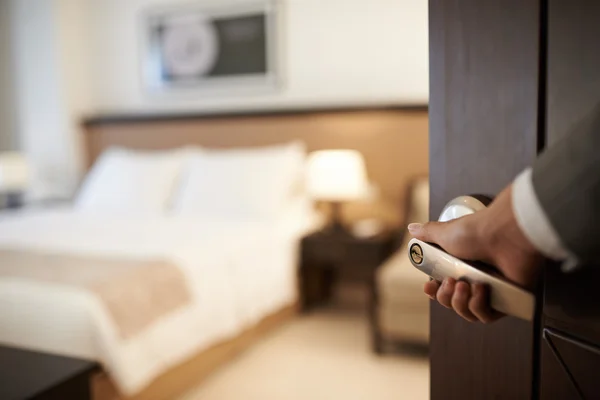
Free hotel upgrades aren’t luck or magic—they’re the result of understanding how hotels operate and positioning oneself as the guest most deserving of available perks when staff has discretion to distribute them.
More from Travel Pug

- Underrated Italian Towns That Beat the Tourist Crowds
- Las Vegas Tourist Traps to Skip
- Prettiest Towns in Every US State
- 18 passport-free countries for Americans
- Signs Your Cruise Is Not Worth The Cost
Like Travel Pug’s content? Follow us on MSN.