

America’s highways are dotted with thousands of quirky roadside attractions promising the world’s largest ball of twine or a two-headed calf preserved in formaldehyde. Most are forgettable tourist traps designed to separate travelers from their money in exchange for questionable entertainment.
But scattered among the kitsch are genuinely fascinating museums that justify pulling off the interstate and spending an hour or three exploring collections assembled by obsessive curators who dedicated years to preserving obscure slices of American culture. Below are the roadside museums across the United States that deliver experiences far more interesting than their humble exteriors suggest.
The Museum of Jurassic Technology, Los Angeles, California
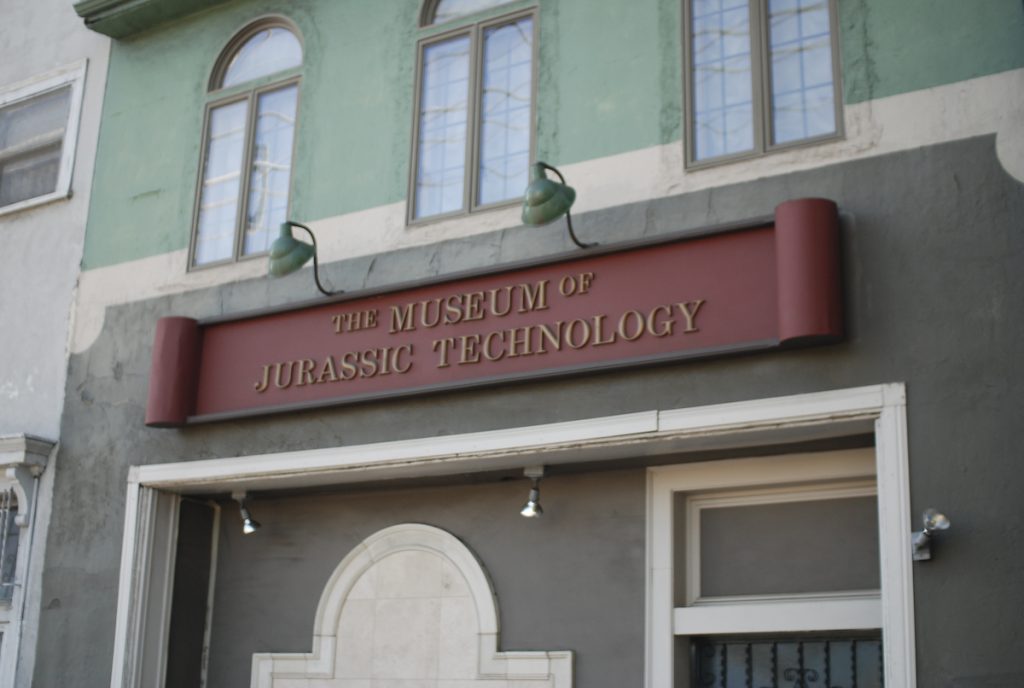
Despite its name, this museum has almost nothing to do with dinosaurs or technology. Instead, it presents a bewildering collection of exhibits blending fact and fiction so thoroughly that visitors leave questioning what they actually saw.
Displays include microscopic sculptures set inside the eye of a needle, a collection of trailer park memorabilia, and exhibits on obscure historical figures who may or may not have existed. The dim lighting and hushed atmosphere create a dreamlike quality.
Some exhibits are completely factual, others are elaborate fabrications, and the museum never clarifies which is which. It’s simultaneously frustrating and mesmerizing, and the tearoom upstairs serves complimentary cookies.
House on the Rock, Spring Green, Wisconsin
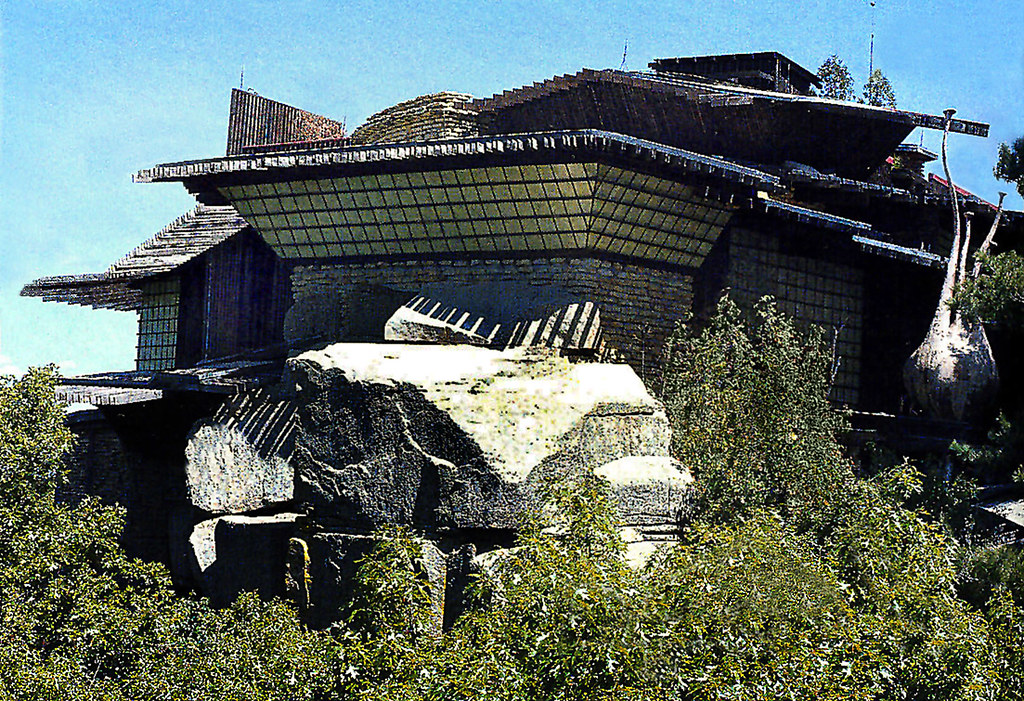
What started as a single room built atop a rock formation in the 1940s has expanded into a sprawling complex of buildings filled with the most excessive collection of stuff imaginable. Calling it a museum feels inadequate—it’s more like wandering through someone’s fever dream.
The Infinity Room extends 218 feet out over the valley below with windows on three sides and a glass floor at the end. The carousel room contains a three-story carousel with hundreds of figures, none of them horses.
Room after room holds collections of automated music machines, dollhouses, ship models, suits of armor, and thousands of Santa Claus figures. Could be worse ways to spend three hours.
The sheer overwhelming excess makes it impossible to take in everything during a single visit.
The National Mustard Museum, Middleton, Wisconsin
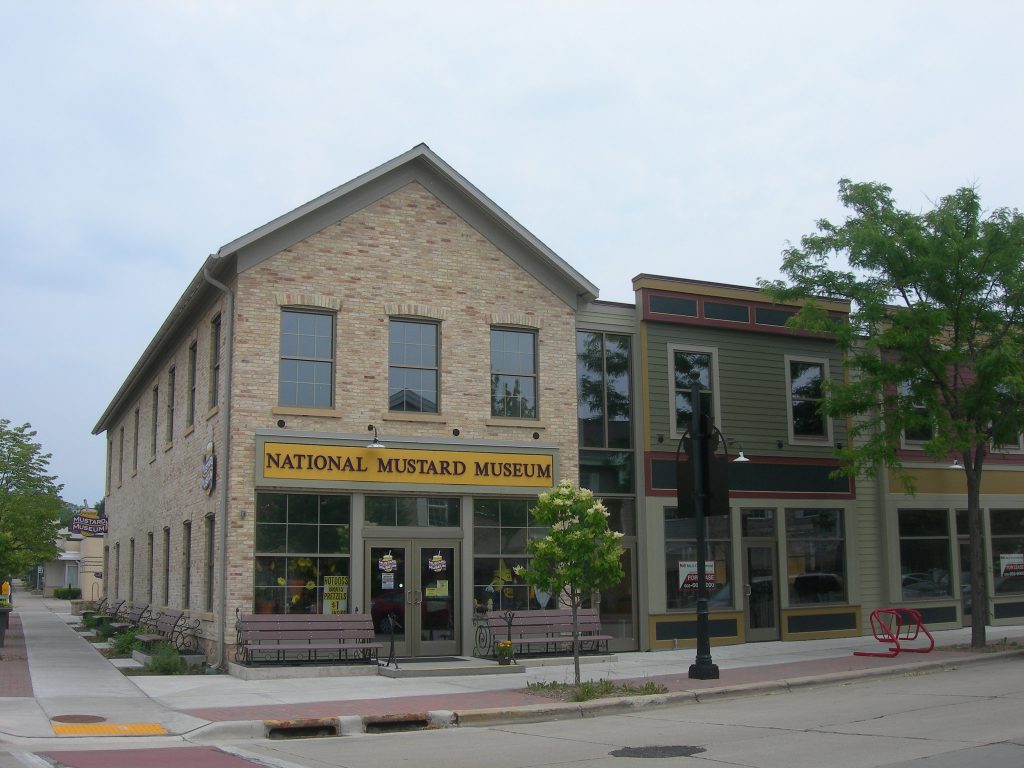
Barry Levenson founded this museum after the Red Sox broke his heart in the 1986 World Series. Standing in a grocery store at midnight contemplating life’s disappointments, he heard a voice say “If you collect us, they will come.” The voice belonged to the mustard jars.
The collection now exceeds 6,000 mustards from all fifty states and over seventy countries. Visitors can sample dozens of varieties from sweet to face-meltingly hot.
The museum takes mustard seriously while maintaining a sense of humor about its absurdity. Educational exhibits cover mustard history, production methods, and cultural significance.
And admission is free, though most people leave with several jars they didn’t know they needed.
The International Banana Museum, Mecca, California
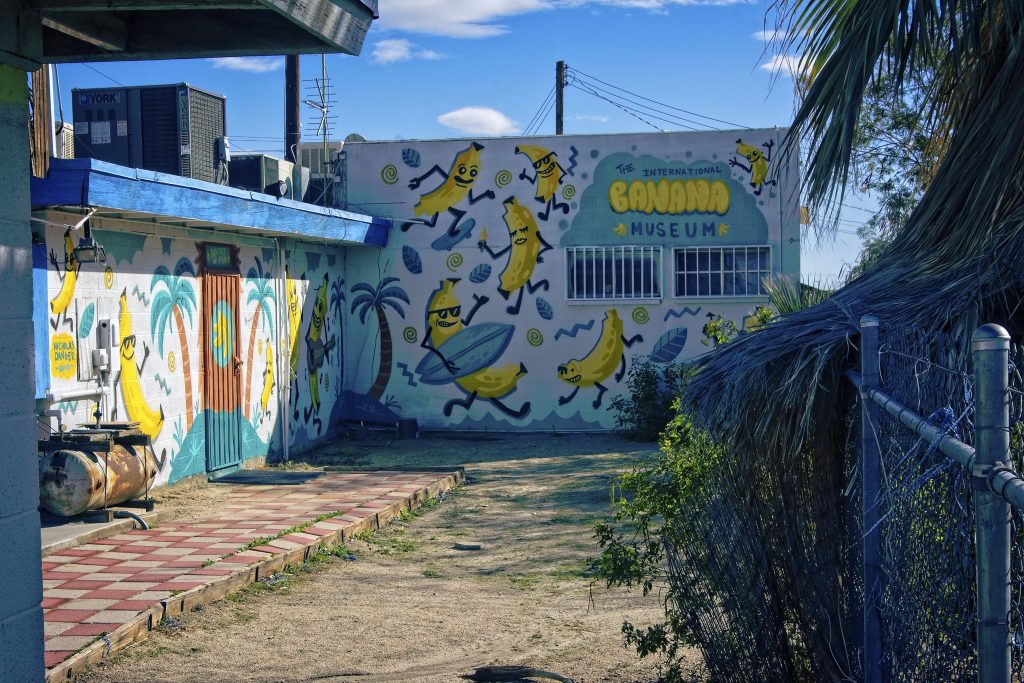
This small museum holds the Guinness World Record for the largest collection of banana-related items. Over 25,000 objects fill the space, including banana phones, banana hammocks, banana costumes, and pretty much anything else that can be banana-themed.
The founder started collecting in 1972 with a simple banana sticker and never stopped. The museum sits in the California desert near the Salton Sea, making it a perfect weird detour on the drive between Los Angeles and Arizona.
The gift shop sells banana ice cream and various banana products. It’s deeply silly but embraces that silliness so completely that it becomes charming rather than stupid.
Spam Museum, Austin, Minnesota
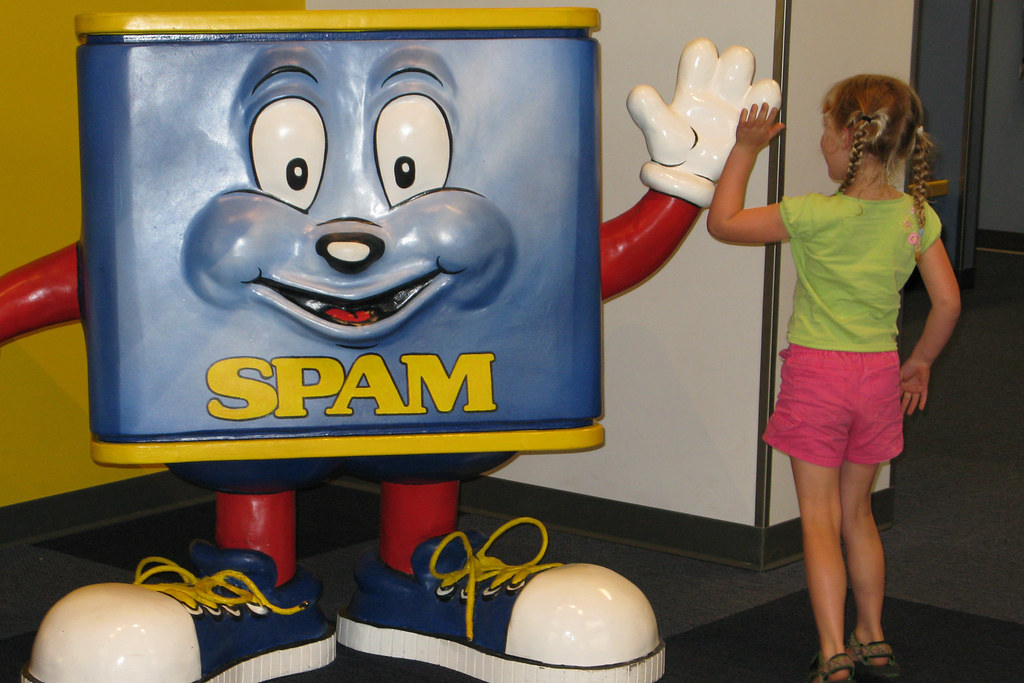
Hormel Foods turned their headquarters town into a shrine to their iconic canned meat product. The museum covers Spam’s history, cultural impact, role in World War II, and inexplicable popularity in Hawaii and other Pacific regions.
Interactive exhibits let visitors play games, watch commercials from different eras, and learn about the product’s manufacturing process. The museum takes itself just seriously enough while acknowledging that yes, it’s an entire museum dedicated to canned meat.
The gift shop sells Spam in every variety including flavors most people didn’t know existed. And the museum is free, which makes it easier to justify stopping.
The Neon Museum, Las Vegas, Nevada
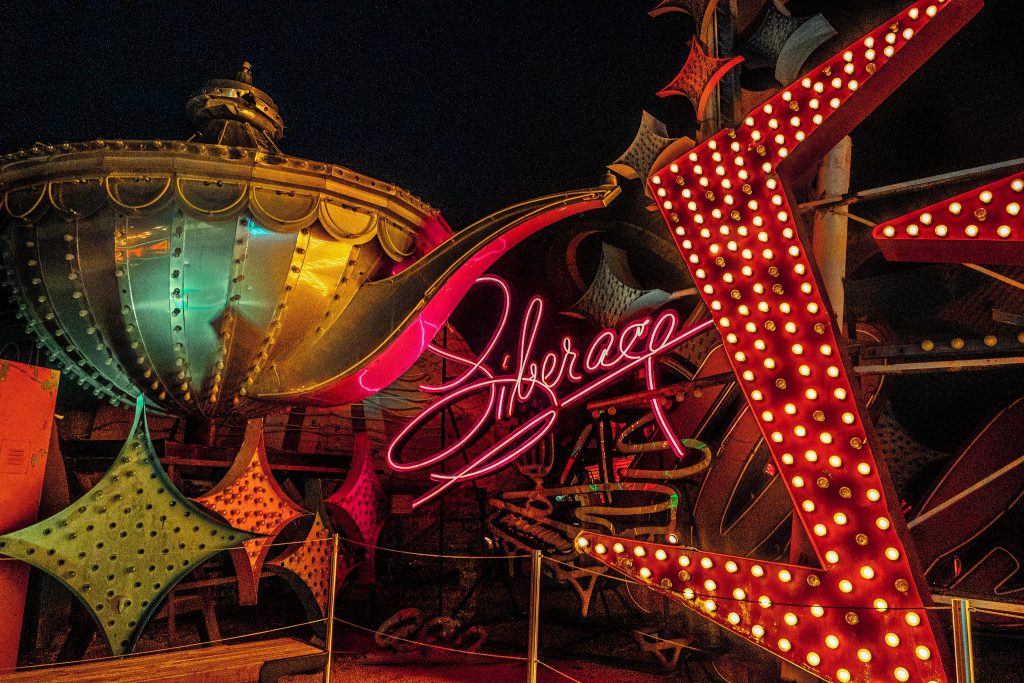
Las Vegas demolishes old casinos regularly, but the iconic neon signs get preserved at this outdoor museum. The boneyard contains hundreds of signs from demolished hotels, casinos, motels, and businesses dating back to the 1930s.
Seeing these massive signs up close reveals the craftsmanship and artistry that went into their construction. Guided tours explain the history of each sign and the establishments they advertised. Some signs still light up during night tours, creating an eerie glow.
The museum sits just off the Strip, making it easily accessible, and captures Las Vegas history better than any glossy resort attraction.
Mütter Museum, Philadelphia, Pennsylvania
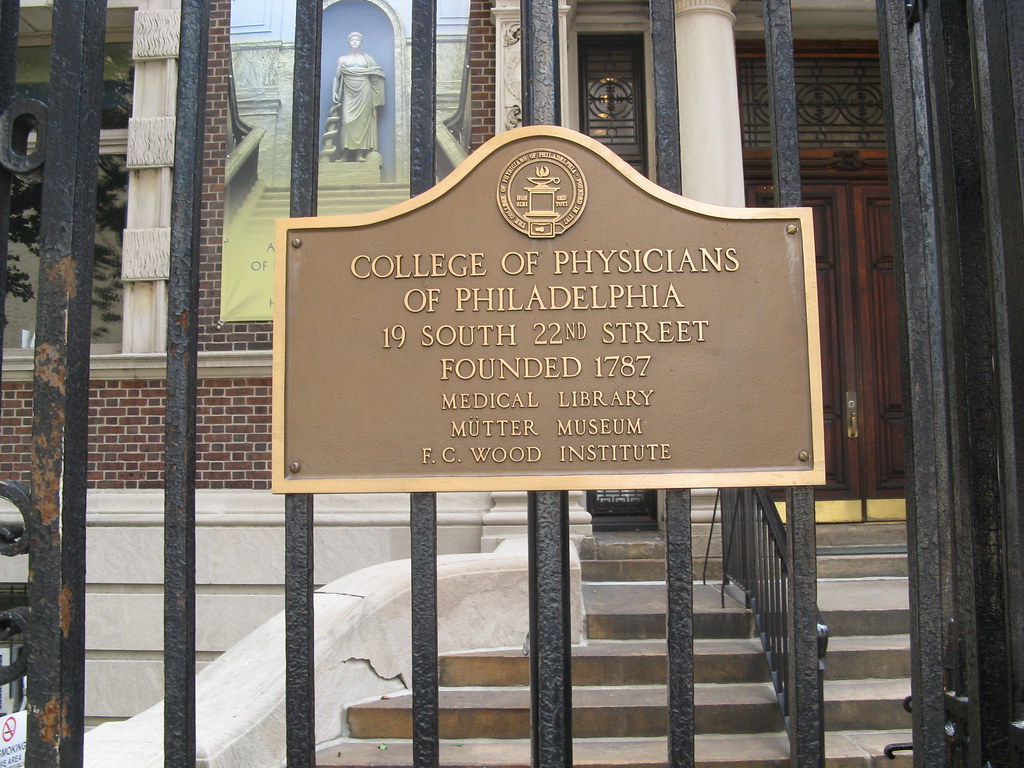
This medical museum maintained by the College of Physicians of Philadelphia contains one of the most unsettling collections in America. Skeletal specimens, preserved organs, medical instruments, and anatomical models fill the galleries in a Victorian-era building that amplifies the creepy atmosphere.
Notable exhibits include the conjoined liver of Chang and Eng Bunker (the original “Siamese twins”), drawers full of objects swallowed by patients, and a wall of skulls demonstrating different medical conditions. The “Soap Lady” is a corpse that turned to adipocere—a waxy substance formed when body fat saponifies.
Not great for the squeamish, but fascinating for anyone interested in medical history. And somehow the gift shop manages to be both tasteful and disturbing simultaneously.
The Idaho Potato Museum, Blackfoot, Idaho
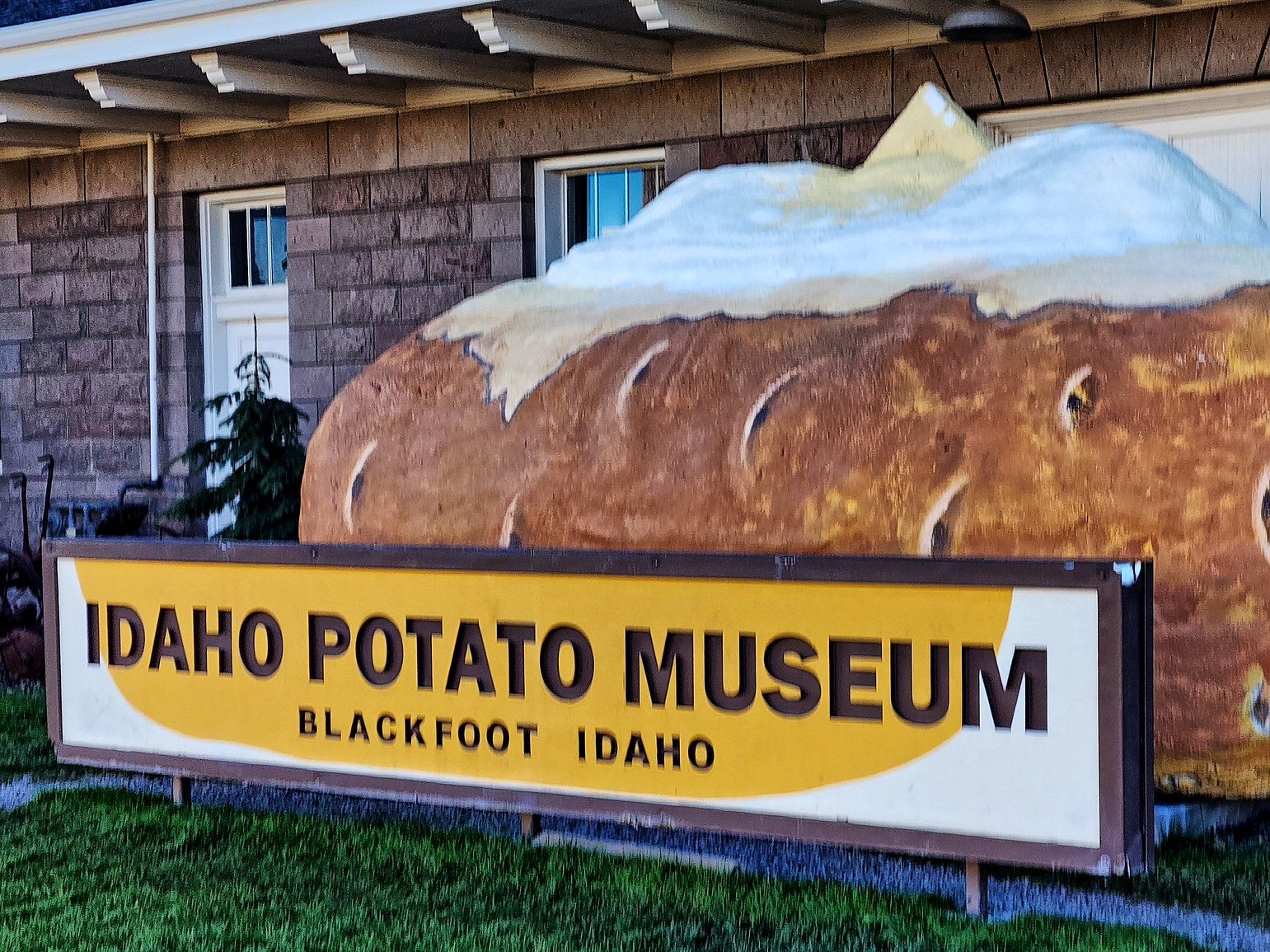
Idaho’s identity revolves around potatoes, so naturally they built a museum dedicated to the tuber. What sounds like it should be a fifteen-minute stop actually delivers surprisingly engaging exhibits on potato history, varieties, cultivation, and cultural importance.
The museum covers the potato’s origins in Peru, its journey to Europe and eventual arrival in Idaho, and the development of the state’s potato industry. Interactive displays explain growing and harvesting processes.
The gift shop sells every potato product imaginable, and visitors can get an “I picked the world’s largest potato” certificate after posing with a replica. It’s genuinely educational while embracing the inherent absurdity of a potato museum.
The American Sign Museum, Cincinnati, Ohio
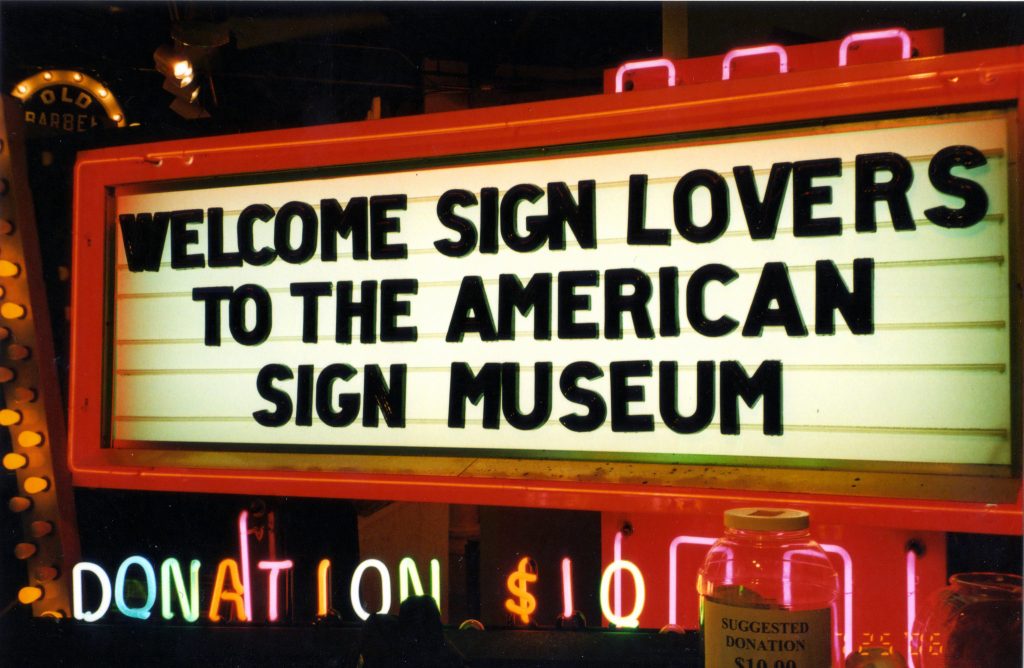
This museum preserves vintage signs from businesses across America, creating a visual history of commercial advertising and design. The collection includes neon signs, painted metal signs, plastic signs, and everything in between from the late 1800s through the 1970s.
Walking through feels like time traveling through different decades of American commerce. Many signs still light up, filling the space with colorful glows.
The craftsmanship evident in hand-painted signs and intricate neon work highlights skills that have largely disappeared. Sign nerds can spend hours here, but even casual visitors find it more interesting than expected.
The guided tours provide context that transforms the experience from looking at old signs to understanding American visual culture.
The National Museum of Funeral History, Houston, Texas
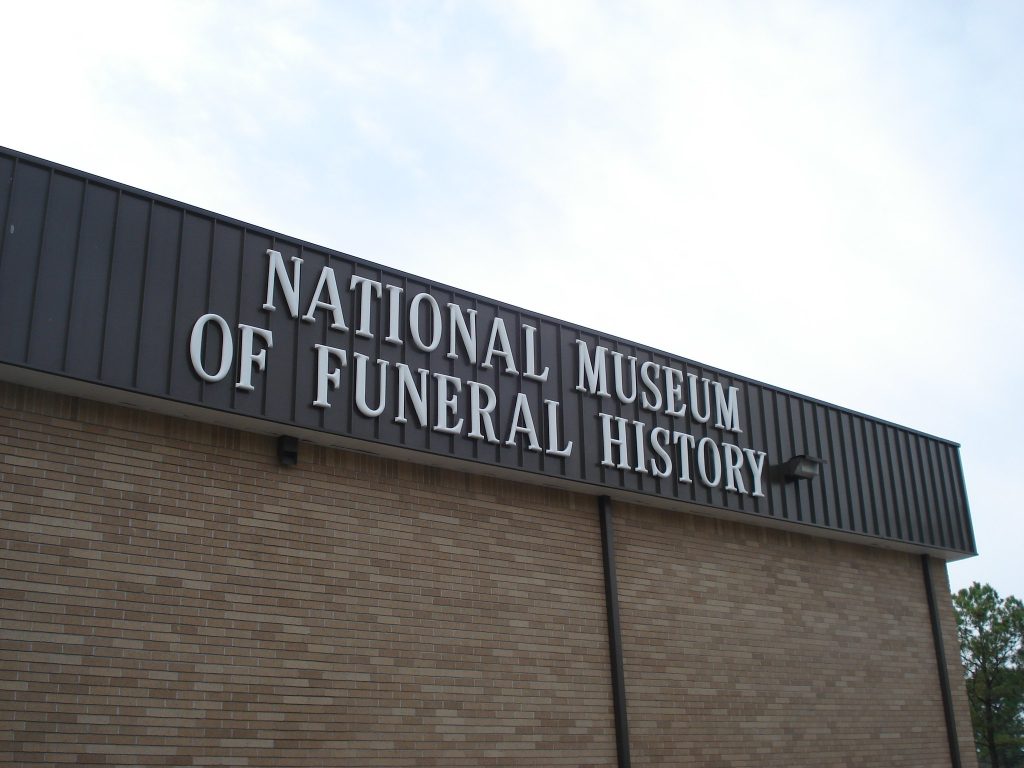
Death is universal, but this museum proves that how humans handle death varies wildly across cultures and time periods. The collection includes hearses from different eras, coffins in every style imaginable, embalming equipment, and exhibits on burial customs worldwide.
Presidential funerals get dedicated exhibits, as do caskets of the rich and famous. The “Fantasy Coffins of Ghana” display shows coffins shaped like cars, fish, chickens, and other objects reflecting the deceased’s life or profession. The papal funeral exhibit details Vatican traditions.
It sounds morbid but approaches the subject matter with respect while acknowledging humans’ complex relationship with mortality. Plus the gift shop sells some truly unique souvenirs you won’t find anywhere else.
Barney Smith’s Toilet Seat Art Museum, San Antonio, Texas
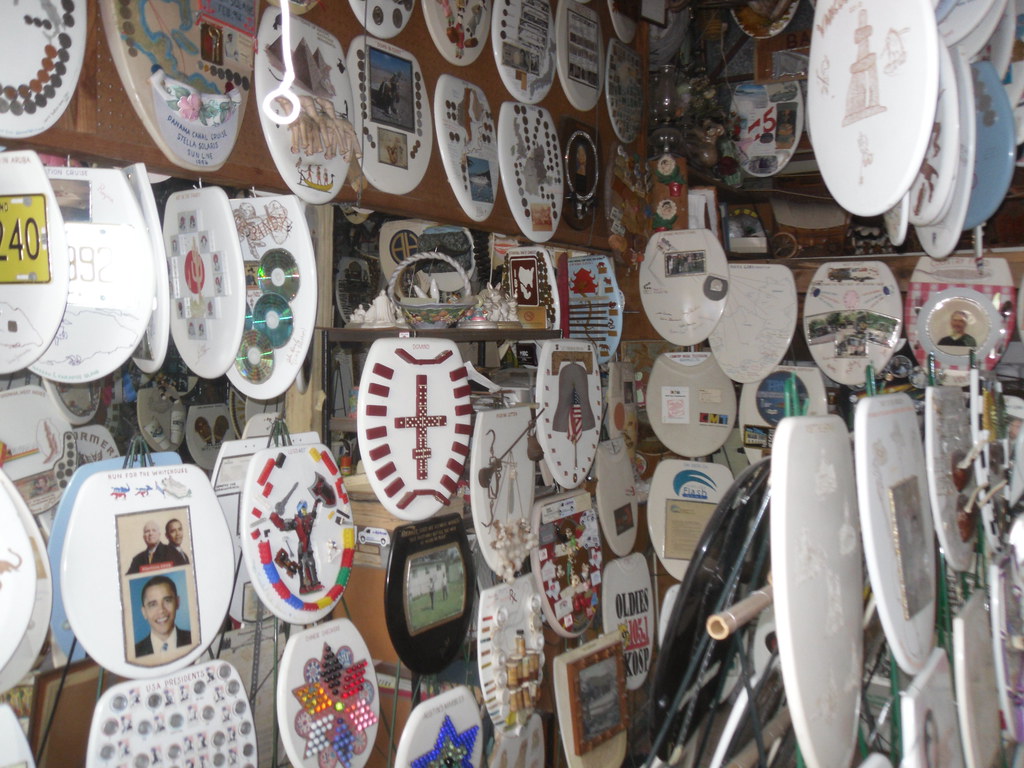
Barney Smith spent decades decorating over 1,400 toilet seats with commemorative art, creating what might be the world’s strangest folk art collection. Each seat marks an event, place, or theme using found objects, newspaper clippings, and various craft materials.
Seats commemorate moon landings, presidential elections, sports events, and Smith’s personal travels. The collection lived in his garage until his death, when it was acquired and moved to a larger space.
The museum operates on limited hours but finding it open means access to one of America’s most unique expressions of folk art dedication. It’s weird, wonderful, and somehow touching in its earnestness.
The Museum of Bad Art, Various Locations, Massachusetts
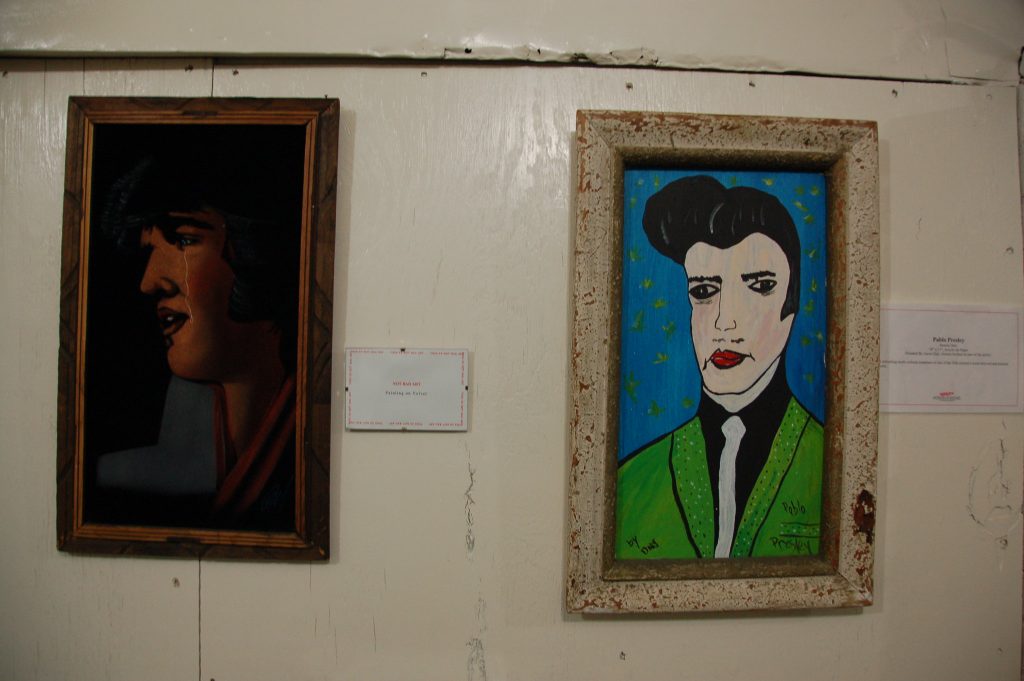
This museum dedicates itself to preserving art too bad to be ignored. The collection celebrates “art too bad to be ignored” found in thrift stores, curbside trash piles, and donated by people who recognized its spectacular awfulness.
Pieces include paintings with bizarre proportions, inexplicable subject matter, and technical execution so poor it becomes fascinating. Labels offer humorous but respectful commentary on each work.
The museum takes its mission seriously while maintaining a sense of humor about celebrating artistic failure. Multiple locations exist, though exhibits rotate and sometimes appear in unexpected venues like theater bathrooms.
Leila’s Hair Museum, Independence, Missouri
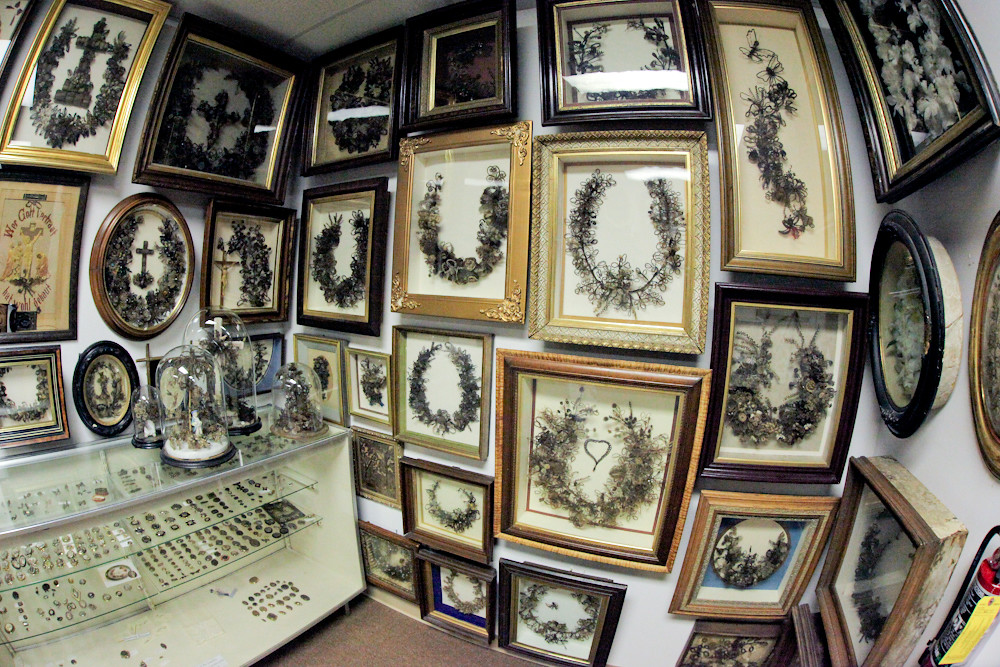
Leila Cohoon collected hair art and wreaths for decades, assembling over 600 pieces of Victorian-era hair jewelry and memorial wreaths. Victorian families preserved deceased relatives’ hair in elaborate wreaths, jewelry, and decorative pieces as remembrances.
The museum displays wreaths containing hair from entire families, jewelry made from braided hair, and elaborate displays showing the incredible detail work possible with human hair. It sounds creepy—and it is, slightly—but the craftsmanship is undeniable.
The museum also covers the history and cultural context of hair art, explaining why Victorians found this practice meaningful rather than disturbing. Leila herself gives tours when present, sharing stories about individual pieces with infectious enthusiasm.
The Mini Time Machine Museum of Miniatures, Tucson, Arizona
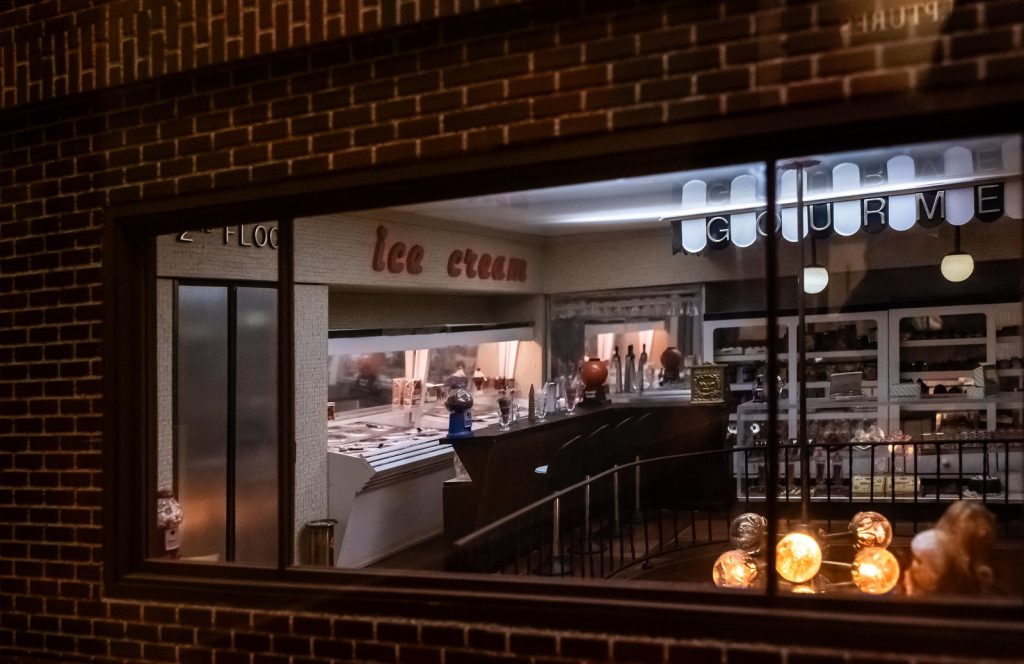
Miniatures might seem like an odd museum subject, but this collection demonstrates the artistry and obsessive detail that go into creating tiny worlds. Dollhouses, room boxes, and miniature scenes fill the galleries with work from artists worldwide.
Some dollhouses replicate actual historical buildings with period-accurate furnishings at 1:12 scale. Others create fantastical environments that couldn’t exist in reality.
The detail work requires magnifying glasses to fully appreciate—tiny paintings hang on tiny walls, miniature books have readable text, and working lights illuminate rooms the size of shoeboxes. And the museum manages to make miniatures feel grand rather than diminutive through thoughtful presentation and lighting.
The Devil’s Rope Museum, McLean, Texas
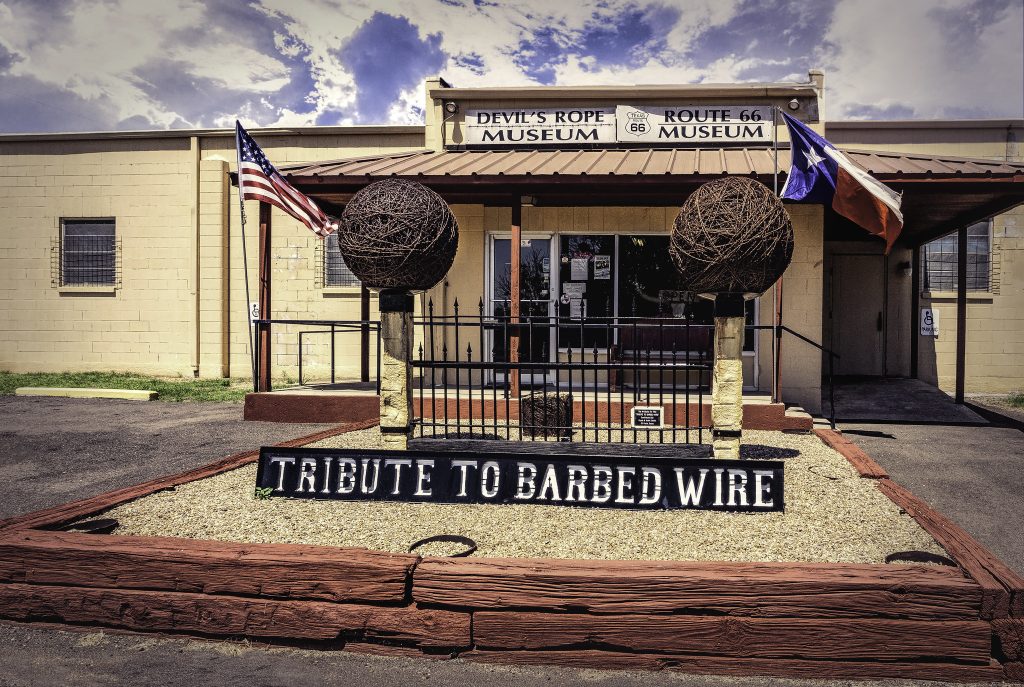
This museum celebrates barbed wire, which seems ridiculous until you consider how profoundly barbed wire changed the American West. The collection includes over 2,000 varieties of barbed wire and explains its impact on settlement, ranching, and land ownership.
Exhibits cover the invention of barbed wire, patent battles between early manufacturers, and how different wire designs served different purposes. The museum sits on Route 66 and includes exhibits on the Mother Road’s history as well.
Barbed wire collecting is apparently a serious hobby with dedicated enthusiasts who can identify varieties at a glance. The museum makes a surprisingly compelling case for why people should care about twisted metal wire.
American Classical Music Hall of Fame and Museum, Cincinnati, Ohio
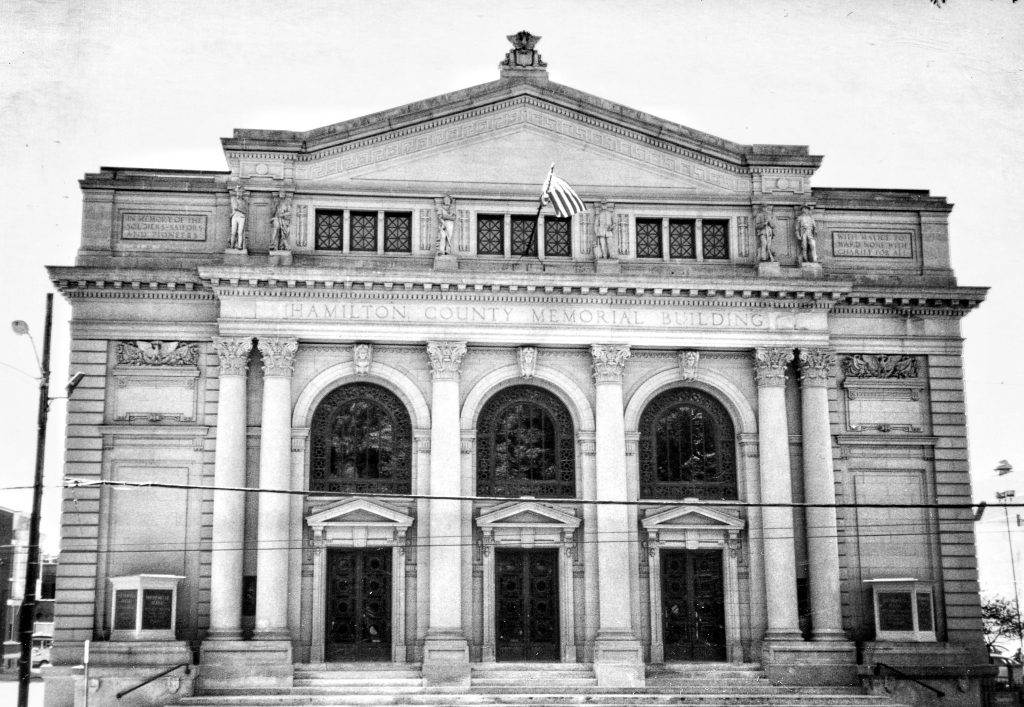
Housed in the historic Union Terminal, this museum preserves the history of American classical music and the musicians who created it. The collection includes instruments, manuscripts, recordings, and personal effects from composers and performers.
What makes it roadside-worthy is its location in one of America’s most beautiful Art Deco train stations and its focus on lesser-known figures who shaped American classical music. The building itself justifies the visit, with its massive rotunda and historic murals.
The museum operates on limited hours, making it feel like a secret worth discovering rather than a major tourist destination.
The Salt and Pepper Shaker Museum, Gatlinburg, Tennessee
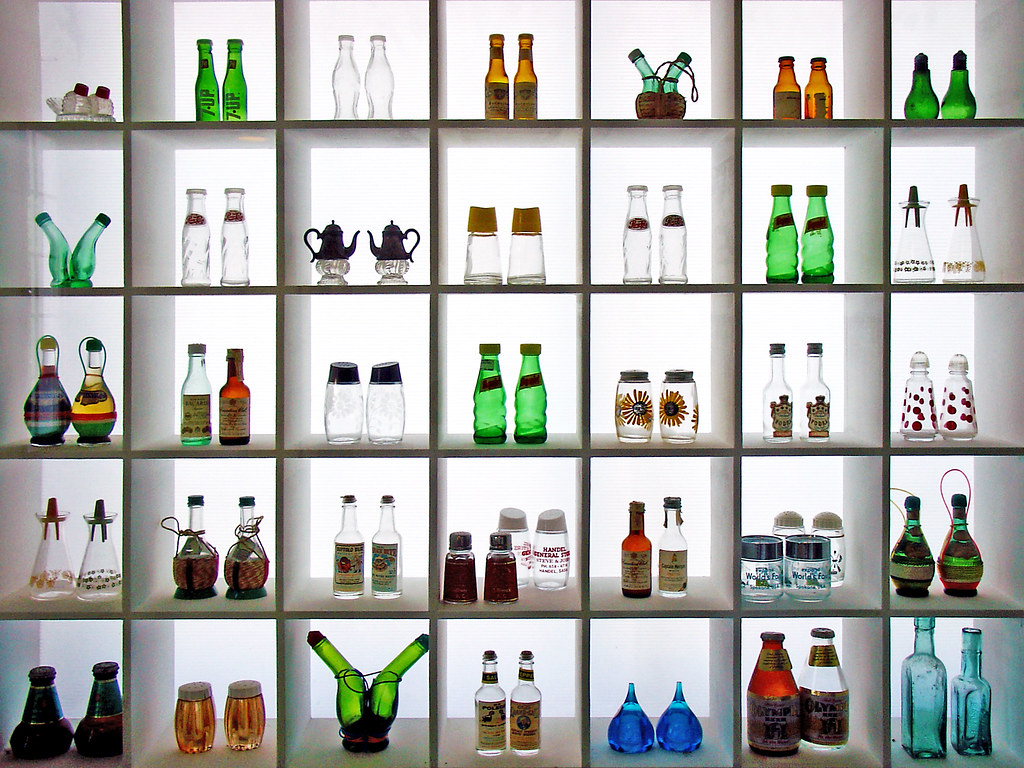
Andrea Ludden collected over 20,000 sets of salt and pepper shakers before opening this museum in the touristy Smoky Mountain town. The collection demonstrates how something utilitarian became a canvas for creativity, nostalgia, and kitsch.
Shakers shaped like animals, famous people, food items, vehicles, and abstract designs fill display cases. Some sets are valuable antiques, others are recent novelties, but together they document changing American tastes and manufacturing trends.
The museum feels like exploring someone’s grandma’s house if that grandma was absolutely obsessed with condiment containers. Admission includes access to the museum’s own pepper grinding, which seems appropriately meta.
Where Curiosity Lives Along the Highway
These museums prove that America’s roadside culture offers more than fiberglass dinosaurs and “World’s Largest” whatever—sometimes the strangest detours deliver the most memorable stories about the people who couldn’t help but build shrines to their obsessions.
More from Travel Pug

- Underrated Italian Towns That Beat the Tourist Crowds
- Las Vegas Tourist Traps to Skip
- Prettiest Towns in Every US State
- 18 passport-free countries for Americans
- Signs Your Cruise Is Not Worth The Cost
Like Travel Pug’s content? Follow us on MSN.