

Most travelers think they’ve got preparation down to a science.
Passport, check. Hotel booked, check. Flight confirmed, check.
But between the obvious tasks and the actual departure date, there’s a whole category of preparation that somehow slips through the cracks year after year.
These aren’t exotic edge cases or paranoid over-planning.
They’re straightforward steps that could save you from serious problems, yet people consistently skip them until something goes wrong.
The pattern is universal.
Someone lands in Bangkok and realizes their bank has frozen their card for suspicious activity.
Another traveler is turned away at the airport because their passport expires in 5 months, not the 6 months their destination requires.
A couple arrives at their dream villa only to discover they need an international driving permit they never knew existed.
These situations are completely preventable, but prevention requires doing the boring administrative work nobody wants to think about while daydreaming about their upcoming adventure.
Here’s what keeps falling through the cracks and why you should actually care this time.
Checking passport expiration rules

Most people know their passport needs to be valid for their trip.
What they don’t realize is that many countries require your passport to be valid for six months beyond your departure date from their territory.
This isn’t some obscure regulation affecting a handful of nations.
It applies to most of Asia, large parts of Europe, and significant portions of South America and Africa.
You can have a passport that’s technically valid for three more months and still get denied boarding.
The airline won’t let you fly if your passport doesn’t meet the destination country’s requirements.
They’re not being difficult—they’re legally liable if they transport someone who’ll be refused entry.
That means you find out about this problem at check-in, not when you land.
Your tickets are useless, your hotel reservations become a sunk cost, and your vacation evaporates because you didn’t check a single rule six weeks earlier.
Even so, this mistake happens constantly.
People glance at their passport, see it doesn’t expire until next year, and assume they’re fine.
They don’t research the specific entry requirements for their destination.
This oversight ruins more vacations than you’d think, and every single case was completely avoidable.
Notifying financial institutions

Banks and credit card companies have gotten very good at detecting fraud.
Those algorithms that protect you from identity theft also flag legitimate international purchases as suspicious.
When your card is suddenly used in Portugal or Thailand, the system flags it as a potential theft and locks your account.
Now you’re in a foreign country with no access to your money, trying to call customer service from a sketchy international connection while your stress levels spike.
The solution takes about five minutes.
Most banks have online systems or apps where you can log travel dates and destinations.
Some require a phone call, but even that’s quick.
Yet travelers skip this step constantly, either because they forget or because they assume modern systems are smart enough to figure it out.
They’re not.
The algorithms prioritize security over convenience, which means they’ll happily lock you out to protect you from yourself.
Making document copies

Losing your passport abroad ranks among the most stressful travel experiences possible.
Getting it replaced requires visiting an embassy or consulate, proving your identity, paying fees, and waiting days or weeks in a foreign country while paperwork processes.
This nightmare scenario becomes slightly less nightmarish if you have copies of your key documents.
Physical and digital copies both matter.
Keep photos of your passport, driver’s license, travel insurance, visa, and credit cards in a secure cloud service accessible from any device.
Email copies to yourself as backup.
Store physical photocopies separately from your originals — if your bag gets stolen, having copies in the same bag is pointless.
Researching visa requirements
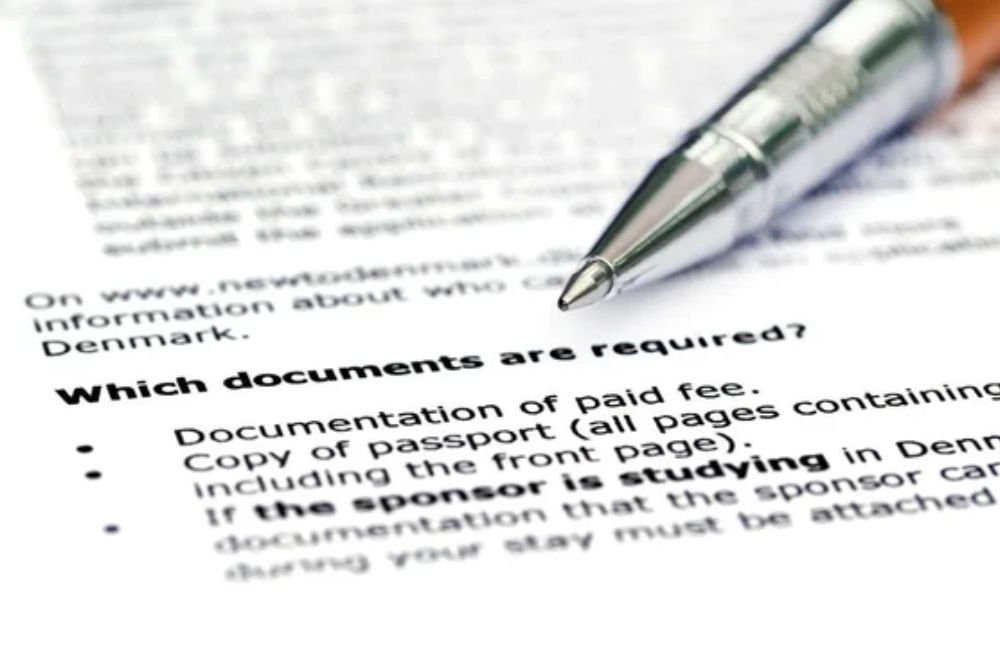
Visa rules are maddeningly inconsistent.
Americans can enter Thailand for thirty days without a visa, but need one for Vietnam.
Canadians get different treatment from Australians in India.
Some countries offer visas on arrival, while others require advance applications that take weeks to process.
The rules change periodically, and what was true two years ago might no longer be true.
This complexity doesn’t excuse ignorance — it demands research.
Checking vaccination requirements
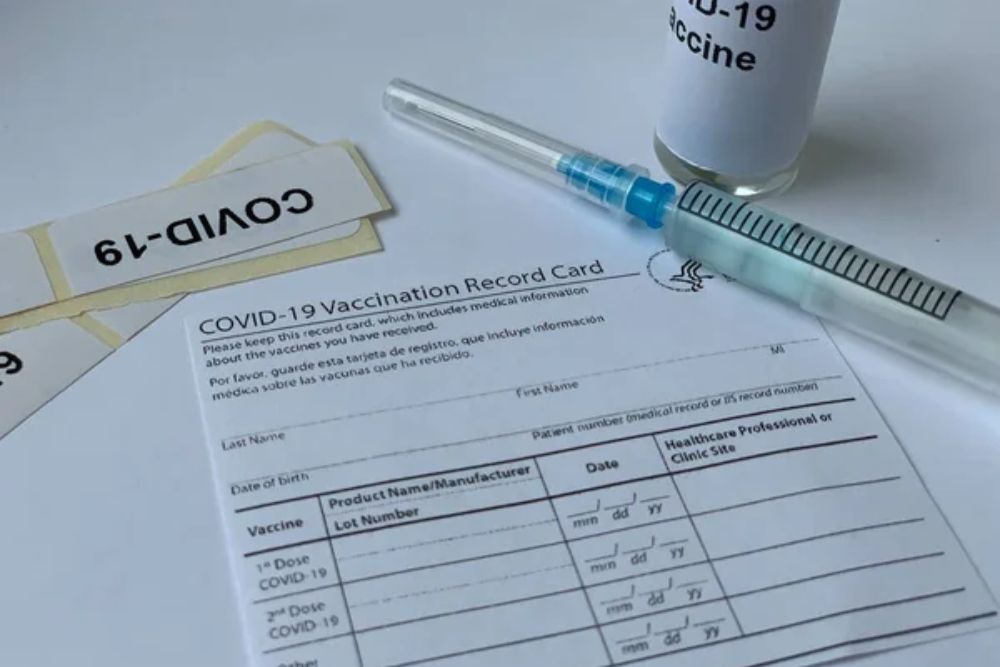
Some countries won’t let you enter without proof of specific vaccinations.
Yellow fever vaccination is required for entry into multiple African and South American nations.
Other destinations require typhoid, hepatitis, or rabies vaccinations depending on where you’re going and what you’re doing.
These aren’t suggestions for your safety — they’re legal entry requirements.
Getting international driving permits
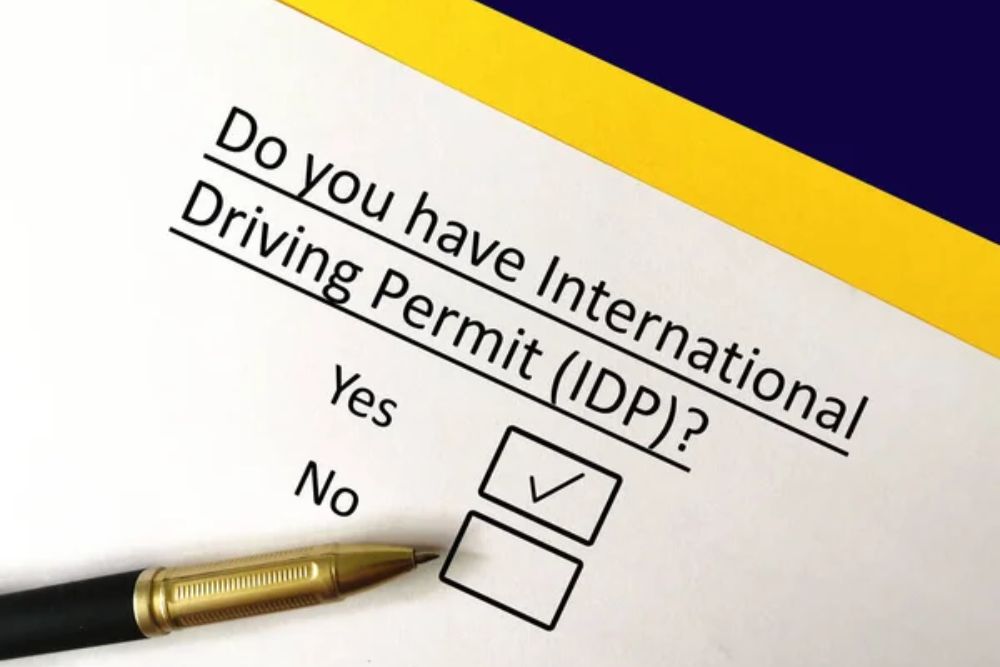
If you’re planning to rent a car internationally, many countries require an International Driving Permit in addition to your regular license.
This document is basically a translation of your license into multiple languages, verifying you’re authorized to drive in your home country.
It’s not a replacement for your actual license — you need both.
Yet countless travelers show up at rental counters having never heard of this requirement.
Arranging prescription medications

Traveling with prescription medications requires more planning than most people realize.
You need enough for your entire trip, plus extra in case of delays.
Pills should stay in their original labeled containers to avoid customs problems.
Some medications that are legal in your home country are controlled substances elsewhere, requiring special documentation or being prohibited entirely.
Registering with your embassy

Most governments offer free registration programs for citizens traveling abroad.
The U.S. has the Smart Traveler Enrollment Program; other countries have equivalent systems.
Registration puts your travel plans on the official record, making it easier for your government to contact you in emergencies.
In crises, registered travelers get priority for evacuations and support services.
Downloading offline maps and key information

International data roaming can be expensive or unavailable.
Even with international plans, coverage can be spotty in rural areas or developing countries.
Relying entirely on your phone having internet access is a recipe for getting lost, missing appointments, or wandering in search of your hotel.
Offline maps solve this problem, yet people consistently forget to download them before leaving WiFi range.
Why these keep falling through the cracks

The Internet has created a travel planning environment where the fun parts are almost easy, while everything administrative falls on the travelers.
The websites will gladly sell you an airplane ticket without checking if your passport meets the entry requirements or whether you need a visa.
Taking responsibility for these overlooked steps is not about being paranoid or overplanning.
It’s about recognizing that international travel involves real complexity that won’t magically resolve itself.
The travelers who handle these tasks aren’t smarter or more experienced; they’ve just learned, through painful mistakes, that checking boxes on a boring preparation list beats dealing with preventable crises in foreign countries.
More from Travel Pug

- Underrated Italian Towns That Beat the Tourist Crowds
- Las Vegas Tourist Traps to Skip
- Prettiest Towns in Every US State
- 18 passport-free countries for Americans
- Signs Your Cruise Is Not Worth The Cost
Like Travel Pug’s content? Follow us on MSN.