

Everyone dreams of that perfect trip where everything goes smoothly. You board your flight on time, your luggage arrives intact, and you navigate foreign streets like a local.
Reality usually has other plans. Most travelers accumulate their wisdom not from guidebooks, but from mistakes that cost them time, money, or both.
The good news is that these painful lessons follow predictable patterns. Here is a list of 20 common travel mistakes that teach people the hard way.
Exchanging currency at the airport

Airport currency exchange kiosks are conveniently located right where jet-lagged travelers need them most, which is exactly why they charge such terrible rates. These operations know you’re in a bind and capitalize on it with exchange rates that can be 10% to 15% worse than what you’d get elsewhere.
That convenient transaction at the arrival terminal might cost you an extra 50 bucks on a modest exchange, and the markup only gets worse with larger amounts.
Overpacking for every possible scenario

First-time travelers often pack like they’re preparing for an apocalypse that requires both formal wear and Arctic survival gear. You convince yourself you’ll need those dress shoes for a fancy dinner, three different jackets for varying weather conditions, and enough outfit changes to avoid repeating anything.
The reality is you’ll wear the same comfortable pants and two favorite shirts for most of your trip while lugging around 30 pounds of clothing you never touch.
Forgetting to check passport expiration dates
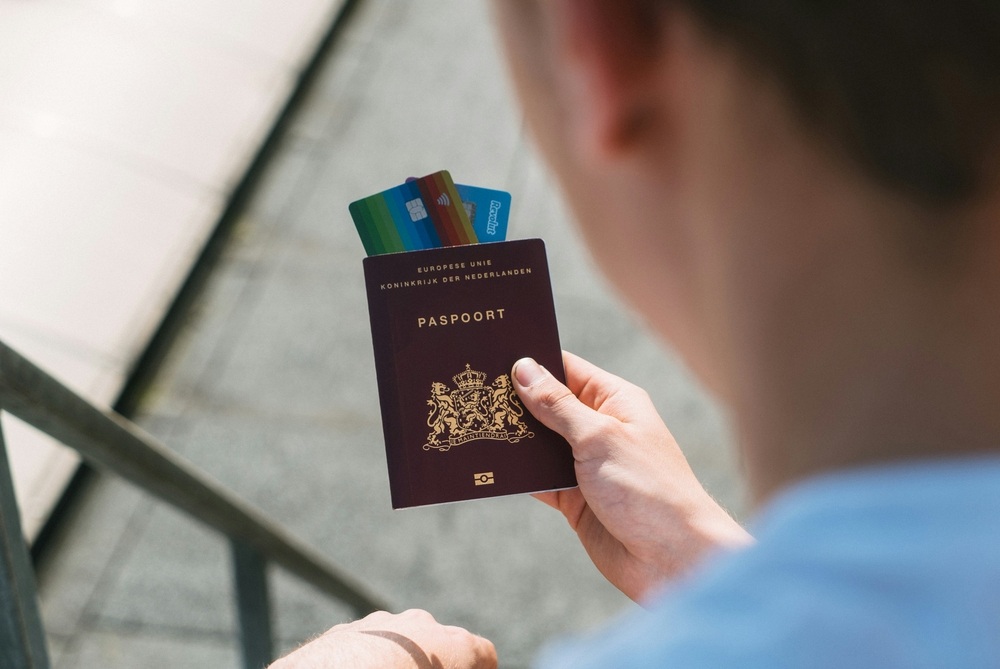
Your passport might technically be valid, but many countries won’t let you in unless it has at least six months of validity remaining from your arrival date. Travelers regularly show up at airports only to be turned away because their passport expires in five months and 28 days instead of six months.
Getting an emergency passport renewal is possible but expensive and stressful, and you’ll likely miss your original flight and pay premium prices for last-minute rebooking.
Not buying travel insurance soon enough

Most people think about travel insurance as an afterthought, maybe a week before departure. The problem is that some of the most valuable benefits, like pre-existing medical condition coverage and cancel-for-any-reason protection, are only available if you purchase within 10 to 21 days of making your initial trip deposit.
Wait too long and you’ll still get basic coverage, but you’ve locked yourself out of the protections you’re most likely to actually need.
Assuming credit cards work everywhere

You arrive in a charming small town ready to explore, only to discover that half the restaurants, most local markets, and nearly all the best street food vendors only accept cash. Even in developed countries, smaller establishments often operate cash-only to avoid processing fees.
Many travelers learn this lesson when they’re hungry, tired, and standing in front of a closed bank on a Sunday afternoon with no way to pay for anything.
Packing medications in checked luggage

Nothing teaches you the importance of carry-on medications quite like arriving at your destination while your bag takes a detour to another continent. If you rely on daily prescriptions and they’re trapped in lost luggage, you’re facing an emergency situation in an unfamiliar healthcare system.
Some medications available over-the-counter in North America require prescriptions elsewhere, and vice versa, creating additional complications when you’re trying to replace lost supplies.
Booking flights too close to important events
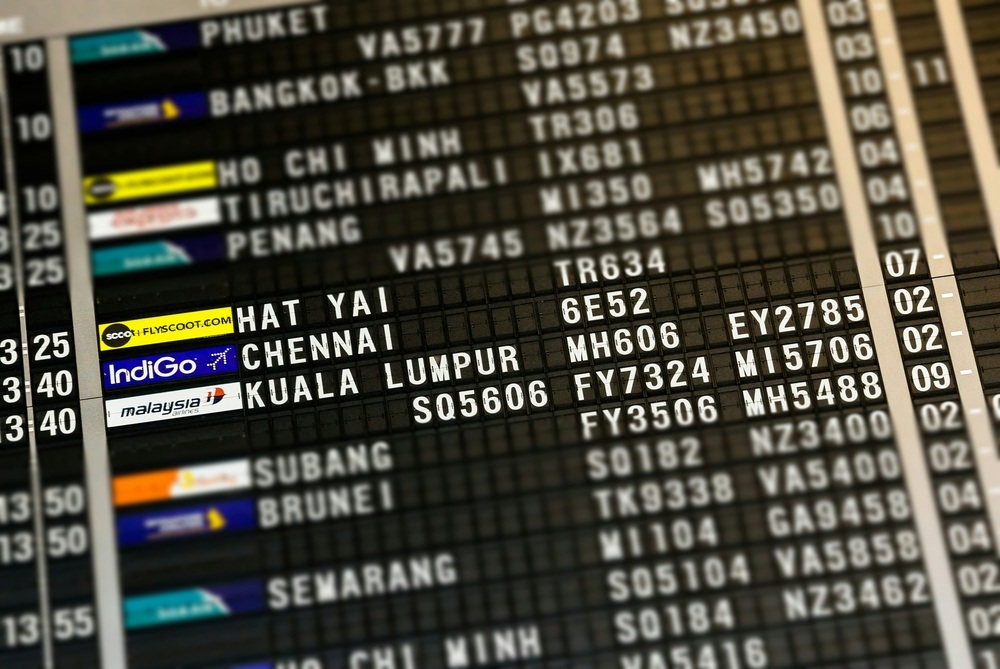
You schedule your flight to land at 2 PM, figuring that gives you plenty of time to make it to your friend’s 6 PM wedding across town. Then your flight gets delayed two hours, customs takes forever, and suddenly you’re in a panic trying to navigate an unfamiliar city while wearing your wrinkled formal attire.
Experienced travelers build in buffer days before important events because Murphy’s Law applies double to air travel.
Not researching visa requirements in advance
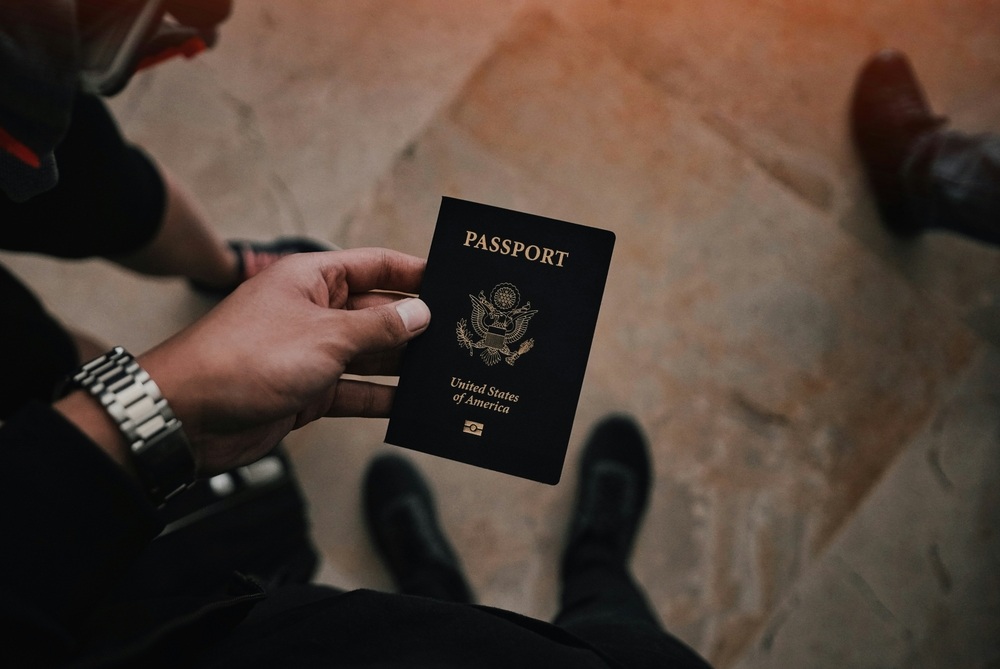
Some travelers discover at check-in that their destination requires a visa they don’t have, resulting in denied boarding and a wasted ticket. The requirements vary wildly by nationality and destination, with some countries offering visas on arrival while others require applications weeks in advance.
Even transit visas can be necessary if you’re connecting through certain countries, catching travelers completely off guard.
Accepting dynamic currency conversion at payment terminals
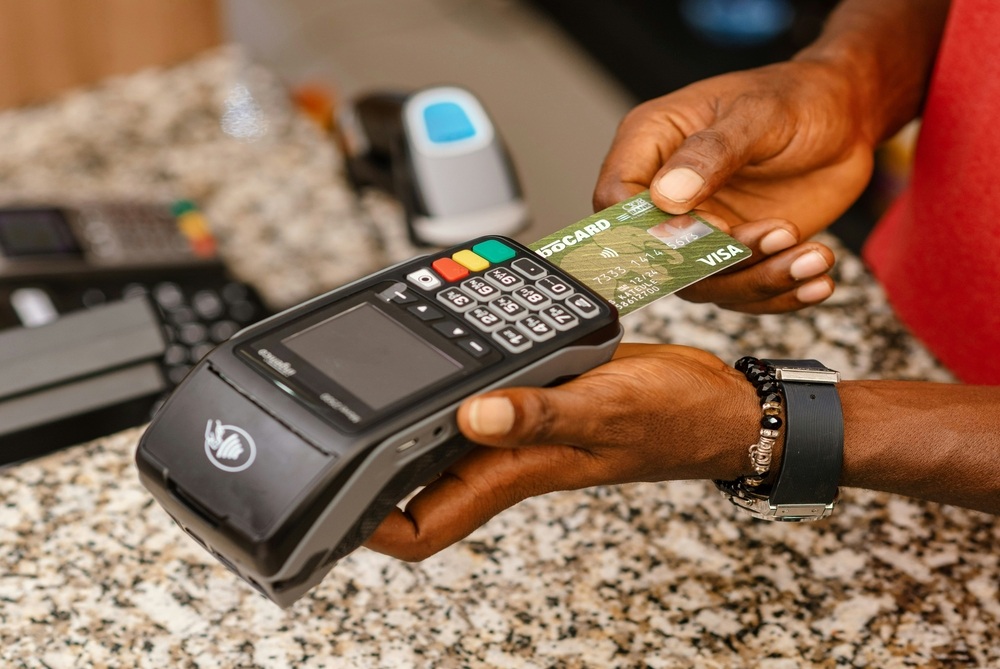
When you’re paying with a card abroad and the terminal asks if you want to pay in dollars instead of the local currency, it seems helpful. What they don’t mention is that their conversion rate is terrible, often marked up by 5% to 12% compared to what your own bank would charge.
This sneaky fee appears on transactions at restaurants, hotels, and shops, quietly draining your budget every time you choose the ‘convenient’ option.
Failing to notify banks about travel plans
Modern fraud detection systems are remarkably good at spotting unusual activity, which unfortunately includes you legitimately using your card in Thailand. Without advance notice, your bank sees foreign transactions as suspicious and freezes your account for security.
You discover this when your card gets declined at a restaurant or ATM, leaving you scrambling to reach customer service from overseas while your travel companions wait awkwardly.
Ignoring local customs and cultural norms

You show up to visit temples in Southeast Asia wearing tank tops and shorts, only to be denied entry or forced to rent appropriate covering at inflated prices. Cultural missteps range from mildly embarrassing to genuinely offensive, and they’re entirely avoidable with minimal research.
Something as simple as learning whether to remove your shoes indoors or understanding tipping expectations can dramatically improve your experience and how locals perceive you.
Booking accommodations without reading reviews carefully

That hotel looked amazing in the photos and the price seemed too good to be true. It was. Travelers who skip thorough review analysis often discover their budget paradise is actually next to a construction site, in an unsafe neighborhood, or infested with bedbugs.
The red flags are usually there in the reviews if you look past the promotional photos and read what actual guests experienced.
Underestimating travel time between locations
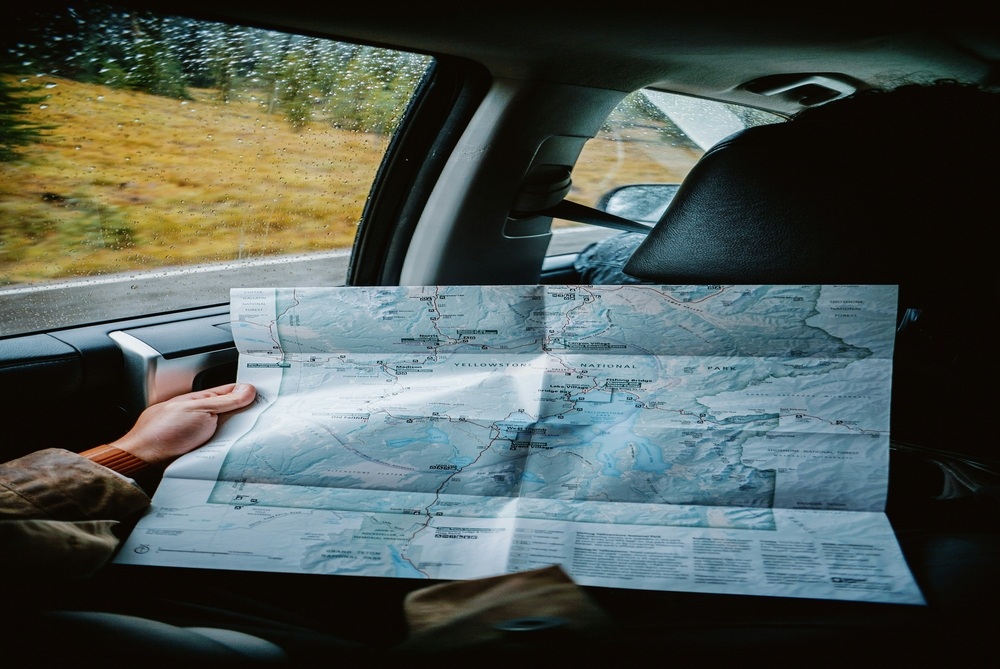
Your itinerary looks perfect on paper, cramming visits to five cities into eight days. Then you realize that each city change involves packing, checking out, traveling to the station or airport, waiting, traveling for hours, finding your new accommodation, and unpacking before you can actually see anything.
Many travelers spend their first trips exhausted and stressed, having scheduled more transit time than sightseeing time without realizing it.
Not making copies of important documents
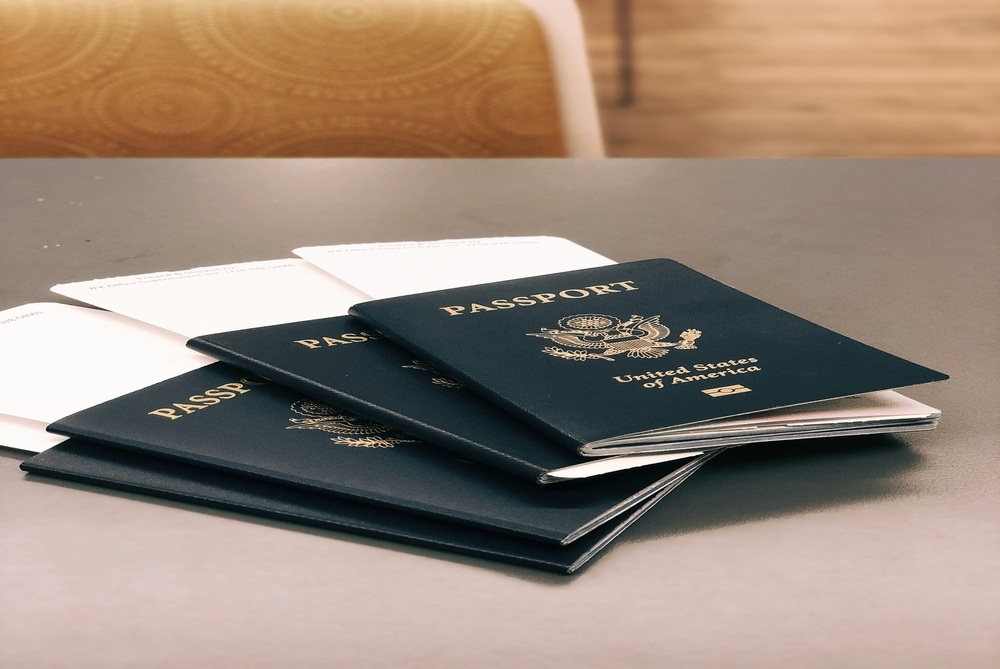
When your passport gets stolen or lost, having only that single physical document creates a nightmare scenario. Smart travelers learn to keep physical photocopies separate from originals and upload digital copies to secure cloud storage before departure.
This simple precaution transforms a potential trip-ending disaster into a manageable inconvenience, since you’ll have all the information needed to get emergency replacements.
Withdrawing too much foreign currency at once

ATM fees can be steep when you’re abroad, so withdrawing a large amount to minimize transactions seems logical. Then you realize you’ve massively overestimated your cash needs and you’re flying home with 200 euros you can’t easily spend.
Converting currency back to dollars incurs another round of fees and terrible exchange rates, meaning that ‘efficient’ large withdrawal actually cost you more money than multiple smaller ones would have.
Trusting taxi drivers without agreeing on fare first

You hop in a cab at the airport and assume the driver will use the meter. Upon arrival, he quotes a price triple what the ride should cost and insists that’s the standard fare.
Without having confirmed the price beforehand or insisted on a meter, you’re in a weak negotiating position and often end up paying inflated tourist rates. This expensive lesson teaches travelers to either agree on fares upfront or use metered taxis and ride-sharing apps.
Skipping travel adapter research for specific countries

You remembered to pack a universal adapter, so you’re all set. Except you’re in the UK where outlets require three-prong plugs that your ‘universal’ adapter doesn’t actually fit.
Different regions use various plug types and voltage standards, and some adapters work better than others for high-powered devices. Running out of phone battery in a foreign country because you can’t charge anything is both stressful and avoidable.
Eating only near major tourist attractions

You’re tired after visiting the Eiffel Tower and grab lunch at the nearest restaurant. The food is mediocre, overpriced, and tastes nothing like authentic French cuisine.
Restaurants within a few blocks of major landmarks know they serve tourists who won’t return, so they prioritize turnover over quality. Walking just five or six blocks away from tourist centers typically reveals dramatically better food at local prices.
Not testing gear and equipment before departure

You packed a brand new backpack, portable charger, and camera for your big adventure. On day two, the backpack’s strap breaks, the charger doesn’t actually hold enough power for a full day, and you realize you don’t understand half of your camera’s settings.
Equipment failures in unfamiliar locations create stress and expense, while testing everything at home gives you time to exchange faulty items or learn how to use them properly.
Planning every minute without room for flexibility

Your spreadsheet itinerary accounts for every hour of your two-week trip, maximizing efficiency and ensuring you see everything. This sounds great until you meet fellow travelers with recommendations for an amazing spot not on your list, or discover you’re exhausted and need a rest day.
The best travel experiences often come from unexpected opportunities that rigid schedules don’t allow.
What travel teaches us now

These mistakes share a common thread beyond costing money or causing stress. They reveal the gap between planning trips from the comfort of home and navigating the messy reality of unfamiliar places.
The internet provides unlimited information about destinations, but actual travel wisdom comes from standing in the wrong line, eating at the wrong restaurant, and missing the last bus. Each mistake makes you slightly better at moving through the world, teaching practical skills that no amount of research can replicate.
Most experienced travelers could write their own version of this list, and they’d probably laugh while doing it because these painful lessons become the stories they tell most often.
More from Travel Pug

- Underrated Italian Towns That Beat the Tourist Crowds
- Las Vegas Tourist Traps to Skip
- Prettiest Towns in Every US State
- 18 passport-free countries for Americans
- Signs Your Cruise Is Not Worth The Cost
Like Travel Pug’s content? Follow us on MSN.