

Flight cancellations are one of the most frustrating travel disruptions you can face. One moment you’re excited about your trip, and the next you’re stuck at the airport or scrambling from home trying to figure out your next move.
The good news is that knowing what to do when this happens can turn a travel nightmare into a manageable inconvenience. Understanding your rights and having a game plan makes all the difference. Whether the cancellation happens because of weather, mechanical issues, or crew shortages, you have options—and sometimes you’re entitled to more than you think.
Here is a list of 20 things you should do when your flight gets canceled.
Check your airline app first
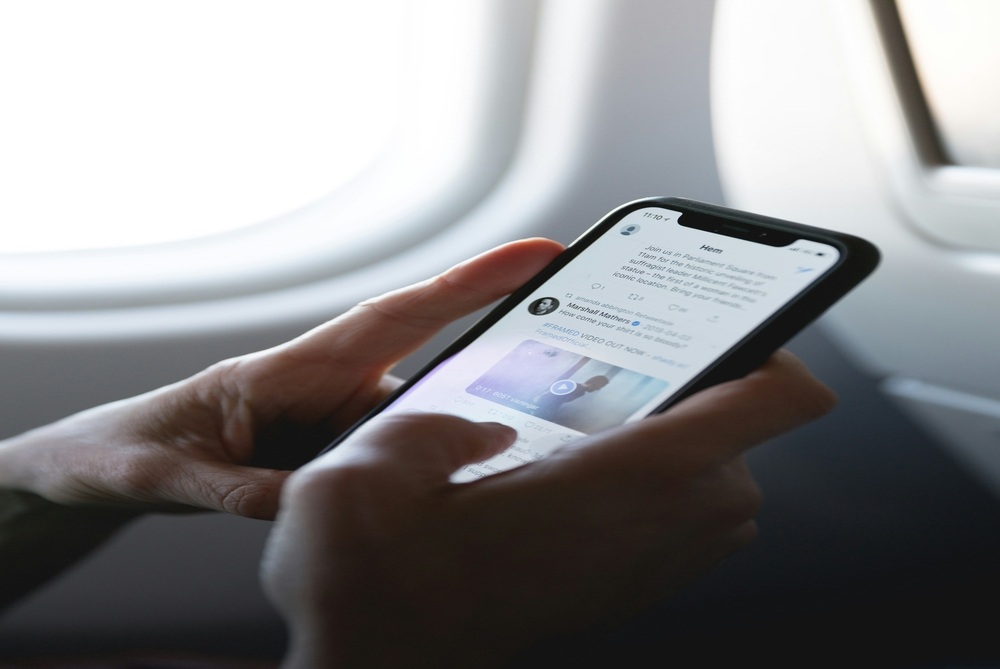
The moment you learn about a cancellation, pull out your phone and open the airline’s app. Most major carriers now let you rebook yourself directly through their mobile platforms without waiting in any lines.
This self-service option is often the fastest way to secure a new flight since you can browse available options and make changes in real time. While everyone else is rushing to the gate counter or dialing customer service, you could already be locked into the next available departure.
Don’t just accept the automatic rebooking
Airlines often automatically rebook you on another flight, but that doesn’t mean it’s your best option. The system might stick you on a flight that leaves eight hours later when there’s actually an earlier departure available.
Take a minute to check the flight schedule yourself and see what else is flying to your destination that day. If you spot something better, ask a gate agent or call customer service to switch you over—they can usually accommodate your request.
Get in line while using other methods

Standing in a long customer service line at the airport feels like torture, but it’s sometimes necessary. The trick is to multitask while you wait.
Call the airline’s customer service number, try rebooking on the app, and even reach out through social media—all while you’re queuing up. Whichever method connects you to help first wins. This approach significantly increases your odds of getting rebooked quickly instead of relying on just one communication channel.
Call the airline’s international customer service line
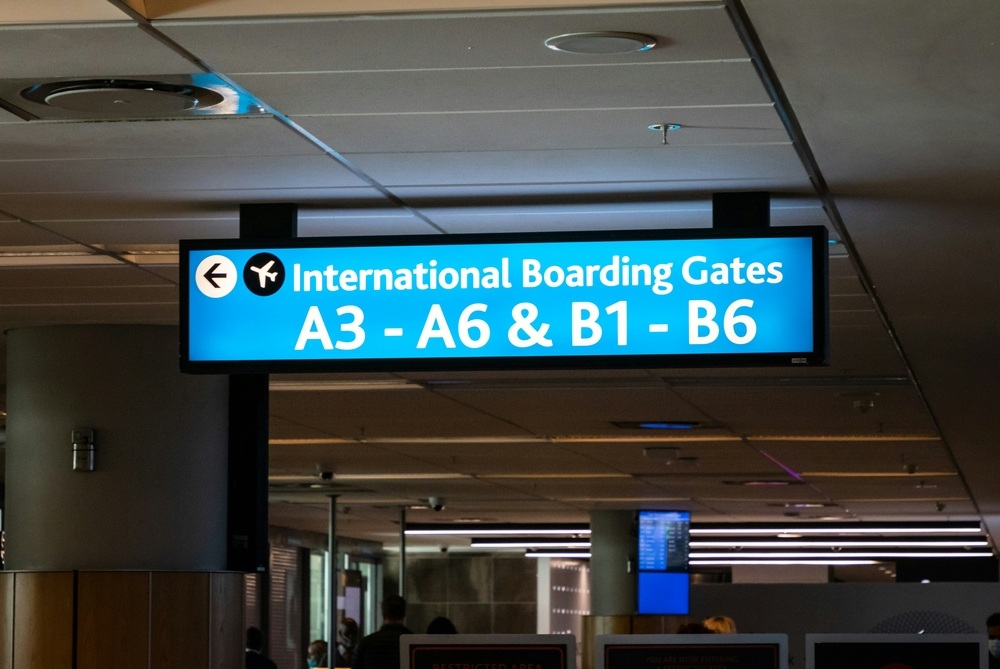
Here’s a little-known hack that frequent travelers swear by. Instead of calling the airline’s main U.S. number where hold times can stretch past an hour, try calling one of their international offices.
American, Delta, and United all have customer service centers around the world, and agents there have the same rebooking authority as U.S.-based staff. The wait time at these international numbers is often a fraction of what you’d experience domestically, getting you help much faster.
Know your refund rights
Federal regulations now require airlines to provide automatic cash refunds for canceled flights if you choose not to travel. This applies even to non-refundable tickets, which is a huge change from how things used to work.
If your domestic flight is delayed more than three hours or your international flight is delayed more than six hours, you’re also entitled to a full refund if you decide not to take the rebooked flight. Don’t let airlines pressure you into accepting vouchers unless that’s genuinely what you want—they must offer cash.
Document everything immediately

The second a cancellation happens, start taking screenshots and saving information. Capture your flight status showing the cancellation, any rebooking confirmations, and messages from the airline.
Take photos of airport display boards showing your canceled flight. If you end up needing to file a claim with your credit card company or travel insurance, this documentation becomes crucial evidence. It’s much harder to reconstruct these details weeks later when you’re trying to get reimbursed.
Check what your airline owes you

Not all airlines are required to provide hotels and meals during cancellations, but many have committed to doing so when the disruption is their fault. The Department of Transportation maintains an Airline Cancellation and Delay Dashboard that shows what each major carrier has promised to provide.
If your cancellation is due to maintenance issues or crew problems rather than weather, you might be entitled to meal vouchers, hotel accommodations, and ground transportation. Knowing these policies helps you ask for what you’re owed.
Consider alternative airports
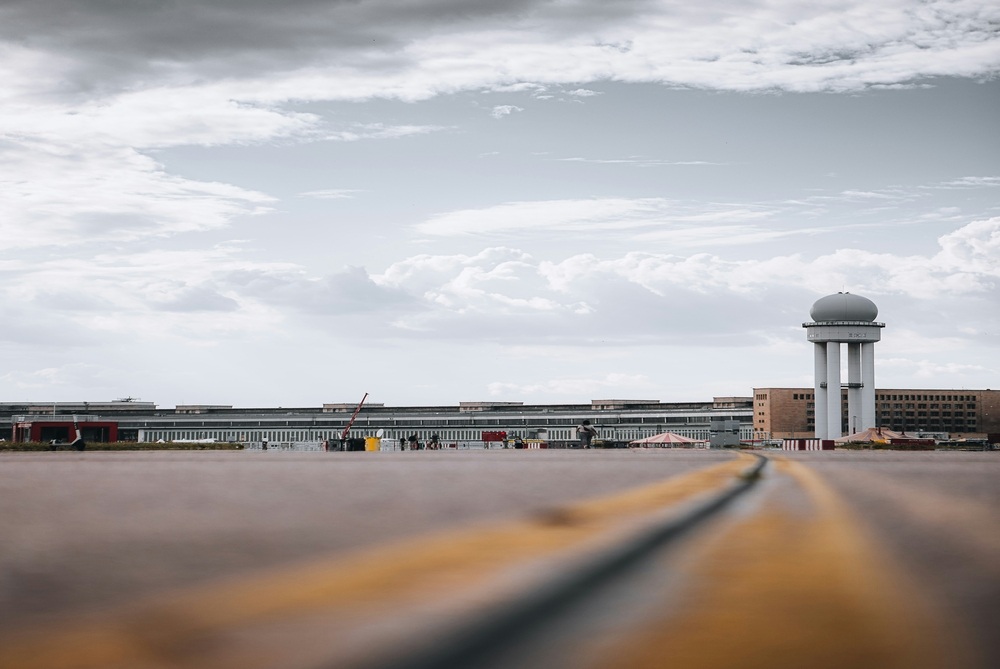
If your original destination airport has limited flight options, think creatively about nearby alternatives. Flying into a city 50 miles away and renting a car or taking a train might get you there faster than waiting for the next direct flight.
Airlines aren’t always required to rebook you to a different airport, but it doesn’t hurt to ask—especially if it means getting you closer to your final destination sooner. This strategy works particularly well in regions with multiple airports serving the same metro area.
Look at flights on other airlines

— Photo by VLMediaUHD
Airlines generally rebook you on their own flights, but if they can’t get you to your destination within a reasonable timeframe, they might put you on a partner or even competitor airline. This isn’t guaranteed, but it’s worth asking about, especially during major disruptions when their planes are completely full.
Some travelers have even bought tickets on another airline themselves and later successfully requested reimbursement, though this approach is riskier and not officially covered by most airline policies.
Use your credit card protections
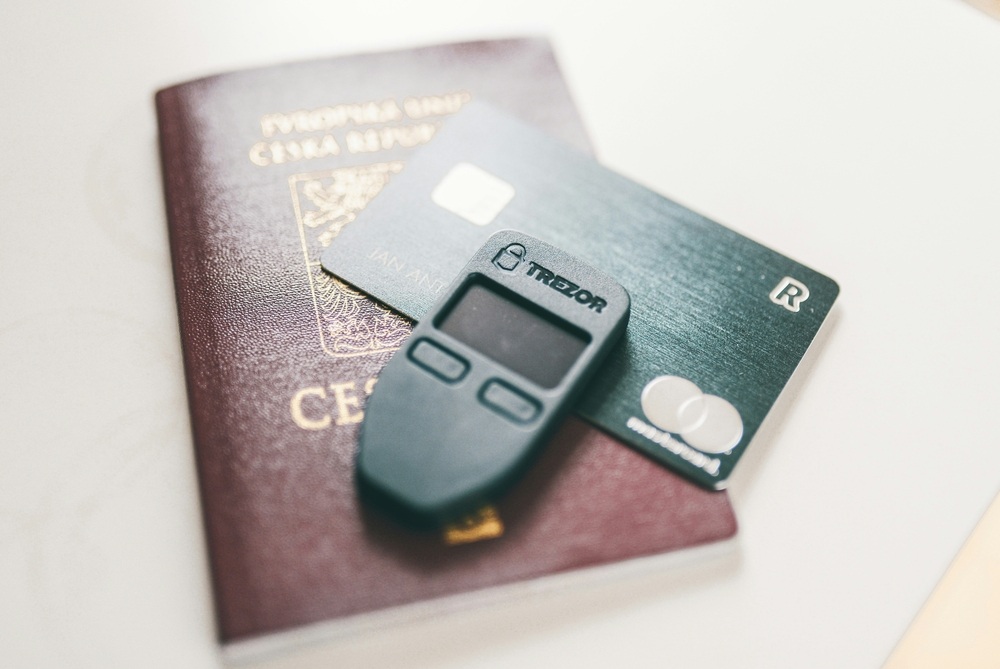
Many travel credit cards offer trip delay or trip cancellation insurance that can reimburse you for unexpected expenses. If you booked your flight with a card like the Chase Sapphire Preferred or American Express Platinum, you might be covered for hotel rooms, meals, and other essentials when your flight is significantly delayed or canceled.
You’ll need to keep all your receipts and file a claim later, but this benefit can save you hundreds of dollars. Just make sure you understand what your specific card covers before assuming you’re protected.
Request a delay verification letter
If you’re planning to file an insurance claim or use your credit card’s trip delay protection, ask a gate agent for an official delay or cancellation verification letter before you leave the airport. This document states exactly why your flight was disrupted and how long the delay lasted.
Getting this paperwork at the time of the incident is much easier than trying to track it down weeks later. Some airlines will email this to you if you request it through their customer service, but grabbing it in person is most reliable.
Target early morning flights when rebooking
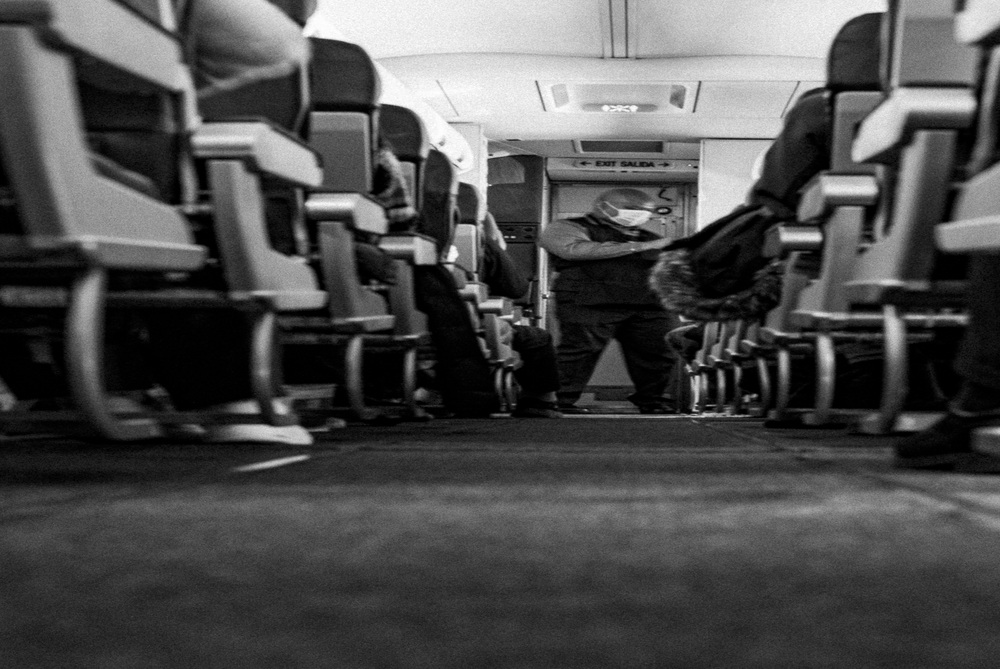
If you have any flexibility in when you fly, push for the earliest departure possible. Morning flights, especially the first one out, are far less likely to get canceled or delayed because the plane has been sitting at the airport overnight.
As the day progresses, delays and cancellations create a domino effect that impacts later flights. Securing that 6:00 AM departure might require an earlier wake-up call, but it dramatically improves your chances of actually getting where you need to go.
Check airport lounges for shorter lines
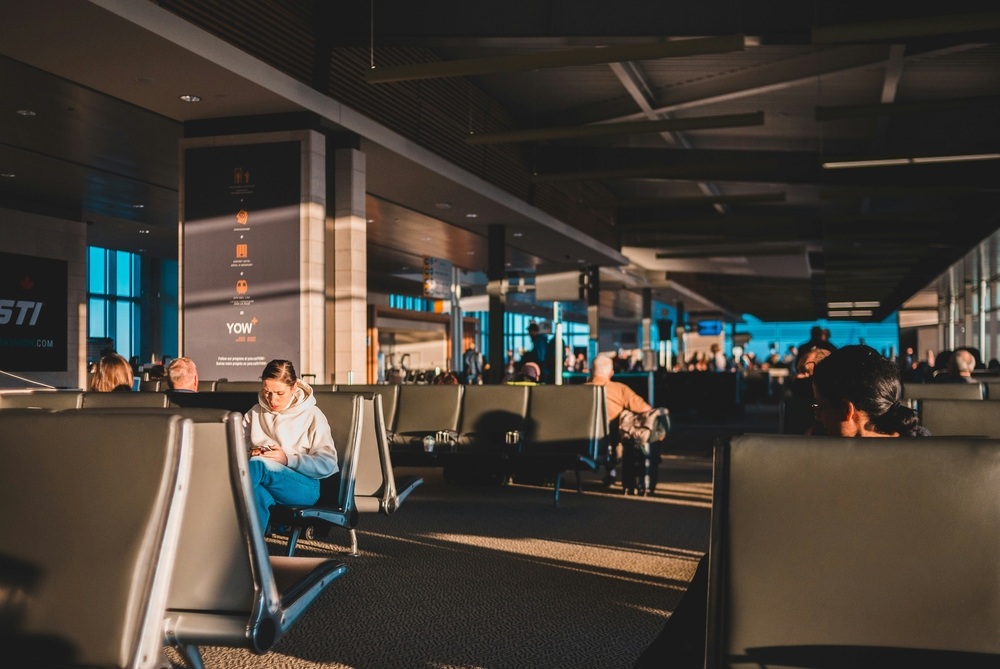
If you have access to an airline lounge through your credit card or membership, head there instead of the main customer service desk. Lounge agents can often help with rebooking, and you’ll face a much shorter wait since most passengers don’t think to go there during disruptions.
Even if you don’t have lounge access, consider purchasing a day pass—spending 50 dollars to skip a two-hour line might be worth it depending on your situation and urgency.
Be polite but persistent with agents

Gate agents and customer service representatives deal with angry passengers all day during cancellations. Being kind and understanding immediately sets you apart and often results in better service.
That said, being polite doesn’t mean being passive. Clearly explain what you need and don’t be afraid to politely push back if the solution offered isn’t acceptable. Agents have more flexibility than you might think, and a respectful but firm approach often yields better results than either extreme aggression or complete passivity.
Monitor flight status obsessively
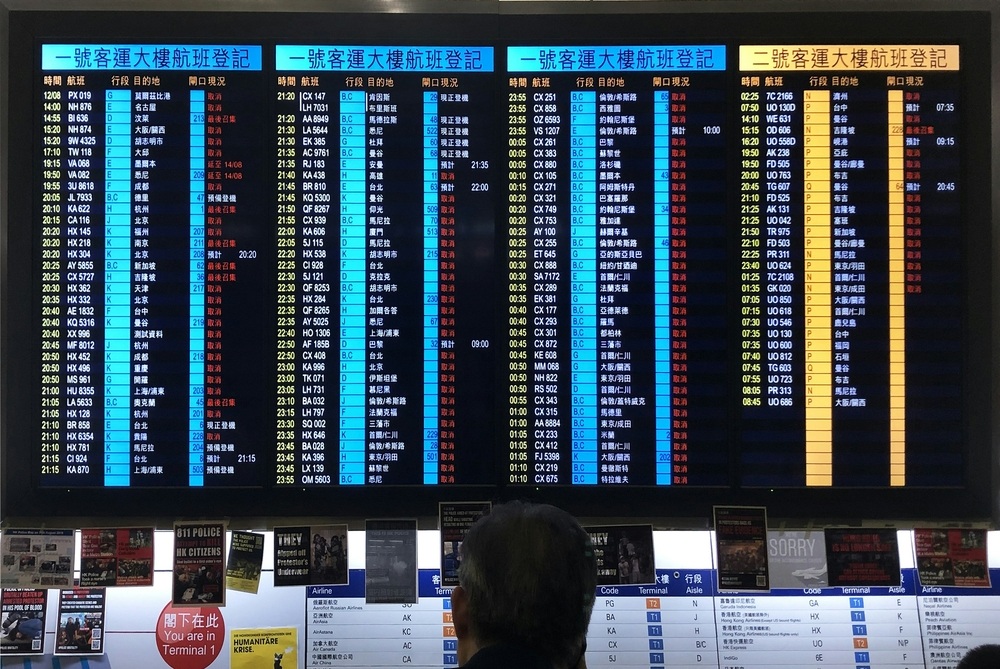
Once you’re rebooked, don’t assume everything is set in stone. During periods of widespread cancellations, your new flight might also get canceled.
Set up push notifications through the airline app and check the flight status regularly. If you spot trouble brewing—like your inbound aircraft is delayed or weather is deteriorating—you can proactively seek alternatives before you’re stuck with limited options. Staying ahead of problems gives you a huge advantage.
Keep your receipts for everything
If the cancellation forces you to spend money on hotels, meals, ground transportation, or other necessities, save every single receipt. Even if the airline says they won’t reimburse you, you might still have coverage through your credit card, travel insurance, or by filing a complaint with the Department of Transportation later.
Receipts are also essential if you need to claim expenses on your taxes or get reimbursement from your employer. Create a dedicated folder on your phone to store photos of all receipts.
Consider booking your own backup flight
In extreme situations where the airline can’t get you out for days, you might need to take matters into your own hands. Booking a ticket on a different airline yourself is expensive, but it guarantees you get home or to your destination.
You can request a refund for your original flight and potentially seek additional reimbursement, though this isn’t guaranteed. This nuclear option works best when you absolutely must arrive by a certain time and waiting isn’t feasible.
File a complaint if the airline drops the ball
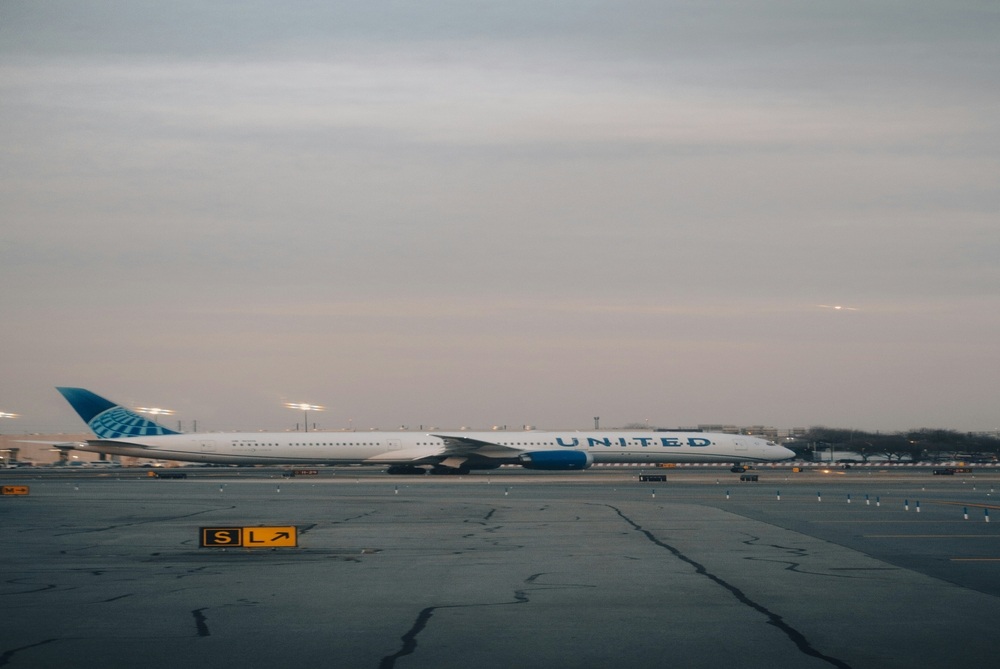
If an airline fails to provide services they’ve committed to offering or violates federal regulations, file a complaint with the Department of Transportation. The DOT takes these complaints seriously and tracks which airlines have the most issues.
While filing won’t immediately solve your problem, it creates an official record and can sometimes result in compensation from the airline later. The process is straightforward and can be done online through the DOT’s website.
Check your travel insurance policy

If you purchased travel insurance separately from your flight, now’s the time to dig out that policy and understand what’s covered. Trip cancellation insurance typically reimburses you for prepaid expenses if you cancel for covered reasons, while trip interruption coverage helps if your trip is cut short.
Some policies even offer ‘cancel for any reason’ coverage, though these cost more. Contact your insurance provider as soon as possible to understand your options and start the claims process.
Prepare for overnight delays strategically

If your cancellation means you’re stuck overnight, act quickly to secure accommodations. Airport hotel rooms get snatched up fast during mass cancellations, so book something as soon as you know you’re stranded.
If the airline is covering your hotel, they’ll either provide a voucher or book it directly—make sure you understand which hotels are covered before making your own arrangements. Having a backup hotel already in mind near the airport can save precious time.
Learn from the experience for next time

After the dust settles, take a moment to reflect on what worked and what didn’t. Maybe you realized your airline’s app is worthless during disruptions, or you discovered that calling international customer service got you help instantly.
Use these insights to adjust your strategy for future trips. Consider whether you need better travel insurance, a credit card with stronger trip protections, or to avoid certain airlines altogether. Every cancellation teaches you something valuable about navigating the chaos.
Turning chaos into control
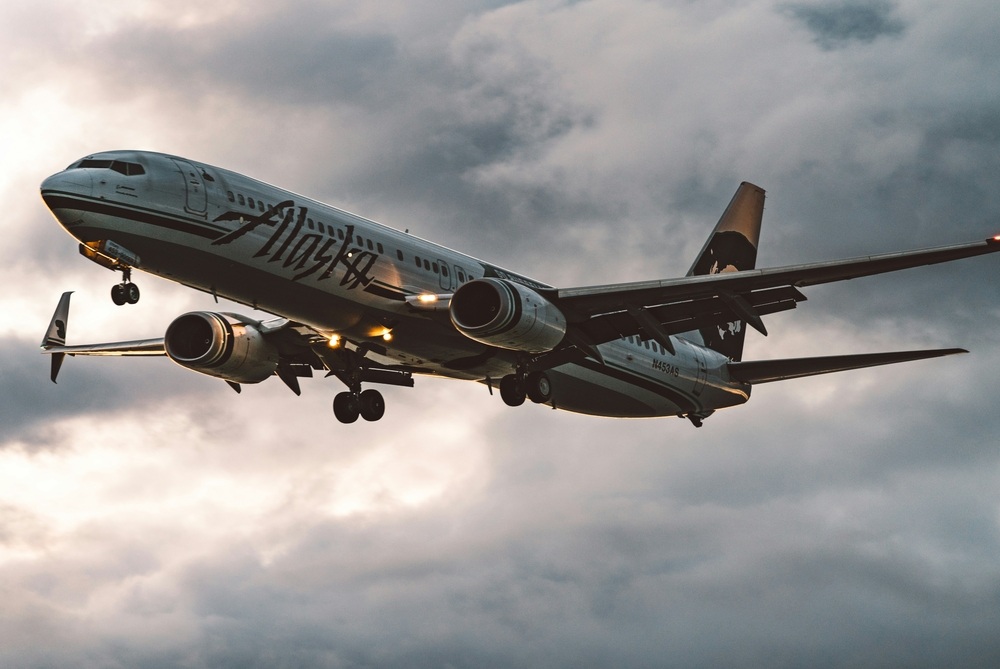
Flight cancellations have been around as long as commercial aviation itself, but passenger rights have slowly evolved over the decades to provide better protections. The automatic refund rules that exist today would have seemed like fantasy to travelers dealing with cancellations twenty years ago.
These regulations came about because enough frustrated passengers demanded better treatment and lawmakers eventually listened. The gap between knowing your rights and actually exercising them remains wide. Airlines still count on most passengers not pushing back or settling for less than they’re entitled to.
When you arm yourself with information and stay proactive during cancellations, you’re not just helping yourself—you’re reinforcing the idea that airlines need to take care of their customers when things go wrong. The next time you face a cancellation, you’ll be ready to handle it like a pro instead of like a victim.
More from Travel Pug

- Underrated Italian Towns That Beat the Tourist Crowds
- Las Vegas Tourist Traps to Skip
- Prettiest Towns in Every US State
- 18 passport-free countries for Americans
- Signs Your Cruise Is Not Worth The Cost
Like Travel Pug’s content? Follow us on MSN.