

Trains are nearly always preferable to airplanes for journeys under 300 kilometers. The entire travel time, which includes arriving at the airport, going through security, boarding, and disembarking, frequently surpasses the train trip by several hours.
A one-hour trip that takes two hours of preparation and travel to airports on both ends is inferior to a two-hour train excursion from city center to city center.
Short distances favor trains heavily
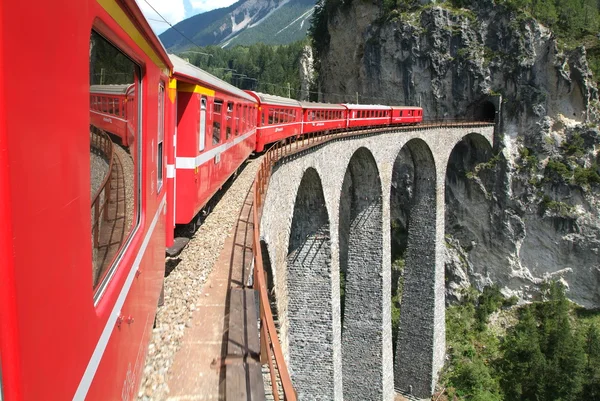
For trips under 300 miles, trains beat planes almost every time. The total travel time—including getting to the airport, clearing security, boarding, and deplaning—often exceeds the train journey by hours.
A two-hour train ride from city center to city center beats a one-hour flight that requires arriving two hours early and traveling to airports on both ends.
Train stations sit in city centers
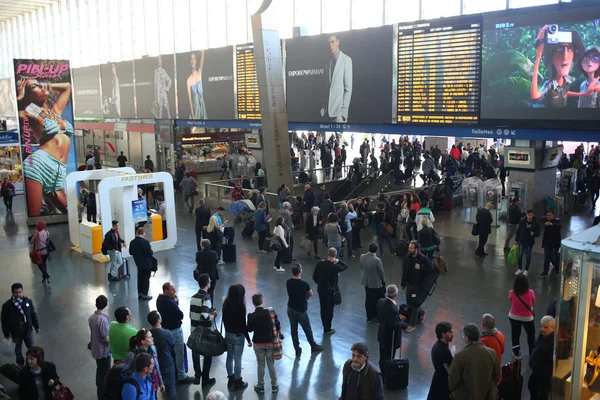
Airports sprawl on the outskirts, while train stations occupy prime downtown real estate. Stepping off a train in Paris, Rome, or Tokyo lands travelers in the heart of the action, while flights require additional time and money to reach the same point. That convenience matters more than most people realize.
Like Travel Pug’s content? Follow us on MSN.
Flights win on transcontinental routes

Crossing oceans or continents by train isn’t realistic for most travelers. A flight from New York to London takes seven hours, while a train covering the same distance would require multiple transfers, border crossings, and days of travel. Planes dominate long-haul routes where speed is non-negotiable.
Legroom and comfort vary wildly
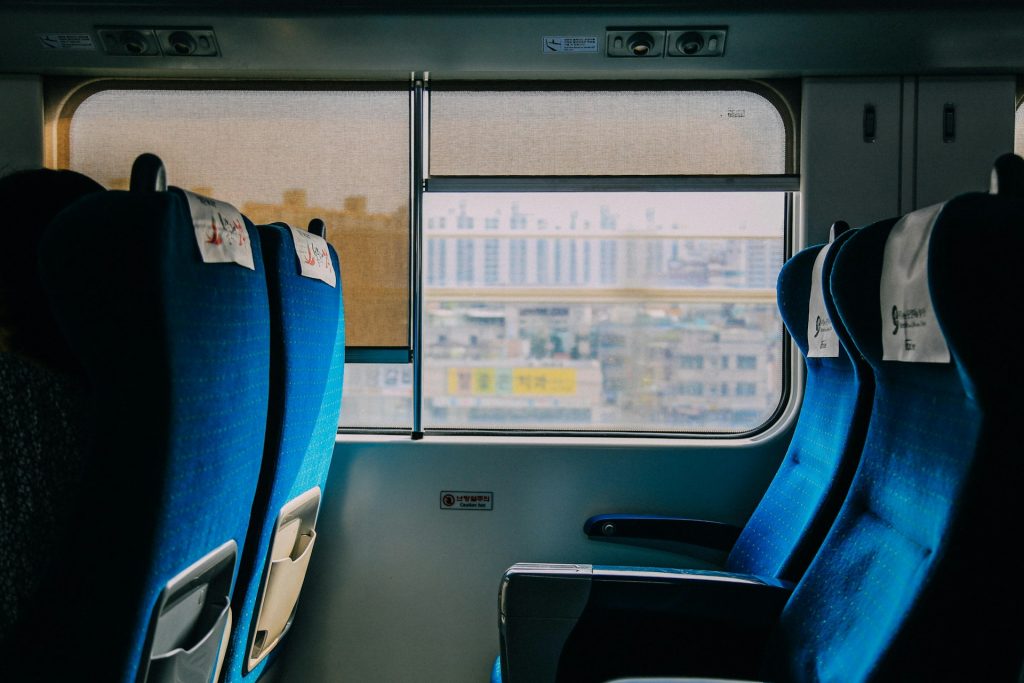
Economy airline seats have shrunk to uncomfortable dimensions, while train seats generally offer more space to stretch out. The ability to walk around freely, visit a dining car, or work at a table makes trains feel less claustrophobic.
But premium airline cabins provide comforts trains can’t match, like lie-flat beds and personal entertainment systems.
Pricing depends on timing and location

In Europe and Asia, trains often cost less than flights for regional travel. In the United States, the opposite holds true—Amtrak prices frequently exceed budget airline fares for similar routes. Booking in advance helps with both, but the gap between train and plane costs shifts dramatically based on geography.
Like Travel Pug’s content? Follow us on MSN.
Environmental impact tilts toward trains
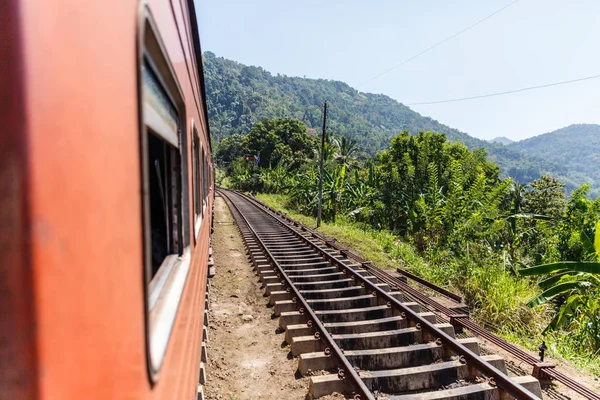
Trains produce a fraction of the carbon emissions generated by planes. For travelers prioritizing sustainability, rail travel offers a clearer conscience, especially in regions with electrified rail networks powered by renewable energy.
Planes are improving efficiency, but they’re not close yet.
Baggage policies feel less restrictive on trains

Most trains allow passengers to bring multiple bags without fees or weight restrictions. There’s no security screening for luggage, no risk of lost bags, and no stress about overhead bin space.
Planes nickel-and-dime for every bag beyond a personal item, and the process feels adversarial by comparison.
Delays hit both modes differently
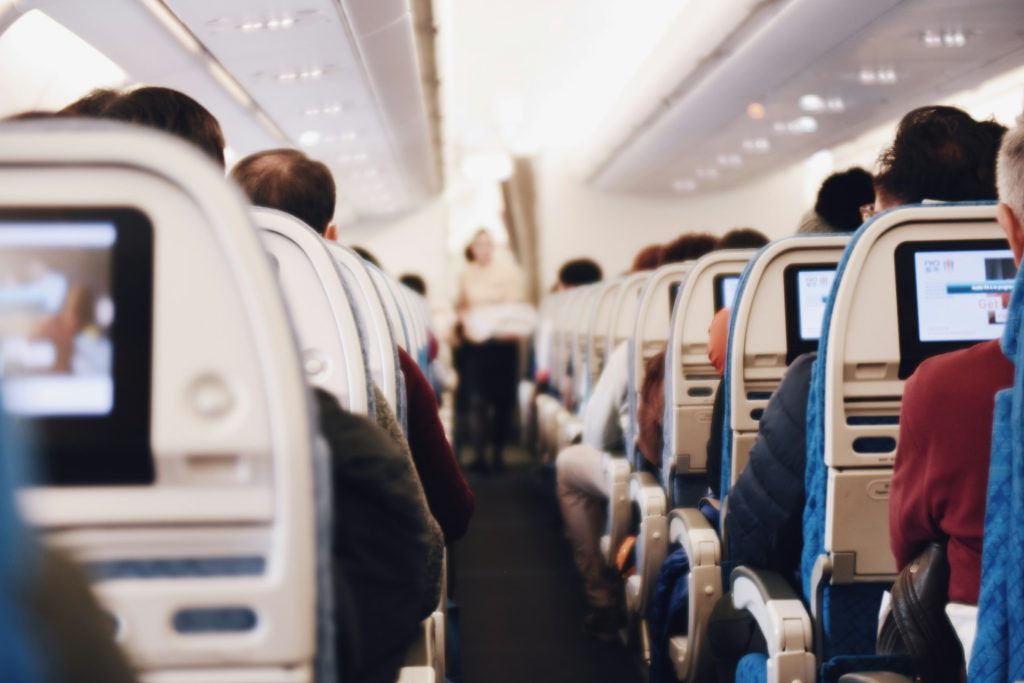
Flight delays cascade through networks, affecting connecting passengers and creating hours of uncertainty. Train delays tend to be shorter and less disruptive, though rail systems in some countries struggle with punctuality.
The unpredictability varies by region, but neither mode escapes delays entirely.
Like Travel Pug’s content? Follow us on MSN.
Work productivity thrives on trains
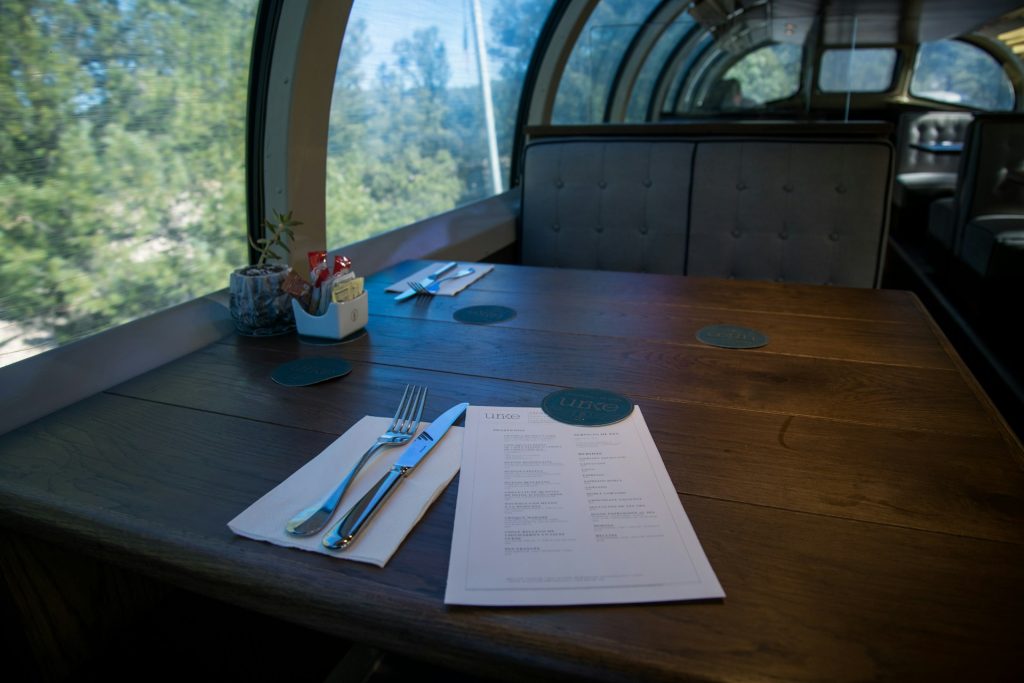
Stable tables, reliable Wi-Fi, and the absence of turbulence make trains ideal mobile offices. Flights offer cramped tray tables and unreliable Wi-Fi that struggles with basic tasks.
For business travelers or digital workers, the train environment supports focus in ways planes rarely do.
Scenic routes make trains memorable
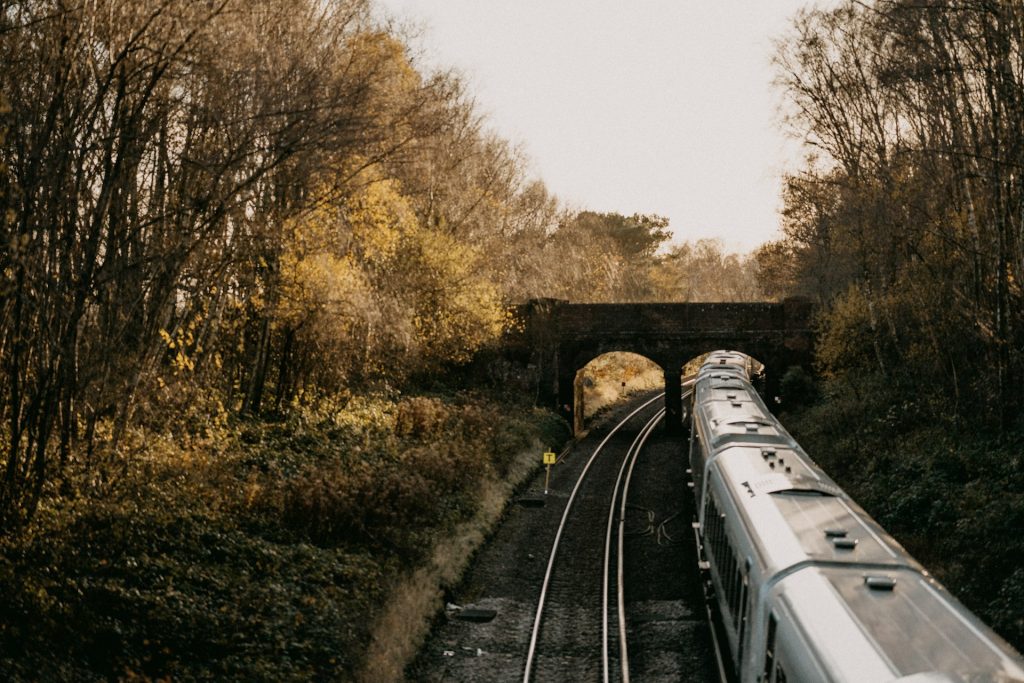
Trains pass through landscapes that planes fly over. The Alps, the Scottish Highlands, the Japanese countryside—these views become part of the journey rather than something glimpsed from 30,000 feet.
Scenic train routes turn transportation into an experience worth savoring.
Security theater exhausts air travelers
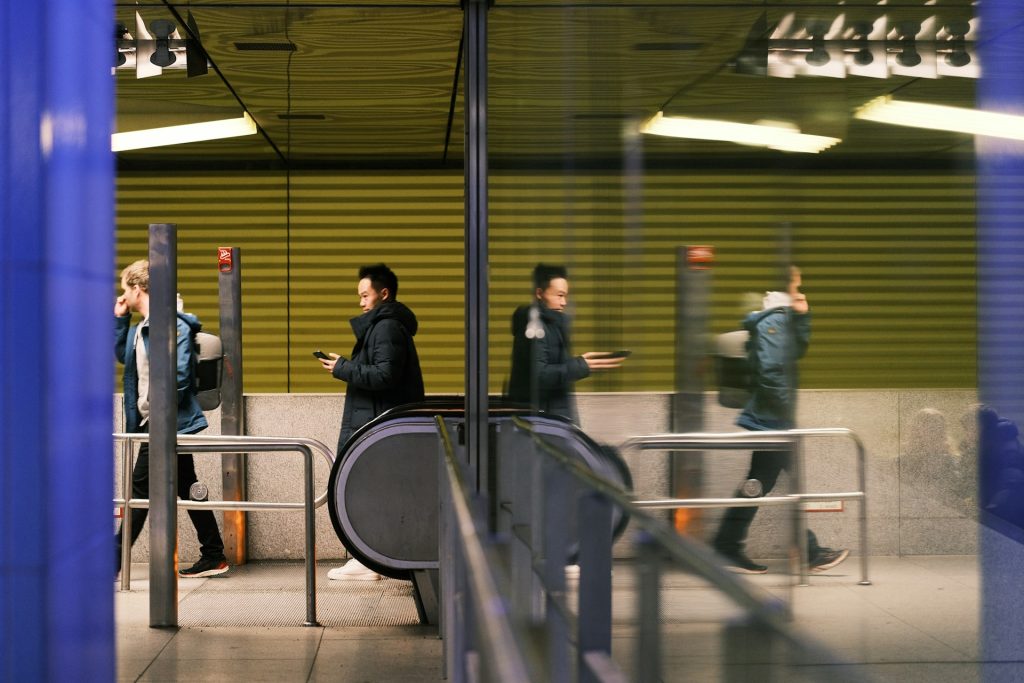
Removing shoes, emptying pockets, and shuffling through scanners feels invasive and time-consuming. Trains skip this entirely, letting passengers walk onto the platform and board without interrogation.
The difference in stress levels is palpable, especially for frequent travelers.
Like Travel Pug’s content? Follow us on MSN.
Night trains double as accommodation
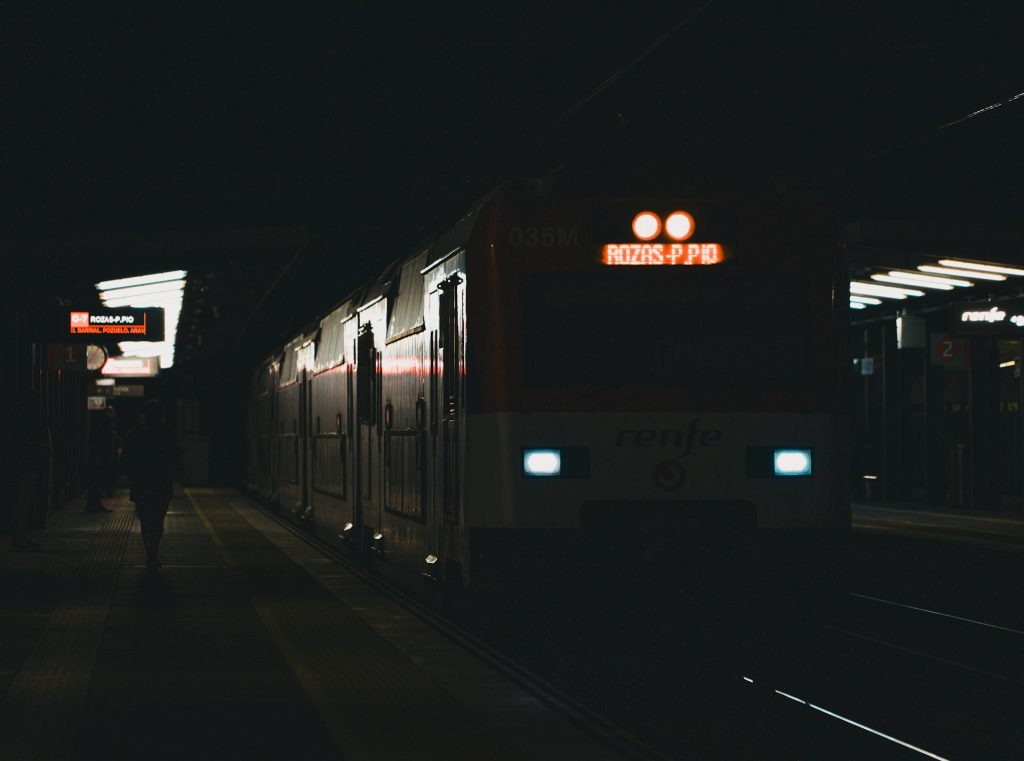
Overnight trains combine transportation and lodging, eliminating the need for a hotel. A sleeper car costs roughly the same as a budget hotel room, and travelers wake up in a new city without losing a day to travel.
It’s efficient. And oddly cozy.
Connecting flights create risk
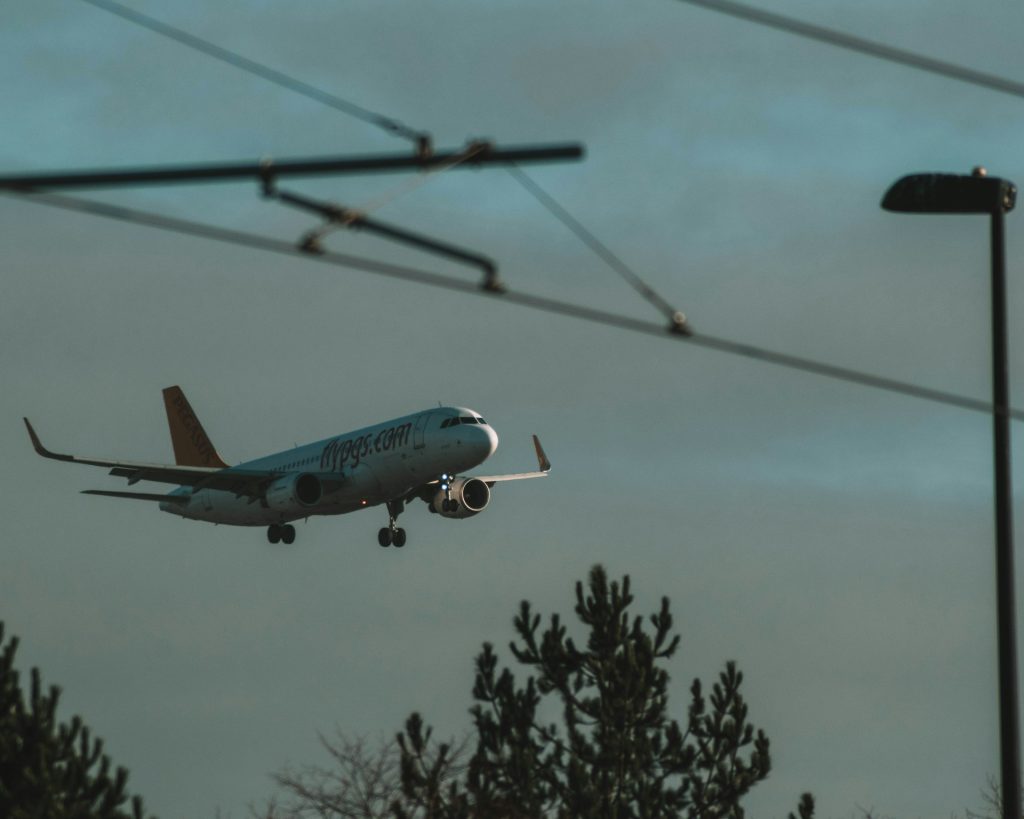
Missing a connection because of a delayed first flight triggers rebooking chaos and potential overnight stays in unfamiliar cities. Trains rarely require connections for regional travel, and when they do, the stations are compact enough to navigate quickly. The simplicity reduces anxiety.
Regional rail passes offer flexibility
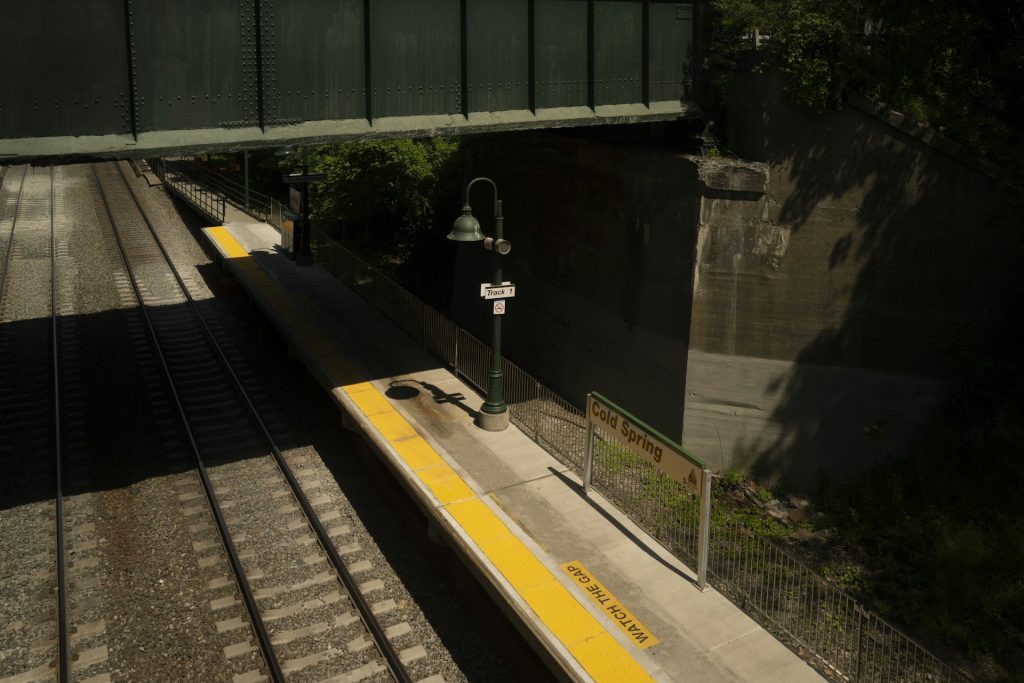
Europe’s Eurail passes and Japan’s JR Pass let travelers hop on and off trains freely within a set period. No flight requires that level of spontaneity.
The ability to change plans without penalties or rebooking fees appeals to travelers who value freedom over rigid schedules.
Like Travel Pug’s content? Follow us on MSN.
Airline loyalty programs reward frequent flyers
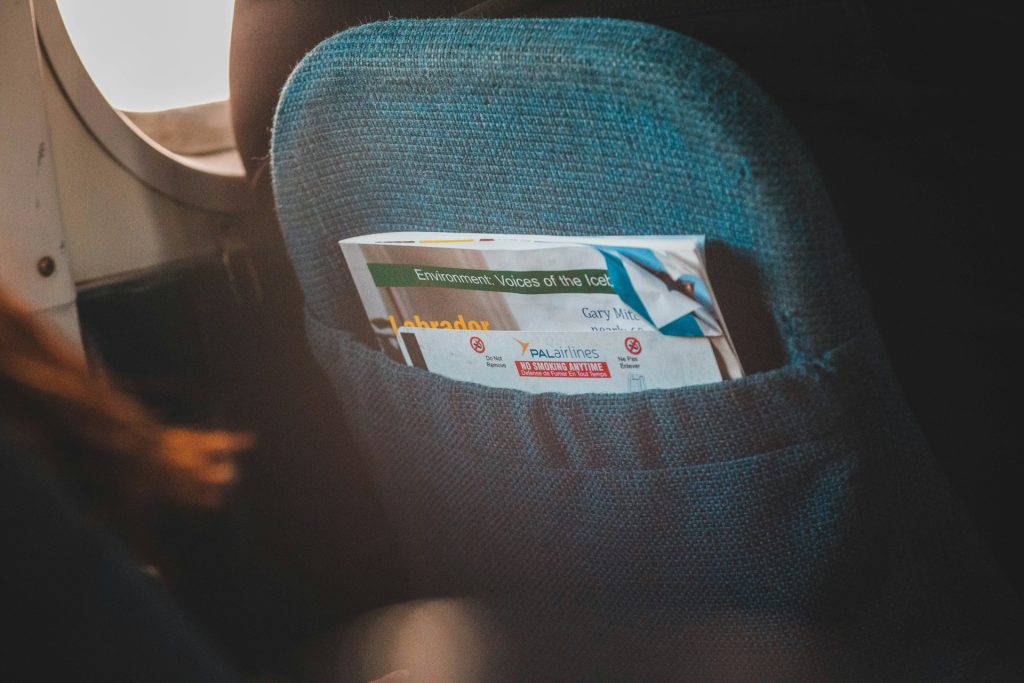
Points, status tiers, and lounge access make flying more appealing for travelers who rack up miles regularly. Train systems offer fewer loyalty incentives, and the perks that do exist pale in comparison to airline programs.
For road warriors, this tips the scale toward flying.
Trains lack the global reach of airlines
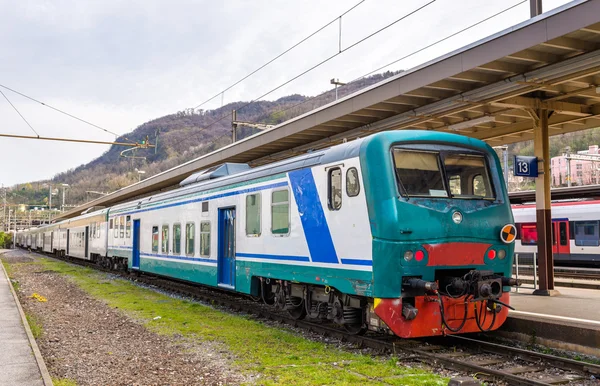
Rail networks remain regional, while airlines connect virtually every corner of the planet. Travelers heading to remote destinations or crossing multiple continents have no choice but to fly.
Trains excel within their networks but can’t compete with the sheer reach of air travel.
Choosing based on the journey, not just the destination

The best mode of transport depends on priorities—speed, cost, comfort, or environmental impact. Neither trains nor planes win every scenario, and smart travelers weigh the specifics of each trip rather than defaulting to one option.
The journey matters as much as the arrival.
More from Travel Pug

- 20 Best Beach Towns in the Carolinas
- 13 Destinations Where Tourists Regularly Regret Their Trip
- 20 Things You Actually Get in First Class
- 20 Small Airports With Aviation Museums
- 20 Places in the U.S. That Are Perfect for a Reset Trip
Like Travel Pug’s content? Follow us on MSN.