

A cruise ship is a floating city that never fully powers down. Somewhere above, below, or beside every cabin, a door is closing, a crew member is hauling a cart, or a party is reaching its third encore.
For anyone who wakes at a creaking hinge, the cabin picked at booking matters more than the itinerary.
Quiet is not a luxury category on a cruise ship. It is a matter of geometry, and the deck plan reveals most of it.
These are the locations, layouts, and small details that give light sleepers their best shot at a full night.
The Midship Sweet Spot

The middle of the ship typically experiences less pitching and rolling than the bow or stern, which means fewer creaks, fewer sliding objects, and less of the gentle rocking that can keep a light sleeper half awake. Midship cabins also sit farther from the ends of the vessel, where anchor gear and some propulsion machinery are located.
Pitching motion is smallest near the center, so the same sea state feels calmer there than at the bow or stern. The trade-off is that midship categories often cost more than similar cabins at the ends.
Cabins on a Deck Between Two Cabin Decks

A cabin with other cabins both above and below is shielded from the thump of furniture being dragged overhead and the hum of public venues below. Cruise planners and travel writers repeatedly point to this arrangement as one of the surest ways to find a quiet room.
Deck plans make it easy to check, because cabin decks are usually shaded in a single color while restaurants, lounges, and theaters are marked differently. A few minutes checking the decks above and below a cabin number can help prevent a sleepless week.
Distance From Elevator Lobbies
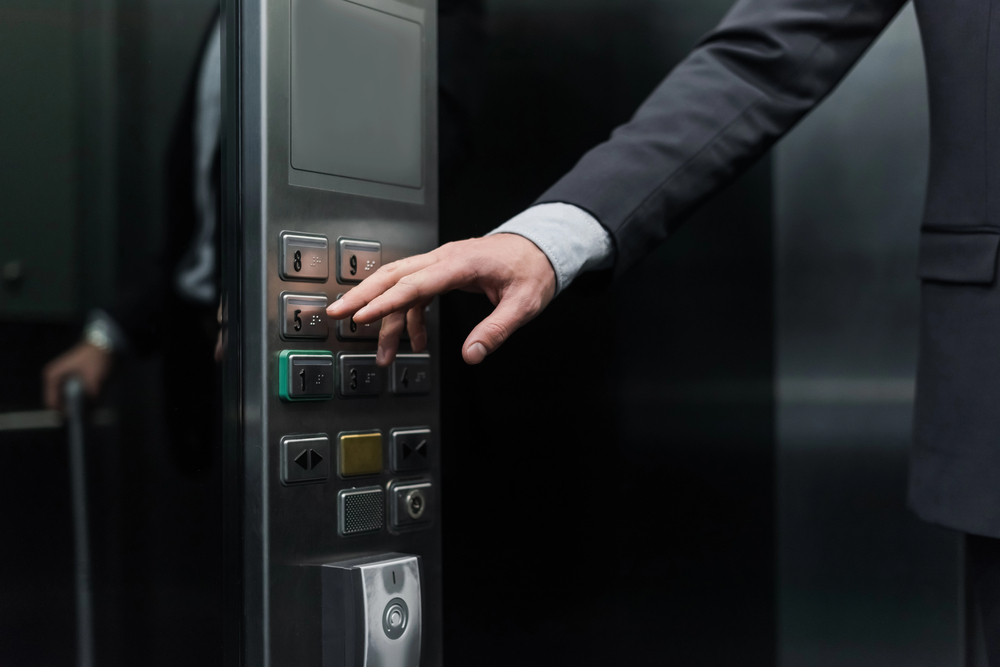
Elevators chime, doors whoosh open, and groups of passengers gather to wait, often talking at full volume after a late dinner. A cabin directly across from an elevator bank gets all of that traffic at all hours.
Moving even a few doors down the corridor may reduce the chatter, because most conversation fades before reaching the middle of a hallway. Deck plans show elevator clusters clearly, so the check takes seconds.
Space Between the Cabin and the Stairwell
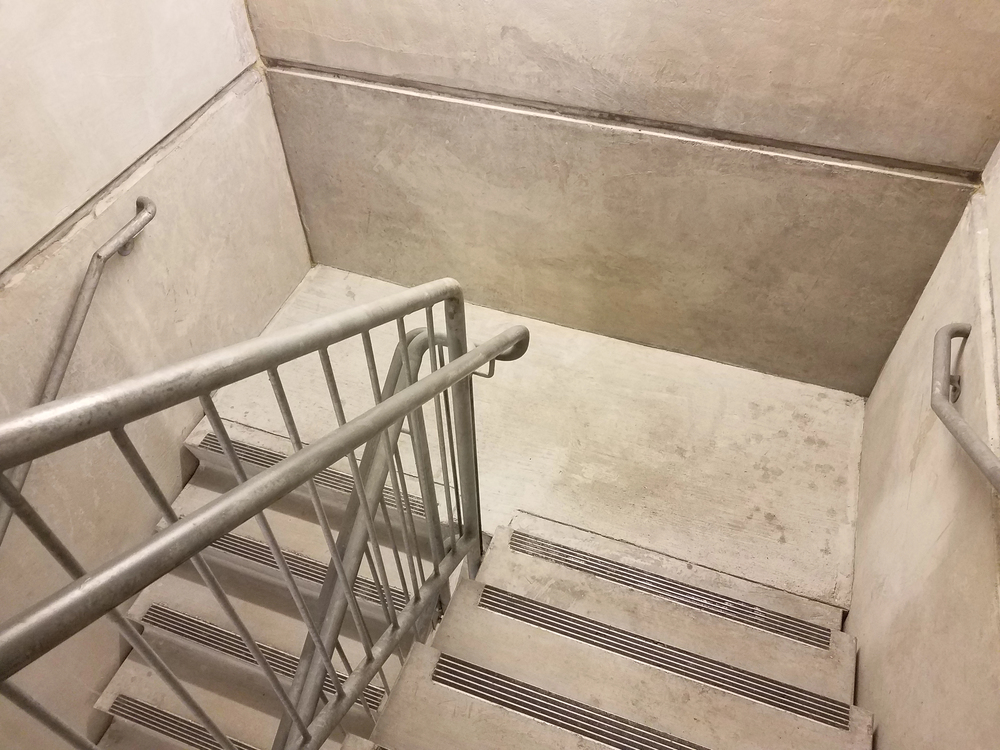
Stairwell doors on many ships are heavy fire doors that close with a mechanical clunk, and they get used by crew members and early risers alike. Staircases also carry the echoing footsteps of anyone sprinting to a seat at the show or the buffet.
Cabins next to a stairwell door can hear each of those closings through the wall. Choosing a room several doors from the nearest stairs may keep the sound of the doors and foot traffic farther away.
Nowhere Near the Nightclub or Theater

Late-night venues are built for sound, and sound travels through steel decks and ceilings with surprising persistence. A cabin directly above a nightclub or lounge can pick up bass long after the music seems to have ended for everyone else.
Theaters add a different problem, since rehearsals and set changes happen at odd hours. The safest approach is to find the entertainment venues on the deck plan and book a cabin well away from them, in both horizontal and vertical directions.
Clear of the Pool Deck and Jogging Track

Lounge chairs get dragged across hard decking early in the morning, and crew members hose down surfaces before most passengers are awake. A cabin on the deck directly beneath the pool area may hear that scraping as a long, grinding rumble.
Running tracks add their own rhythm of footfalls, usually underway at sunrise. Any cabin positioned beneath an open recreation deck is worth skipping, even when the price looks tempting.
Away From the Galley and Laundry

Kitchens run on a schedule that has little to do with passenger sleep, with deliveries, dishwashing, and prep work stretching into the night and resuming before dawn. Laundry and other service spaces create steady mechanical noise, and carts rolling over steel floors can be heard through adjacent bulkheads.
Cabins next to or above these areas sometimes also catch cooking smells and vibrating equipment. Where available, deck plans may identify these spaces, but some service areas are not clearly labeled.
The cheapest cabins on a given deck are sometimes cheap for exactly this reason.
Far From the Anchor and Bow Thrusters

At the front of the ship, the anchor chain and bow thrusters are used when the vessel docks, departs, or holds position in port. Anchor operations involve heavy chain running through a hawse pipe, which can produce a sudden roar for cabins nearby.
Bow thrusters generate a deep, pulsing sound and strong vibration during maneuvers. Because docking often happens in the early morning, forward cabins on lower decks may be noisy during port arrivals.
Distance From the Stern and Propulsion Machinery
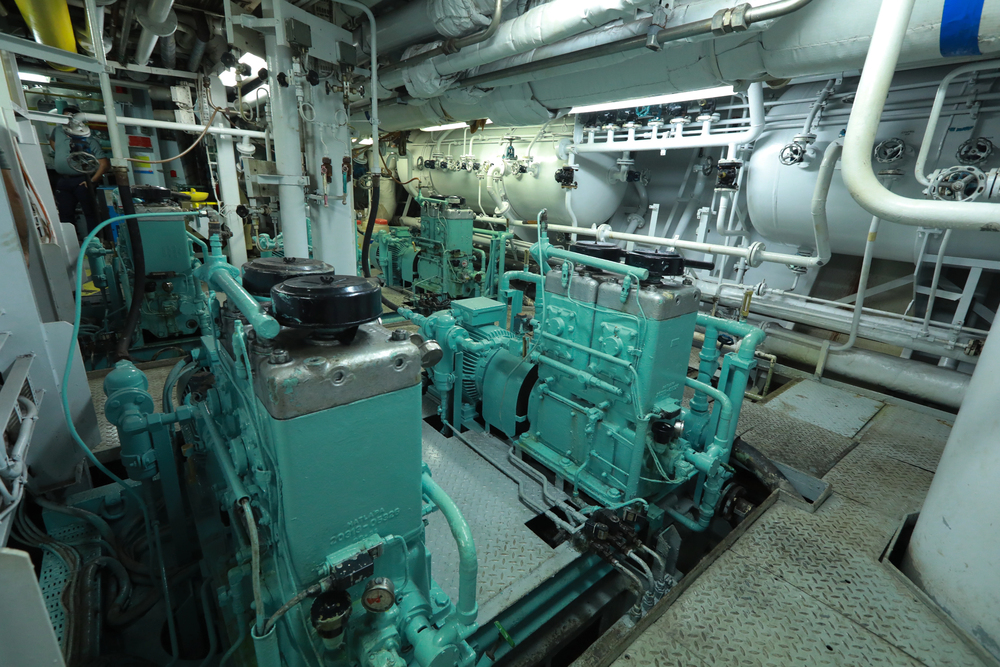
The aft end of a ship has its own noise profile, driven by propellers, engines, and the churn of the wake. Rear cabins can feel a persistent vibration that grows stronger at higher speeds, which is a particular problem for people who notice every tremor.
Some aft cabins have excellent views over the wake, which makes the trade-off a real one. Light sleepers generally do better closer to the center, where some machinery noise and vibration may be less noticeable.
Lower Decks for Steadier Rest
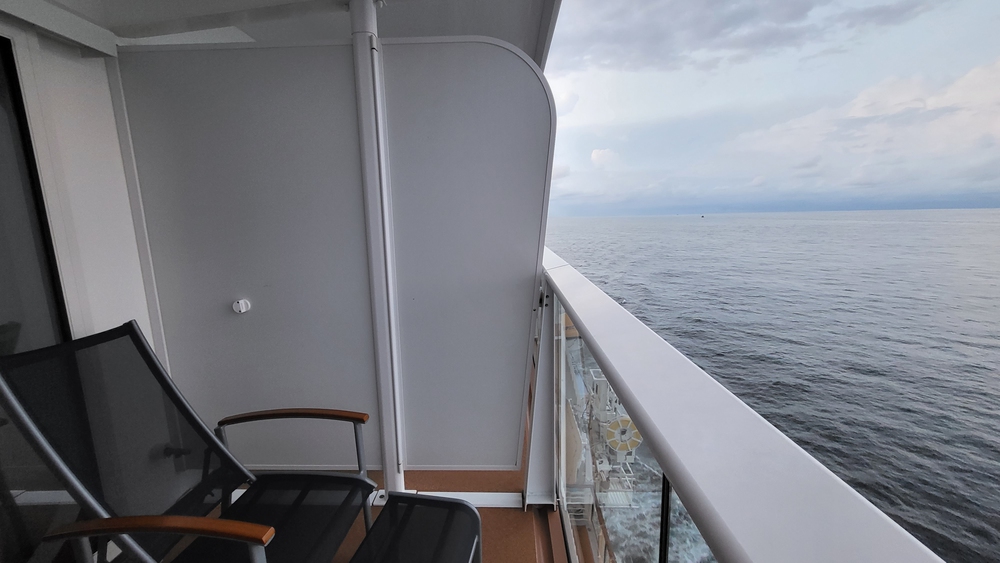
Low in the hull, the ship moves less with the swell, since the motion a passenger feels grows with height above the waterline. This is why travelers prone to seasickness are usually advised to book low and central, and the same advice helps people who wake when the bed shifts.
Lower decks do sit closer to the engine spaces on some ships, so the benefit depends on the layout. The best version of this strategy is a low, midship cabin with other cabin decks above it.
Interior Cabins for Total Darkness
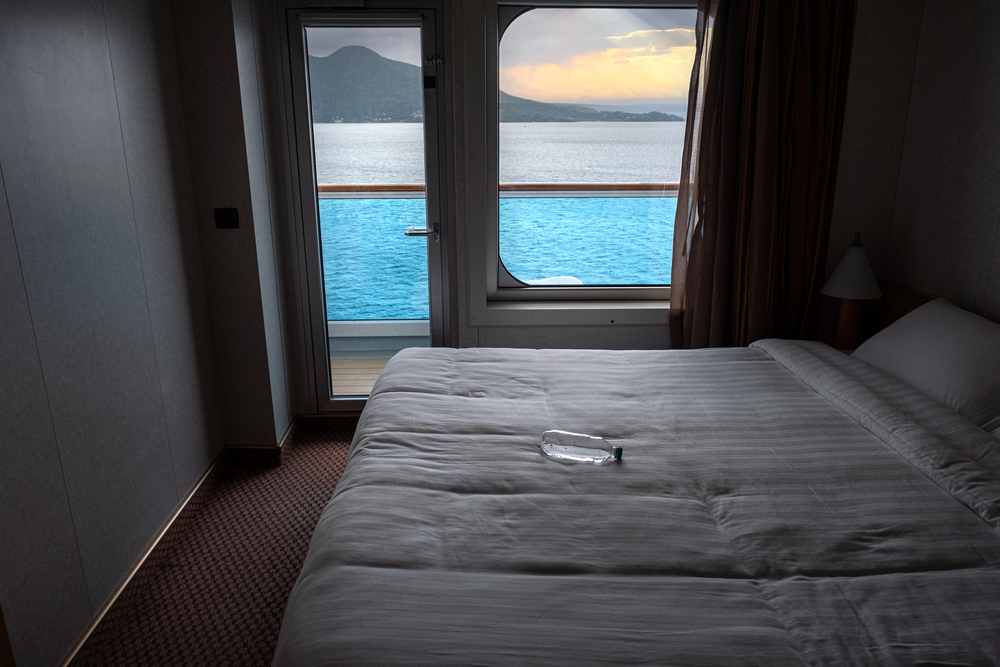
An interior cabin has no window, no balcony, and no sliver of sunrise to slip around the curtains. With the lights off, the room can be truly dark, and many light sleepers find that darkness helpful for staying asleep past dawn.
The absence of outside noise from a balcony door also removes wind and wave sound. The cost is the loss of any natural light, which can make it harder to sense the time of day.
Blackout Curtains Reinforced With Magnetic Hooks
Cabin curtains often leave a gap at the center or along the edges, and early light finds every one of them. Cruise travel sites have highlighted a simple fix that uses small magnetic hooks on the metal walls to pull curtain edges tight against the wall or the opposite panel.
Cabin walls and ceilings may contain metal, but their materials vary by ship and location, so magnets may not work everywhere. The hooks are light enough to pack easily.
A few clips can turn a leaky curtain into a nearly sealed light barrier.
Balcony Door Seals and Wind Noise
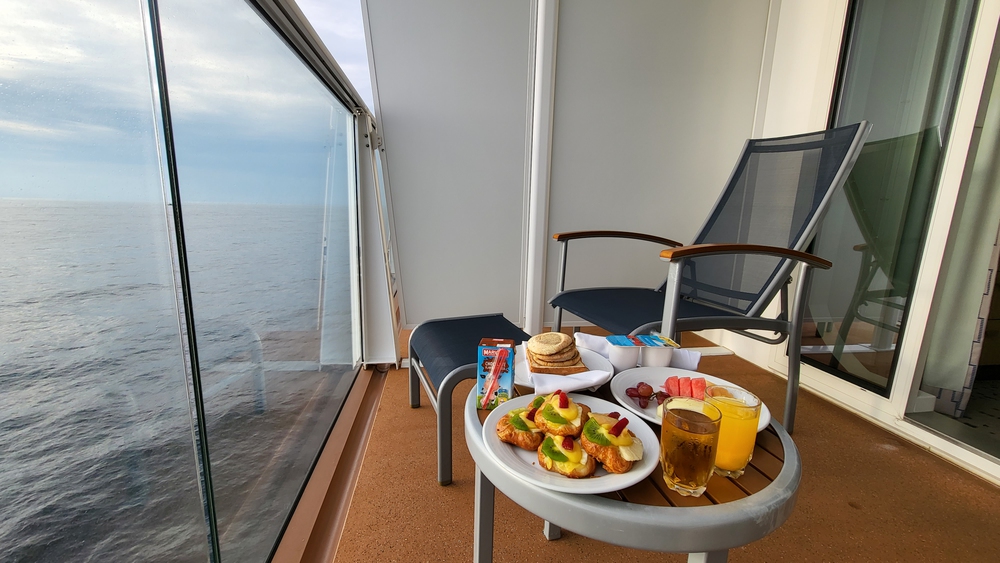
Balcony doors are often the weak point in cabin soundproofing, since the seal between a sliding door and its frame can let in wind whistle, wave sound, and deck-side chatter. When the seal is tight, the cabin stays calm even in stiff weather, but a loose door can hum at speed.
A quick test on arrival, with the door shut and a hand held near the frame, may help reveal a draft or faulty seal. Requesting a maintenance visit on the first evening is far easier than enduring a week of whistling.
Caution With Connecting Doors
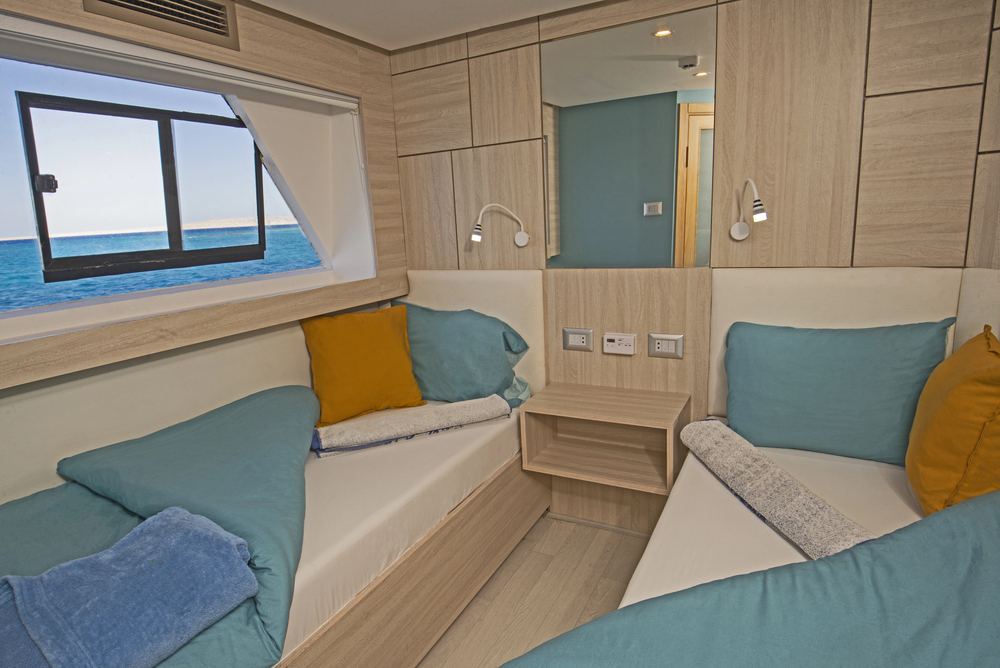
Cabins designed to connect for families have two doors in the wall between rooms, and sound passes through that gap more easily than through a solid bulkhead. Cruise forums are full of stories about hearing conversations, televisions, and children from the next cabin through such doors.
Booking a cabin that connects to an empty room or to a quiet neighbor is a gamble that depends on who occupies the other side. Light sleepers are better off choosing a cabin without a connecting door at all.
Bed Placement Away From Shared Walls
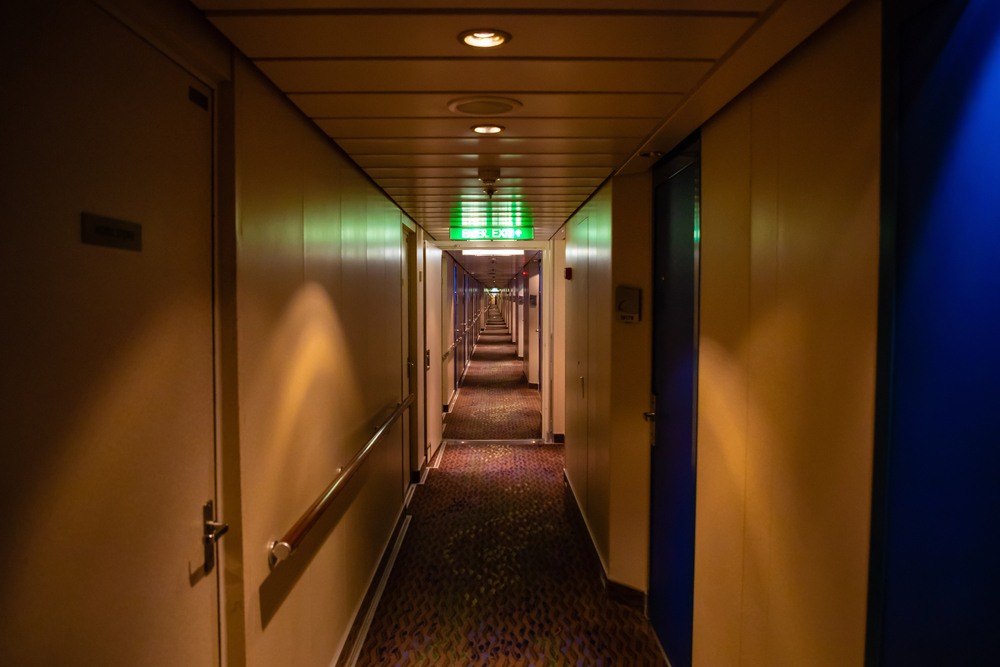
Many cabins offer a choice between two twin beds and one larger bed, and the layout often changes which side of the room sits closest to a neighbor. Sleeping with the head of the bed against an exterior wall or a closet wall puts more material between the pillow and any noise.
Twin beds can usually be pushed together or apart, which gives control over which sleeper is nearest the corridor. A small shift can matter when the door on the other side is a busy one.
A Thermostat That Actually Works

Temperature affects sleep at least as much as sound, and cabin air conditioning varies in how much control a passenger gets. Many ships provide a thermostat or a vent that can be adjusted, though in practice some systems only partially respond.
A cabin that is too warm or too cold can keep a light sleeper tossing for hours. It pays to adjust the setting early in the day, so the room has time to settle before bedtime.
Corridor Carpet and the Walk to the Door
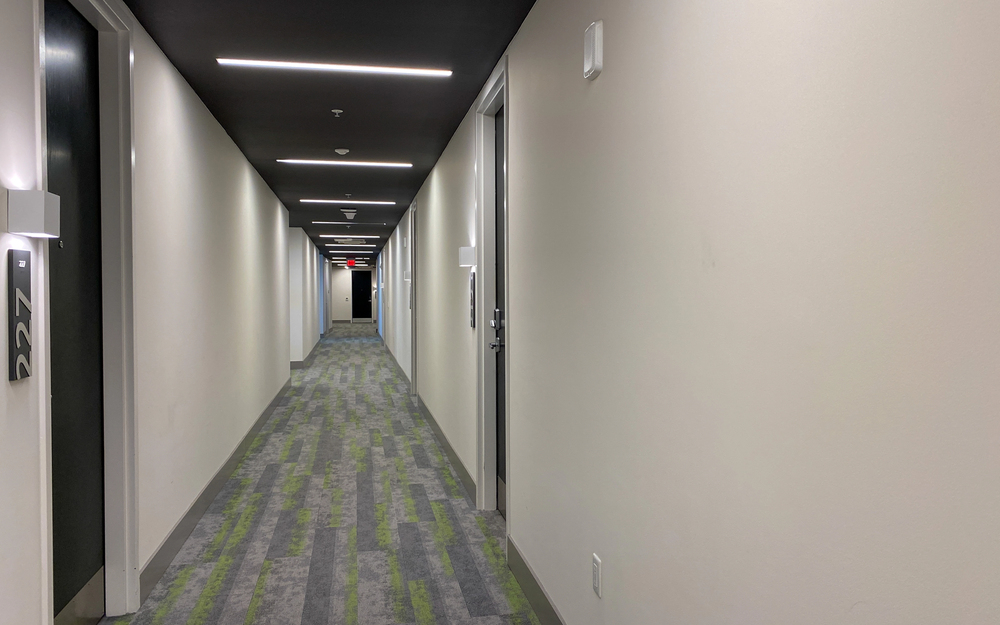
Carpeted hallways absorb footsteps, and a cabin partway down a long corridor sees less foot traffic than one at either end near stairs and elevators. Even so, passengers returning late, rolling luggage, and rattling room-service trays all pass the door.
Cabins at the quiet middle of the corridor, away from any junction, tend to hear less of it. The best locations pair soft flooring with a spot that few people have any reason to walk past.
Sealing the Gap Under the Door
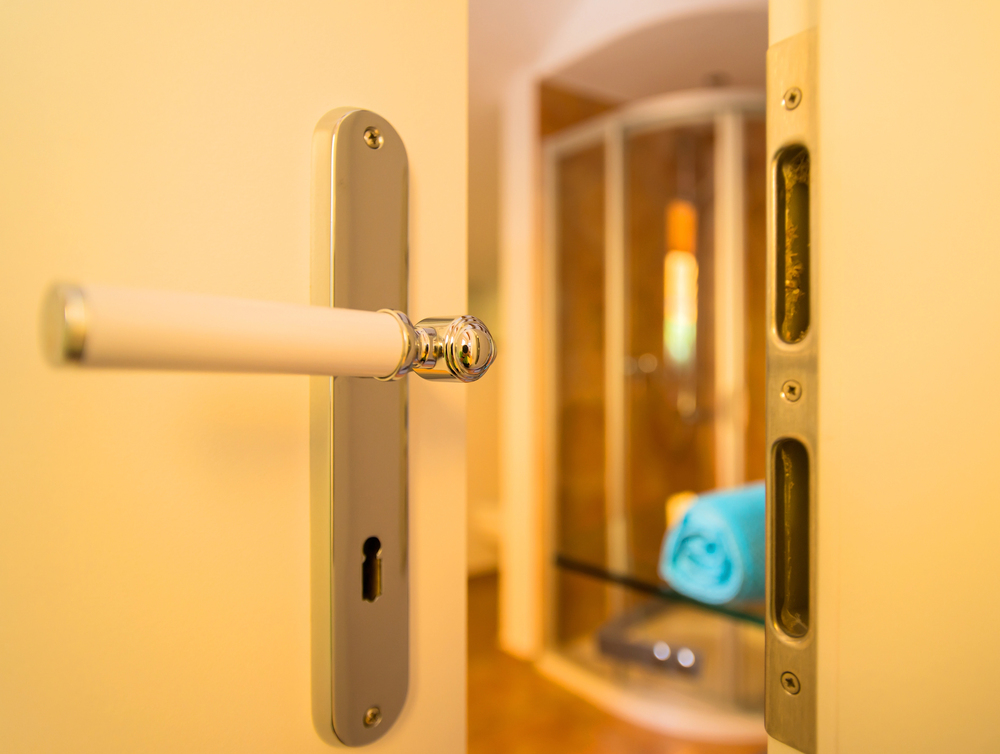
Light and noise from the hallway enter through the gap beneath the cabin door, and a rolled towel or a travel door stopper can reduce both. Some travelers pack a small draft blocker for exactly this purpose.
Hallway lights on many ships stay on all night, which makes that bright stripe along the floor surprisingly distracting. A small barrier is an easy way to turn the cabin entrance into a darker, quieter boundary.
White Noise, Earplugs, and a Sleep Mask
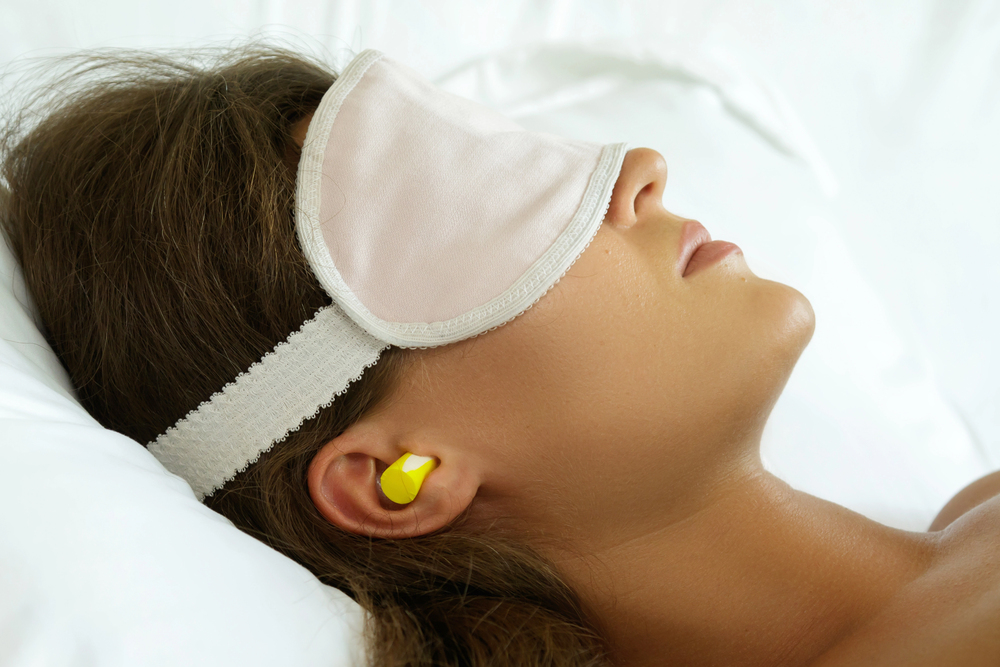
Even the best cabin location cannot silence every ship sound, so many light sleepers bring their own tools. A portable white noise machine or a phone app masks intermittent sounds with a steady background hum.
Earplugs and a comfortable sleep mask handle the rest, covering noise and early light together. These items weigh almost nothing and cost little, which makes them the most efficient upgrade on this list.
Asking the Cabin Steward for Pillows and Bedding

Cabin stewards can often provide extra pillows or adjust bedding, and a comfortable bed makes every other disturbance easier to ignore. A request on the first day gives the steward time to arrange it before the first night.
Stewards also know the ship well and can sometimes suggest what to expect from the neighboring spaces. A friendly conversation at embarkation can solve problems that no deck plan will show.
Why the Best Cabin Is the One Nobody Notices
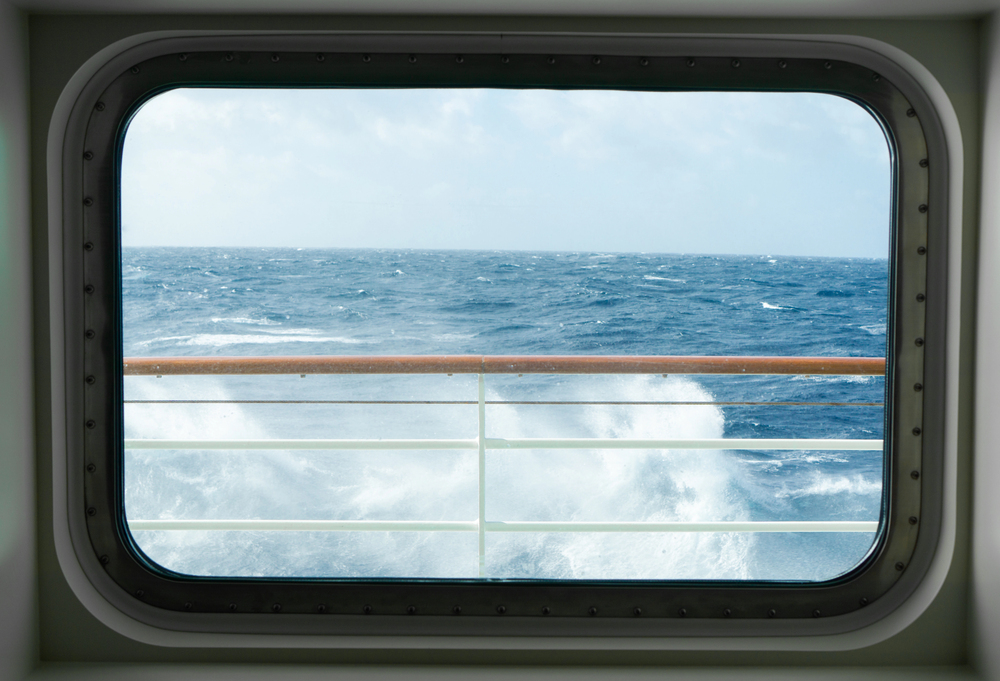
A quiet cabin is rarely the one with the best view or the most space. It is the one where nothing happens on any side, above it, or below it, and where the ship’s machinery stays politely out of earshot.
Those rooms rarely appear in brochures because there is little to photograph about the absence of noise.
Booking for sleep takes a few extra minutes with a deck plan and a willingness to trade glamour for calm. The reward is waking up rested, which turns out to be the best amenity a cruise can offer.
The cabin nobody remembers is usually the one that did its job.
More from Travel Pug

- Underrated Italian Towns That Beat the Tourist Crowds
- Las Vegas Tourist Traps to Skip
- Prettiest Towns in Every US State
- 18 passport-free countries for Americans
- Signs Your Cruise Is Not Worth The Cost
Like Travel Pug’s content? Follow us on MSN.