

There’s a particular kind of disappointment that doesn’t announce itself loudly. It arrives in small print, in vague emails, in port schedules that look almost like the one you booked — but not quite.
Cruise lines have quietly refined the art of adjusting itineraries in ways that are technically legal, occasionally justified, and frequently invisible to passengers who aren’t paying close attention. If you’ve ever stepped off a ship feeling like the trip was slightly less than advertised, you weren’t imagining it.
The Confirmation Email Reads Differently Than the Booking Page

The original booking confirmation and the one sitting in your inbox right now are not always the same document. Cruise lines update digital records, and unless you screenshot everything at the moment of purchase, you’re working from memory against a corporation with lawyers.
Print the original itinerary the day you book — that paper copy is the closest thing to leverage you’ll have.
A Port Got Replaced With a “Scenic Cruising” Day
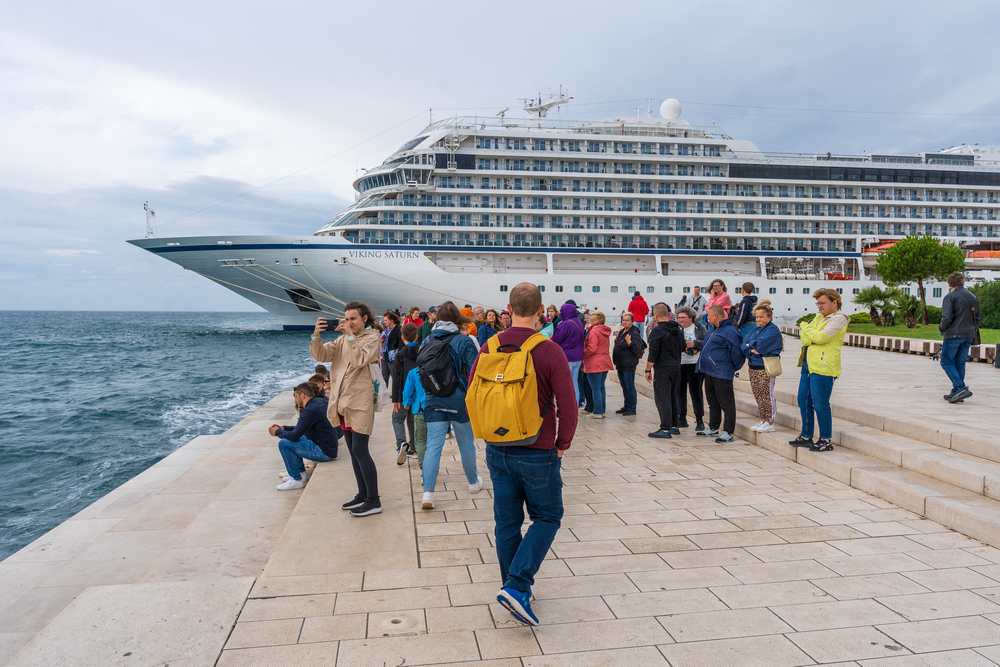
Scenic cruising sounds appealing until you realize it means: sailing past something instead of stopping at it. Watching fjords from a deck is genuinely beautiful, but it wasn’t what you paid for — and it saves the cruise line fuel, port fees, and docking logistics.
When scenic cruising appears on a revised itinerary where a port used to be, that’s not an upgrade in experience, whatever the marketing language implies.
The Ship Was Swapped Without a Direct Notification
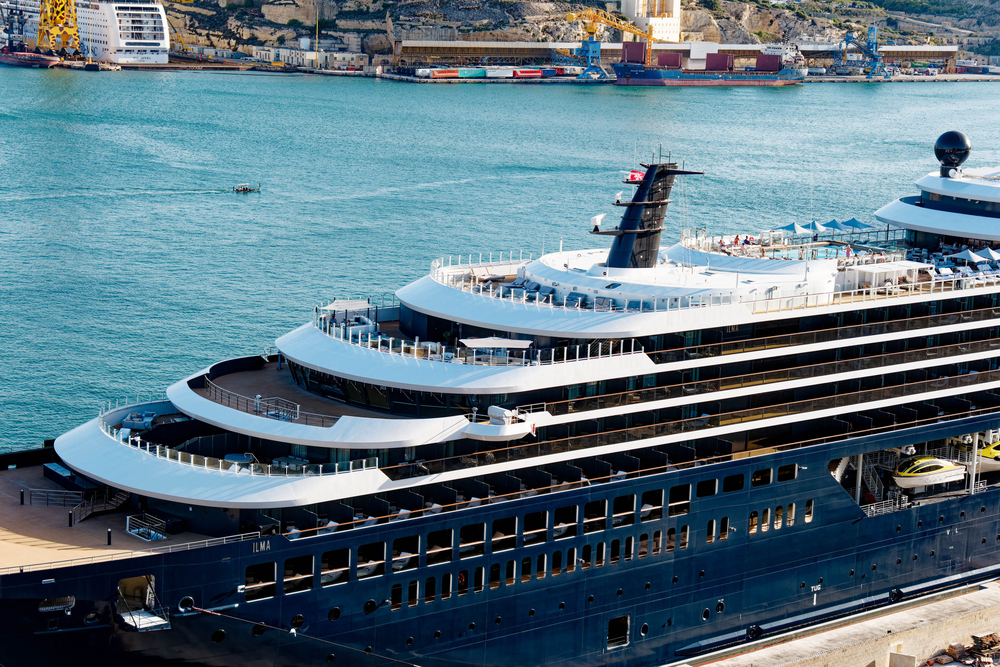
Cruise lines can substitute vessels, and many booking contracts allow this with minimal notice. The replacement ship is almost always older, smaller, or missing amenities the original had — the newer ship went somewhere more profitable, and yours quietly took its place.
If you booked based on a specific ship’s restaurants, cabin layout, or specialty facilities, check the vessel name against your updated documents and don’t assume it’s the same one.
Shore Excursion Times Were Shortened

The excursion still exists on the schedule, but the window — once six hours — is now four. What looked like a full afternoon in a given port has shrunk to something that barely covers transit time and a rushed look around, and the price hasn’t dropped accordingly.
Time in port is the actual product being sold, and shaving it is one of the quietest ways to reduce what passengers receive without technically canceling anything.
Tender Ports Were Substituted for Dock Ports
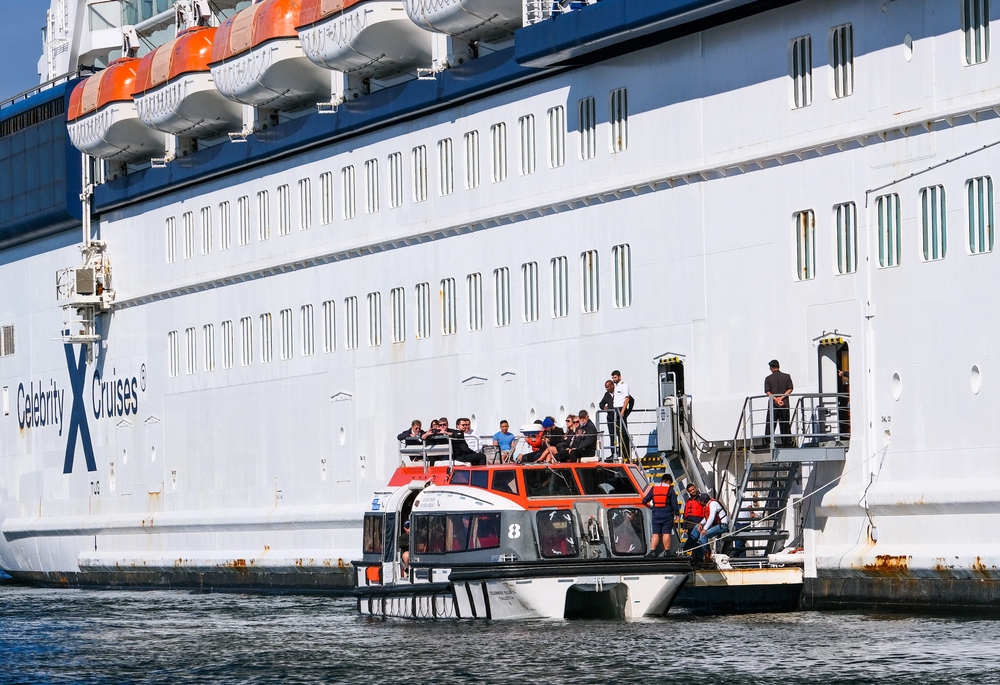
There’s a meaningful difference between a ship that docks directly and one that anchors offshore and ferries passengers in by tender boat. Tender ports eat roughly 45 minutes to an hour of your time each way, they’re weather-dependent, and they’re inaccessible to some passengers with mobility limitations.
A docked port in the original itinerary that’s been swapped for an anchor-and-tender arrangement is a downgrade, full stop — regardless of how it’s framed.
A Signature Destination Got Quietly Moved to a Weekday Arrival
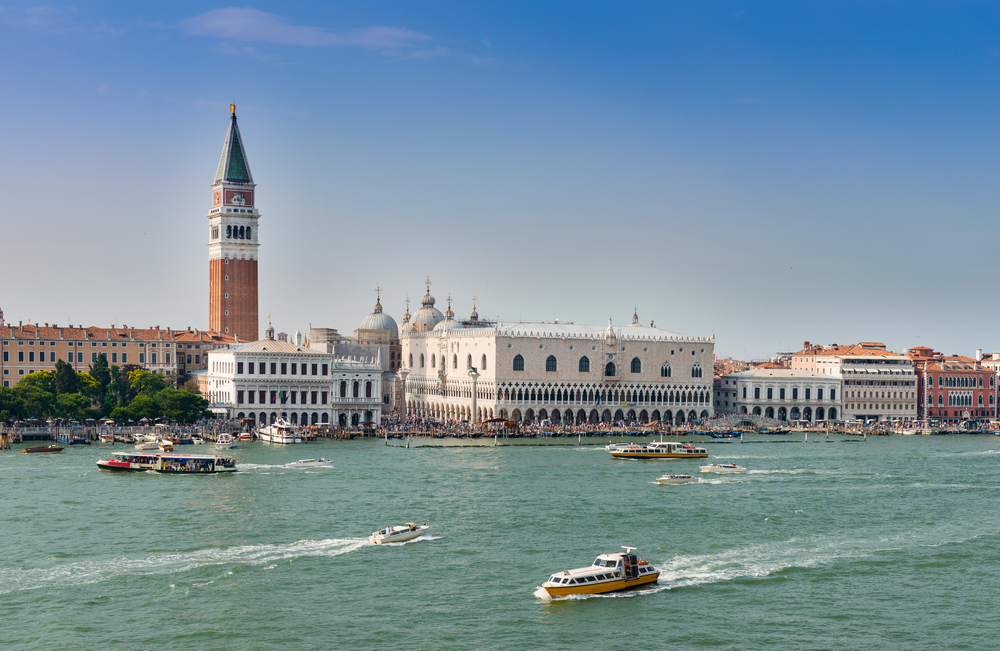
This one takes a moment to notice, but it matters more than it appears to. Some ports — think St. Mark’s Square in Venice, or the Champs-Élysées-adjacent stops in European river cruises — operate entirely differently on weekdays versus weekends, and certain markets, cultural sites, and local experiences only run on specific days.
When an itinerary shifts a major destination from a Saturday arrival (as originally booked) to a Tuesday, the port is technically still there: the version of it that made the trip worth taking is not.
Overnight Stays Were Reduced to Single-Day Calls
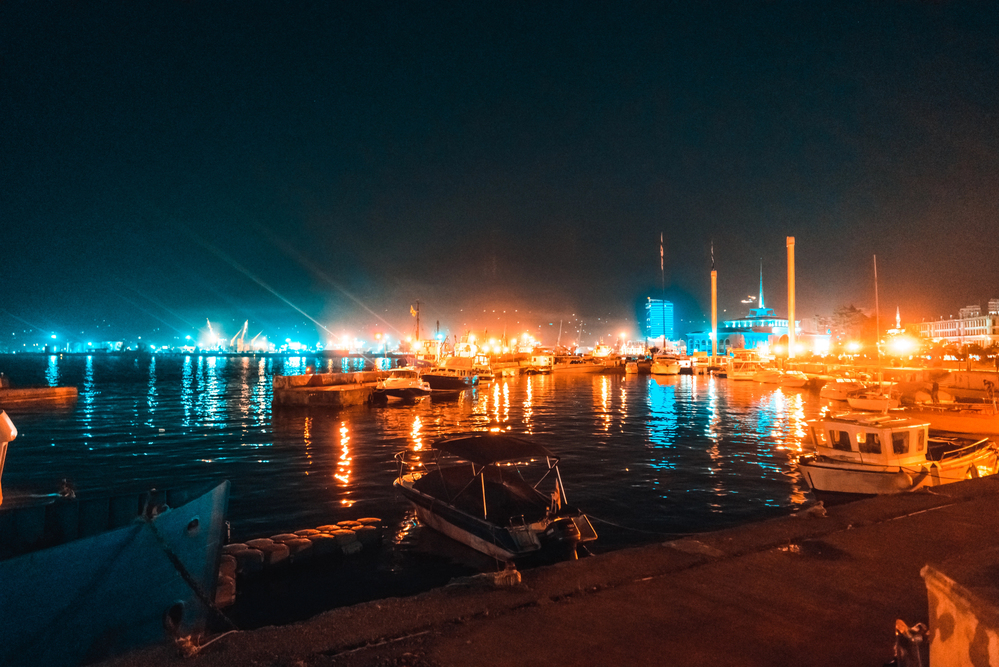
An overnight in port is a genuinely different experience — it means evenings ashore, dinner at a real restaurant, the unhurried feeling of a place after the daytime crowds thin out. Losing an overnight and replacing it with a single daytime call (which ends by 5 p.m.) cuts the soul out of a destination visit in a way that’s hard to articulate but easy to feel.
Cruise lines know this, which is probably why the change tends to appear in itinerary updates rather than in any announcement you’d notice.
The Itinerary PDF Is Suddenly “Under Revision”

When a link to your itinerary PDF returns an error or the page just says the document is being updated, something has changed. Cruise lines don’t take itinerary documents offline to fix typos — they do it when the route has shifted, and the new version isn’t ready to be scrutinized yet.
That window between document versions is worth noting: call your travel agent or the cruise line directly and ask for the current schedule in writing.
Port Hours Got Trimmed on Both Ends
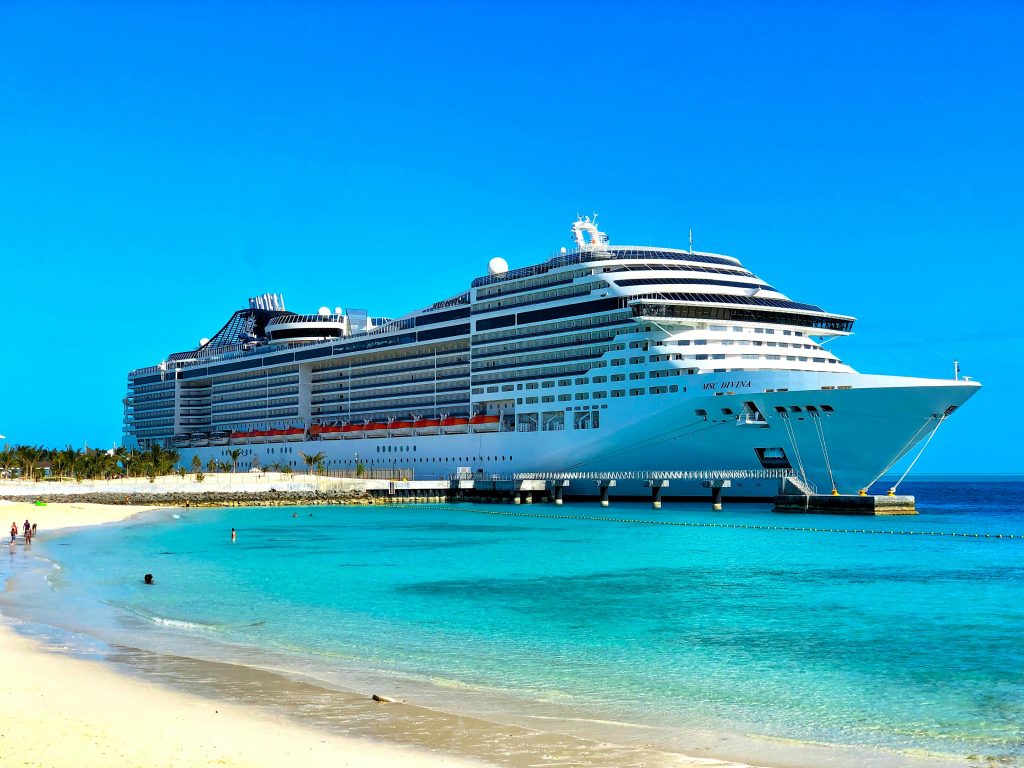
An arrival time that moved from 7 a.m. to 10 a.m., combined with a departure that shifted from 8 p.m. to 5 p.m., doesn’t look dramatic on paper — but it cuts five hours off your time in that destination. These micro-adjustments are the itinerary equivalent of quietly reducing the size of a product without changing the packaging: technically the same item, noticeably less of it.
Add up the trims across a seven-day itinerary and the total lost time in port can be substantial.
The “Featured” Destination Became a Secondary Stop
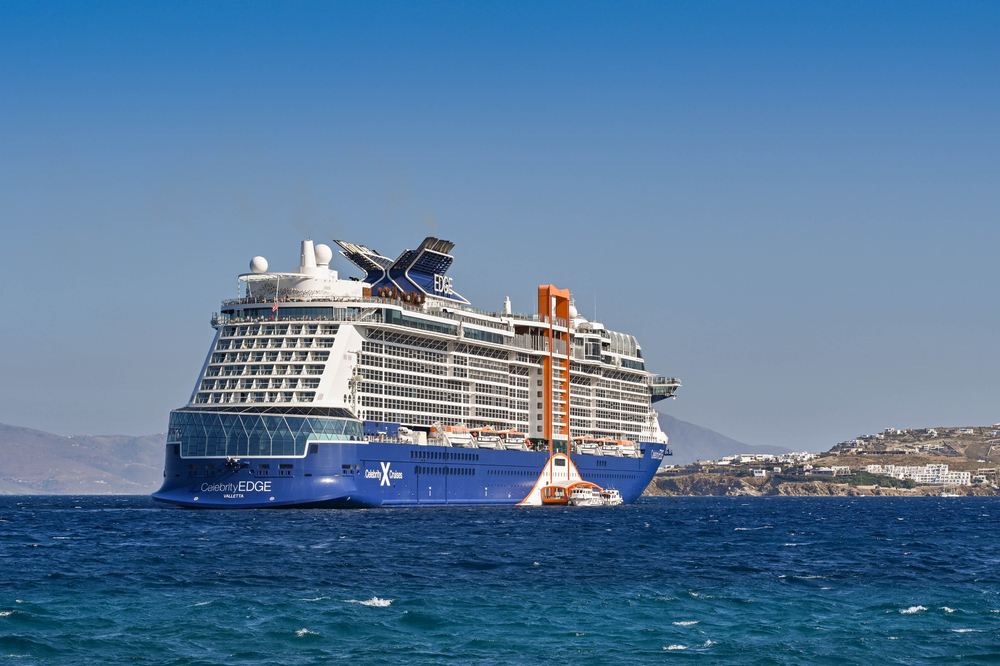
Cruise itineraries are marketed around one or two headline ports — the ones that appear in the promotional photography, the ones people tell their friends about when explaining why they booked. When the featured destination quietly shifts to a shorter visit while a less prominent port receives more time, the trip’s identity has changed even if the port list hasn’t.
You booked for a reason, and that reason doesn’t always survive an itinerary revision intact.
A Private Island Day Was Added to Replace Something Else
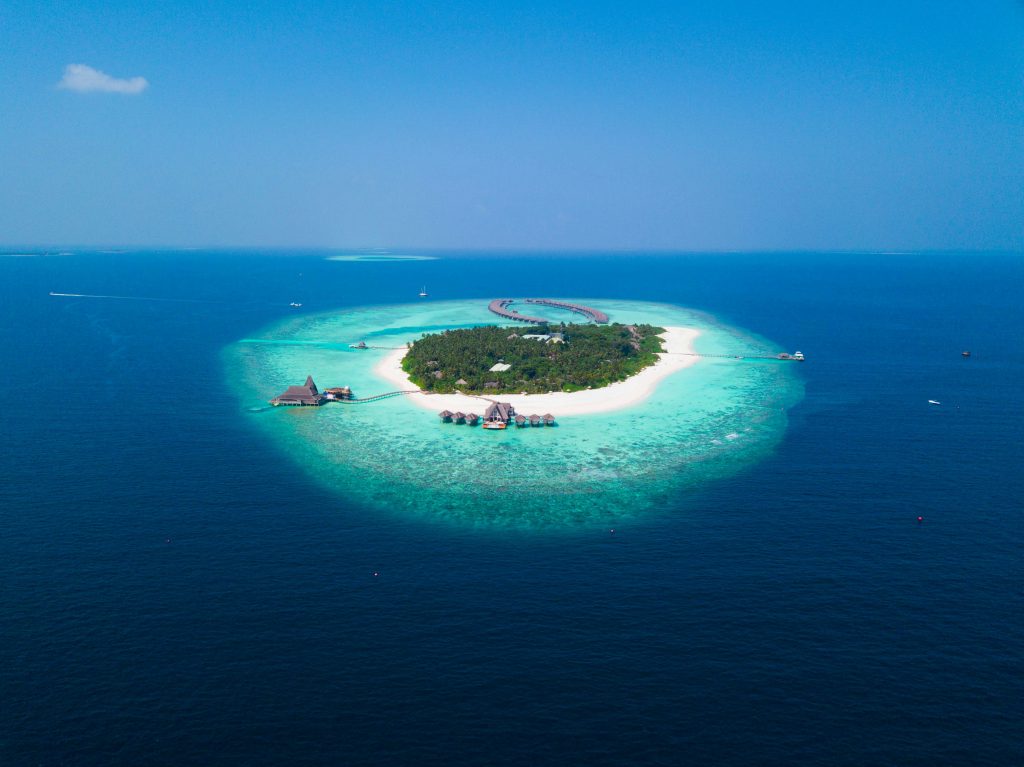
Cruise line private islands (like Royal Caribbean’s Perfect Day at CocoCay or Norwegian’s Great Stirrup Cay) aren’t destinations — they’re revenue vehicles, designed to capture onboard spending in an offshore setting. Adding one to a revised itinerary where a public port used to sit is almost never an upgrade, whatever the promotional tone suggests.
The ship’s stores follow you ashore, the beach bars charge cruise prices, and the “excursion” is just the ship’s atmosphere relocated to sand.
Specialty Dining Reservations Were Cancelled Without Explanation
Pre-booked specialty restaurants are part of the product for a meaningful number of cruise passengers — not an afterthought. When those reservations disappear from an account without any email or explanation, it frequently signals a ship change, a schedule shift that affected the restaurant’s operating days, or a capacity reduction that quietly bumped pre-existing bookings.
The absence of an explanation is its own signal: if the change were straightforward, they’d tell you what happened.
The Itinerary Changed After Final Payment

Final payment deadlines exist partly to protect passengers — they’re the point after which cancellation penalties apply, which is also the point after which some cruise lines feel comfortable making changes passengers are less likely to walk away from. An itinerary revision that arrives two weeks after your final payment cleared is not a coincidence.
The timing is: the leverage moved, and so did the schedule.
Port Sequences Were Reversed Without Explanation
When ports appear in a different order than booked, it’s easy to dismiss as a logistical adjustment — and sometimes it genuinely is. But reversed sequences can also mean one port is now a second call of the day (shorter, rushed, competing with another stop), or that the sequence no longer lines up with events or markets that were part of the original appeal.
The order of ports isn’t decoration on an itinerary: it determines what’s actually available when you arrive.
A Multi-Day Region Was Compressed Into One Stop
Some cruise itineraries promise several days in a region — two days in Alaska’s Inside Passage, three days along the Norwegian coast. When that multi-day experience collapses into a single extended stop with the same total mileage covered, something meaningful has been lost.
A region isn’t just a geography; it’s a pace, a sequence of light and landscape and gradually accumulating familiarity — and that’s not something a one-day sweep can replicate regardless of how scenic the sailing is.
When the Fine Print Is the Whole Story
Cruise contracts are written to protect the cruise line, and they do this job with impressive thoroughness — itineraries are almost always described as “subject to change,” which is true, and also functions as a legal ceiling on what passengers can claim when things shift. What the contract can’t protect against is you knowing, specifically, what you booked and what you actually received.
Document everything, read every update, and treat any revision notice as worth examining closely rather than filing unread. The itinerary you booked exists somewhere between the promotional page and the fine print — and knowing exactly where it changed is the first step toward doing something about it.
More from Travel Pug

- Underrated Italian Towns That Beat the Tourist Crowds
- Las Vegas Tourist Traps to Skip
- Prettiest Towns in Every US State
- 18 passport-free countries for Americans
- Signs Your Cruise Is Not Worth The Cost
Like Travel Pug’s content? Follow us on MSN.