

The line of cabs waiting at the foot of the gangway is a familiar sight, and so is the fare that comes with it. Port taxi drivers know they have a captive audience when they see one, and the meter (or the negotiated price) can reflect that.
Meanwhile, a tram, ferry, or metro train is often running within reach of the ship, carrying commuters for much less than a taxi. These are public transport options at real ports that can do the same job for a fraction of the cost, provided the route and schedule work for the traveler.
The Regional Train from Civitavecchia to Rome

Cruise ships calling at Rome dock at Civitavecchia, roughly an hour’s ride from the capital, and a cab for that distance costs far more than a train ticket. The cheaper route is the regional train from Civitavecchia station, which runs to Roma Termini and other Rome stations on the coastal line.
Cruise-passenger shuttle buses connect the port with the railway station for a fee, so travelers should factor in that cost as well. Regional trains do not run on cruise schedules, which makes checking the return timetable the one piece of homework worth doing.
Metro Line 3 at Drassanes in Barcelona

Barcelona’s Drassanes station on Metro Line 3 sits at the harbor end of La Rambla, close to the cruise terminals at the World Trade Center, but farther from the Adossat terminals. The station takes its name from the Drassanes Reials, the medieval royal shipyards that now house the city’s maritime museum.
From there, the green line carries riders to Plaça de Catalunya and onward to stops near Sagrada Família, all without a driver quoting a flat rate. Passengers docking at Adossat generally need to take the port’s Cruise Bus shuttle into the city before connecting to the metro.
Vaporetto Line 1 Down the Grand Canal in Venice
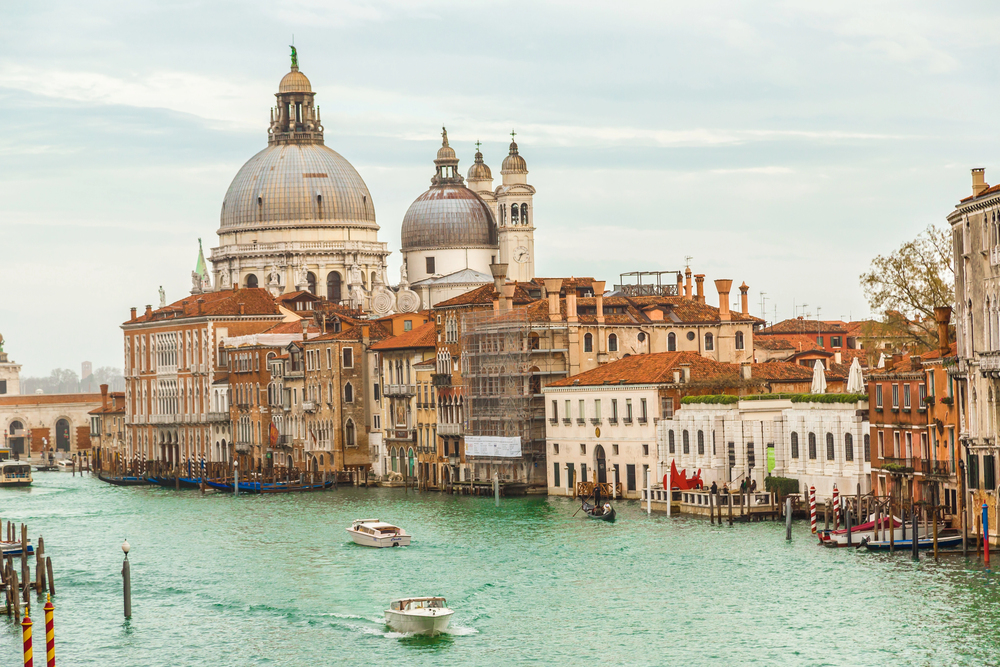
Venice has no taxis in the usual sense, and the water taxis that replace them cost far more than the public water bus. The ACTV vaporetto on Line 1 works as a slow, stop-at-everything route along the Grand Canal, calling at nearly every landing between Piazzale Roma and the lagoon.
Riders pass the Rialto Bridge and a long run of palazzi from the bench of an ordinary commuter boat. It is the same scenery sold on gondola brochures, delivered at public-transit fares, though a single ride can still be relatively expensive compared with other city transit systems.
The Manly Ferry from Circular Quay in Sydney
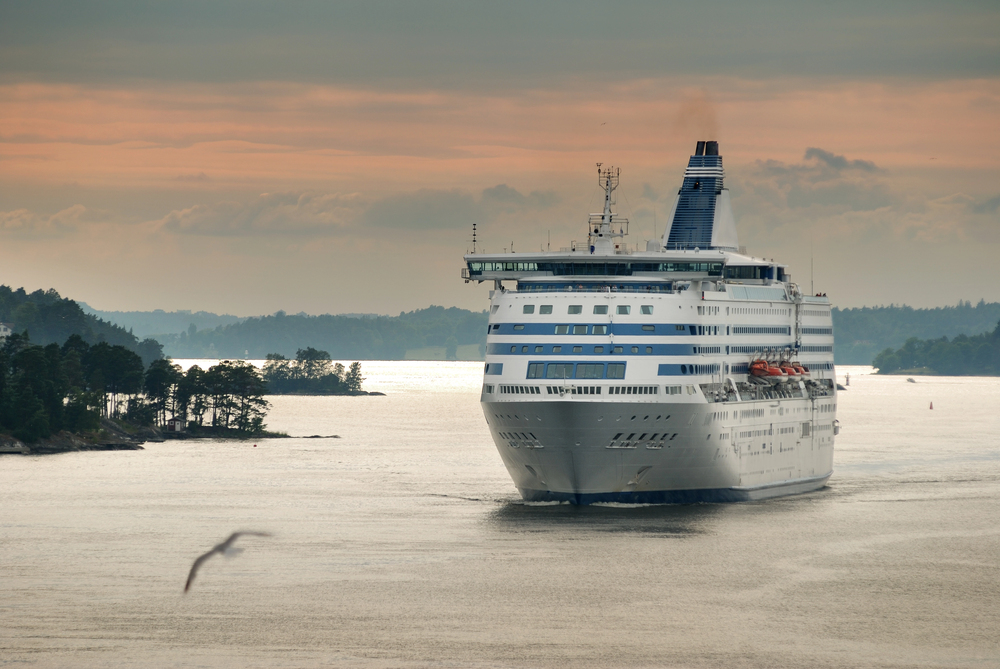
Sydney’s Overseas Passenger Terminal is a short walk from Circular Quay, where the harbor’s public ferries depart from a row of numbered wharves. The ferry to Manly crosses the harbor in about half an hour, passing the Opera House and the Harbour Bridge on the way.
A cab to Manly has to go around the harbor by road and takes far longer in traffic, while the ferry skips the congestion entirely. Ferries use the same Opal card as trains and buses, though fares vary by route and time of travel.
Link Light Rail from the Airport to Downtown Seattle

Many Alaska-bound cruise passengers in Seattle arrive by plane, and Link light rail runs directly from Sea-Tac Airport into downtown. Trains stop at Westlake Station, which is about a 20-minute walk from Pier 66; Pier 91 is farther away and is not within a convenient walk.
The ride is far cheaper than a cab or rideshare from the airport, and the train is unaffected by traffic on Interstate 5. Luggage rides along on the train, which is the part that surprises first-time visitors.
Travelers heading to Pier 91 may need a taxi, rideshare, or shuttle for the final leg.
The Canada Line to Waterfront Station in Vancouver
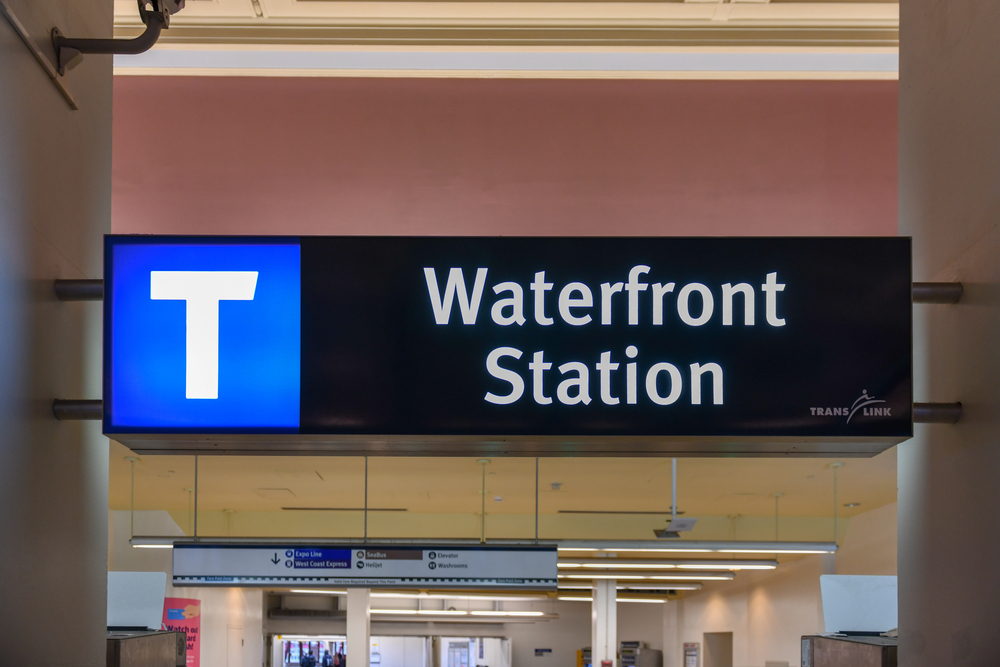
Canada Place, the sail-topped cruise terminal on Vancouver’s harbor, sits steps from Waterfront Station. The Canada Line SkyTrain runs from Vancouver International Airport to Waterfront, so arriving passengers can ride the rails directly to the dock area.
The same station also connects to the SeaBus, a passenger ferry that crosses Burrard Inlet to Lonsdale Quay in North Vancouver. The airport-to-downtown fare includes an additional airport surcharge, so it is not necessarily the price of a standard city transit fare.
Metro Line 1 from Piraeus to Monastiraki in Athens

Cruise ships calling at Athens dock at Piraeus, and the Piraeus station on Metro Line 1 sits near the port, though the distance depends on the terminal. The green line is one of the oldest urban rail lines in Europe, having opened in 1869 as a steam railway.
Riders can take it to Monastiraki, which puts the Acropolis and the flea markets of the old city within a short walk. A taxi from Piraeus to central Athens crosses a large stretch of traffic-clogged city, while the train can avoid much of that road congestion.
The T1 Tram from Karaköy in Istanbul
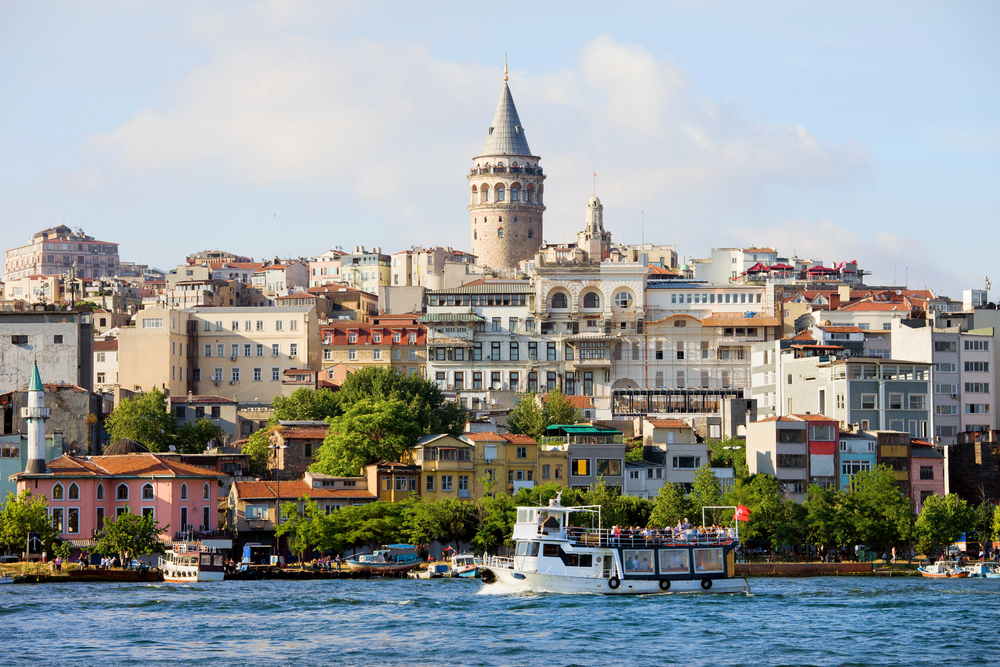
Istanbul’s Galataport cruise terminal sits on the Karaköy waterfront, and the T1 tram stops nearby on its run between Kabataş and Bağcılar. The line crosses the Galata Bridge and continues toward Sultanahmet, where the Blue Mosque and Hagia Sophia are a short walk from the stops.
Trams arrive frequently and can be a more predictable option than a taxi in traffic that clogs the surrounding streets. Taxis in this part of the city are known for tourist-sensitive pricing, which makes a tram fare look like a clerical error by comparison.
Ferries and Buses from the Royal Naval Dockyard in Bermuda

Bermuda offers public ferries and buses as practical ways to get around the island. Cruise ships dock at the Royal Naval Dockyard on the western tip, and ferries run from there across Great Sound to Hamilton.
The boat ride is shorter than the road trip by bus, and the views over the sound come at no extra cost beyond the fare. Pink-and-blue buses cover the roads, and Bermuda’s transit tickets, tokens, and passes can generally be used on both buses and ferries, subject to route-specific transfer rules.
Capital Transit Buses in Juneau

Juneau’s cruise docks sit downtown, and Capital Transit, the city’s public bus system, runs from town toward the Mendenhall Glacier Visitor Center. The glacier lies about a dozen miles from the docks, and a cab out there and back adds up fast.
The closest bus stop is about 1.5 miles from the visitor center, so the public bus option involves a roughly 30-minute walk each way after the ride. The trip from downtown can take up to 1.5 hours one way.
A short walk from the bus stop to the visitor center is the trade-off for the savings.
The Jitney Buses on Bay Street in Nassau
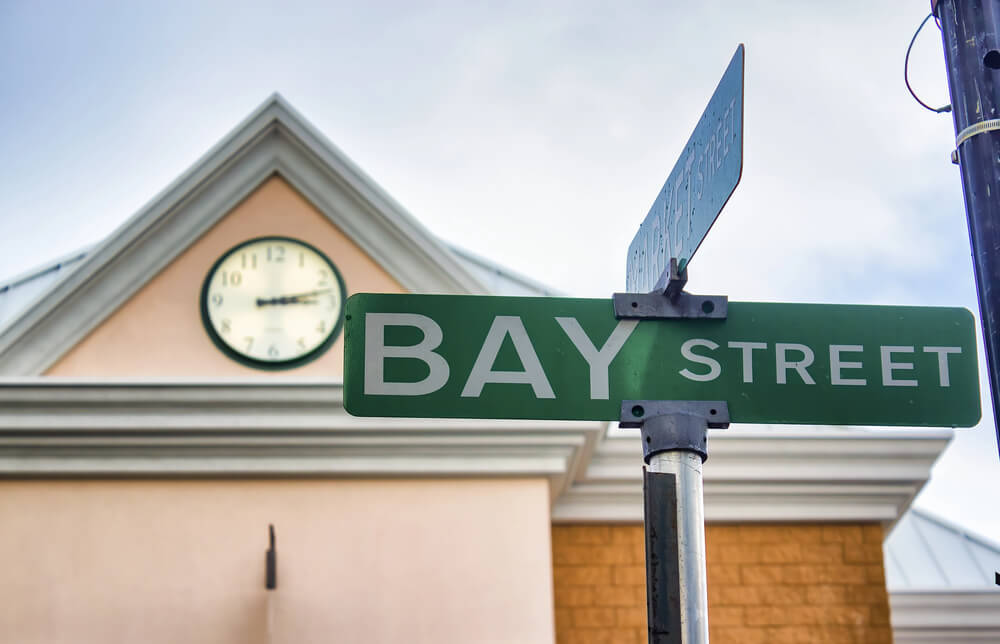
Nassau’s cruise port sits at the end of Bay Street, and the island’s jitneys, small privately run buses, travel along it. Some routes head west toward areas such as Cable Beach, but travelers should confirm the destination with the driver rather than assume every jitney serves the same route.
Jitneys do not have a rigid timetable, and drivers may leave once the bus is full. Riders flag them down and tell the driver where to stop, a system that is easy once understood.
The Cataño Ferry in San Juan
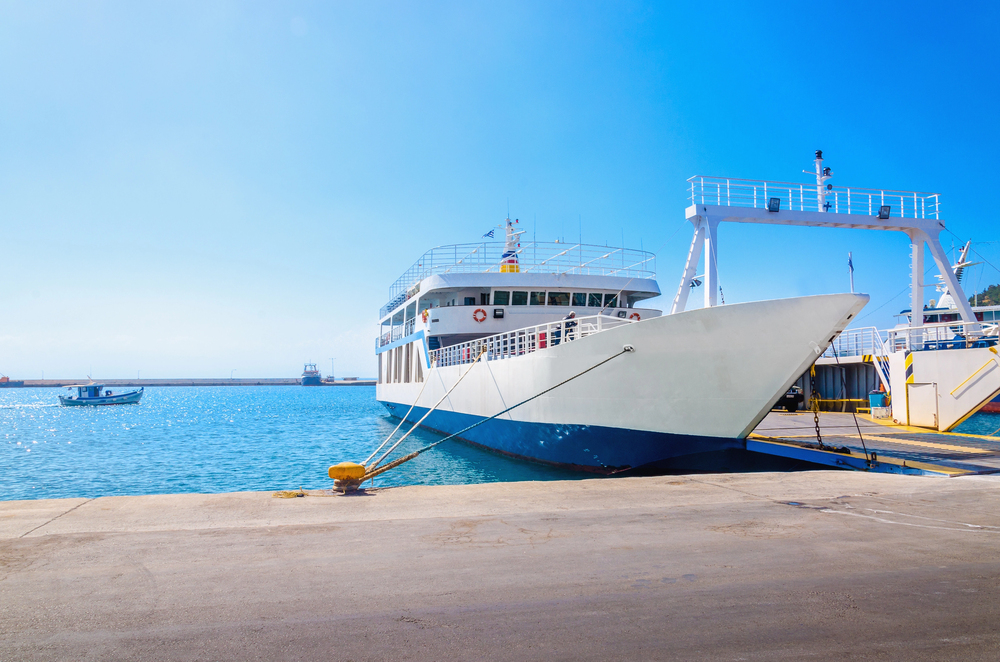
San Juan’s cruise ships dock in Old San Juan, near Pier 2, where the Cataño ferry, known locally as La Lancha, crosses the bay to the town of Cataño. The crossing takes only a few minutes and costs a small fraction of what a cab ride around the bay does.
On the Cataño side, the Casa Bacardí distillery is a short ride away, which makes the ferry a budget route to one of the island’s best-known tours. Cabs from Old San Juan to Cataño have to take the highway around the bay, which is longer and costs more.
Check the ferry schedule before planning the return trip, since service hours vary by day.
The Star Ferry in Hong Kong
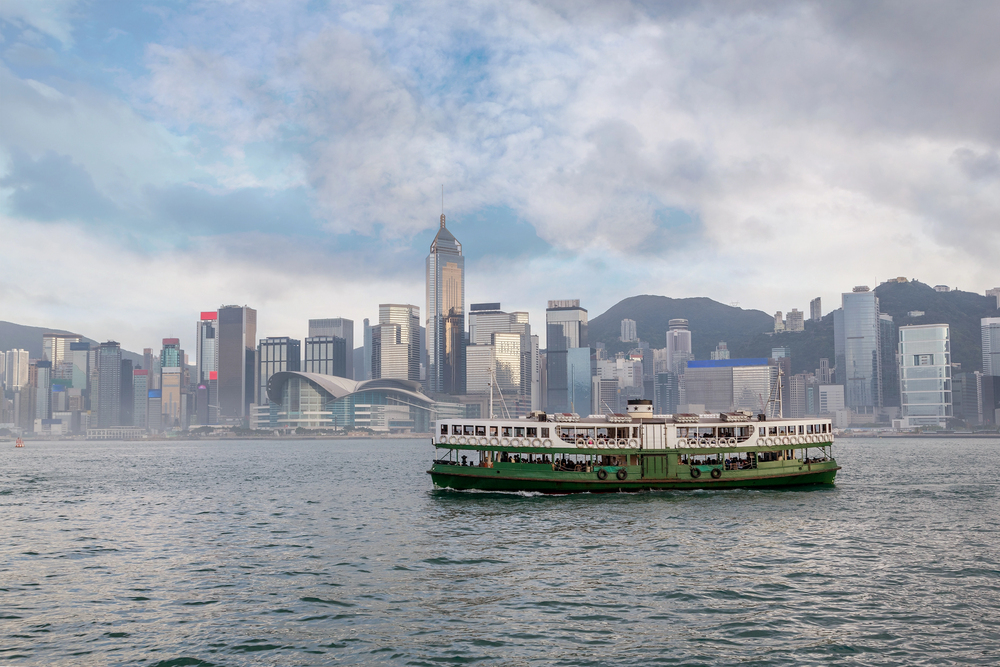
Hong Kong’s Ocean Terminal sits in Tsim Sha Tsui, within walking distance of the Star Ferry pier, where one of the world’s most scenic and least expensive harbor crossings begins. The Star Ferry has been crossing Victoria Harbour since 1888, and its green-and-white boats still carry passengers to Central.
The fare is a small fraction of a cab ride through the Cross-Harbour Tunnel. It is a transit route that doubles as a skyline tour.
The S-Train from Østerport in Copenhagen
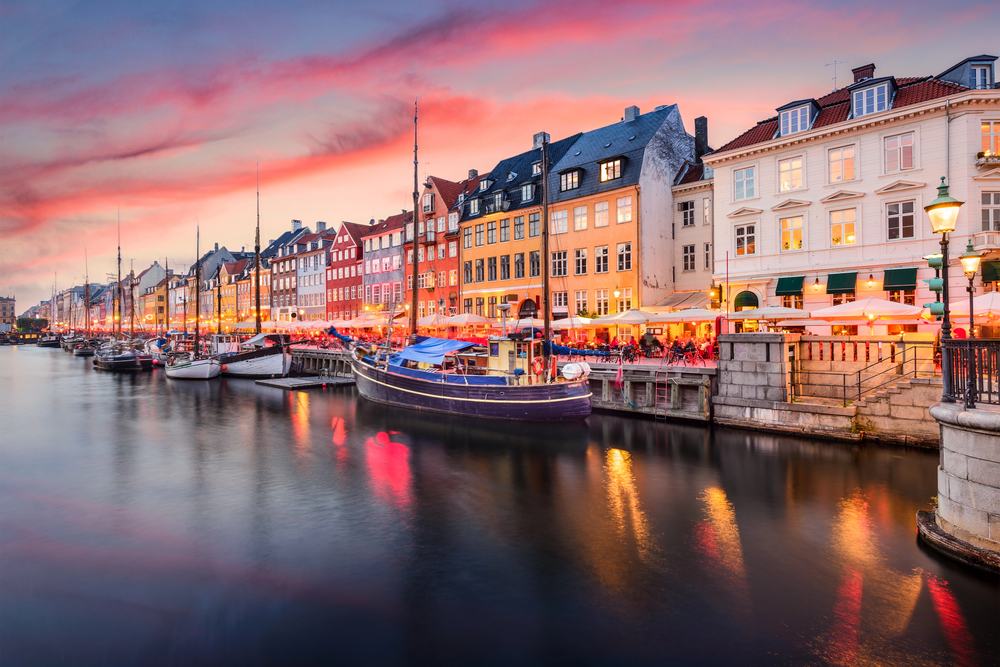
Cruise ships in Copenhagen dock near Langelinie, close to the Little Mermaid statue and about a 15- to 20-minute walk from Østerport station. Østerport is served by S-trains and the Metro, which connect to Nørreport, the Central Station, and the rest of the city.
Bus 27 also connects the area near the pier with Østerport. The walk from the pier passes the harbor-side promenade, and the transit ticket covers trains and buses within the same zone.
A taxi here travels a short distance for a fare that Copenhagen’s high prices make painful.
The Metro and Tram 28 in Lisbon

Lisbon’s cruise terminal at Santa Apolónia sits beside the city’s oldest major railway station, which also has a Blue Line Metro stop. From there, the Metro runs through the center of the city.
Tram 28, with its vintage yellow cars, passes through the Alfama district but does not depart directly from Santa Apolónia; travelers can walk to a nearby stop or connect from the Metro. Both belong to the city’s public transit network and are used by locals daily.
Alfama’s steep, twisting streets are often hard for taxis, which makes the trams and Metro useful alternatives for navigating the hills.
The Ascensores and Merval Train in Valparaíso
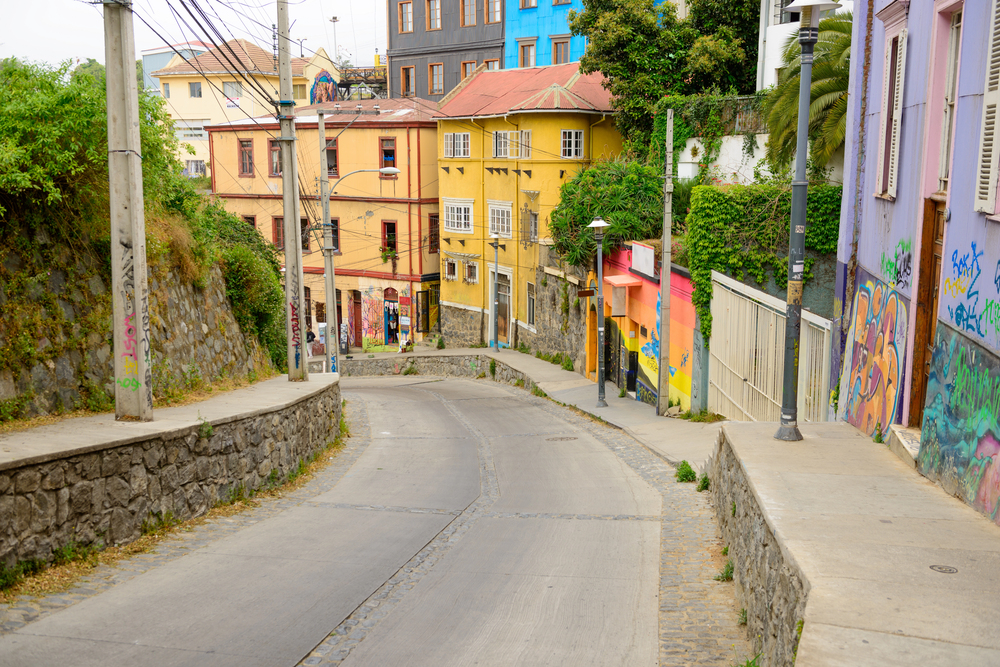
Valparaíso’s historic hillside districts are connected to the port by ascensores, century-old funiculars, including the Ascensor Concepción, which opened in 1883. A ride costs far less than a taxi for the same uphill journey, and the cars climb the cliffs to viewpoints over the bay.
At the waterfront, the Merval commuter train links the port to Viña del Mar along the coast. Between the two, a day in Chile’s most photogenic port city can be explored without relying heavily on taxis.
The Circumvesuviana Train from Naples
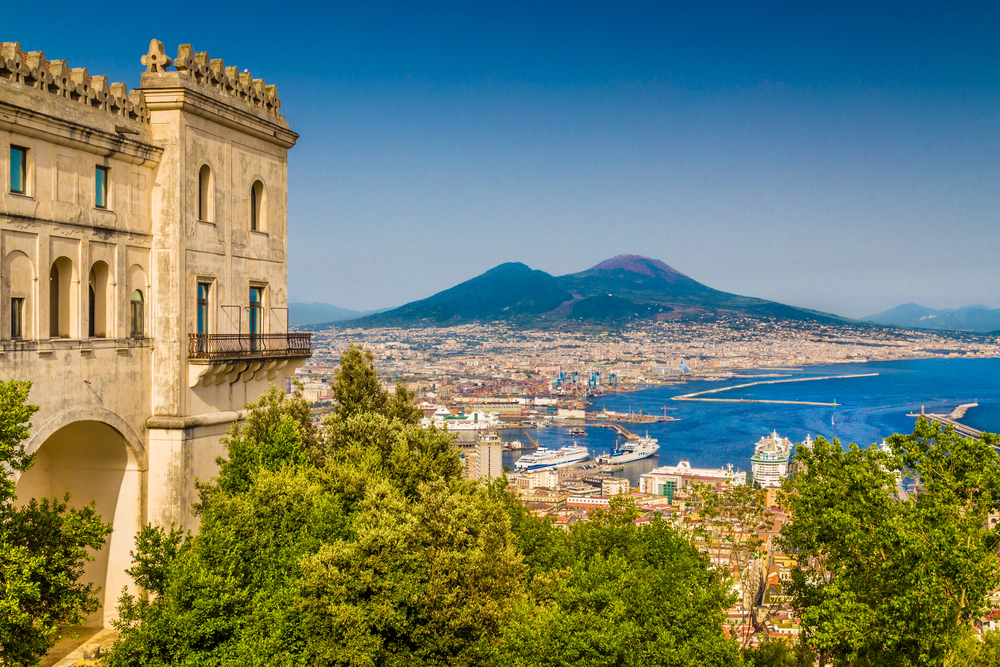
Cruise ships in Naples dock close to the city center, and the Circumvesuviana commuter railway runs from Napoli Garibaldi toward Sorrento. A stop on that line, Pompei Scavi, sits at the entrance to the ruins of Pompeii.
The train is the standard way for budget travelers to reach the archaeological site, and it is far cheaper than a private transfer. Pickpockets are a known hazard on the line, so keeping bags in front is advisable.
The HVV Harbor Ferry in Hamburg
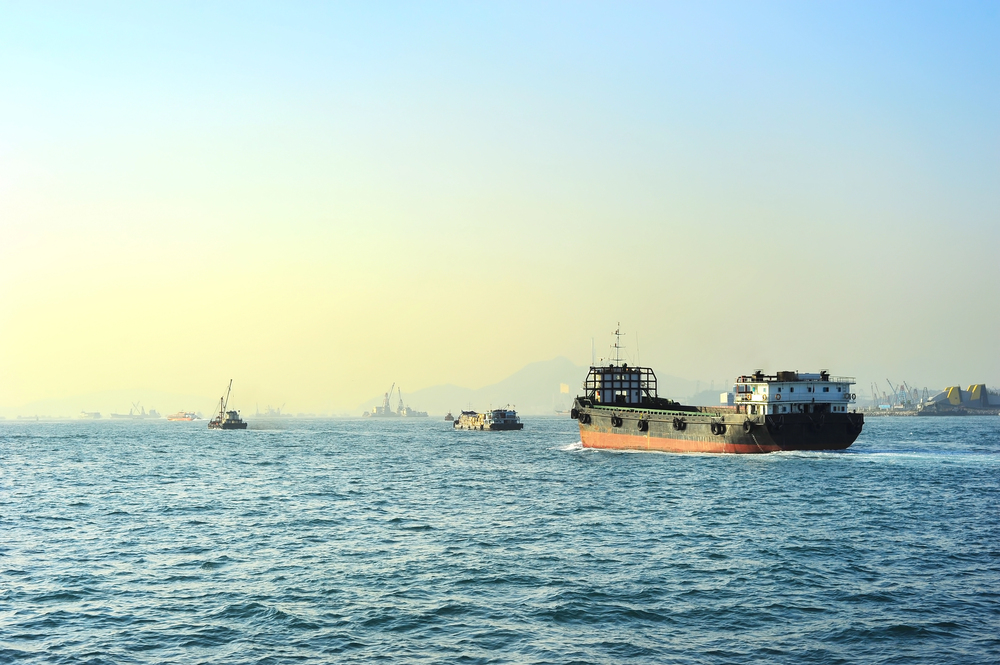
Hamburg’s public transit network includes ferries on the Elbe, and Line 62 runs between the Landungsbrücken piers and Finkenwerder. The ferries are part of the same ticketing system as the city’s buses and trains, so a regular transit ticket covers the water crossing.
The route passes container terminals and the shipyards that define the port, giving riders a working harbor tour. A cab ride around the harbor takes longer and offers no view of the Elbe.
The Free Ferries Behind Central Station in Amsterdam
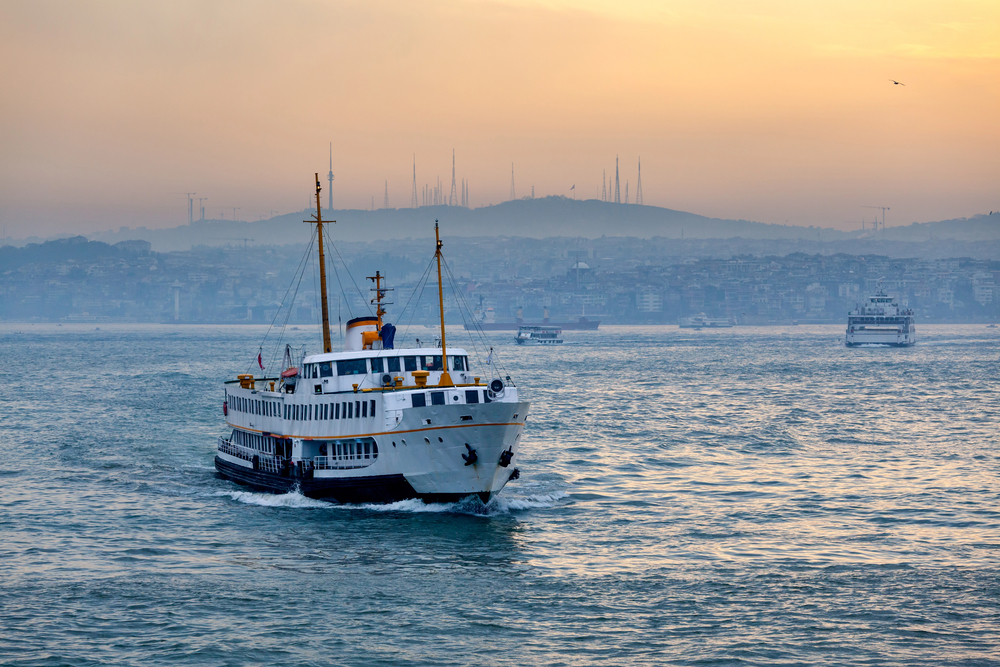
Amsterdam’s cruise terminal sits close to Centraal Station, and behind the station, free ferries operated by the city’s GVB transit company cross the IJ River to Amsterdam-Noord. The crossing costs nothing, which beats every other option on this list.
On the north bank, the old NDSM shipyard has been turned into an arts district with street art and warehouses. The ferries carry bicycles, and riders hop on and off without tickets.
The ferry is a useful add-on to a visit to the city, although reaching NDSM is not the same as traveling directly from the cruise terminal.
Why the Cheapest Ride Is Usually the Local One
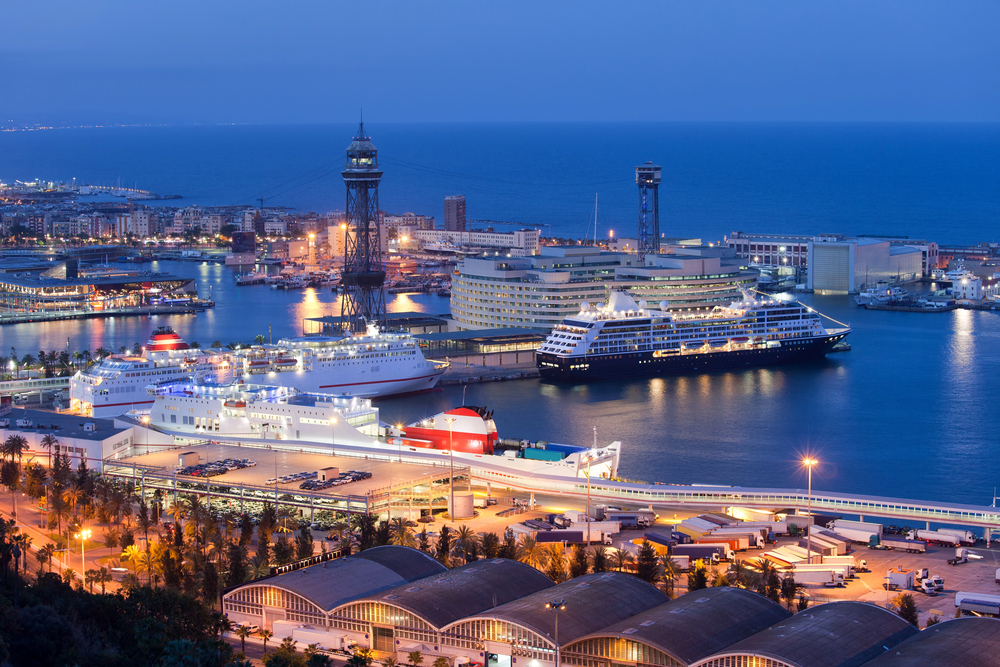
Across these ports, a pattern holds: the transport locals use daily is often the transport that costs the least. Cabs near terminals can price for people with limited time and little local knowledge, while commuter trains and ferries price for people who ride them twice a day.
Ships have dock times, but public transit has frequent departures, though frequency and operating hours vary by route.
The savings are real, but so is the education. Riding a tram through Istanbul or a ferry across Hong Kong’s harbor shows a city the way residents experience it, rather than through a car window.
The money left in the wallet can go toward lunch, which is where a port visit tends to be most memorable anyway.
More from Travel Pug

- Underrated Italian Towns That Beat the Tourist Crowds
- Las Vegas Tourist Traps to Skip
- Prettiest Towns in Every US State
- 18 passport-free countries for Americans
- Signs Your Cruise Is Not Worth The Cost
Like Travel Pug’s content? Follow us on MSN.