

Step aboard any cruise ship, and beneath the polished rails and cheerful entertainment schedules, you’ll find something much older than modern hospitality. The sea has always been a place where logic bends to ritual, where experienced sailors knock on wood and avoid certain words without thinking twice.
These aren’t quaint traditions for tourists—they’re beliefs that shape daily life for the men and women who call these floating cities home. Cruise ship crew members work in an environment that’s both cutting-edge and ancient.
Modern navigation systems share deck space with practices that predate the compass. The ocean remains unpredictable, and those who spend months at sea understand that some things can’t be controlled by technology alone.
No Bananas

Bananas are forbidden on most cruise ships, and crew members take this rule seriously. The superstition traces back to old sailing ships where bananas would spoil quickly in the heat, attracting insects and creating foul smells that could signal bad luck ahead.
Modern crew members still refuse to bring bananas aboard, even as snacks. Some won’t even wear clothing with banana logos or eat banana-flavored foods while at sea.
The belief runs so deep that violation of the banana rule is considered grounds for genuine concern among seasoned staff.
Whistling Brings Storms

The prohibition against whistling on deck isn’t just about noise control (though passengers sleeping in nearby cabins might appreciate the quiet, and the practice does serve multiple purposes since sound travels differently over water, especially at night when the usual daytime activities wind down and even small noises can carry much farther than expected). Crew members believe whistling calls up wind and storms—challenging the sea to show its power in ways that modern weather prediction systems, despite their accuracy, can’t always account for with the precision that matters when you’re dealing with thousands of passengers who expect smooth sailing regardless of what nature has planned.
But there’s more to it than simple weather concerns. The superstition also connects to respect for the ocean itself, treating it as a living entity that responds to human behavior rather than just a body of water to cross.
And the older crew members, particularly those who’ve worked ships for decades, will tell stories of storms that seemed to appear right after someone whistled on deck—stories that younger staff initially dismiss until they witness similar coincidences themselves. So the rule persists across generations of maritime workers, passed down through informal training that happens in crew quarters and during long shifts.
Even crew members who consider themselves rational people find themselves unconsciously avoiding the habit, which speaks to how deeply ingrained these beliefs become when your workplace is surrounded by thousands of miles of unpredictable ocean.
Red Sky Navigation
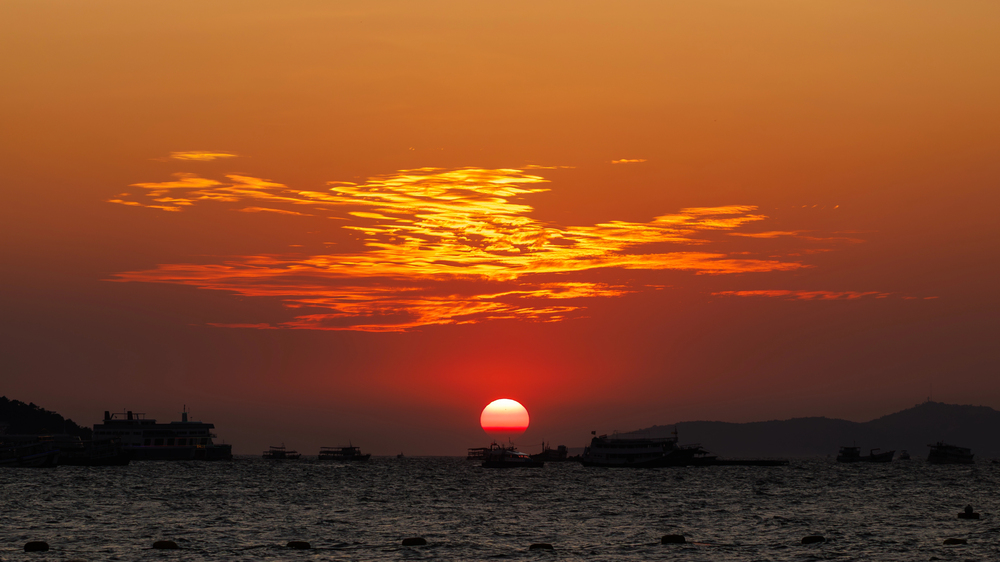
There’s something almost mystical about watching crew members check the horizon each evening, reading the sky like a text that was written specifically for those who understand its language. They’re not just admiring the sunset—they’re performing a ritual that connects them to centuries of sailors who learned to trust the sky’s color over their instruments.
Red sky at night brings relief to the navigation team, a promise that tomorrow’s sailing will be gentle. Red sky in the morning sends a different message entirely, one that has senior crew members quietly adjusting routes and securing loose equipment before most passengers have finished their coffee.
The colors don’t lie, according to those who’ve spent years learning their vocabulary. This isn’t folklore to them—it’s practical wisdom disguised as superstition.
The sky’s palette reflects atmospheric pressure and wind patterns in ways that feel more reliable than digital forecasts, at least to those who’ve learned to read its moods correctly.
Women Are Good Luck

The old superstition that women bring bad luck to ships died a quick death in the cruise industry. Female crew members are considered especially lucky, particularly in positions of authority.
Many ships actively recruit women for key roles, believing they bring calm energy to the often-stressful environment of maritime work. Female captains and officers are seen as particularly auspicious—ships under their command reportedly experience fewer mechanical problems and smoother weather.
This belief has practical benefits beyond superstition. Female crew members often excel at conflict resolution and passenger relations, skills that keep operations running smoothly.
Whether it’s luck or competence, the results speak for themselves.
Never Leave Port on Friday

Friday departures remain contentious among crew members, despite cruise lines scheduling them regularly (and the commercial reality is that Friday departures often work better for passengers who want to maximize their vacation time, creating a tension between practical business needs and deeply held maritime beliefs that have shaped sailor behavior for generations, though most passengers remain completely unaware of this internal conflict that plays out in crew quarters and planning meetings where superstition meets scheduling demands). The superstition dates back to maritime tradition where Friday was considered unlucky for new ventures, and leaving port represented the ultimate new beginning that could determine the fate of everyone aboard.
Even today, crew members notice patterns that seem to validate their concerns. Friday departures appear to correlate with more mechanical issues, passenger complaints, and minor accidents that disrupt otherwise smooth operations.
The correlation might be coincidental, but those who live and work on ships aren’t willing to take that chance when it comes to their livelihood and safety. And so you’ll find crew members performing extra checks and rituals on Friday departures—double-checking equipment, carrying lucky charms, and generally approaching the voyage with heightened awareness.
Whether this extra caution prevents problems or the superstition creates a self-fulfilling prophecy, Friday departures definitely feel different to those who work them regularly.
Dolphins Are Divine Messengers

When dolphins appear alongside the ship, the entire crew takes notice. These aren’t just marine mammals—they’re harbingers of safe passage, messengers from whatever force governs the sea’s temperament.
Crew members will abandon their tasks to watch dolphins play in the ship’s wake, treating the sighting as a blessing that extends protection over the entire voyage. The belief carries practical weight in maritime culture.
Dolphins appear when conditions are favorable, their presence indicating calm seas and clear weather ahead. But for crew members, the connection goes deeper than weather prediction—it’s about receiving approval from the ocean itself, a sign that the ship and its occupants are welcome in these waters.
This superstition creates genuine joy among staff who spend months away from land. Dolphin sightings become shared experiences that bond crew members across departments and nationalities, reminding them that they’re part of something larger than their individual jobs.
Broken Glass Means Trouble

Dropped glassware creates more than just a cleanup duty for cruise ship crew members. Shattered glass represents fractured luck, broken protection that leaves the ship vulnerable to whatever misfortune might be waiting in the next port or storm system.
The response to broken glass follows a strict ritual. Every fragment must be collected and properly disposed of—returning the broken pieces to the sea to prevent bad luck from lingering on board.
Some crew members insist the glass must be thrown from the stern, never the bow, to ensure the bad luck stays in the ship’s wake. New crew members learn this protocol quickly, not through official training but through the urgent reactions of experienced staff who treat broken glass as a genuine emergency requiring immediate action.
Never Kill Seabirds
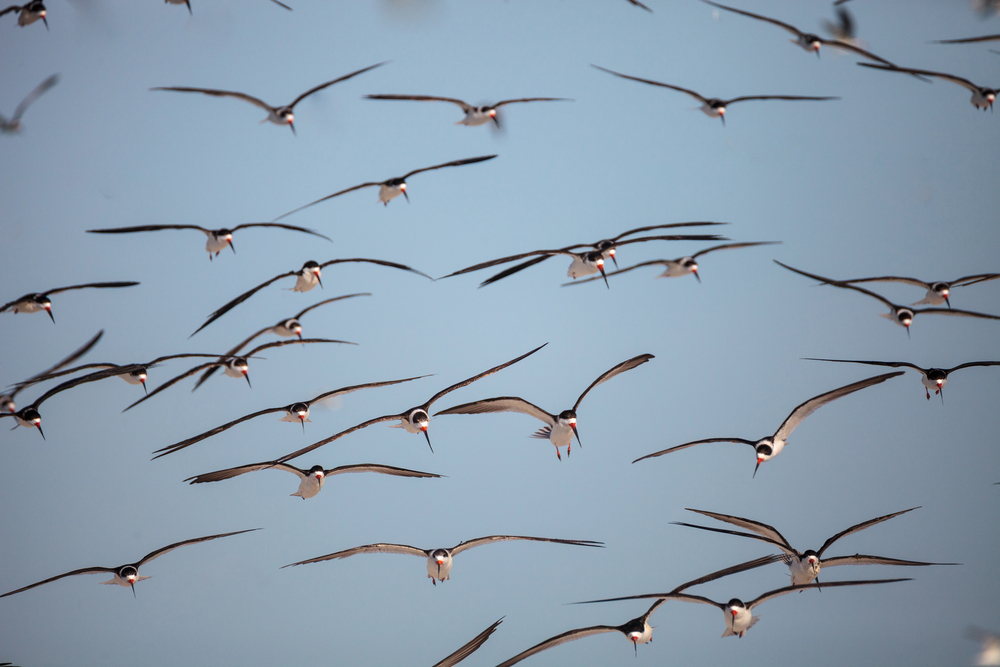
Seabirds receive protection that goes far beyond environmental regulations. Crew members believe these birds carry the souls of sailors lost at sea—harming them brings immediate and severe retribution from the ocean itself.
This superstition has practical benefits for modern cruise operations. Seabirds often indicate proximity to land, changes in weather patterns, or the presence of fish that signal healthy marine ecosystems.
Protecting them maintains the natural signs that help crew members read ocean conditions. The belief runs so deep that crew members will go to extraordinary lengths to rescue injured birds that land on deck, treating their recovery as essential to the ship’s safety and the wellbeing of everyone aboard.
Lucky Pennies and Safe Passage

Throwing coins into the ocean was considered essential insurance. The environmental impact of this practice has started some debates among younger crew members who balance respect for tradition against concerns about marine pollution.
It created interesting discussions in crew quarters where old beliefs meet new awareness about ocean health and the responsibility that comes with working in an industry that depends entirely on healthy seas for its existence. Each coin represents an offering to whatever forces control safe passage, a small price paid for protection that can’t be purchased through conventional means.
The practice varies among different nationalities represented in cruise ship crews. Some prefer pennies, others use coins from their home countries, and a few insist that only silver coins carry sufficient value to ensure protection.
But the underlying principle remains consistent: the ocean expects payment for safe passage, and wise sailors don’t argue with the terms. And there’s something deeply satisfying about this ritual that transcends superstition.
Making an offering to the sea creates a moment of connection between crew members and the vast environment that sustains their livelihood, a brief pause in busy work schedules to acknowledge the power and mystery of their workplace.
The Ship’s Bell Must Never Ring Thirteen Times
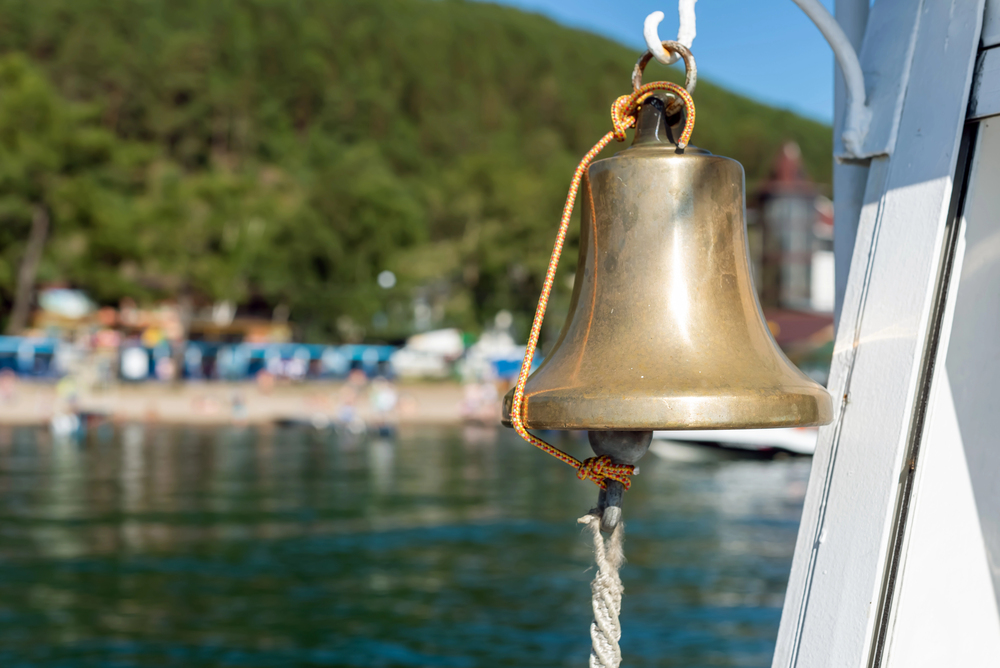
Thirteen rings of the ship’s bell signal death, and crew members guard against this occurrence with vigilance that borders on obsession. The bell serves practical communication purposes throughout each voyage, marking time and announcing important events, but its voice must never carry the number that maritime tradition associates with ultimate misfortune.
Bell duties rotate among crew members who count each strike carefully, ensuring the sequence never reaches the forbidden number. When ceremonies or announcements require extensive bell ringing, crew members deliberately pause and restart the count rather than risk approaching thirteen consecutive rings.
This superstition creates genuine anxiety among crew members who work near the bell. They’ve heard stories of ships that allowed thirteen rings, and the tales always end with tragedy that could have been prevented through simple awareness and respect for maritime tradition.
Never Say The Q Word

Silence protects the ship from chaos, and certain words must never be spoken aboard (particularly during busy periods when operations run smoothly and everyone hopes the rhythm will continue undisturbed, because maritime work operates on the principle that mentioning potential problems can somehow invite them into reality through forces that rational thinking can’t explain but experienced sailors have learned to respect). The word “quiet” tops this list—speaking it aloud supposedly summons exactly the opposite conditions.
Crew members develop elaborate workarounds to avoid forbidden vocabulary. They describe peaceful periods as “calm” or “steady” but never use the word that shall not be named. Violations of this rule create genuine distress among colleagues who believe the speaker has just cursed the entire voyage. This superstition reflects the unpredictable nature of maritime work, where smooth operations can transform into emergencies without warning.
Avoiding certain words becomes a way of maintaining the delicate balance that keeps complex cruise operations running successfully.
Albatross Encounters
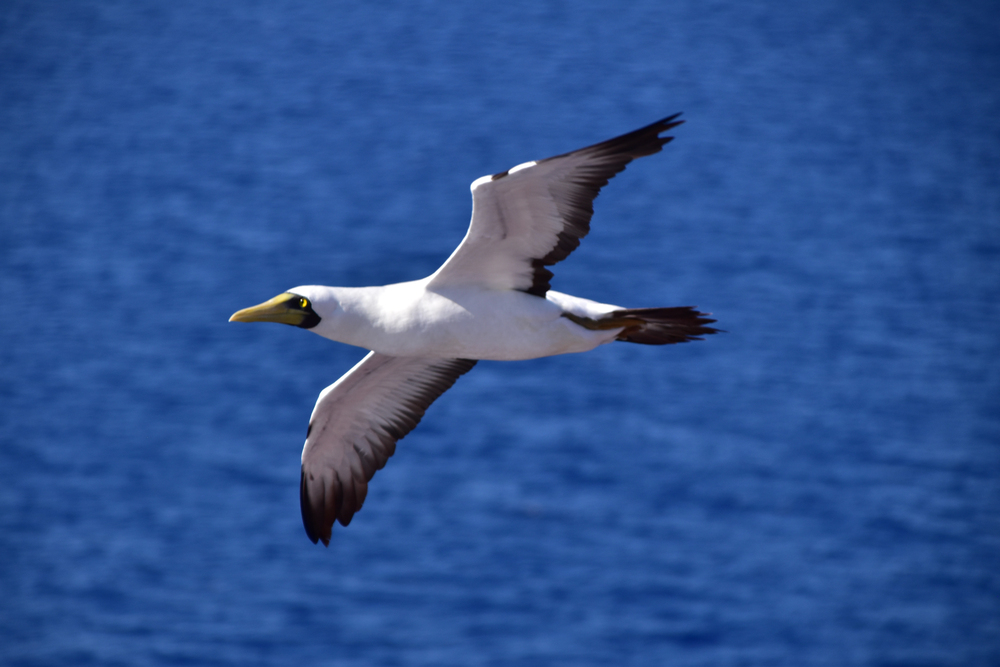
Meeting an albatross at sea carries weight that transcends normal wildlife sightings. These birds embody the souls of deceased sailors, according to maritime tradition, and their appearance near the ship demands specific responses from crew members who understand the gravity of such encounters.
Albatross sightings create profound reverence among crew members. Work stops while staff observe the bird’s behavior, interpreting its flight patterns and proximity to the ship as messages about the voyage ahead.
Feeding or disturbing the bird brings catastrophic bad luck that extends beyond the current voyage. The superstition teaches respect for marine life while connecting crew members to maritime history that spans centuries.
Albatross encounters become shared experiences that remind modern sailors of their connection to everyone who has ever worked at sea.
St. Elmo’s Fire Brings Protection

The electrical phenomenon known as St. Elmo’s fire transforms superstition into spectacle when it appears on the ship’s rigging during storms. Crew members view these dancing blue flames as divine protection, evidence that higher powers watch over the vessel and its occupants.
Rather than fearing this electrical display, crew members celebrate its appearance as confirmation that the ship will survive whatever weather challenges lie ahead. The phenomenon becomes a source of comfort during difficult passages, proof that the vessel enjoys supernatural protection.
St. Elmo’s fire creates bonding experiences among crew members who witness it together. These shared moments of wonder strengthen the maritime community that sustains crew morale during long voyages away from home and family.
First Voyage Rituals
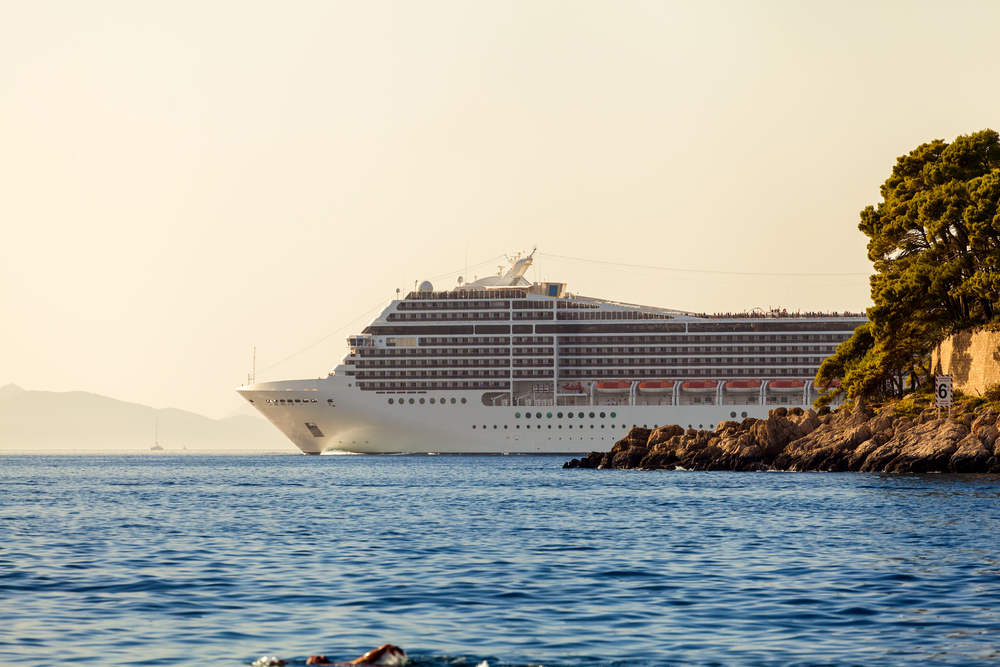
New crew members undergo initiation rituals that connect them to maritime tradition while establishing their place in the ship’s social hierarchy. These ceremonies aren’t hazing—they’re serious rites of passage that transform landlubbers into legitimate sailors.
Crossing the equator triggers the most elaborate initiation ceremony, where experienced crew members guide newcomers through trials that test their commitment to maritime life. The ritual creates bonds between crew members while honoring traditions that span generations of seafaring culture.
First voyage rituals serve practical purposes beyond superstition. They help new crew members understand the serious nature of maritime work while building relationships that enhance safety and cooperation throughout the voyage.
Empty Rooms Stay Empty
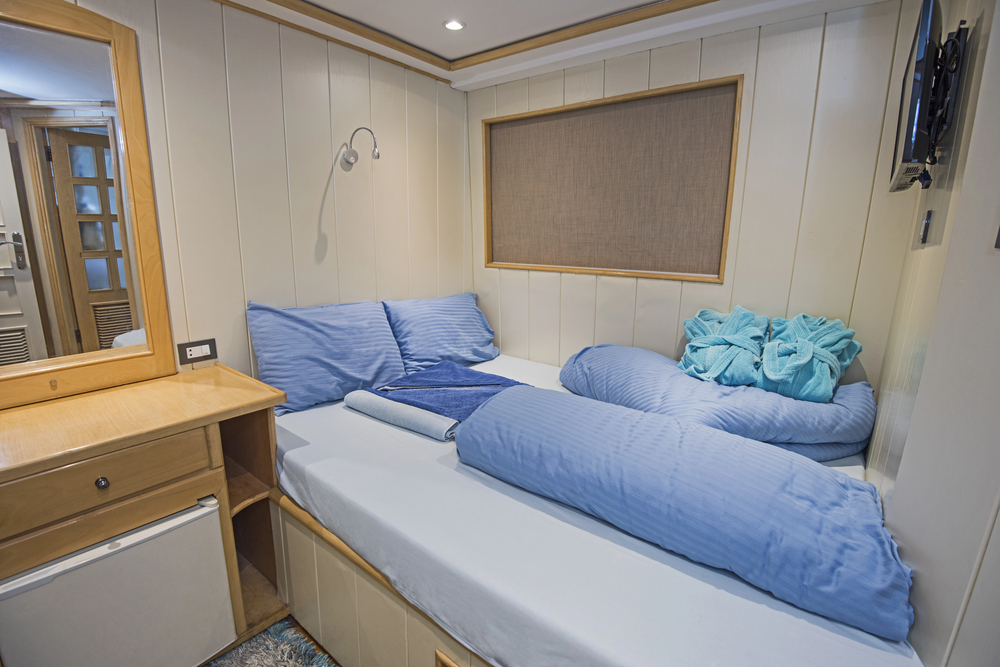
Certain passenger cabins develop reputations that keep them perpetually vacant, despite the cruise line’s commercial interest in booking every available space. These aren’t officially haunted rooms—they’re spaces where unexplained events create discomfort among crew members responsible for maintaining them.
Crew members report strange occurrences in these cabins: lights that operate independently, doors that open without assistance, and temperatures that fluctuate without mechanical explanation. Rather than investigating these phenomena, staff prefer to keep the rooms unoccupied to avoid disturbing whatever presence might reside there.
This superstition creates practical problems for housekeeping staff who must clean and maintain empty rooms while respecting the boundaries that protect both guests and crew from potential supernatural encounters.
When Superstition Meets the Sea
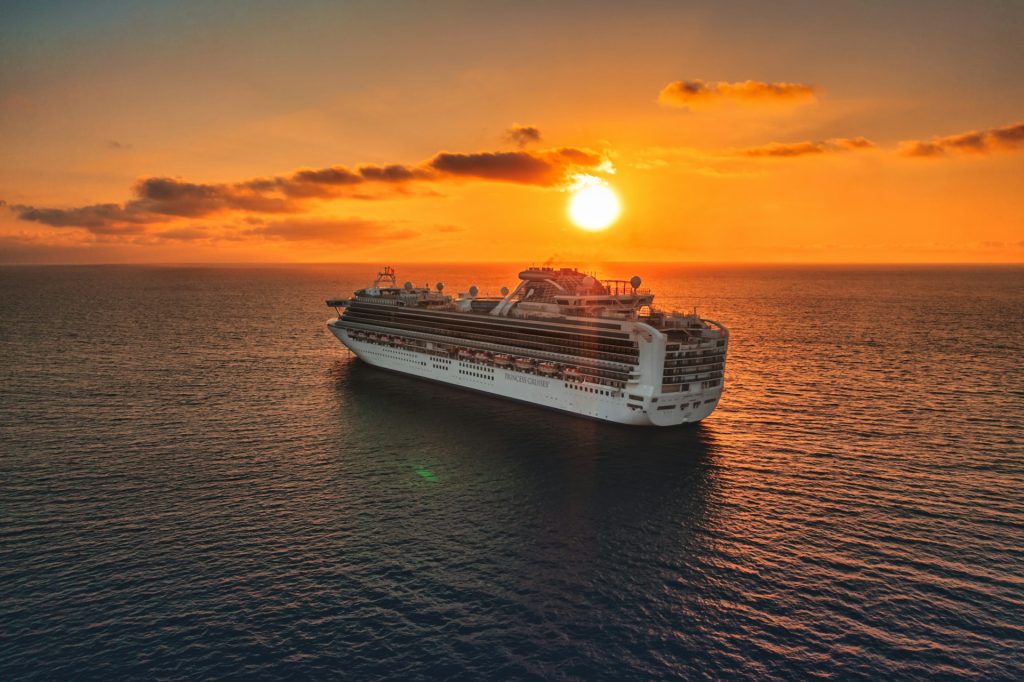
These beliefs persist because they serve purposes beyond mere tradition. They create shared culture among international crew members, provide comfort in an unpredictable work environment, and maintain connections to maritime heritage that spans centuries of seafaring experience.
Modern cruise ships operate with sophisticated technology that would amaze sailors from previous generations. Yet the ocean remains fundamentally unchanged—vast, powerful, and unpredictable.
In such an environment, superstition provides psychological anchoring that helps crew members navigate the emotional challenges of life at sea while honoring the wisdom of those who came before them.
More from Travel Pug

- Underrated Italian Towns That Beat the Tourist Crowds
- Las Vegas Tourist Traps to Skip
- Prettiest Towns in Every US State
- 18 passport-free countries for Americans
- Signs Your Cruise Is Not Worth The Cost
Like Travel Pug’s content? Follow us on MSN.