

Two capitals of empire. One journey you won’t forget. Despite being only four hours apart by train, Prague and Vienna have very different personalities; one is a grand Habsburg display of imperial elegance, while the other is a Gothic fairy tale that has been frozen in time. This comprehensive list of must-see locations, undiscovered treasures, and useful advice will make your trip through Central Europe a hassle-free exploration of two of the continent’s most fascinating cities.
Prague Castle
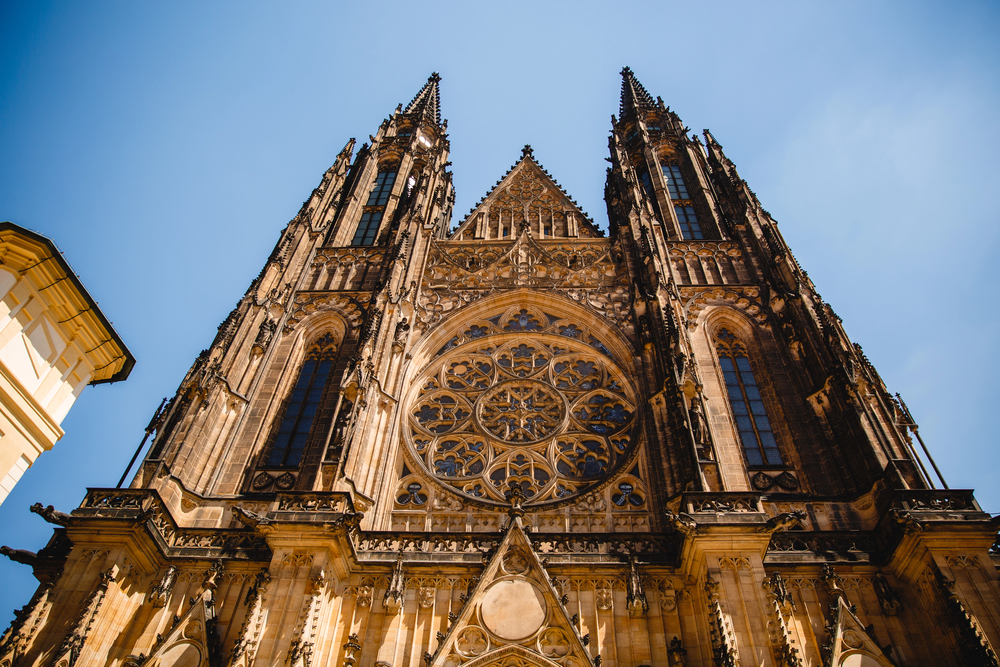
The largest castle complex in the world spans nine centuries. There are palaces, churches, gardens, and even a monastery that once housed Bohemian kings and Holy Roman Emperors inside these walls, giving the impression that an entire medieval city is suspended above Prague’s red rooftops. This is not just a single fortress perched on a hill.
St. Vitus Cathedral dominates the skyline with its Gothic spires, while the Old Royal Palace whispers stories of medieval coronations. Arrive early to avoid crowds.
Charles Bridge
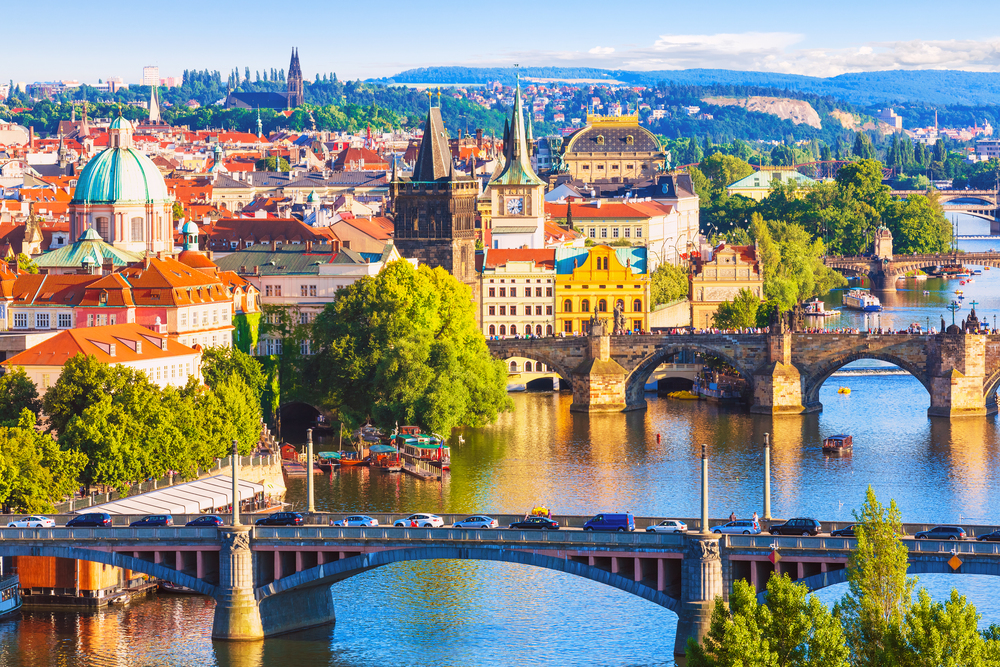
Under King Charles IV, construction started in 1357, and for almost 500 years, this stone bridge served as Prague’s sole river crossing.
It’s like entering a living museum when you walk through it. The pedestrian walkway is lined with thirty baroque statues, each with a unique legend. Early morning visits provide the best light for photos and fewer tourists to obstruct your ideal shot, while the sound of buskers blends with the aroma of street food.
Old Town Square
— Photo by AlexGukBO
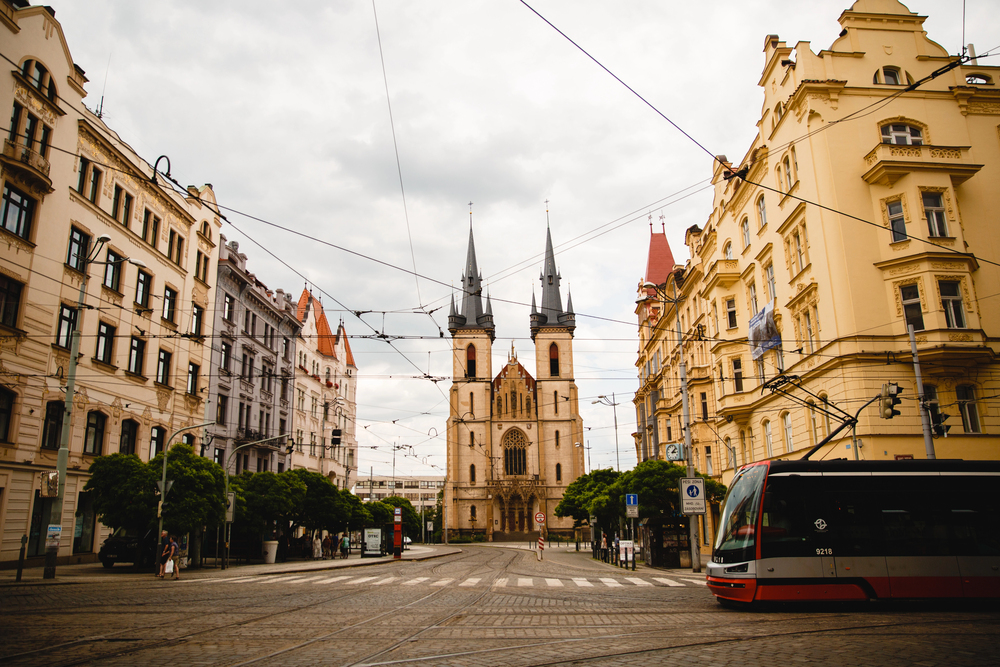
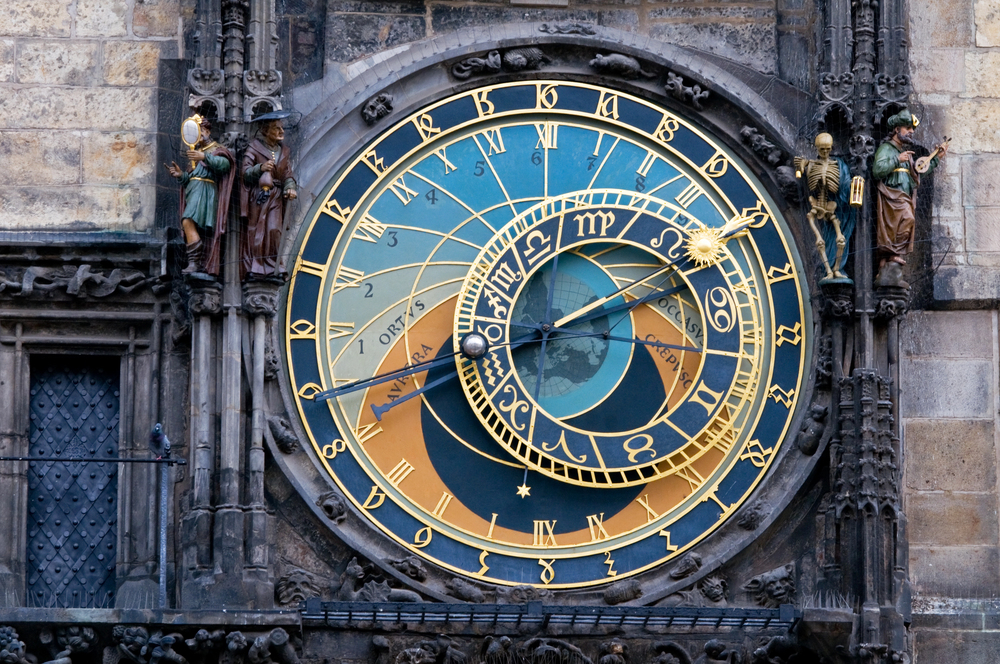
Six hundred years ago, merchants gathered here to trade. Today, visitors gather to watch the famous Astronomical Clock strike the hour.
The clock’s medieval mechanics still fascinate crowds every sixty minutes. Gothic churches frame the square on multiple sides. But don’t just watch the clock—explore the narrow streets radiating outward like spokes on a wheel.
Jewish Quarter
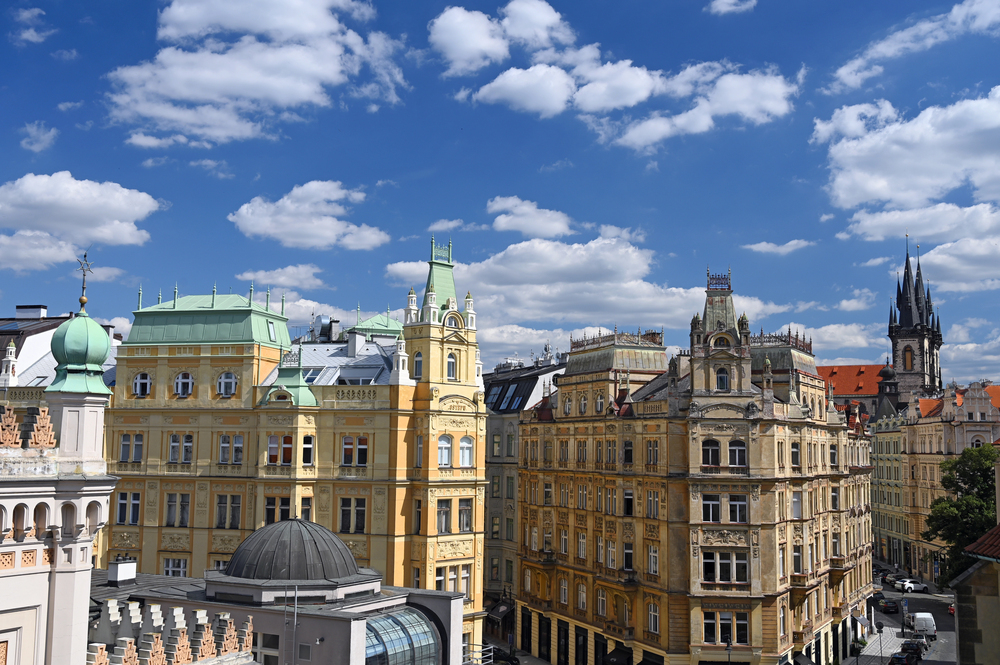
Prague’s Jewish Quarter survived both Nazi occupation and Communist rule remarkably intact. Six synagogues and the Old Jewish Cemetery create one of Europe’s most moving historical districts.
The cemetery contains over 12,000 graves stacked in layers due to space constraints. Some tombstones date back to the 15th century. It’s a sobering experience. Allow at least two hours to properly absorb the weight of this place.
Wenceslas Square
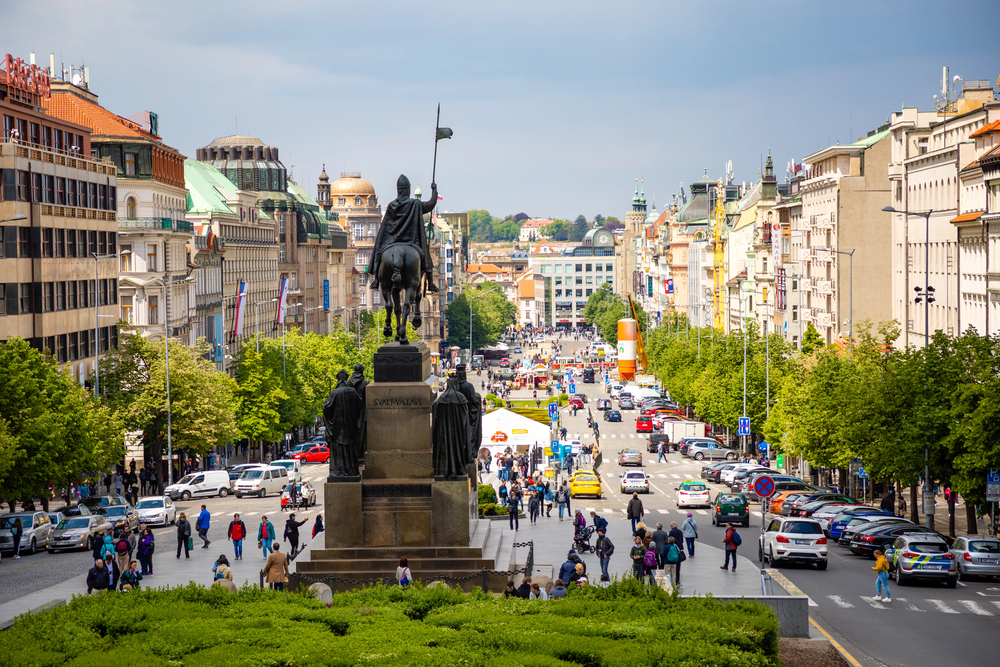
— Photo by DTatiana
This mile-long stretch, which is more boulevard than square, is teeming with contemporary Prague energy as dining, shopping, and nightlife come together in the same area where nonviolent protesters gathered during the Velvet Revolution.
The National Museum anchors one end. Cafés and shops line both sides. Wenceslas, Duke of Bohemia, later known as “Good King Wenceslas,” is honored with a statue at the square’s top.
Vienna’s Hofburg Palace
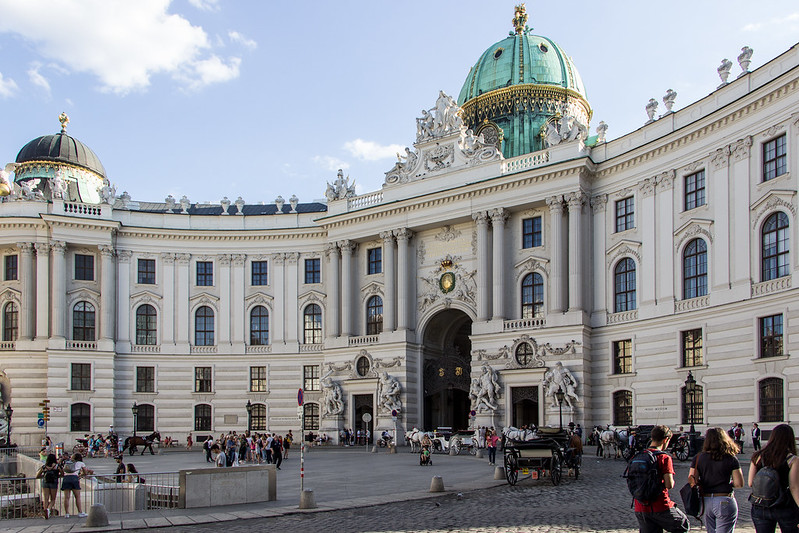
The winter residence of Habsburg emperors now houses multiple museums, state apartments, and the Spanish Riding School. This isn’t just one building—it’s an entire district of imperial power where you could easily spend an entire day wandering between courtyards and getting pleasantly lost in the maze of interconnected wings.
The Sisi Museum tells Empress Elisabeth’s tragic story through personal artifacts. The Imperial Apartments showcase royal living quarters in stunning detail. Still, the palace’s courtyards and gardens offer moments of quiet reflection between museum visits.
Schönbrunn Palace
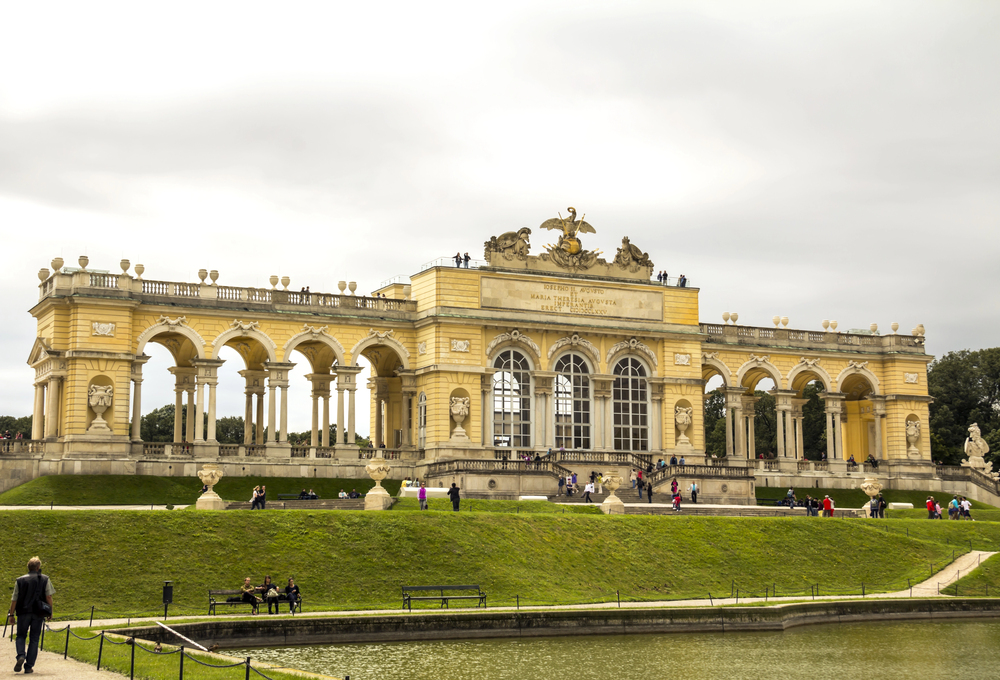
— Photo by doganmesut@hotmail.com
A hilltop gloriette with expansive city views and well-kept gardens surrounds Vienna’s version of Versailles. When Maria Theresa decided to make yellow the color of the palace, it became known as “Schönbrunn Yellow.”
Habsburg luxury at its height is displayed in forty public rooms. The gardens are vast, more than you can explore in a single visit.
Vienna State Opera
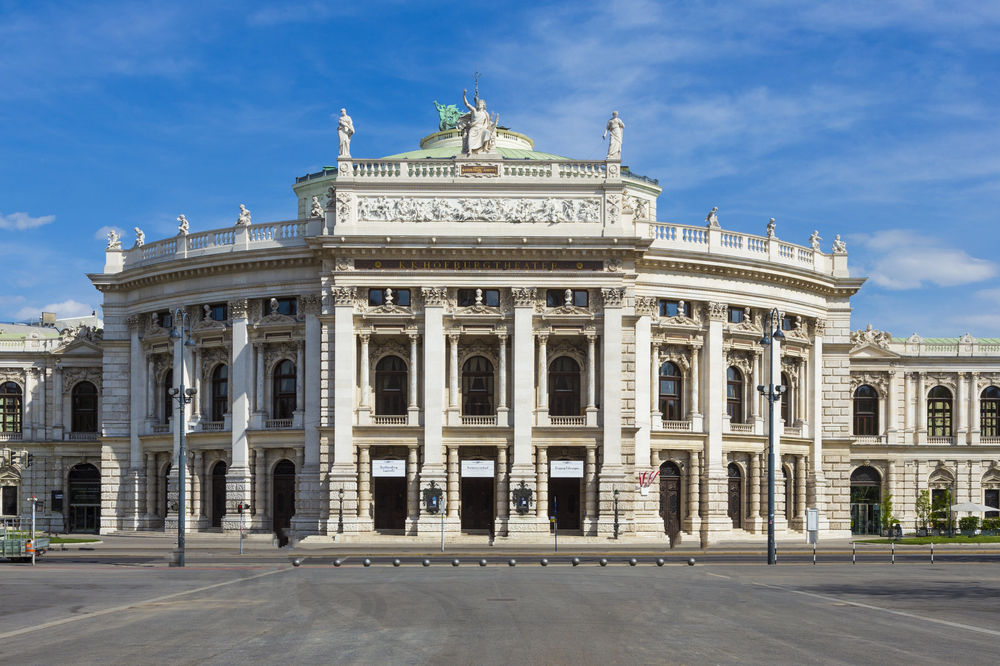
Even those who are skeptical of opera should think about seeing a performance at this storied location. After being bombed during World War II, the building was rebuilt with its lavish original foyer intact.
Standing room tickets cost just a few euros, making world-class opera accessible to any budget. The season runs September through June, so book ahead for popular productions, though last-minute tickets often become available for the persistent.
Naschmarkt
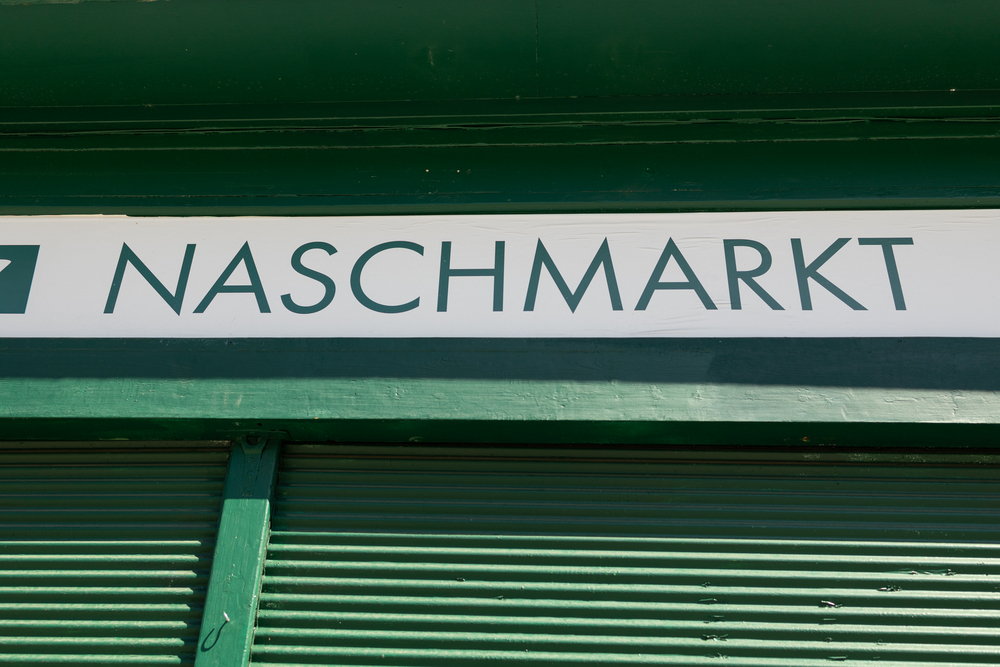
— Photo by giorgiorossi73
Vienna’s most famous market stretches for over a mile, offering everything from Austrian cheese to Indian spices. Vendors have traded here since the 16th century, though the current market dates to the 1790s.
Saturday brings a flea market to the western end. Restaurant terraces provide people-watching opportunities between shopping. The market feels most authentic on weekday mornings when locals outnumber tourists.
Belvedere Palace
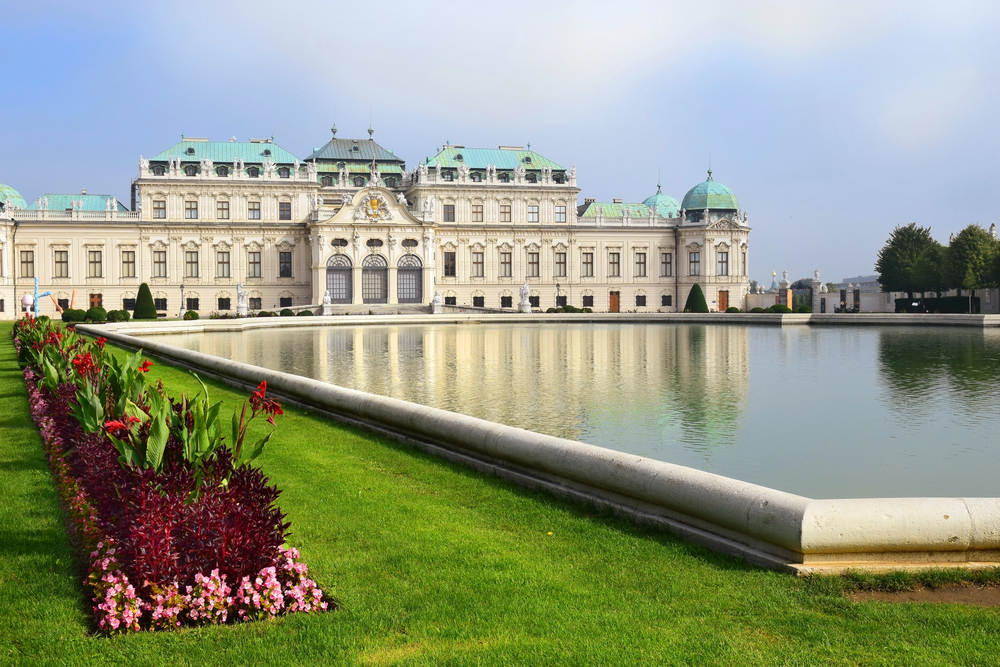
Baroque architecture at its finest houses one of the world’s greatest collections of Austrian art. The palace actually consists of two buildings—Upper and Lower Belvedere—connected by terraced gardens that cascade down the hillside like an elegant green waterfall.
Gustav Klimt’s “The Kiss” draws crowds to the Upper Belvedere. Even so, the gardens themselves deserve equal attention, especially the view from the upper palace looking back toward Vienna’s city center.
Czech beer culture
— Photo by panama7
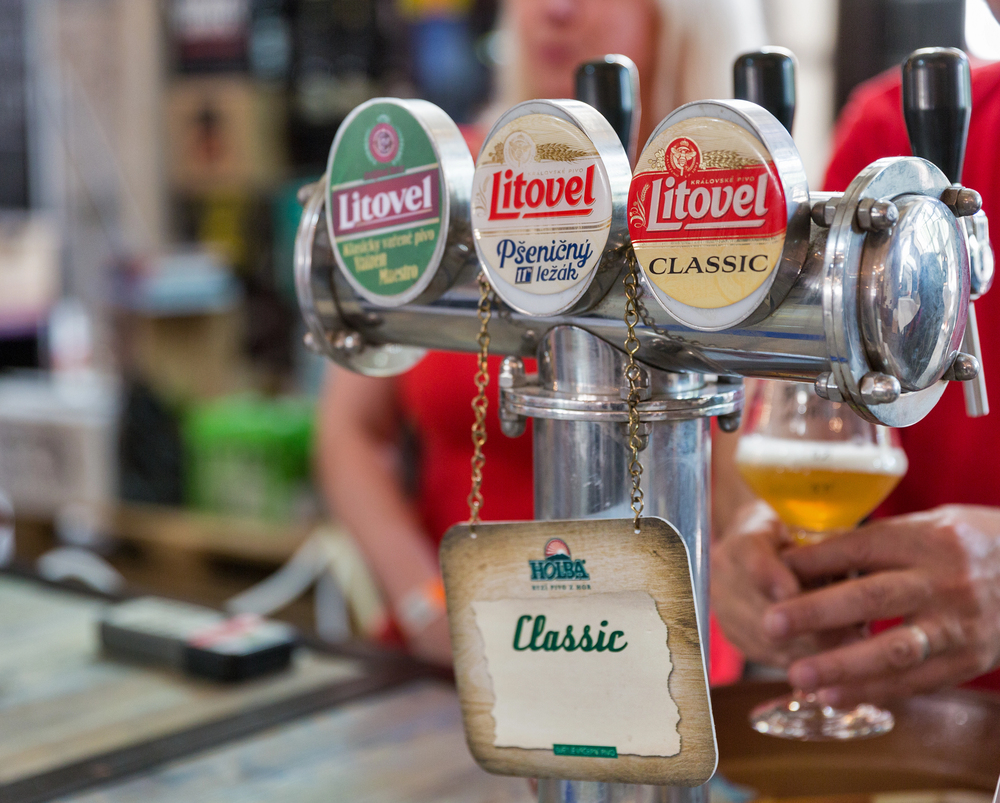
Prague produces some of the world’s finest beer, and locals take their pivo seriously. Pilsner originated in nearby Plzen, but Prague’s beer halls perfected the art of proper pouring and serving.
Traditional establishments like U Fleků have brewed continuously for over 500 years. Modern microbreweries experiment with new flavors while respecting old traditions. A beer with lunch isn’t unusual—it’s expected.
Viennese coffee houses
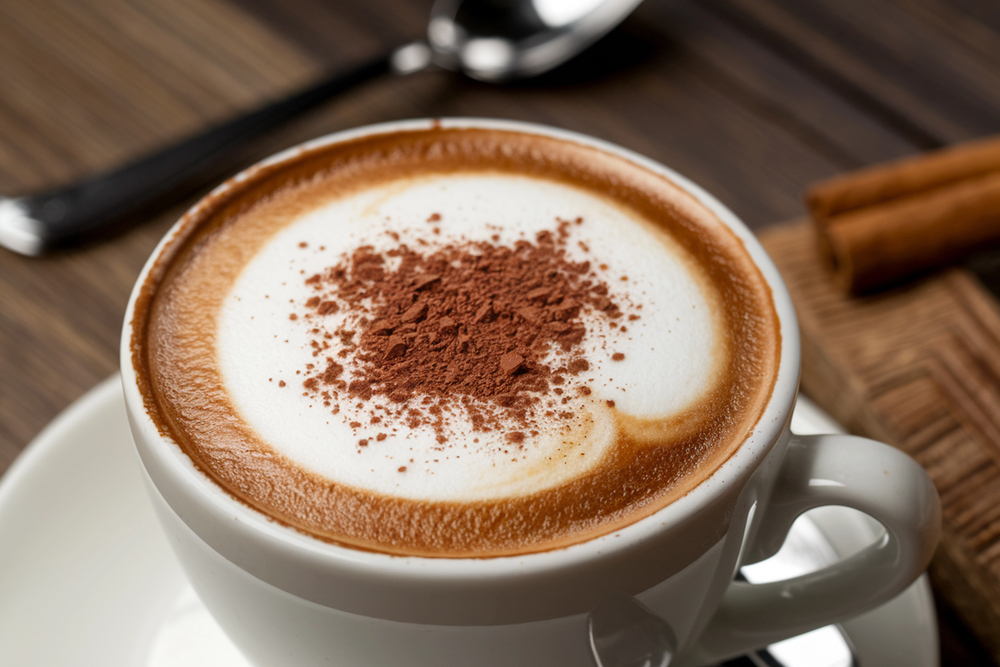
Coffee culture here transcends mere caffeine consumption. These establishments function as social clubs, libraries, and informal offices where conversations stretch across entire afternoons and nobody minds if you claim the same table for hours.
Order a Melange (Vienna’s answer to cappuccino) and settle in with a newspaper. Waiters won’t rush you. Many coffee houses display local artwork or host literary readings. This is slow living at its most refined.
Train connections
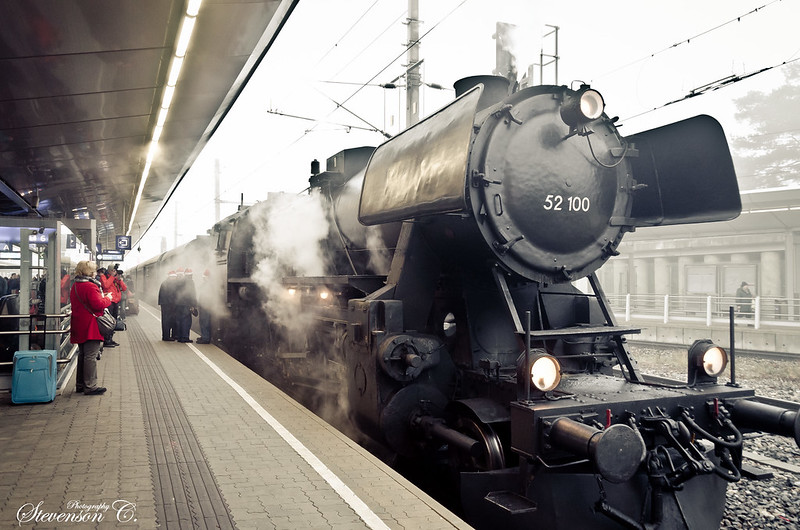
Regional trains connect Prague and Vienna in approximately four hours, departing multiple times daily. Book tickets online in advance for better prices and seat reservations.
First-class upgrades provide more spacious seating and complimentary refreshments. The route passes through scenic Czech and Austrian countryside, making the journey itself part of the experience. Border checks between countries no longer exist.
Seasonal timing
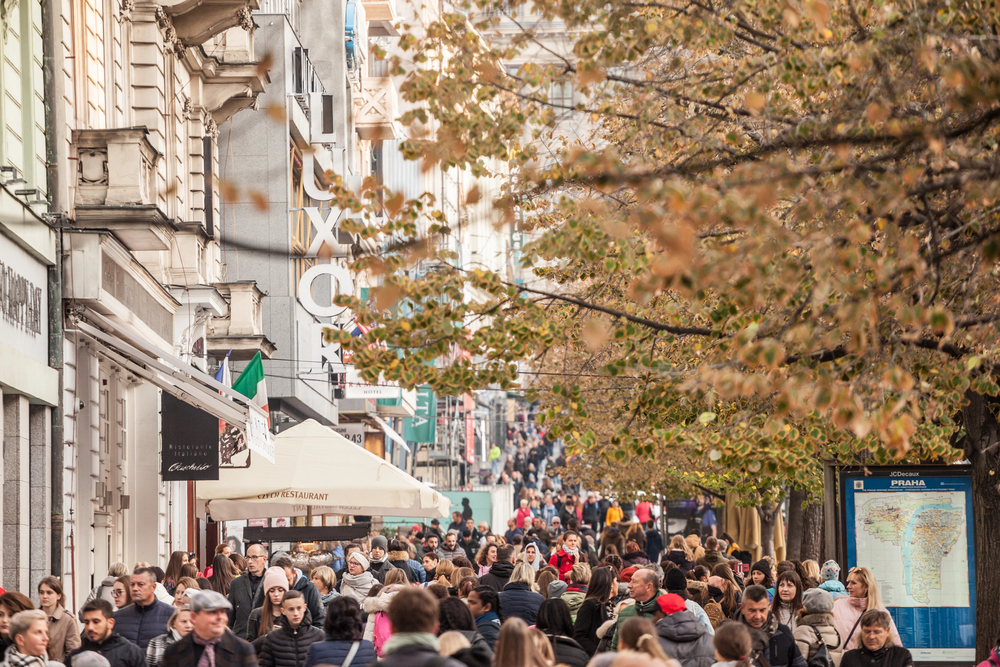
— Photo by BalkansCat
Spring and fall offer ideal weather without summer’s tourist crowds. May through September provides the warmest temperatures and longest daylight hours for sightseeing.
Winter brings Christmas markets to both cities, transforming squares into festive wonderlands. Still, daylight ends early, and the weather can be unpredictable. Summer means peak season pricing and crowded attractions, but also outdoor concerts and garden festivals.
Day trip to Český Krumlov
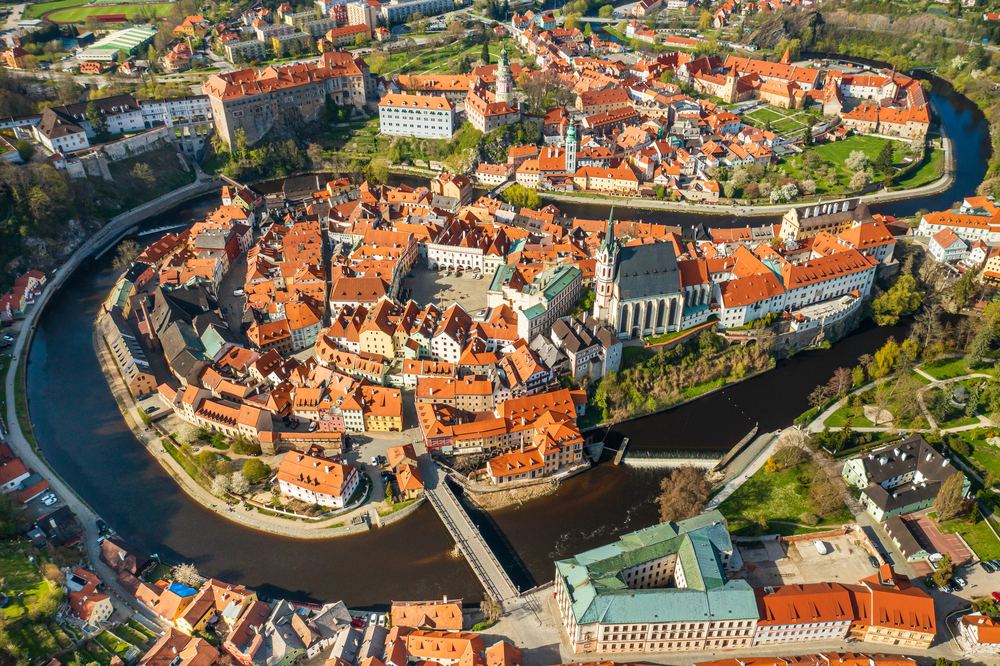
This UNESCO World Heritage town sits two hours south of Prague by bus. Medieval streets wind around a dramatic castle complex overlooking the Vltava River.
The town feels like a movie set that never stopped filming. Renaissance architecture remains virtually unchanged since the 16th century. Most visitors can see the main sights in a half-day, making this an ideal Prague day trip.
Classical music in Vienna
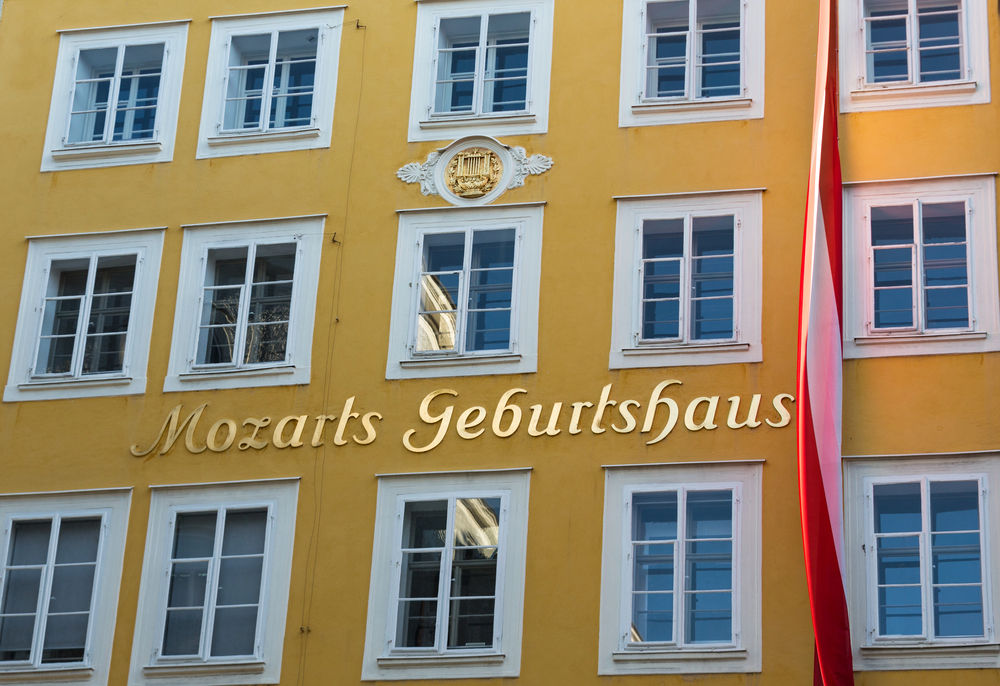
— Photo by wjarek
Mozart, Beethoven, and Strauss all called Vienna home. Today’s concert calendar reflects this musical heritage with performances in historic venues throughout the city.
St. Stephen’s Cathedral hosts regular concerts featuring works by Vienna’s famous composers. The Musikverein’s Golden Hall offers world-renowned acoustics. Even hotel lobbies frequently showcase classical performances during tourist season.
Prague’s food scene
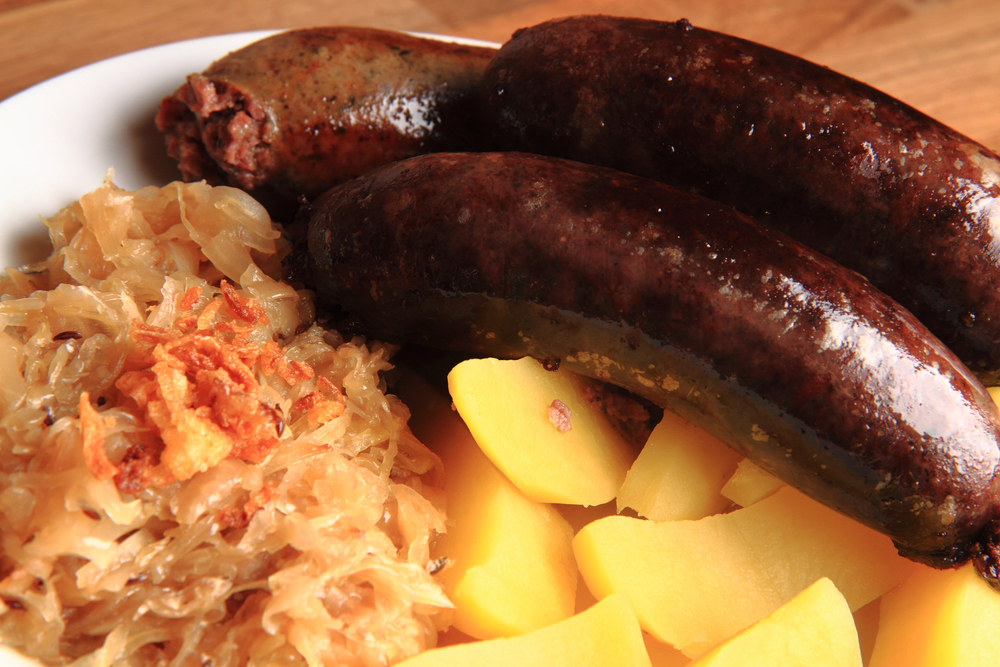
Traditional Czech cuisine centers around hearty portions of meat, potatoes, and sauerkraut. Modern Prague restaurants increasingly experiment with international flavors while respecting local ingredients.
Goulash appears on every menu, though the Czech version differs significantly from Hungarian preparations. Bread dumplings accompany most main dishes. And remember—bread arrives automatically at most restaurants, usually with a small charge.
Vienna’s imperial legacy
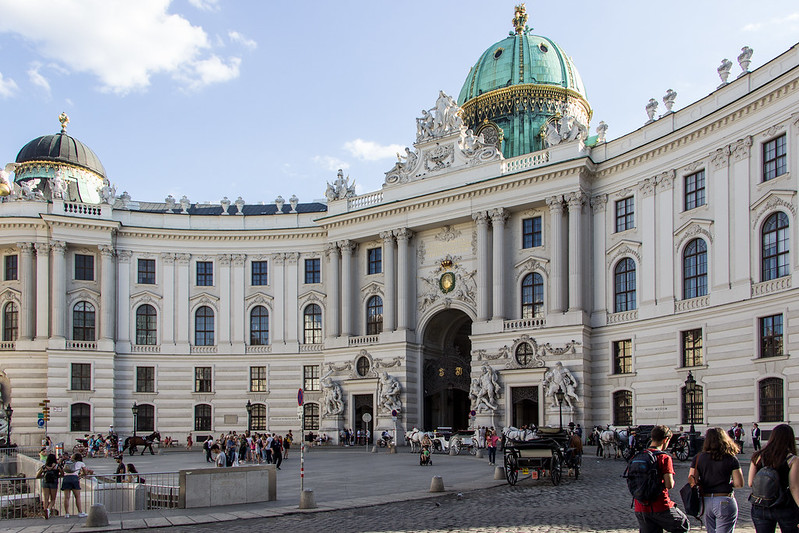
Habsburg influence shaped Vienna’s architecture, culture, and daily rhythms for over 600 years. This imperial past remains visible on every street corner, from palace facades to coffee house traditions.
The family’s motto, “Austria is destined to rule the world,” may have proved overly ambitious, but their cultural impact on Vienna endures. Understanding Habsburg history helps decode the city’s layout, museum collections, and social customs.
Transportation within cities
— Photo by 3d_generator
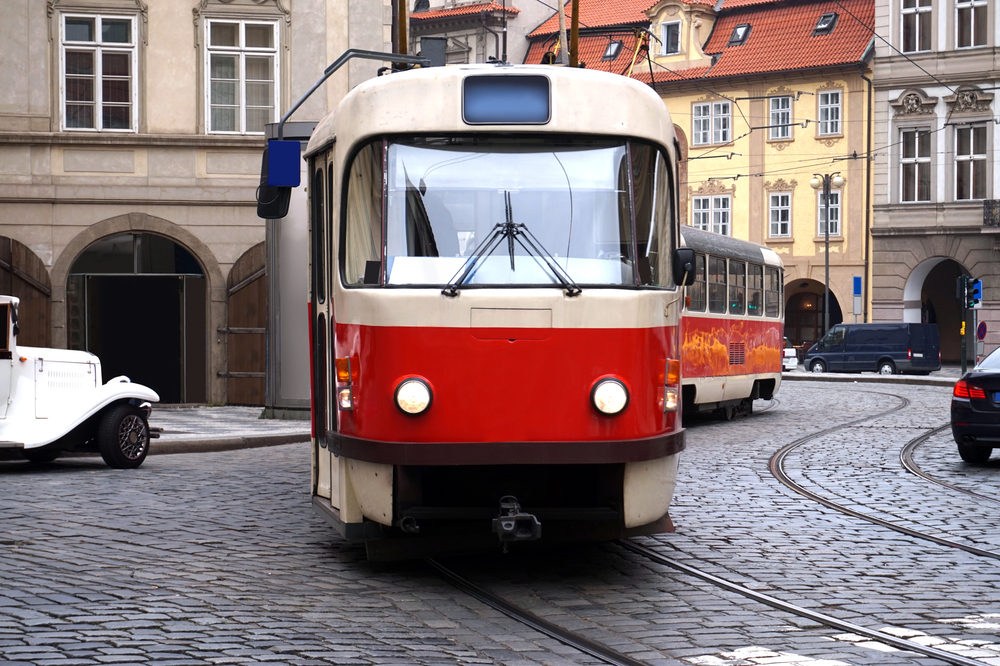
Both Prague and Vienna offer excellent public transportation systems including metros, trams, and buses. Multi-day passes provide better value than individual tickets for tourists planning multiple daily trips.
Prague’s trams navigate the city’s hills more efficiently than walking. Vienna’s U-Bahn connects major attractions with frequent service. Both cities remain very walkable for those preferring to explore on foot.
Where memories crystallize
Prague’s Gothic spires and Vienna’s imperial grandeur create lasting impressions that transcend typical tourist experiences. These cities reward slow exploration, chance discoveries, and willingness to wander beyond major attractions. The real magic happens in quiet moments—watching sunrise over Charles Bridge, lingering over afternoon coffee, or stumbling upon a hidden courtyard garden. This is travel that changes perspective, not just passport stamps.
More from Travel Pug

- Underrated Italian Towns That Beat the Tourist Crowds
- Las Vegas Tourist Traps to Skip
- Prettiest Towns in Every US State
- 18 passport-free countries for Americans
- Signs Your Cruise Is Not Worth The Cost
Like Travel Pug’s content? Follow us on MSN.