

While Seoul captivates millions with its neon-lit streets and K-pop beats, the real soul of Korean culture pulses quietly in cities scattered across the peninsula. Ancient capitals preserve thousand-year-old secrets, coastal towns blend maritime traditions with modern art, and mountain villages guard Confucian wisdom passed down through centuries. Below are 15 cultural destinations that reveal Korea’s depth beyond its glittering capital.
Gyeongju
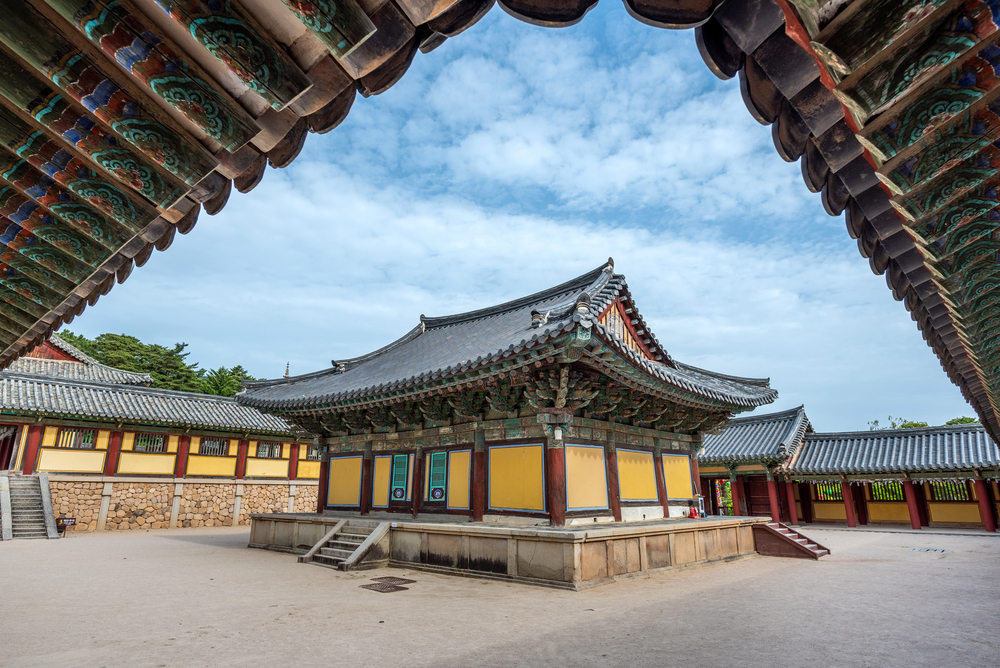
Koreans call this southeastern city “the museum without walls” for good reason—Gyeongju was the capital of the ancient Silla Kingdom for nearly a millennium, and archaeological treasures still emerge from every corner. Royal burial mounds rise like green hills throughout the city center. Marvel at pagodas and royal tombs before visiting the UNESCO-listed Bulguksa Temple, a 30-minute bus ride away.
The morning mist over Cheomseongdae observatory carries whispers of Queen Seondeok, Korea’s first female ruler. From here, a two-mile hike leads to the hermitage of Seokguram Grotto, famous for its Buddhist sculptures and views out over the sea.
Busan
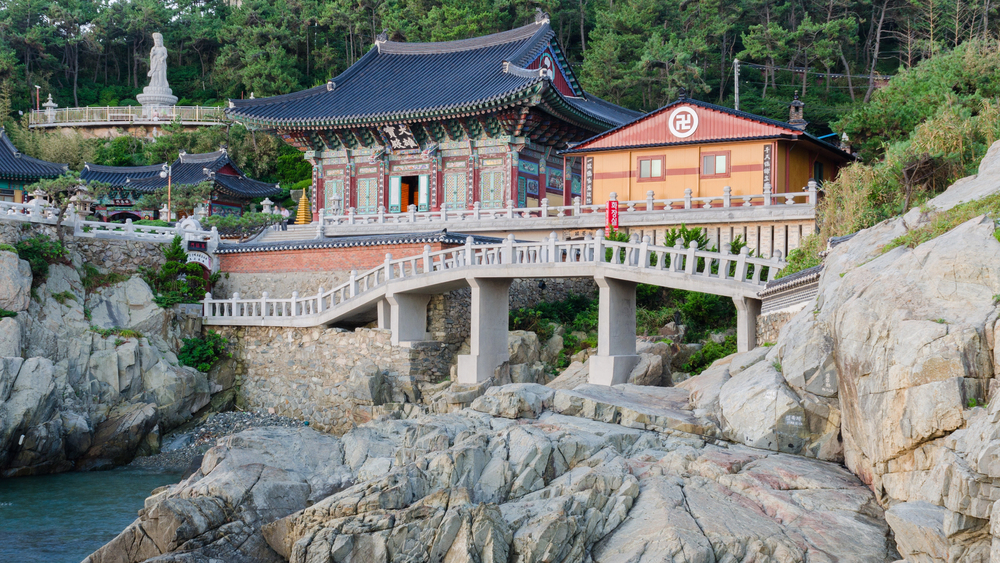
This modern city-by-the-sea in the southeast offers coastal parks, beaches, and Jagalchi, the country’s largest fish market, where you can feast on all manner of seafood. But Busan’s cultural heartbeat extends far beyond fresh catch. The city’s film festival draws international attention each autumn. Street art blooms across Gamcheon Culture Village, often nicknamed “Korea’s Machu Picchu”.
With its chic clubs and coastal charm, you’ll find plenty of options to enjoy both glamorous nights out and traditional temple visits.
Jeonju
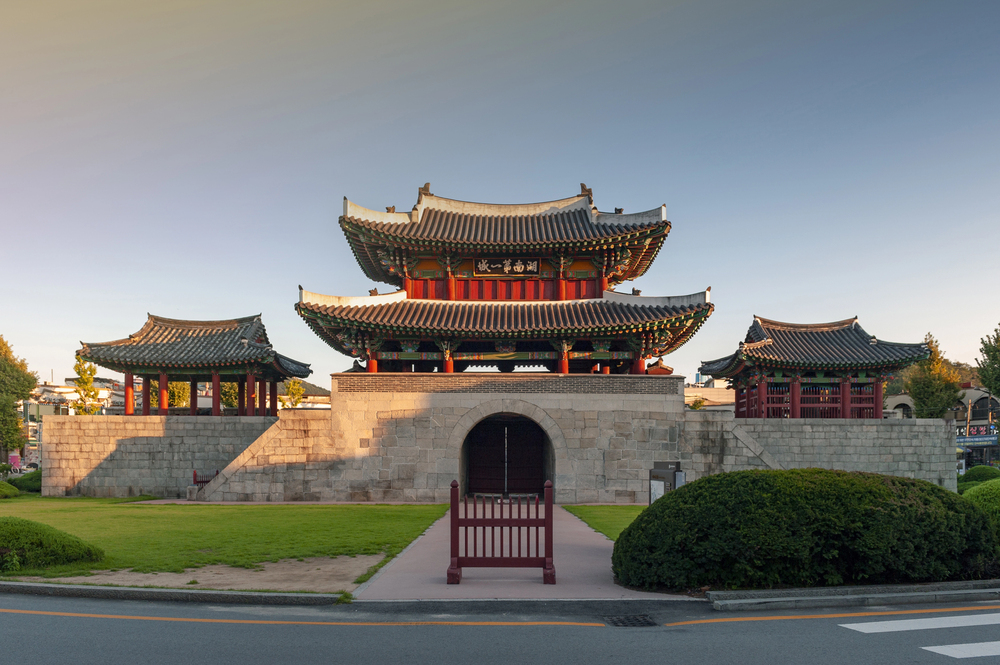
Famous for their bibimbap and makgeolli, this city preserves Korea’s most authentic hanok village with over 600 traditional houses. The cobblestone streets echo with the sounds of traditional craft workshops. Paper fans flutter in tea house windows.
Locals dress in traditional hanbok attire to roam the streets, visit museums, and relax in quaint tea houses. During spring, the International Film Festival transforms quiet corners into buzzing cultural hubs. Trust the locals—stay overnight in a hanok guesthouse rather than rushing through.
Jeju Island
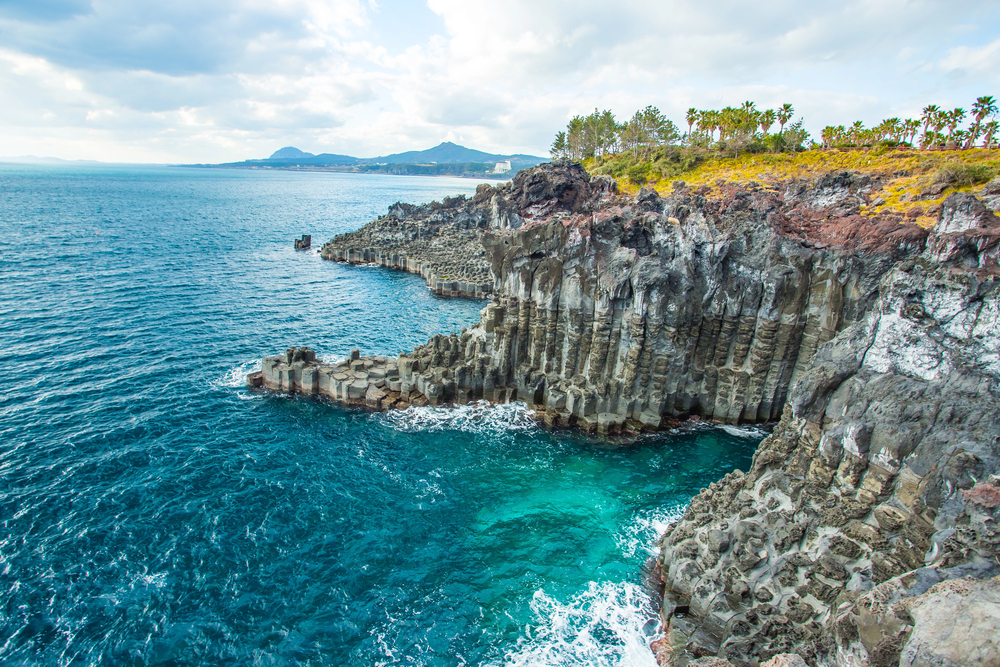
This volcanic island comprises three UNESCO sites: Hallasan Mountain, Geomunoreum Lava Tube System, and Seongsan Ilchulbong Tuff Cone. But Jeju’s cultural significance runs deeper than geological wonders. The island is home to haenyeo, women divers who plunge substantial depths without oxygen masks to gather abalone and sea urchins, some continuing this tradition into their eighties.
Seongsan Ilchulbong, standing 182 meters above sea level, offers good views of the surrounding sea, especially at dawn when people gather for sunrise devotion, believing it brings luck. The area pulses with legends and traditions of the local population.
Andong
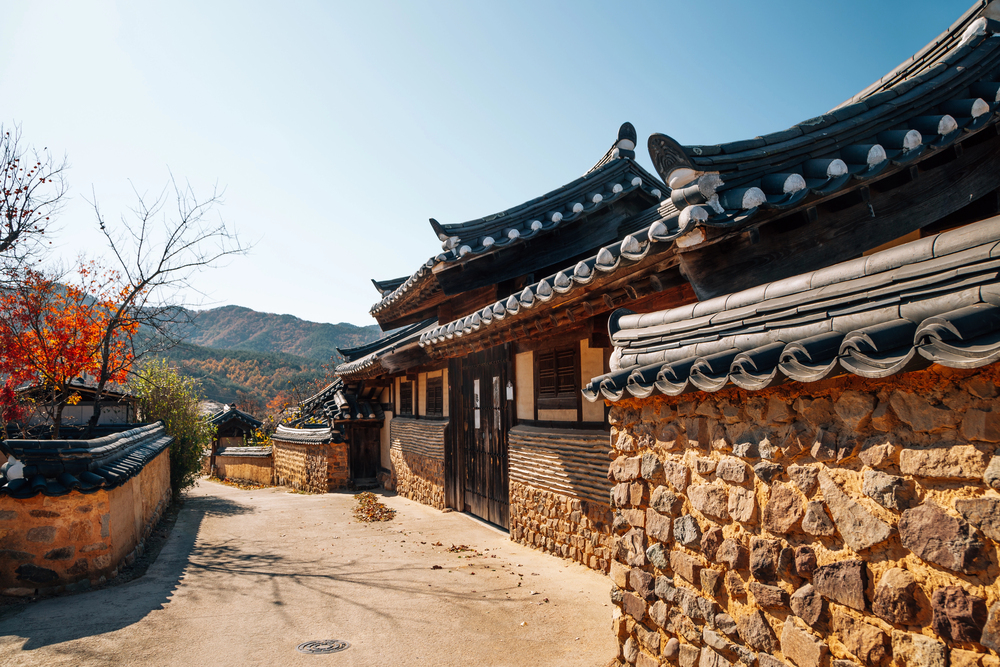
Hahoe Folk Village showcases traditional Korean architecture and Confucian culture, inhabited by the Ryu clan for over 600 years. Ancient hanoks cluster around the Nakdong River bend. Traditional mask dances, scenic river views, and serene pine forests surround the village.
Hahoetal masks used in harvest ceremonies date back to the 12th century. Visit during late September for the Mask Dance Festival. The village feels like stepping into a living history book where every timber beam holds stories.
Boseong
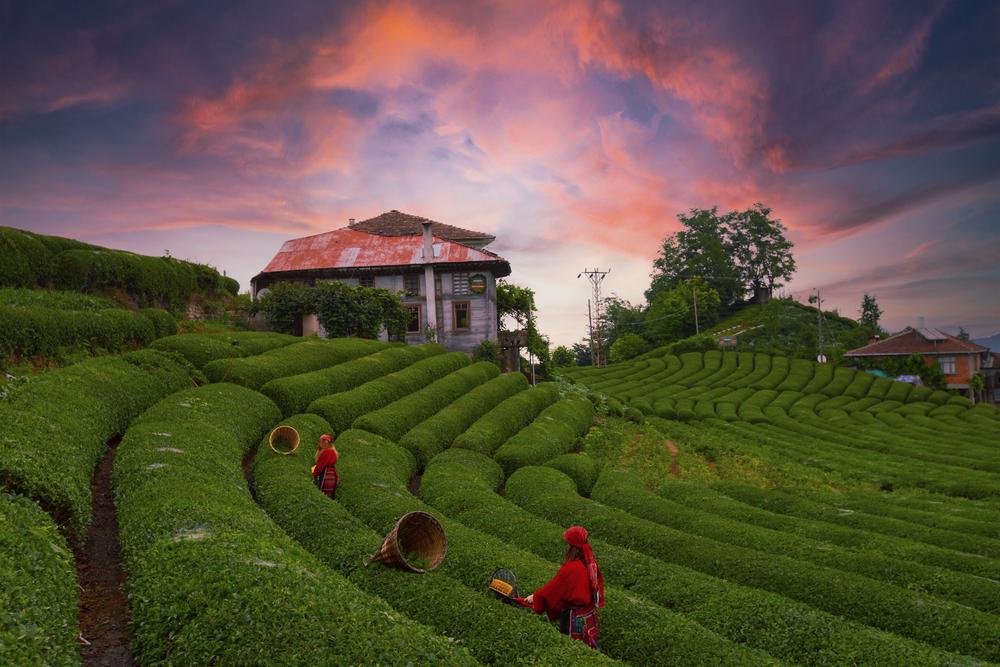
— Photo by Muhur
South Korea’s most famous tea plantations stretch across terraced hills in neat rows of emerald tea plants along the valleys. The Green Tea Festival each spring draws thousands to sample fresh brews at their source. Walking paths wind between plantation rows. Not great for shade, though.
This hidden gem surprises visitors with its sprawling terraced tea farms in the southwestern part of the country. The ritual of tea preparation here connects visitors to centuries of Korean tea culture.
Suwon
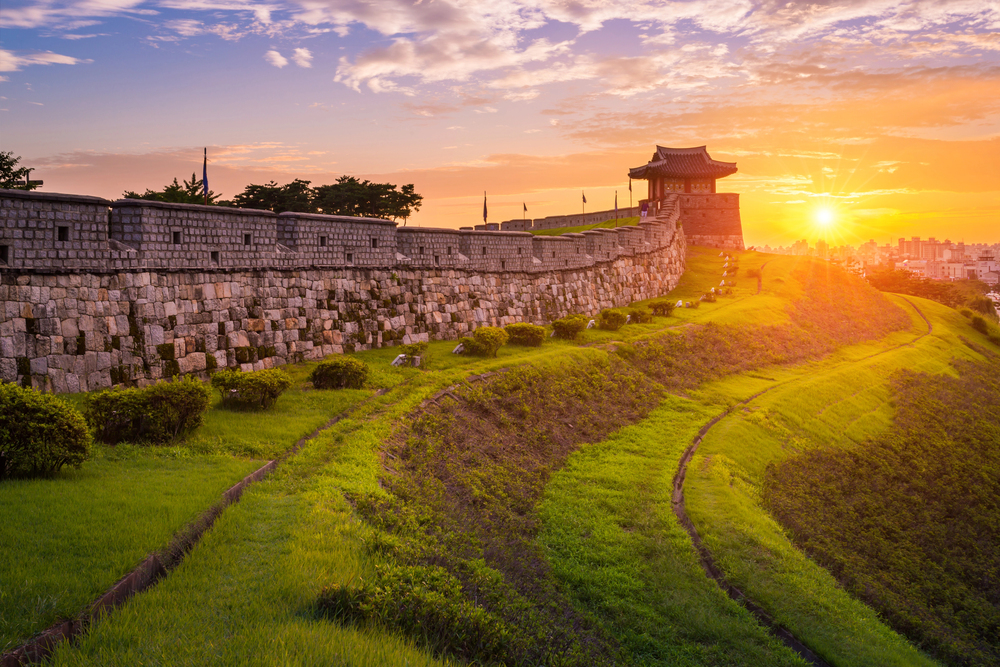
Hwaseong Fortress stretches for 3.5 miles and was designated as a UNESCO World Cultural Heritage Site in 1997 for its historical value. Built in 1796 during King Jeongjo’s reign, the fortress showcases scientific construction methods including crane devices and pulley wheels developed by Confucian scholar Jeong Yak-yong.
The fortress walls climb Paldalsan Mountain’s slopes. The fortress offers various performances daily as well as the Suwon Hwaseong Cultural Festival every fall. Modern Suwon buzzes around this ancient monument, creating an intriguing past-present dialogue.
Gangneung
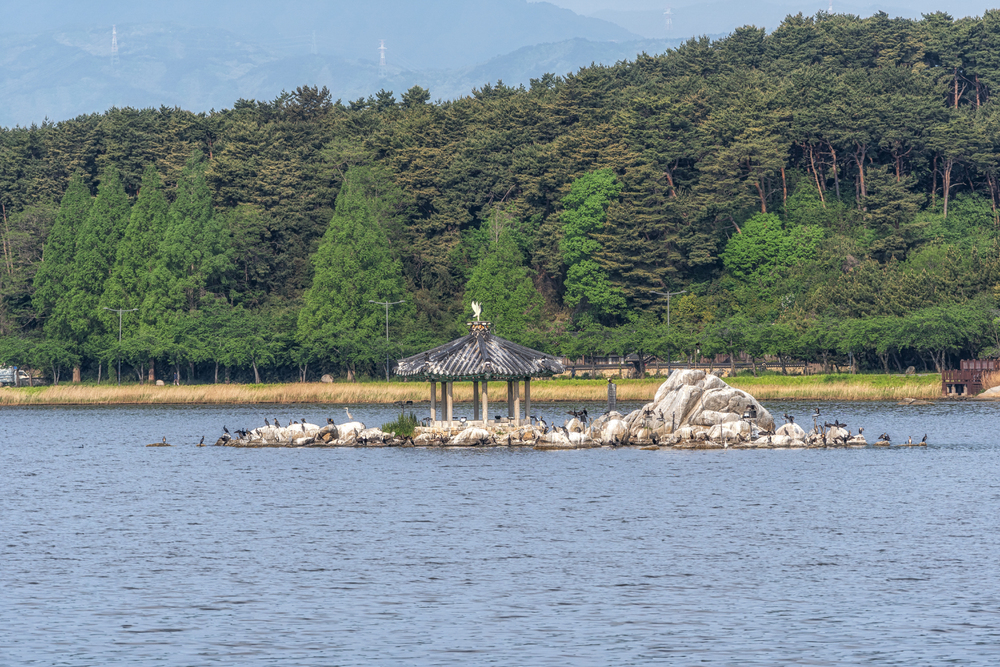
On the east coast, the fragrance of pine cuts through the briny air. Visit Gyeongpo Lake and Gyeongpo Pavilion for stunning views. Traditional coffee culture thrives here alongside coastal traditions. The city maintains Korea’s most concentrated collection of traditional pavilions.
Gangneung’s beaches host summer festivals, but the real cultural treasures hide in mountain temples and lakeside tea houses where time moves differently.
Daejeon
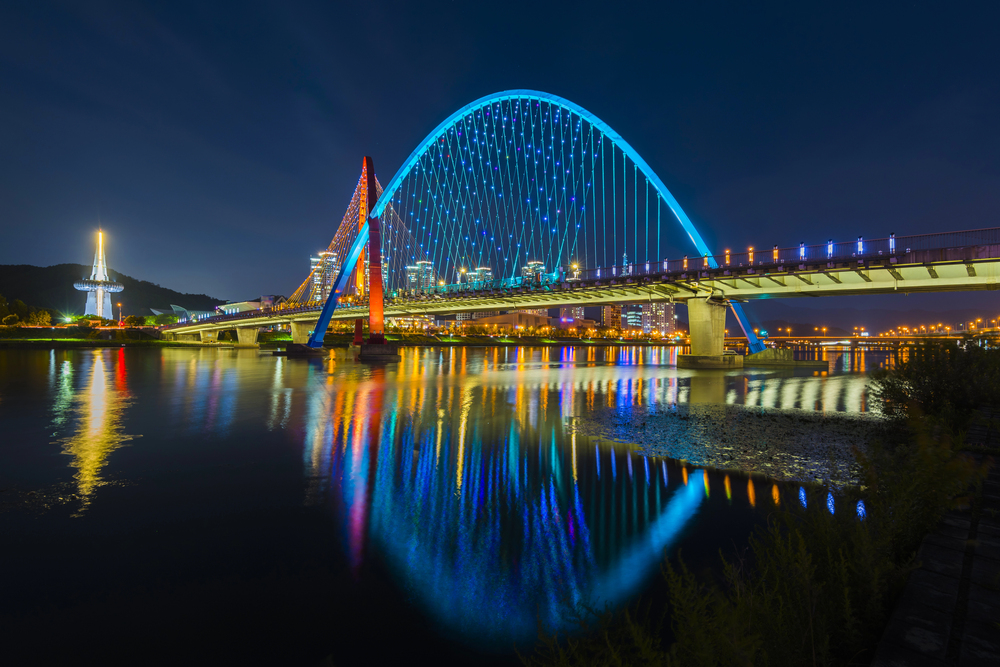
Koreans call this central city their Silicon Valley—it’s the heart of the country’s science and technology sector, hosting research institutes for Samsung, LG and more than 200 other companies. But innovation culture here blends seamlessly with traditional values. The Expo Science Park preserves technological heritage while pushing boundaries.
Universities and research centers create a unique intellectual atmosphere. Still, weekend markets maintain old-world charm amid the laboratories.
Chuncheon
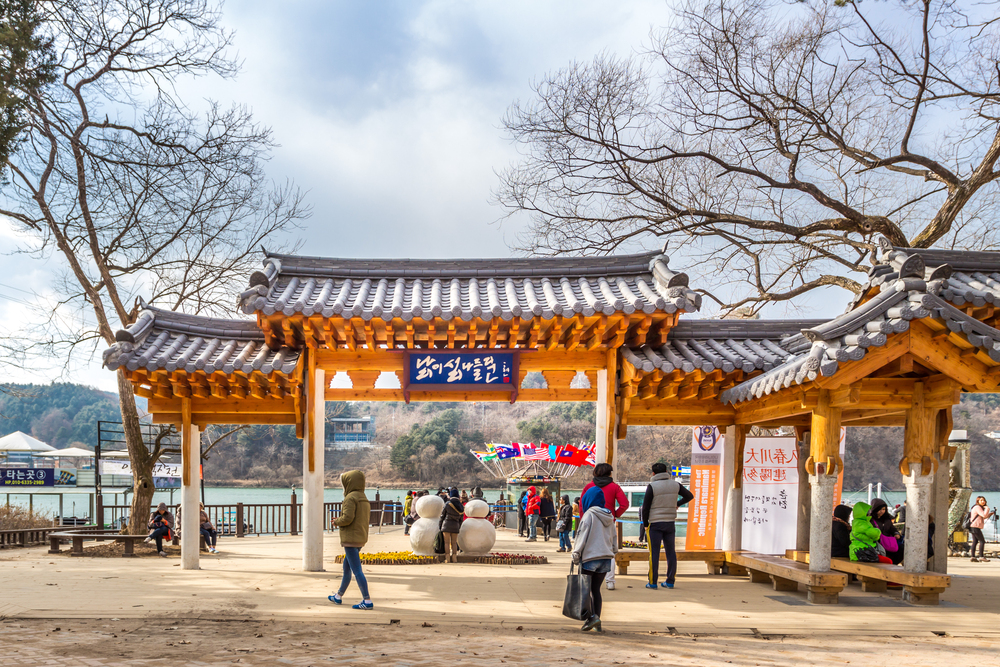
— Photo by tieataopoon
This popular weekend getaway nestled in Gangwon’s mountains offers temples, festivals, gardens, and Namiseom Island. Take a leisurely boat ride on Soyang Lake, walk the romantic Chuncheon Myeongdong Street, and try the famous dakgalbi (spicy grilled chicken).
The city’s connection to winter sports culture runs deep—nearby Alpensia and Yongpyong resorts hosted 2018 Winter Olympics events. Night markets come alive after sunset, offering a feast for the senses with traditional Korean snacks and innovative culinary creations.
Yeosu
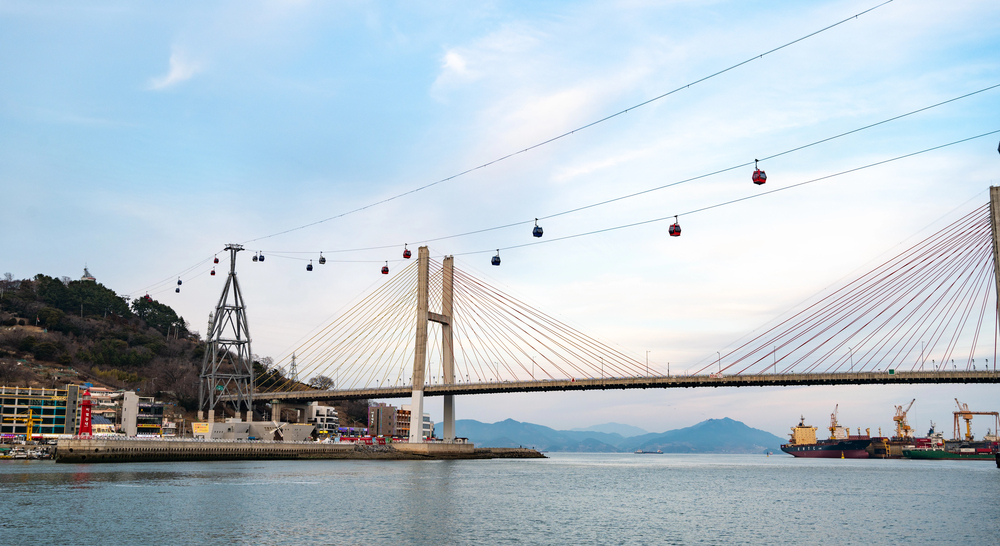
Situated on the southern coast overlooking tons of tiny mountainous islands, you can easily spend a weekend checking out cable cars, the Expo Center, and Dolsan park. Maritime culture permeates everything here—from seafood festivals to traditional fishing boat designs displayed in local museums.
The 2012 World Expo transformed the waterfront into a showcase of oceanic innovation. But the real cultural gems are the:
- Traditional fish markets preserving generations-old trading customs
- Coastal hiking trails connecting ancient beacon sites
- Island-hopping routes to preserved fishing villages
Tongyeong
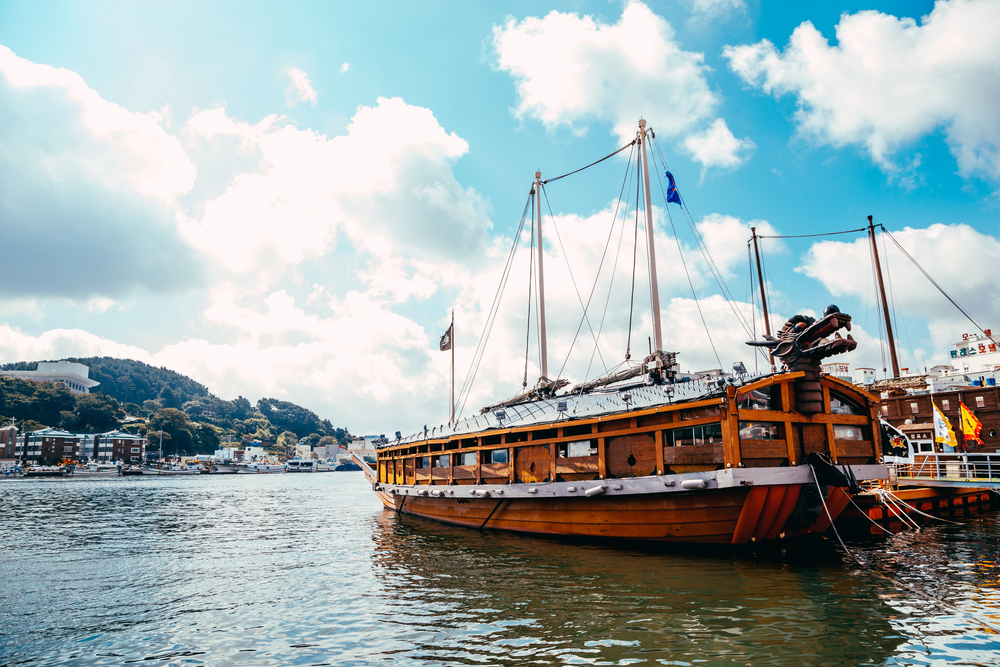
— Photo by SangaPark
Called the “Naples of Korea” because of its charming sea scenes, fresh seafood, and historic naval tradition, this hidden gem features beautiful buildings, hilly terrain, and a natural harbor. Admiral Yi Sun-shin’s naval base operated from these waters during Japanese invasions.
Tourists can take a cable car to Mireuksan Mountain for a bird’s-eye view or boat rides to nearby islands. Traditional music culture thrives here—Tongyeong produced many of Korea’s greatest classical composers.
Changwon
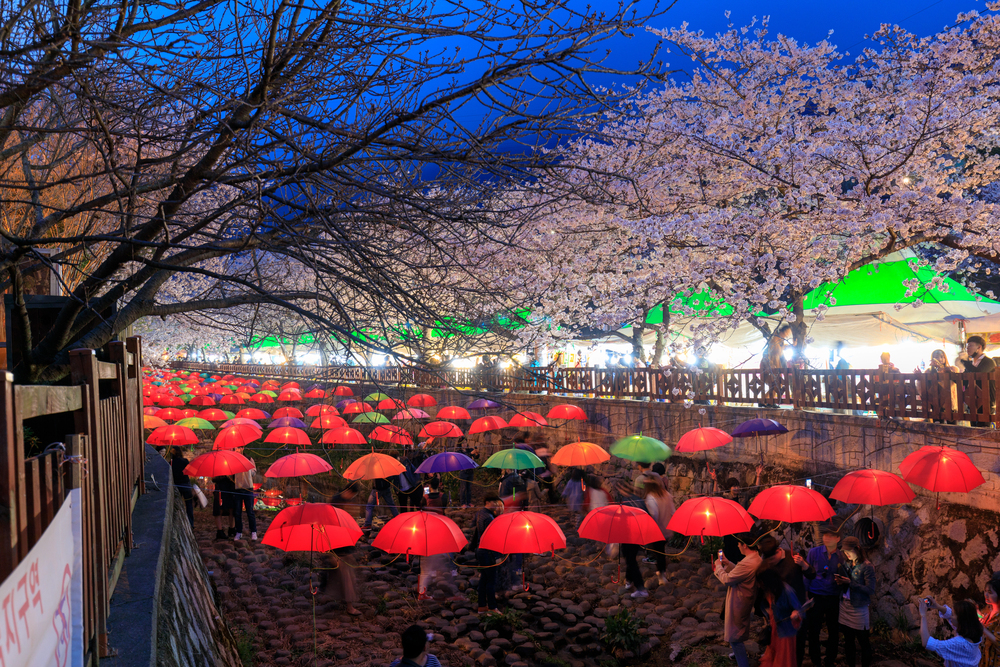
— Photo by artyooran.gmail.com
This coastal city in South Gyeongsang Province emphasizes taking things easy, with a relaxed pace and numerous green spaces. The annual Jinhae Cherry Blossom Festival features roughly 360,000 cherry trees bursting into bloom, transforming the city into a pink paradise.
Beyond spectacular spring scenery, Changwon nurtures environmental culture through its innovative urban planning. The festival typically runs from late March to early April. You can almost taste the petals in the air.
Incheon
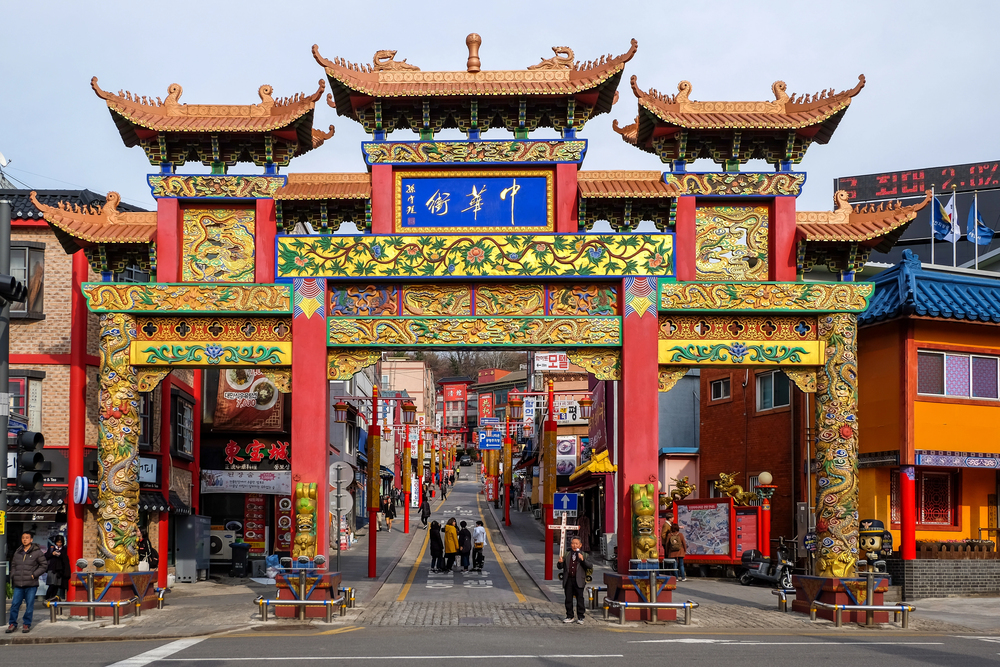
— Photo by hippypai.gmail.com
Korea’s largest Chinatown offers rich history, vibrant murals, and authentic Chinese cuisine, while the nearby Fairytale Village enchants visitors with whimsically painted houses and art installations. Fresh seafood at Wolmido Island and the modern Songdo International Business District showcase the city’s cultural fusion.
Port culture runs deep here—centuries of international trade created Korea’s most cosmopolitan atmosphere outside Seoul. The Grand Park blooms magnificently during cherry blossom season.
Cheongdo
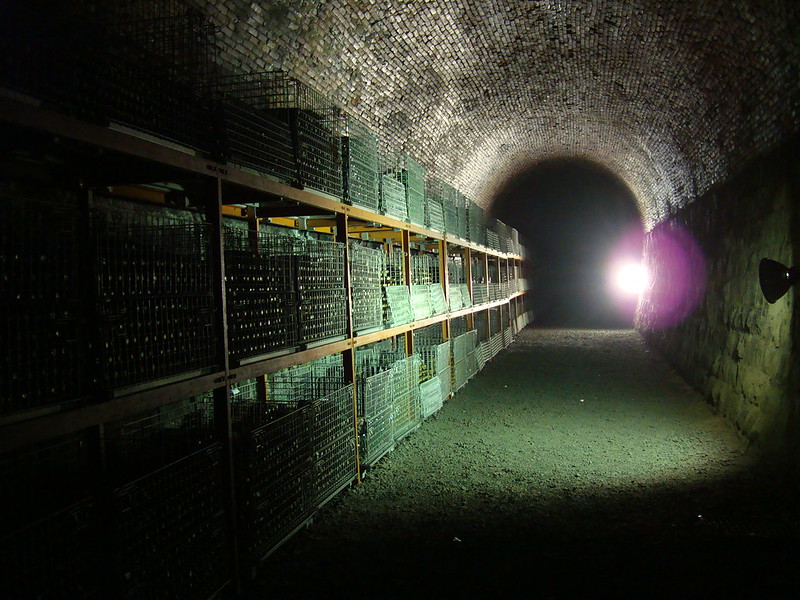
This fantastic destination offers the Wine Tunnel, an abandoned train tunnel transformed into a winery where you can taste persimmon wine. Traditional bullfighting festivals last four days in March or April, but unlike other countries, hundreds of bulls are released into the stadium where they assert dominance—all live to moo another day.
The town features several museums, including the Cheongdo History Museum, a stunning place for history buffs. The combination of agricultural heritage and unique festivals creates an atmosphere found nowhere else in Korea.
Beyond the guidebooks
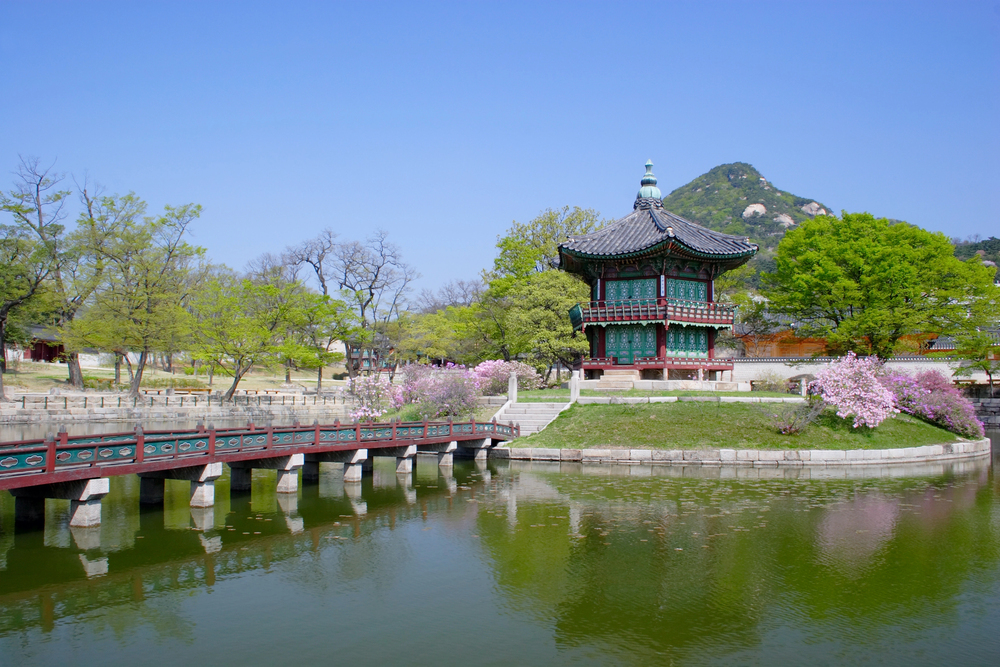
The soul of Korea is found in the country’s small towns, farmlands, traditional hanoks, local customs, and festivals, far outside of Seoul. These fifteen destinations prove that Korean culture extends far beyond the capital’s bright lights. Each city guards its own secrets—from ancient observatory stones to modern tea ceremonies, from maritime traditions to mountain wisdom. The real Korea waits in these places where locals still gather at traditional markets and morning temple bells mark time as they have for centuries.
More from Travel Pug

- Underrated Italian Towns That Beat the Tourist Crowds
- Las Vegas Tourist Traps to Skip
- Prettiest Towns in Every US State
- 18 passport-free countries for Americans
- Signs Your Cruise Is Not Worth The Cost
Like Travel Pug’s content? Follow us on MSN.