

The hum of modern life is wearing on people in ways they often don’t notice until they step away and slow down. Farm getaways offer something different from typical vacations-they are an opportunity to slow down, get your hands dirty, and reconnect with the rhythms that sustained humanity for millennia.
These are not simply escapes to the country for a weekend; they are actively healing both the people who visit and the land that hosts them. When travelers are spending time on working farms, something shifts.
The simple act of harvesting vegetables or feeding chickens creates a tangible connection that just can’t be found in the aisles of a grocery store. Meanwhile, the farms themselves benefit from extra income that allows them to maintain environmentally responsible practices and protect the land for future generations.
Farm getaways are healing both travelers and the natural world around them in so many ways, but here are 20 of those ways.
Stress melts away in agricultural settings
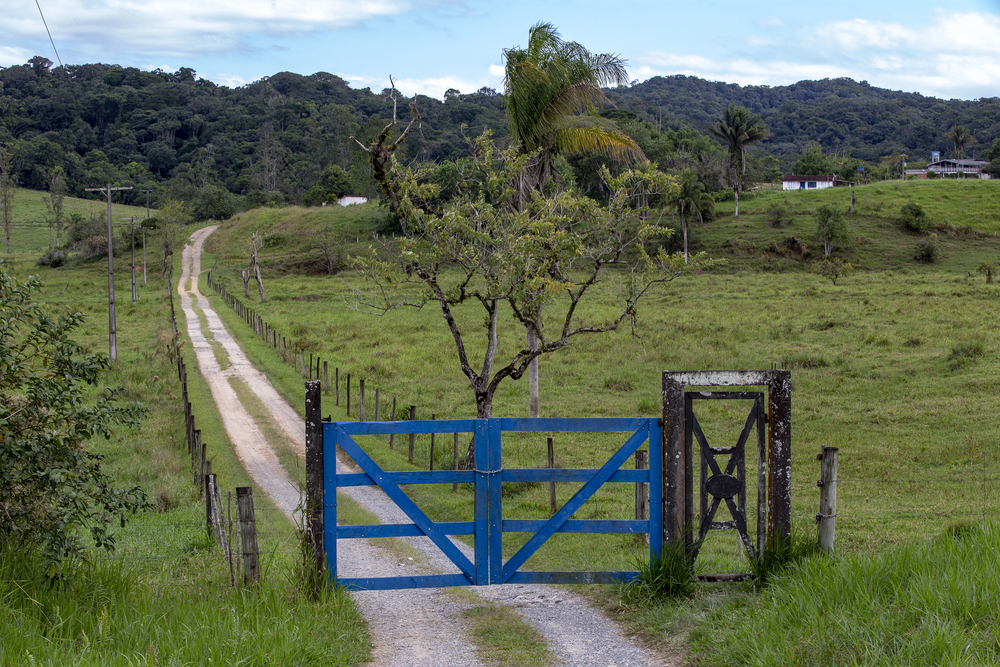
Studies from South Korea show that visitors to farm properties experience measurable drops in stress levels during their stays. It’s the combination of physical activity, fresh air, and distance from urban pressures—all working together to create an environment where minds can actually quiet down.
Think of it as hitting a reset button that bodies didn’t even know they needed.
Sleep quality improves dramatically

Spending days outdoors doing physical work naturally regulates circadian rhythms in ways that staring at screens simply can’t. Guests at farm stays consistently report falling asleep faster and waking up more refreshed than they do in their regular lives.
The absence of artificial light pollution, plus the presence of actual physical tiredness, work together like nature’s own sleep medication.
Physical fitness happens without a gym
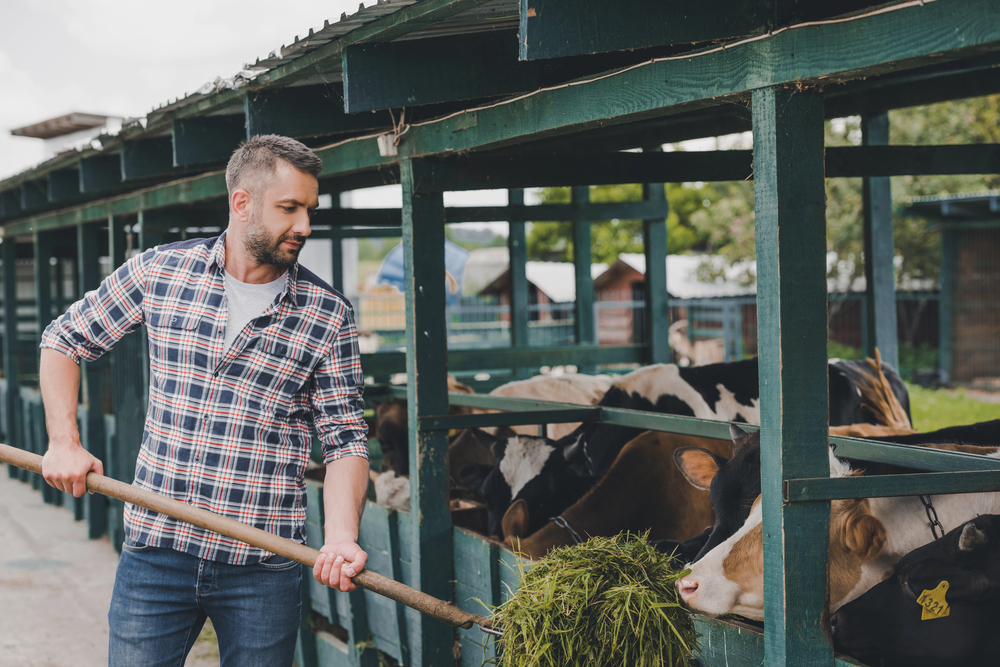
Farm work provides a full-body workout that feels nothing like trudging on a treadmill. Lifting hay bales, digging in gardens, and walking acres of land build strength while minds focus on the task at hand rather than counting reps.
Calories are burned and muscles develop without it ever feeling like exercise.
Mindfulness develops naturally through farm tasks

The repetitive, focused nature of activities like weeding or tending animals pulls people into the present moment—no meditation app required. Attention narrows to the texture of soil under fingertips or the rhythm of breathing during work.
This organic mindfulness reduces anxiety and creates mental clarity that many people struggle to find in their daily routines.
Understanding where food comes from changes eating habits
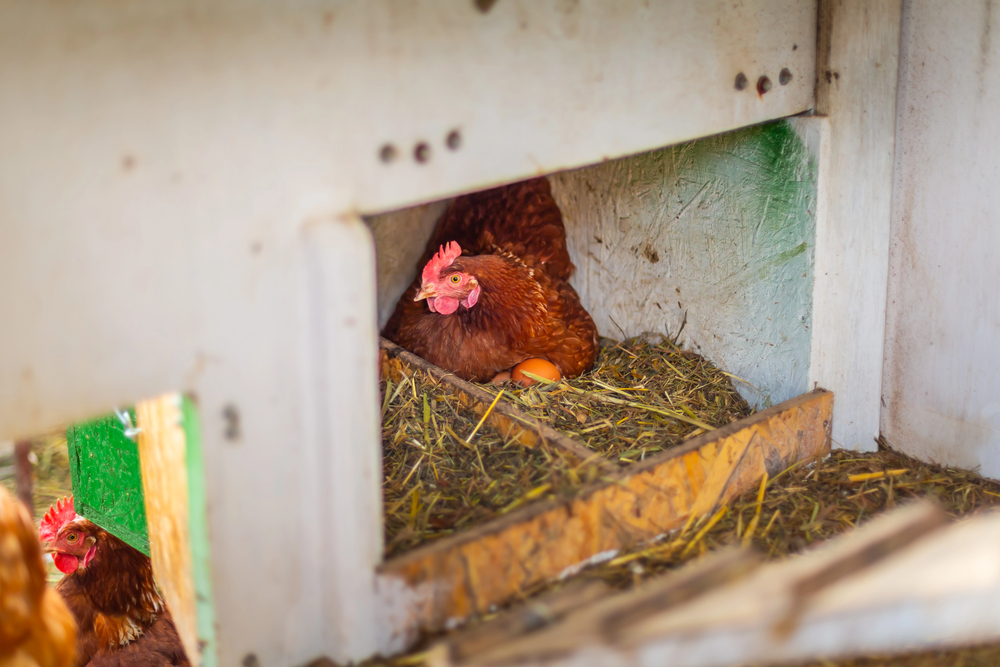
Meeting the chickens that laid breakfast eggs or picking the tomatoes in lunch salad fundamentally shifts how people think about food. This direct connection makes travelers more likely to support local farmers when they return home.
Knowledge gained from seeing the effort behind food production tends to stick with people long after their farm visit ends.
Learning sustainable practices creates a lasting impact
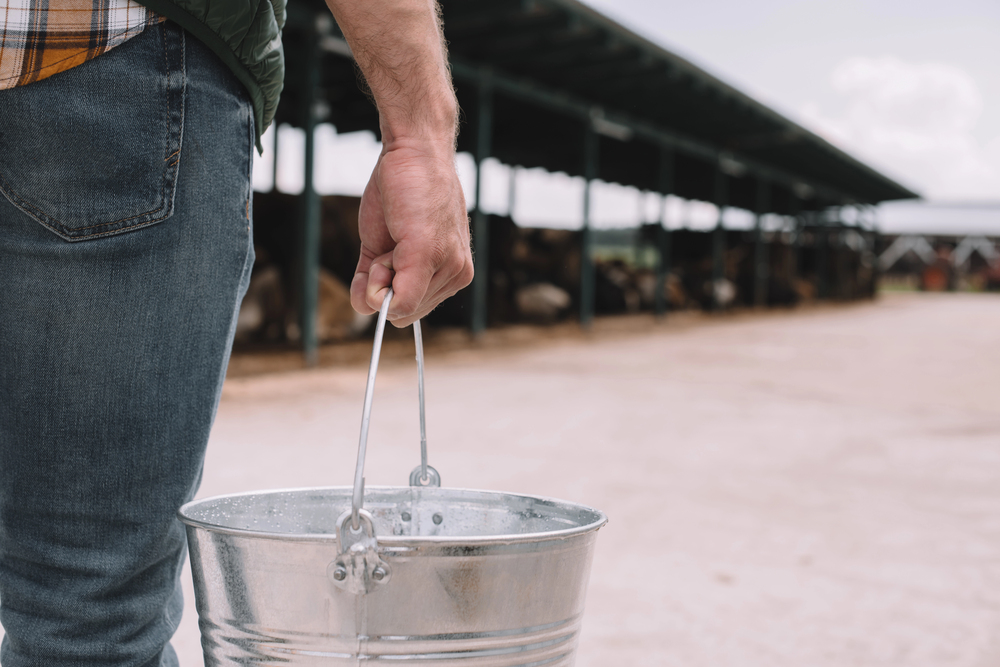
Farms that welcome visitors often showcase organic methods—such as composting systems and water-conservation techniques in action. Guests absorb these lessons through observation rather than lecture-style learning.
Many travelers implement smaller versions of these practices in their own gardens or even just in how they manage household waste.
Local economies get meaningful support

The money tourists spend at farm stays goes directly into rural communities that often struggle with economic challenges. Unlike chain hotels that funnel profits to corporate headquarters, farm accommodations keep revenue local, where it supports families.
This economic boost helps small-scale farmers stay in business despite market pressures favoring industrial agriculture.
Biodiversity finds protection through tourism income
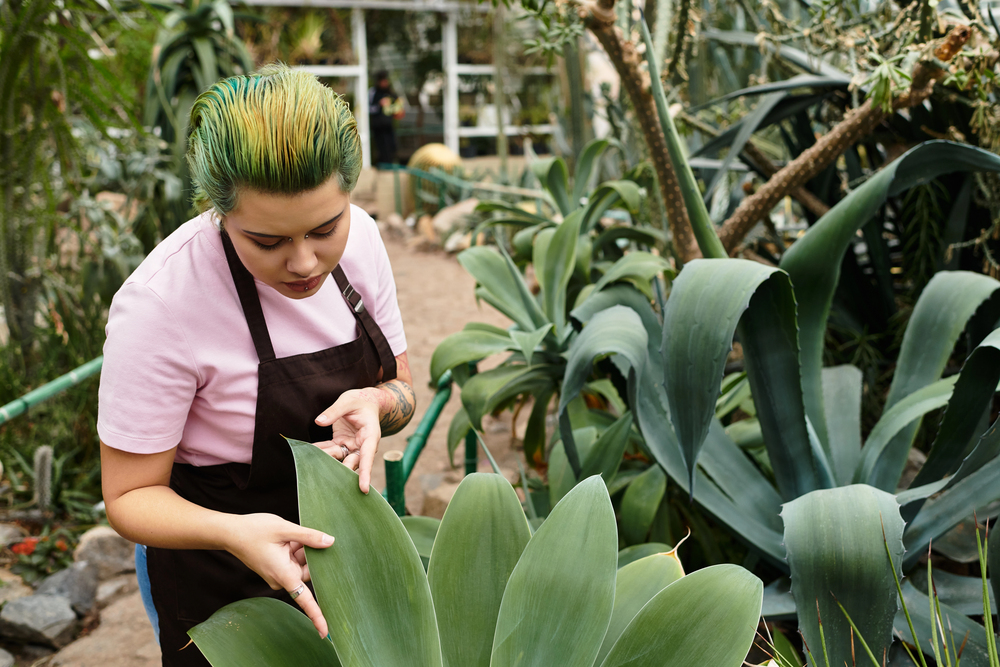
Farms hosting tourists have a financial incentive to maintain diverse ecosystems that attract visitors. The additional income from agritourism allows farmers to dedicate land to wildflower meadows—to maintain hedgerows and protect natural habitats rather than converting every inch to production.
Research in Italy confirms that farms with tourism activities demonstrate better environmental performance across multiple sustainability indicators.
Carbon footprints shrink through local food systems

When travelers eat meals made from ingredients grown within walking distance of their tables, the environmental math changes completely. Transportation emissions disappear.
The need for industrial processing and packaging evaporates. A single week of eating this way can offset months of typical grocery shopping from an environmental perspective.
Soil health improves with regenerative attention
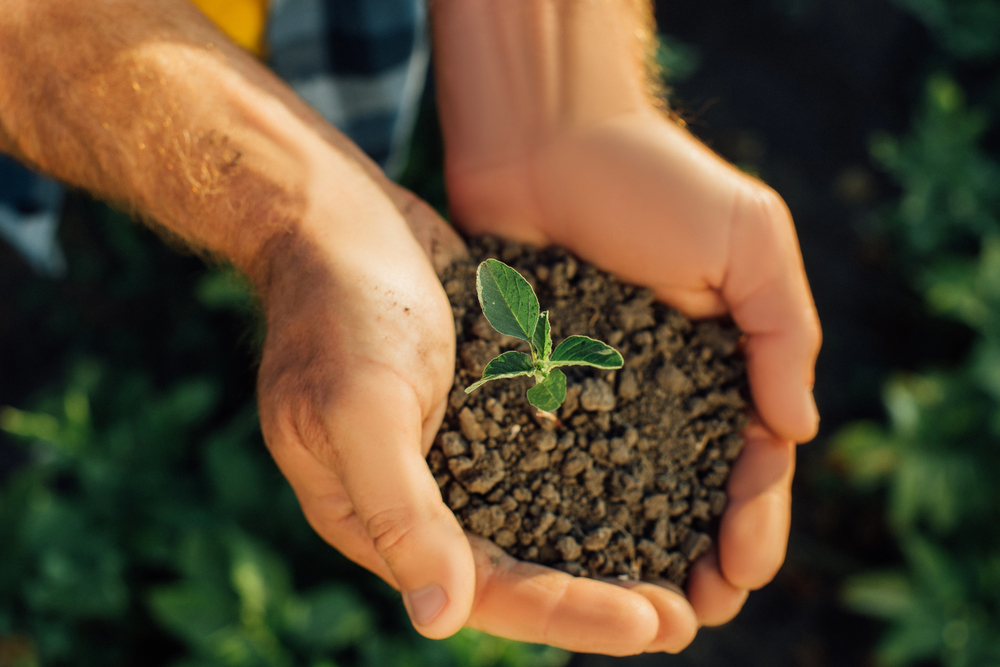
Farms that attract tourists often adopt regenerative practices that actively improve soil rather than depleting it. Healthy soil acts as a carbon sink—pulling greenhouse gases from the atmosphere and storing them underground.
About a quarter of the world’s biodiversity lives in properly maintained soil, which makes these practices crucial for ecological health beyond just growing food.
Wildlife habitats receive active preservation
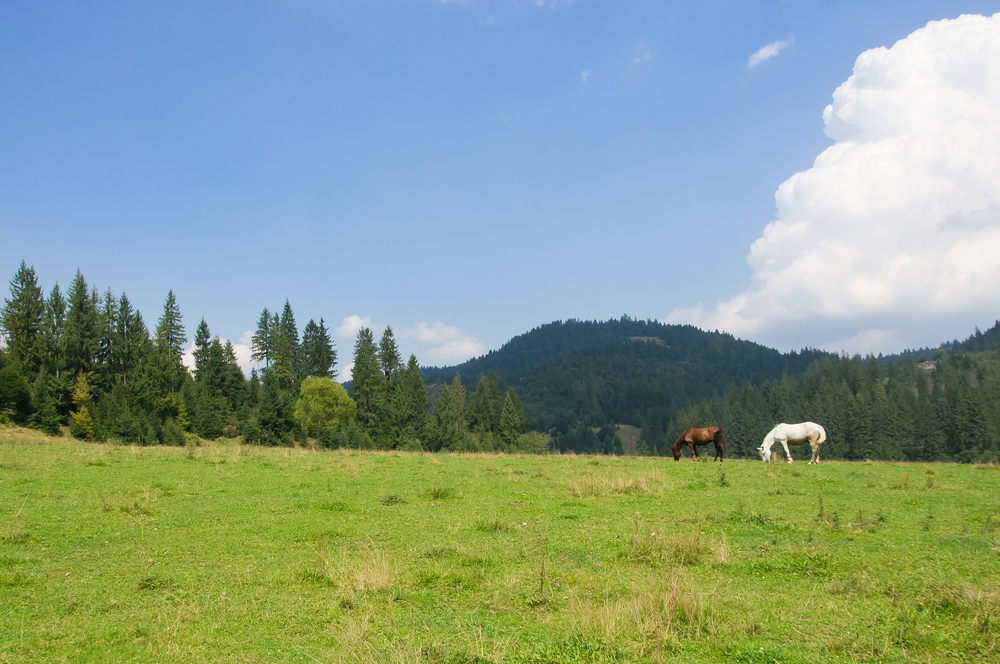
Properties hosting visitors typically maintain uncultivated areas that serve as refuges for native species. Farmers with tourism operations show more positive attitudes toward conserving these spaces because guests appreciate seeing birds, butterflies, and other wildlife.
This creates a situation where human activity supports rather than displaces natural ecosystems.
Cultural heritage gets passed to new generations
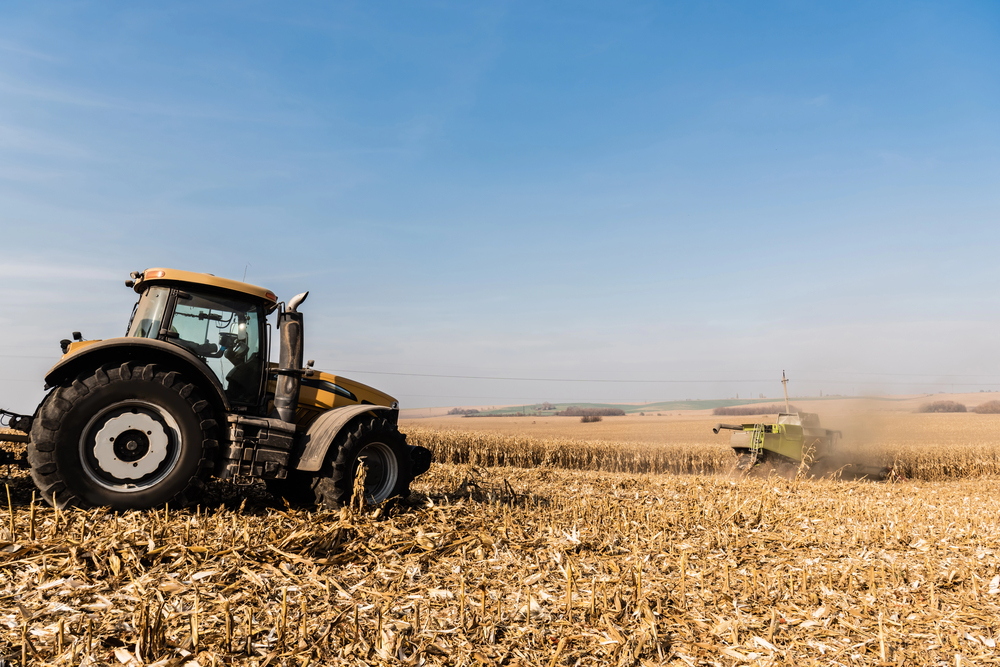
Traditional farming techniques survive when farms can afford to maintain them rather than abandoning heritage for purely industrial methods. Visitors learn about practices stretching back centuries, from cheese-making to crop rotation systems developed by indigenous communities.
This knowledge transfer ensures valuable cultural wisdom doesn’t disappear in the rush toward modernization.
Community bonds strengthen through shared purpose
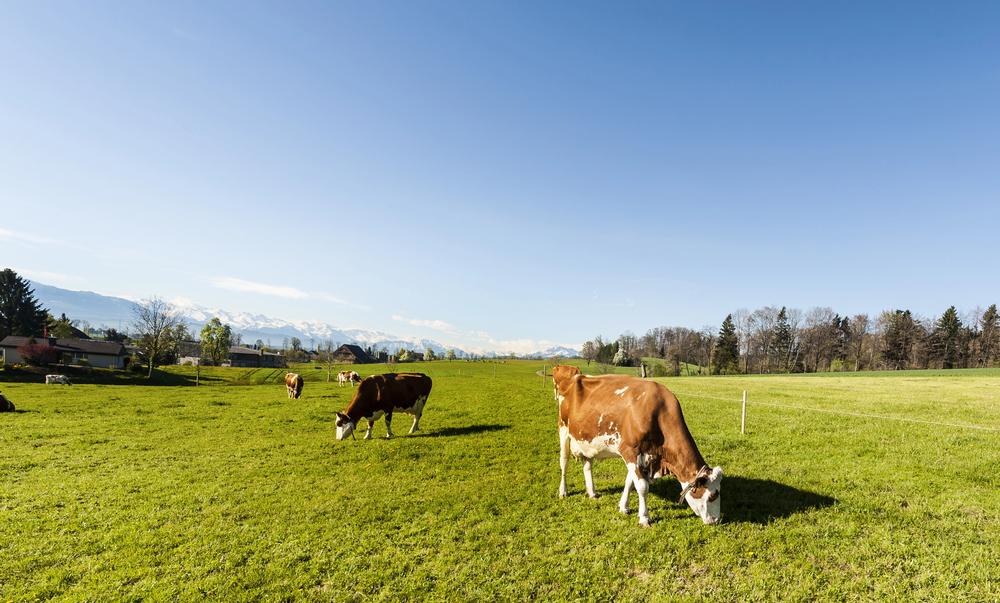
Rural areas hosting agritourism develop stronger social connections as neighbors collaborate to create appealing visitor experiences. Local craftspeople, food producers, and service providers work together to rebuild the communal fabric that industrial agriculture often frays.
These strengthened relationships make rural communities more resilient when facing economic challenges.
Children gain environmental education through experience
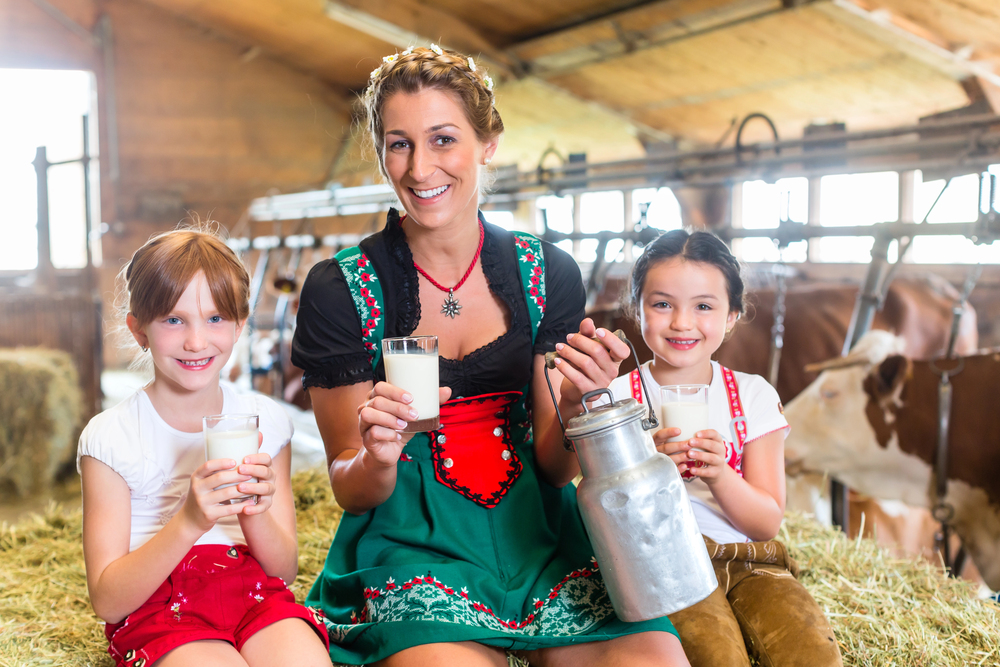
Kids who visit farms learn lessons about ecology that no classroom can replicate. Collecting eggs, planting seeds, or meeting dairy cows creates memories that shape lifelong attitudes toward nature.
Schools increasingly recognize these visits as essential educational tools rather than just field trips.
Air quality improves breathing and overall health
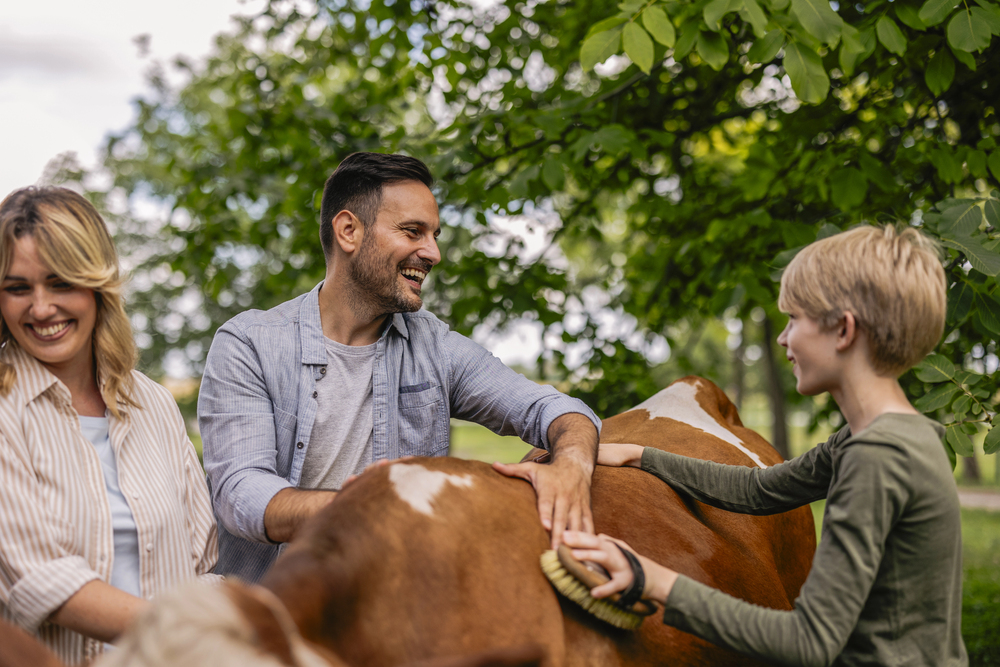
Without vehicle exhaust and industrial pollution, visitors can breathe easier at farm locations. Clean rural air, combined with physical activity, strengthens the respiratory system.
The difference becomes noticeable within hours of arrival for many city dwellers, particularly those with allergies or breathing conditions.
Digital detox happens almost effortlessly
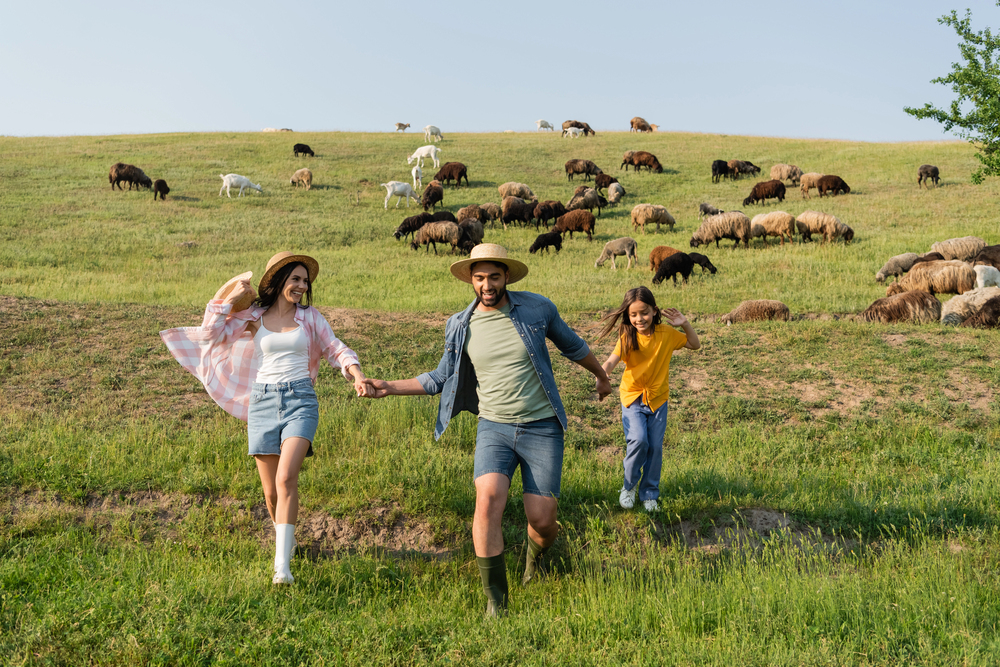
Spotty cell service creates natural breaks from constant connectivity that many people need yet struggle to achieve. Without screens competing for attention, guests rediscover the pleasure of conversation and simply being present.
This unforced technology break often leads to insights about healthy boundaries with devices back home.
Farm-to-table eating nourishes bodies properly

Meals made from just-harvested ingredients contain more nutrients than grocery store produce that traveled hundreds or thousands of miles. Vegetables lose vitamins with each passing hour after harvest, so eating them within hours of picking provides maximum nutritional benefit.
Guests often report feeling more energized by farm meals, despite their simpler preparations, than by restaurant food.
Seasonal rhythms reconnect people with natural cycles
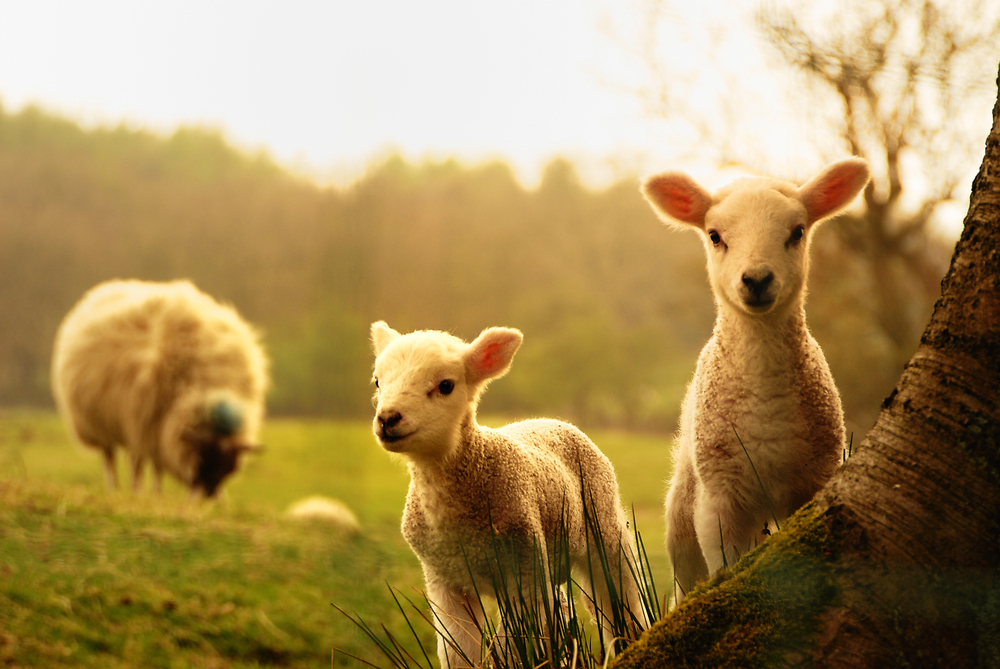
Living by what’s in season helps attune the visitors to a pattern of cycles that modern life obscures. This helps them align with seasonal cycles, which decreases the sense of disconnection that seems to feed anxiety in so many people.
Understanding that nature works in cycles of growth rather than continuous production can broaden perspectives about personal productivity.
Water conservation practices become visible and understandable
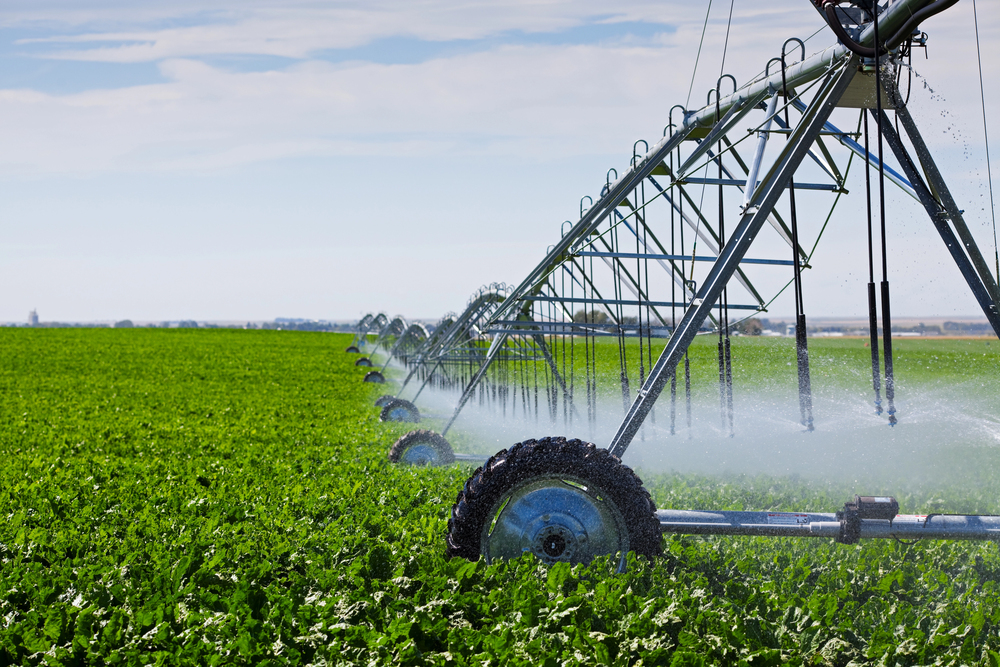
Farms hosting tourists often demonstrate rainwater collection, drip irrigation, and other water-saving techniques that guests can adapt for home use. Seeing these systems in action makes them feel achievable rather than theoretical.
Water scarcity eventually affects every region, making these lessons increasingly valuable.
Long-term environmental stewardship gets economic backing
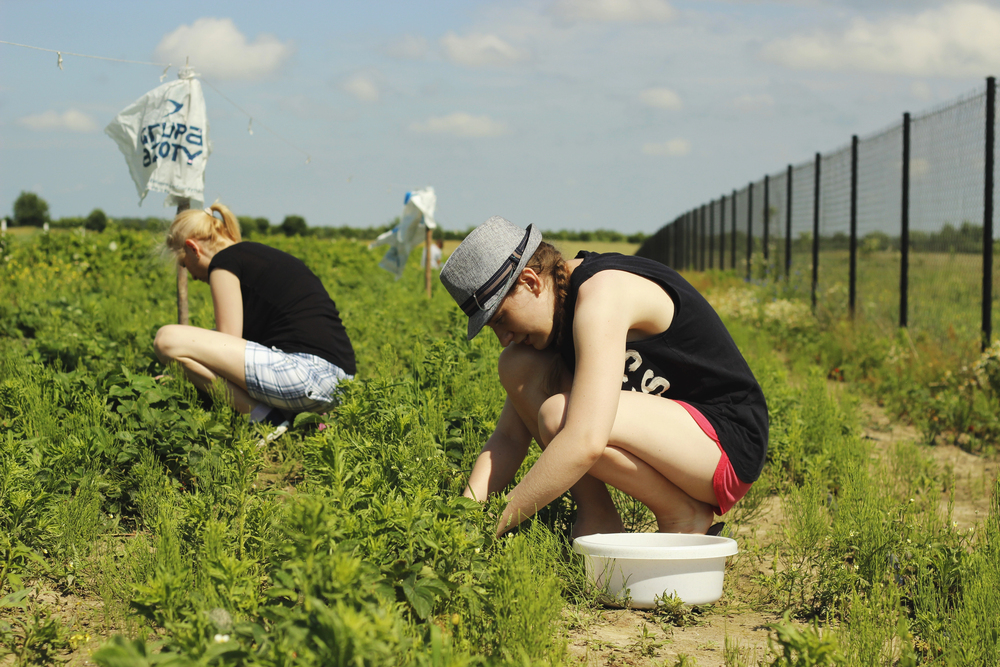
The revenue from agritourism allows farmers to make decisions with decades in mind rather than just surviving the next growing season. This financial stability supports practices like planting trees that won’t produce for years or converting to organic methods that take time to implement.
Patient land management benefits everyone downstream from these properties.
From ancient practice to modern necessity
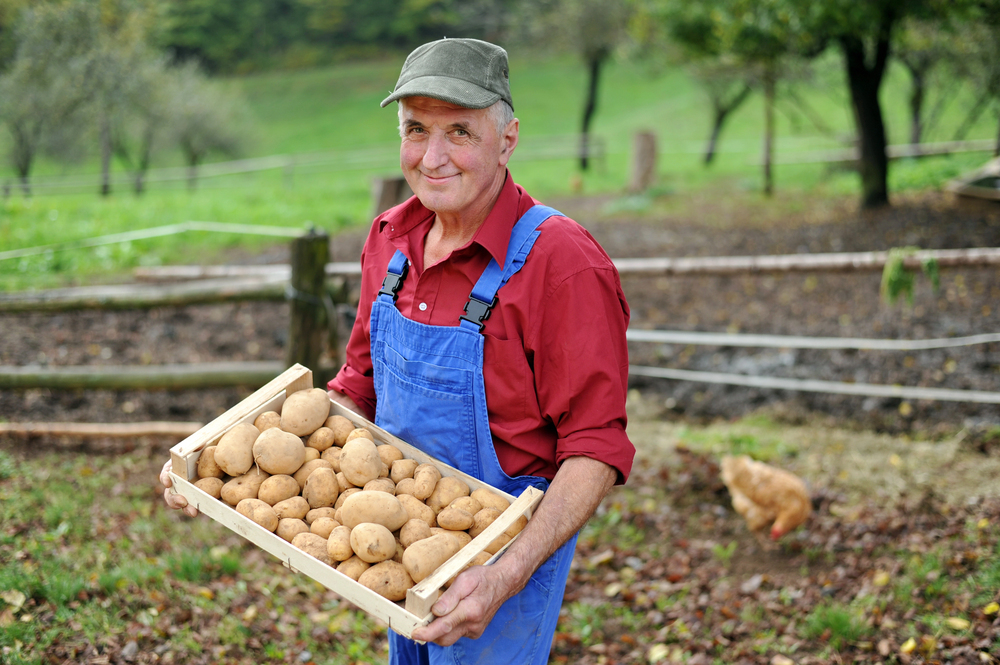
Until recently, people farmed for about 12,000 years; today, in the historical sense, most individuals do not grow their own food. The current surge in farm tourism represents an almost instinctive reaching out toward reconnecting with practices that shaped human development.
What once seemed like a quaint throwback now looks like essential knowledge as climate change and supply chain fragility make industrial food systems increasingly unstable. These getaways aren’t just healing individuals in the present-they’re preserving skills that may be desperately needed by humanity in the coming decades.
More from Travel Pug

- Underrated Italian Towns That Beat the Tourist Crowds
- Las Vegas Tourist Traps to Skip
- Prettiest Towns in Every US State
- 18 passport-free countries for Americans
- Signs Your Cruise Is Not Worth The Cost
Like Travel Pug’s content? Follow us on MSN.