

More and more families are trading in the typical office commute and fixed home for a lifestyle filled with laptops, work cafés, and new cities. What was once the domain of solo travelers is now a real option for families of all sizes—and it’s gaining real momentum. But this life isn’t just travel with work; it’s about balancing routine and freedom, stability and adventure.
Here is a list of ways families make the digital nomad lifestyle their own, finding creative solutions and enjoying the journey together.
World schooling replaces fixed schoolrooms

The traditional classroom gives way to lessons under palm trees, in coworking hubs, or on rooftops overlooking new skylines. Families use online curricula, local programs, or “world school” options to anchor education in the places where they live. Kids don’t just see geography in textbooks—they live it, making history, language, and culture part of everyday life.
Slow travel beats hotel hopping
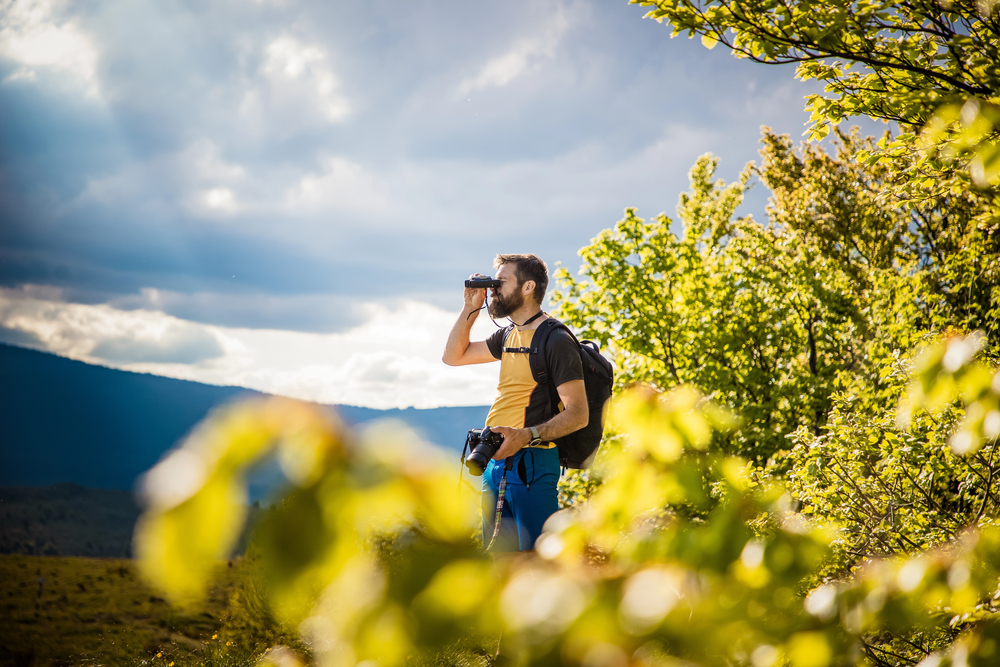
Rather than dashing from one place to another, many nomad families have opted for more extended stays: several weeks or months in a single place. That allows them to build routines, make local friends, and feel a sense of “home base” even though they’re mobile. This slower pace supports both productivity and peace of mind, especially when kids are involved.
Choosing family-friendly locations

Destination choice matters: reliable internet, safe environments, good healthcare, and schooling options all factor into the decision. A growing amount of research illustrates that parents with kids weigh education, childcare, and healthcare heavily when considering a digital nomad life.
Redefining normal friend groups

Nomad kids often find friends not in their neighborhood but in swimming lessons, local events, coworking spaces, or other traveling families. While shifting friendships can be challenging, many parents point out that their kids gain resilience and adaptability along the way.
Maths meets markets, history meets local legends
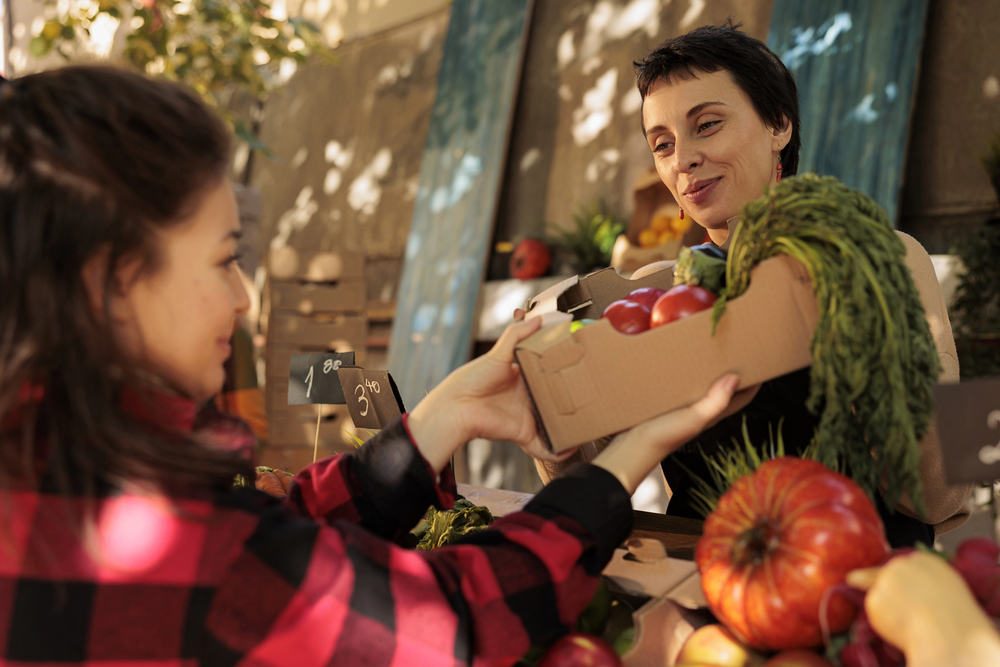
The world is a classroom full of real-life examples: buying produce in a foreign market, negotiating in the local currency, visiting historical sites, or learning a new word in another language. These spontaneous lessons often stick longer than any textbook ever would. Families talk about the richness in this messy, unscripted learning.
Coworking turns communal

For the parents working remotely, coworking spaces offer more than just desks—they become hubs for both productivity and community. Some family-friendly coworking hubs even offer childcare or kids’ programming so the adults can focus while the little ones stay engaged.
Budget balancing gets creative

Living abroad or on the move doesn’t automatically mean cheaper—it often means smart budgeting. Housing, visas, travel costs, and education all add up. But some families find they spend less than they would back home while enjoying far more experiences.
Blending business and travel
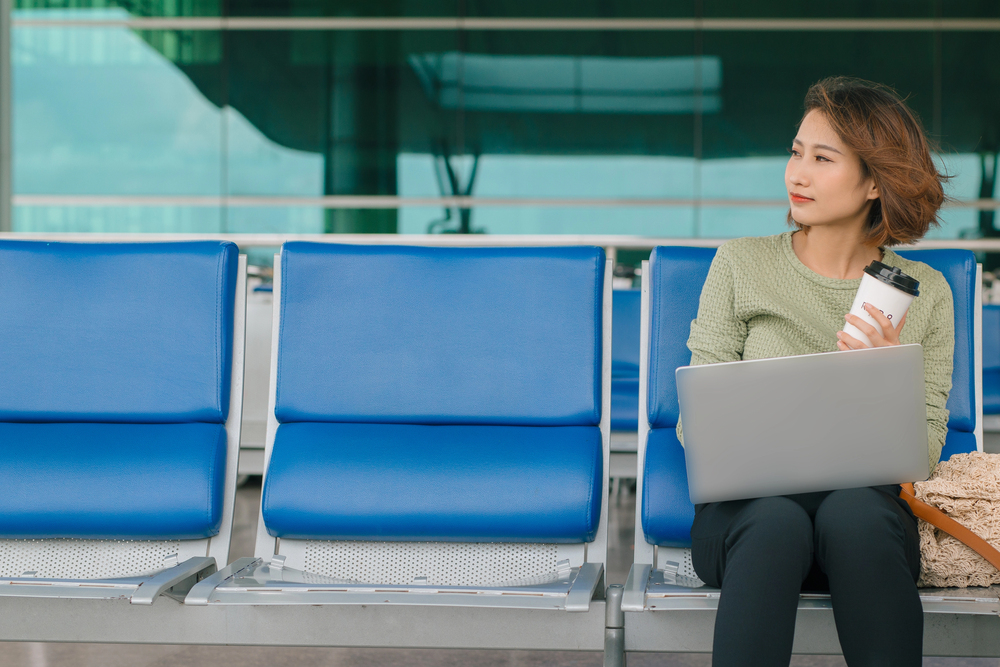
Entrepreneurs, freelancers, and remote workers often leverage the location-independent life to turn travel into both inspiration and workspace. An afternoon swim might follow a morning meeting, and evening brainstorming might happen over a local café latte. It’s juggling, yes—but for many, it’s worth it.
Routines rooted in rhythm

Even on the road, families create their own rituals: morning check-in meetings, a set snack time, a fixed homework slot, or a weekly movie night. These routines give structure to a moving life, helping kids feel grounded and parents stay sane. Creating rhythm is key to balance.
Health, visa, and safety matters

It’s not just fun and freedom—it’s logistics and responsibility too. Access to good healthcare, valid visas, and safe neighborhoods are major considerations for families on the move. Surveys show that these concerns top the list for many parents exploring remote work abroad.
Home base becomes elastic

Some families maintain a “home base”—a city or country they return to – while spending chunks of the year elsewhere. This hybrid model gives them roots and routine combined with exploration. It’s a flexible alternative to full-time motion, and many families find it more sustainable long term.
Local culture becomes part of daily life
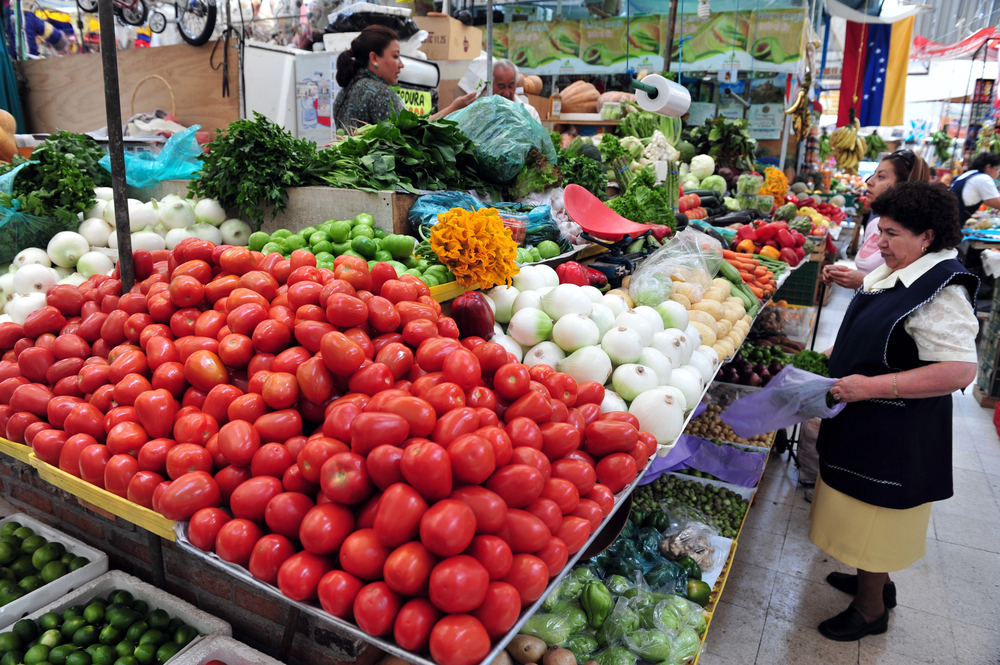
Rather than walking past a historic site, nomad families live near it, shop in local markets, learn bits of the language, and truly immerse themselves. That depth of experience enriches both parent and child alike, and often brings unexpected lessons and joy.
Kids become cultural translators
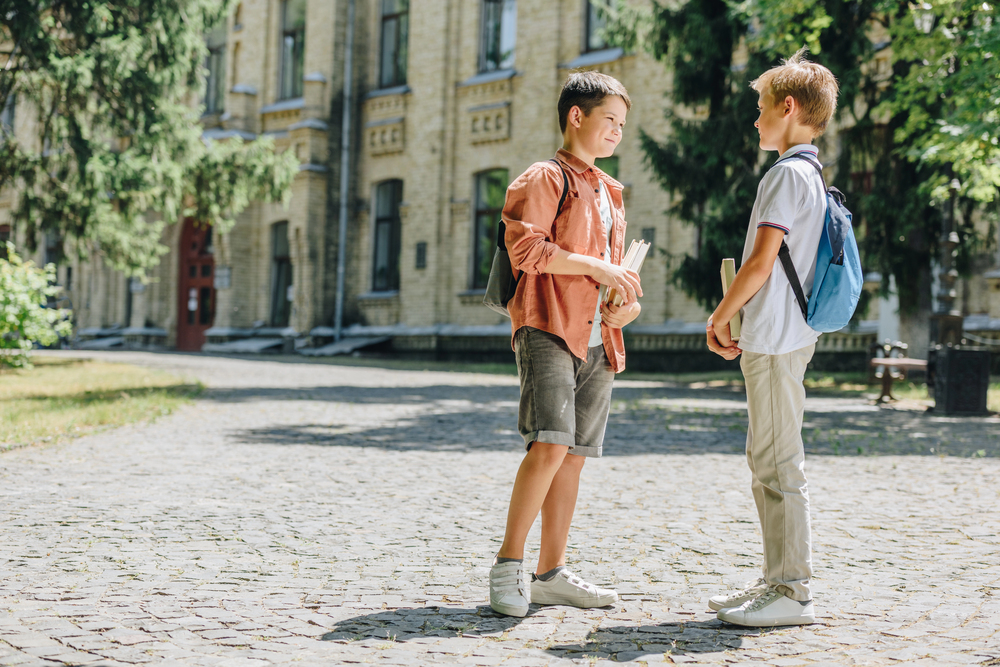
Children living this lifestyle often take on roles older kids back home don’t—they might help order food in foreign languages, make friends in another country, explain new customs, or adapt quickly to new situations. That sense of agency and maturity is a surprising bonus of the nomadic family life.
Finding community on the road
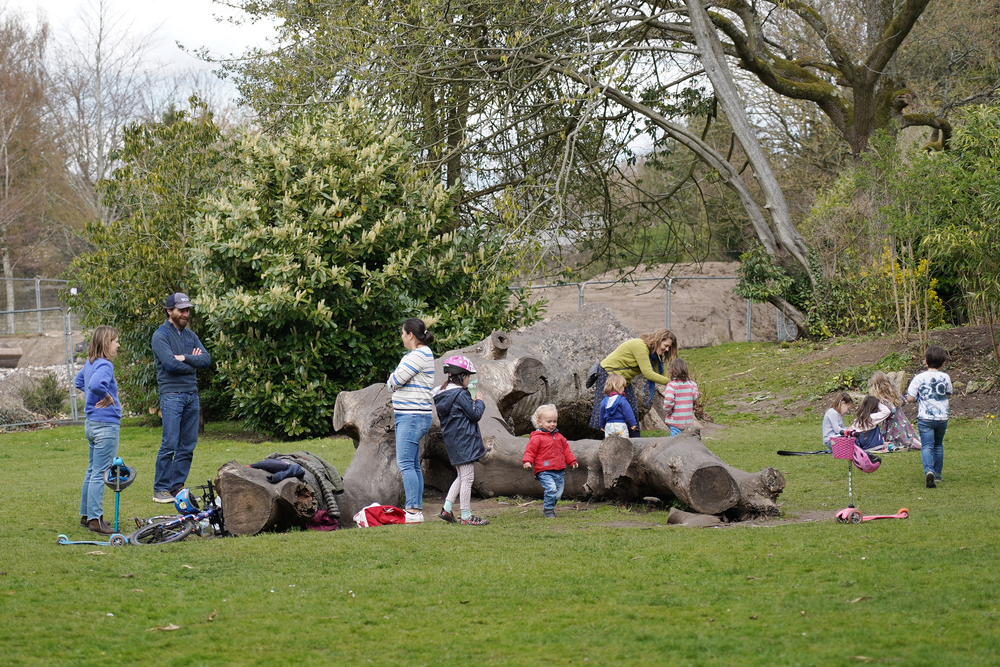
Being on the move doesn’t mean isolation. Many nomad families cluster in hubs, form meet-ups, join co-learning groups, and stay connected online. In Reddit threads, you’ll find families who swapped routine life for shared houses abroad, shared experiences, and support.
Planning for re-entry and roots

Eventually, many nomad families ask: “How long do we stay? When do we settle?” Planning for re-entry to a home country, school systems, long-term friendships and roots becomes part of the conversation. Knowing when to pause travel or slow down becomes part of the strategy.
Legacy beyond travel
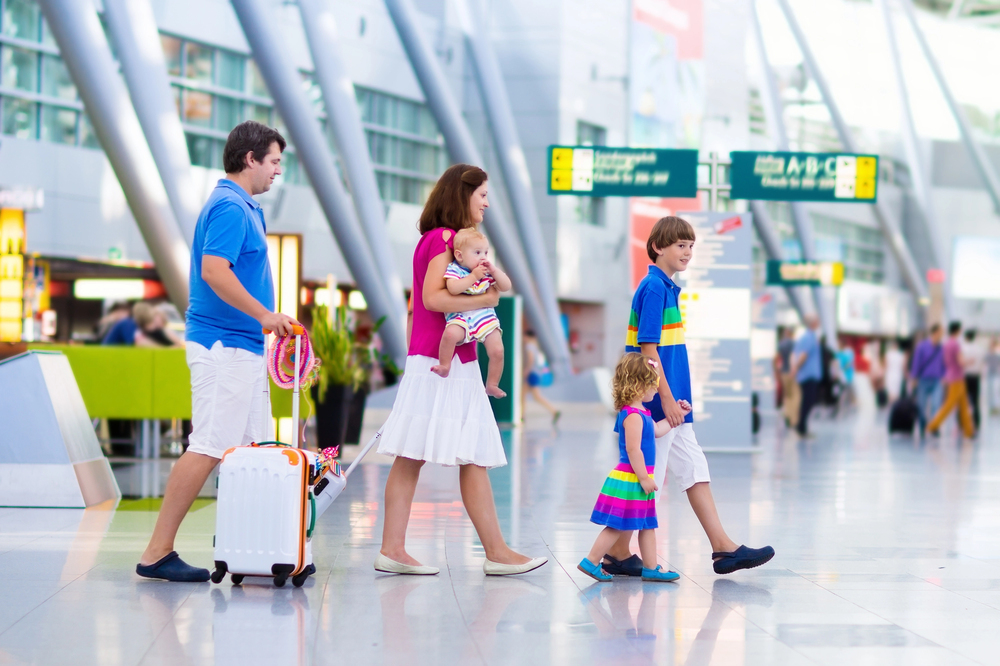
The shift isn’t just about seeing the world—it’s about the values children absorb: adaptability, curiosity, global awareness, empathy. Parents say nomadic life leaves a legacy of openness rather than stuff, of experiences rather than possessions. That is perhaps the most lasting element.
Moving forward together

Families choosing to live as digital nomads are not just changing where they live—they’re also redefining how we think about work, childhood, and family moments. As remote work becomes more popular and educational approaches grow more flexible, this lifestyle offers a wonderful balance of freedom and responsibility.
For a family to thrive, it’s wonderful to intentionally weave adventure into everyday routines, make exploration a regular part of life, and use technology to connect more deeply with each other.
More from Travel Pug

- Underrated Italian Towns That Beat the Tourist Crowds
- Las Vegas Tourist Traps to Skip
- Prettiest Towns in Every US State
- 18 passport-free countries for Americans
- Signs Your Cruise Is Not Worth The Cost
Like Travel Pug’s content? Follow us on MSN.