

The Inca Trail offers more than a typical hiking experience, taking hikers through cloud forests, mountain passes, and ancient stone pathways built by an advanced civilization to navigate these peaks. Hikers from all corners of the world come to this famous trail every year to reach Machu Picchu via a footpath that recreates the Inca walking experience.
Travelers need to prepare for this journey, as the Inca Trail requires more than just showing up with a backpack and good intentions. The difference between an enjoyable trip and an unpleasant experience depends on knowing what to expect in advance, whether you are an experienced hiker or a complete beginner.
All elements become essential for your success because you need to acquire that important permit months before your journey and select the correct socks which will protect your feet during your 26-mile trek through Andean terrain at elevations approaching 14,000 feet. The following collection of 20 vital recommendations will guide you to successfully dominate the Inca Trail as if you have dedicated your entire existence to training for this challenge.
Train like altitude matters
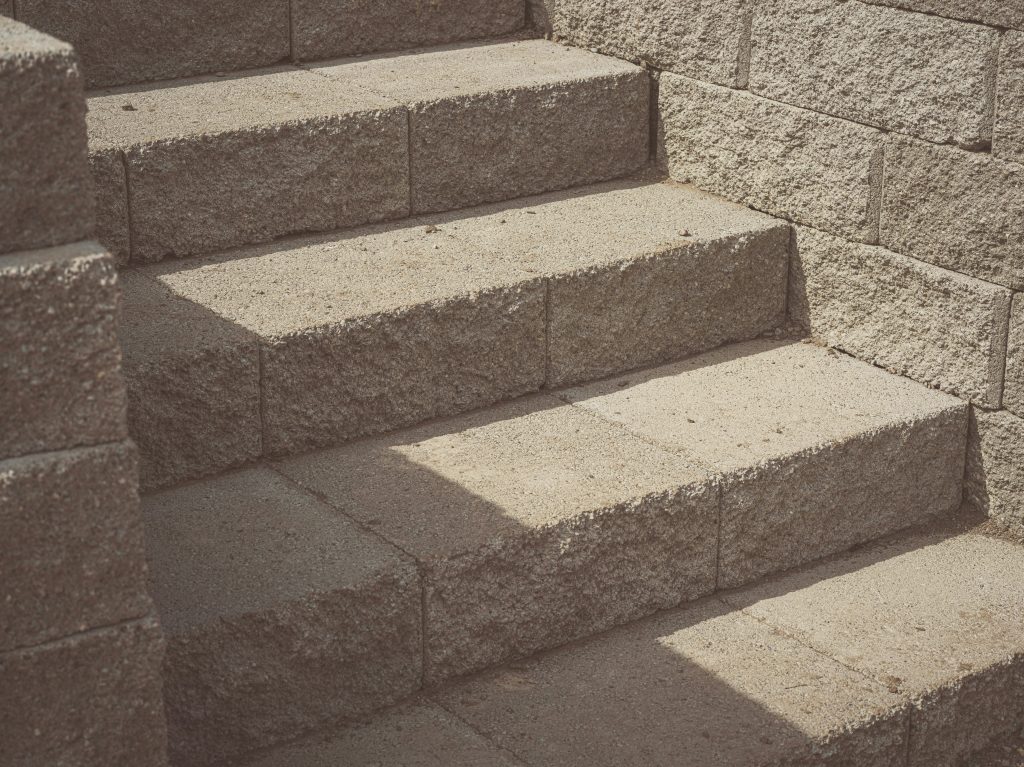
Dead Woman’s Pass sits at 13,828 feet, and if you think your lungs work the same up there as they do at sea level, you’re in for a rude awakening. Start training at least three to six months before your trek with a mix of cardio and strength work—think stair climbing, hiking with a weighted pack, and leg exercises like squats and lunges.
Your heart needs to pump blood efficiently in thin air, yet the fitter you are, the more careful you need to be about pacing yourself. Many people rush up those stone steps and pay for it with splitting headaches and nausea, whereas slower, steadier climbers arrive at camp feeling surprisingly fresh.
Spend extra days in Cusco
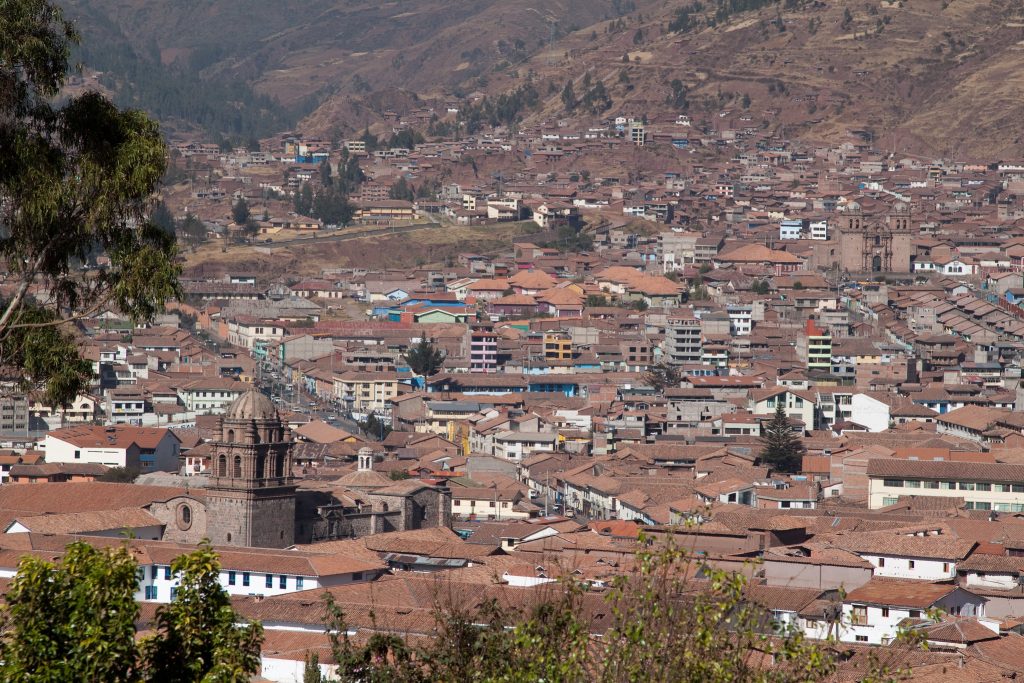
The direct flight from sea level to Cusco at 11,150 feet, followed by immediate trail hiking, creates dangerous conditions that lead to altitude sickness. The trek requires two complete days of body acclimatization, which you should use for Sacred Valley exploration and Sacsayhuaman ruins, and light day hikes that maintain your fitness level without excessive effort.
Your body requires an adjustment period because your red blood cells must develop and learn to function in environments with decreased oxygen levels. People who skip this step will experience difficulty during their first day, while their companions who completed this step will ascend the mountain with ease.
Pack layers, not bulk
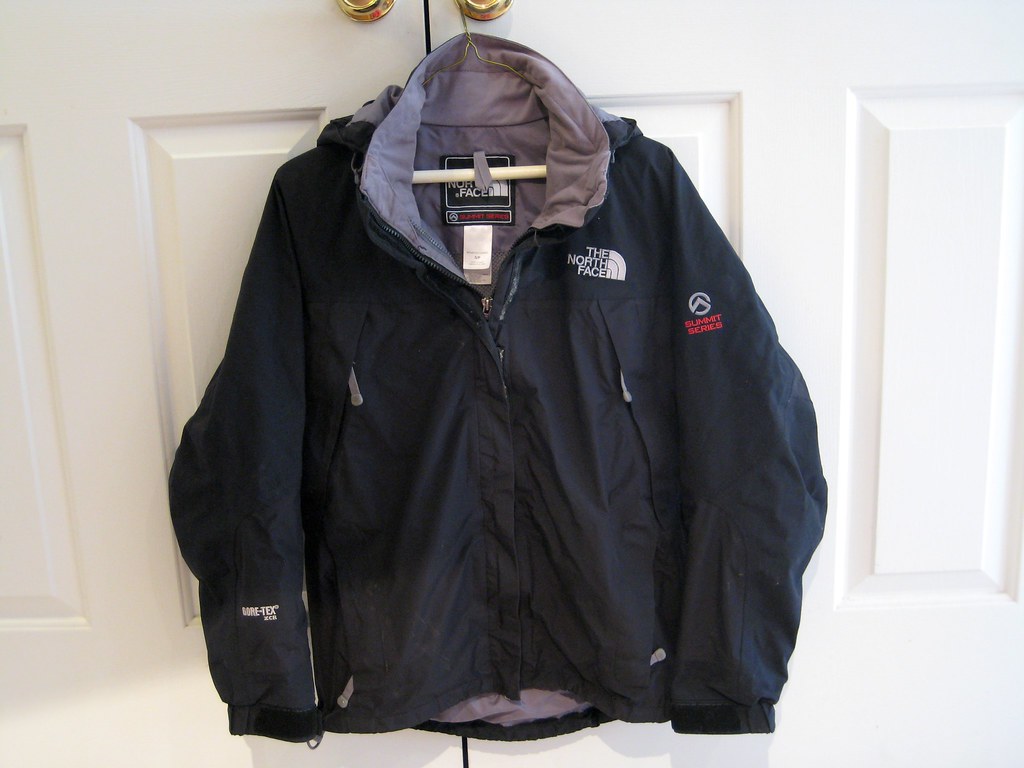
Temperature swings on the Inca Trail are wild—you might start your morning in thermal underwear and a fleece, strip down to a t-shirt by midday as the sun beats down, then pile everything back on when you reach camp at sunset. The trick is layering: moisture-wicking base layers, an insulating mid-layer like a fleece, and a waterproof outer shell.
Porters will carry your duffel bag with sleeping gear and extra clothes, but you’re limited to about 15 pounds total, so every item needs to earn its place. Cotton is your enemy here; it holds moisture, leaving you clammy and cold when the temperature drops.
Break in those boots
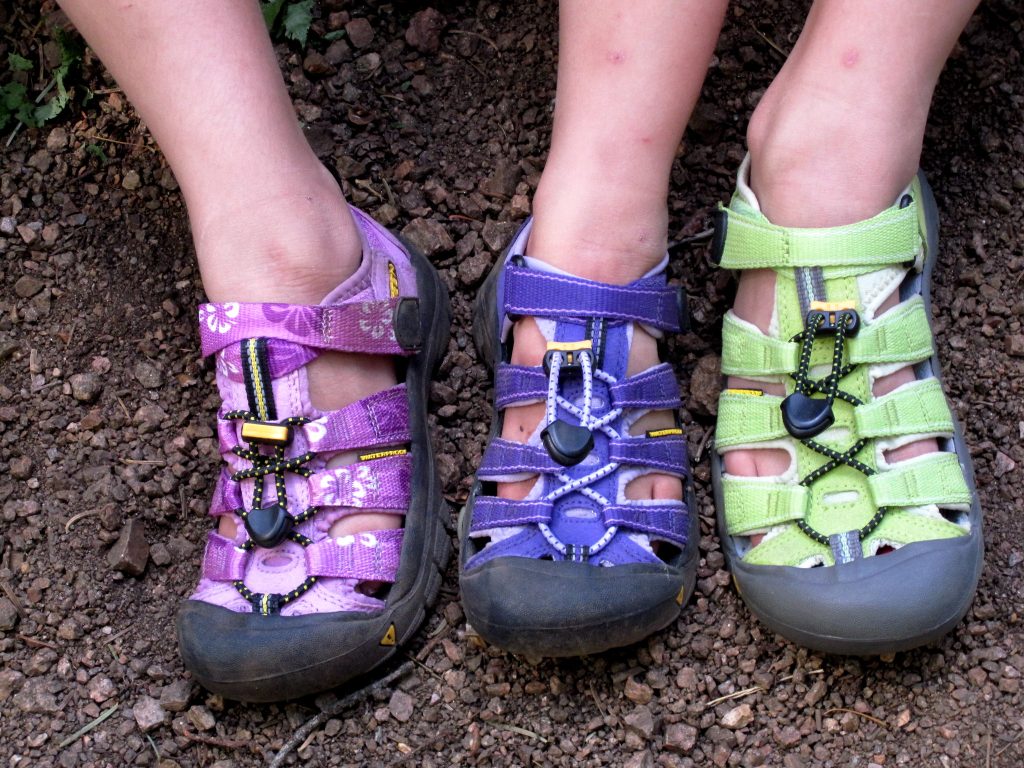
Nothing ruins a four-day trek faster than fresh-out-of-the-box hiking boots that turn your feet into hamburger by day two. Your boots need to be waterproof, offer solid ankle support, and feel like old friends before you set foot on the trail—wear them on practice hikes, around town, even to the grocery store if that’s what it takes.
The Inca Trail throws thousands of uneven stone steps at you, both up and down, and ill-fitting footwear will have you limping and miserable. Many seasoned hikers swear by bringing multiple pairs of socks and changing them midday to keep feet dry and blister-free.
Embrace the shoulder seasons
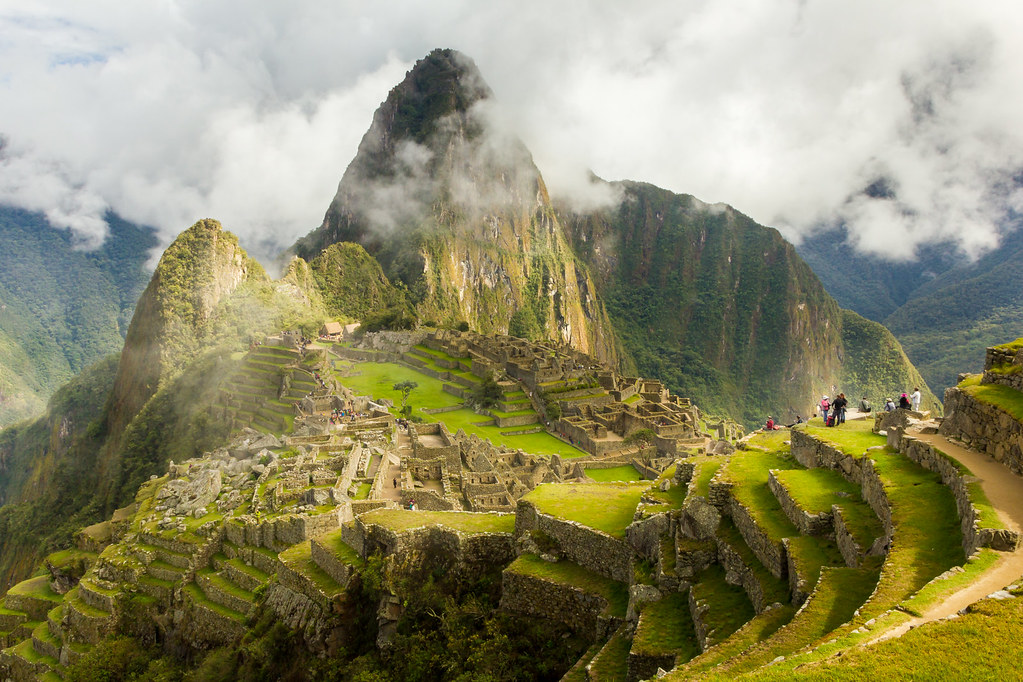
The period between June and August brings the least amount of rainfall and the most transparent skies. The trail becomes overcrowded because many people visit the site, which makes it difficult to take pictures at Machu Picchu.
The mountains remain green during springtime, while autumn brings mild temperatures, which people can enjoy without the busy period of the year. The shoulder months provide better chances to obtain permits when you want to visit without making a reservation one year in advance.
The prices for accommodation in Cusco experience a significant decrease during these months. People should bring rain gear for their trips because mountain weather operates under different patterns that produce unexpected rain during both dry and wet periods.
Hire trekking poles
Trekking poles might look dorky, but they’re absolute game-changers when you’re descending steep stone staircases after climbing over mountain passes. They reduce the pounding on your knees by distributing weight to your arms, help with balance on tricky sections, and give you something to lean on when altitude leaves you breathless.
Most tour operators rent them for around $8 per pole for the entire trek, and that’s money well spent—your knees will thank you, especially on day three when you’re still recovering from the previous day’s brutal ascent. Those who skip poles often regret it by the time they reach camp with aching joints.
Hydrate aggressively
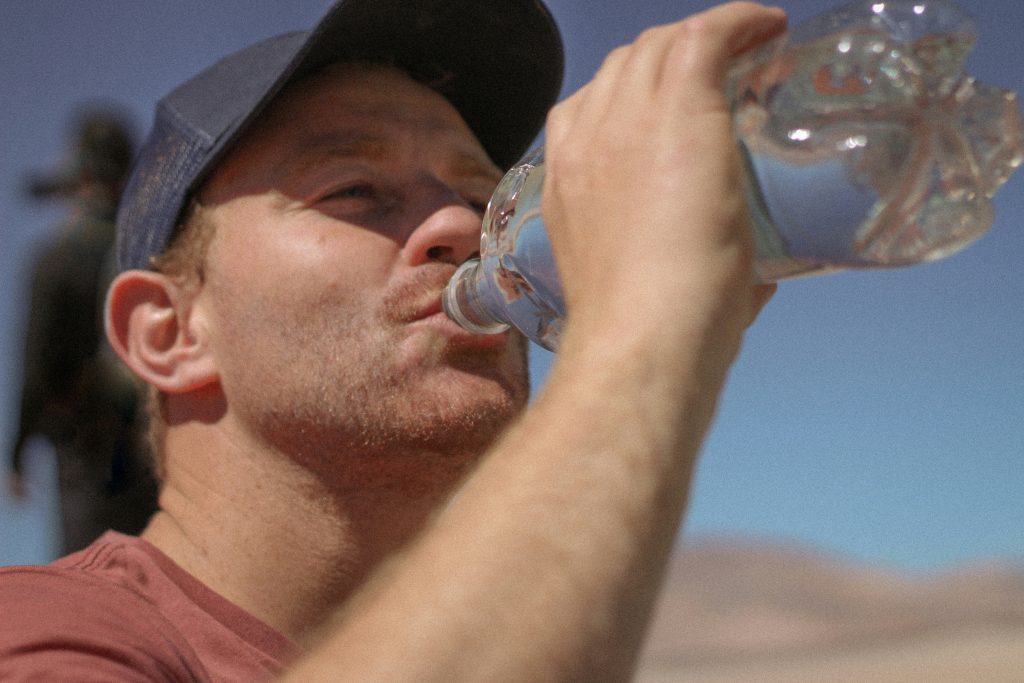
At high altitude, your body loses water faster than you realize through increased breathing and lower humidity, making dehydration a sneaky problem that compounds altitude issues. Aim for two to three liters daily, and your urine should run clear—if it’s dark yellow, you’re already behind.
Tour groups typically provide boiled water at campsites and rest stops, so bring either two one-liter bottles or a hydration bladder that fits your daypack. Some hikers add electrolyte powder or isotonic drinks to replace salts lost through sweating, which helps maintain energy levels on those grueling uphill stretches where your lungs work overtime.
Prepare for bathroom reality
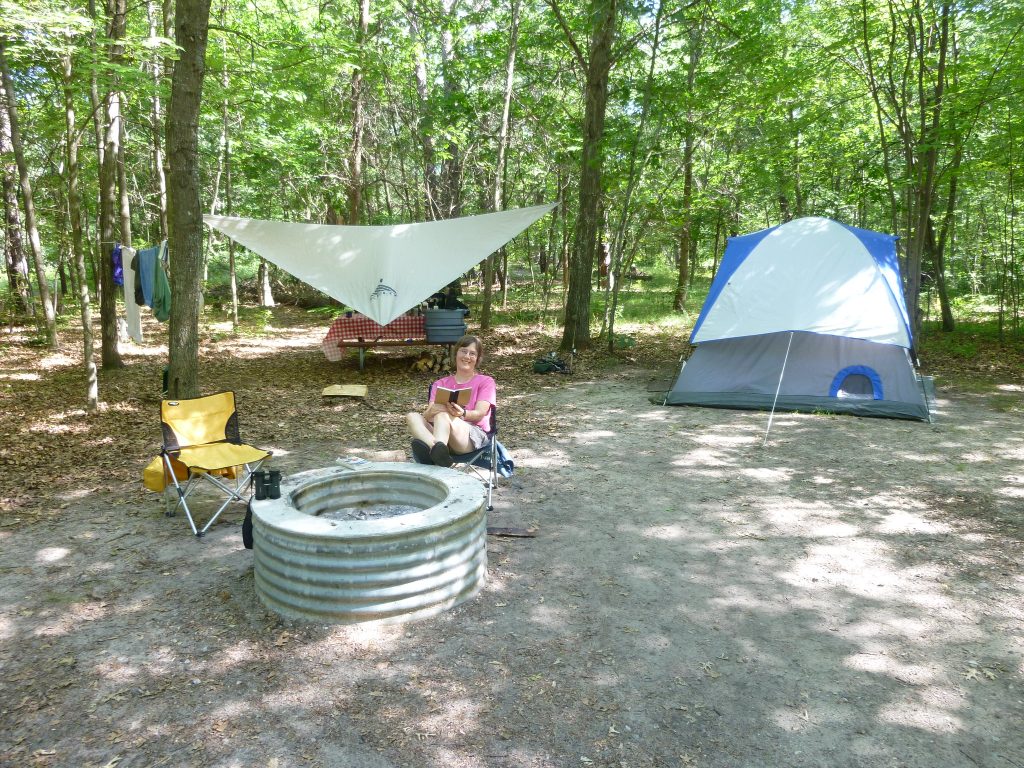
The Inca Trail isn’t equipped with proper restrooms, so you’ll be using pit toilets at campsites and designated spots along the route—and yes, they’re exactly as rustic as that sounds. Bring your own toilet paper, hand sanitizer, and small bills for the occasional pay toilet (usually one sol).
Women often appreciate a pee cloth or funnel device for roadside stops, and everyone should pack wet wipes for basic hygiene since showers are rare. The cold-water shower offered on the final night at the last campsite gets skipped by most trekkers who’d rather wait for a proper hot shower at their Aguas Calientes hotel.
Pack your original passport
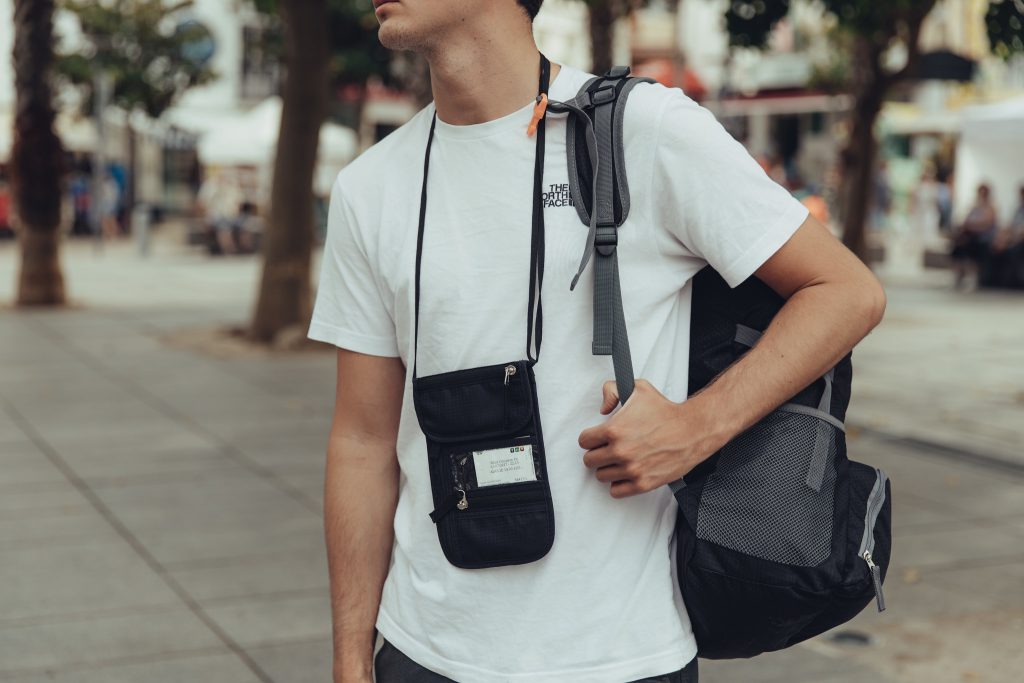
You’ll need your actual passport—not a photocopy—at the trail entrance checkpoint and again when entering Machu Picchu on the final day. Government rangers verify permits against passport information to enforce the strict daily visitor limits, and they won’t accept substitutes.
Keep it in a waterproof bag or pouch inside your daypack, where it stays dry and accessible, because getting rained on and then realizing your passport is a soggy mess isn’t how you want to start this adventure. Some trekkers also grab an optional passport stamp at the entrance as a unique souvenir, though it’s purely for bragging rights.
Choose your tour wisely
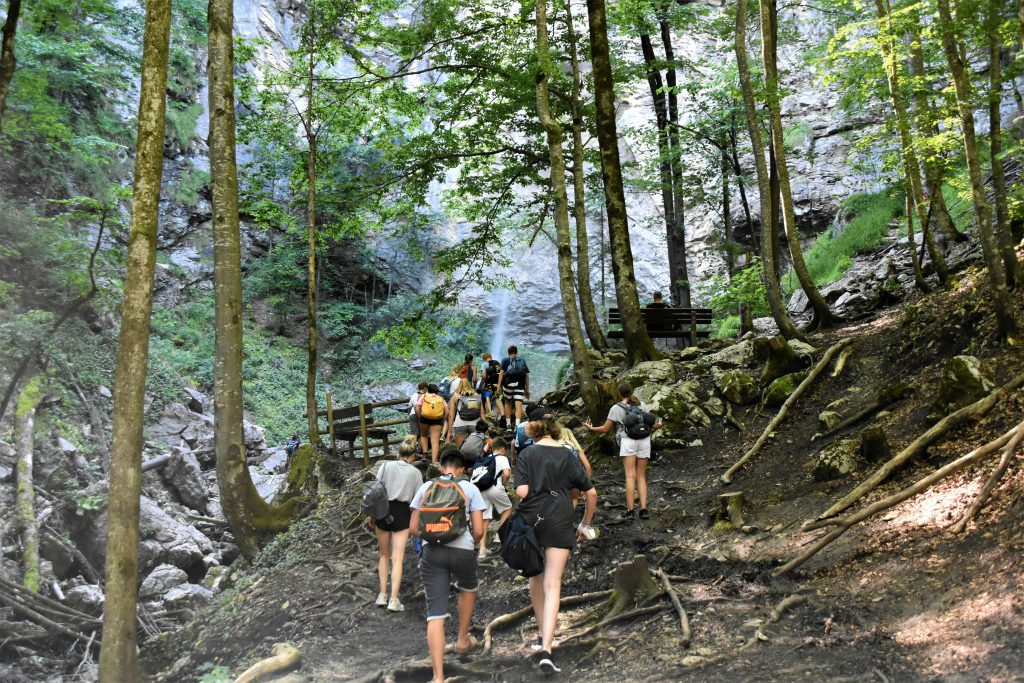
Not all tour operators are created equal, and the cheapest option usually means porters getting exploited and corners cut on food quality and equipment. Look for companies with strong ethics that pay fair porter wages, limit pack weights, and provide proper gear—certifications like ISO standards or fair-trade tourism badges are good indicators.
Read recent reviews focusing on guide knowledge, meal quality, and how companies handle altitude emergencies. Spending an extra hundred dollars or so can mean the difference between bland meals and surprisingly good camp cuisine, between worn-out tents and proper four-season gear that keeps you warm and dry.
Understand the difficulty levels
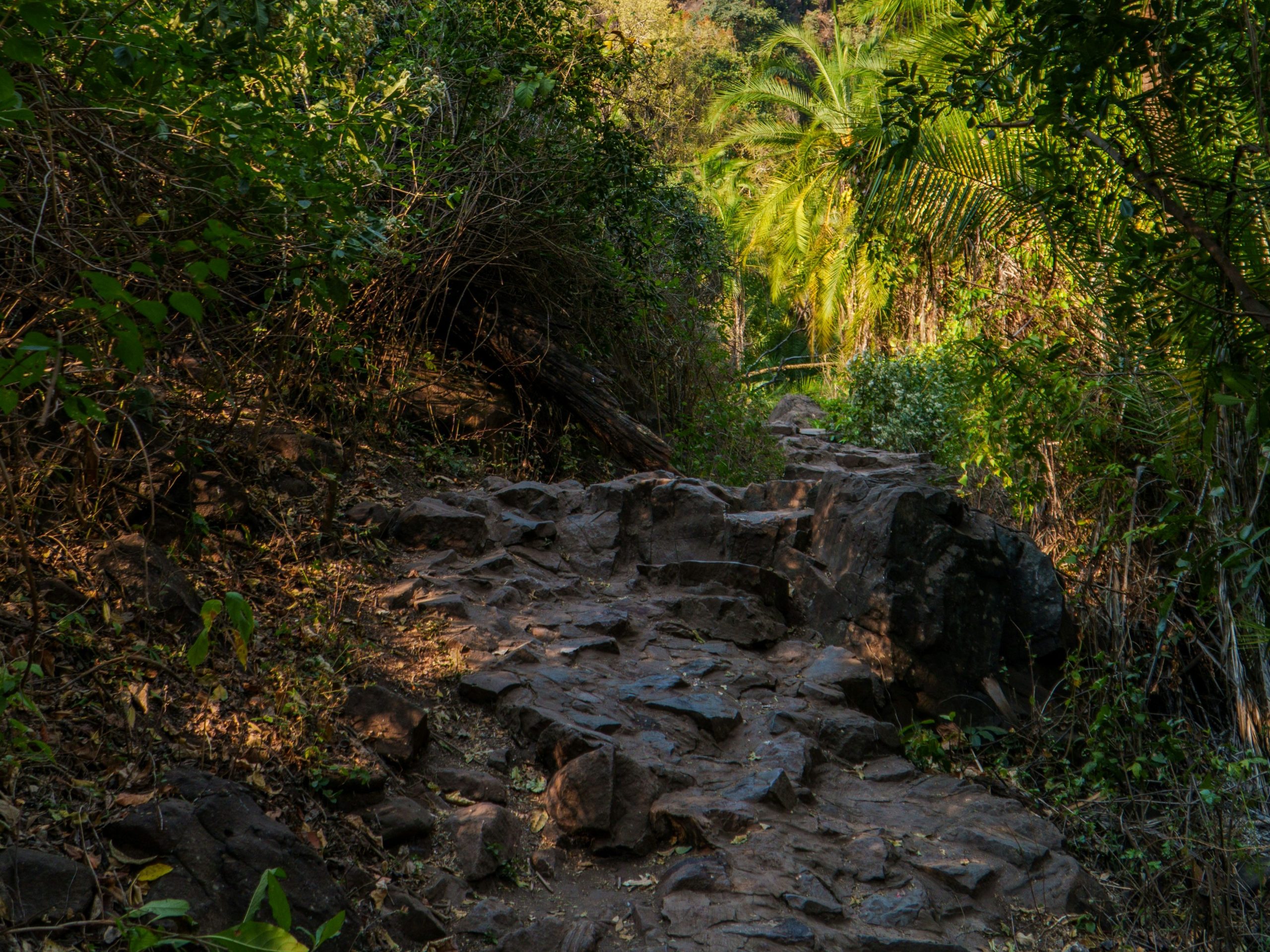
Day two is notoriously the toughest, with a relentless climb from 12,140 feet to Dead Woman’s Pass at 13,828 feet—your lungs burn, your legs scream, and the thin air makes every step feel like you’re dragging a piano uphill. Day three offers welcome relief with more downhill than up and stunning ruins to explore, whereas day one eases you in gently.
The trail covers roughly 26 miles total over four days, with about 6,775 feet of ascent and 7,430 feet of descent across varying terrain from smooth stone paths to rocky scrambles. Most people in decent shape can complete it, yet underestimating the altitude component is where many struggle.
Bring the right daypack
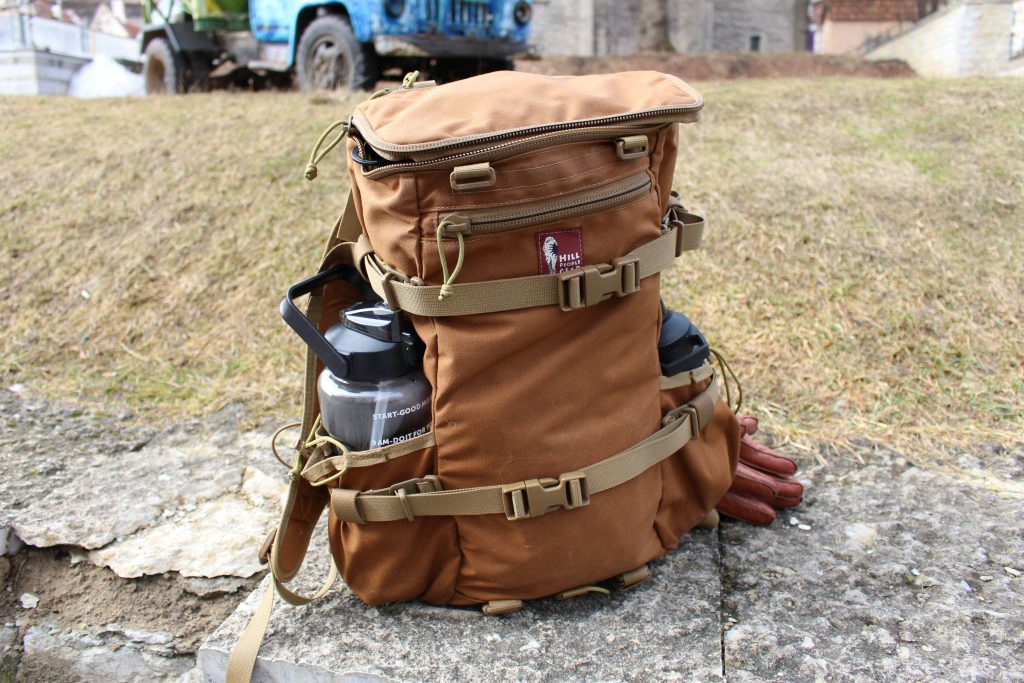
Your daypack carries everything you need during hiking hours—water, snacks, camera, rain layers, sunscreen, and a first aid kit—since porters go ahead with the main duffel bags. A 20 to 30-liter pack works perfectly for most people, offering enough space without becoming a burden when loaded with two liters of water and daily essentials.
Look for something with decent back ventilation and comfortable straps, because you’ll be wearing it for six to eight hours daily. Don’t stuff it so full that accessing items becomes a wrestling match; you’ll want quick access to your rain jacket when those sudden Andean showers roll in.
Accept the porter system
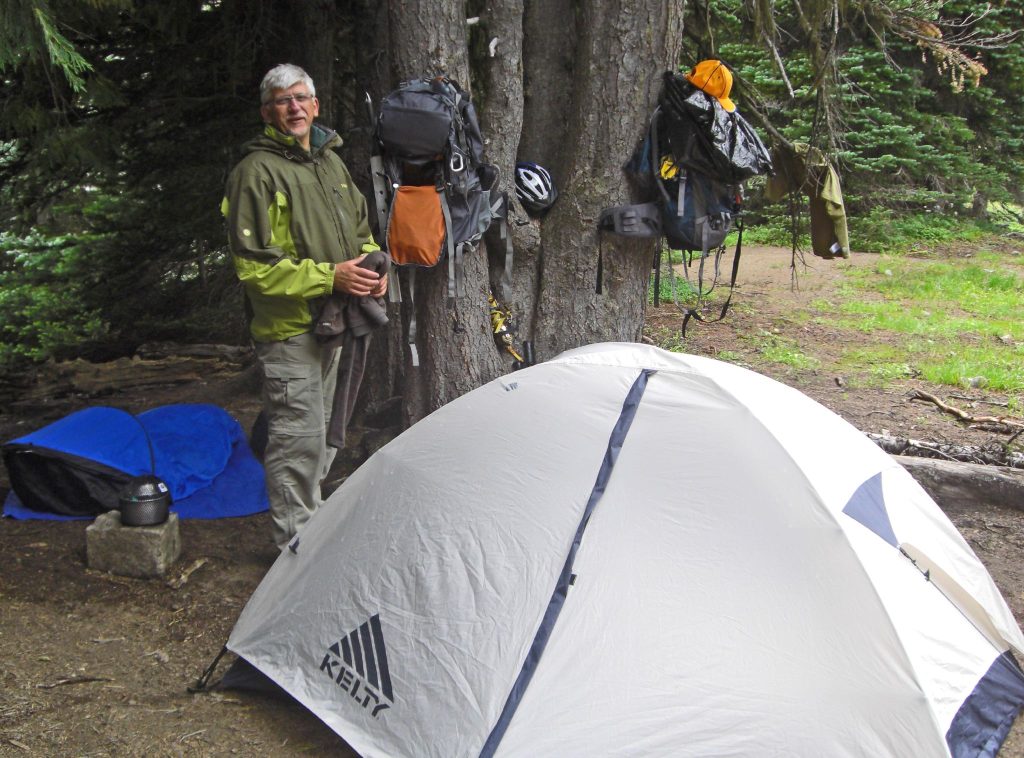
Porters are the unsung heroes of the Inca Trail—they carry tents, cooking equipment, your duffel bag, and food supplies while somehow moving faster than trekkers and setting up camp before you arrive. It’s not just acceptable to use porter services; it’s mandatory since you’re required to trek with a licensed operator.
These hardworking individuals make the journey possible, so choose companies that treat them ethically by limiting pack weights to legal maximums (around 55 pounds including their personal gear) and providing proper equipment. Many trekkers tip their porter team at the end, acknowledging the backbreaking work that makes their adventure comfortable.
Watch for altitude warnings
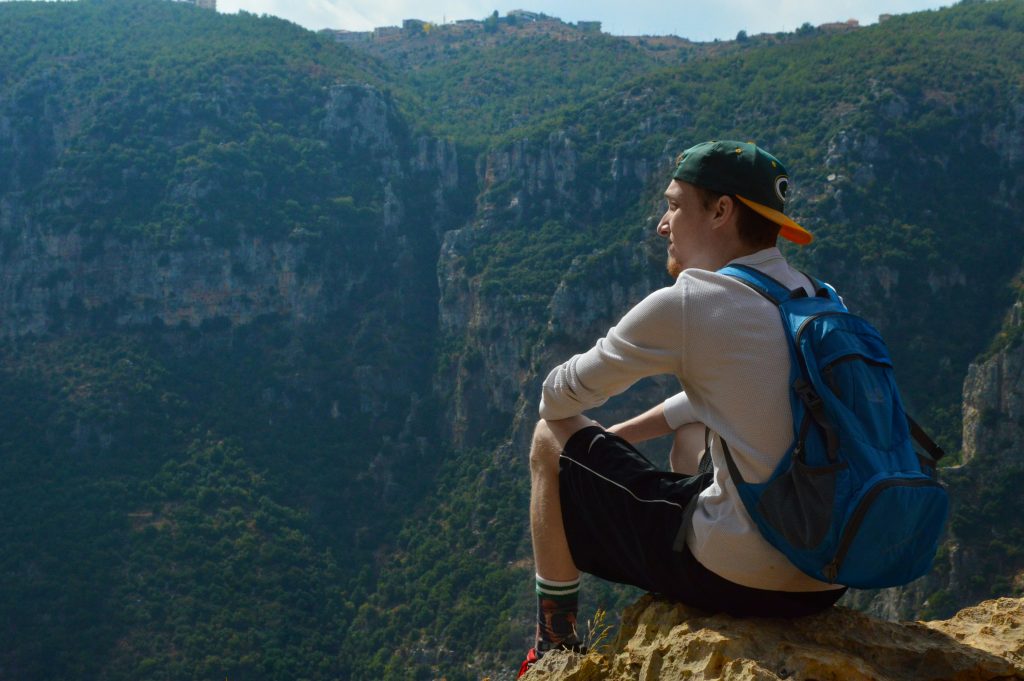
Altitude sickness doesn’t discriminate—ultra-fit athletes and casual hikers can both get hammered by symptoms like headaches, nausea, dizziness, and shortness of breath. The key is recognizing early signs and responding appropriately: slow down, drink more water, breathe deeply, and communicate with your guide if symptoms worsen.
Most cases resolve with rest and conservative pacing, but severe symptoms like confusion or difficulty breathing require immediate descent. Coca tea, a traditional Andean remedy, helps some people, though its effectiveness varies—the alkaloids in coca leaves may ease mild altitude discomfort but won’t prevent serious cases.
Plan for February closure
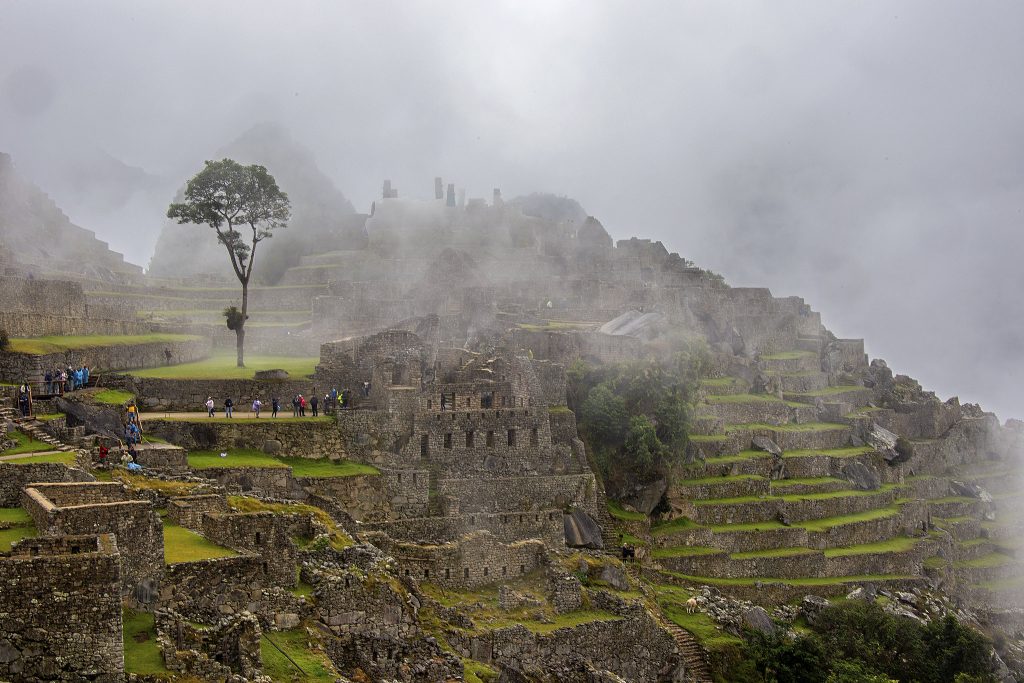
The Inca Trail shuts down completely every February for annual maintenance and conservation work, so don’t even think about booking during that month. The closure allows the trail to recover from heavy foot traffic and gives crews time to repair erosion damage and restore archaeological sites.
If February is your only available window, consider alternative treks like the Salkantay or Lares routes that remain open year-round and still end at Machu Picchu. This mandatory closure also means fewer visitors to Machu Picchu itself in February, making it an excellent time to visit the ruins by train if the hike isn’t essential.
Bring proper sun protection
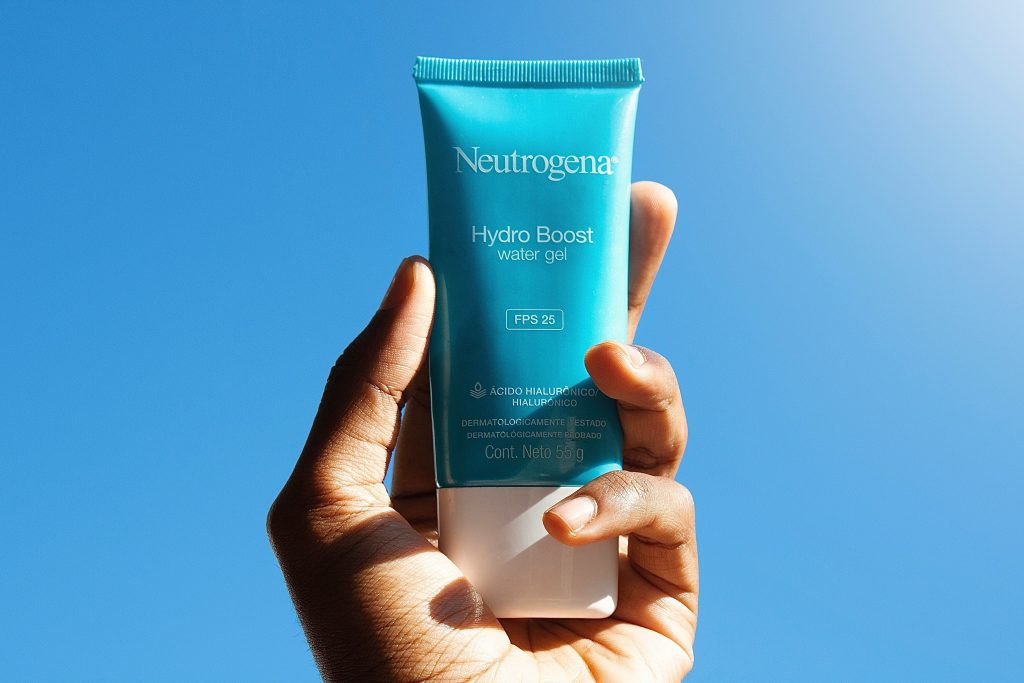
At high altitude, UV radiation intensifies dramatically, and you can get fried even on cloudy days when you least expect it. Pack high-SPF sunscreen (50+ is smart), reapply frequently, and don’t forget often-missed spots like ears, neck, and the backs of your hands.
A wide-brimmed hat with neck coverage shields your face and prevents that tourist-red glow in your summit photos, whereas quality UV-blocking sunglasses protect your eyes from glare bouncing off stone paths and snow-capped peaks. Sunburned lips are miserable at altitude, so throw some SPF lip balm in your pocket and use it liberally throughout the day.
Manage your expectations
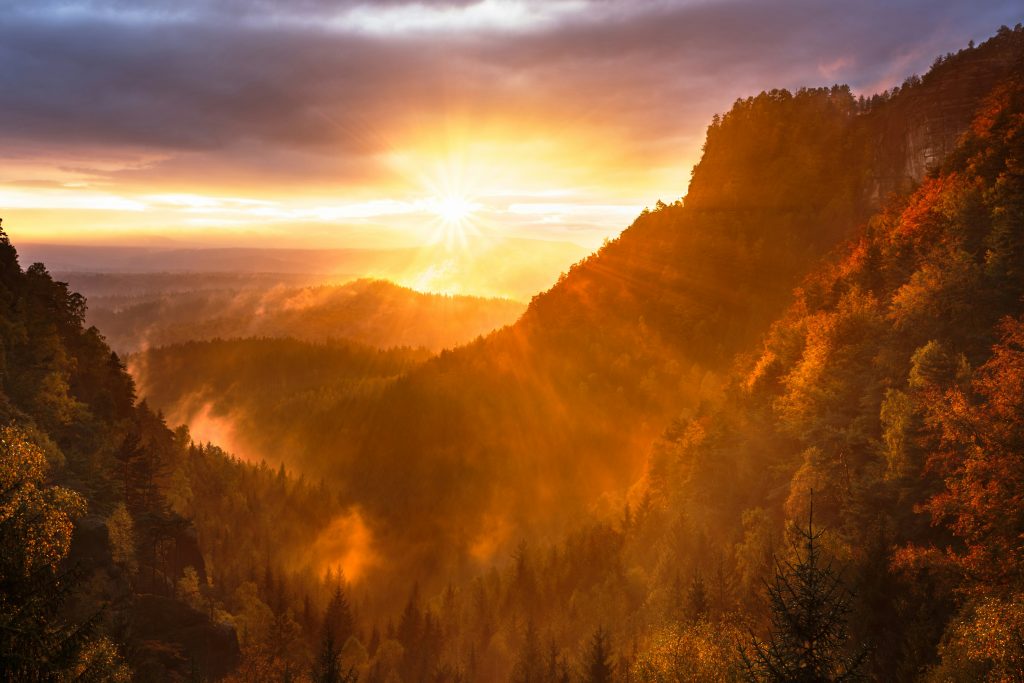
The Inca Trail delivers incredible moments—sunrise over mountain peaks, perfectly preserved ruins emerging from cloud forest, that first glimpse of Machu Picchu through the Sun Gate—but it’s not all Instagram-worthy magic. You’ll be tired, possibly sore, definitely sweaty, and sleeping in tents on thin mats while temperatures drop near freezing.
Toilets are basic, showers are scarce, and that glamorous adventure you imagined involves a lot of unglamorous reality. Yet that’s precisely what makes reaching Machu Picchu on foot so rewarding; you’ve earned those views through genuine effort rather than just buying a train ticket.
Pack smart for weight
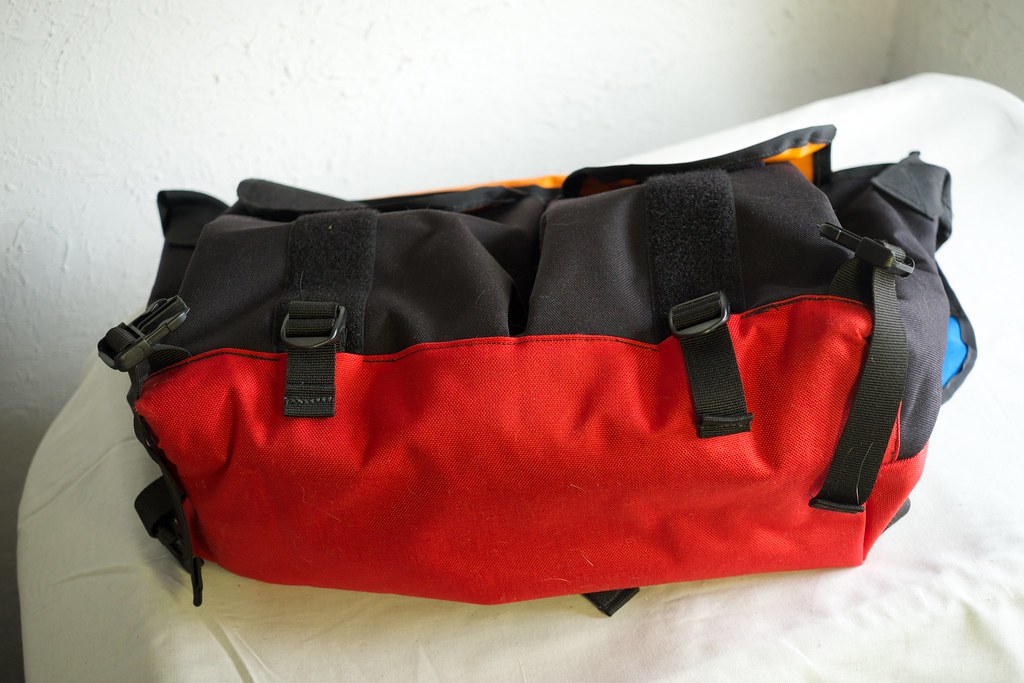
Tour companies enforce strict weight limits on duffel bags—usually around 15 pounds—so every item needs justification. Roll clothes instead of folding to save space, bring quick-dry fabrics that you can wash and wear again, and resist the urge to pack ‘just in case’ items that’ll never leave your bag.
One good fleece beats three mediocre layers, and a lightweight down jacket packs small but provides serious warmth at camp. Compression bags or packing cubes help organize gear and maximize space, making it easier for porters to carry and simpler for you to find what you need without unpacking everything each night.
Carry extra snacks

Trail meals provided by tour operators are usually solid—think hearty breakfasts, packed lunches, and warm dinners at camp—but having personal snacks gives you energy boosts exactly when you need them. Chocolate, nuts, dried fruit, energy bars, and salty chips keep your blood sugar stable during long stretches between meals and provide mental comfort when the climbing gets rough.
Many trekkers swear by coca candy, which contains trace amounts of coca leaf alkaloids and might help with altitude while tasting like herbal caramels. Just remember that trash must be packed out, so bring a small bag for wrappers rather than littering this sacred landscape.
The mental game matters most
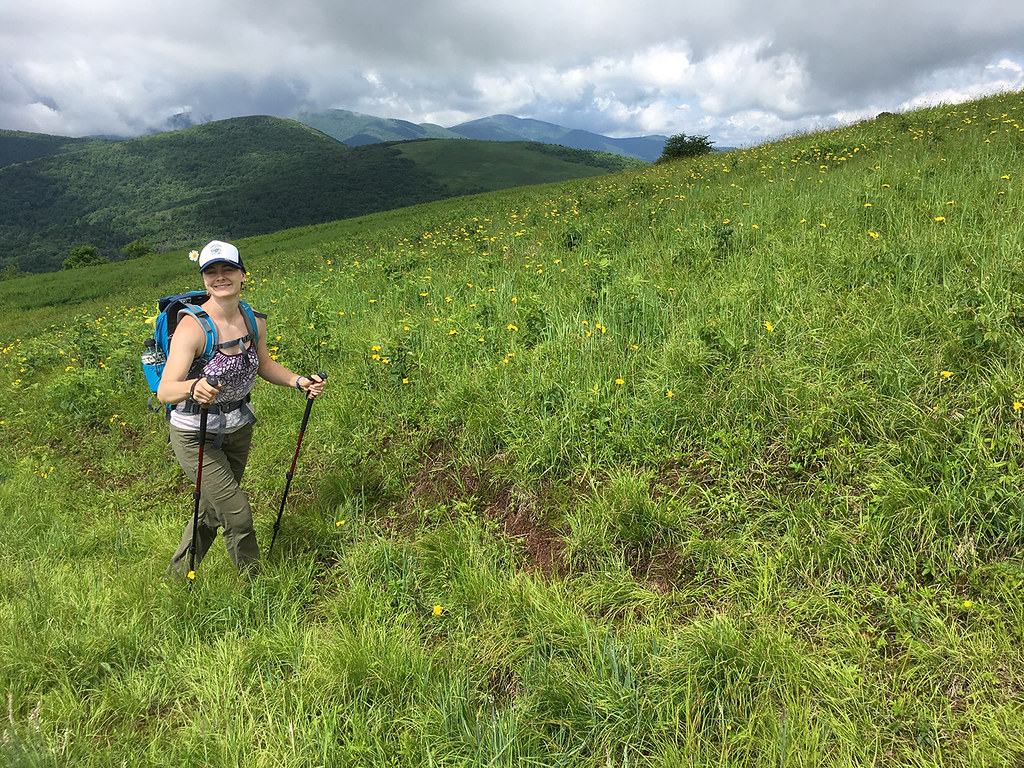
Physical fitness gets you to the trailhead, but mental toughness gets you to Machu Picchu when your body’s screaming to quit on the Dead Woman’s Pass ascent. Breaking the trek into smaller goals helps—focus on reaching the next rest stop rather than obsessing over the entire day’s distance, and celebrate small victories like cresting a particularly brutal section.
Trekking with a positive attitude makes challenges feel like adventures rather than ordeals, and connecting with your group turns suffering into shared experience and inside jokes. When doubt creeps in during those tough moments, remember why you came: there’s a 500-year-old citadel waiting at the end, and you’re walking the same paths the Incas carved into these mountains all those centuries ago.
From ancient paths to modern adventure
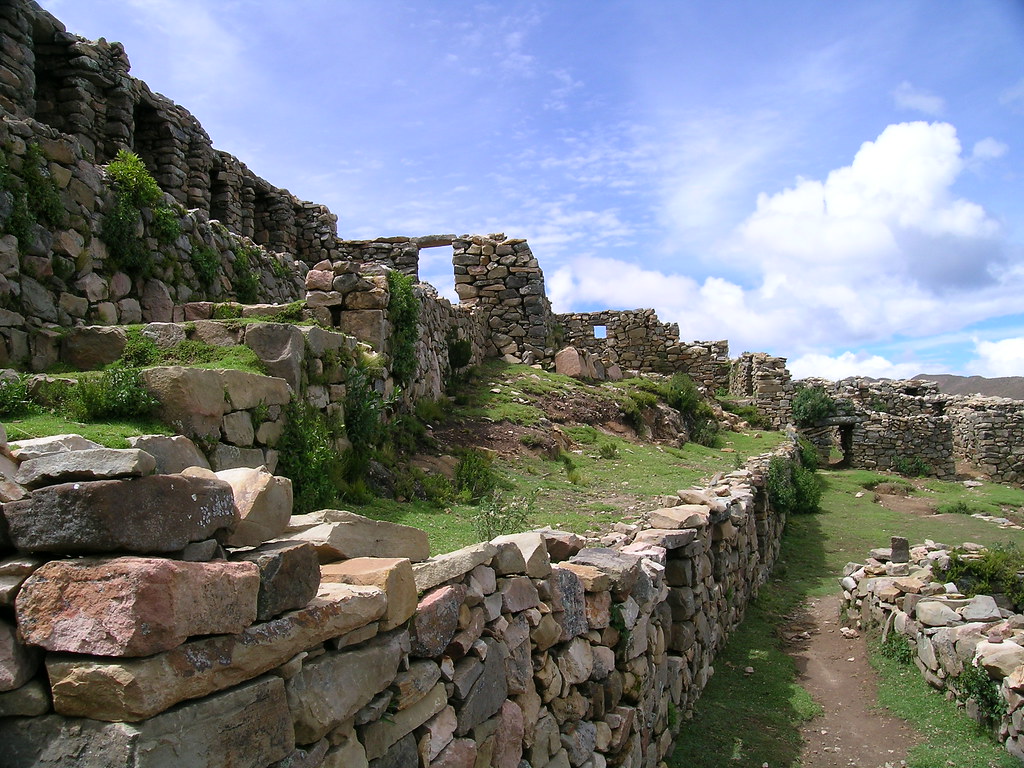
The Inca Trail, once a sacred road connecting the vast Inca Empire, has evolved into one of the world’s most sought-after treks. Yet, its essence remains unchanged—a journey through extraordinary landscapes to reach a place that still radiates mystery and wonder.
Those stone steps that test your legs today were cut by hand centuries ago, and the ruins you’ll pass en route served purposes we’re still uncovering. Modern regulations now protect what careless tourism nearly destroyed in the 1990s when unrestricted access led to trash-strewn campsites and damaged archaeological sites.
Today’s permit system, while frustrating for would-be hikers, ensures the trail survives for future generations to experience this same transformative journey on their own terms.
More from Travel Pug

- Underrated Italian Towns That Beat the Tourist Crowds
- Las Vegas Tourist Traps to Skip
- Prettiest Towns in Every US State
- 18 passport-free countries for Americans
- Signs Your Cruise Is Not Worth The Cost
Like Travel Pug’s content? Follow us on MSN.