

While travel influencers flood the same dozen coastal hotspots, a different story unfolds along forgotten shorelines. Small beach towns that once chased tourist dollars have discovered something unexpected: life got better when the crowds stopped coming.
These communities rebuilt their economies around local needs, restored authentic cultures, and found prosperity in being overlooked.
Here’s a list of coastal towns that didn’t just survive without tourism—they flourished by embracing isolation and rediscovering what made them special in the first place.
Bolinas, California
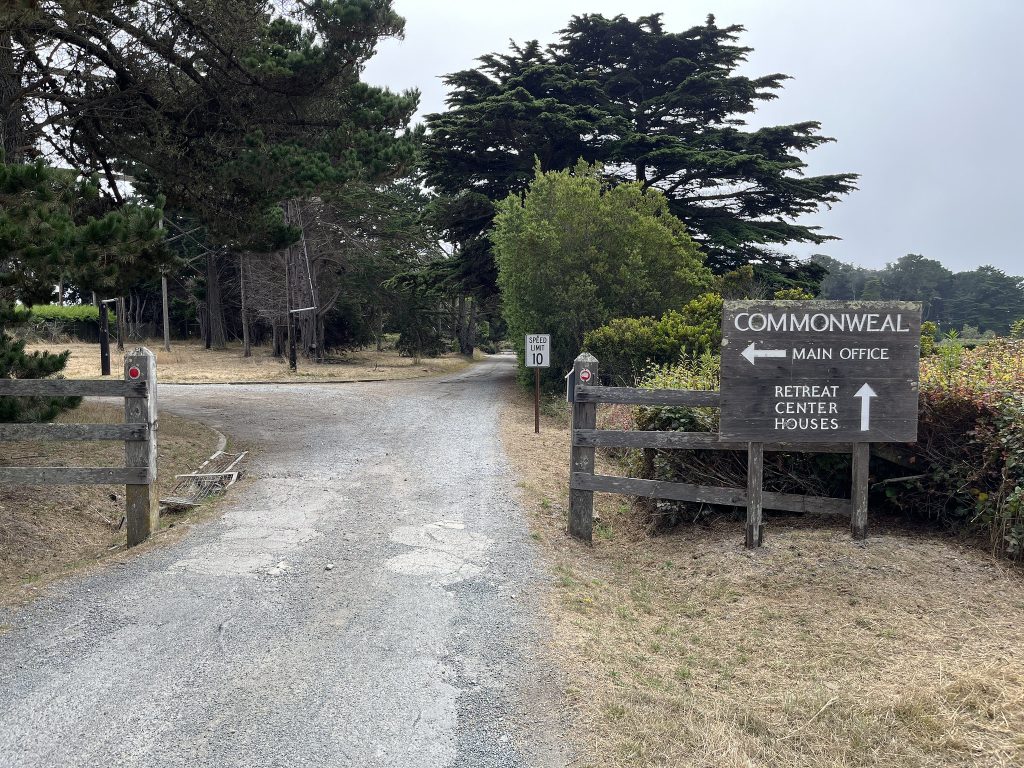
This Marin County beach town actively discourages visitors by removing highway signs pointing to its location. Locals take down directional markers as quickly as Caltrans can install them. The strategy works—most tourists end up lost or frustrated before they arrive.
Bolinas thrives on a tight-knit community of artists, surfers, and longtime residents who prefer quiet streets to packed beaches. The town supports itself through small-scale fishing, organic farms, and a handful of resident-owned businesses.
No chain stores. No vacation rentals dominating the housing market. Property values remain accessible enough for younger families to stay, a rarity along California’s coast.
Punta del Diablo, Uruguay
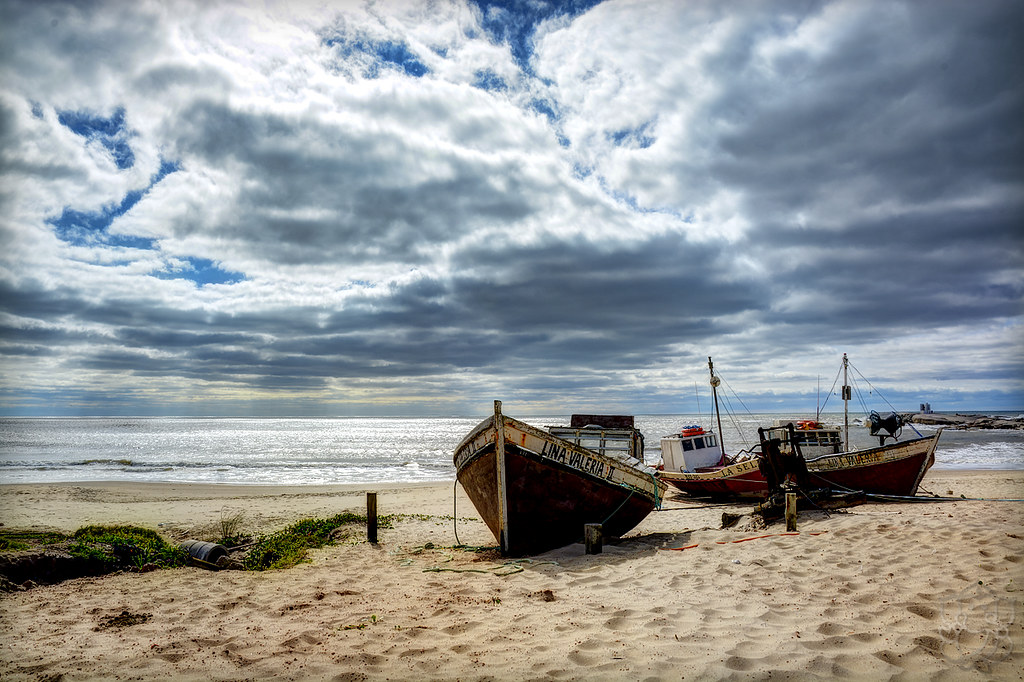
Fishermen still haul nets at dawn while the rest of this Atlantic village sleeps. Punta del Diablo never built the infrastructure for mass tourism—no large hotels, limited parking, unpaved roads leading to many beaches.
What could’ve been a development failure became the town’s greatest asset.The local economy runs on small-scale fishing cooperatives and family-run guesthouses that accommodate maybe six people at a time.
Residents sell fresh catch directly from boats to neighbors. And the lack of nightlife or luxury amenities means the town stays genuinely quiet, appealing only to those who want exactly that.
Like Travel Pug’s content? Follow us on MSN.
Kaikoura, New Zealand
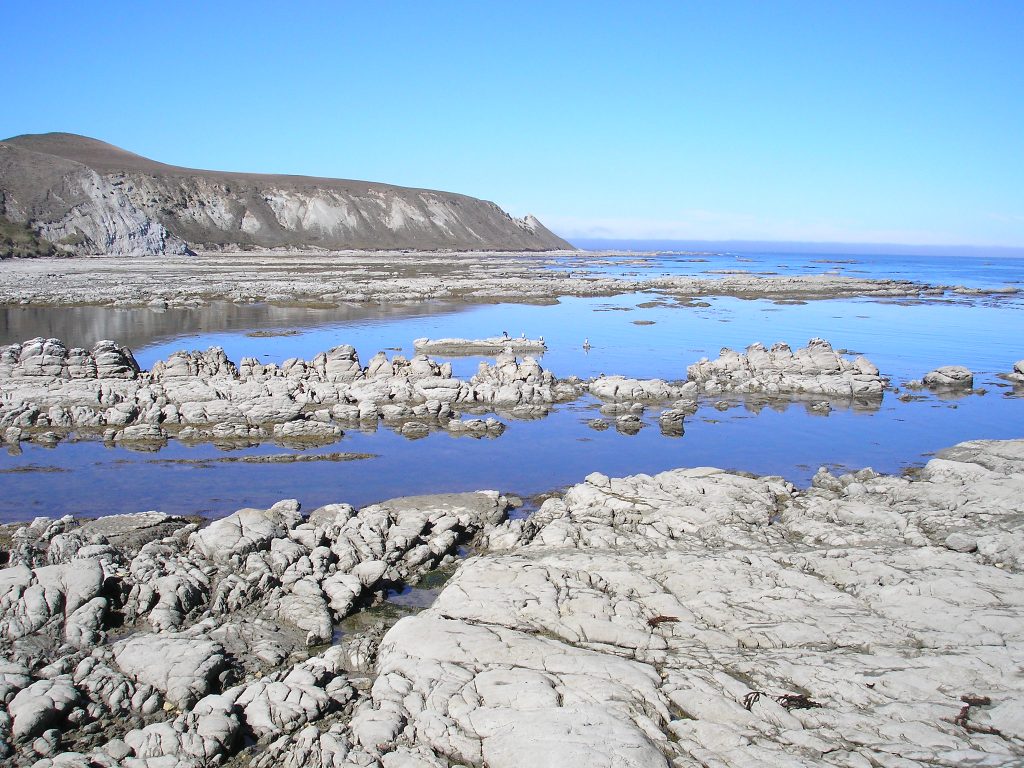
After a devastating 2016 earthquake severed the main highway and rail line, tourist numbers dropped by over 60 percent almost overnight. The town had two years of relative isolation while infrastructure slowly rebuilt. Something shifted during that period—locals remembered what their community felt like before it became a whale-watching theme park.
When transport links reopened, Kaikoura deliberately kept its tourism small. Strict limits on commercial operators. Community-controlled quotas for marine tours.
The money flows differently now, distributed among more local businesses rather than concentrated in a few large operators. Unemployment actually decreased as residents launched small ventures serving each other instead of serving visitors.
Comporta, Portugal
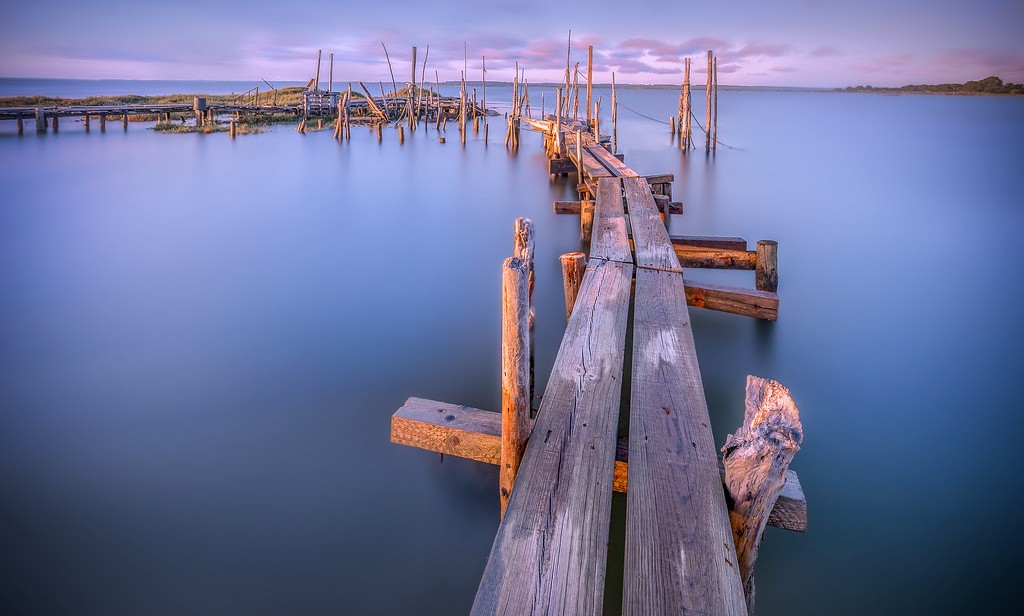
Portuguese families have been coming to this Alentejo coast town for generations, but strict development regulations prevented the hotel boom that transformed the Algarve. Most buildings stay below tree height. No high-rises block the horizon.
Even the rice paddies between town and beach remain protected agricultural land.The local economy balances traditional salt harvesting, rice cultivation, and sustainable pine forest management.
Tourism exists but doesn’t dominate—most visitors are Portuguese, staying in family homes passed down through generations. Foreign investors tried repeatedly to build luxury resorts. Every proposal got blocked by residents who valued their economy exactly as it was.
Yakushima, Japan
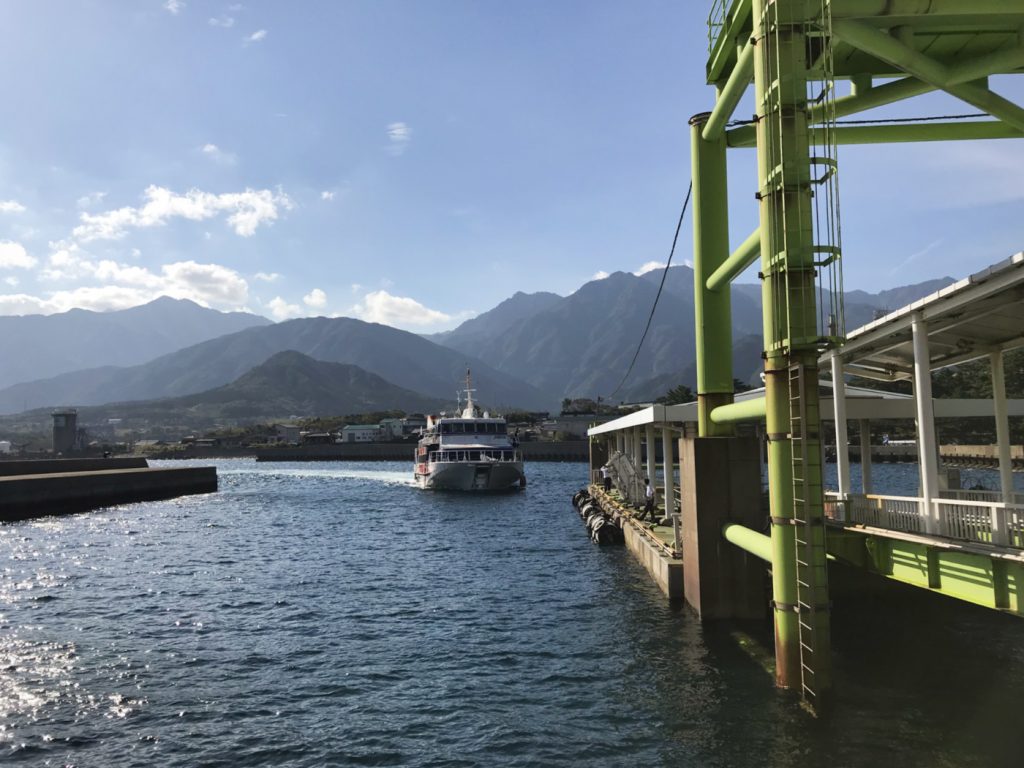
This island south of Kyushu limited tourist numbers long before overtourism became a buzzword. Only two ferries run daily, and flights from the mainland stay expensive.
The approach keeps visitor numbers manageable—roughly 300,000 annually on an island with 13,000 residents.Local income comes primarily from forestry (the sustainable kind), fishing, and small-scale agriculture.
Ancient cedar trees draw nature enthusiasts, but strict trail access rules and required permits prevent crowds. Still, the island’s real economy doesn’t depend on those hikers. Residents built a system where tourism supplements rather than sustains the local economy, creating stability when visitor numbers fluctuate.
Like Travel Pug’s content? Follow us on MSN.
São Miguel, Azores
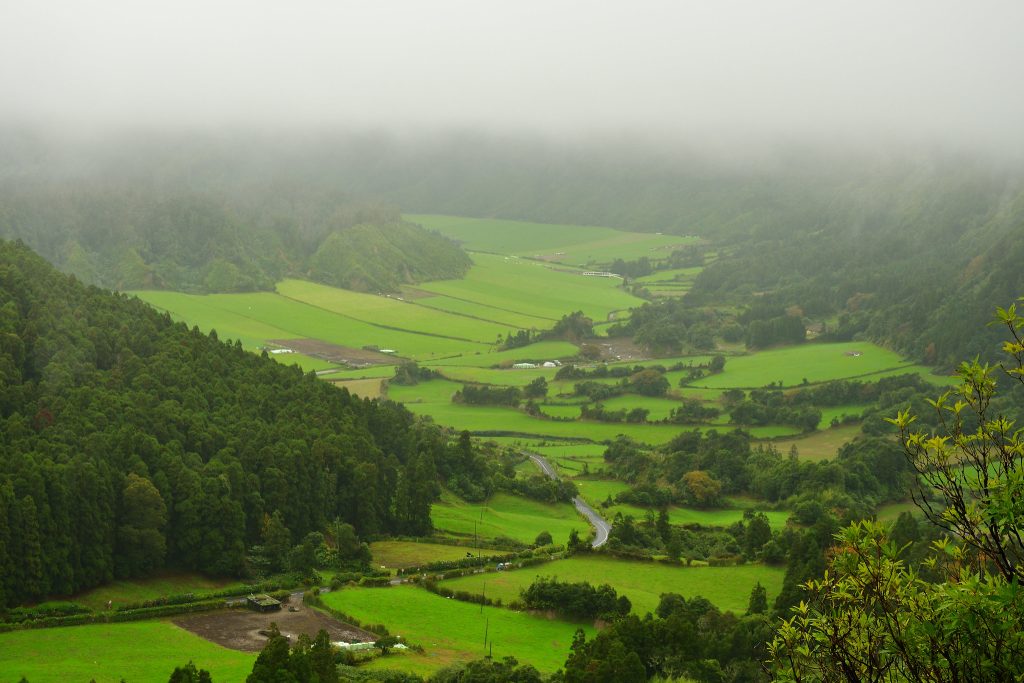
The most populated Azorean island kept tourism deliberately small by making access complicated. Limited flights. No cruise ship ports. Infrastructure that develops slowly, almost stubbornly.
Most visitors who make the effort are Portuguese mainlanders or adventurous Europeans willing to plan extensively.Agriculture drives the economy—tea plantations, dairy farms, pineapple greenhouses that somehow thrive in volcanic soil.
The island exports to mainland Portugal and Europe, creating income streams completely independent of tourism. Locals maintain thermal baths and crater lakes for their own use. Visitors are welcome to share, but nothing gets redesigned to accommodate them specifically.
Gokarna, India
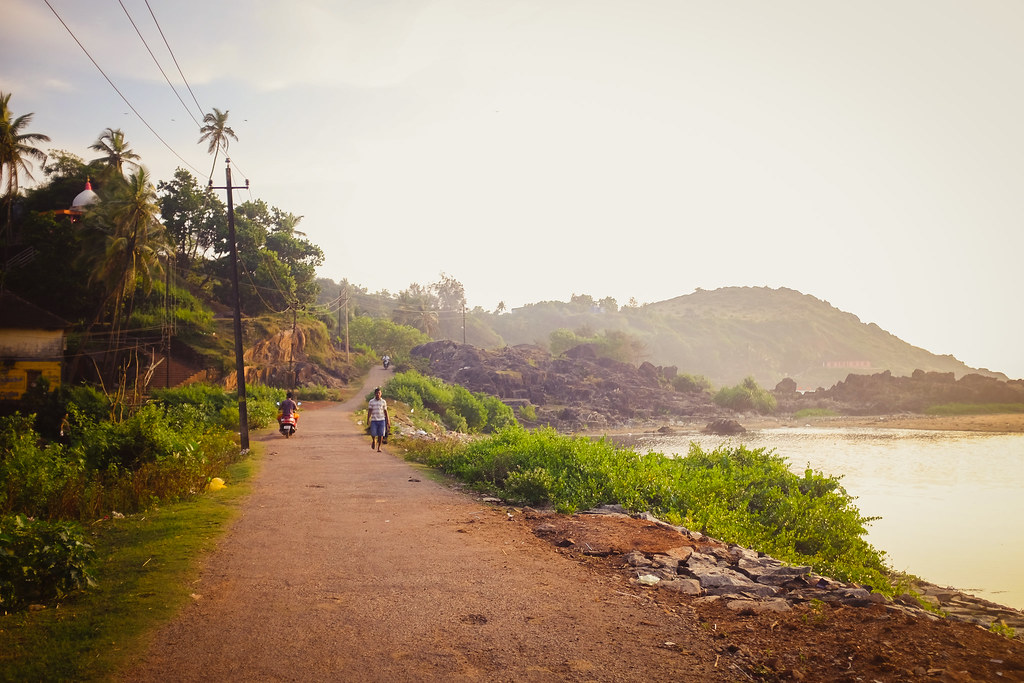
While Goa descended into package tourism chaos, this Karnataka beach town held onto its identity as a Hindu pilgrimage site. Regulations prohibit alcohol sales and limit beachfront construction, making Gokarna fundamentally unappealing to party tourists.
That’s precisely the point.The economy balances religious tourism (pilgrims visiting ancient temples) with traditional fishing and agriculture.
Beach shacks serve simple food to a mix of locals and the occasional backpacker. Real estate remains affordable. Could be worse—neighboring areas sold everything to resort developers and now struggle with water shortages and seasonal employment cycles that leave half the population idle for months.
Salento, Colombia
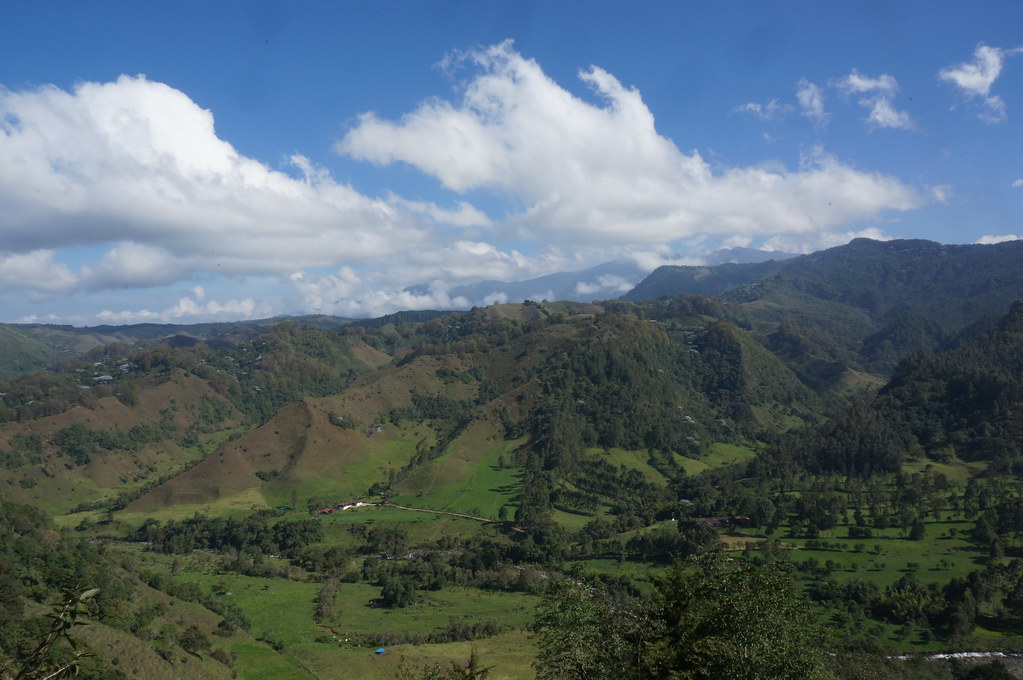
Coffee culture sustains this Andean town, not tourism to the nearby Cocora Valley. When visitors do arrive, they’re outnumbered by locals whose families have cultivated coffee on these slopes for over a century. The town square fills with farmers trading beans and discussing crop yields, not tour operators haggling over prices.
Coffee cooperatives provide stable year-round employment, something tourism never could. Even during Colombia’s tourism boom, Salento avoided the trap of converting family farms into adventure parks.
Residents offer farm tours, but only because they genuinely enjoy explaining their craft. Not because they need the money.
Like Travel Pug’s content? Follow us on MSN.
Hornstrandir, Iceland
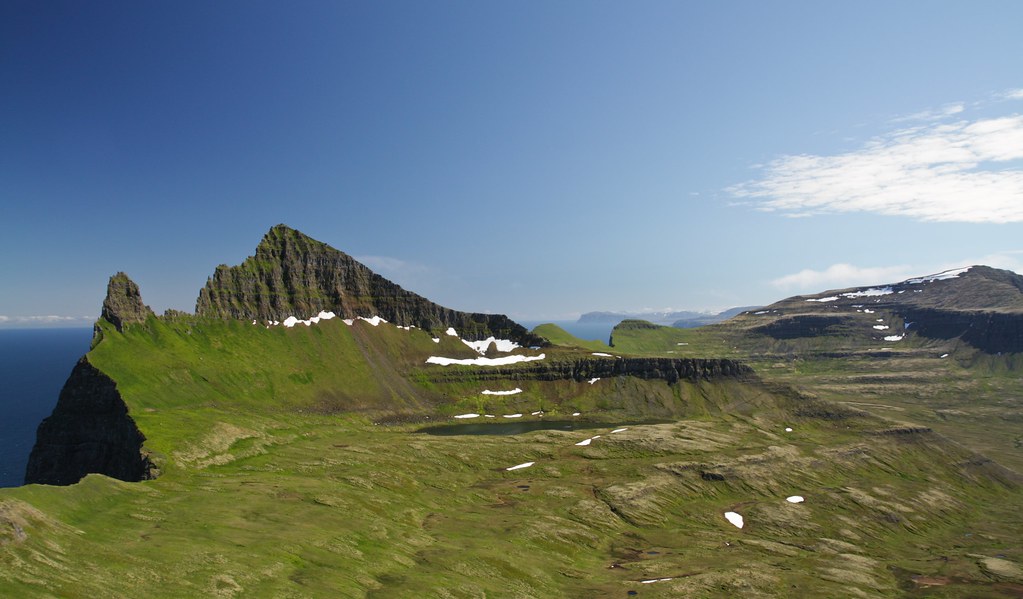
No roads reach this nature reserve on Iceland’s northwest peninsula. No permanent residents either, technically, since the last families left in 1952. But each summer, descendants return to maintain old farmhouses and live off the land for a few months.
They fish, forage, and exist without electricity or running water.Tourism? Almost none. The hiking required to reach Hornstrandir deters casual visitors, and Iceland’s tourism board barely mentions it.
The few who make the trek find a landscape thriving specifically because humans stepped back. Arctic foxes roam freely, bird populations exploded, and the descendants who summer there consider themselves stewards rather than residents or tour operators.
Trancoso, Brazil
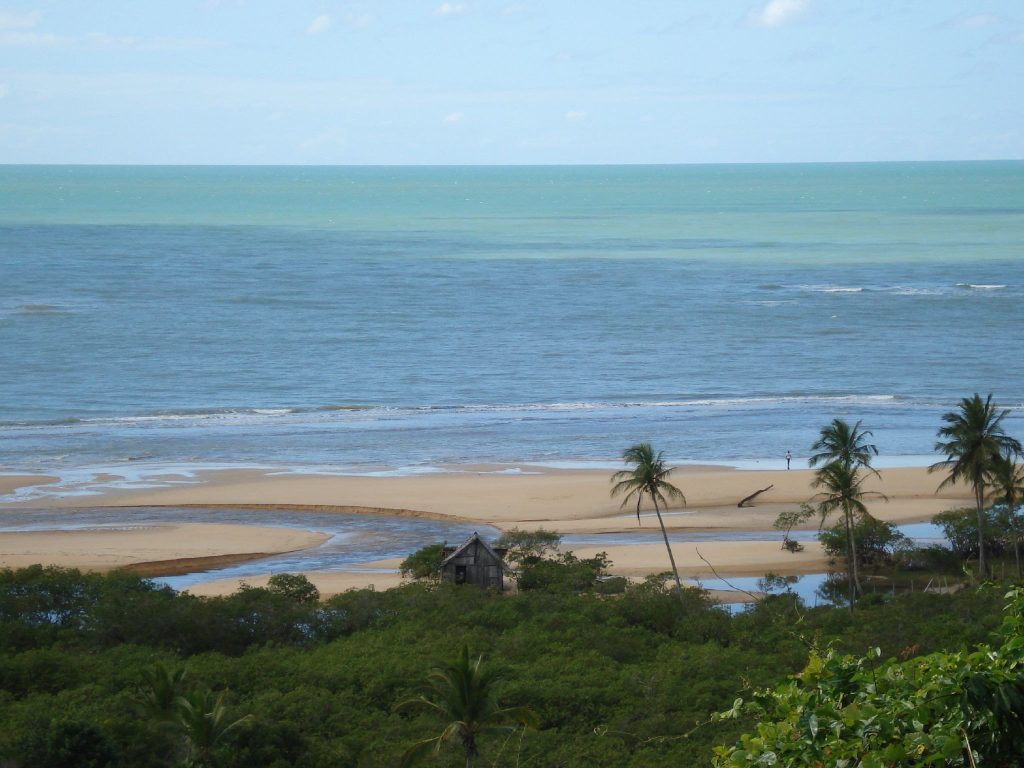
This Bahian village survived the tourism boom by accident—terrible roads kept most visitors in Porto Seguro. By the time infrastructure improved, residents had already established community rules limiting development.
The central quadrado remains unpaved grass. Buildings must maintain traditional facades. Hotel construction gets approved grudgingly, if at all.
Fishing cooperatives and small-scale cacao farming provide primary income. Tourism exists, but it’s the right kind—low volume, high spending, minimal environmental impact. Residents noticed that maintaining authenticity actually attracted wealthier visitors who spend more per capita than backpackers, creating better income without increased foot traffic.
Pangkor Island, Malaysia
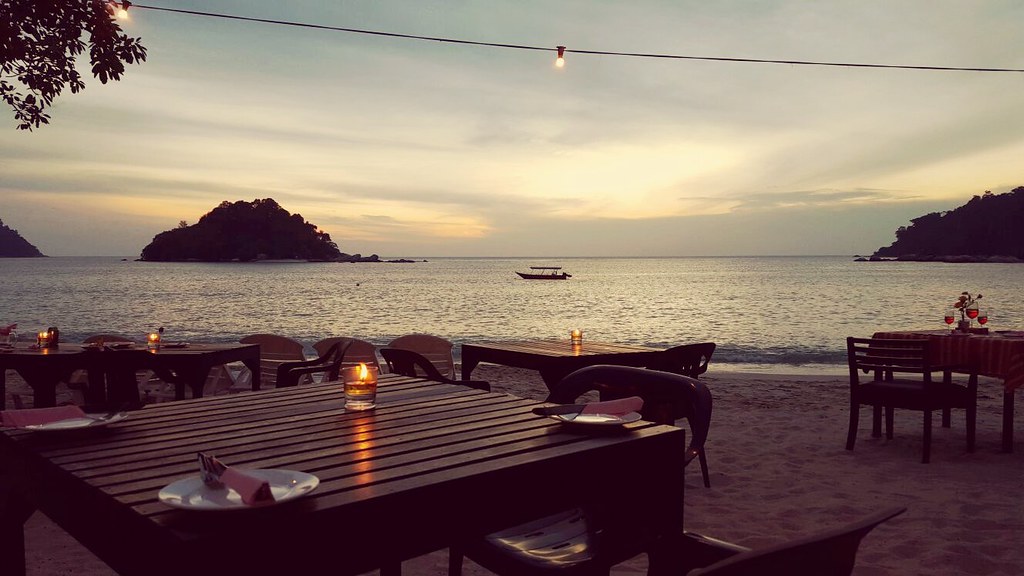
While Langkawi and Penang chased Chinese tour groups, Pangkor stayed small by offering nothing tourists typically want. Limited nightlife. Modest accommodations.
Beaches that require effort to reach. The state government proposed mega-resorts multiple times, and residents rejected every proposal.
The local economy runs on fishing—Pangkor supplies fish to mainland Malaysia’s west coast. That industry alone provides enough employment and income to keep the island functioning. Tourism income is appreciated but nonessential, giving residents leverage to refuse developments that might compromise their primary industry or quality of life.
Like Travel Pug’s content? Follow us on MSN.
Chiloe, Chile
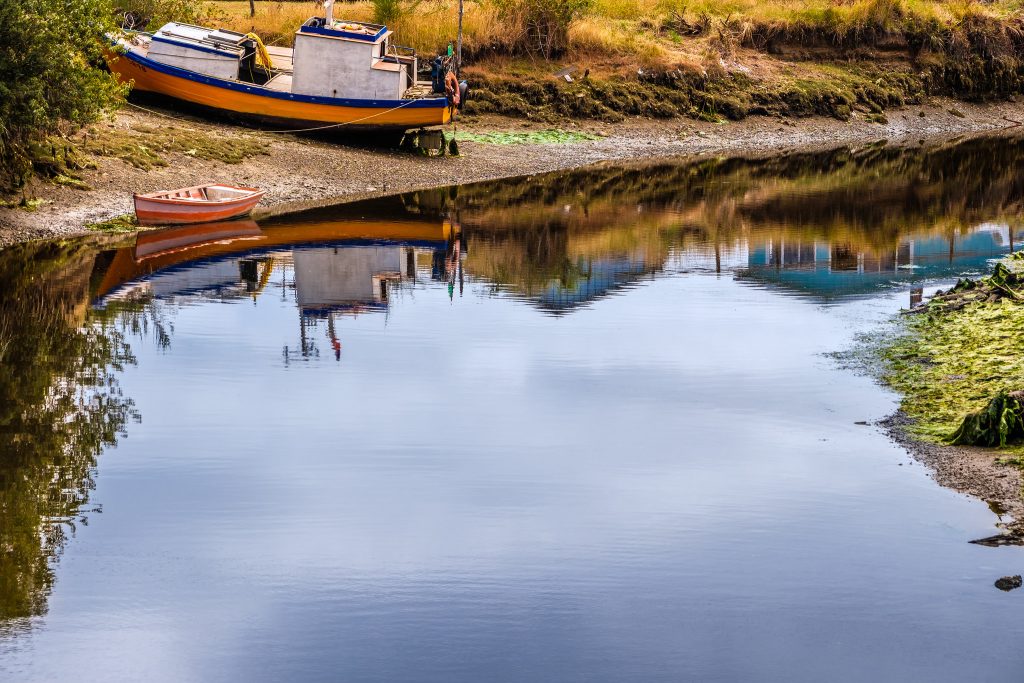
This archipelago south of Puerto Montt built its economy around fishing, potato farming, and wool production long before tourists discovered its wooden churches and stilted houses. When tourism increased in the early 2000s, locals watched the impact on infrastructure and made a collective decision: not here.
Communities limited hotel licenses, restricted vacation rental permits, and maintained agricultural land protections that prevent conversion to tourist facilities. The churches that draw visitors remain active places of worship first, tourist sites second.
Residents continue traditions—seafood curanto cooked in earth pits, wooden boat building, wool dyeing with native plants—because those practices remain economically viable, not because they’re performative culture for visitors.
Koh Rong Sanloem, Cambodia
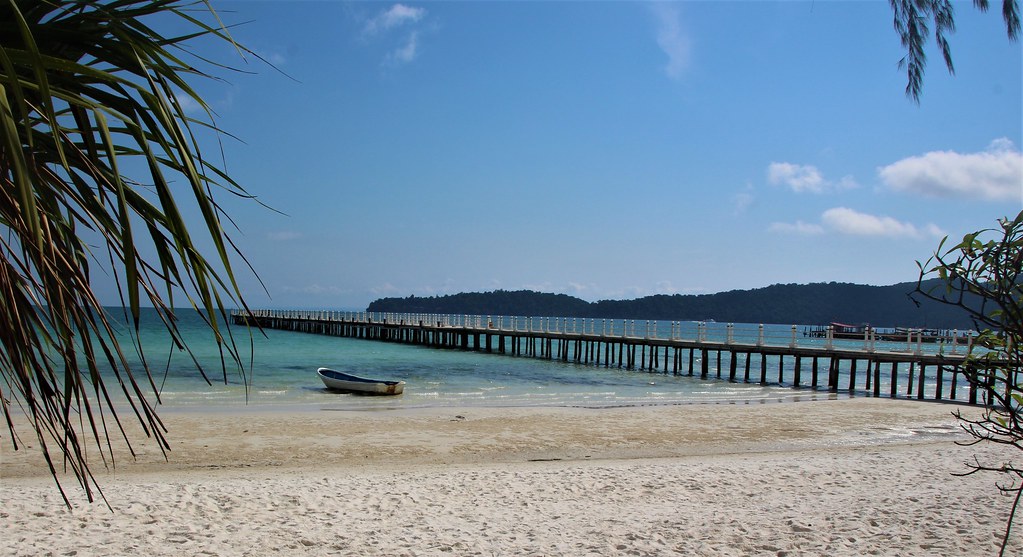
The smaller sister island to Koh Rong never developed the party scene that defines its neighbor. A few small guesthouses serve backpackers, but most of the island remains fishing villages where residents speak limited English and have zero interest in changing that.
Fishing provides stable income—boats leave daily for markets in Sihanoukville. Solar panels power most homes since grid electricity never reached the island. And residents like it that way.
The lack of reliable power prevents large-scale development. No air-conditioned resorts. No beach clubs with sound systems. Just functional communities doing what they’ve done for generations.
Todos Santos, Mexico
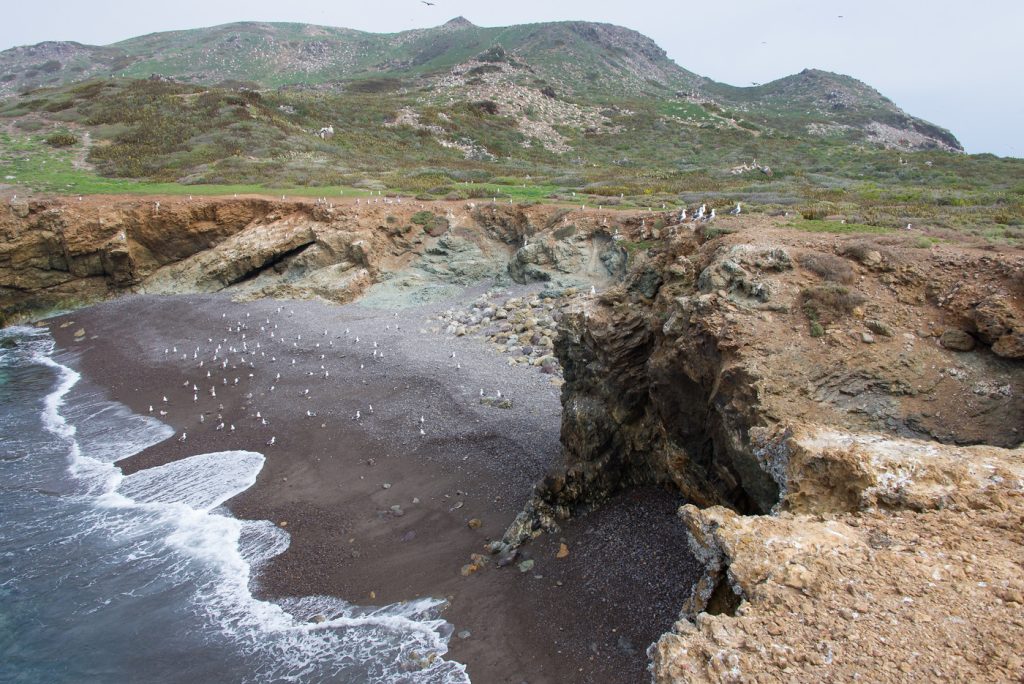
This Baja California Sur town sits an hour north of Cabo San Lucas but feels worlds away from resort culture. Artists and organic farmers moved here decades ago, attracted by affordable real estate and isolation.
They built a community around sustainable agriculture, art galleries, and local restaurants that serve residents first.Tourism trickles in—surfers mostly, drawn by consistent breaks and laid-back vibes. But the town’s economy doesn’t depend on them.
Organic farms supply restaurants throughout Baja. Artists sell work to collectors worldwide. The annual film festival attracts cinema enthusiasts, not mass-market tourists. Todos Santos prosperity comes from exporting culture and produce, not importing visitors.
Like Travel Pug’s content? Follow us on MSN.
Ksamil, Albania
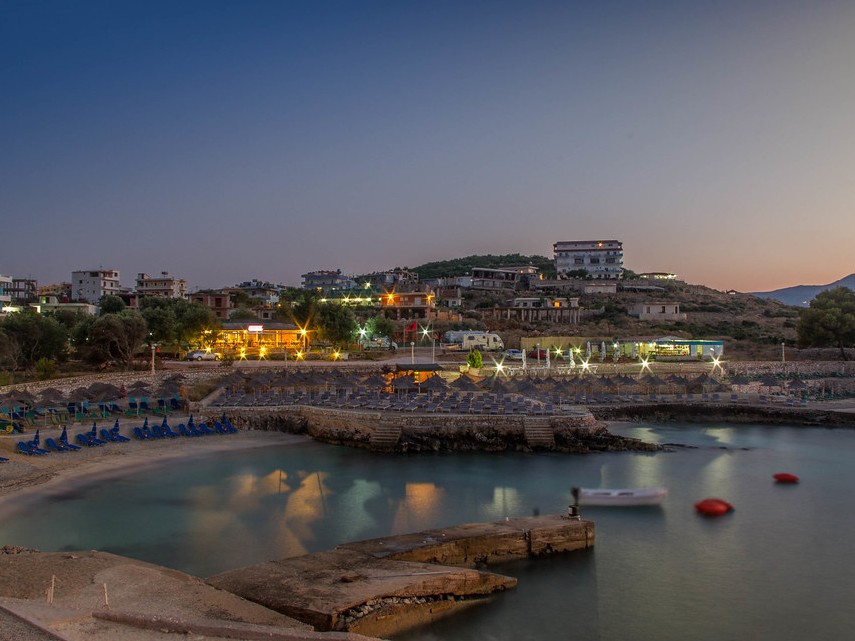
Before social media discovered it in 2018, Ksamil was just another Albanian beach village living off small-scale fishing and subsistence farming. Tourist numbers spiked briefly, then COVID-19 hit and everything stopped. When travel resumed, locals had revised their approach.
The village now caps accommodation licenses and restricts beachfront development. Restaurants source from local farms rather than importing tourist-friendly international menus.
Income diversity increased—some residents still fish, others farm, a few run small guesthouses, and several launched businesses serving the regional market rather than summer visitors. The strategy created stability that pure tourism never could.
Montezuma, Costa Rica
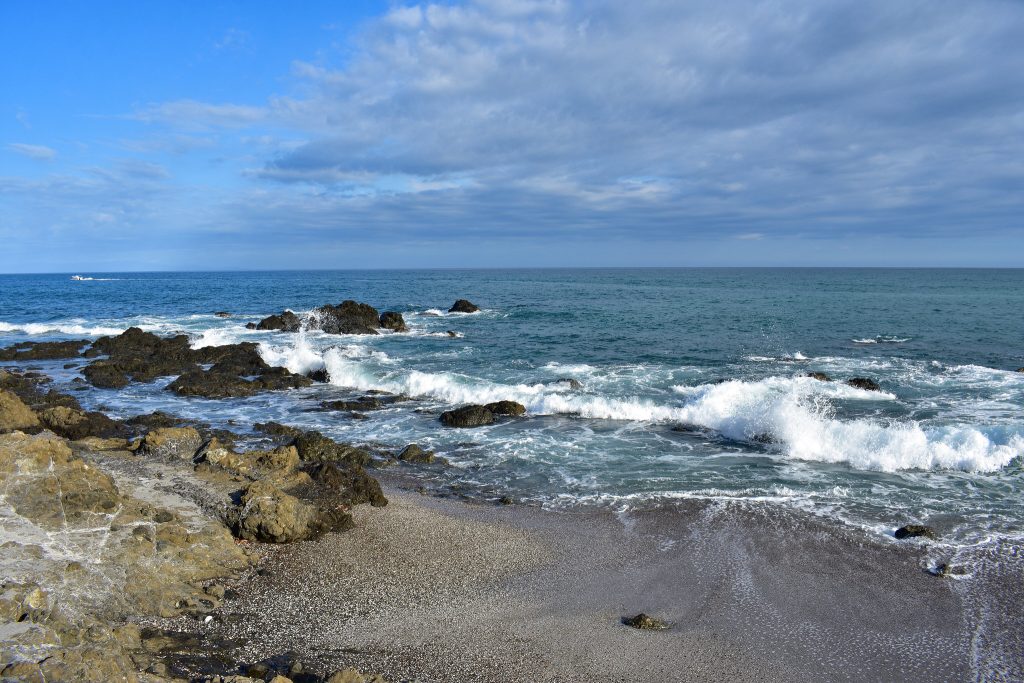
While Tamarindo became a real estate investment scheme disguised as a surf town, Montezuma maintained its barefoot hippie vibe by making absolutely no effort to accommodate mainstream tourism. Roads stay rough. ATMs break regularly. High-end hotels got quietly discouraged by community opposition and bureaucratic delays.
The local economy mixes fishing, small-scale organic farming, and artisan cooperatives. Yoga retreats operate year-round, providing steadier income than seasonal beach tourism. Residents own most businesses, a rarity in Costa Rican beach towns where foreign investment typically dominates.
That local ownership means profits recirculate through the community rather than flowing to offshore accounts.
Harris, Outer Hebrides
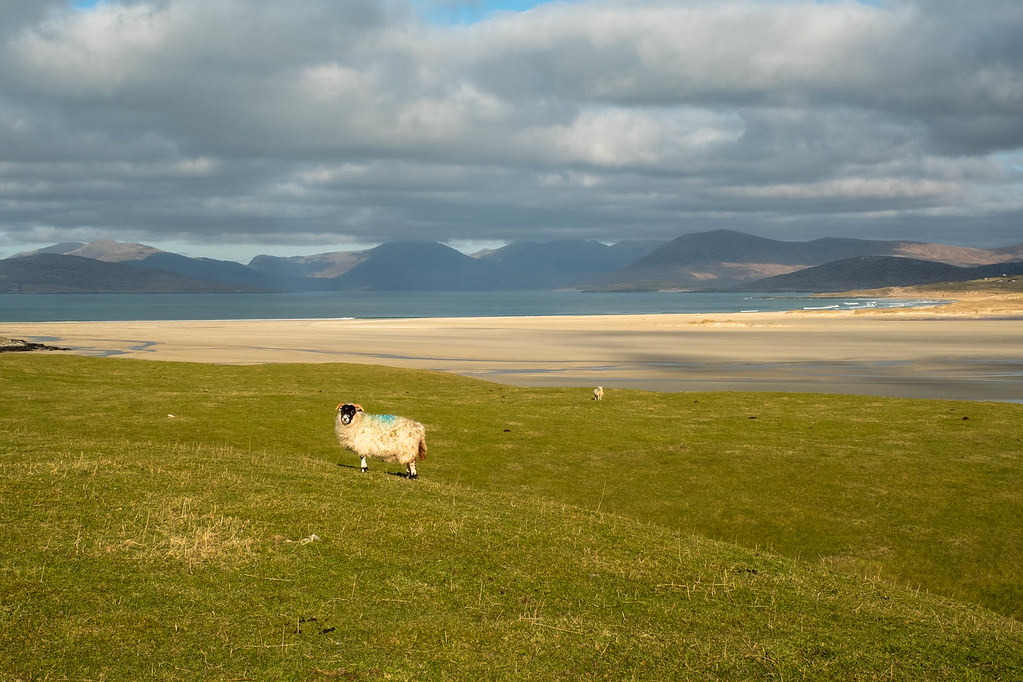
This Scottish island maintains population stability despite decades of rural decline across the UK. The secret? Harris Tweed production provides year-round employment that tourism never could.
Weavers work from home on traditional looms, producing fabric for global fashion houses.Tourism exists but remains secondary. Visitors come for hiking and scenery, spending money at a handful of hotels and restaurants. But those businesses employ a fraction of the people working in textile production.
The island avoided the trap of seasonal employment by maintaining an industry where skills pass through generations and demand stays consistent regardless of travel trends. Wild weather most of the year helps keep crowds manageable.
Like Travel Pug’s content? Follow us on MSN.
Final thoughts on overlooked prosperity
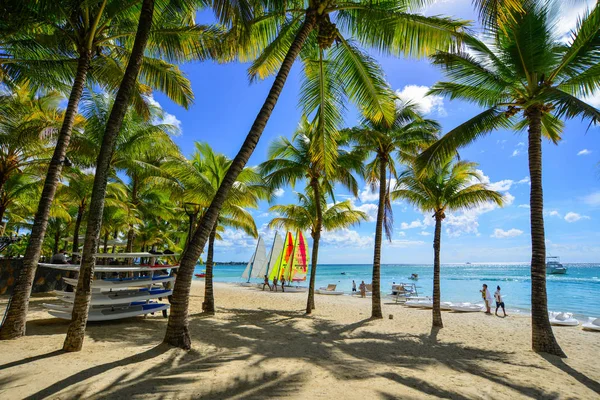
These towns prove that tourism isn’t the only path to coastal prosperity. Maybe not even the best path. Communities that maintained economic diversity, protected local ownership, and resisted pressure to maximize visitor numbers created something more valuable than souvenir shops and sunset selfie spots—they built resilient economies where residents actually want to live.
The secret to thriving without tourists turns out to be remarkably simple: remember what the town needed before anyone showed up with a camera.
More from Travel Pug

- 20 Best Beach Towns in the Carolinas
- 13 Destinations Where Tourists Regularly Regret Their Trip
- 20 Things You Actually Get in First Class
- 20 Small Airports With Aviation Museums
- 20 Places in the U.S. That Are Perfect for a Reset Trip
Like Travel Pug’s content? Follow us on MSN.