

The world’s top wine regions often come with matching price tags, but dozens of lesser-known areas produce bottles just as good—if not better—at a fraction of the cost. These gems scattered around the globe provide quality without the brand premium.
From volcanic hillsides in Sicily to sun-kissed valleys in South Africa, risk-taking wine enthusiasts can find great flavors at happy wallet prices. Following are the top twenty wine regions in the world where you can discover exceptional wines that do not necessarily require a luxury price tag.
Finger Lakes sparkles upstate
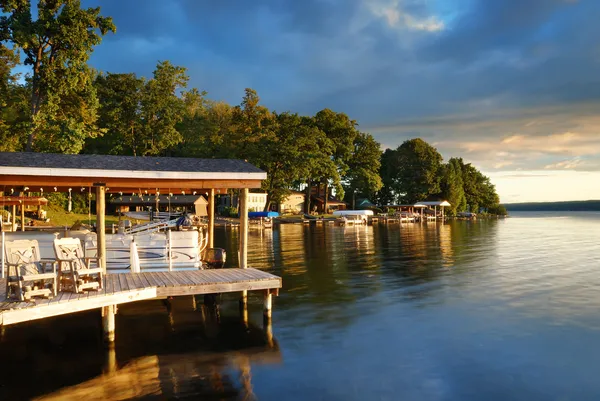
New York’s Finger Lakes region has quietly become America’s Riesling powerhouse, producing world-class bottles that compete with German and Alsatian offerings. The area’s glacially carved lakes create microclimates perfect for cool-climate varieties, while prices remain remarkably accessible — often under $25 for premium bottles.
Beyond Riesling, winemakers craft exceptional Cabernet Franc and even Blaufränkisch, a rarity outside Central Europe.
Dão rediscovers ancient potential
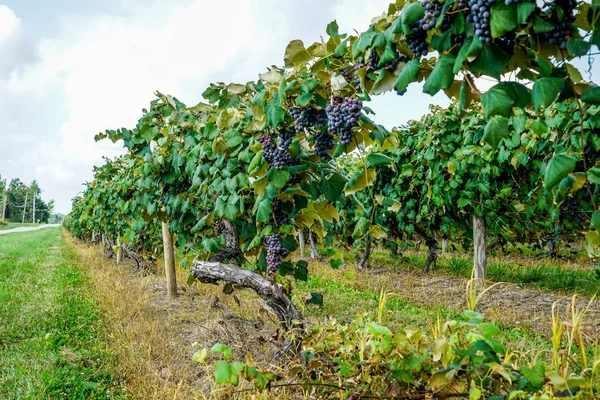
Portugal’s Dão region spent decades overshadowed by its flashier neighbor, Douro, yet this mountainous area is experiencing a renaissance driven by young winemakers and improved techniques. The rocky, high-altitude vineyards produce elegant reds from indigenous grapes like Jaen and Touriga Nacional that deliver complexity without the premium price.
Small producers here focus on expressing the unique granite soils rather than chasing international trends.
Like Travel Pug’s content? Follow us on MSN.
Etna erupts with volcanic character
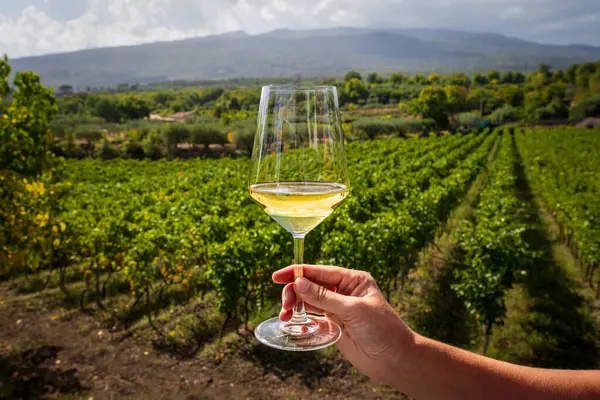
Sicily’s Mount Etna has transformed from a bulk wine producer to one of Europe’s most exciting regions, with vineyards clinging to volcanic slopes up to 3,000 feet above sea level. The black soils infuse wines with distinctive mineral qualities — Nerello Mascalese reds taste of wild strawberries and rock salt, while Carricante whites offer laser-like acidity.
Despite growing acclaim, Etna wines still offer exceptional value compared to Burgundy or Barolo.
Swartland breaks South African mold
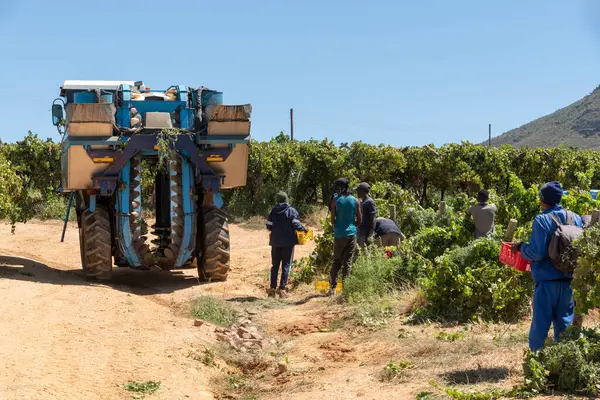
Approximately 35 miles north of Cape Town, Swartland has transformed from a bulk wine backwater into an innovation hotbed of quality. The Mullineux family and other pioneering winemakers concentrate on old-vine Syrah and Chenin Blanc produced in schist and granite soils that make wines with genuine depth.
These bottles provide elegance Rhône-style at prices that leave French equivalents looking prohibitively expensive.
Valle de Guadalupe channels creativity
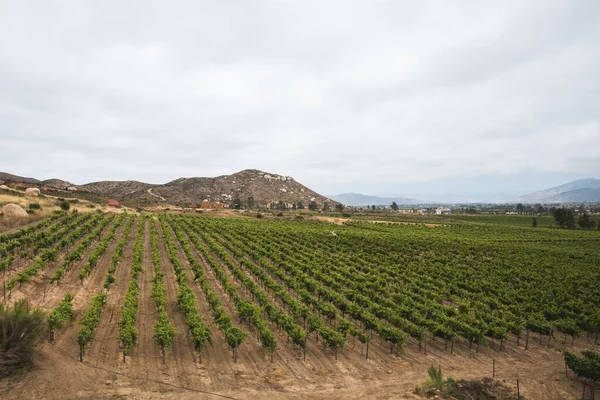
Mexico’s Baja California wine country feels like Napa did in the 1970s — raw energy, experimentation, and family-run operations define this coastal region. Warm days and cool Pacific breezes create ideal conditions for bold reds and crisp whites, while the laid-back atmosphere encourages winemakers to take risks.
You’ll find world-class wines here for less than you’d pay for mid-tier California bottles.
Like Travel Pug’s content? Follow us on MSN.
Sardinia offers Mediterranean mystery
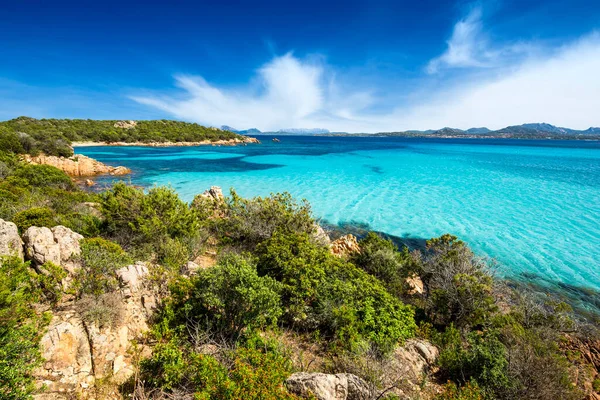
This Italian island has been making wine for millennia, yet somehow remains under the radar despite producing some of the country’s most food-friendly bottles. Indigenous varieties like Cannonau (Grenache) and Vermentino thrive in the Mediterranean climate, creating wines with perfect balance between fruit and funk.
Sardinian wines punch well above their weight class in both quality and value.
Languedoc rewrites French rules
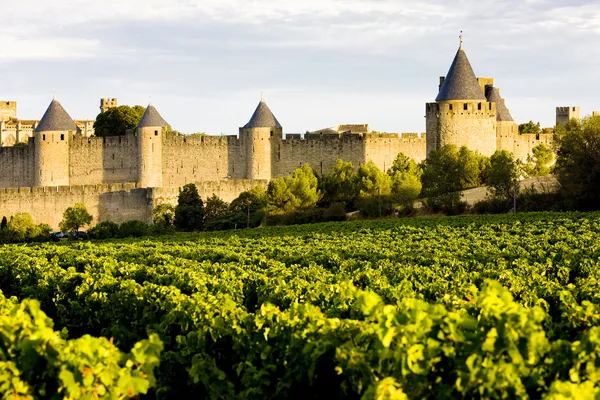
Southern France’s largest wine region has shed its bulk wine reputation to become a treasure trove of affordable quality. The diverse terrain — from coastal vineyards to mountain slopes — allows winemakers to craft everything from elegant Picpoul to powerful Syrah blends.
As Bordeaux and Burgundy prices soar, Languedoc delivers comparable quality for a third of the cost.
Tejo embraces Portuguese tradition

Central Portugal’s Tejo region combines ancient winemaking methods with modern techniques, producing some of the country’s most vibrant and affordable wines. The Tagus River influences the terroir, while indigenous grapes like Fernão Pires and Touriga Nacional benefit from the warm climate yet retain crisp acidity.
Family-owned wineries here still tread grapes by foot and seal bottles with local cork.
Like Travel Pug’s content? Follow us on MSN.
Croatian coast guard secrets
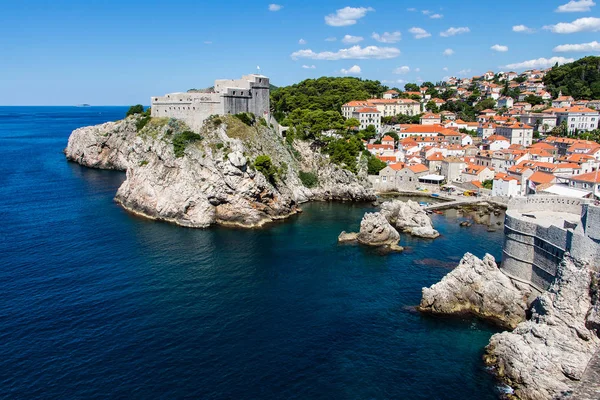
Croatia’s Dalmatian coastline and Istrian peninsula produce distinctive wines from grapes you won’t find anywhere else — Plavac Mali (related to Zinfandel) and Malvazija Istarska lead the charge. The Adriatic Sea’s influence creates wines with notable freshness despite the Mediterranean heat.
With tourism booming, these wines won’t stay affordable forever.
Navarra steps from Rioja’s shadow
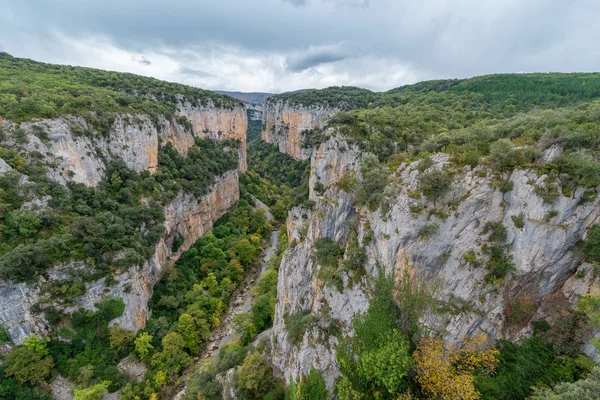
Spain’s Navarra region sits right next to the famous Rioja but offers similar quality Tempranillo-based wines at significantly lower prices. The diverse terrain allows winemakers to experiment with international varieties like Cabernet Sauvignon while honoring local traditions.
Modern techniques have elevated Navarra’s reputation, yet the region remains a value hunter’s paradise.
Uruguay masters the Tannat
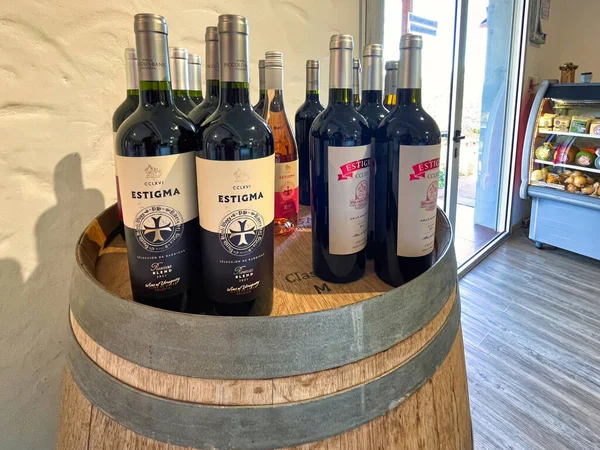
This small South American country has made France’s famously tannic Tannat grape its signature, softening its rough edges while maintaining structure and depth. Uruguay’s coastal climate and diverse soils produce wines with unexpected elegance — think dark fruit flavors balanced by Atlantic freshness.
As the world’s fourth-largest wine producer in South America, Uruguay offers serious quality without the markup found in Argentine Malbec.
Like Travel Pug’s content? Follow us on MSN.
Paso Robles embraces diversity
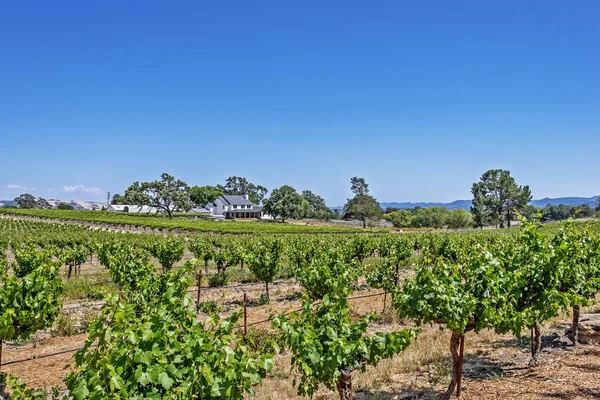
California’s Central Coast region has exploded with boutique wineries producing everything from Rhône-style blends to elegant Zinfandels. The area’s dramatic temperature swings between day and night help grapes retain acidity while developing intense flavors.
Compared to Napa’s sky-high prices, Paso Robles delivers premium California wine at accessible price points.
Greece revives ancient vines
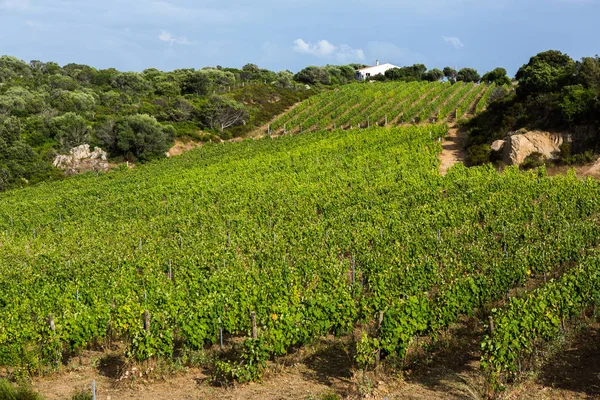
From the volcanic island of Santorini to the mountains of Nemea, Greece is rediscovering its 4,000-year winemaking heritage with indigenous grapes like Assyrtiko and Agiorgitiko. These varieties create wines unlike anything else in the world — mineral-driven whites and elegant reds that pair beautifully with Mediterranean cuisine.
Greek wines remain criminally underpriced given their quality and uniqueness.
Western North Carolina surprises skeptics
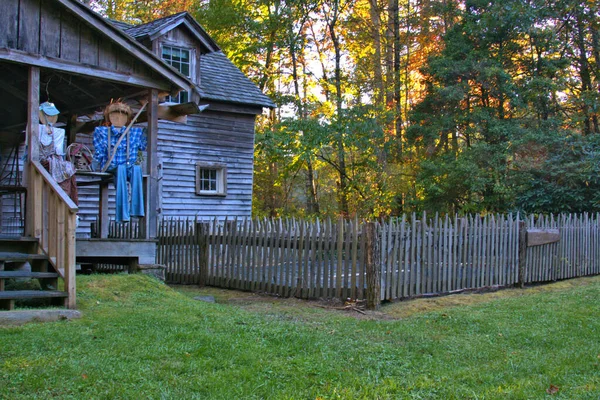
The unique climate and diverse landscapes of North Carolina’s Hendersonville area allow consistent production of multiple varietals that surprise even seasoned wine drinkers. Small family operations focus on quality over quantity in a region that benefits from both mountain elevation and southern warmth.
This American wine frontier offers discovery without the pretension or prices of established regions.
Like Travel Pug’s content? Follow us on MSN.
Douro crafts beyond Port
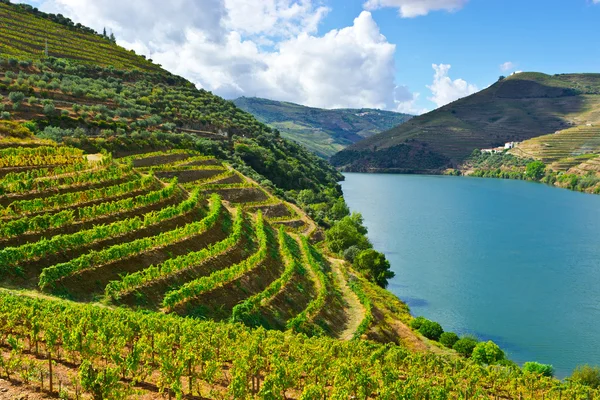
While the world knows Portugal’s Douro Valley for fortified Port wines, the region’s dry table wines deserve equal attention. The steep terraced vineyards along the Douro River produce complex whites from Rabigato and structured reds from Touriga Nacional at prices that seem almost charitable.
These wines capture the valley’s dramatic beauty in every glass.
The value hunter’s advantage
These twenty regions symbolize a radical change in the world of wine — quality no longer depends on a celebrated name or high-end postcode. Adventurous consumers willing to venture further than brand names find that remarkable wines are found in surprising locations, usually produced by dedicated winemakers who set a fair price for their bottles instead of one that reflects reputation.
The alliance of better viticulture practices, committed winemakers, and regions eager to vindicate themselves makes it a golden era for value seekers. Suppose you’re attracted by Etna’s volcanic minerality, the exotic charm of Lebanese reds, or the comforting familiarity of Portuguese blends.
In that case, these hidden treasures provide evidence that great wine and intelligent spending are not incompatible.
More from Travel Pug

- 20 Best Beach Towns in the Carolinas
- 13 Destinations Where Tourists Regularly Regret Their Trip
- 20 Things You Actually Get in First Class
- 20 Small Airports With Aviation Museums
- 20 Places in the U.S. That Are Perfect for a Reset Trip
Like Travel Pug’s content? Follow us on MSN.