

India is blessed with some of the most spectacular mountain landscapes on the planet. From the mighty Himalayas in the north to the lush Western Ghats in the south, the country offers hill stations that serve up jaw-dropping panoramas at every turn.
These elevated retreats were originally developed during the British colonial era as escapes from the sweltering summer heat, and they continue to draw millions of visitors seeking cool breezes and stunning scenery. Whether you fancy snow-capped peaks, rolling tea plantations, or misty valleys carpeted in pine forests, there is a hill station waiting to steal your heart.
Many of these destinations sit at elevations exceeding 6,000 feet, placing visitors remarkably close to some of the world’s tallest summits. Here is a list of 15 hill stations in India where the mountain views alone are worth the journey.
Darjeeling
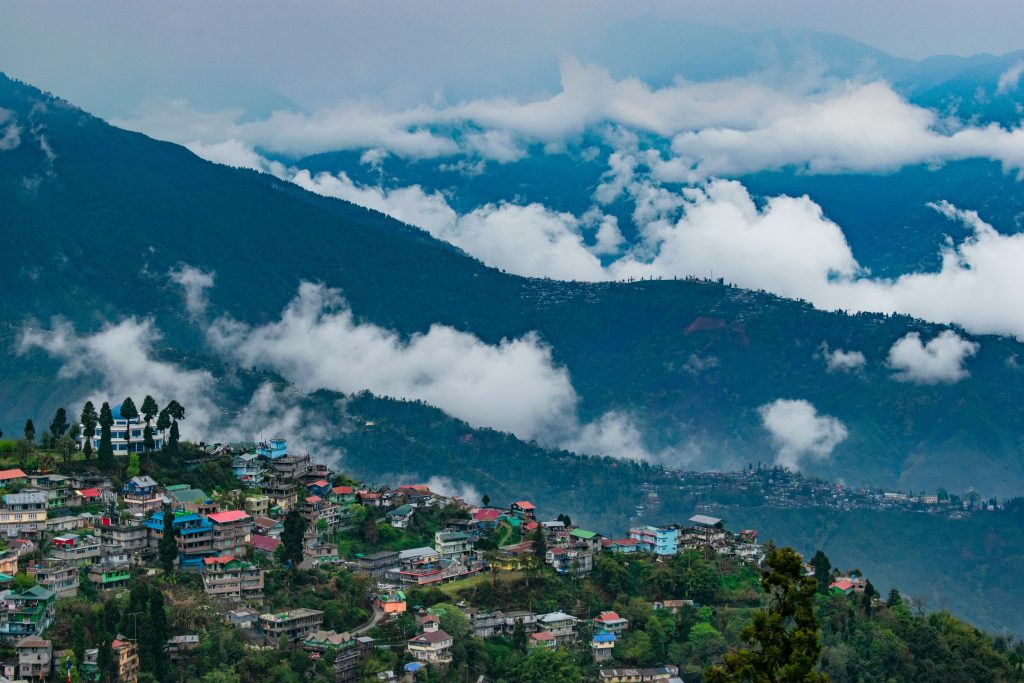
Perched at roughly 6,700 feet in West Bengal, Darjeeling delivers front-row views of Kanchenjunga, the third-highest mountain in the world. On a clear morning, watching the sunrise paint those snowy peaks in shades of orange and pink is the kind of experience that sticks with you for years.
The town itself is wrapped in tea gardens that tumble down the hillsides, and the heritage toy train chugging through the mist only adds to the charm.
Shimla
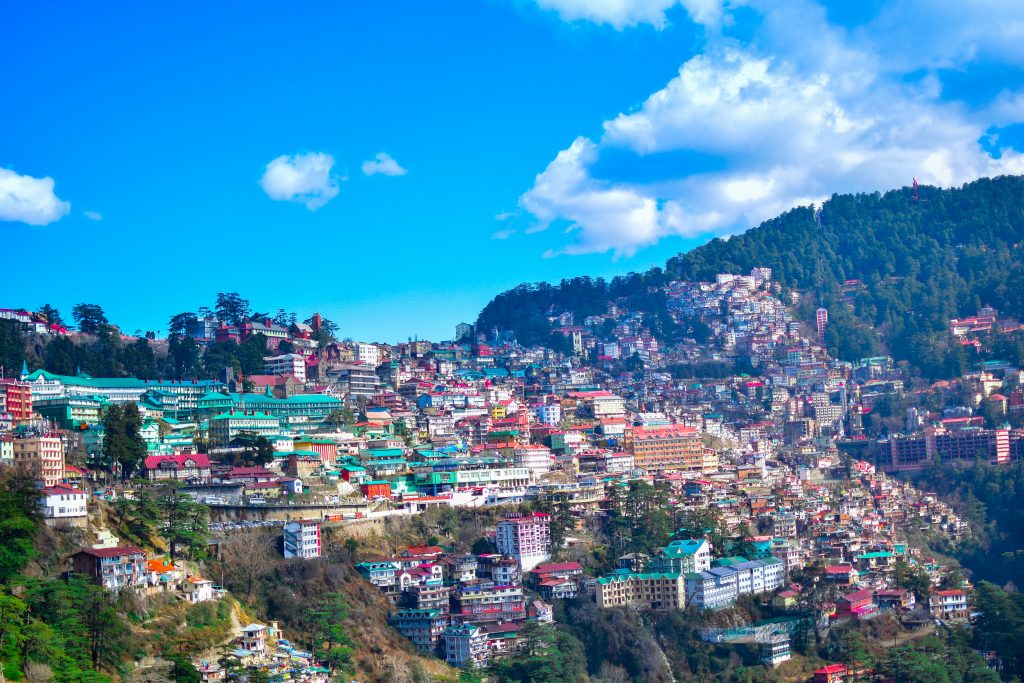
The former summer capital of British India sits at about 7,200 feet along a ridge in Himachal Pradesh. Shimla offers sweeping views of the Shivalik Range and distant snow-dusted Himalayan peaks that seem to float above the clouds.
The Ridge and Mall Road are perfect spots for an evening stroll, and nearby Kufri provides even more dramatic mountain scenery during winter when everything gets blanketed in snow.
Manali
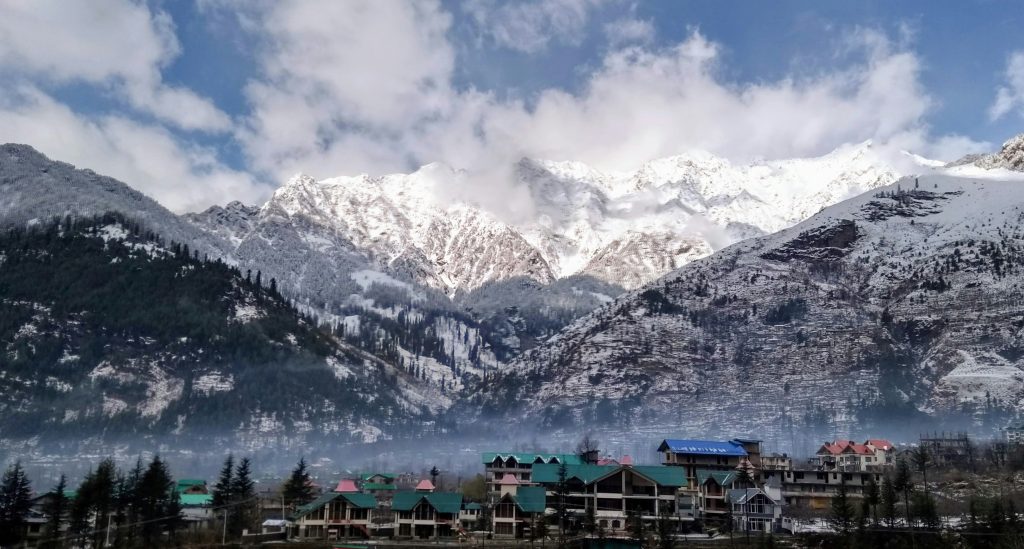
Nestled in the Kullu Valley at around 6,500 feet, Manali is surrounded by towering peaks that include the Pir Panjal and Dhauladhar ranges. The Beas River cuts through the valley, and dense pine forests climb the slopes on either side.
Adventure seekers use it as a base for treks to places like Hampta Pass and Rohtang, where the high-altitude views become genuinely otherworldly.
Mussoorie
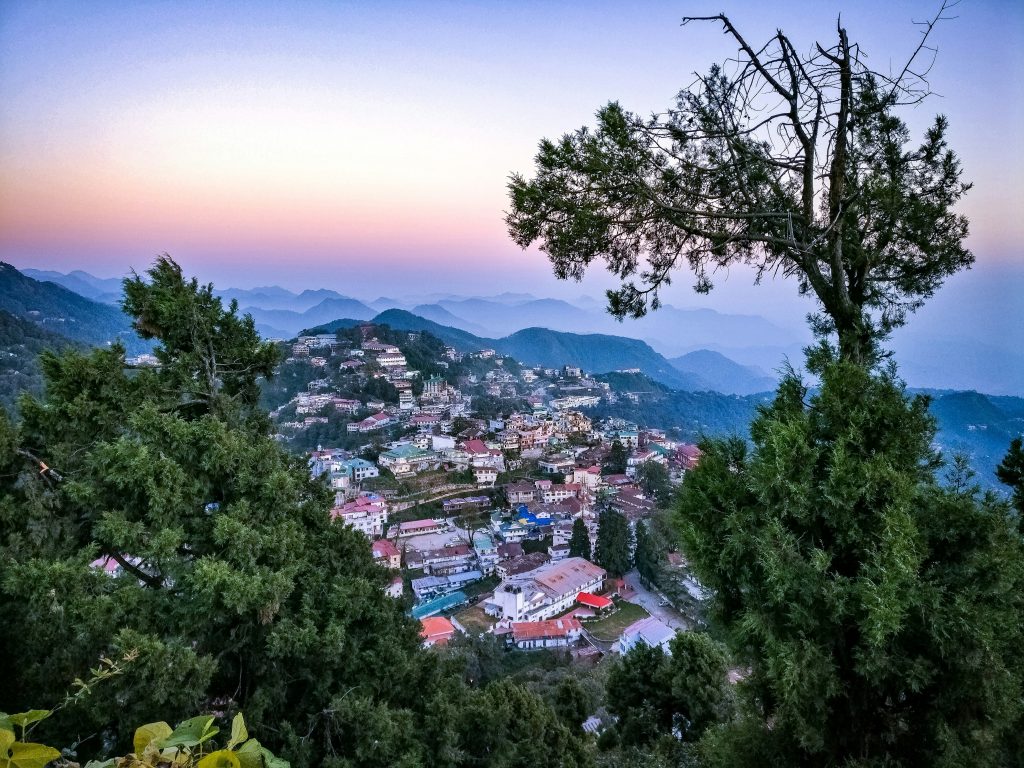
Known as the Queen of Hills, Mussoorie sits at about 6,170 feet in Uttarakhand and overlooks the Doon Valley below. Gun Hill and Lal Tibba viewpoints offer panoramic vistas of the Himalayan range, including peaks like Bandarpunch and Srikantha.
The town has a nostalgic colonial vibe, with winding roads lined by old British-era cottages and cafes that serve steaming cups of chai.
Nainital
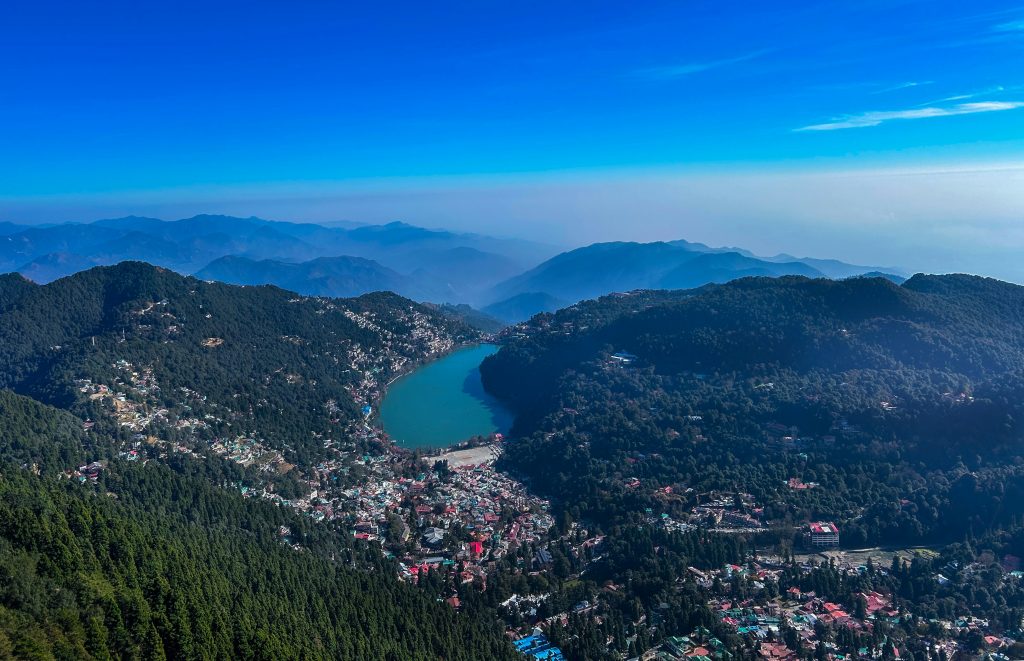
This lake town in the Kumaon foothills sits at roughly 6,350 feet and is framed by seven hills that locals have named after them. Naina Peak, the highest point nearby at 8,568 feet, rewards hikers with a bird’s-eye view of Nainital Lake and the snow-capped Himalayan horizon.
Boating on the emerald-green lake while mountains loom in the background feels like stepping into a postcard.
Gangtok
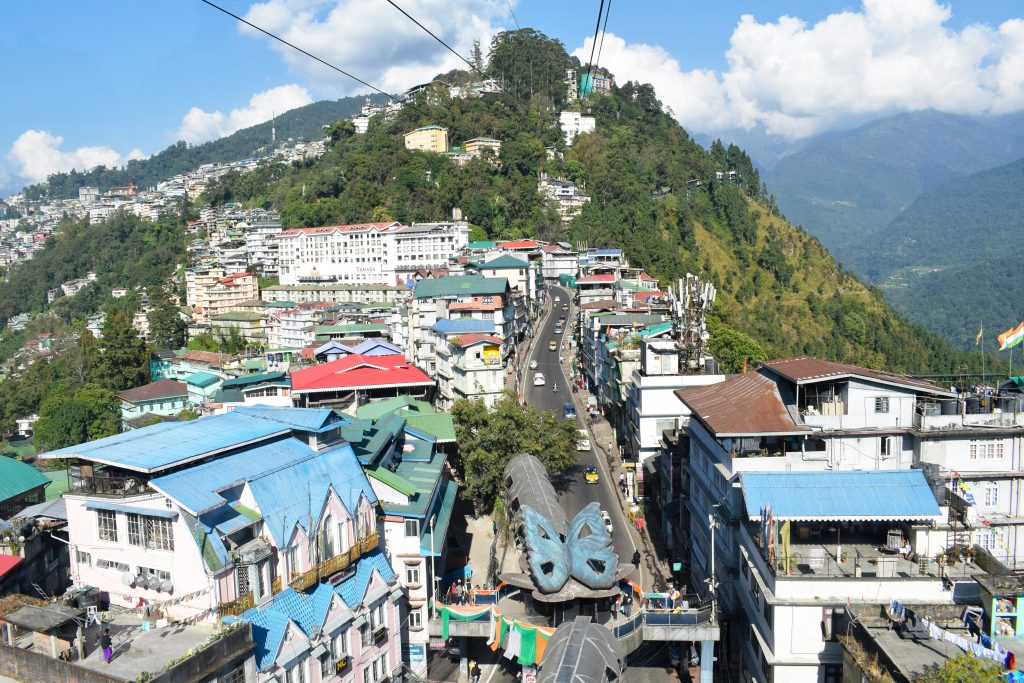
The capital of Sikkim sits at about 5,410 feet and serves up spectacular views of Mount Kanchenjunga on clear days. Buddhist monasteries dot the surrounding hillsides, their colourful prayer flags fluttering against a backdrop of snowy summits.
The town itself is clean and orderly, with steep streets that wind past markets selling Tibetan handicrafts and local cuisine.
Gulmarg
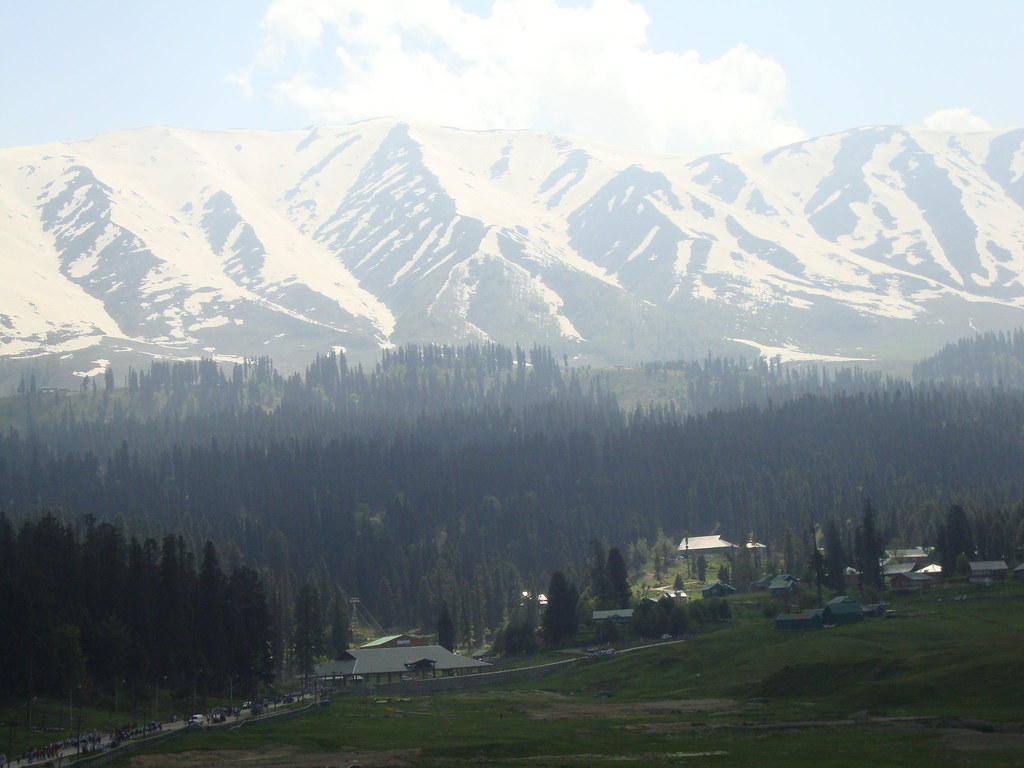
Located at nearly 8,700 feet in the Pir Panjal Range of Kashmir, Gulmarg translates to ‘meadow of flowers’ and it certainly lives up to the name in summer. Winter transforms it into India’s premier skiing destination.
The Gulmarg Gondola, one of the highest cable cars in Asia, whisks visitors up to about 13,000 feet where the views of surrounding peaks and valleys are nothing short of breathtaking.
Pahalgam
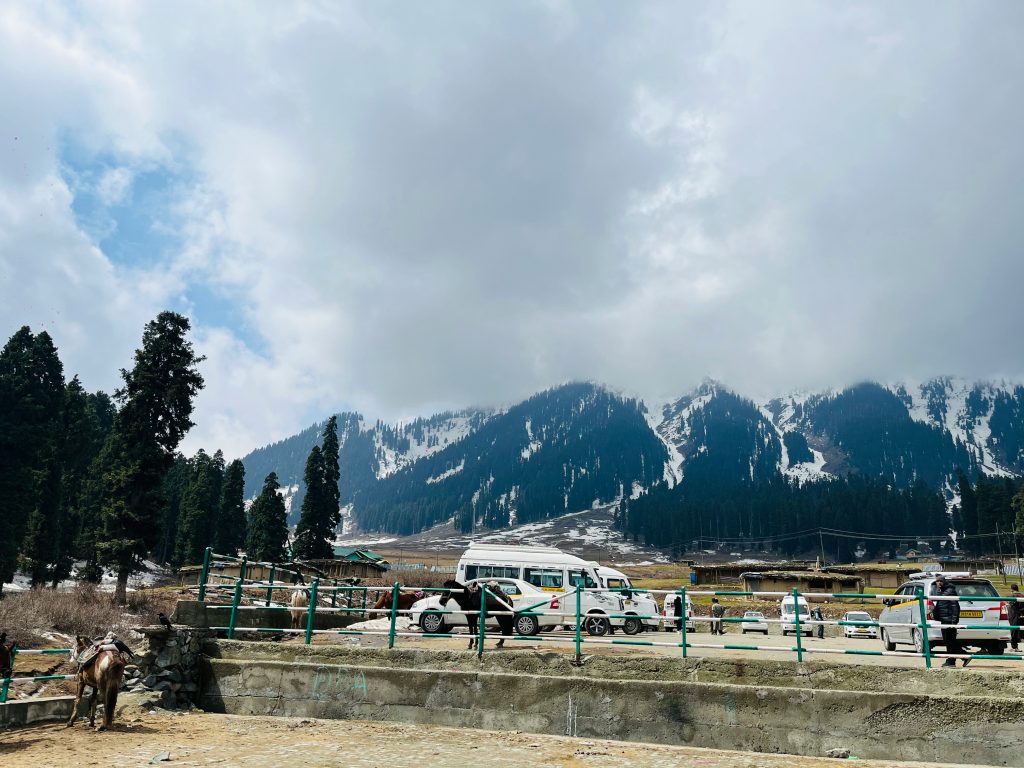
Set at around 7,000 feet in the Liddar Valley, Pahalgam is a quieter alternative to the busier Kashmir destinations. The Liddar River rushes through town, and pine-covered slopes rise steeply on all sides.
It serves as the starting point for the Amarnath pilgrimage and offers access to high-altitude meadows like Baisaran and Aru, where the mountain panoramas feel almost surreal.
Leh
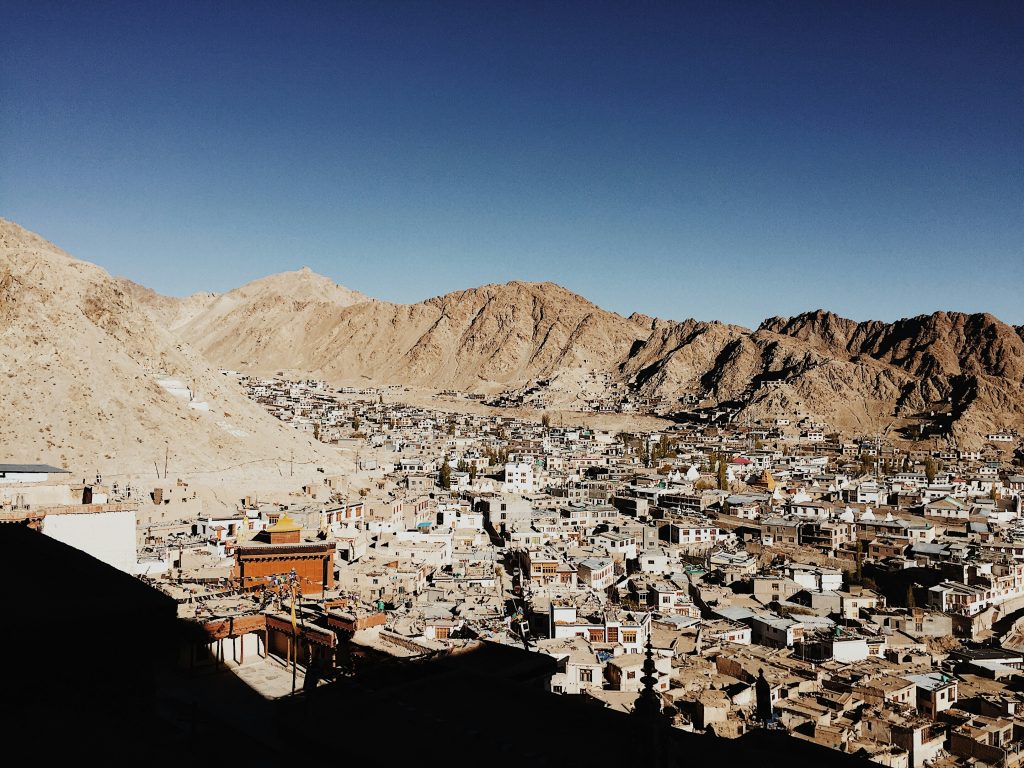
Sitting at a staggering 11,500 feet in Ladakh, Leh offers a completely different kind of mountain experience. This high-altitude desert is ringed by the Karakoram and Himalayan ranges, with barren brown peaks contrasting against impossibly blue skies.
Ancient Buddhist monasteries cling to cliffsides, and the landscape feels more Tibetan than Indian. Just be prepared for the thin air at this elevation.
Dalhousie
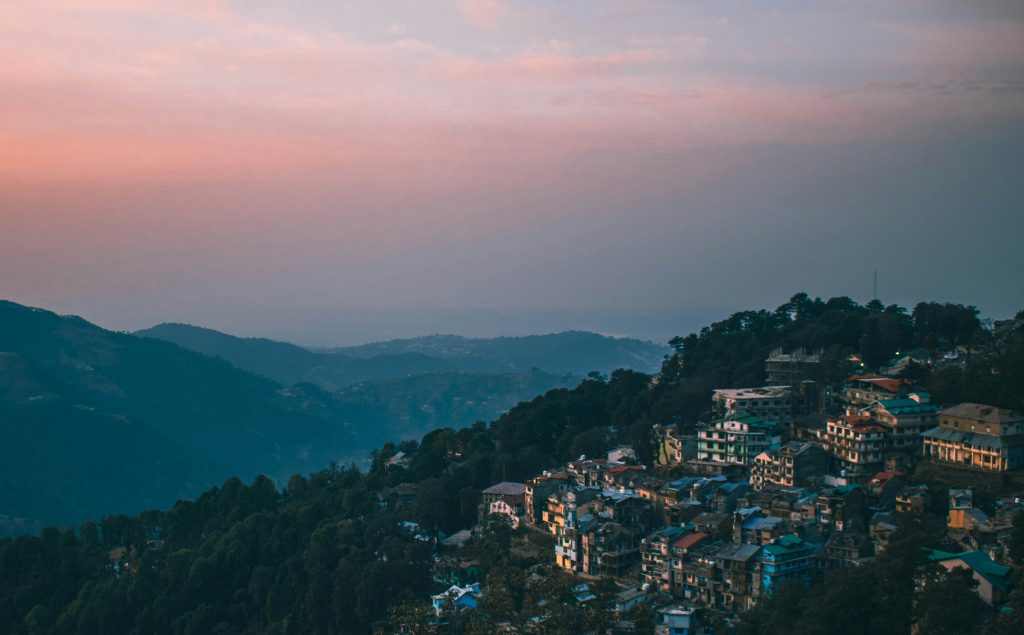
Spread across five hills in Himachal Pradesh at about 6,000 to 9,000 feet, Dalhousie offers commanding views of the Dhauladhar Range. The town retains its colonial-era charm with Scottish and Victorian architecture that feels slightly out of place in India, and that is part of its appeal.
Nearby Khajjiar, often called ‘Mini Switzerland,’ features a saucer-shaped meadow ringed by cedar forests with snow peaks peeking through.
Dharamshala
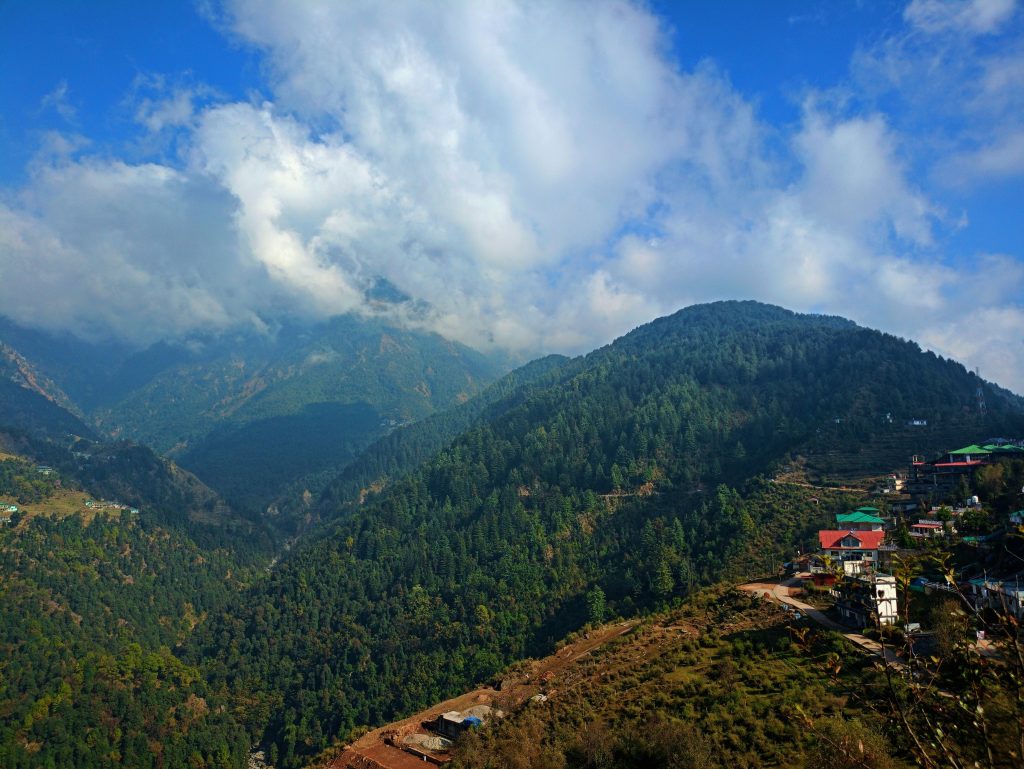
Home to the Dalai Lama and the Tibetan government-in-exile, Dharamshala sits at around 4,900 to 6,800 feet depending on whether you are in Lower Dharamshala or McLeod Ganj. The Dhauladhar peaks loom dramatically overhead, often dusted with snow even in early summer.
The blend of Tibetan Buddhist culture, mountain scenery, and crisp Himalayan air creates an atmosphere that draws spiritual seekers and trekkers alike.
Auli
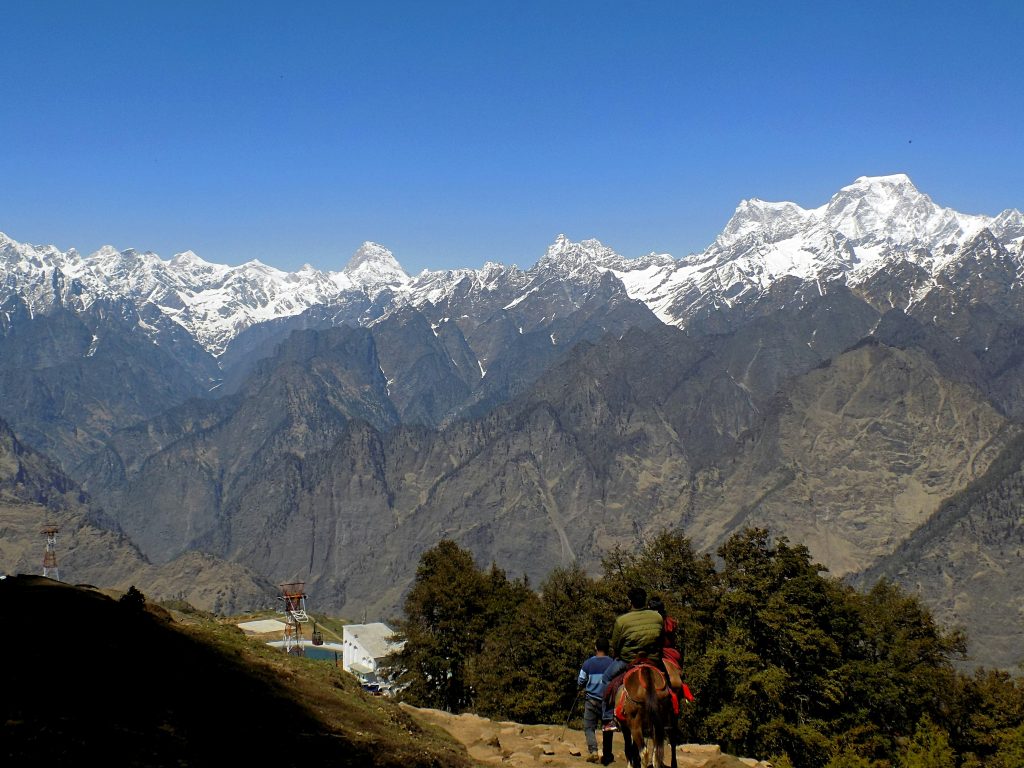
Perched at roughly 9,000 to 10,000 feet in the Garhwal Himalayas of Uttarakhand, Auli is best known as a skiing destination but the views are spectacular year-round. Nanda Devi, India’s second-highest peak, dominates the horizon alongside other giants like Kamet and Mana Parvat.
The Auli Ropeway, one of the longest cable car rides in Asia, offers a stunning aerial perspective of oak and conifer forests below snow-capped summits.
Munnar
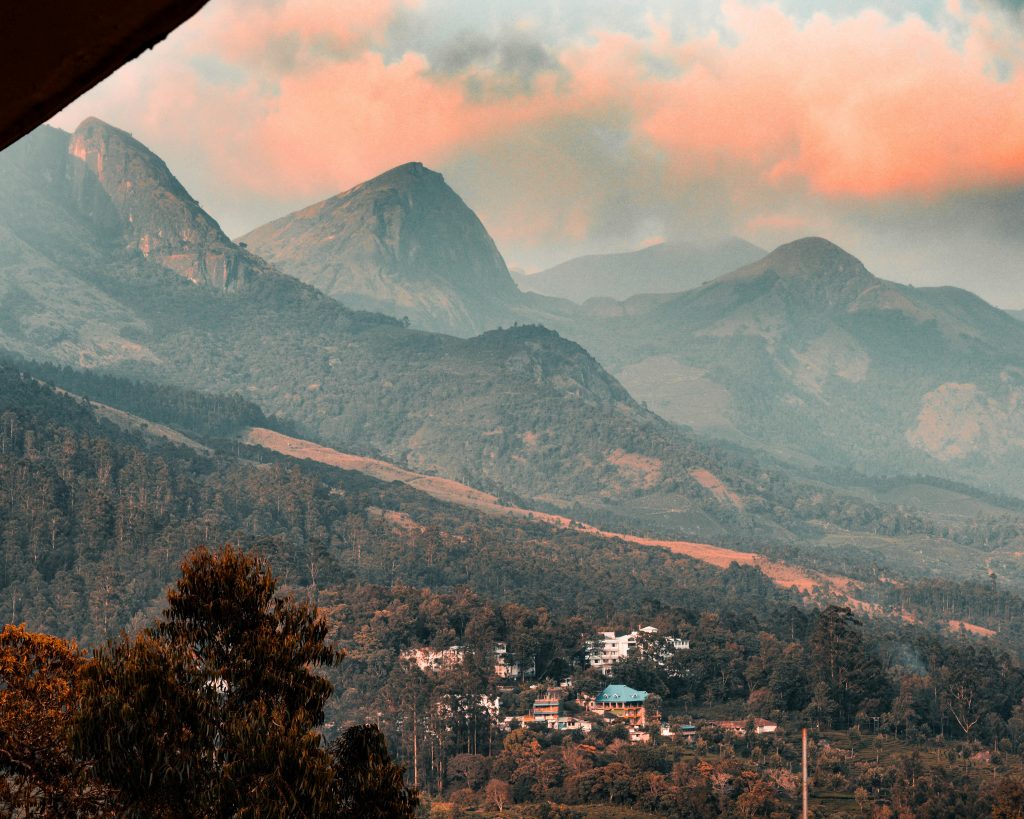
Tucked into the Western Ghats of Kerala at about 5,200 feet, Munnar is famous for its endless carpet of tea plantations. The surrounding Cardamom Hills roll toward Anamudi Peak, which at 8,842 feet is the highest point in South India. Morning mist drifts through the valleys, and the cool temperatures come as a welcome relief from the tropical heat of the lowlands.
Eravikulam National Park nearby is home to the endangered Nilgiri tahr.
Ooty
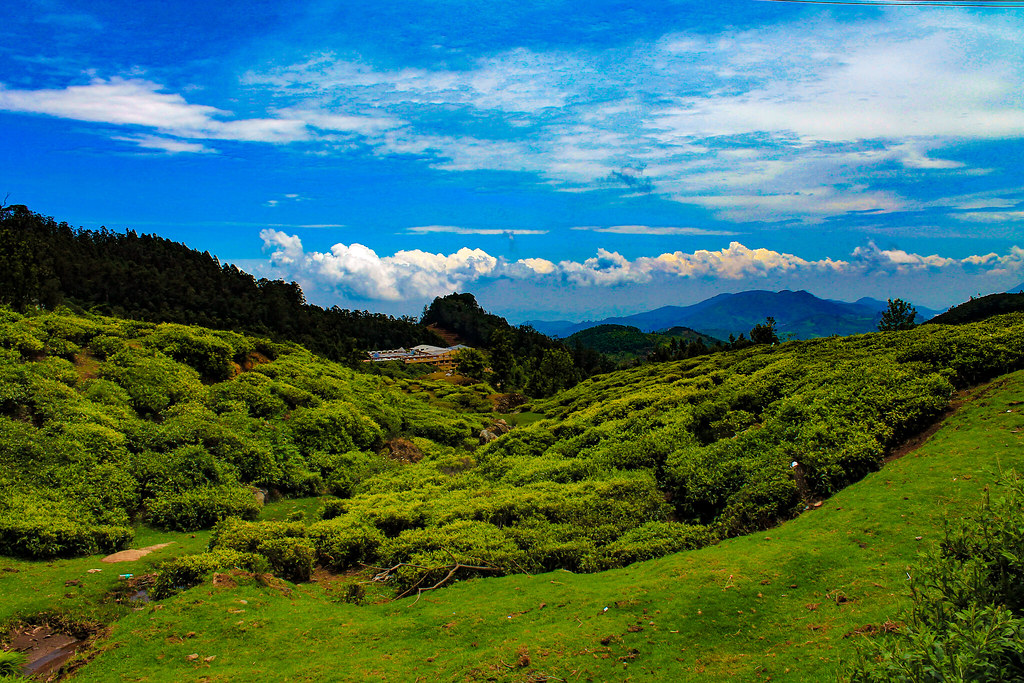
Officially called Udhagamandalam, Ooty sits at about 7,350 feet in the Nilgiri Hills of Tamil Nadu. The British established it as a summer retreat, and the colonial influence remains visible in the architecture and botanical gardens.
Doddabetta Peak, the highest point in the Nilgiris at 8,650 feet, offers panoramic views of the surrounding blue-tinged mountains. The Nilgiri Mountain Railway, a UNESCO World Heritage site, provides one of the most scenic train journeys in India.
Kodaikanal
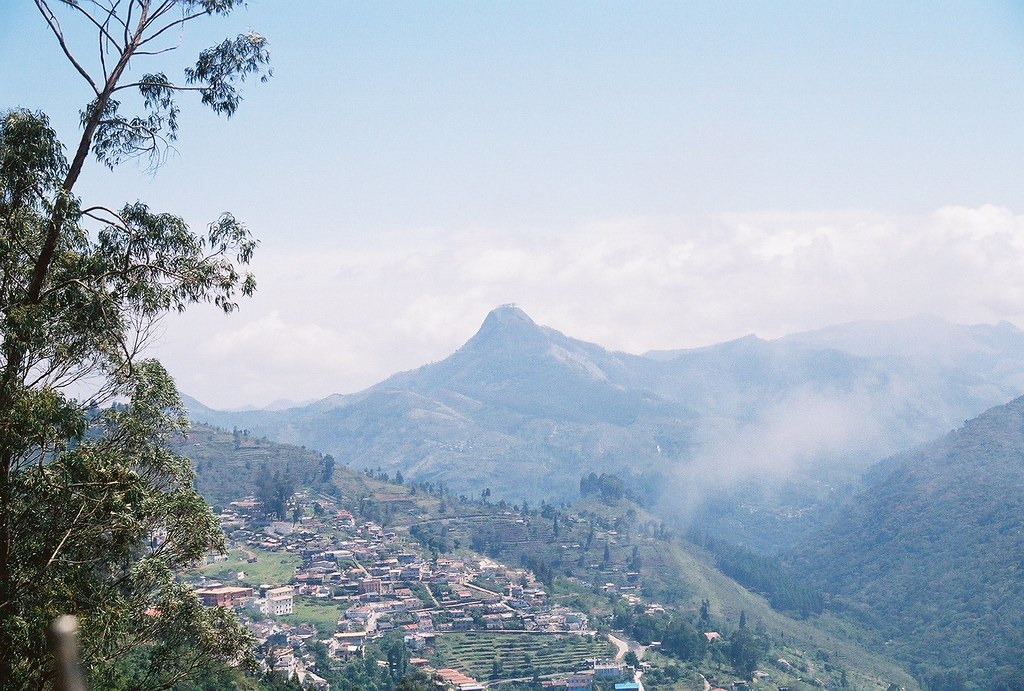
Known as the Princess of Hill Stations, Kodaikanal sits at roughly 6,900 feet in the Palani Hills of Tamil Nadu. Unlike most Indian hill stations, it was established by American missionaries rather than the British. The star-shaped lake at its centre is perfect for boating, and viewpoints like Pillar Rocks and Green Valley offer dizzying drops into forested ravines.
Every twelve years, the surrounding hillsides explode with the purple-blue blooms of kurinji flowers, a phenomenon expected in 2030.
Mountains that stay with you
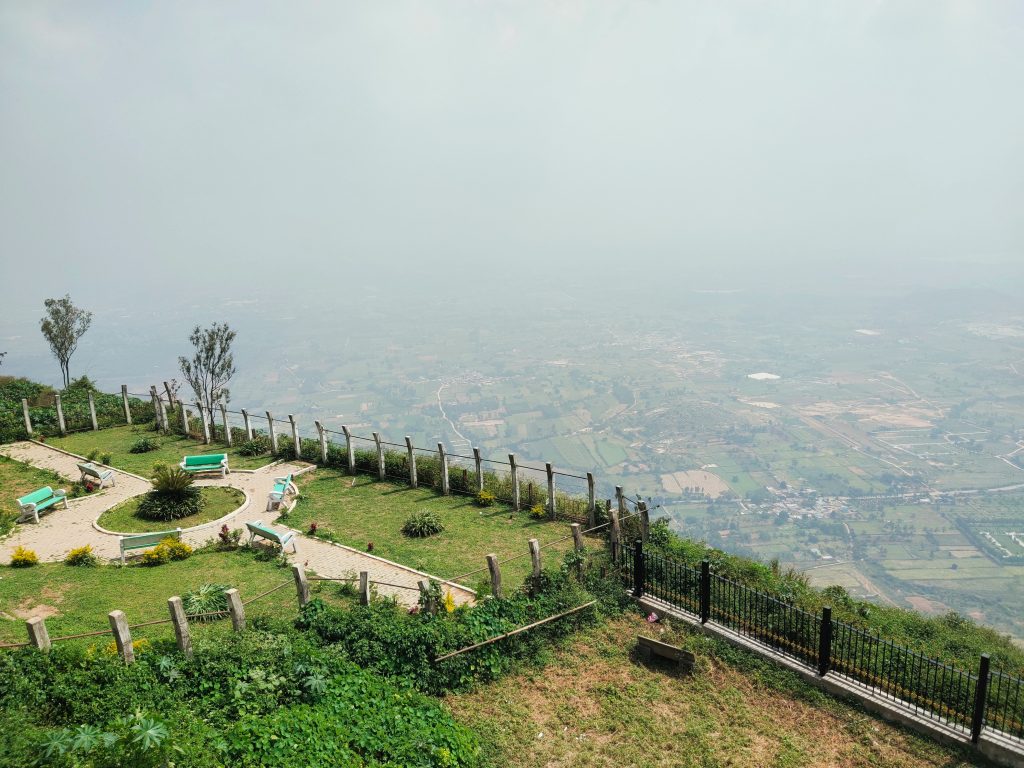
India’s hill stations have evolved from colonial-era summer escapes into year-round destinations that attract everyone from honeymooners to solo trekkers. The mountain views remain the star attraction, whether you are watching Kanchenjunga catch the first light of dawn from Darjeeling or gazing across the stark high-altitude desert surrounding Leh.
Each of these 15 destinations offers something slightly different: tea gardens here, snow sports there, Buddhist monasteries around one corner and Victorian architecture around another. What they share is the ability to put you face-to-face with some of the most dramatic landscapes on Earth and remind you why people have always been drawn to the mountains.
More from Travel Pug

- Underrated Italian Towns That Beat the Tourist Crowds
- Las Vegas Tourist Traps to Skip
- Prettiest Towns in Every US State
- 18 passport-free countries for Americans
- Signs Your Cruise Is Not Worth The Cost
Like Travel Pug’s content? Follow us on MSN.