

Kanazawa managed to escape the bombings of World War II, which means this coastal city on the Sea of Japan side still looks remarkably like it did during the Edo period. The Maeda clan ruled here for nearly 300 years, and they poured their considerable wealth into gardens, tea culture, and the arts.
What remains is a city absolutely rich with green spaces that range from world-famous showpieces to tiny hidden retreats tucked behind samurai walls. Here is a list of 15 scenic gardens in Kanazawa that deserve a spot on your itinerary.
Kenrokuen Garden
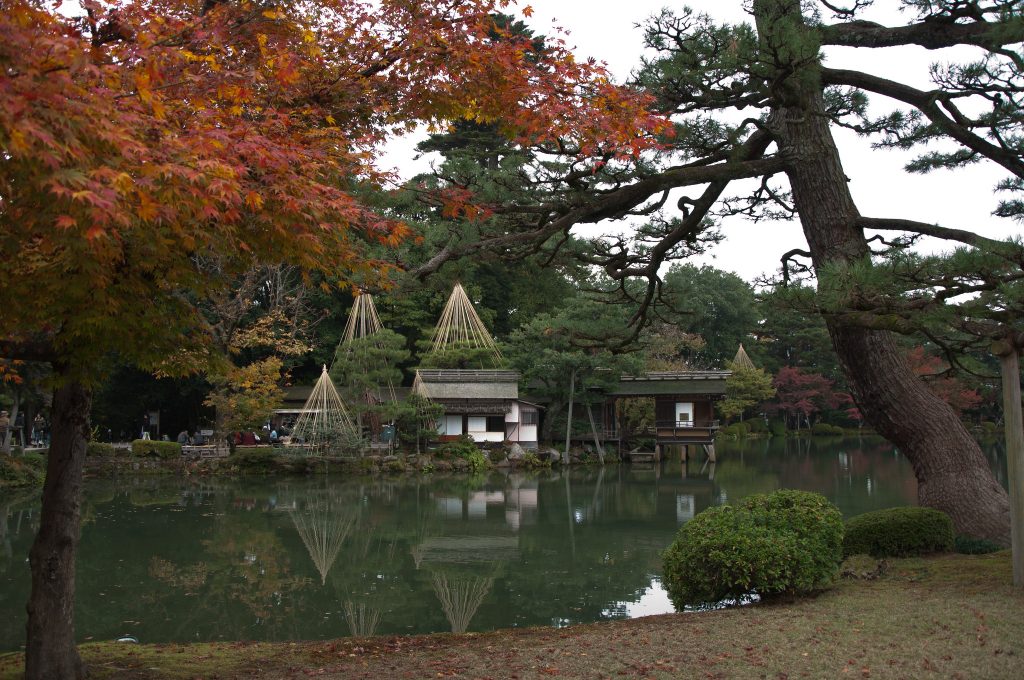
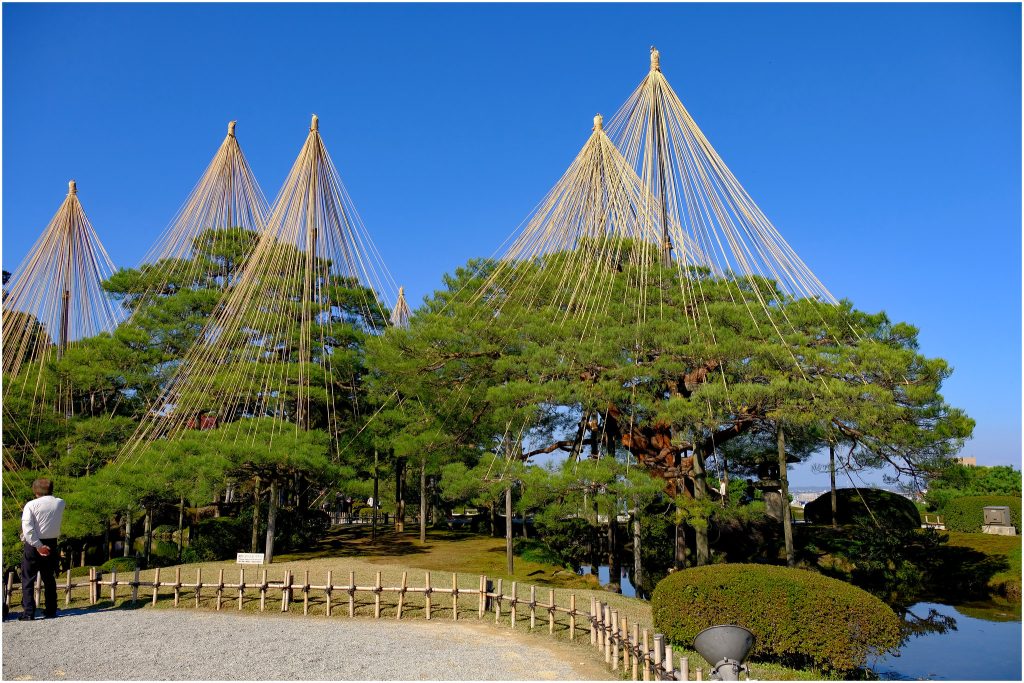
Regularly ranked among Japan’s three most beautiful gardens alongside Kairakuen and Korakuen, this 25-acre masterpiece took the Maeda family nearly 200 years to complete. The name translates to ‘garden of six attributes,’ referring to the Chinese landscape theory that a perfect garden must combine spaciousness, seclusion, artifice, antiquity, water features, and panoramic views.
Most gardens can only manage a few of these qualities, but Kenrokuen somehow pulls off all six. The Kotoji-toro stone lantern with its distinctive two-legged design has become the symbol of both the garden and Kanazawa itself, and the naturally-powered fountain shooting water nearly 12 feet into the air has been operating since the Edo period.
Gyokusen-inmaru Garden
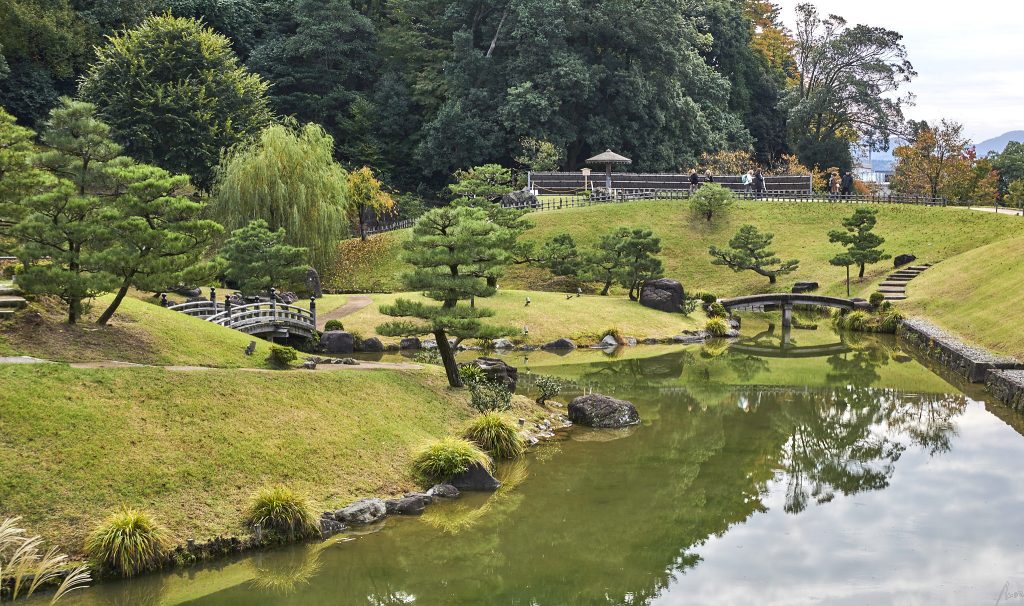
Sitting within the walls of Kanazawa Castle, this garden served as the private retreat of the feudal lords rather than a space for entertaining guests. First constructed in 1634, the garden fell into disrepair after the feudal system ended but was painstakingly restored and reopened in 2015.
The standout feature is the Shikishi Tanzaku-Zumi stone wall, a 72-foot cascade where water tumbles down through creatively patterned stonework that blends castle construction techniques with garden aesthetics. On Friday and Saturday evenings, the entire garden gets illuminated in colors that shift with the seasons.
Gyokusen-en Garden
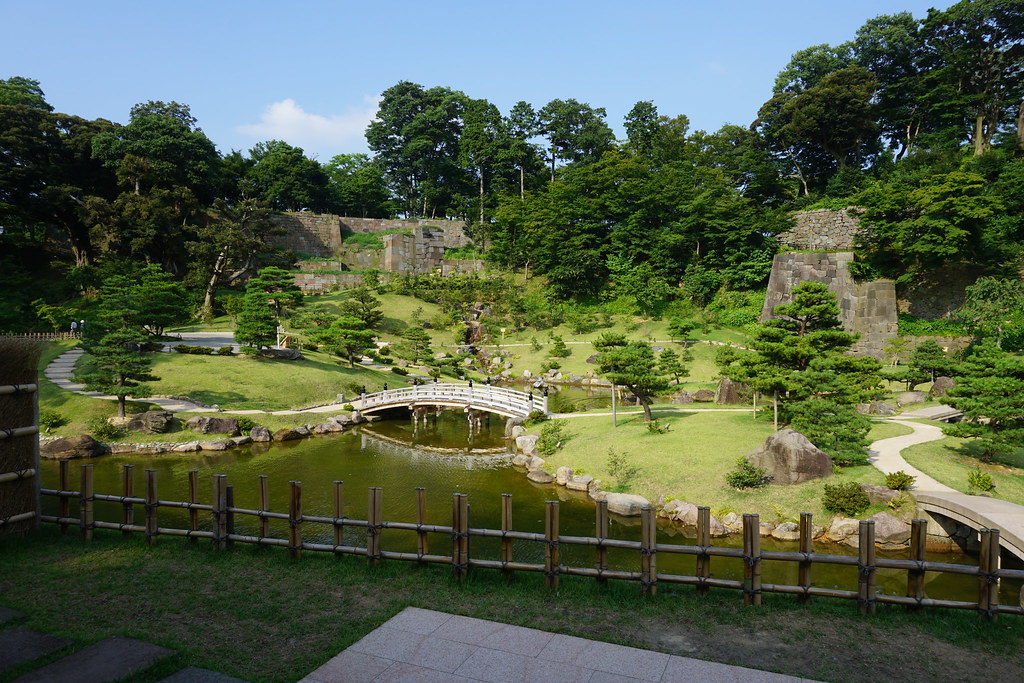
Often confused with Gyokusen-inmaru because of the similar name, this privately-owned garden sits just outside Kenrokuen and offers a completely different experience. The Wakita family spent over a century cultivating these grounds before passing them to the Nishida family in the 1870s, who have maintained them ever since.
Two waterfalls cascade down from cliffs at the back of the property, and the pond is shaped like the Japanese character for water. The on-site tea house hosts traditional ceremonies where the hosts explain the ritual while you gaze out over the moss-covered landscape.
Seisonkaku Villa Garden
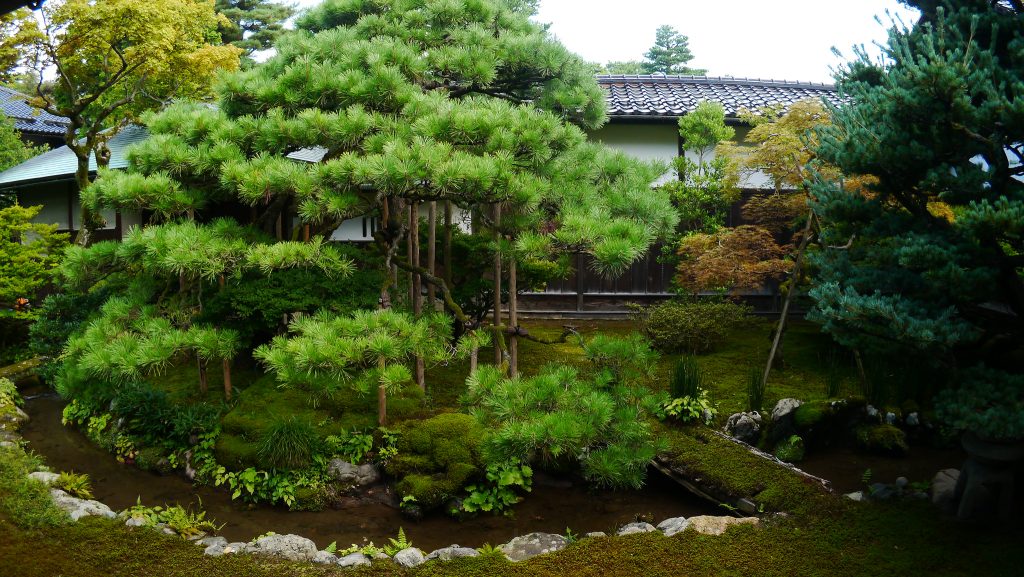
Built in 1863 as a retirement home for the mother of the 13th Maeda lord, this villa contains two intimate gardens designed with her comfort in mind. The clever layout ensures the sound of running water can be heard from the bedroom, and the grounds were meant for peaceful contemplation rather than grand displays.
Some of the sliding shoji panels have glass inserts instead of paper, an innovation that allowed the elderly resident to enjoy snow scenes in the garden without letting cold air inside. The villa itself functions as a museum displaying dolls, kimono, and paintings from the Maeda collection.
Nomura Samurai Residence Garden
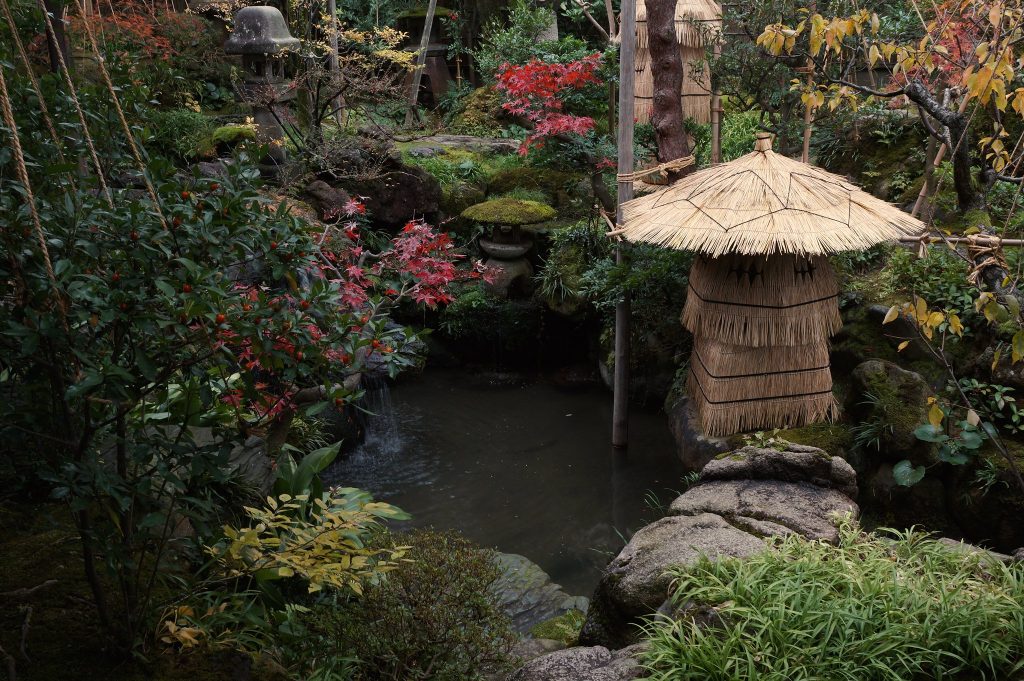
The Nagamachi samurai district contains several preserved homes, but the Nomura residence stands out for its stunning courtyard garden visible from the main tatami rooms. A Japanese bayberry tree over 400 years old anchors the design, while a small stream winds between ancient rocks of unusual shapes.
The garden packs a remarkable amount of visual interest into a compact space, proving that size matters far less than thoughtful composition. For an extra fee, you can enjoy matcha tea while sitting on the veranda overlooking the greenery.
Oyama Shrine Garden
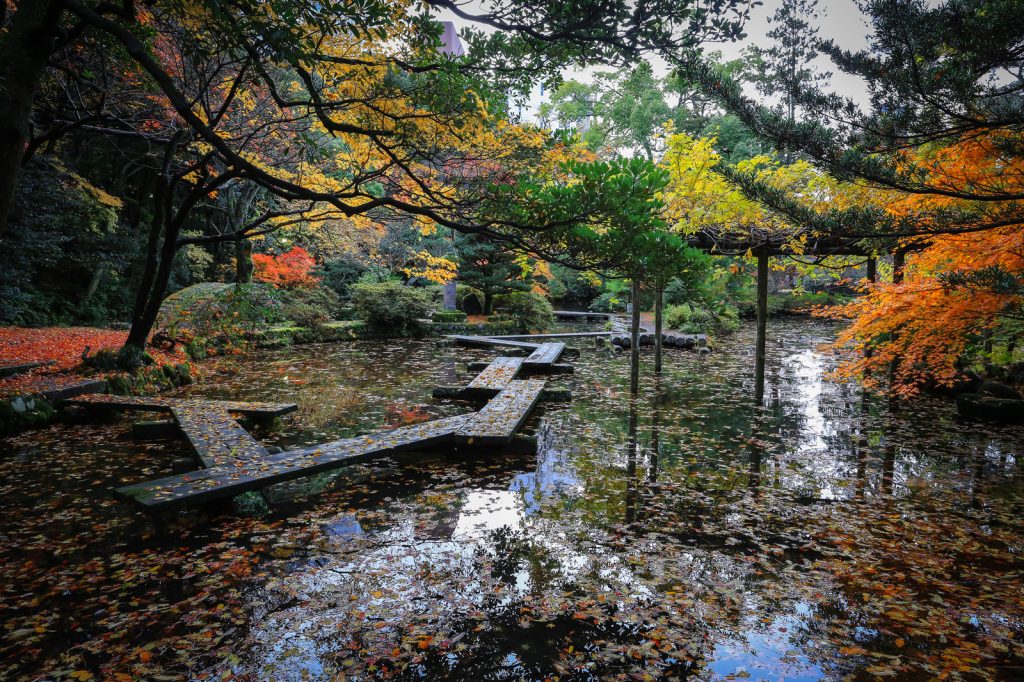
The shrine dedicated to Maeda Toshiie, founder of the Kaga domain, contains a charming stroll garden behind the main worship hall. A pond with an artificial island sits at the center, connected by bridges designed to evoke the shapes of traditional musical instruments like the biwa lute.
The garden originally belonged to a Maeda family villa before the shrine was established in 1873, so the landscape predates the religious buildings by centuries. Evening illumination runs until 10pm, making this one of the few gardens in Kanazawa you can appreciate after dark.
Shofukaku Garden
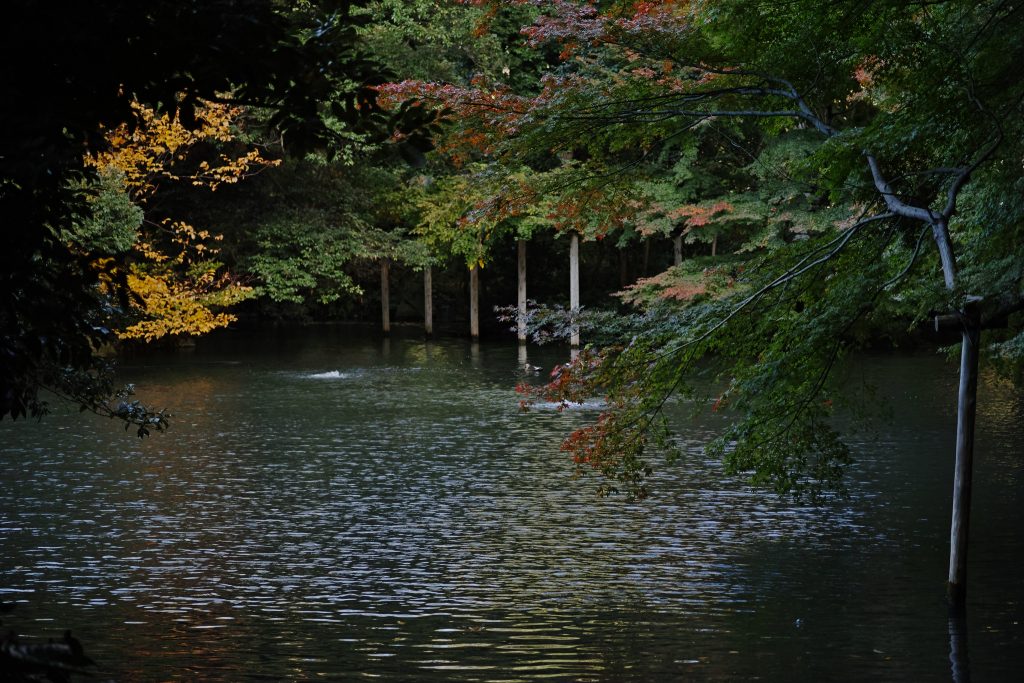
This early Edo period garden actually predates Kenrokuen and may have served as inspiration for its more famous neighbor. Built on the former residence grounds of the Honda clan, the most powerful retainer family serving the Maedas, the garden uses natural marshland and forest to create a landscape that feels far removed from the city center.
The Kasumigaike pond existed before the pond of the same name in Kenrokuen was even dug. Free to enter and often empty of tourists, Shofukaku offers the rare chance to experience a centuries-old garden in near solitude.
Senda-ke Garden
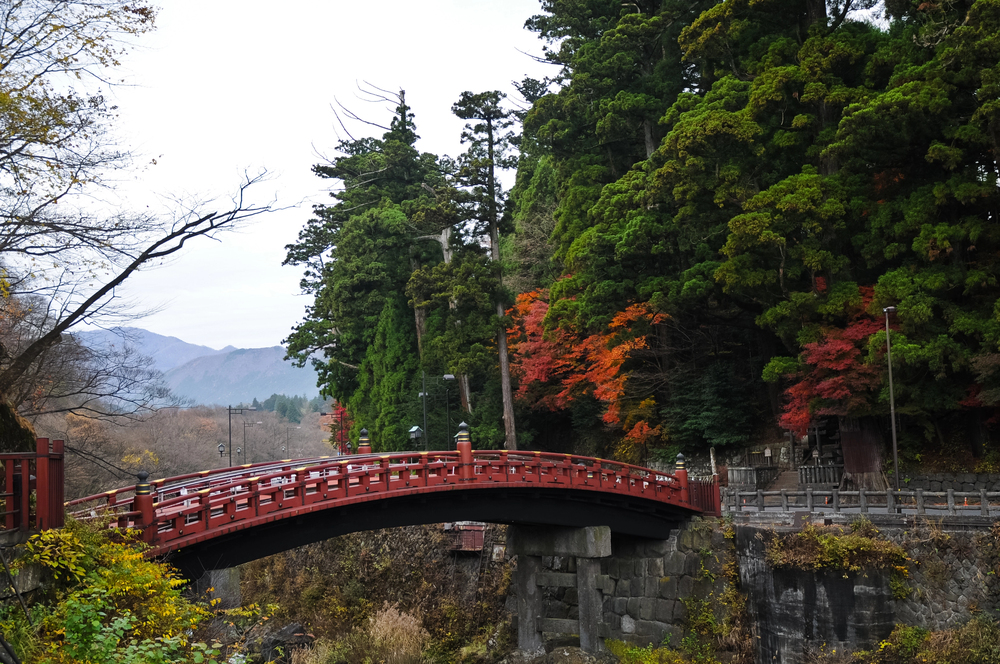
Hidden within the Nagamachi samurai district, this Cultural Heritage Site was created in 1894 by Norifumi Senda, a former samurai who lived through the dramatic transition from feudal Japan to the modern Meiji era. He modeled his garden after Kenrokuen, incorporating traditional elements like a yukimi-doro snow-viewing lantern positioned to reflect beautifully on the central pond.
Water flows in from a nearby irrigation canal, circles around an artificial hill, and returns to the waterway, creating constant gentle movement. The adjacent small museum displays photographs and artifacts from Senda’s life.
Kurando Terashima’s House Garden
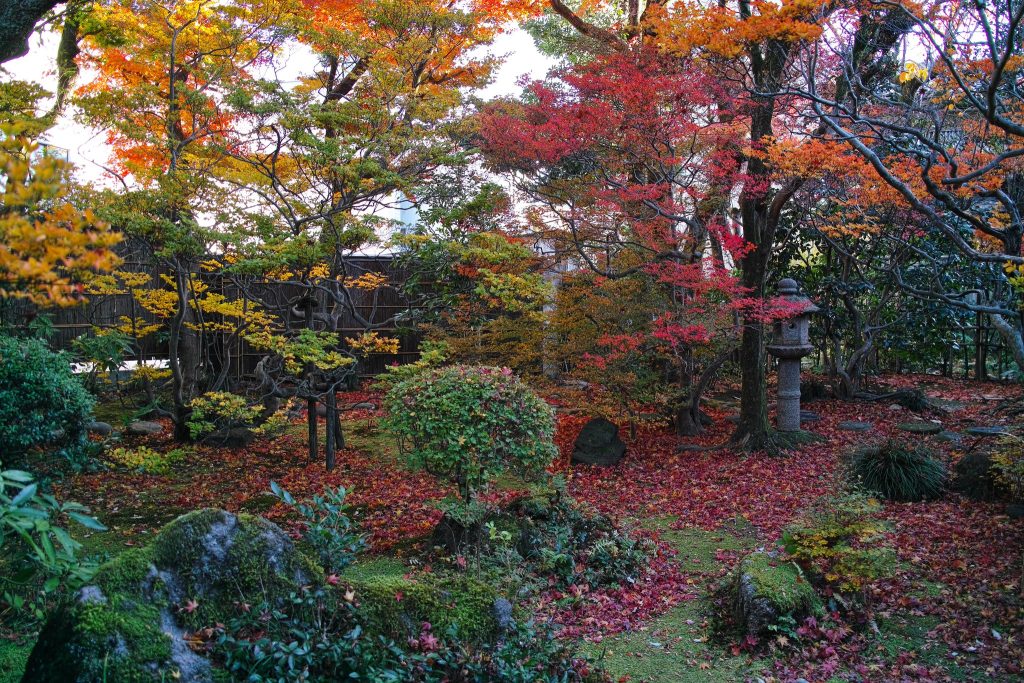
Kurando Terashima was a middle-ranking samurai, talented painter, and occasional troublemaker who lived from 1777 to 1837. While his house has been modified over the years, the garden remains almost exactly as it was during his lifetime, with over 200 trees and flowering plants that change through the seasons.
Camellia, kerria, hardy begonia, and wintersweet all appear at different times of year, while a dry pond adds an element of Zen simplicity. The tea ceremony room was specifically positioned to enjoy the garden view, and you can still take tea there today while contemplating the same scene Kurando once painted.
Kanazawa Shrine Garden
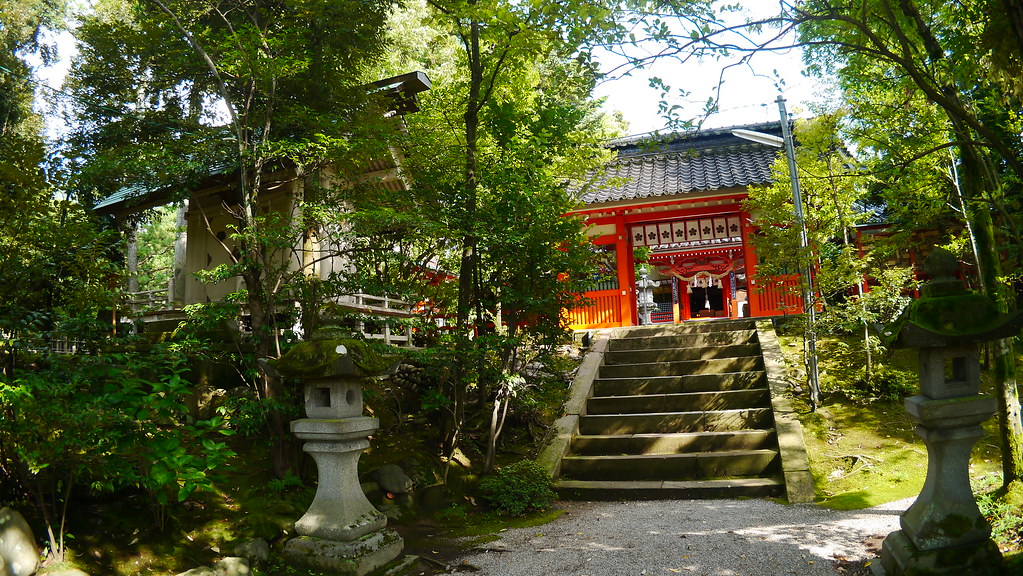
Tucked behind Kenrokuen in a grove of plum and pine trees, the shrine that shares the city’s name remains surprisingly hidden from most tourists. A pond filled with irises and water lilies marks the approach to the inner gate, while a secret path leads through the Honda Forest past a waterfall.
The shrine grounds connect to the ancient folklore behind Kanazawa’s name, which roughly translates to ‘marsh of gold.’ The Kinjo Reitaku well, a dragon-painted sacred spring, still holds water used during the commencement ceremony of the massive Hyakumangoku Festival each year.
Ishiura Shrine Garden
Founded in 547 AD, this is the oldest shrine in Kanazawa, though the current buildings have been rebuilt several times since. The grounds contain over 255 trees that form a designated Preserved Forest, creating a green sanctuary that somehow survives in the middle of the city.
In 2019, the shrine added a pathway called ‘101 torii’ featuring over a hundred vermillion gates reminiscent of the famous Fushimi Inari in Kyoto, but without the crushing crowds. Hydrangeas bloom here in early summer, and the vibrant greenery makes the red gates pop in photographs.
D.T. Suzuki Museum Water Mirror Garden
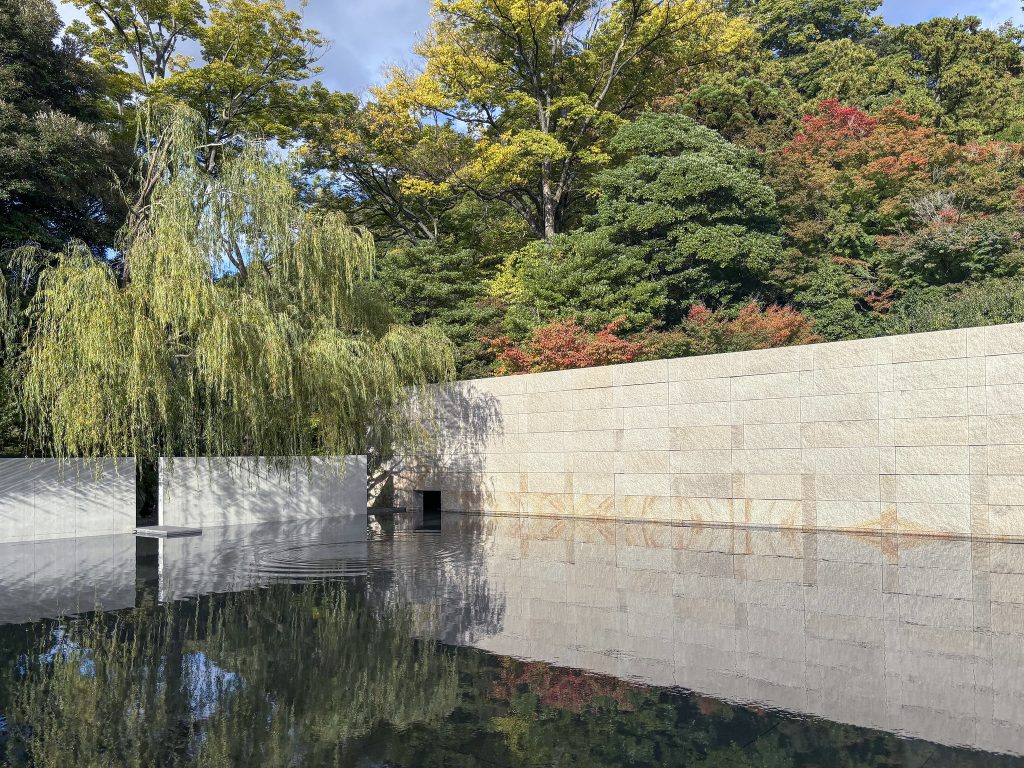
This modern contemplative space honors the Buddhist philosopher Daisetz Teitaro Suzuki, who was born in Kanazawa and spent his life introducing Zen concepts to Western audiences. The architecture by Yoshio Taniguchi creates three wings and three gardens, with the water mirror garden serving as the philosophical heart of the complex.
A shallow reflecting pool stretches beneath the Contemplative Space pavilion, where visitors sit on benches and gaze over the still water. The design strips away all distraction, embodying the emptiness and clarity central to Zen practice.
Teramachi Temple Gardens
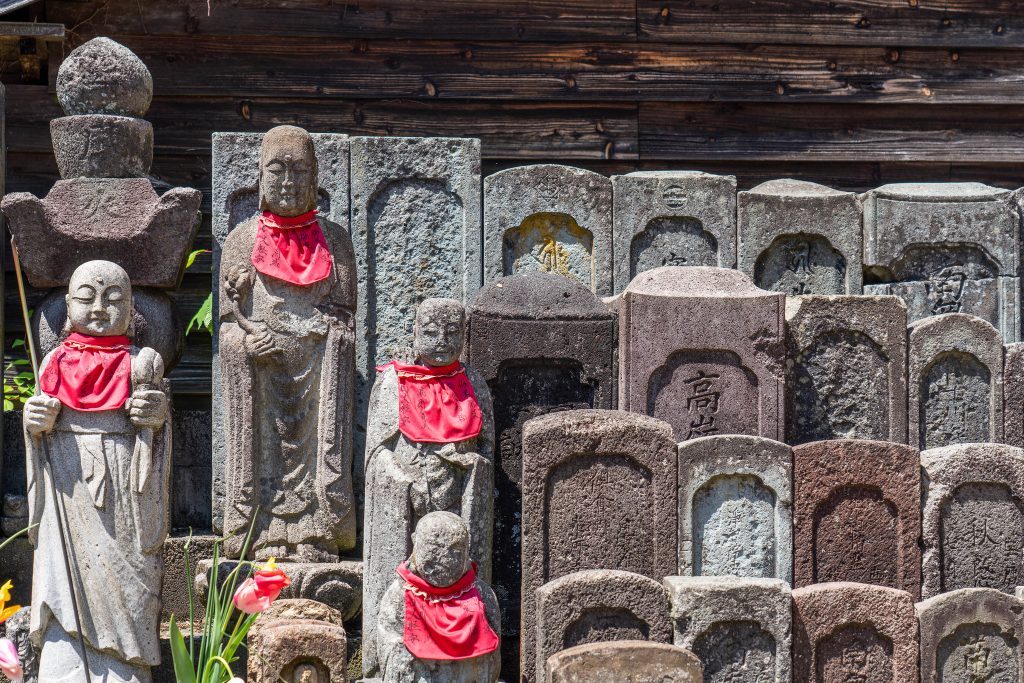
The Teramachi district south of the city center contains roughly 70 temples, each with its own character and many with well-tended gardens worth exploring. The third Maeda lord gathered temples here in the 1600s partly for defense and partly to keep an eye on religious institutions.
Some gardens feature neatly raked gravel and pruned pines, while others have gone slightly wild with overgrown graveyards and shadowy corners. Myoryuji, the famous Ninja Temple, has a small moss garden on its grounds, though most visitors focus on the hidden rooms and trap doors inside.
Honda Park
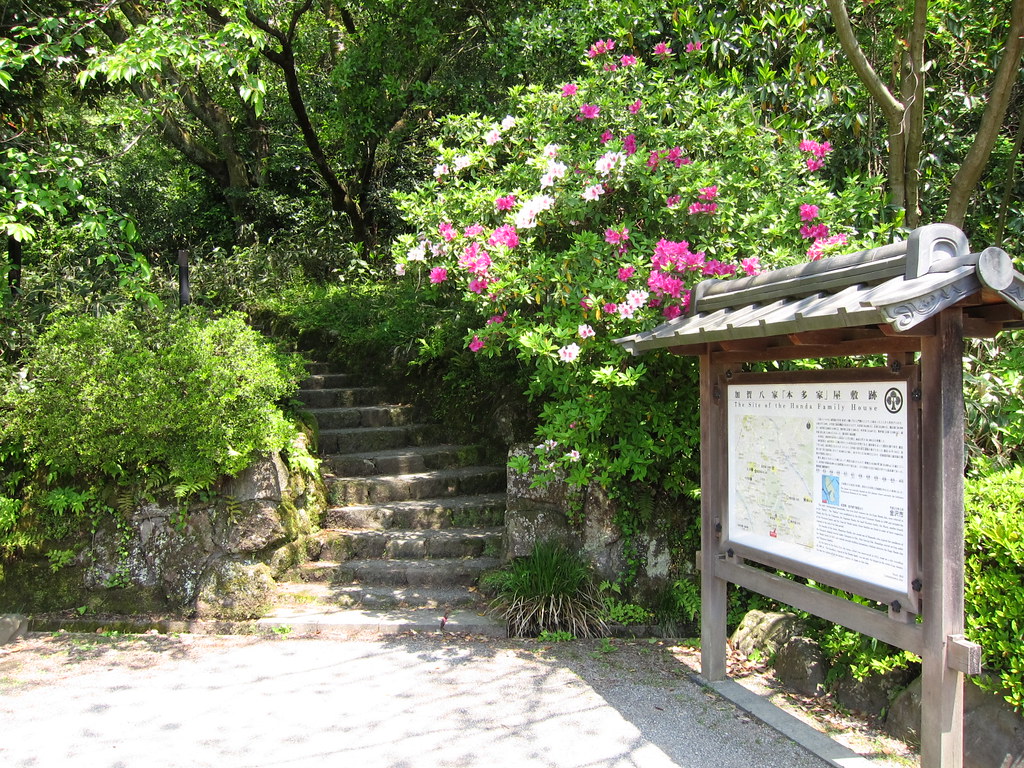
Once the estate of the Honda clan, the second most powerful family in Kanazawa, this tranquil park is all that remains of their former glory. The family left the city in the 1870s after the feudal system collapsed, but the grounds they cultivated still provide a pleasant stroll.
The Nagaya-mon gate from the original residence survives as a registered tangible cultural property, and some say this garden directly inspired the design of Kenrokuen. Walking here on a weekday morning, you might be the only visitor for an hour.
Natadera Temple Garden
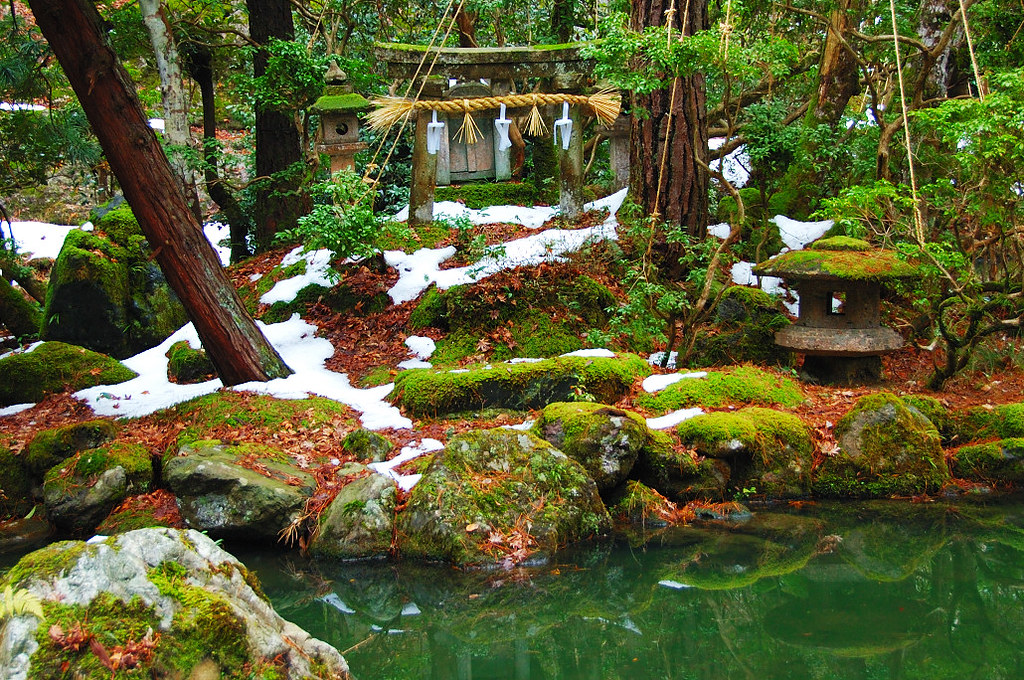
Located about an hour from central Kanazawa by bus, this temple features what is recognized as the oldest garden in Ishikawa Prefecture. Founded in 717 by the Buddhist monk Taicho, the grounds sit in a lush valley surrounded by centuries-old cedars and camellias.
The Japanese garden incorporates a body of water and embodies the concept of communion with nature that formed a pillar of the monk’s teachings. Cherry blossoms decorate the park in spring, while Japanese maples turn brilliant shades of red and yellow each autumn.
Where tradition keeps growing
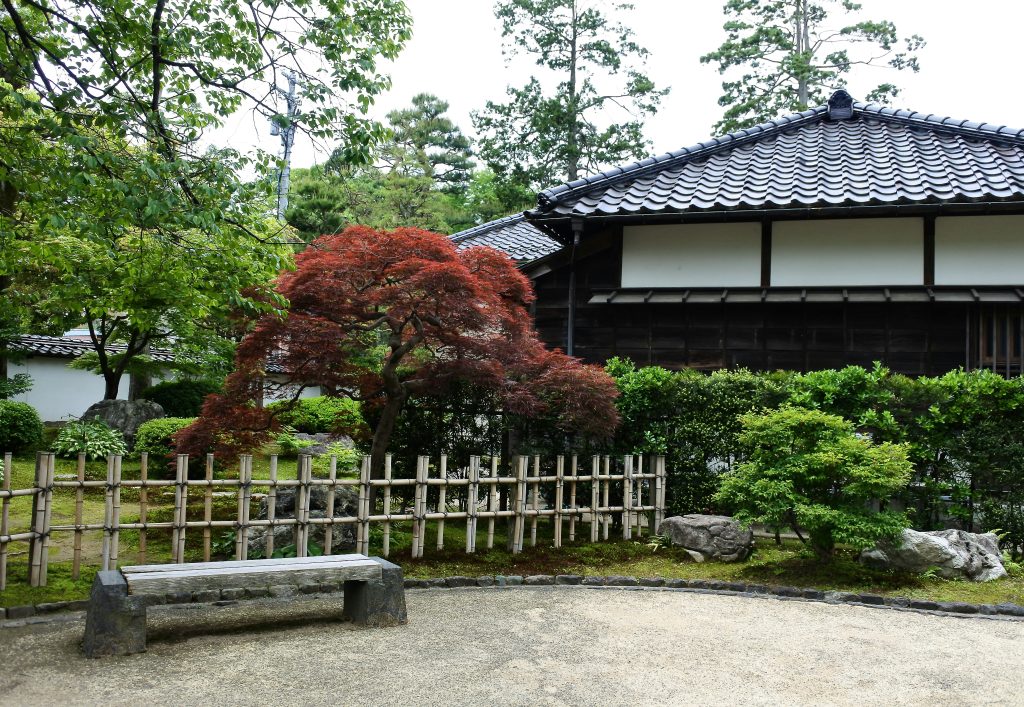
The Maeda lords may have left Kanazawa over 150 years ago, but their garden legacy continues to evolve. Gyokusen-inmaru was only restored in 2015 after lying abandoned for over a century, and new gardens like the D.T. Suzuki Museum water mirrors prove that the city’s landscape traditions remain very much alive.
Whether you spend an entire day wandering Kenrokuen or stumble upon a hidden temple courtyard in Teramachi, these green spaces offer something beyond typical sightseeing. They are windows into a culture that has always understood the value of slowing down, paying attention, and finding beauty in carefully arranged rocks and trees.
More from Travel Pug

- Underrated Italian Towns That Beat the Tourist Crowds
- Las Vegas Tourist Traps to Skip
- Prettiest Towns in Every US State
- 18 passport-free countries for Americans
- Signs Your Cruise Is Not Worth The Cost
Like Travel Pug’s content? Follow us on MSN.