

Florida’s military history has spanned over hundreds of years, and it has been the case since the Spanish, British, and later the Americans built a series of coastal defenses, which consisted of fortifications, and colonists and defenders also used these to tell stories of colonial warfare, Seminole Wars, the Civil War, and even the conflicts of the 20th century.
Explore the following 16 historic forts located in Florida.
Castillo De San Marcos
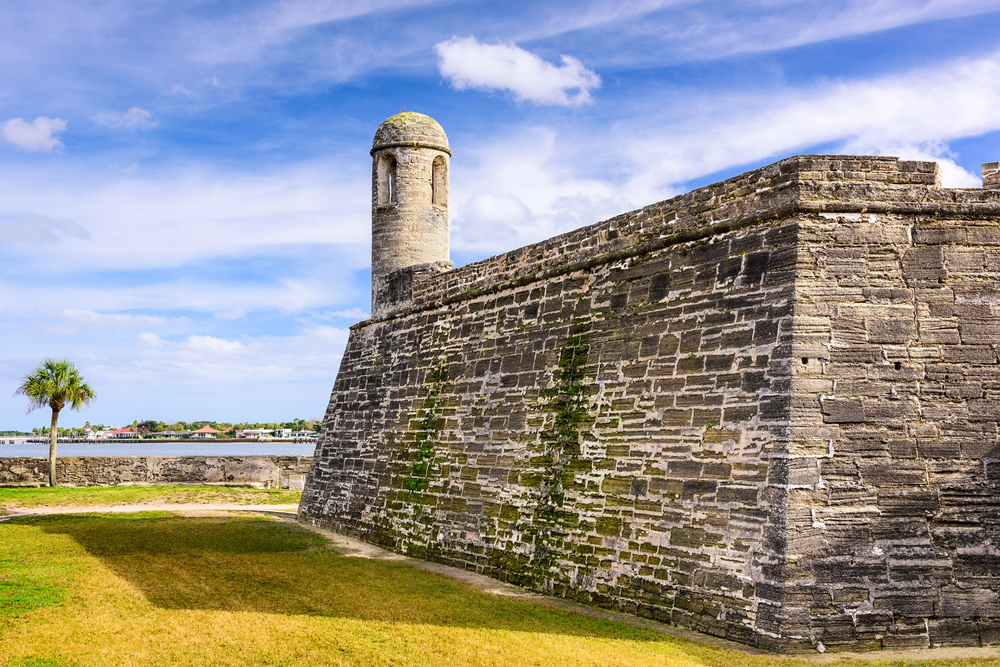
Built by the Spanish between 1672 and 1695, this St. Augustine fortress stands as the oldest masonry fort in the continental United States. The walls are constructed from coquina, a unique limestone made of compressed shells that absorbed cannonballs rather than shattering under impact.
The fort successfully defended against multiple British attacks and has never been taken by force, remaining remarkably intact after over 300 years.
Fort Jefferson
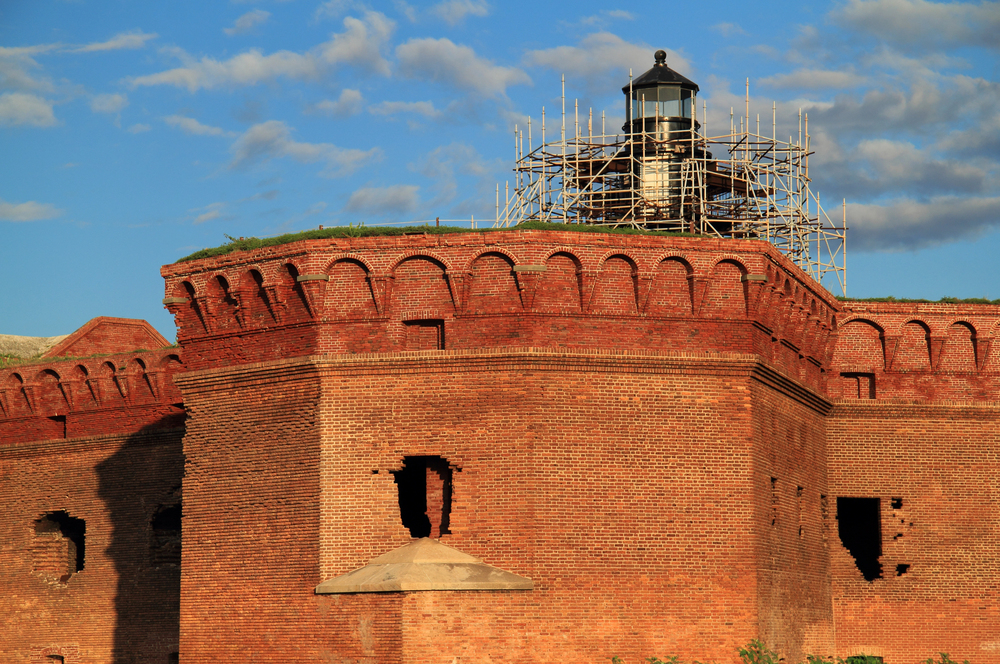
Located 70 miles west of Key West in the Dry Tortugas, this massive hexagonal fortress contains over 16 million bricks, making it one of the largest brick structures in the Western Hemisphere. Construction began in 1846 but was never completed, abandoned when rifled cannons made the design obsolete.
The fort famously imprisoned Dr. Samuel Mudd for treating John Wilkes Booth after Lincoln’s murder, and today sits surrounded by crystal-clear waters teeming with marine life.
Fort Pickens
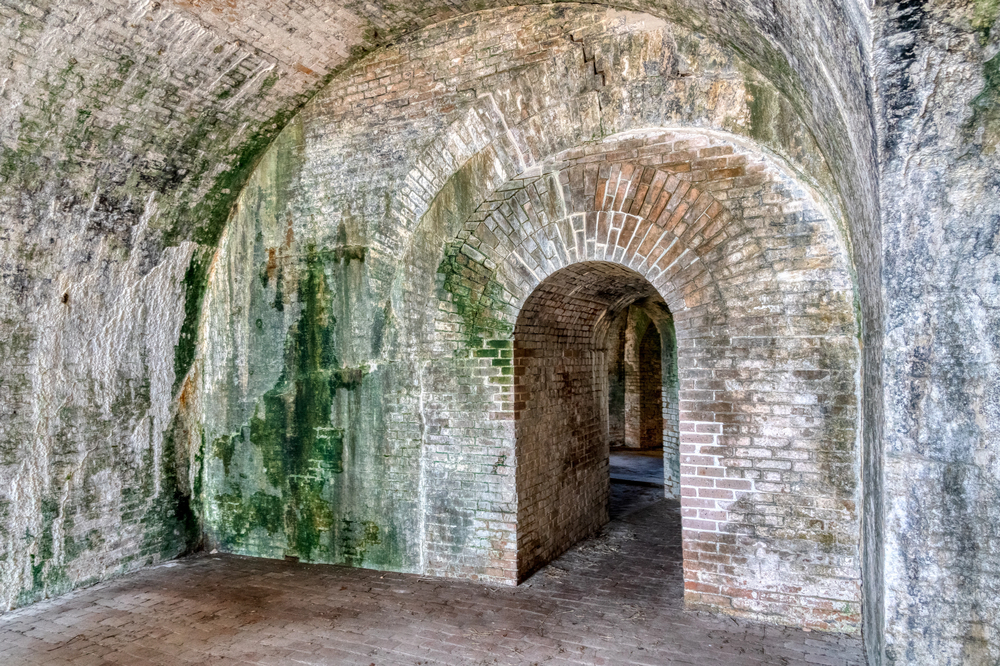
This massive fort on Santa Rosa Island near Pensacola was completed in 1834 to defend Pensacola Bay and its strategic navy yard. The fort saw action during the Civil War, remaining in Union hands while other Florida forts fell to Confederate forces.
Geronimo and other Apache prisoners were held here after their surrender in 1886, and the fort continued military service through World War II.
Fort Zachary Taylor
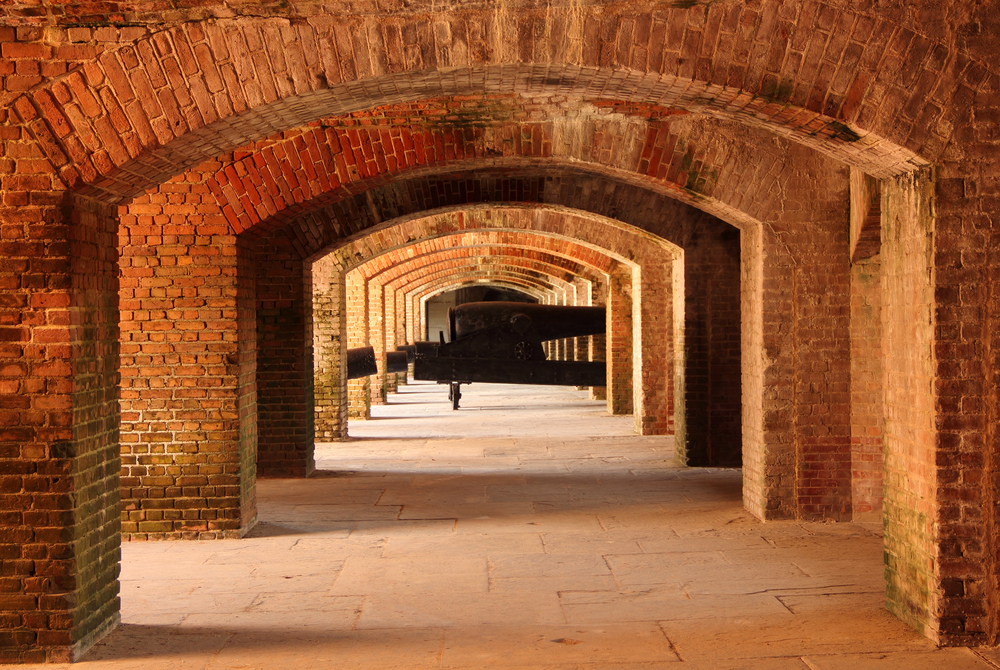
Key West’s southernmost fortress served as headquarters for the Union’s East Gulf Coast Blockading Squadron during the Civil War. Construction started in 1845 and finished in 1866, featuring innovative amenities like tide-flushed bathrooms and a desalination plant producing fresh water from seawater.
The fort contains the largest collection of Civil War-era cannons in the United States, many discovered buried when archeologists excavated the structure in the 1960s.
Fort Matanzas
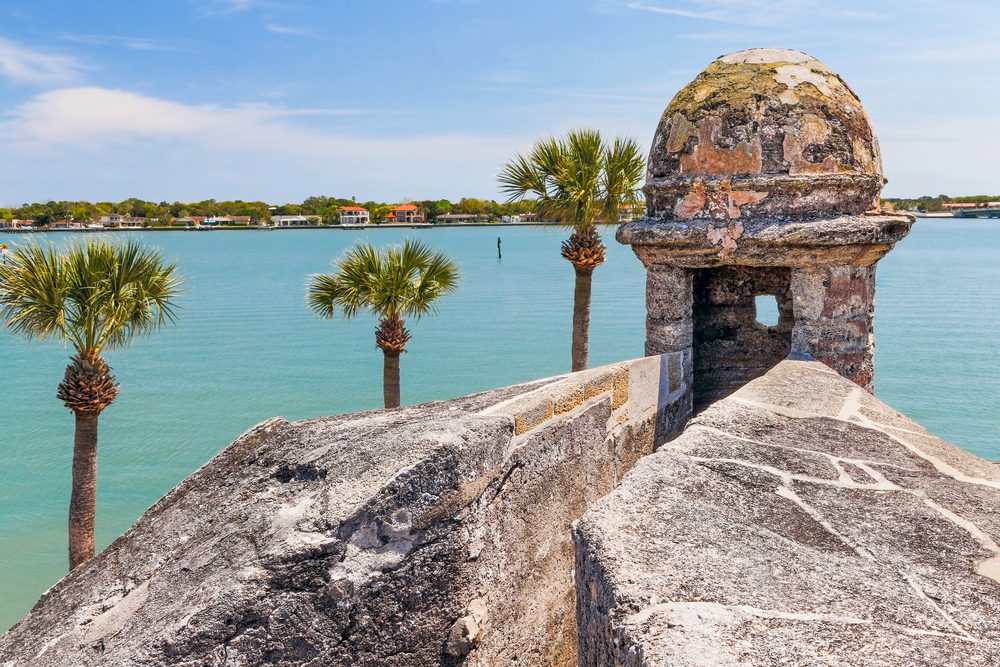
This small Spanish watchtower south of St. Augustine was completed in 1742 to guard the southern approach to the city via the Matanzas River. The compact fort demonstrates how effectively Spanish engineers used limited resources, with thick coquina walls protecting a small garrison.
Accessible only by boat via a free National Park Service ferry, the fort offers intimate views of coastal defense strategy.
Fort Clinch
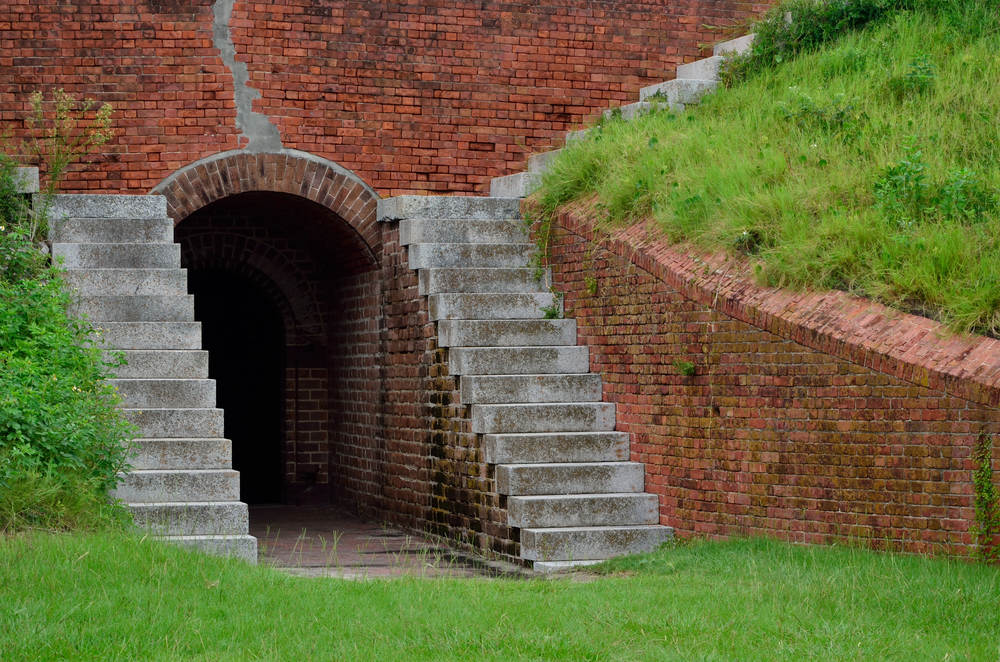
Perched on the northern tip of Amelia Island near Fernandina Beach, this brick fortress began construction in 1847 as part of the Third System of coastal defenses. The fort changed hands between Union and Confederate forces during the Civil War without ever firing its guns in battle.
Costumed interpreters recreate garrison life on the first full weekend of each month, bringing 1864 military routines to life.
Fort Barrancas
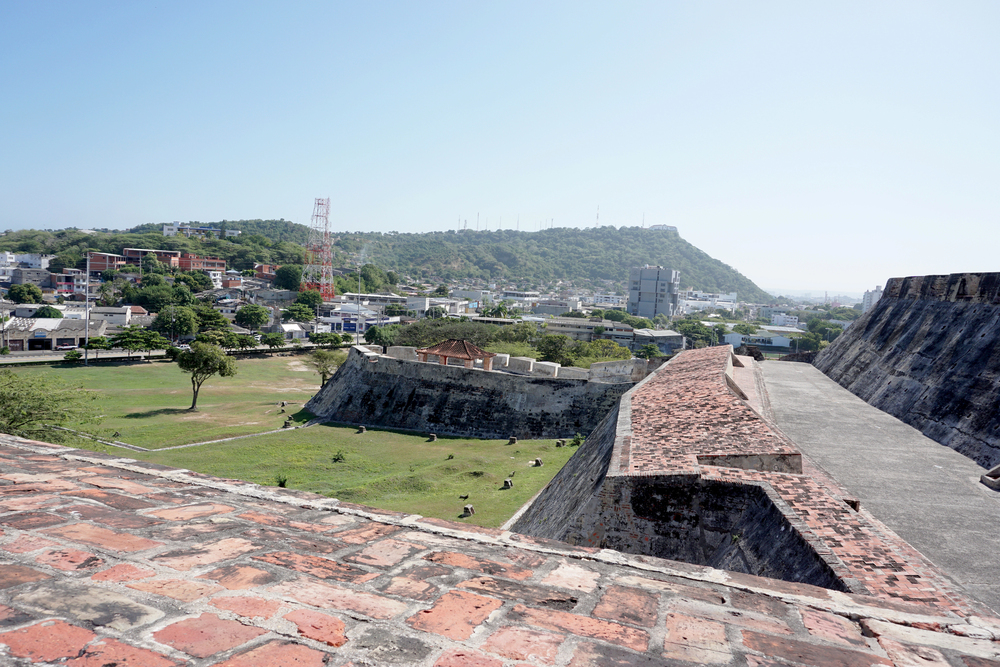
Built atop Spanish and British fortifications dating to 1698, this Pensacola fort was constructed between 1839 and 1844 as part of a comprehensive defense system for the bay. The fort features an impressive water battery at sea level connected to the main fort by a covered stairway carved through solid rock.
The structure worked in coordination with Fort Pickens to create a crossfire that would devastate any fleet attempting to enter Pensacola Harbor.
Fort De Soto
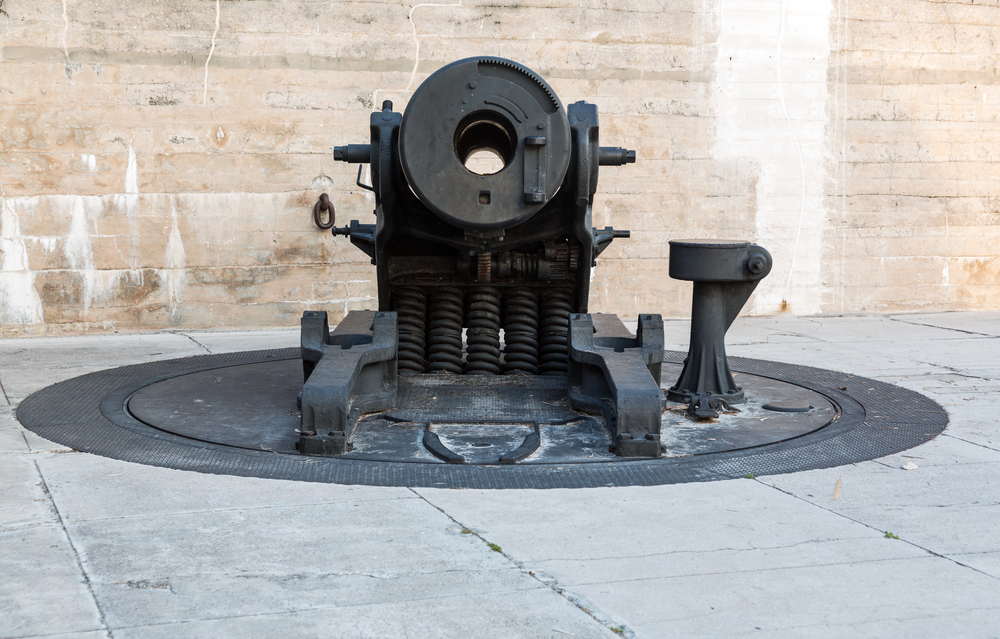
Located on Mullet Key at the mouth of Tampa Bay, this fort was built in 1898 during the Spanish-American War. The concrete and earth batteries represent a more modern coastal defense design compared to earlier brick forts.
The surrounding state park offers beaches, camping, and kayaking, making the fort part of a larger recreational destination.
Fort Mose
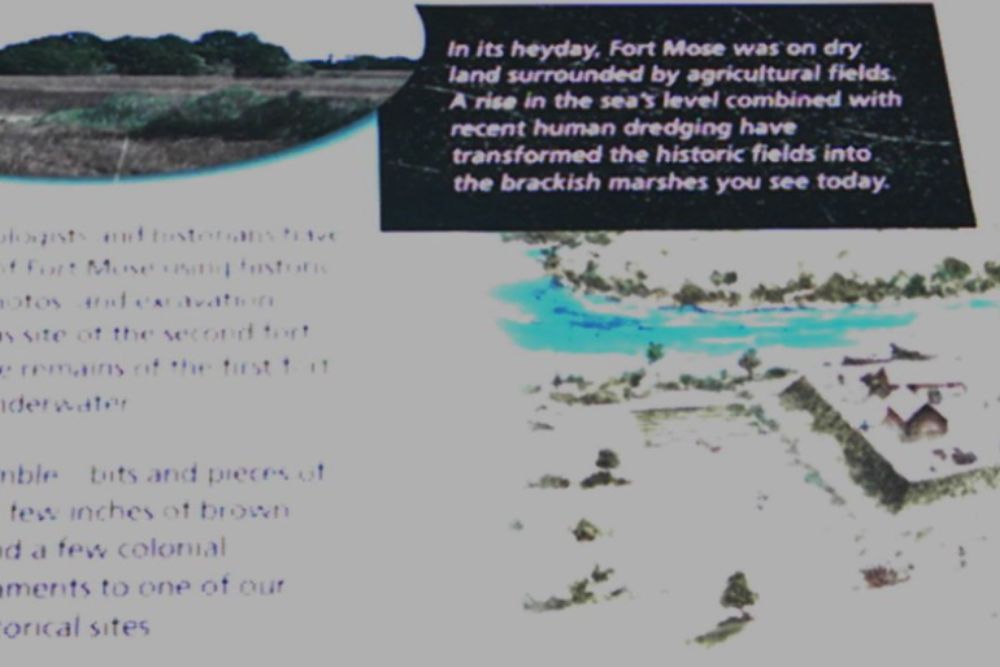
Established in 1738, just north of St. Augustine, Fort Mose is the first legally sanctioned free African settlement in what would become the United States. Spanish authorities granted freedom to enslaved people who escaped from British colonies and converted to Catholicism, creating a buffer community that would defend St. Augustine.
The reconstructed fort and visitor center illuminate this crucial but often overlooked chapter in American history.
Fort Caroline
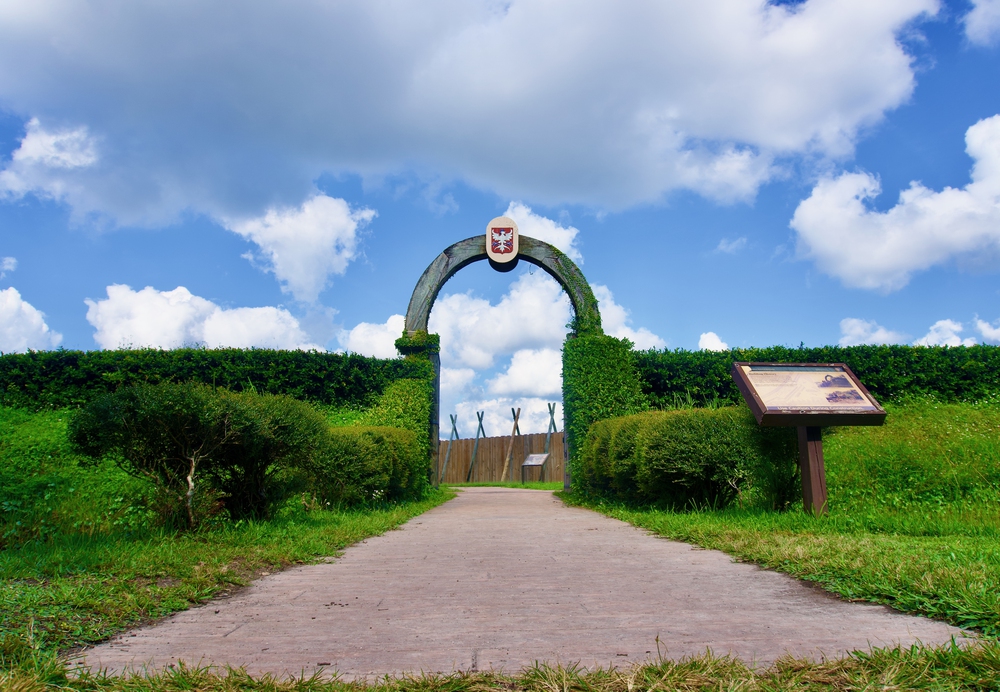
This reconstructed French fort near Jacksonville marks the site where French Huguenots attempted to establish a colony in 1564, one year before the Spanish founded St. Augustine. The Spanish destroyed the fort in 1565, viewing the French settlement as a threat to their treasure fleets and colonial claims.
The site demonstrates how European powers fought for control of Florida decades before English colonization efforts farther north.
Fort Christmas
Built during the Second Seminole War on Christmas Day 1837, this central Florida fort served as a supply depot during military campaigns against the Seminoles. The reconstructed fort and museum in the town of Christmas showcase pioneer life and Seminole War history.
The small fort illustrates the extensive network of military posts required to operate in Florida’s challenging terrain.
Fort Cooper
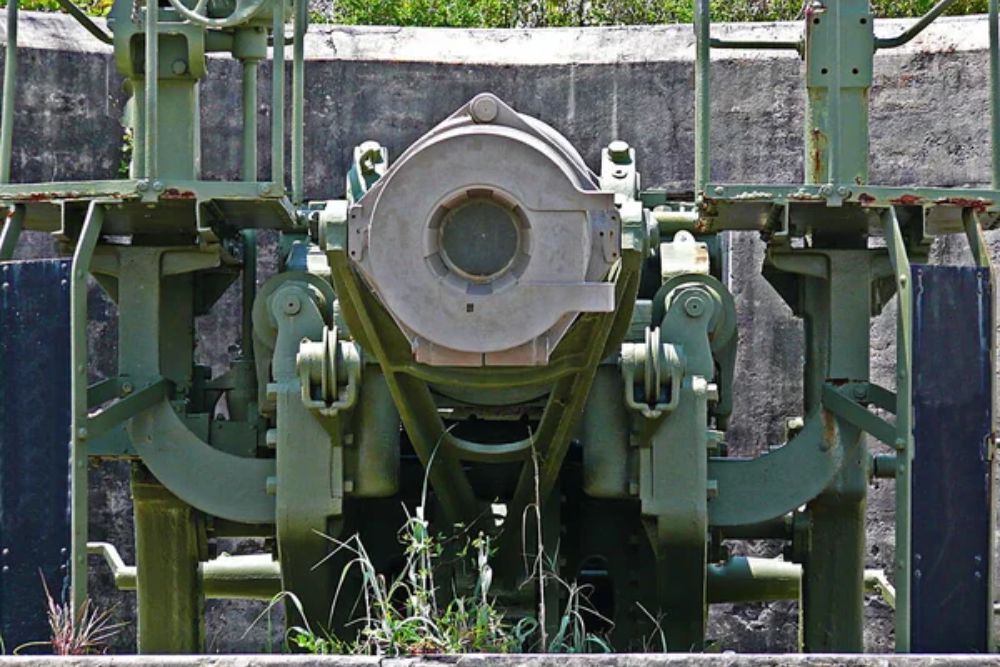
Named for Major Mark Anthony Cooper, who commanded troops during the Second Seminole War, this fort protected soldiers and settlers in Citrus County. The fort stood at the edge of Lake Holathlikaha, offering access to water and defensive advantages.
Today, Fort Cooper State Park preserves the earthworks and offers hiking trails through the same landscape that challenged 19th-century soldiers.
Fort Gadsden
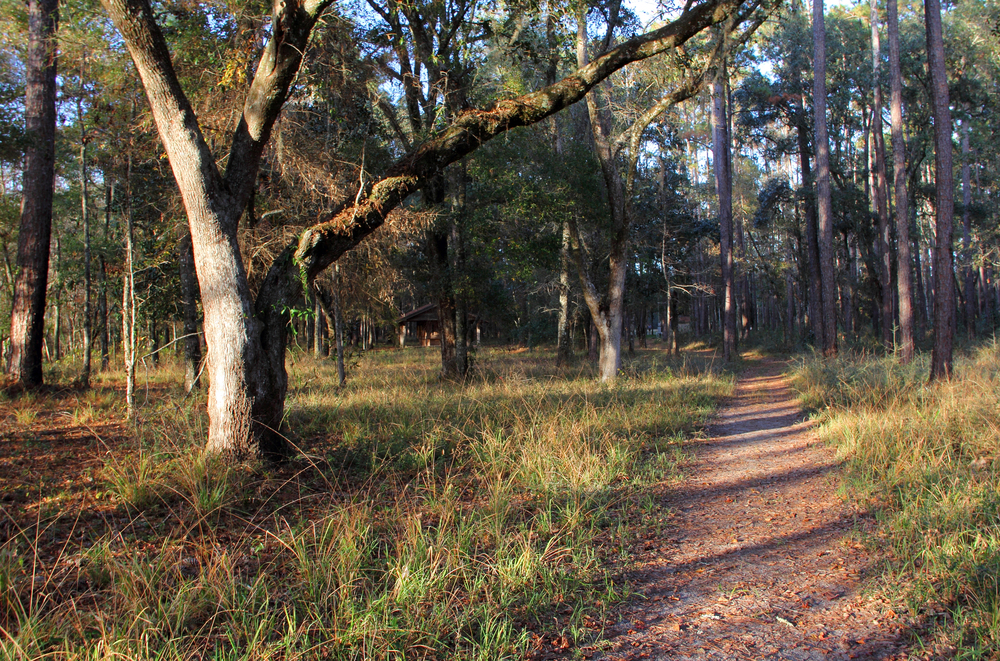
This site in the Apalachicola National Forest contains ruins of two significant forts from different eras. British forces built the first fort during the War of 1812, which later became known as the Negro Fort when it sheltered escaped enslaved people and their families.
American forces destroyed the fort in 1816 with a lucky artillery shot that hit the powder magazine, killing approximately 300 people in the massive explosion.
East And West Martello Towers
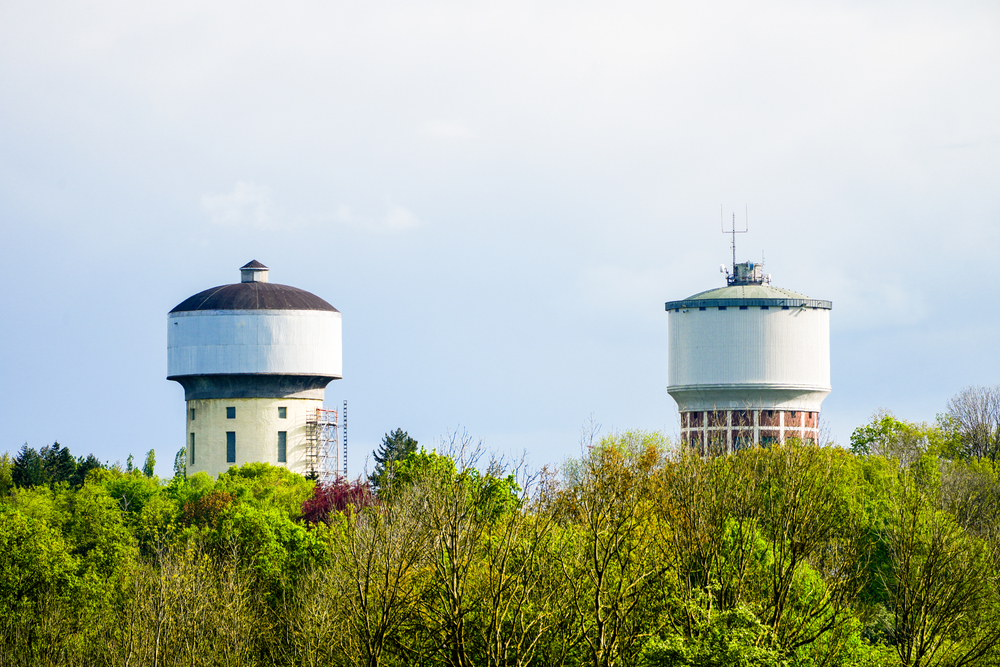
These two brick towers in Key West were begun in 1862 but never completed because the Civil War ended before construction was finished. The East Martello Tower now houses the Key West Art and Historical Society museum, showcasing local history and culture.
The towers demonstrate Martello tower design borrowed from similar structures throughout the British Empire.
Fort Foster
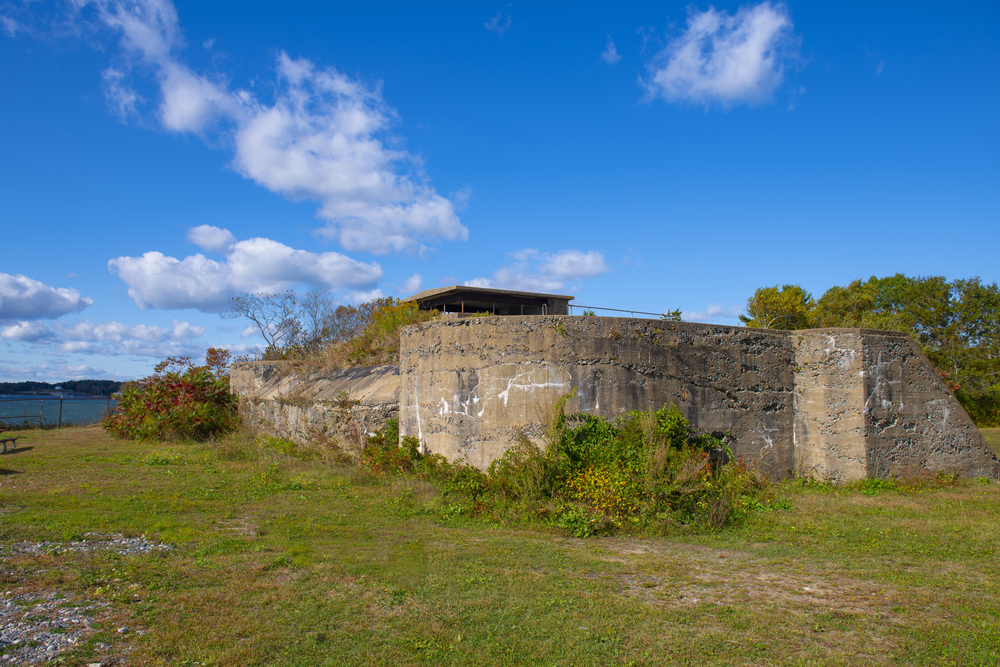
This Second Seminole War fort near Tampa served as an important military post during the 1830s campaigns. The earthwork fortification demonstrates typical temporary military construction used throughout Florida during the Seminole conflicts.
Archaeological investigations have revealed artifacts from the fort’s brief but significant period of operation.
Fort McRee
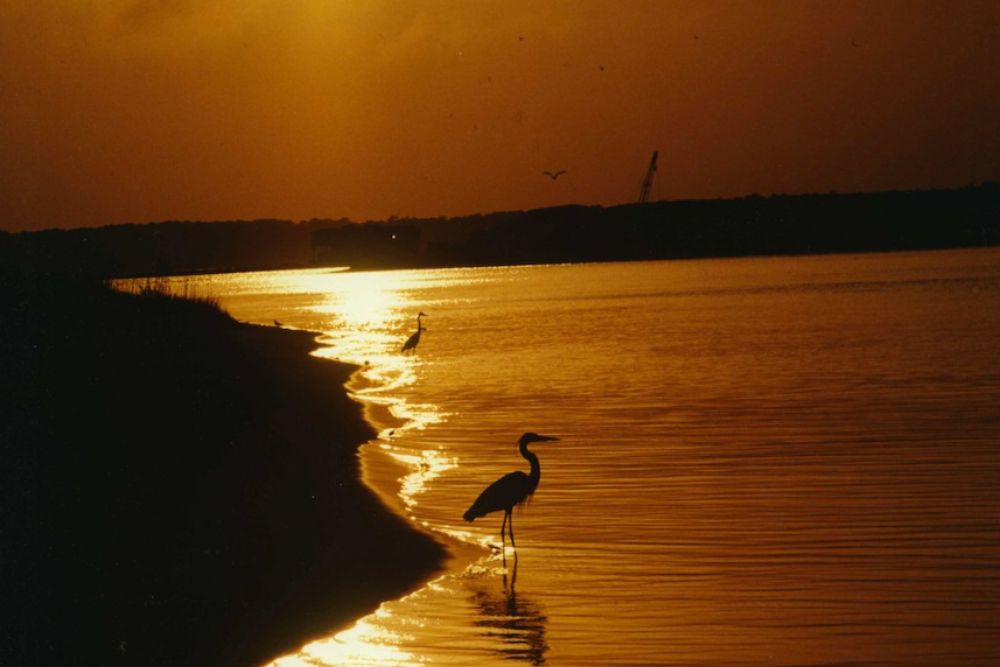
Once part of Pensacola’s defensive triangle with Fort Pickens and Fort Barrancas, this fort on Perdido Key was largely destroyed by hurricanes and erosion. Built between 1834 and 1839, the fort was occupied by the Confederates during the Civil War before being abandoned.
Though little remains visible today, the site played a crucial role in Pensacola’s 19th-century coastal defense strategy.
Fortifications Across Centuries
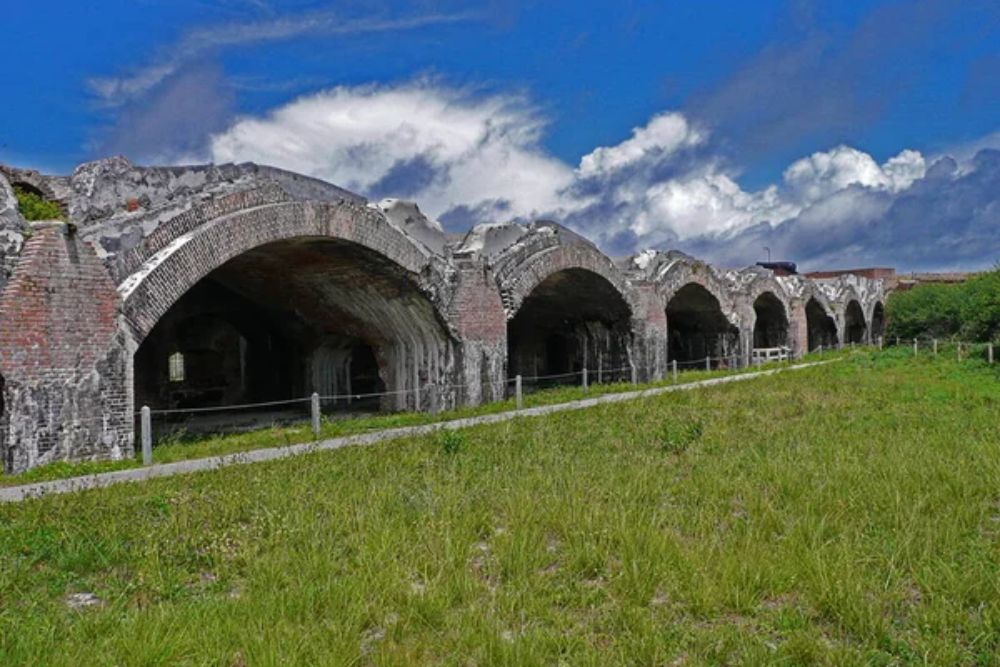
Florida’s journey from Spanish colony to British control, American territory, and statehood is chronicled by these forts. Every building, from Spanish coquinas to Third System brick strongholds to concrete batteries, reflects the military technology and strategic thinking of its time.
The tales of soldiers, enslaved laborers, indigenous peoples, and citizens whose lives intertwined at these key locations across four centuries of Florida’s complicated past are revealed by visiting these sites, in addition to military history.
More from Travel Pug

- Underrated Italian Towns That Beat the Tourist Crowds
- Las Vegas Tourist Traps to Skip
- Prettiest Towns in Every US State
- 18 passport-free countries for Americans
- Signs Your Cruise Is Not Worth The Cost
Like Travel Pug’s content? Follow us on MSN.