

The Black Forest’s dark name comes from the dense coniferous canopy that blocks sunlight from reaching the forest floor, creating an almost perpetual twilight beneath the trees. This mountain range in southwestern Germany stretches roughly 100 miles north to south, with elevations reaching nearly 5,000 feet at the highest points.
The combination of mountains, forests, valleys, and traditional villages creates driving routes that shift dramatically from sun-drenched meadows to shadowy forest roads within minutes. The region’s roads developed over centuries, following ridge lines and valley floors that Roman soldiers once traveled and medieval merchants used to transport goods.
Here is a list of 15 scenic drives in the Black Forest.
Schwarzwald-Hochstrasse (B500)
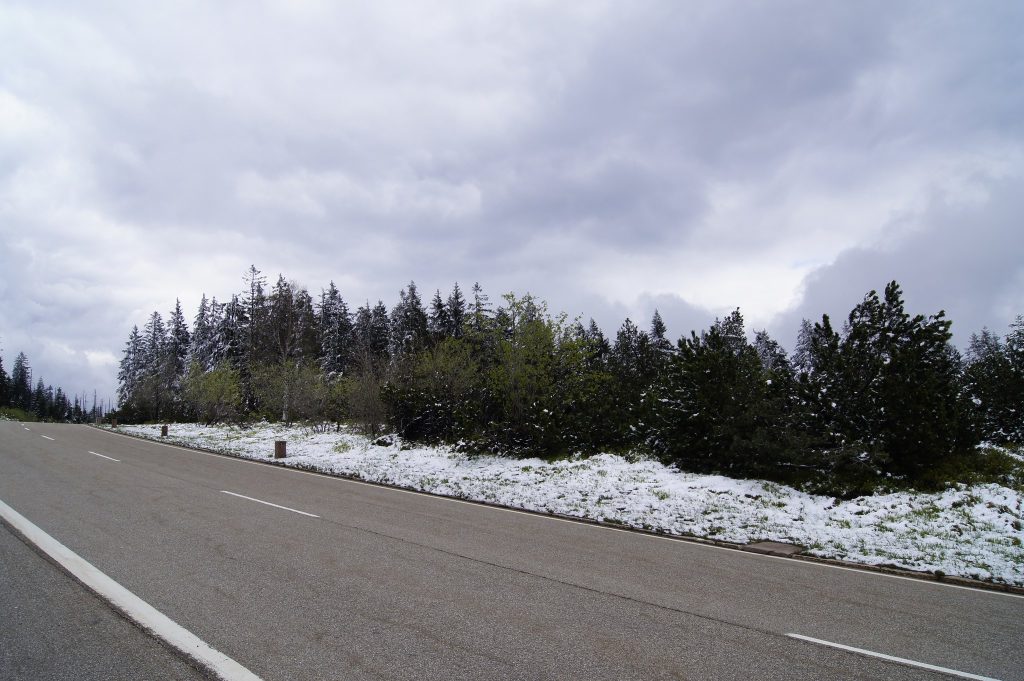
This 37-mile high road runs along mountain ridges from Baden-Baden to Freudenstadt, offering expansive views across the Rhine Valley toward the Vosges Mountains. The route climbs to around 3,000 feet, passing through spruce forests that occasionally open to reveal meadows and distant views.
Numerous viewpoints with parking areas let you stop and appreciate panoramas without rushing.
Kinzig Valley Road
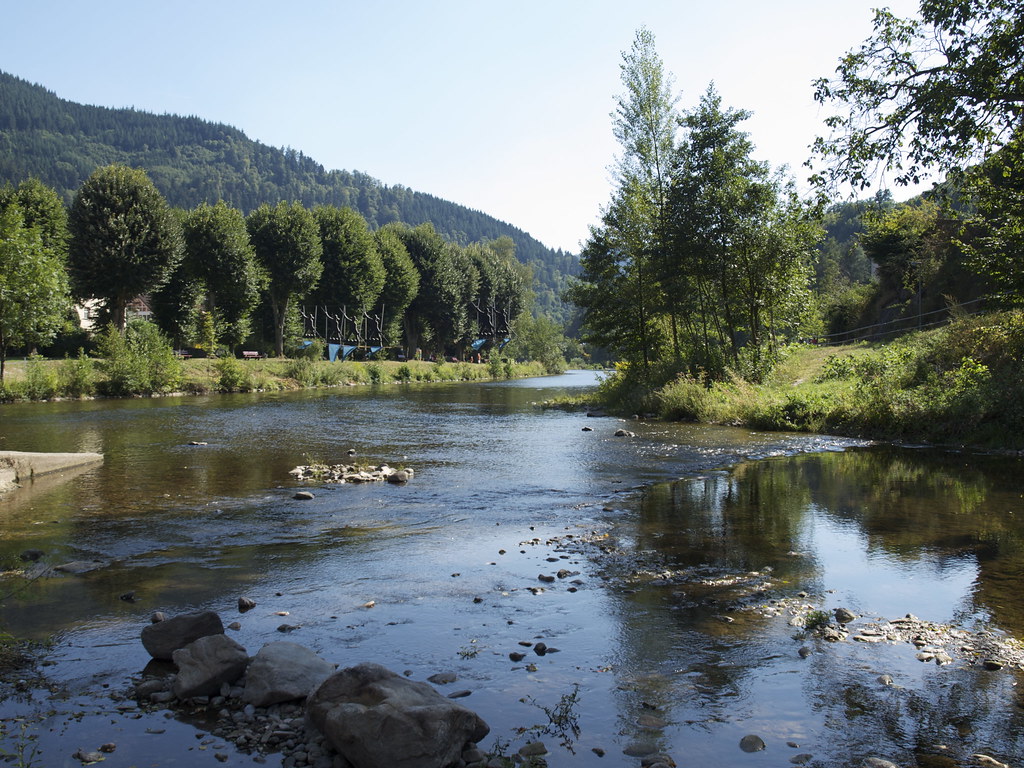
Following the Kinzig River from Freudenstadt to Offenburg, this valley drive passes traditional farmhouses with their distinctive hip roofs and surrounding meadows. The route stays relatively low, winding through villages where woodcarving and clock-making traditions continue.
It’s less dramatic than ridge routes but provides better access to cultural attractions and traditional restaurants.
Höllental Valley Road
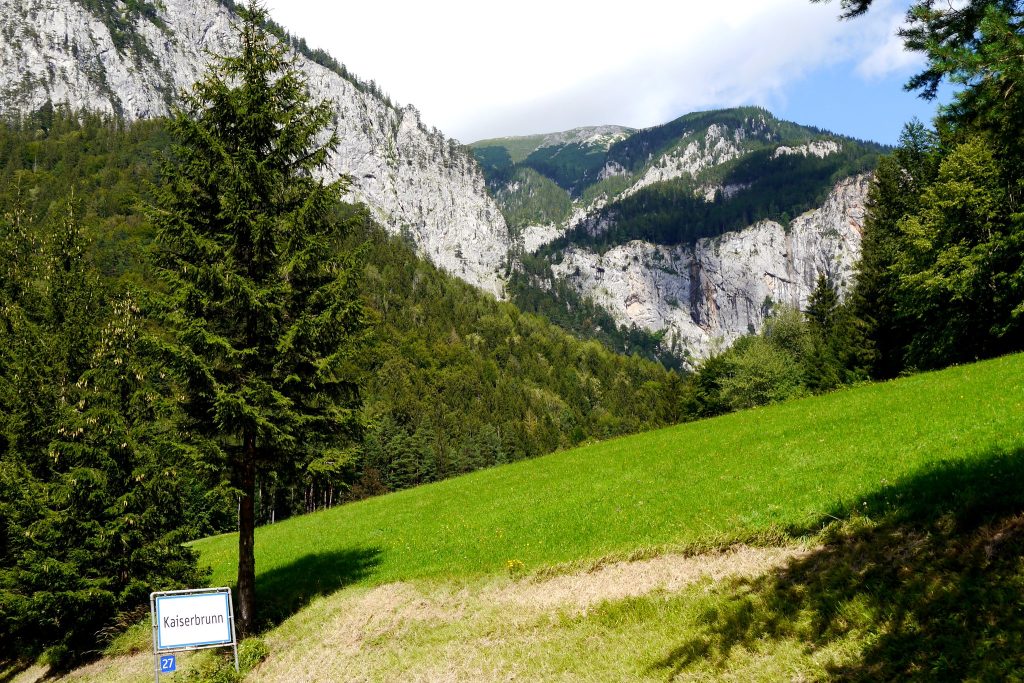
This route through the ‘Hell Valley’ follows a dramatic gorge where the Höllbach stream carved through rock over millennia. Cliffs rise steeply on both sides, and the road passes through several tunnels blasted through solid rock.
The Ravenna Gorge viaduct, a 19th-century railway bridge, spans the valley and has become a landmark worth photographing.
Freiburg to Feldberg
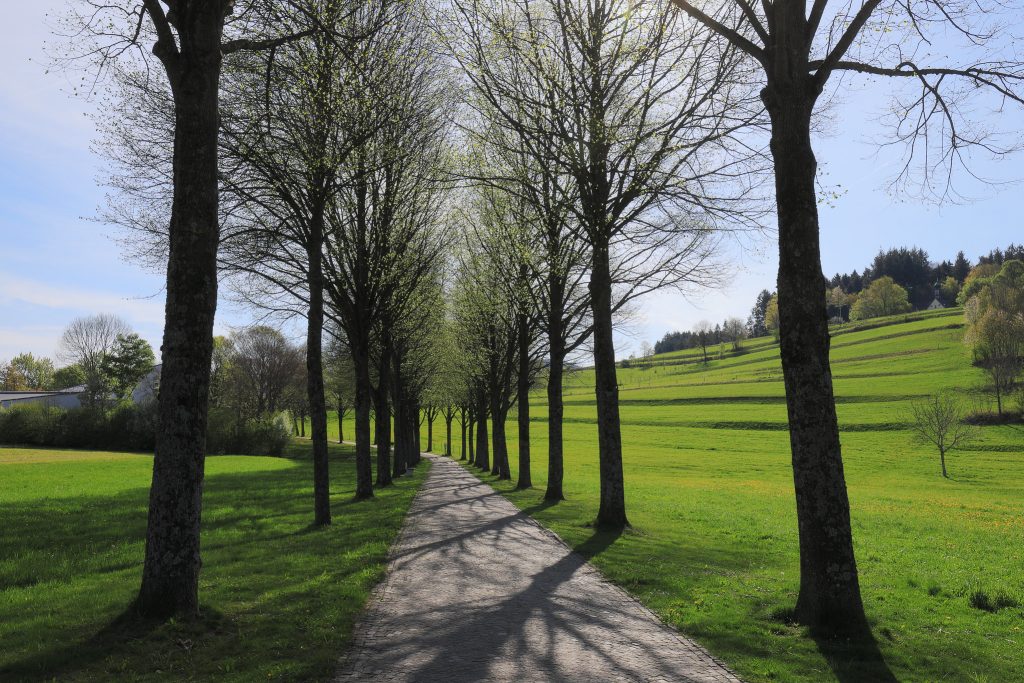
This drive climbs from Freiburg’s wine country to the Black Forest’s highest peak at 4,898 feet. The road winds through increasingly dense forest as elevation increases, with the vegetation transitioning from deciduous trees to conifers.
The Feldberg summit offers a tower with 360-degree views extending to the Alps on clear days.
Nagold Valley Route
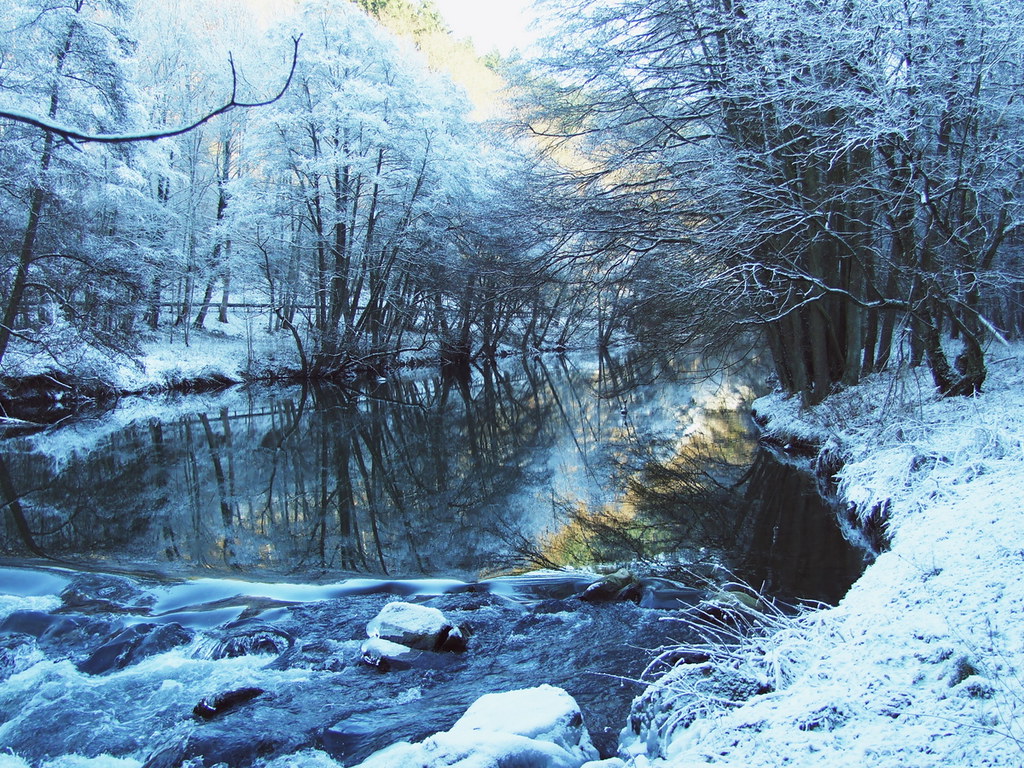
Following the Nagold River from Pforzheim southward, this drive passes through the northern Black Forest’s gentler terrain. Half-timbered towns appear regularly, and the valley widens enough for agriculture between forested slopes.
The route is less touristy than southern roads, providing a more everyday glimpse of regional life.
Gutach Valley Road
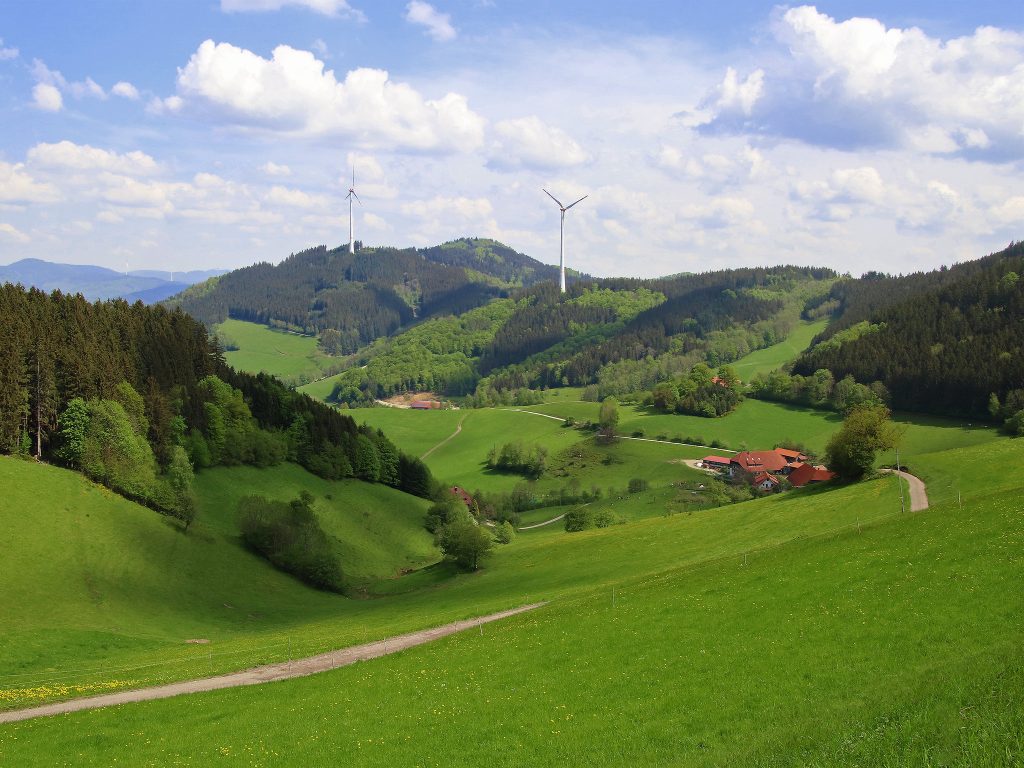
This valley drive connects to Triberg and its famous waterfalls, passing through terrain where traditional Black Forest farmhouses cluster near streams. The Gutach Valley Open Air Museum preserves authentic farmhouses relocated from throughout the region, showing how forest dwellers lived over the past four centuries.
The valley narrows in sections, with forested slopes pressing close to the road.
Badische Weinstrasse
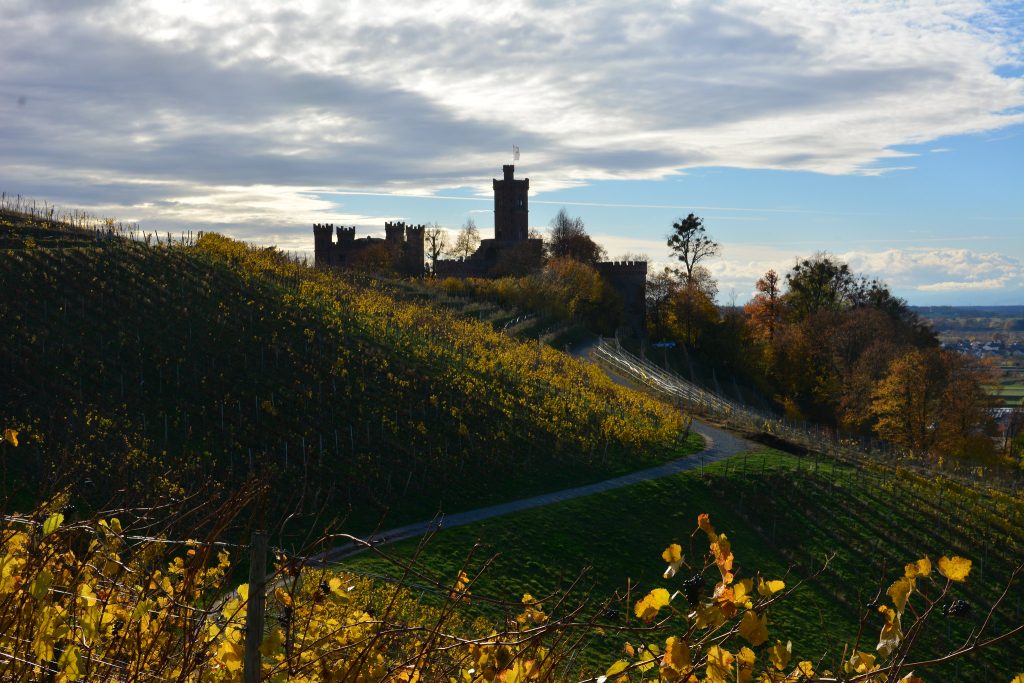
The Baden Wine Route runs along the Black Forest’s western edge where vineyards carpet slopes facing the Rhine Valley. This isn’t deep-forest driving but rather a transition zone where cultivation meets wilderness.
Wine villages like Sasbachwalden and Durbach provide opportunities to taste regional varieties while enjoying views back toward the mountains.
Murg Valley Road
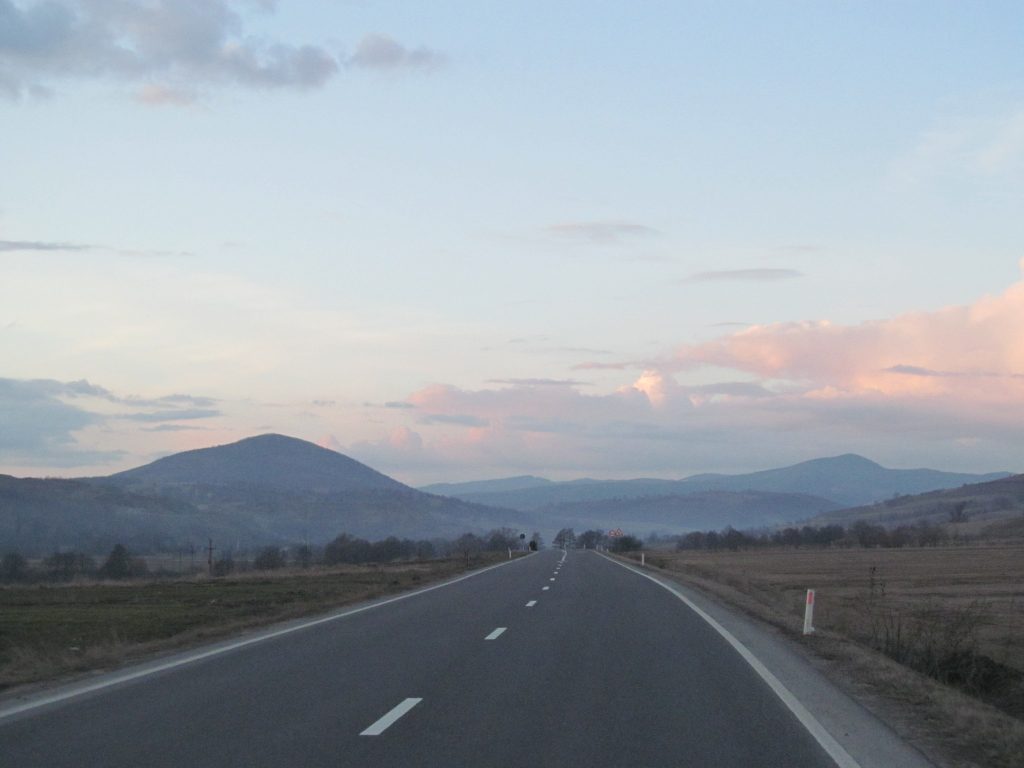
Following the Murg River from Rastatt to Freudenstadt, this route stays within a valley that gradually narrows and steepens. The lower sections pass through towns with more industrial character, but the upper valley becomes increasingly forested and dramatic.
The road eventually climbs to meet the B500 ridge route at higher elevations.
Alb Valley Route
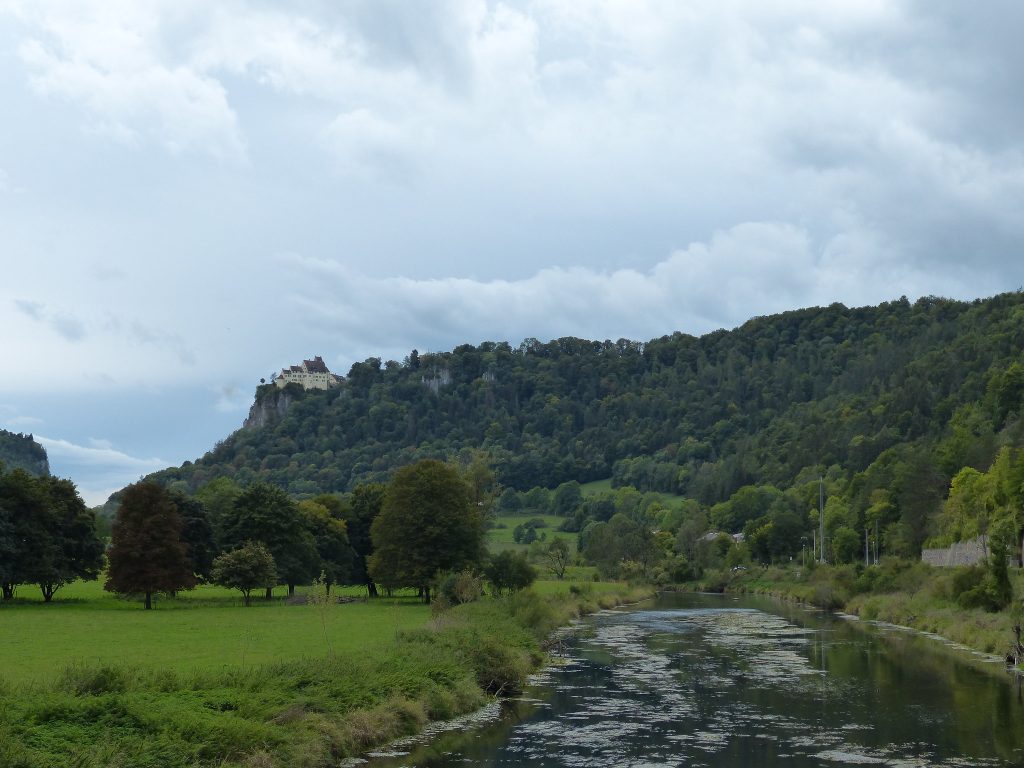
This drive follows the Alb River through a valley that’s less traveled than major routes, offering a quieter Black Forest experience. Traditional sawmills still operate along the stream, and the villages maintain working agricultural character.
The route eventually reaches the Albtal plateau, where views open across forest stretches.
St. Märgen to St. Peter
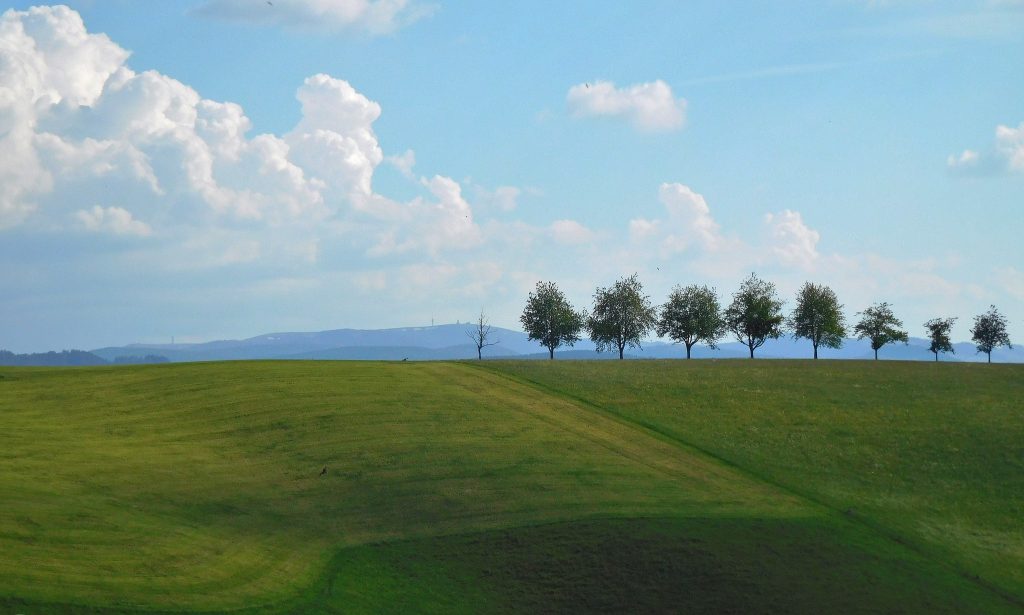
This short but scenic route connects two monastery towns through high meadows and forest. The road climbs to around 3,000 feet, passing through landscapes that transition between pastoral and wild.
Both towns feature baroque monastery churches worth visiting, and the route between them provides a concentrated dose of Black Forest scenery.
Wiesental Valley
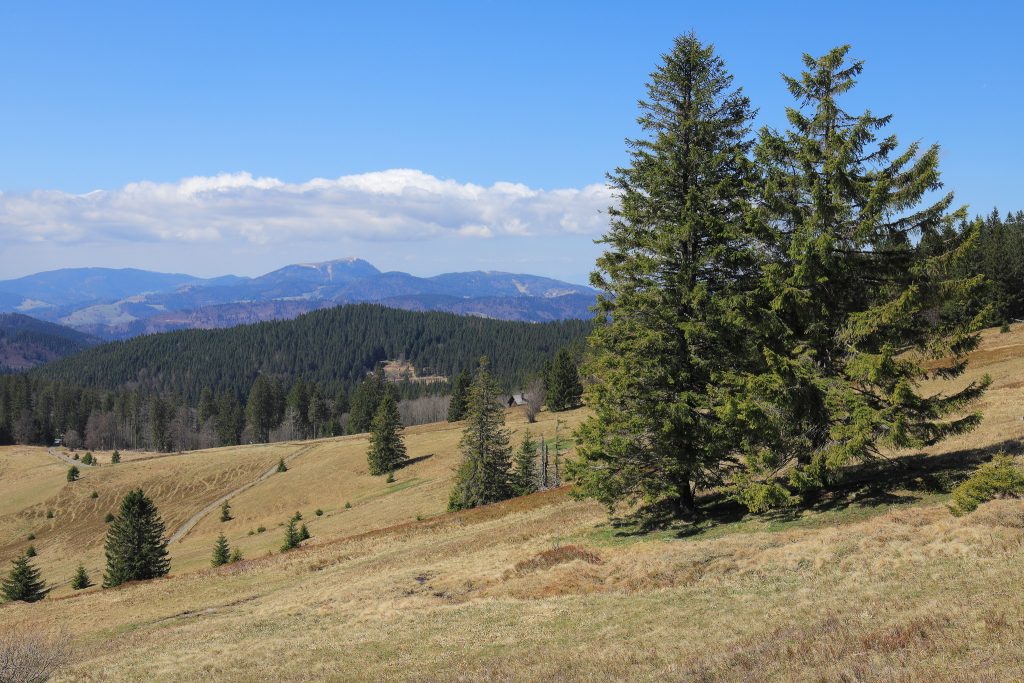
Running from Basel toward Feldberg, this valley drive follows steep-sided terrain where villages cling to slopes above the river. The route passes through Todtnau, where a waterfall drops 300 feet in several cascades.
The upper valley becomes increasingly Alpine in character, with skiing infrastructure appearing as elevation increases.
Rench Valley Route
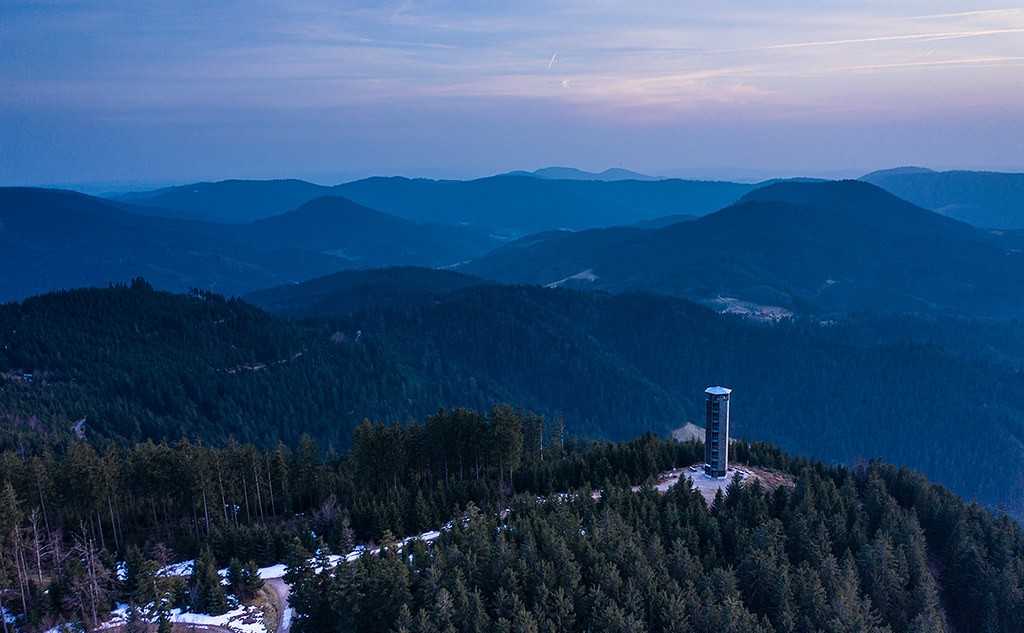
This valley drive from Oberkirch toward higher elevations passes through terrain where viticulture transitions to forestry. The lower sections feature wine villages and orchards, while the upper valley narrows into spruce forest.
The route is less crowded than famous drives but delivers an authentic Black Forest atmosphere without tourist congestion.
Titisee Circuit
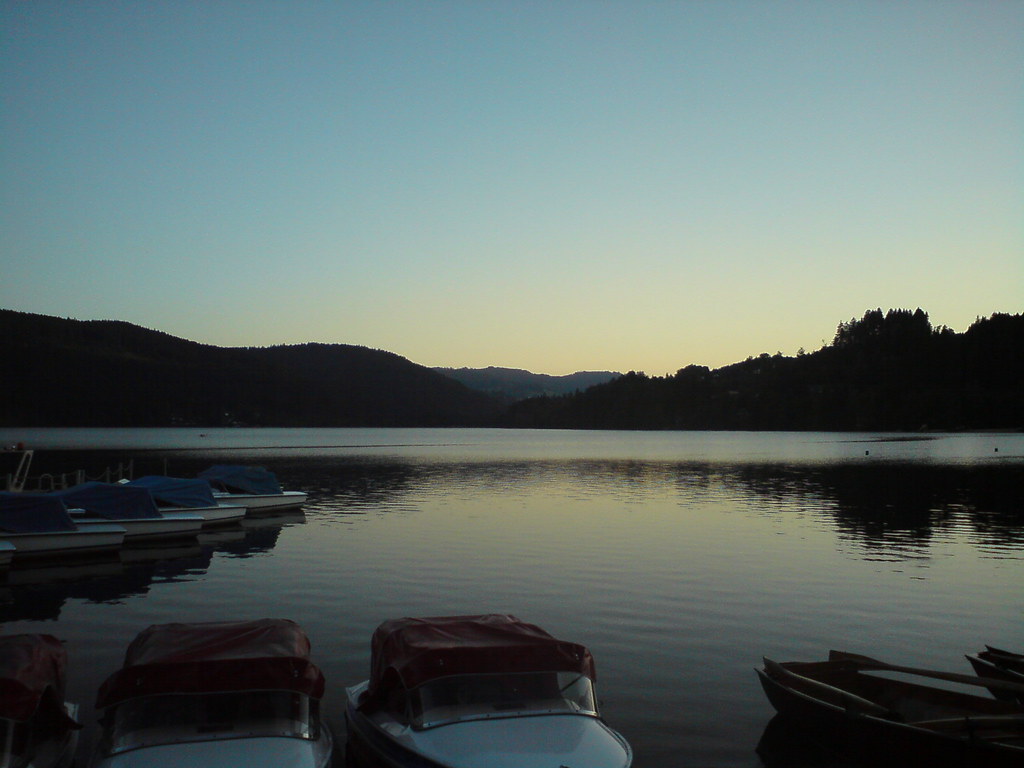
Circling Lake Titisee and nearby Schluchsee, this route combines water views with forest driving. The lakes themselves are glacially formed, with dark water reflecting surrounding trees.
The area gets busy with German tourists, especially in summer, but the combination of water and mountains creates distinctive scenery.
Bühlertal Valley
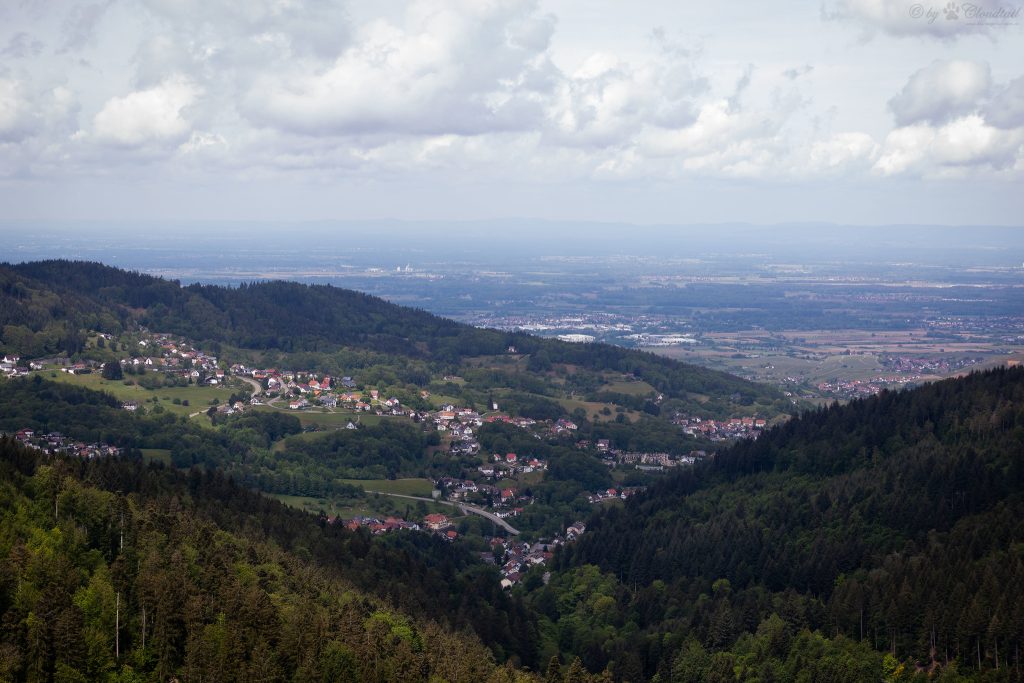
This narrow valley route climbs from Baden-Baden toward mountain ridges through progressively denser forest. The road follows Bühlot stream, crossing it repeatedly as the valley narrows.
The upper reaches access hiking trails and scattered farmhouses maintaining traditional architecture.
German Clock Road
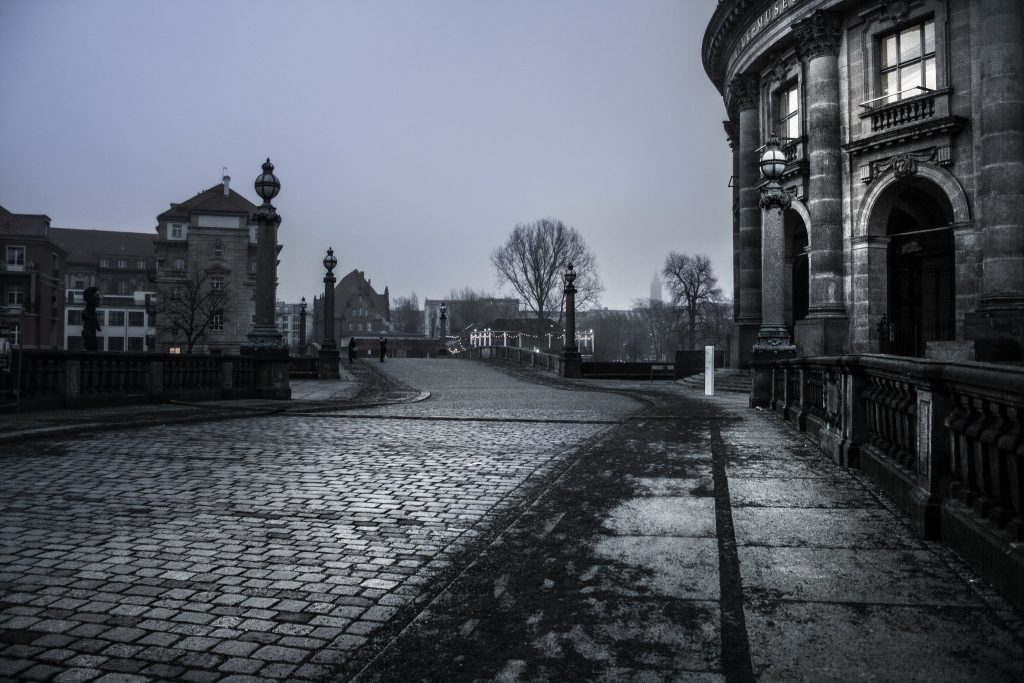
This themed route covers 200 miles through the Black Forest, connecting towns historically involved in clockmaking. The drive passes through Triberg, where cuckoo clock carving became an industry, and Furtwangen, home to a clock museum.
It’s less about continuous scenery than about connecting cultural sites through pleasant forest roads.
Where darkness captivates
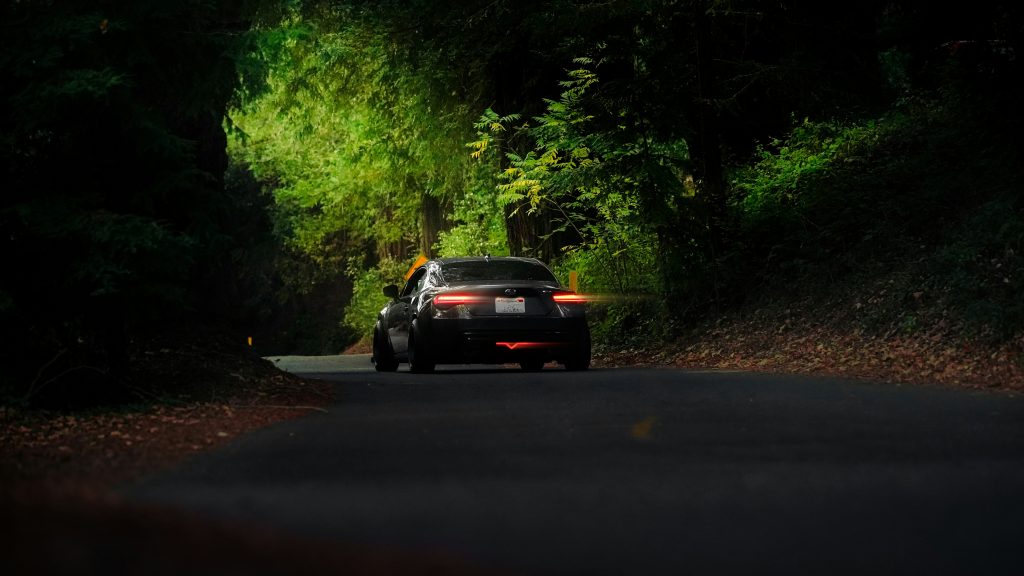
The scenic routes in the Black Forest are successful in capturing this dialectical process of wilderness and settlement as it navigated space over the past centuries—the routes of these roads were sensible for those walking or on horseback and were thereby routed around rather than through this landscape. Also, the dark referenced in the forest’s name is restful rather than dark in feeling—it is a nice gesture to the non-optimization of spaces; when in these roads, one temporarily enters into spaces where the forests again cover the land in greater preponderance rather than in exception.
More from Travel Pug

- Underrated Italian Towns That Beat the Tourist Crowds
- Las Vegas Tourist Traps to Skip
- Prettiest Towns in Every US State
- 18 passport-free countries for Americans
- Signs Your Cruise Is Not Worth The Cost
Like Travel Pug’s content? Follow us on MSN.