

Dublin has long been a city defined by words. From its Nobel laureates to its tradition of literary pubs, the Irish capital wears its bookish reputation proudly.
But beyond the famous writers and well-worn poetry, Dublin is home to some truly remarkable libraries that span centuries of history, architecture, and collected knowledge. Whether you’re drawn to ancient manuscripts, Georgian grandeur, or cutting-edge design, these spaces offer far more than just shelves of books.
Here is a list of 15 historic libraries in Dublin that are well worth a visit.
Trinity College Library
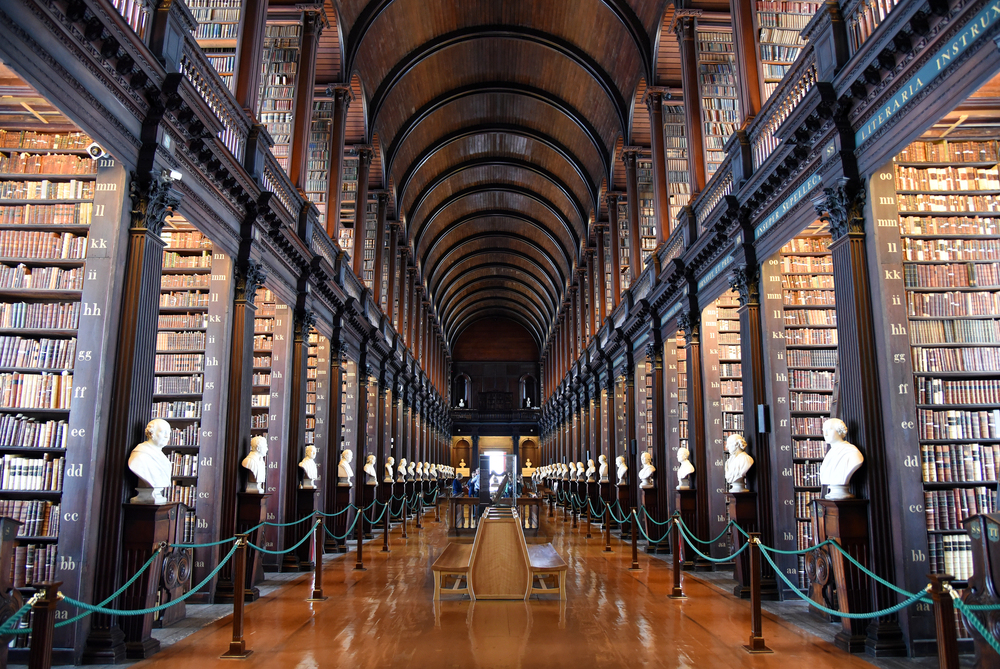
The Long Room at Trinity College is arguably the most photographed library in Ireland, and for good reason. Built in 1732, this oak-panelled chamber stretches nearly 213 feet and houses around 200,000 of the library’s oldest books.
The barrel-vaulted ceiling wasn’t part of the original design but was added in the mid-19th century to accommodate more volumes. Of course, the real draw is the Book of Kells, a lavishly illuminated manuscript dating back to around 800 AD that attracts visitors from around the world.
The library also holds the Brian Boru harp, a 15th-century instrument that became the model for Ireland’s national symbol.
Marsh’s Library
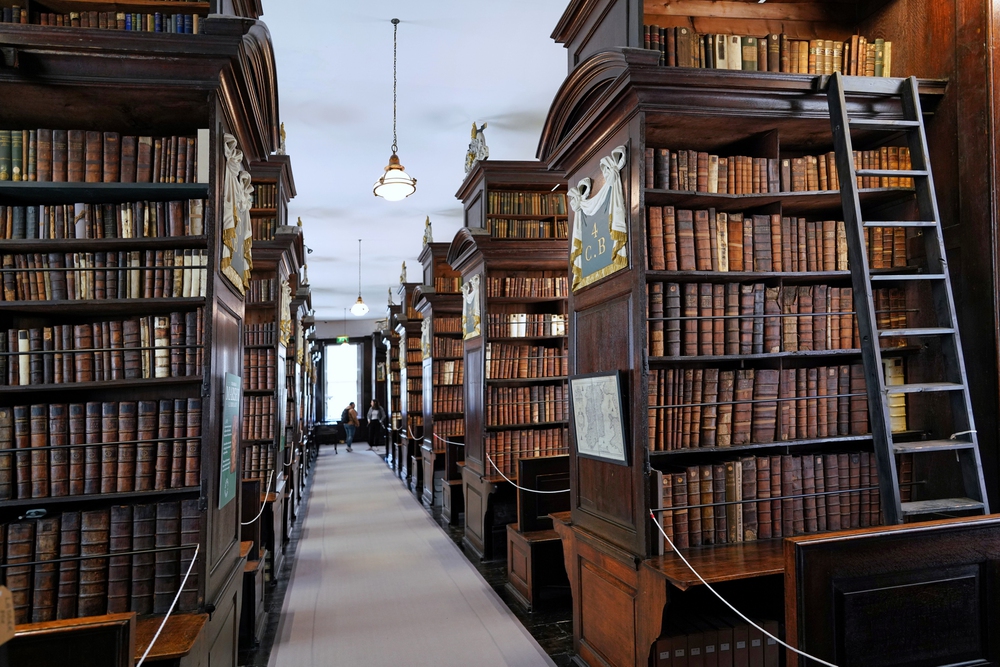
Tucked behind St Patrick’s Cathedral, Marsh’s Library holds the distinction of being Ireland’s oldest public library. Founded by Archbishop Narcissus Marsh in 1701 and opened in 1707, the building has barely changed in over three centuries.
The dark oak bookcases still contain around 25,000 rare volumes, and visitors can see the original ‘cages’ where readers were once locked in with valuable texts to prevent theft. Jonathan Swift was a regular here during his time as Dean of the neighbouring cathedral, and Bram Stoker reportedly drafted early notes for Dracula within these walls.
Some say the ghost of Archbishop Marsh still wanders the stacks, searching for a letter from his runaway niece.
Chester Beatty
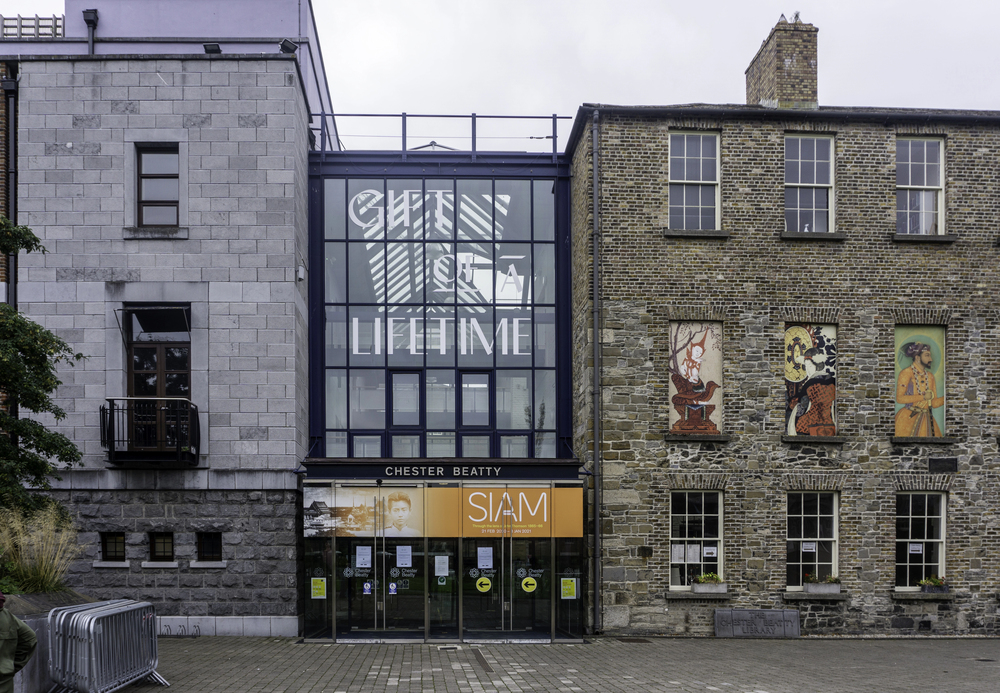
Located within the grounds of Dublin Castle, the Chester Beatty houses one of the finest collections of manuscripts and rare books assembled by a private collector in the 20th century. Sir Alfred Chester Beatty, an American mining magnate with Irish roots, moved to Dublin in 1950 and eventually bequeathed his extraordinary collection to the Irish state.
The museum contains sacred texts from Buddhism, Christianity, and Islam, along with Egyptian papyri and exquisite East Asian art. Lonely Planet once called it not just the best museum in Ireland, but one of the best in Europe.
Entry is free, making it one of the city’s great cultural bargains.
National Library of Ireland
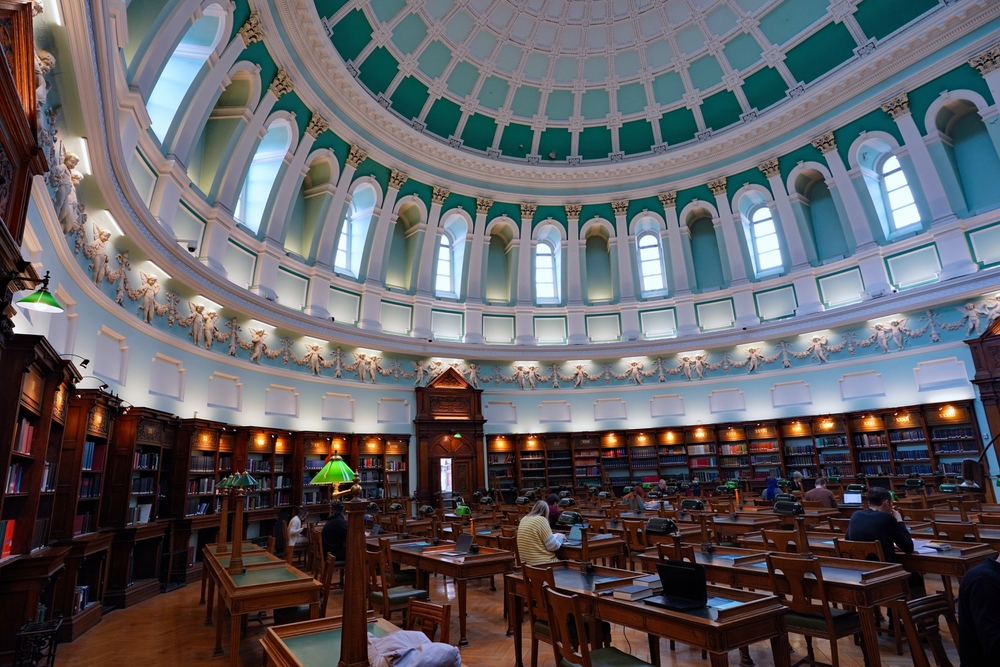
The National Library on Kildare Street opened its doors in 1890, housed in a grand Victorian Palladian building designed by Thomas Newenham Deane. The domed reading room remains one of Dublin’s most elegant spaces for research, with its soaring ceilings and sense of scholarly purpose.
James Joyce set a famous scene from Ulysses here, and the library holds extensive collections related to W.B. Yeats and other Irish literary giants. With over 12 million items including books, manuscripts, photographs, and maps, it serves as Ireland’s library of record.
Free exhibitions regularly showcase treasures from the collections.
Royal Irish Academy Library
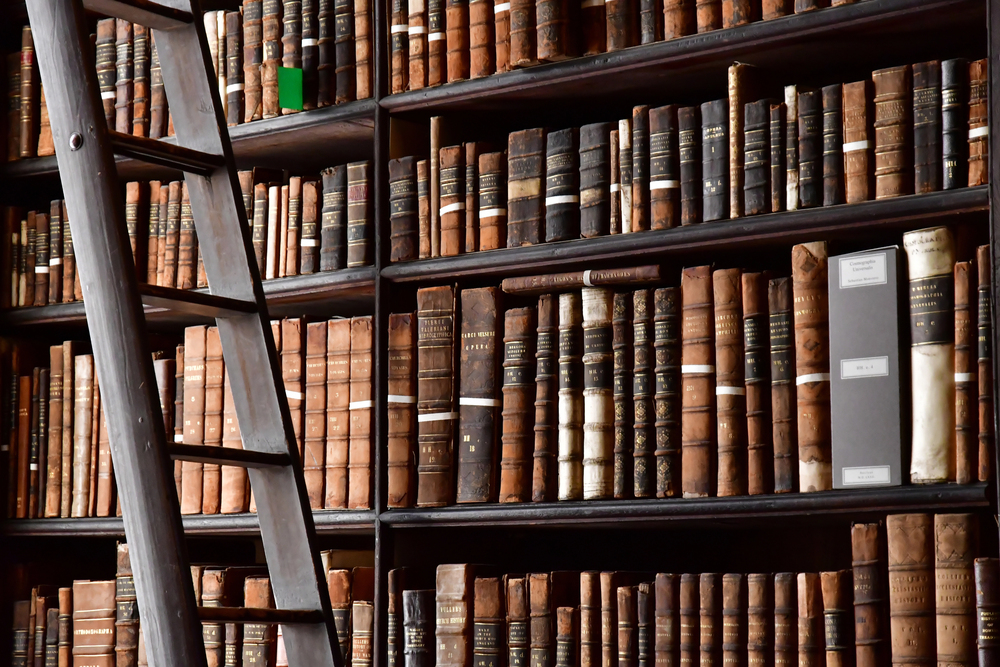
Founded in 1785, the Royal Irish Academy sits in an elegant Georgian townhouse on Dawson Street and holds the largest collection of medieval Irish manuscripts in the world. Among its treasures is the Cathach, a 6th-century psalter believed to have been copied by St Columba himself, making it the oldest surviving Irish manuscript.
The collection spans over 150,000 printed works along with pamphlets, drawings, and rare scientific texts. Visits are by appointment, which adds a certain exclusivity to the experience.
The reading room itself feels like stepping into a Victorian scholar’s private study.
Dublin City Library And Archive
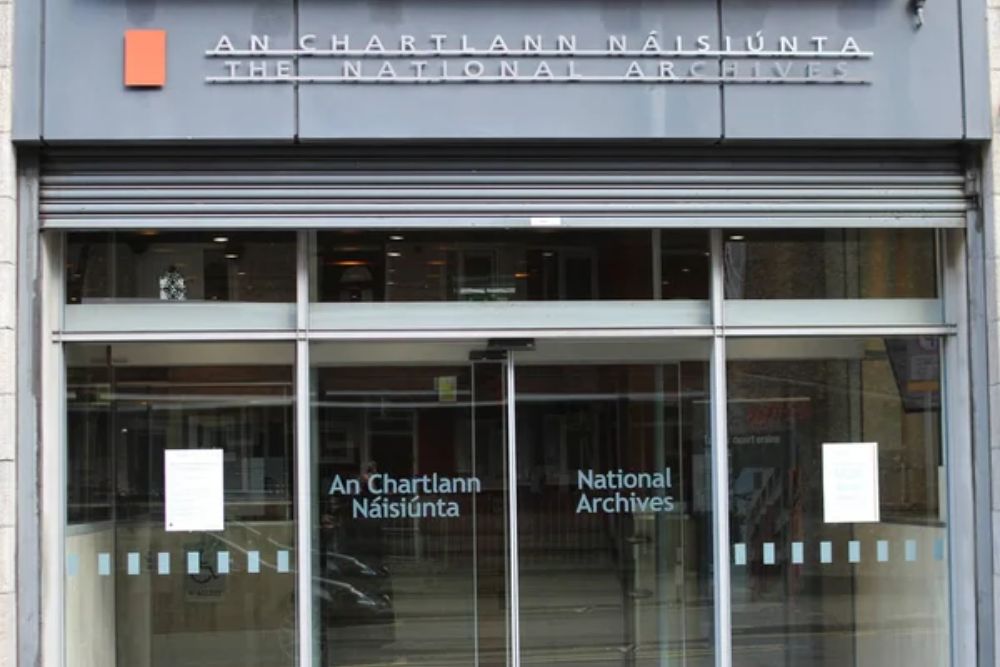
Better known as the Pearse Street Library, this was Dublin’s first Carnegie-funded public library when it opened in 1909. The neo-Georgian building was designed by city architect Charles McCarthy using Mountcharles sandstone, and it remains a handsome presence on one of the city’s busiest streets.
The library houses the Gilbert Collection, an important resource for Dublin history that includes rare books, manuscripts, and maps. Upstairs, researchers can access the City Archives, which contain civic records dating back to the 12th century.
There’s even a stone head of Admiral Nelson salvaged after his pillar on O’Connell Street was destroyed in 1966.
Rathmines Library
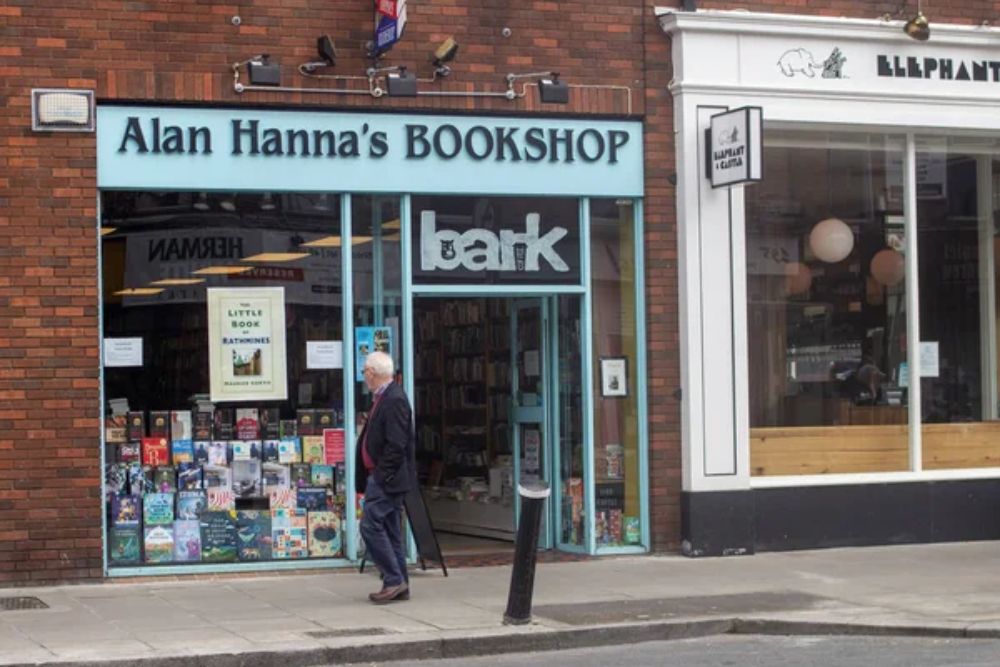
When this red-brick building opened on 24 October 1913, it was funded by a grant from Andrew Carnegie and designed to complement the Rathmines Town Hall across the road. Architect Frederick Hicks created a fine example of neo-Georgian design, complete with Ionic columns flanking the entrance and a striking William Morris stained-glass window depicting an allegory of literature.
The interior features original oak parquet flooring, a teak staircase, and reading desks that have served generations of local borrowers. W.B. Yeats and Hanna Sheehy-Skeffington both gave lectures here in its early years.
A major refurbishment in 2011 restored the building while improving accessibility.
Edward Worth Library

Hidden inside the former Dr Steevens’ Hospital near Heuston Station, the Edward Worth Library is something of a secret treasure. Dr Edward Worth was a prominent Dublin physician who died in 1733 and bequeathed his personal collection of nearly 4,400 books to the hospital where he served as a trustee.
The room built to house them has remained virtually unchanged since, with original glass-fronted bookcases that may have been Ireland’s first. Not a single volume has been added or removed from the collection in almost three centuries, making it what one historian called ‘a fossil library, in the best sense.’
Visits are by appointment and well worth the effort.
King’s Inns Library
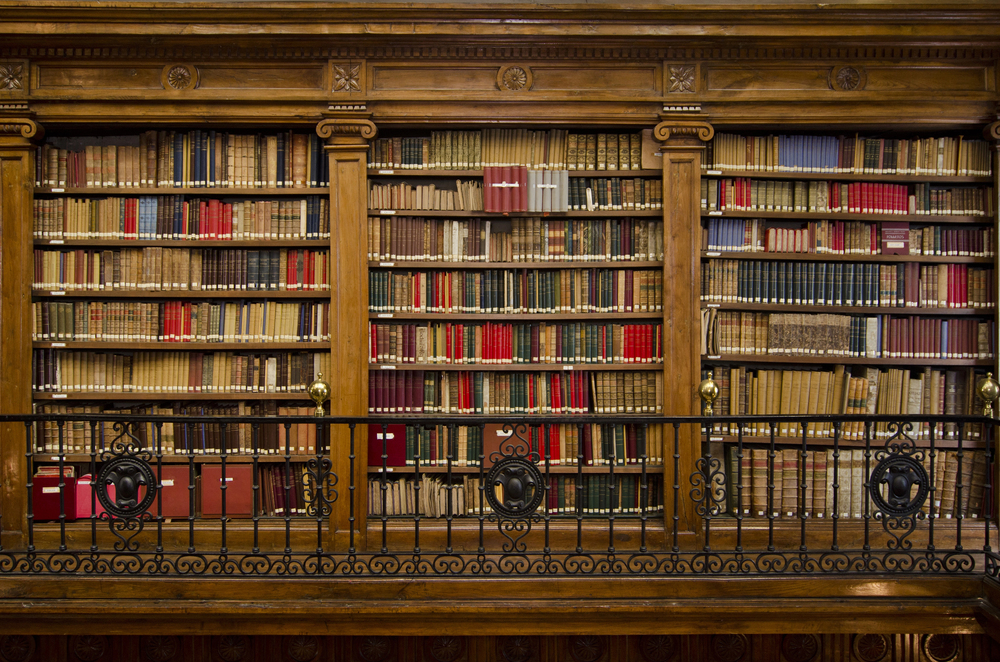
Ireland’s oldest school of law dates back to 1541, but its current buildings on Constitution Hill were designed by James Gandon, the architect behind the Custom House and Four Courts. The library building itself was completed in 1832 to a design by Frederick Darley and represents a superb example of Greek Revival architecture.
The reading room features a magnificent balcony and once held legal deposit status, meaning it received a copy of everything published in the United Kingdom and Ireland between 1801 and 1836. Access is generally limited to members and researchers, but special events like Open House Dublin occasionally allow public tours.
RCPI Heritage Centre

The Royal College of Physicians of Ireland has called 6 Kildare Street home since 1864, and its Heritage Centre preserves over 350 years of Irish medical history. The core of the collection is Dun’s Library, named after Sir Patrick Dun, who bequeathed his personal library to the college upon his death in 1713.
Beyond the books, visitors can find medical instruments, portraits, and historical curiosities including, rather unexpectedly, Napoleon’s toothbrush. The reading room is open by appointment, and the centre received full museum accreditation in 2018.
It sits right next door to the National Library, making it easy to visit both in a single afternoon.
Charleville Mall Library
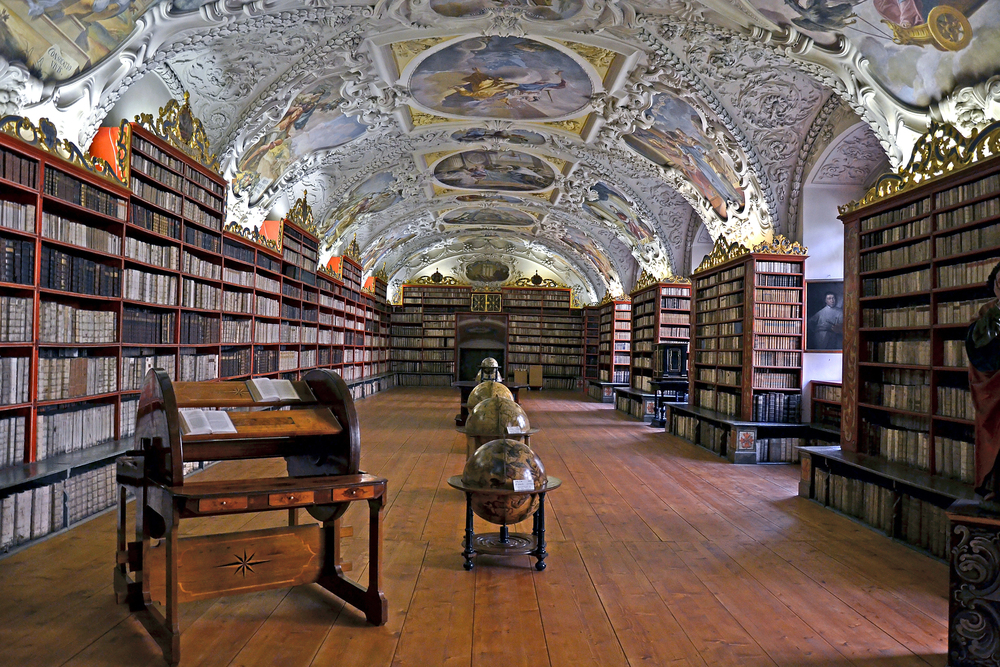
One of Dublin’s earliest public libraries, Charleville Mall opened in 1899 on the North Strand and received a Carnegie-funded extension in 1910. The building was designed by Charles McCarthy, the same city architect responsible for Pearse Street Library, and it originally included a dedicated Ladies’ Reading Room.
For a time, it housed the valuable Gilbert Collection before those materials moved to Pearse Street in 1933. The library also played a pioneering role in children’s services, opening one of Dublin’s first dedicated children’s sections in 1924.
Today it continues serving the local community much as it has for over 125 years.
Pembroke Library
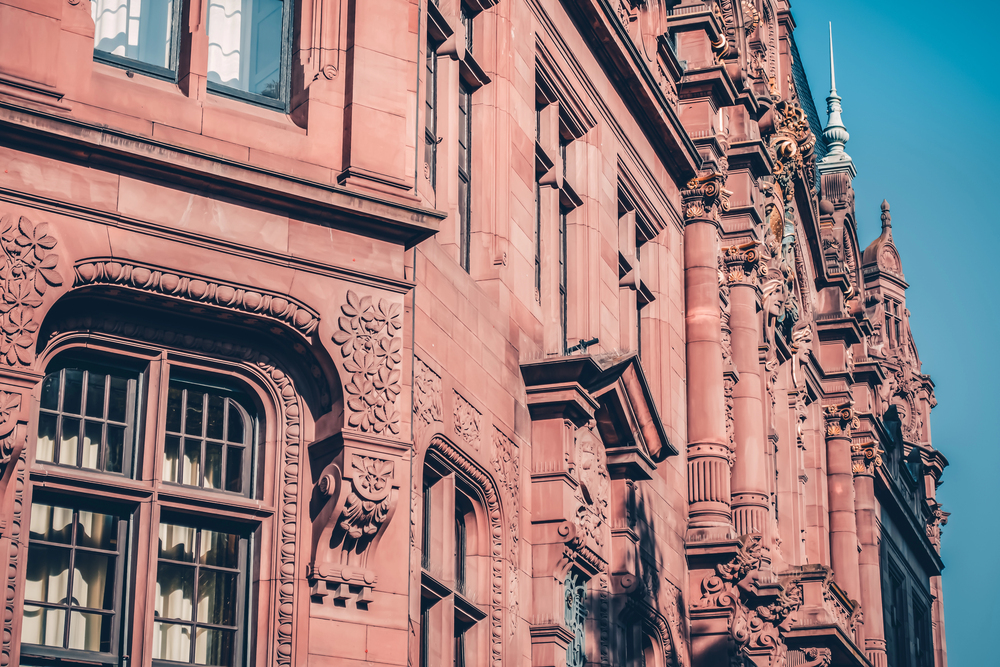
This handsome building on Anglesea Road in Ballsbridge holds a particular distinction in Irish library history. It was the last Carnegie Library to open in Ireland, welcoming its first borrowers in 1929 after construction delays pushed back the original 1927 completion date.
The building features a Georgian-style design with elegant proportions that suited the affluent Pembroke Township it was built to serve. When Dublin’s townships were absorbed into the city in 1930, Pembroke Library became part of the Dublin City Libraries network.
The reading rooms retain much of their original character despite modern upgrades.
Kevin Street Library

Opened in 1904, Kevin Street Library served the working-class neighbourhoods of Dublin’s south inner city during a period of significant social change. The building predates the major Carnegie grants that funded later Dublin libraries, making it part of an earlier wave of public library development in the city.
Recent refurbishment has modernized the facilities while preserving the essential character of this Edwardian public building. The location near St Patrick’s Cathedral and the historic Liberties neighbourhood adds to its appeal for visitors exploring this part of Dublin.
It remains a busy branch serving one of the city’s most diverse communities.
DLR Lexicon
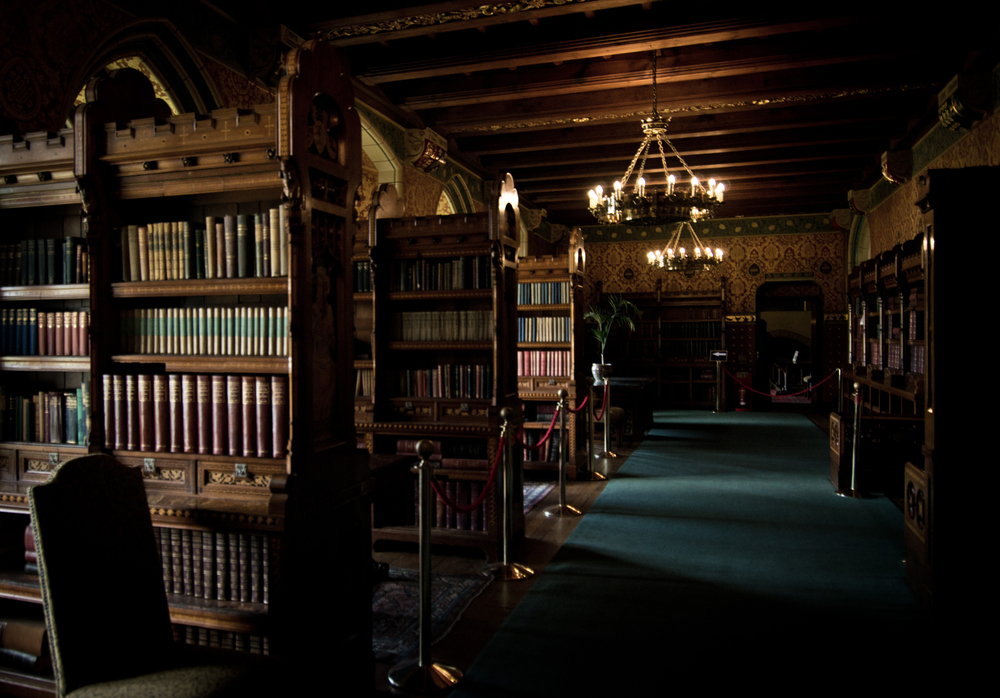
A fresh take on tradition begins here. Opened in 2014, The Lexicon in Dún Laoghaire stands as a notable addition to Ireland’s public architecture despite lacking ancient roots.
Created by Carr Cotter & Naessens, it angles upward near the shore, drawing eyes along its narrowing frame. Glass forms the front edge, unfolding wide sights of Dublin Bay beyond.
Within, openness defines experience – a central ‘living room’ idea unfolds under strong V-shaped concrete beams made off-site. Spaces for reading, art displays, and young visitors occupy several floors, linked yet distinct.
Though met with debate when first built, the structure now serves as a cherished gathering place. Originally situated on property held by Andrew Carnegie’s foundation, it continues a long-standing commitment in Dublin to support accessible library spaces.
RDS Library
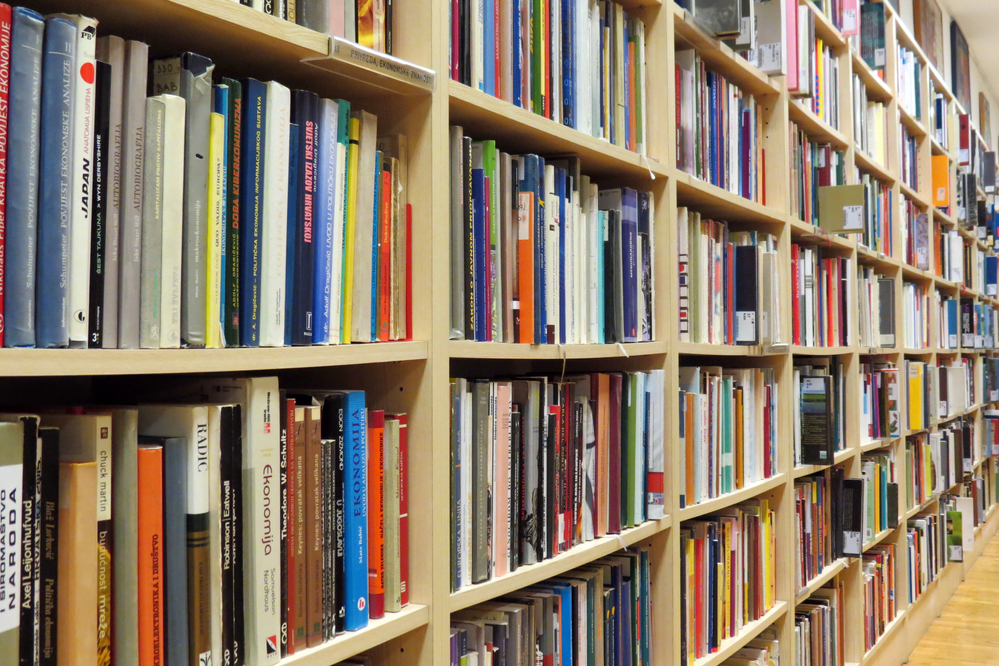
Established in 1731, the Royal Dublin Society aimed to advance farming, craftsmanship, manufacturing, and research; its library mirrors this wide-ranging purpose. Nearly 250,000 volumes exist there, together with documents from the institution’s earliest years.
When state control began in 1877, much of the initial collection helped form what is now the National Library of Ireland. Located on the Ballsbridge grounds, the present-day library remains available to members.
Illuminated reading spaces provide entry to archives tracing close to 300 years of progress in Irish knowledge and tradition.
Where Books And Buildings Meet
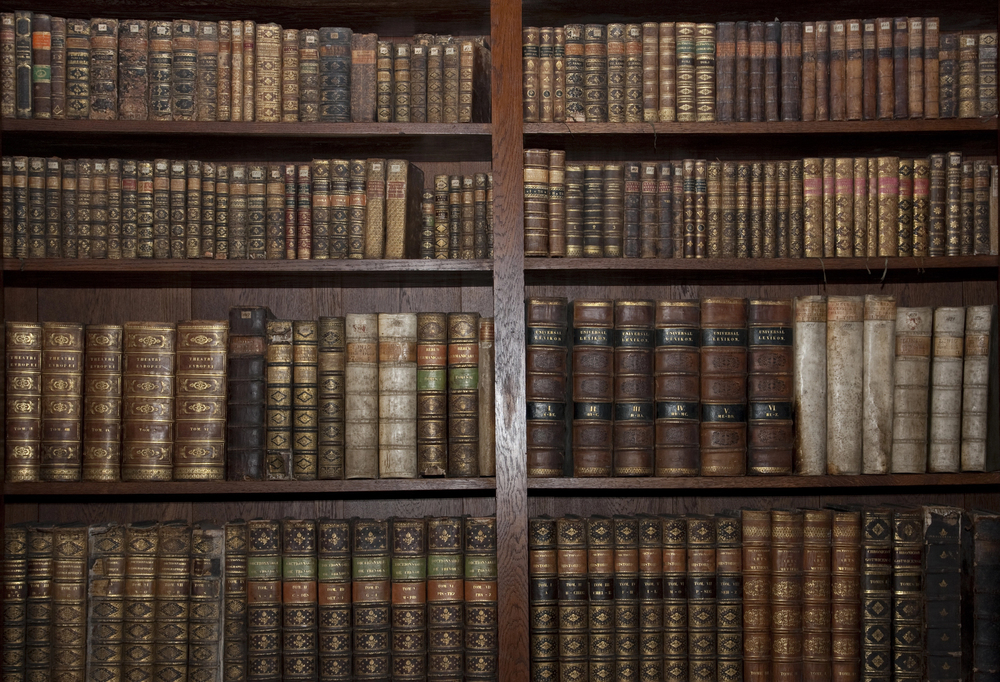
Dublin’s historic libraries tell a story that goes beyond their collections. They reflect centuries of changing attitudes toward public knowledge, from Archbishop Marsh’s revolutionary idea that ordinary citizens deserved access to books, to the Carnegie philanthropy that dotted the city with handsome public buildings, to the contemporary ambition of the Lexicon rising above Dún Laoghaire’s waterfront.
Each library preserves something of the era that built it while continuing to serve readers today. For visitors willing to look beyond the obvious attractions, these spaces offer a quieter, more intimate way to connect with Dublin’s remarkable literary heritage.
More from Travel Pug

- Underrated Italian Towns That Beat the Tourist Crowds
- Las Vegas Tourist Traps to Skip
- Prettiest Towns in Every US State
- 18 passport-free countries for Americans
- Signs Your Cruise Is Not Worth The Cost
Like Travel Pug’s content? Follow us on MSN.