

Taiwan has quietly built itself into one of Asia’s best cycling destinations, and much of that has to do with its stunning collection of lakes and reservoirs. The island nation has invested heavily in dedicated bike paths, many of which wind around its most scenic bodies of water.
From alpine lakes surrounded by temple-dotted shores to serene reservoirs tucked between mountain ranges, these waterfront routes offer something for every type of cyclist. Here is a list of 15 lakes in Taiwan that are perfect for cycling trips.
Sun Moon Lake

Sun Moon Lake sits in the mountainous heart of Nantou County and holds the title of Taiwan’s largest alpine lake. CNN named the cycling route here one of the ten most beautiful in the world, and it’s easy to see why once you’re pedaling along the 18-mile loop.
The eastern half of the lake supposedly resembles the sun while the western portion looks like a crescent moon, though you’ll be too busy taking in the views of forested mountains plunging into turquoise waters to verify this yourself. Bike rentals are everywhere in the main village of Shuishe, and the dedicated paths range from easy waterfront stretches to more challenging climbs for those wanting a workout.
Liyu Lake
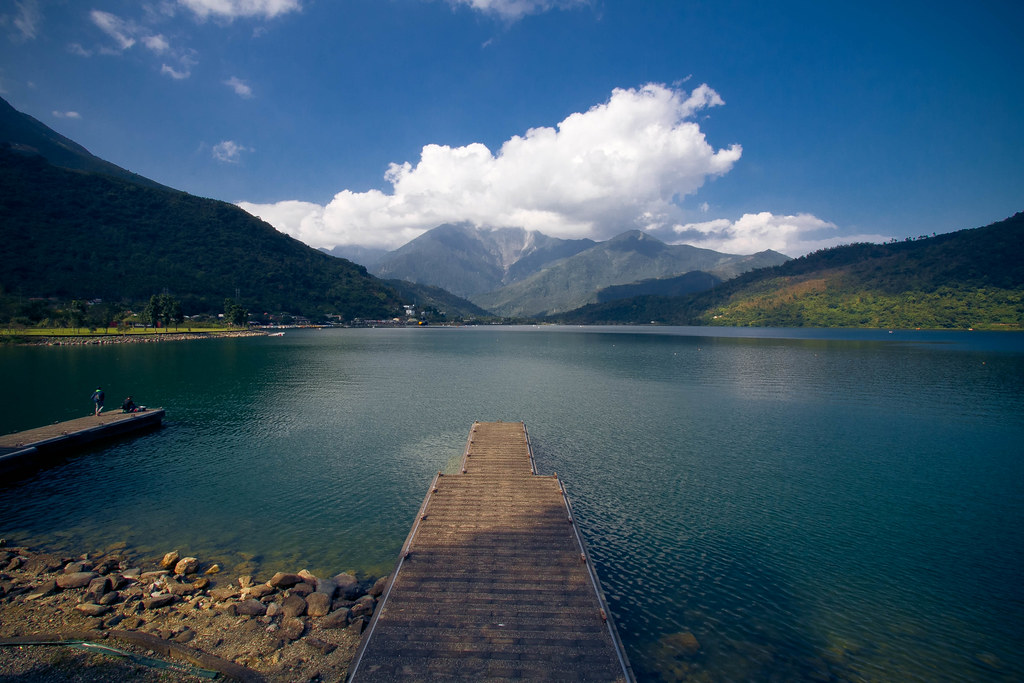
Tucked into Hualien County’s East Rift Valley, Liyu Lake claims the distinction of being the largest inland lake in eastern Taiwan. The 3-mile bike path that hugs the shoreline offers constantly changing views of the water and surrounding mountains, plus it’s flat enough that even occasional cyclists can enjoy it without breaking too much of a sweat.
Spring brings an added bonus when fireflies light up the lakeside at night, their reflections dancing across the water’s surface. The name means ‘carp’ in Chinese, inspired by the mountain beside the lake that apparently looks like one of the fish, though most visitors are too focused on the scenery to spot the resemblance.
Lotus Pond
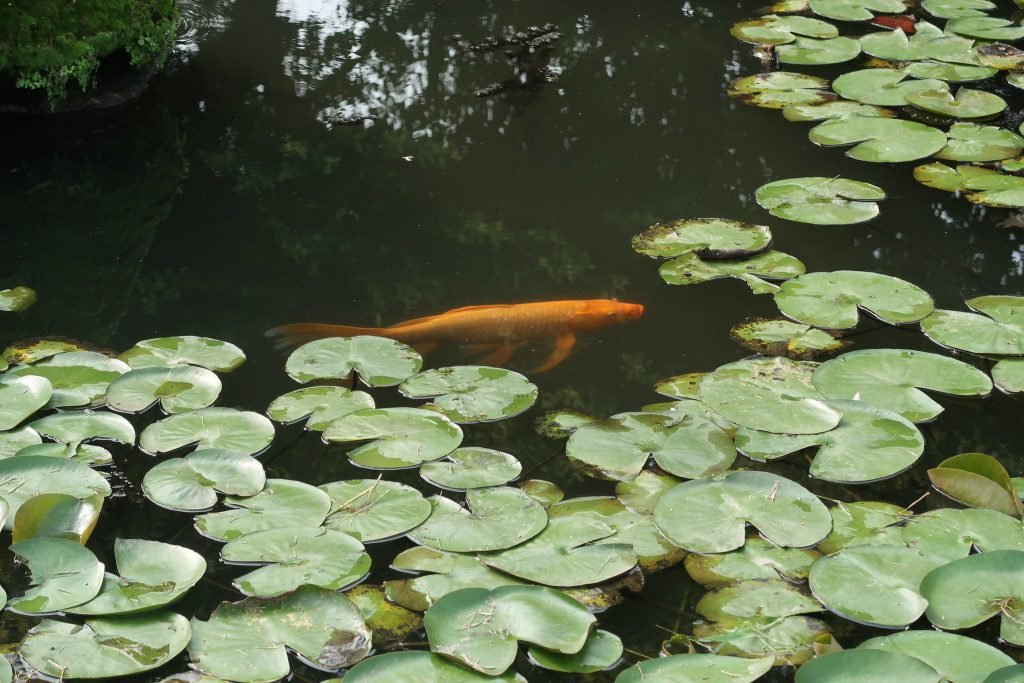
Kaohsiung’s Lotus Pond stretches about 2 miles around and packs more temples, pagodas, and ornate Chinese architecture into its shoreline than seems physically possible. The cycling path circles past the famous Dragon and Tiger Pagodas, where tradition says you should enter through the dragon’s mouth and exit through the tiger’s, along with the Spring and Autumn Pavilions and Taiwan’s largest Confucius Temple.
Summer visitors get the full experience when lotus flowers blanket the water’s surface from June through September. The ride itself takes maybe half an hour without stops, but factor in plenty of extra time for the irresistible photo opportunities.
Meihua Lake
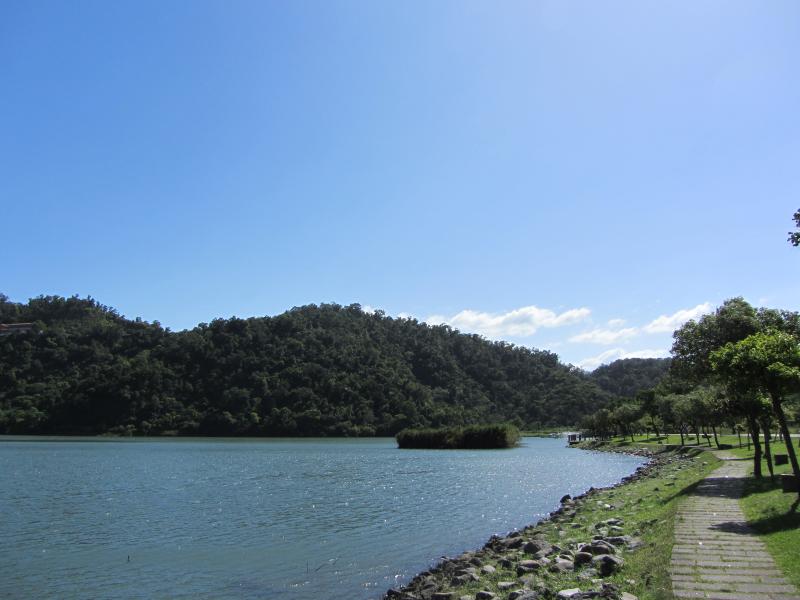
President Chiang Ching-kuo reportedly named this Yilan County lake after noticing its five-petaled shape resembled a plum blossom during a 1970s visit. The 2.5-mile cycling trail around the lake has no steep slopes, making it genuinely accessible for families and casual riders alike.
A small island sits at the center, connected by a suspension bridge that adds some visual drama to the ride. Electric bikes are particularly popular here because a few gentle inclines can sneak up on you, though the whole loop takes only about 15 minutes if you’re moving at a decent clip.
Chengcing Lake
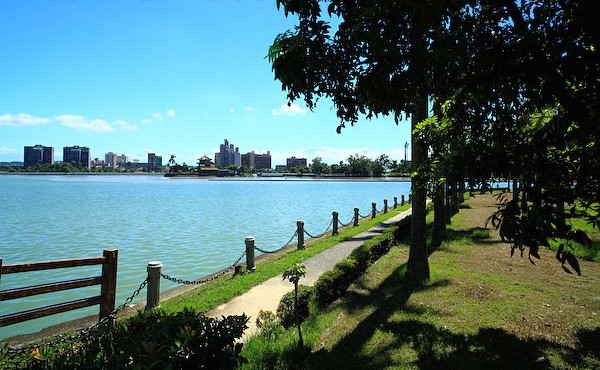
Kaohsiung’s largest man-made lake sprawls across more than 300 hectares and includes a 222-acre reservoir, though only the scenic and recreational sections are open to visitors. The area features walking and cycling paths winding through landscaped gardens, past pavilions, and alongside the water.
The nine-cornered bridge stretching 750 feet across the lake has become one of the most photographed spots, particularly during sunset when the light hits just right. Locals recommend visiting during winter months because Kaohsiung’s summer heat and humidity can make any outdoor activity feel more like an endurance test.
Agongdian Reservoir
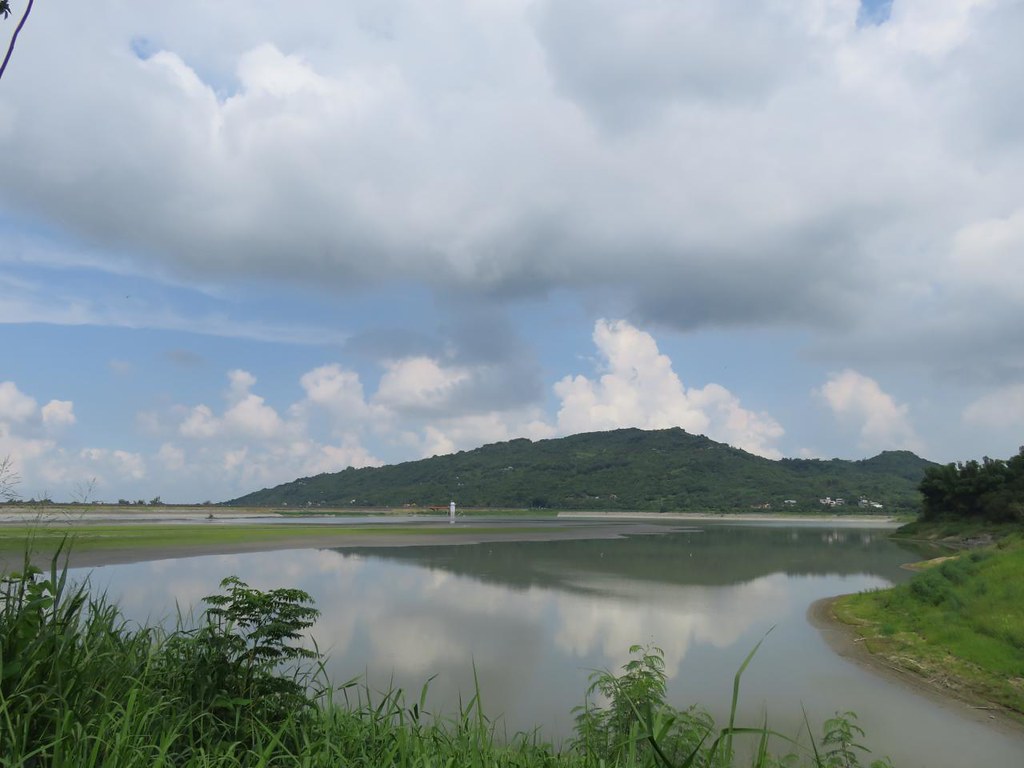
This reservoir in northern Kaohsiung made history in 2010 when it became home to Taiwan’s first bike path designed specifically to circle a body of water. The roughly 4-mile route is lined with native Taiwanese plants, flowering trees, and two-hundred-year-old mango trees that provide welcome shade.
The path itself sits flat and shaded like cycling through a gentle forest corridor. Since 2017, a floating solar power installation has covered part of the water’s surface, adding an unexpected modern element to the otherwise rural scenery.
Bitan
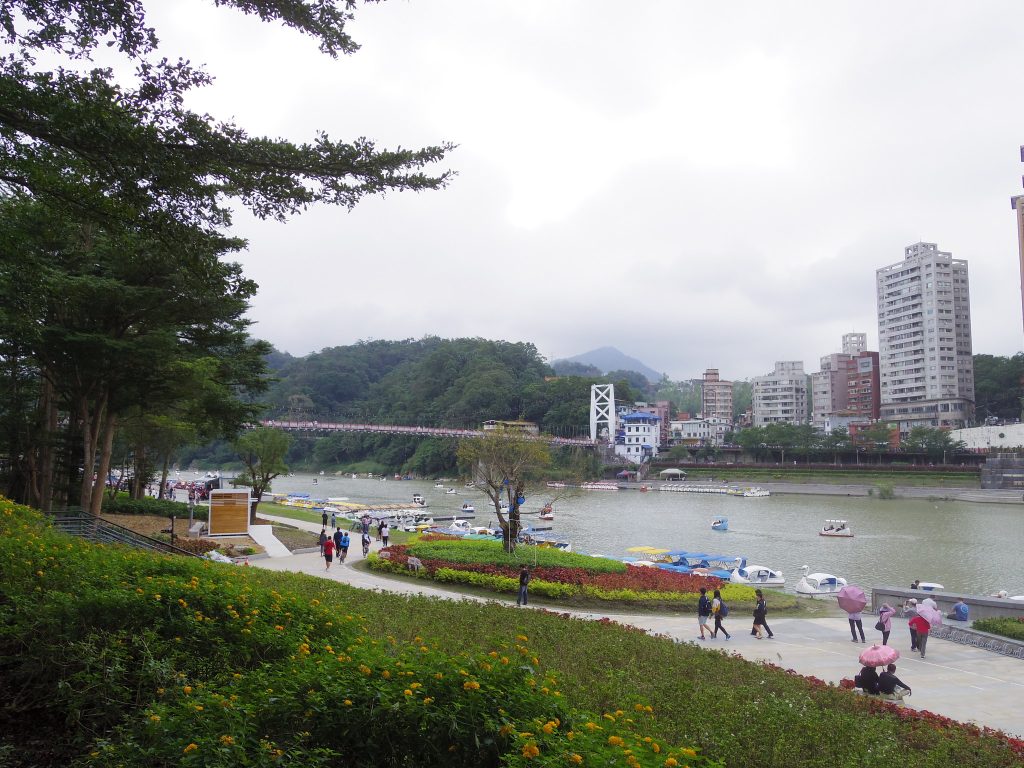
The Bitan Scenic Area in New Taipei City technically occupies a wide section of the Xindian River rather than a true lake, but the calm waters and steep surrounding cliffs create a distinctly lake-like atmosphere. The emerald-colored water earned it a spot among Taiwan’s Eight Views during the Japanese colonial period, and the 83-year-old suspension bridge remains a beloved landmark.
A newly completed bike path now connects Bitan all the way to the Taipei Zoo, making it possible to turn a lakeside ride into a full day of exploration along 27 miles of connected riverside cycling paths.
Dapo Pond
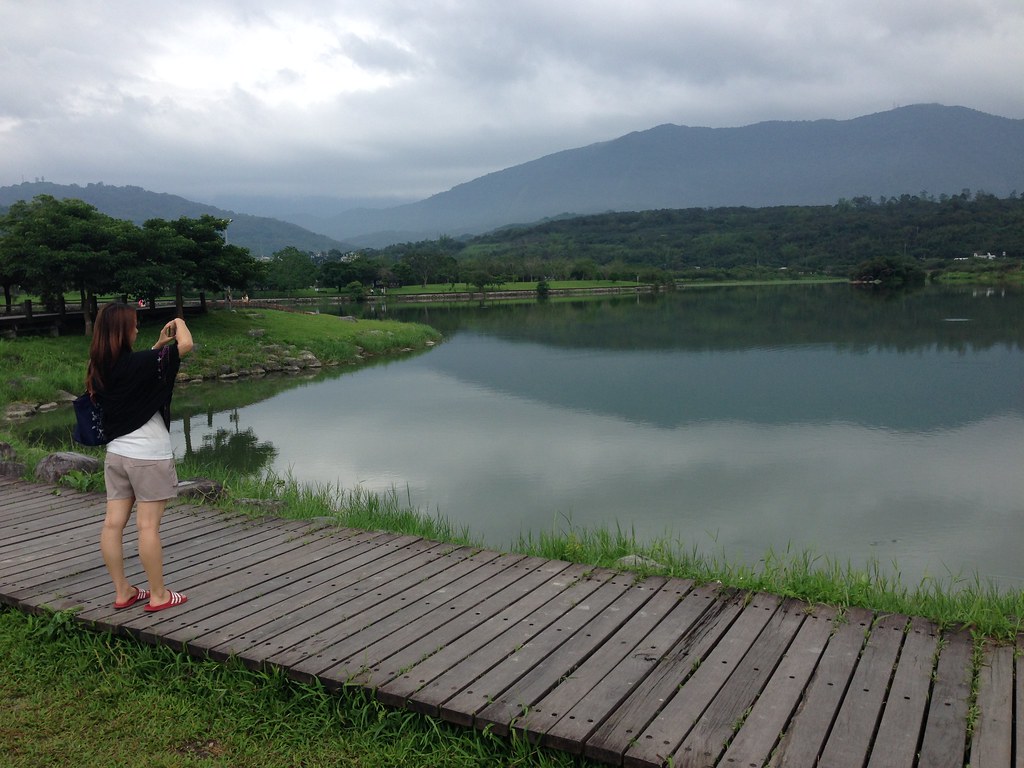
The name Chishang literally translates to ‘above the pond,’ and Dapo Pond is that very pond. This freshwater wetland sits surrounded by some of Taiwan’s most photogenic rice paddies, and the paved bike trail circling it serves as the starting point for exploring the famous Mr. Brown Avenue.
Sculptures by local artists dot the shoreline, pavilions offer shaded rest spots, and on sunny days you can even rent a kayak or stand-up paddleboard. The cycling route connecting the pond to the surrounding farmland covers about 12 miles total and ranks among Taiwan’s most popular rural rides.
Guanshan Water Park
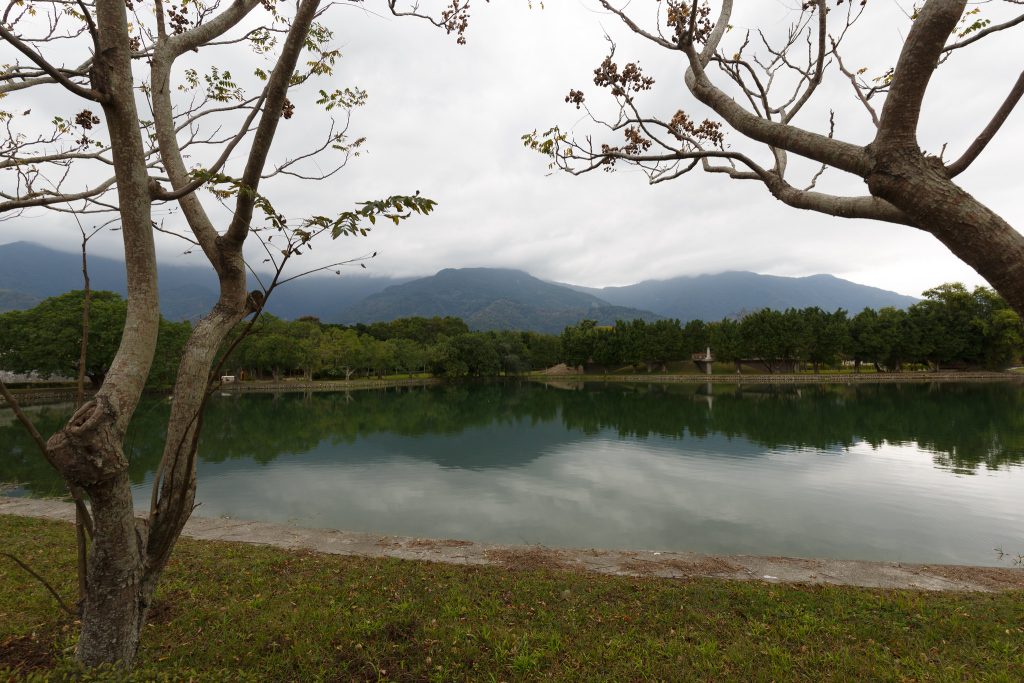
This environmental park anchors Taiwan’s very first dedicated bicycle path, which opened back in 1997. The 12-mile Guanshan Circle route wraps around the entire township, but the park section features an 800-meter artificial lake specifically designed to attract wild birds and create intimate sheltered viewing areas.
The water comes from the nearby Xinwulu Creek and underground springs, and observation decks scattered around the park let cyclists stop and watch the bird activity without disturbing anything. Rice paddies stretch in every direction beyond the park, their appearance shifting dramatically with each season.
Dapeng Bay
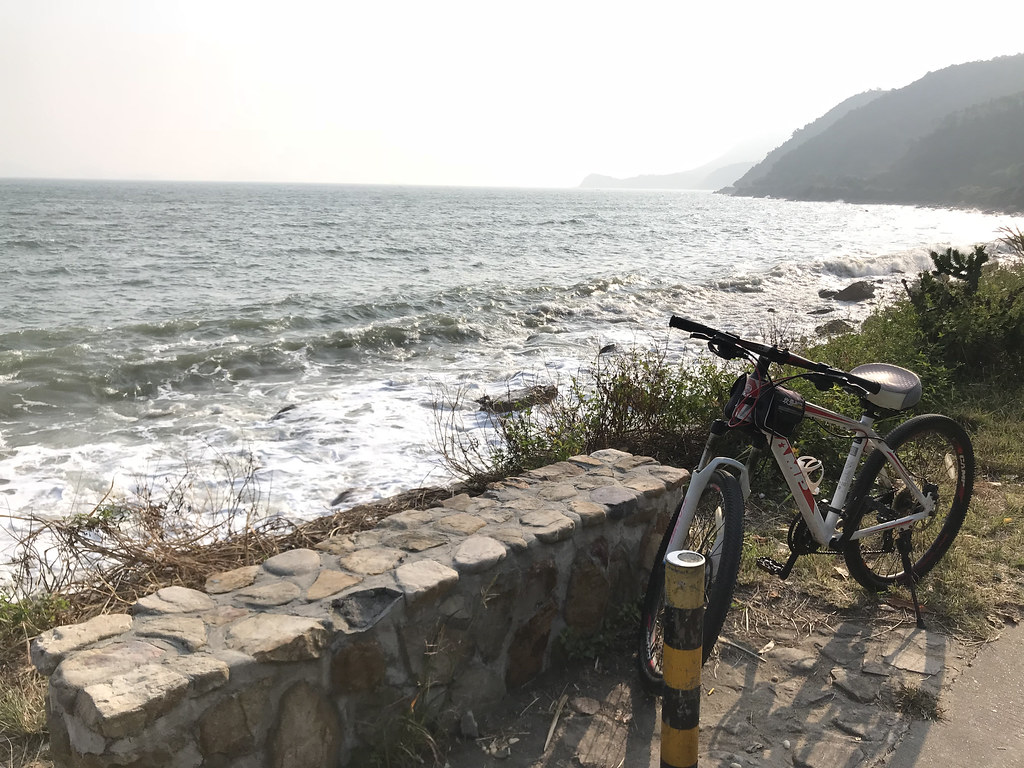
This lagoon in Pingtung County spent decades closed to the public under martial law before transforming into a national scenic area. The 7.5-mile bike trail circling the water passes through mangrove wetlands, crosses an impressive bridge over the bay, and hugs the coastline for stretches with open ocean views.
Mornings and late afternoons work best for cycling here because the southern Taiwan sun can be merciless during midday. The route includes access to Qifeng Wetlands and connects to a larger network of trails exploring the surrounding coastal landscape.
Longtan Lake
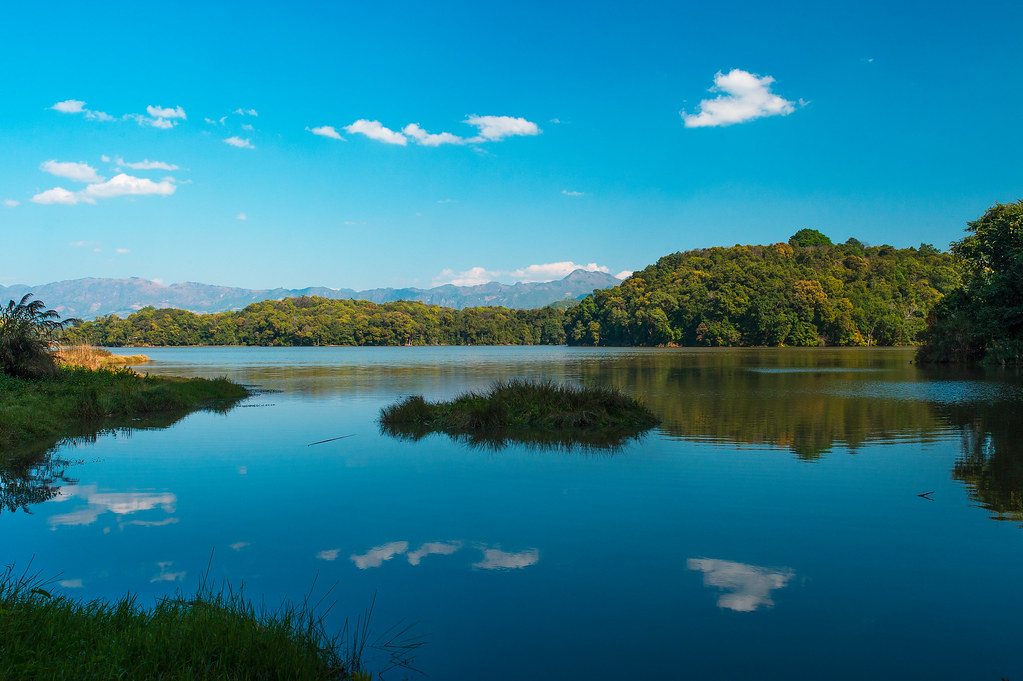
The largest of Yilan’s five major lakes spans about 50 acres in Jiaoxi Township and once ranked among the Lanyang Twelve Scenic Wonders. A circular trail lets visitors walk or cycle while watching water birds glide across the surface and butterflies flutter through the lakeside trees.
The Distoechodon Tumirostris Eco Park adjacent to the lake draws crowds every May when tens of thousands of the tiny fish climb specially constructed fish ladders to spawn, creating a spectacle unique to this location anywhere in the world.
Zengwen Reservoir
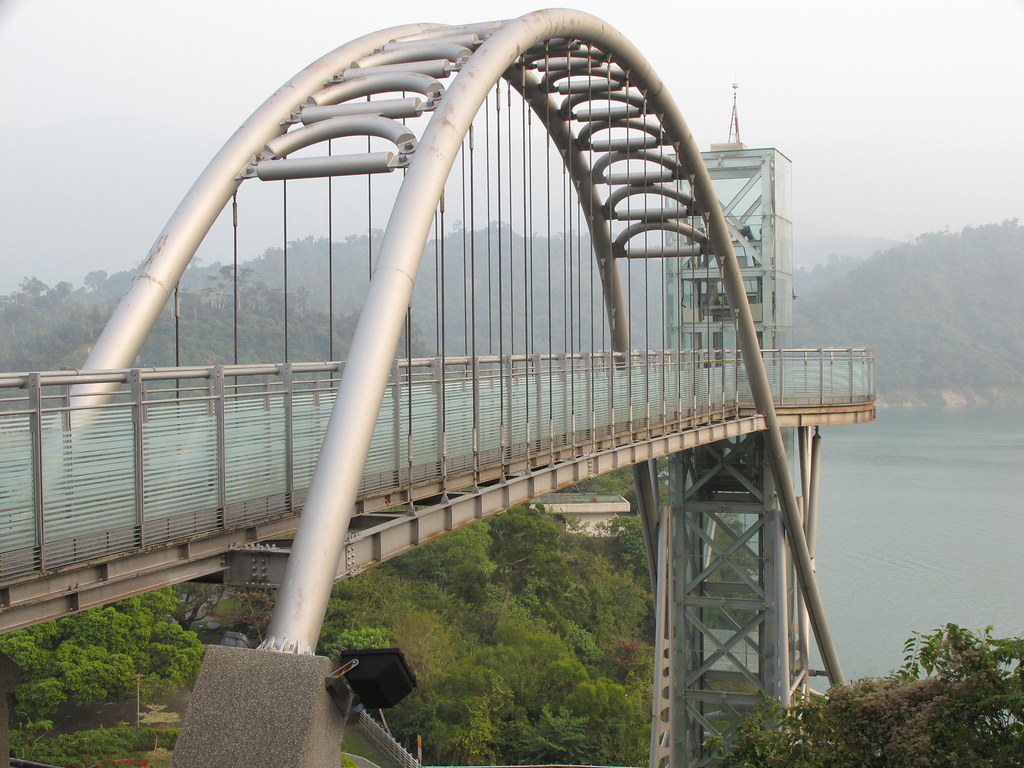
Taiwan’s largest reservoir sits in the mountains of Tainan and Chiayi Counties, formed behind a dam completed in 1973. Cycling routes wind along the reservoir’s edges through rolling terrain that rewards effort with expansive water views.
The area sees significantly less tourist traffic than Sun Moon Lake, making it appealing for riders who prefer solitude over crowds. Provincial Highway 3 runs along one side with excellent road surfaces and periodic stopping points overlooking the water, though the multiple climbs and descents mean this isn’t a route for beginners.
Nanhua Reservoir
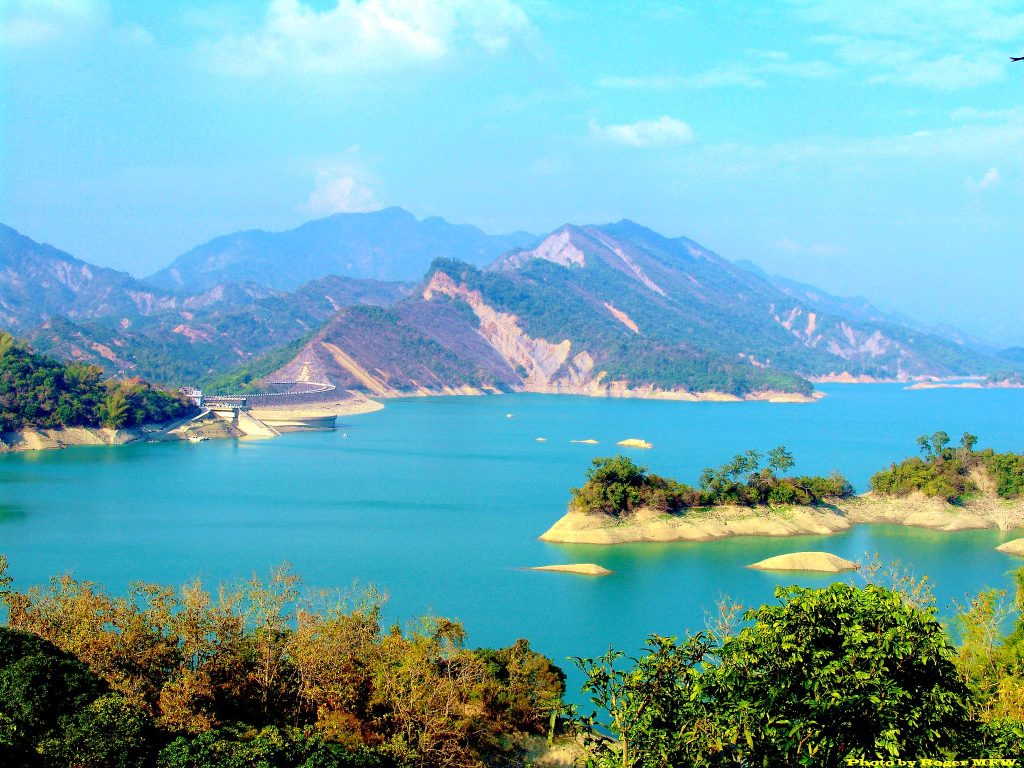
Located in southern Taiwan about 22 miles east of Tainan city, Nanhua Reservoir connects to Zengwen through a network of county roads that experienced cyclists prize for their challenging terrain and light traffic. The route climbs and descends through several hundred meters of elevation change across about 12 miles of riding.
Shops and restaurants cluster in the town of Nanxi roughly halfway through, offering a natural rest point. The reservoir itself provides irrigation water and flood control for the surrounding agricultural region.
Jinshih Lake
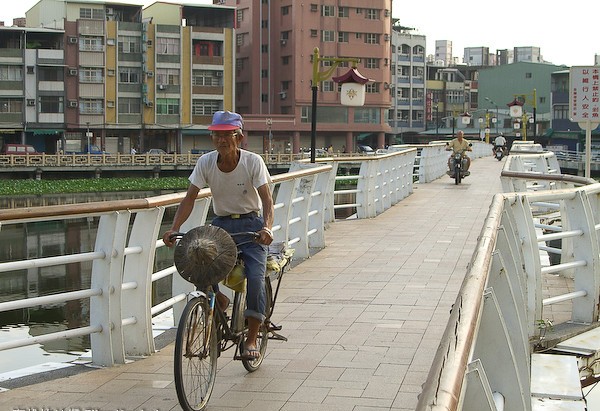
Golden Lion Lake, as the English translation goes, connects to Chengcing Lake via a 21-mile bike path that passes through three additional wetland parks along the way. The route traverses Kaohsiung’s eastern districts and offers a longer alternative for cyclists wanting more than a simple loop around a single body of water.
Baguapi, Jufungpi, and Shezihlinpi Wetlands Parks break up the ride with opportunities to spot waterbirds and enjoy the marshland ecology. The path surfaces are well-maintained throughout, keeping the focus on scenery rather than navigation.
Dongshan River
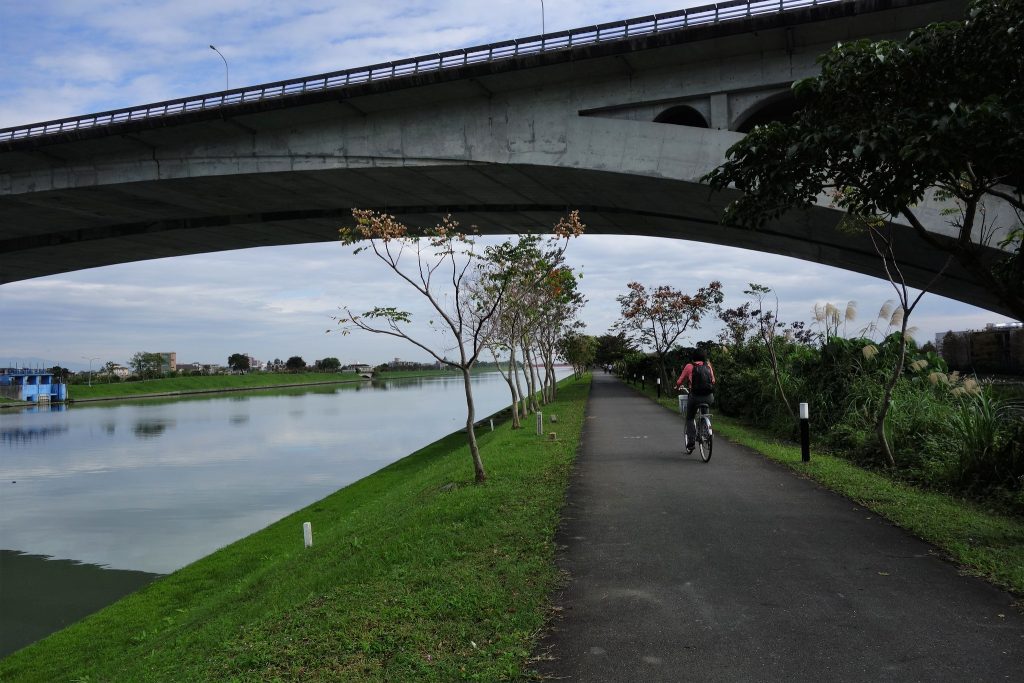
The cycling paths following both banks of the Dongshan River in Yilan County connect the train station to the National Center for Traditional Arts across a 13-mile loop. While technically a river rather than a lake, the waterway widens into lake-like expanses at several points, and the flat terrain makes this among the easiest scenic rides in Taiwan.
The paths wind past rice paddies, through green spaces designed with symbolic references to local culture, and alongside cafes serving experimental fusion dishes. A boat ride between the traditional arts center and Dongshan River Water Park lets cyclists experience the water from a different angle mid-journey.
The wheels keep turning

Taiwan’s investment in cycling infrastructure around its lakes reflects something deeper than just tourism marketing. These water bodies have served agricultural, spiritual, and recreational purposes for generations, and the bike paths now let visitors experience that layered history at a pace slow enough to actually notice it.
Whether you’re circling Sun Moon Lake with thousands of other cyclists or finding solitude along a reservoir in the southern mountains, the view from two wheels reveals a side of Taiwan that cars and trains simply cannot access.
More from Travel Pug

- Underrated Italian Towns That Beat the Tourist Crowds
- Las Vegas Tourist Traps to Skip
- Prettiest Towns in Every US State
- 18 passport-free countries for Americans
- Signs Your Cruise Is Not Worth The Cost
Like Travel Pug’s content? Follow us on MSN.