

The American Southwest has a rich history that began many hundreds of years before there was ever such a place as the United States. In Arizona, New Mexico, and Texas, Spanish missionaries came in the 1500s and 1600s to establish elaborate churches and settlements, many of which still stand today.
But these were no ordinary churches. They were self-contained cities where different cultures interacted and clashed throughout history.
Walking through these mission sites today feels like stepping into a different era, where thick adobe walls keep you cool even in blazing desert heat and hand-carved wooden beams show the craftsmanship of people who worked without power tools. Here is a list of 19 historic Spanish mission sites that remain scattered across the Southwest, each with its own fascinating past.
San Xavier del Bac
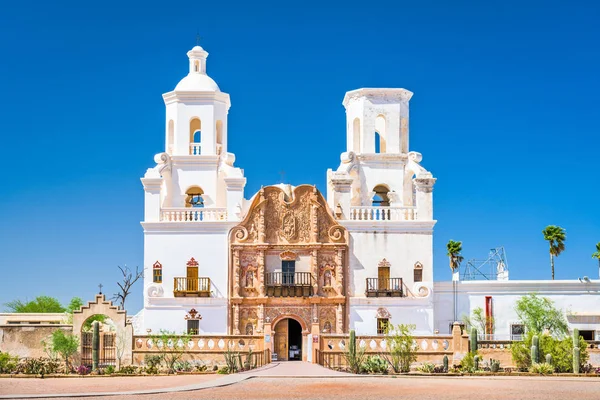
This stunning white mission near Tucson rises from the Sonoran Desert like something out of a dream. Founded in 1692 and completed in 1797, San Xavier del Bac is often called the ‘White Dove of the Desert’ for its gleaming facade, which catches the Arizona sun.
The interior bursts with colorful frescoes and ornate decorations that have survived remarkably well, making it one of the finest examples of Spanish colonial architecture in the country.
Mission San José
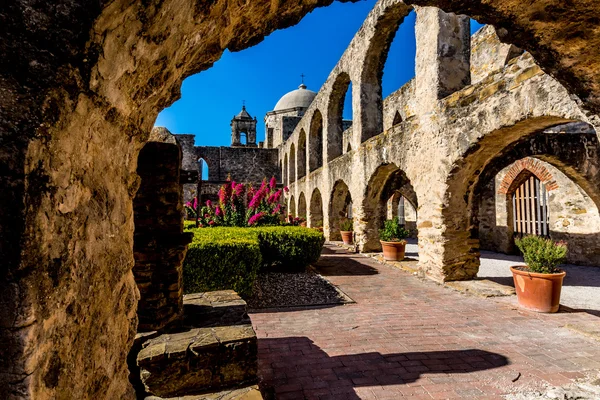
Located in San Antonio, this mission earned the nickname ‘Queen of the Missions’ for good reason. The elaborate stone carvings around the sacristy window are so detailed that they look like lace frozen in limestone.
San José was founded in 1720 and became a thriving community with over 300 residents at its peak, complete with workshops, granaries, and defensive walls.
The Alamo
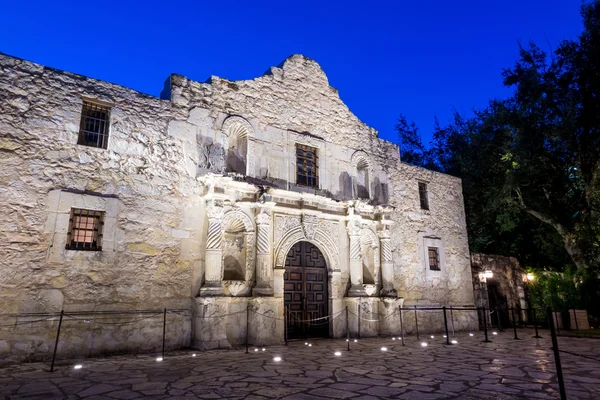
Everyone knows the Alamo from the famous 1836 battle, but most people forget that it started as a mission in 1718, named Mission San Antonio de Valero. Spanish priests constructed the building with the intent to make it look European ecclesiastical to the Indian populations of the Coahuiltecans, although they never got the fancy exterior that most missions had.
By the time Davy Crockett and Jim Bowie made their stand here, the mission had been abandoned as a mission and later repurposed for military use.
Tumacácori
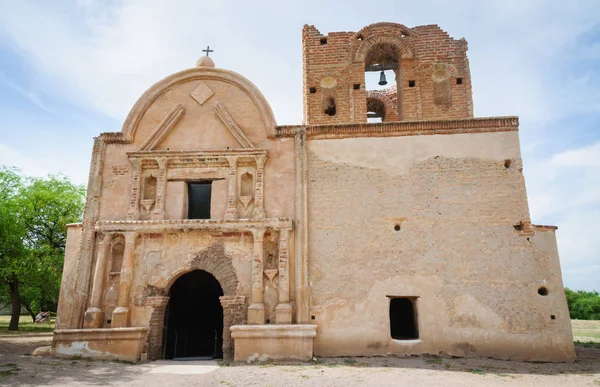
The red-domed church at Tumacácori in southern Arizona sits in picturesque ruins that photographers absolutely love. Established in 1691 by Father Eusebio Kino, the current structure dates to the early 1800s but was never actually finished.
Apache raids and Mexican independence from Spain left the mission abandoned in 1848, and now it’s a National Historical Park where you can see exactly how these buildings were constructed.
San Esteban del Rey
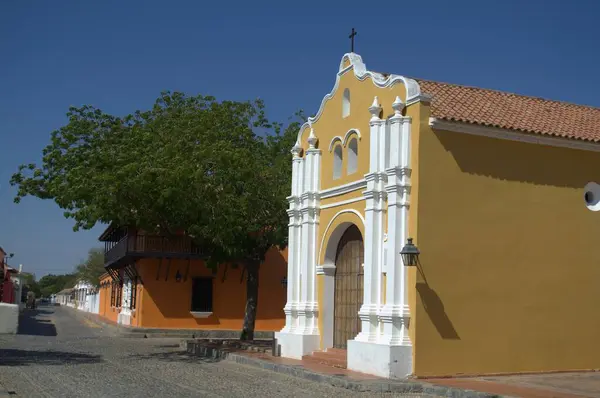
Perched atop a 367-foot sandstone mesa at Acoma Pueblo in New Mexico, this mission requires serious commitment to visit. The church was built between 1629 and 1641, and every single timber, stone, and handful of dirt had to be carried up the cliff.
The massive ceiling beams came from mountains 30 miles away, hauled without wheels or horses, which gives you a sense of the incredible labor involved.
Mission Concepción
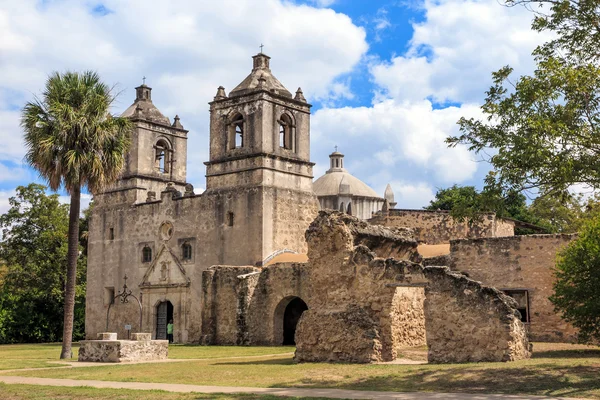
San Antonio’s Mission Concepción looks remarkably similar to how it did in 1755 when construction finished. Unlike most missions that got whitewashed or plastered, Concepción’s original limestone and colorful frescoes remain exposed.
The twin bell towers and geometric designs painted on the interior walls show the artistic sophistication these frontier churches achieved.
Quarai
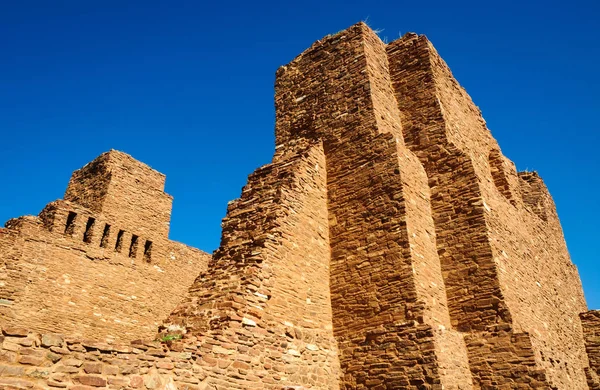
The ruins of Quarai in New Mexico’s Salinas Valley stand as a haunting reminder of how quickly things can fall apart. Built in the 1620s with massive red sandstone blocks, the mission thrived until drought, disease, and Apache attacks forced everyone to abandon it by 1678.
The roofless walls still tower over 40 feet high, creating dramatic shadows in the high desert landscape.
San Juan Capistrano
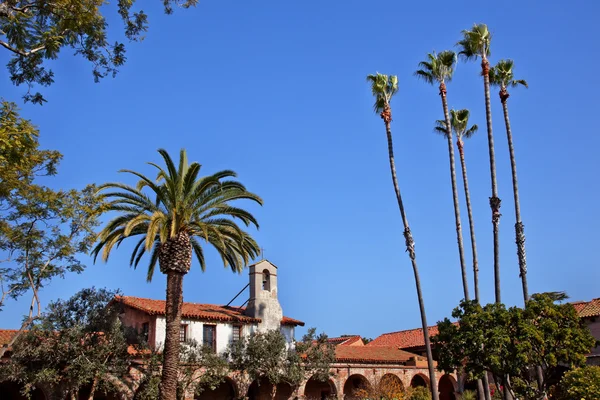
This San Antonio mission, founded in 1731, served both Spanish settlers and Coahuiltecan Indians, trying to adapt to a rapidly changing world. The simple stone church and surrounding compound show how these communities functioned as self-contained villages.
Though earthquakes damaged parts of the structure over the years, restoration work has brought back much of its original character.
Pecos
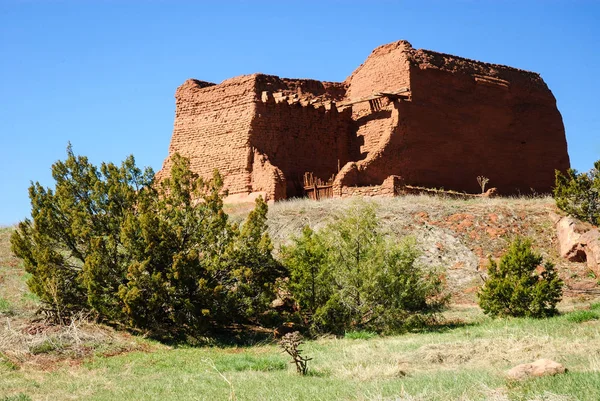
Pecos Mission in New Mexico tells a particularly sad story about cultural collision. The Pecos people had been thriving traders for centuries before Spanish missionaries arrived in 1617 and built an enormous church.
Disease and warfare devastated the population until only 17 people remained in 1838, and they eventually joined relatives at Jemez Pueblo. The massive church ruins give you a sense of the ambition—and ultimately the tragedy—of the mission system.
Espada
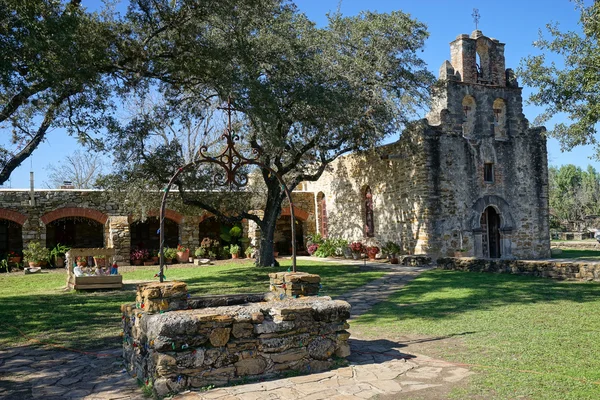
The southernmost mission in the San Antonio chain, Espada maintains a working acequia (irrigation ditch) that’s been flowing since the 1740s. The mission’s simple beauty and intact aqueduct system demonstrate the practical engineering that kept these communities alive in semi-arid Texas.
You can still attend Mass in the small chapel, making it one of the few missions in continuous use since colonial times.
San Agustín de Isleta
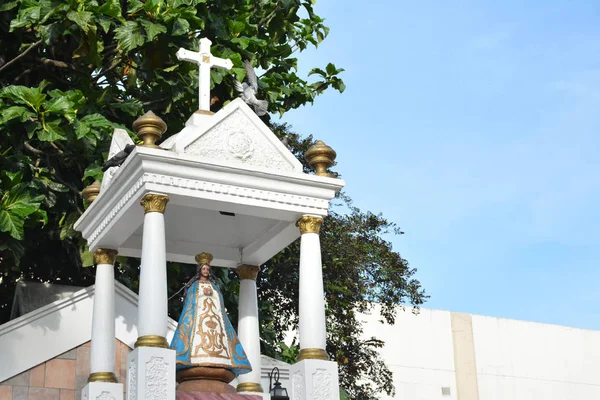
Just south of Albuquerque, Isleta Pueblo’s mission church has been serving the community since around 1613. The thick adobe walls and exposed wooden vigas create that classic New Mexico mission look.
Unlike many missions that Indigenous peoples rejected, Isleta’s church remains central to pueblo life, blending Catholic and traditional Tiwa practices in ways the original missionaries never imagined.
Abo
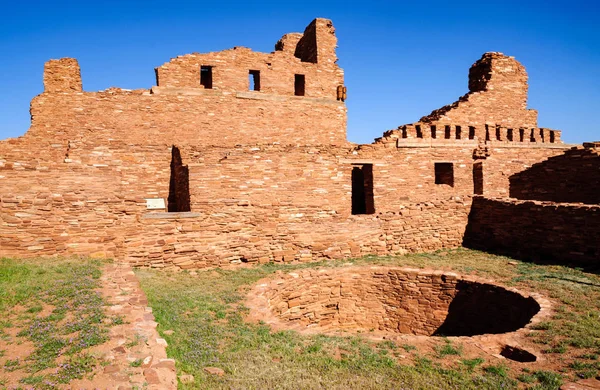
The ruins at Abo in central New Mexico show off distinctive red sandstone construction that contrasts beautifully with the blue sky. Built in the 1620s, this mission served Tompiro-speaking puebloans until the same combination of drought, disease, and raids that doomed Quarai forced abandonment around 1673.
The partially collapsed walls and empty window frames create an eerie atmosphere that history buffs find irresistible.
Guevavi
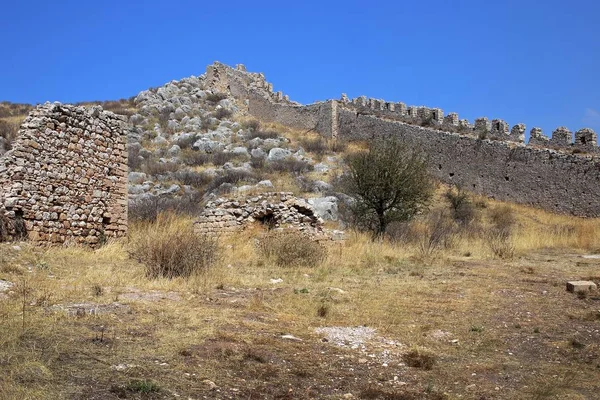
Arizona’s first mission, founded by Father Kino in 1691, now exists only as archaeological ruins along the Santa Cruz River. Guevavi never achieved the grandeur of San Xavier del Bac, and Apache raids made life increasingly dangerous throughout the 1700s.
The Spanish finally abandoned it in 1775, leaving behind foundations and artifacts that researchers continue to study.
San José de Laguna
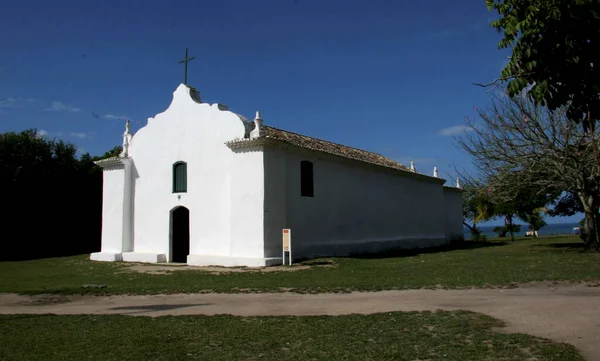
This New Mexico mission sits in Laguna Pueblo, established in 1699 after refugees from various pueblos regrouped following the Pueblo Revolt. The white-plastered church contains a beautiful altar screen and religious artwork that combines European and Indigenous artistic traditions.
The mission demonstrates how some pueblos incorporated Christianity while maintaining their own cultural practices.
Gran Quivira
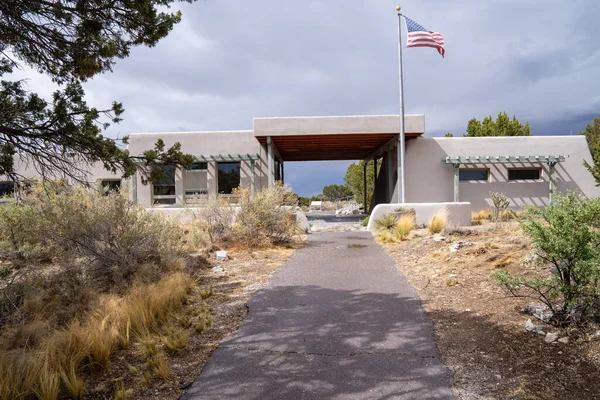
The ruins at Gran Quivira in New Mexico include both pueblo structures and an impressive mission church that was never finished. Spanish priests started construction in the 1660s, but the site was abandoned before they completed it.
Walking through the tumbled walls, you see how ambition collided with harsh reality—the missionaries planned something grand but couldn’t sustain it in the isolated, drought-prone location.
Jemez
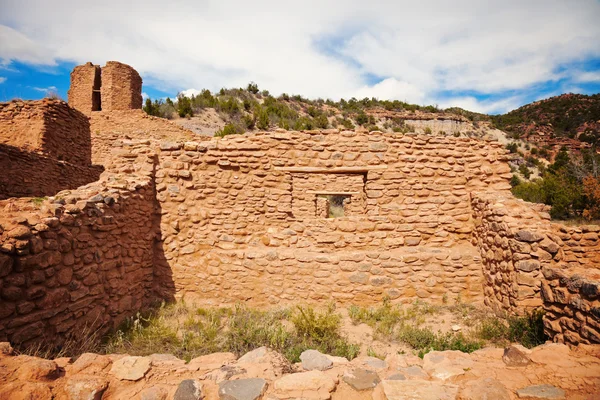
The stone ruins of the mission at Jemez Pueblo in New Mexico’s mountains tell a violent story. Built in the early 1620s, the massive church was destroyed during the Pueblo Revolt of 1680 when Indigenous peoples across New Mexico rose against Spanish oppression.
A second church built after the Spanish reconquest also fell into ruins, and today the weathered walls stand next to a modern pueblo community that remembers those turbulent times.
Calabazas
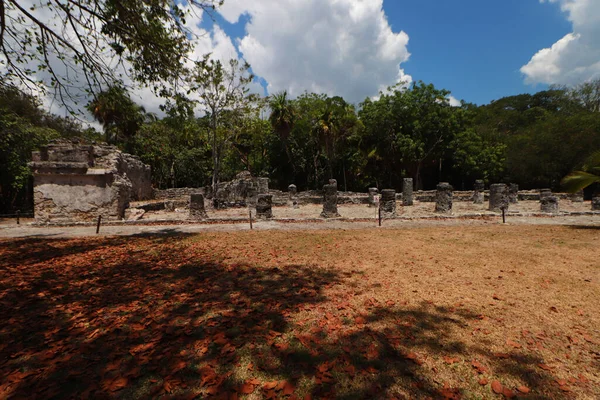
Father Kino established this Arizona mission in 1691, but it never developed beyond a small visita (visiting station) for the larger mission network. Located near Tumacácori, Calabazas has been reduced to little more than archaeological remains.
Researchers have found evidence of the church foundation and living quarters, giving glimpses into how these smaller outposts functioned.
San Buenaventura
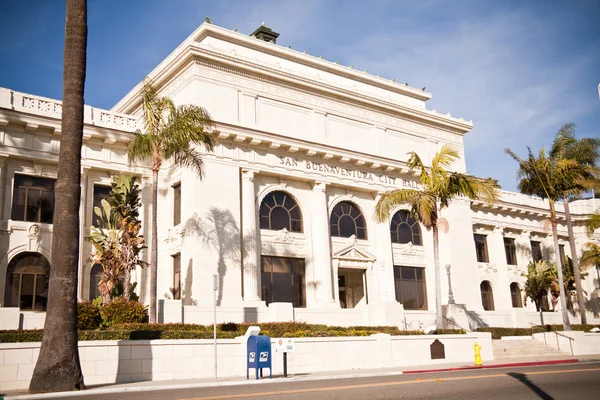
This mission served the Jumano and Piro peoples near present-day Socorro, New Mexico, from the early 1600s until the Pueblo Revolt. The original church was destroyed in 1680, and when the Spanish returned, they built a replacement that still functions today.
The thick adobe walls and simple interior reflect the practical building style needed in this Rio Grande Valley location.
Nuestra Señora de la Purísima Concepción de Socorro
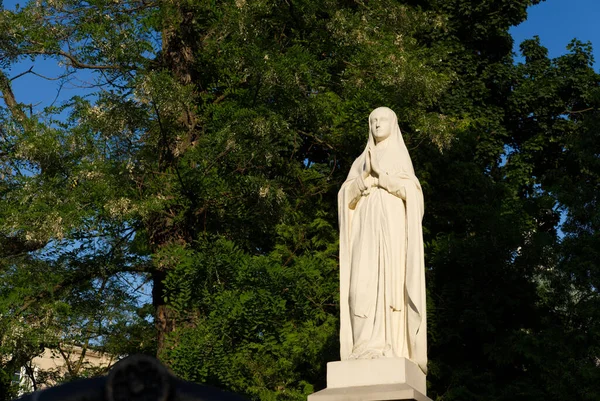
This Texas church, known as the Socorro Mission, is near El Paso and dates back to 1682. This church was established after Spanish settlers and Piro Indians fled south during the Pueblo Revolt.
The carved wooden beams and the silver dove make it a treasure of Spanish colonial art. Unlike other missions that fell into ruin, Socorro has had continuous use, and the town has developed into the current town of Socorro, Texas.
Echoes in Adobe and Stone
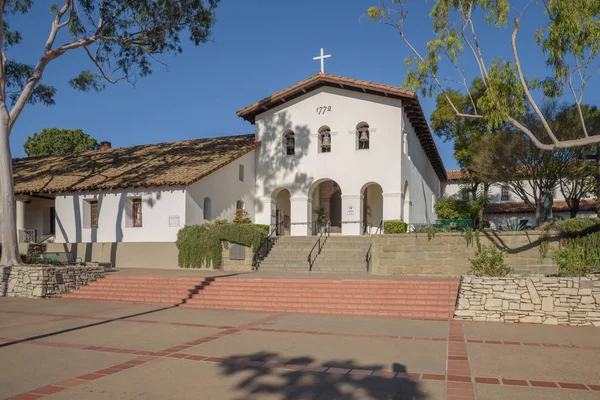
These Spanish missions formed a foundation that still underpins Southwestern culture, from the adobe architecture you see everywhere to the place names on highway signs. The missions represent in many ways an ambiguous legacy of faith, conquest, cultural exchange, and resistance that you can’t neatly categorize as entirely good or bad.
Today, they function like museums, active churches, archaeological sites, and signals that the Southwest’s multicultural identity goes way further than most people realize: created by Indigenous peoples who were here first and the Spanish colonizers who tried to remake the landscape in their own image.
More from Travel Pug

- Underrated Italian Towns That Beat the Tourist Crowds
- Las Vegas Tourist Traps to Skip
- Prettiest Towns in Every US State
- 18 passport-free countries for Americans
- Signs Your Cruise Is Not Worth The Cost
Like Travel Pug’s content? Follow us on MSN.