

The Maldives was once short for ‘impossibly costly.’
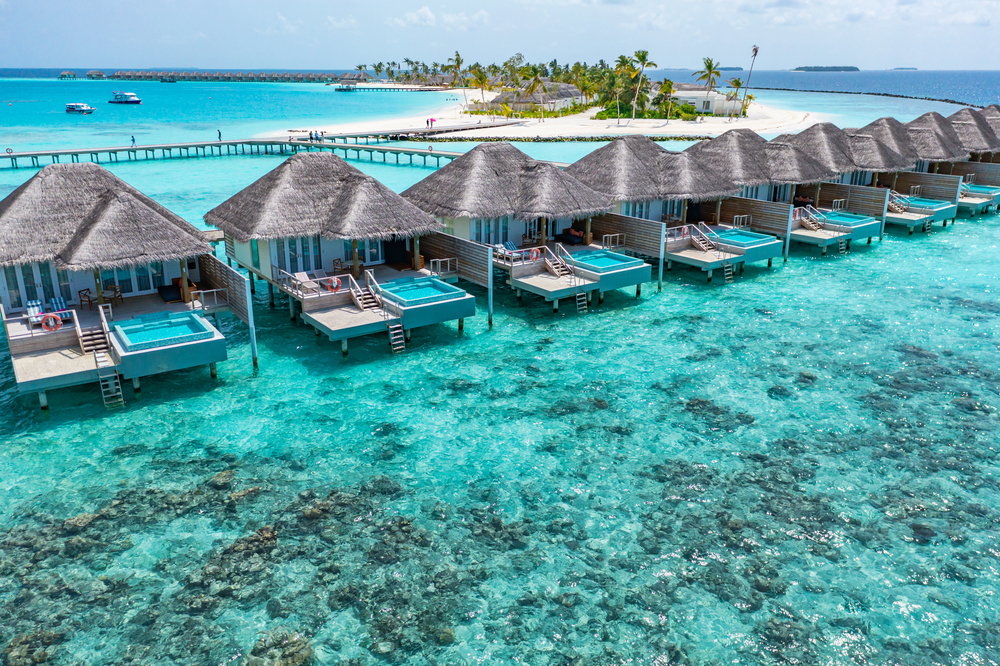
For decades, the 1,192 coral islands strewn across the Indian Ocean were nothing more than a playground for wealthy honeymooners and celebrities looking for seclusion in overwater villas.
The country’s tourism model was straightforward and selective: one island, one resort, no exceptions.
If you wanted to see those world-famous turquoise lagoons and powder-white shores, you had to pony up several hundred dollars a night at a minimum.
That version of the Maldives still exists, but it’s no longer the only means to an end.
In 2009, the government of the Maldives made a move that quietly transformed visiting the islands.
They opened up local inhabited islands to tourism, and residents were permitted to construct guesthouses and host visitors within their communities.
Overnight, travelers could lodge on actual islands where folks actually lived, worked, and conducted their daily business.
The beaches were equally breathtaking, the sea equally transparent, and the price a fraction of the resorts’.
It was possible to be a budget traveler in the Maldives overnight.
Here’s a closer examination of how travelers are making paradise work on ordinary budgets.
The guesthouse revolution changed everything
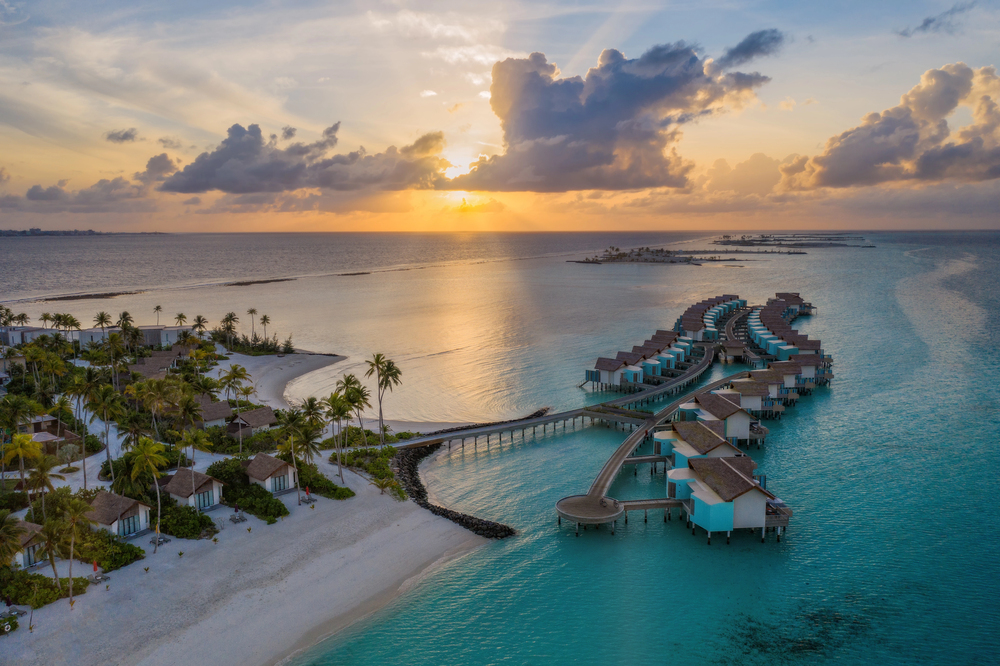
Before 2009, tourists were confined to private resort islands.
The setup was brilliantly lucrative for resort owners but left everyday Maldivians on the sidelines of their own country’s tourism boom.
When the government relaxed restrictions, guesthouses started appearing on local islands within months.
These weren’t fancy operations at first.
Many were family homes converted to accommodate a few guests, run by former resort workers who understood hospitality but were operating on shoestring budgets themselves.
Fast forward to 2025, and the local island scene has matured considerably.
Guesthouses now range from basic budget spots to surprisingly polished boutique properties with air conditioning, modern bathrooms, and genuinely comfortable beds.
Prices typically range from $30 to $75 per night for a private room, often including breakfast.
That’s roughly one-tenth the cost of a resort room and sometimes less.
The experience is different, obviously.
You won’t have an infinity pool or a private butler, but you will have direct access to local culture, genuine interactions with Maldivian families, and beaches that rival anything the resorts offer.
Island hopping on local ferries keeps costs down
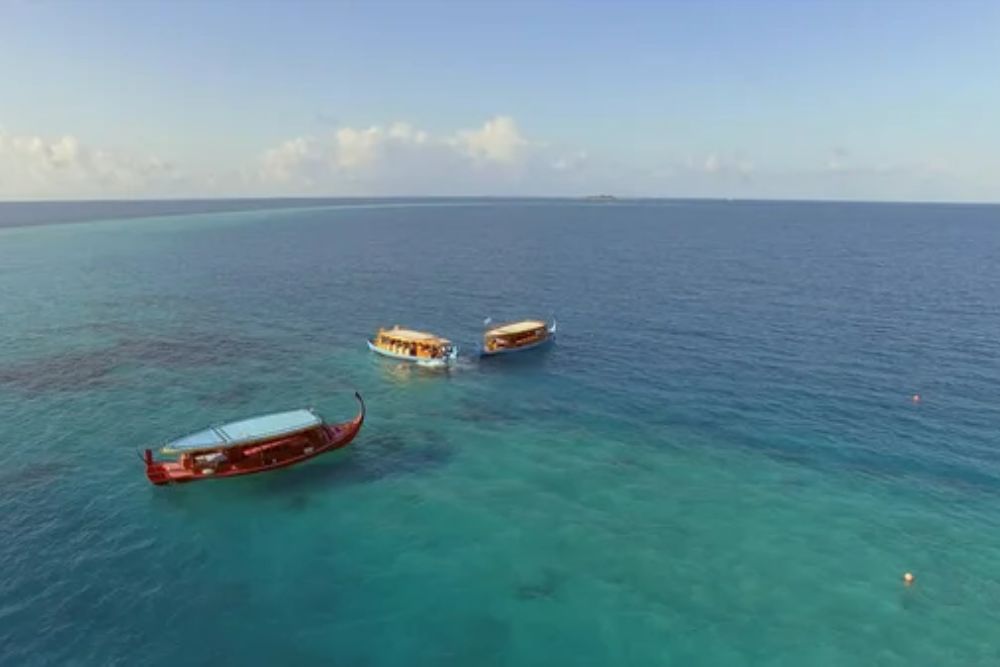
Getting around the Maldives is where budget travel requires some patience and planning.
The country stretches across roughly 35,000 square miles of ocean, so distances between islands can be substantial.
Resorts solve this with seaplanes and private speedboats, whisking guests from the airport to their island in dramatic fashion.
Budget travelers take the local ferry system, which is slower, occasionally unreliable, and infinitely cheaper.
Public ferries between islands cost anywhere from $1 to $5 per trip.
The catch is that schedules can be sporadic, especially to more remote islands, and ferries don’t always run on weekends.
Some routes operate only a few times per week.
When ferries fail to show up or schedules don’t align, travelers need to decide between waiting a day or splurging on a private speedboat, which can run $25 to $75 depending on distance.
Still, even with the occasional speedboat expense, transportation costs remain manageable compared to resort transfer fees that easily hit several hundred dollars each way.
Free and cheap activities rival expensive excursions
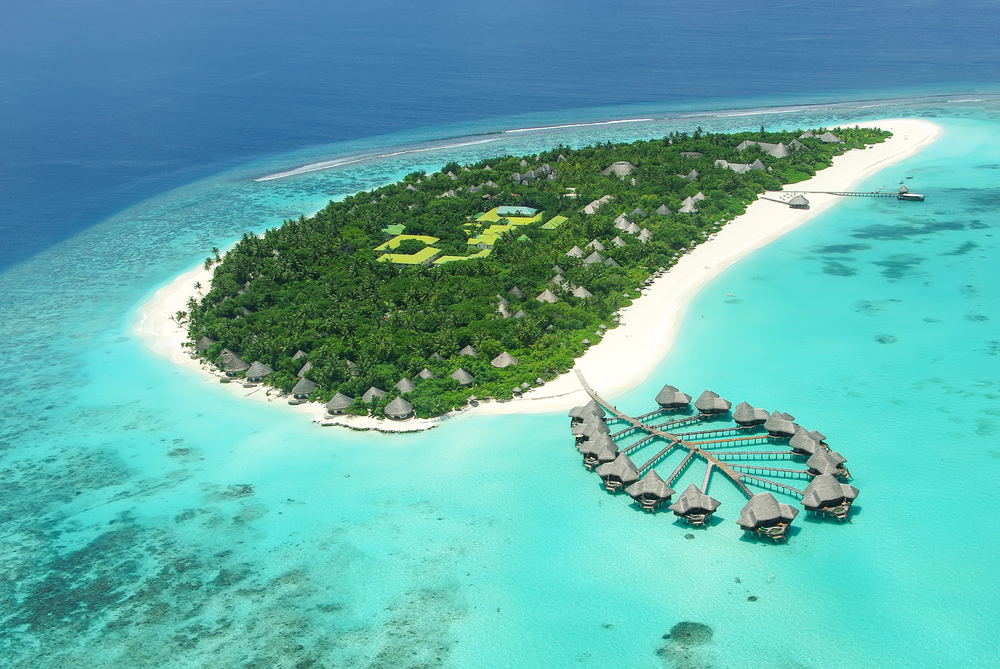
The Maldives might be the only place where some of the best experiences cost absolutely nothing.
Every local island has designated ‘bikini beaches’ where tourists can wear swimwear and relax.
These aren’t tourist traps or commercial operations.
They’re simply sections of pristine beach set aside for visitors, complete with loungers and shade structures, all free to use.
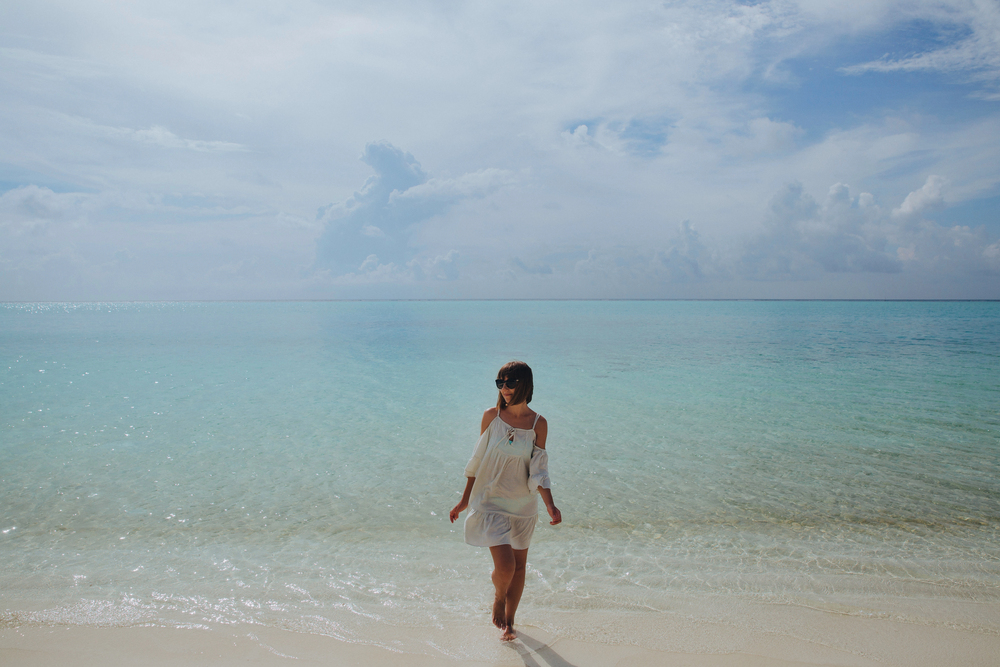
The sand is the same powdery white that resort guests pay premium rates to access, and the water is equally clear and warm.
Snorkeling gear can be rented from guesthouses for a few dollars per day, or you can bring your own and explore house reefs directly from shore.
Many local islands sit on the edge of coral atolls with healthy reefs teeming with tropical fish, rays, and sometimes reef sharks just offshore.
Guided snorkeling trips to multiple spots, including chances to see manta rays or whale sharks, depending on the season, typically cost between $50 and $100.
That sounds steep until you compare it to resort excursion prices, which can easily double or triple that amount for the same experience.
Diving is similarly more affordable on local islands.
Certified dive centers charge around $50 to $60 per dive, while resort dive operations often start above $100.
For people interested in getting certified, local dive schools offer PADI courses at rates that make the Maldives surprisingly competitive with Southeast Asian diving destinations.
Local food offers authentic flavors at reasonable prices
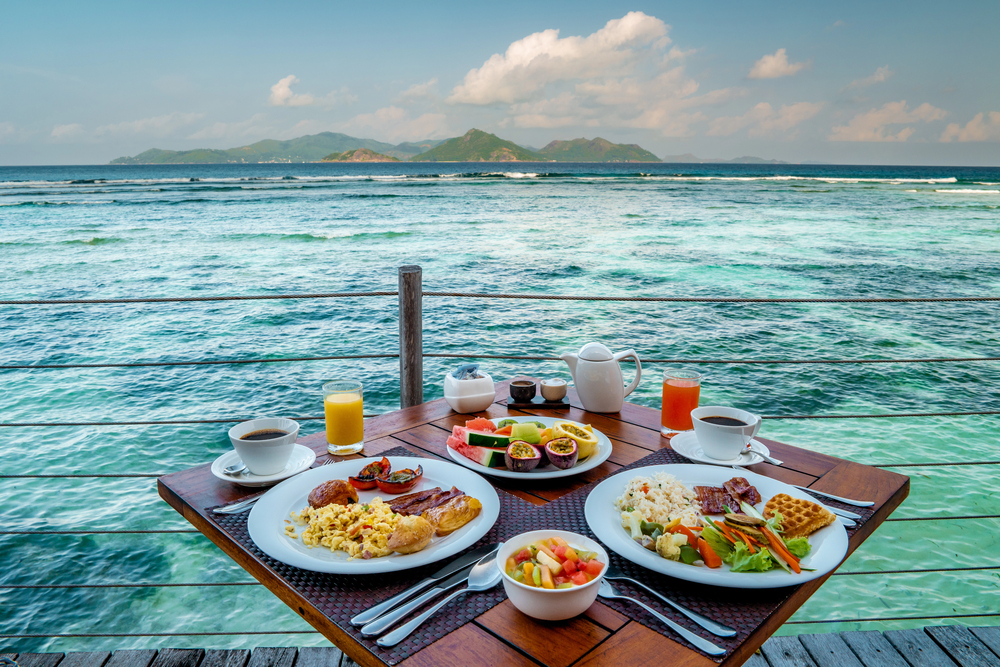
Eating is where budget travelers see the most dramatic savings.
Resort dining is notoriously expensive, with meals easily costing $30 to $50 or more per person.
On local islands, small cafés serve traditional Maldivian dishes for $5 to $10, including a drink.
The food centers around fish, rice, and coconut, which makes sense given the islands’ geography and history as fishing communities.
Most guesthouses include breakfast in their rates, and many offer full-board packages that cover all meals at reasonable prices, typically around $20 to $30 per day.
The food at these guesthouses tends to be home-style Maldivian cooking, often eaten family-style with the owners and other guests.
It’s not fancy, but it’s fresh, filling, and offers genuine insight into local culinary traditions.
Fresh tuna curry, coconut-based dishes, and various preparations of mas huni (a breakfast staple of tuna, coconut, and chili) become regular features of the budget travel experience.
One important note: alcohol isn’t available on local islands due to Islamic law.
Resorts on private islands can serve alcohol, but local islands cannot.
For budget travelers, this actually works in their favor since it eliminates one of the biggest expense categories that typically inflates vacation budgets.
Timing matters for stretching budgets further

The Maldives has warm temperatures year-round, ranging from 74 to 89 degrees Fahrenheit.
There is, however, a considerable price disparity between off-season and high season.
December to April is the dry season, offering almost perfect weather with little rain and flat seas.
It also means higher costs and larger crowds as resorts and guesthouses are packed with winter holidaymakers fleeing colder countries.
Budget travelers typically aim for the shoulder months of May and November, or even go so far as to enter monsoon time from June to October.
The wet season is worse than it needs to be.
Rain usually falls in brief, heavy showers instead of continual all-day rain, and there are still more than enough sunny days.
Most importantly, rates decrease significantly.
Guesthouses, which cost $70 for a night in high season, may provide rooms at $40 in the monsoon.
Flights are cheaper as well, sometimes by hundreds of dollars.
The trade-off is less reliable weather and sometimes more turbulent seas, which may impact ferry schedules and some water sports.
Diving is still great year-round, with most divers preferring the wet season for improved visibility and encounters with certain marine life, such as manta rays that gather at cleaning sites.
Specific islands have earned budget traveler followings
Not all local islands are created equal for budget tourism.
Some have embraced visitors more successfully than others, developing the infrastructure and services that make independent travel easier.
Maafushi, located in South Malé Atoll and just an hour by ferry from the airport, became the original budget-travel hub.
It’s the most developed local island for tourism, with dozens of guesthouses, restaurants, and tour operators competing for business.
That competition keeps prices reasonable and options plentiful.
Maafushi’s popularity is both its strength and weakness.
The island feels genuinely touristy now, with some travelers finding it too developed and lacking the authentic island atmosphere they sought.
For a quieter experience, nearby Gulhi offers similar access to the capital but with fewer visitors and a more laid-back vibe.
The island is small enough to walk around in 20 minutes and has maintained more of its local character.
Further afield, Dhigurah in South Ari Atoll has built a reputation among budget travelers interested in marine life, particularly whale sharks.
The island sits in a protected marine area where whale shark encounters are possible year-round, unlike most other locations where sightings are seasonal.
Thulusdhoo attracts surfers with its famous ‘Cokes’ break and offers a different energy than the more relaxation-focused islands.
Cultural sensitivity shapes the local island experience

Staying on inhabited islands means being a guest in someone’s community rather than a resort customer.
The Maldives is a conservative Muslim country, and local islands maintain Islamic customs and dress codes outside designated bikini beaches.
This means wearing modest clothing when walking through villages: shoulders covered, no shorts above the knee, and respectful attire when entering shops or interacting with locals.
These expectations aren’t burdensome, but they do require awareness and adaptation.
Budget travelers often find that this cultural dimension adds richness to the experience rather than limiting it.
Conversations with local families, invitations to community events, and observations of daily island life provide context and connection that pure resort experiences never offer.
Many guesthouses are family-run operations where owners genuinely enjoy sharing their home and culture with visitors who show respect and interest.
The prohibition on alcohol extends to pork products as well, so those seeking bacon with breakfast or a beer with dinner won’t find them on local islands.
Some travelers book a day trip to a nearby resort island specifically to access these amenities, which resorts allow for a fee, typically around $75 to $100, including lunch and use of facilities.
Why it matters now
The window to enjoy the Maldives as a budget destination won’t remain open indefinitely.
Tourism is taking off quickly on local islands, with additional guesthouses popping up each month and infrastructure getting better year after year.
That’s good for visitors in several respects, simplifying logistics and making services more dependable.
It means, however, that the unspoiled, but rough-around-the-edges, character that initial budget travelers experienced is slowly being refined away by development and professionalization.
There is also an environmental imperative behind travel to the Maldives.
Climate change and sea level rise present existential dangers for these low-lying islands, with their highest natural feature only slightly above sea level throughout the country.
Reef systems have been compromised by coral bleaching events, and locals candidly discuss the tenuous fate of their islands.
The budget travel movement, in a small way, serves to spread the benefits of tourism more equitably throughout Maldivian society instead of channeling wealth into resort-holding corporations.
More from Travel Pug

- Underrated Italian Towns That Beat the Tourist Crowds
- Las Vegas Tourist Traps to Skip
- Prettiest Towns in Every US State
- 18 passport-free countries for Americans
- Signs Your Cruise Is Not Worth The Cost
Like Travel Pug’s content? Follow us on MSN.