

Picking an airline used to be simple.
You’d choose whichever airline had the cheapest ticket and call it a day.
But somewhere between lost luggage, hours-long tarmac delays, and seats that make sardine cans look spacious, travelers started caring about more than just price.
They wanted to know which airlines would actually get them where they needed to go, on time, with their bags, and without making them miserable in the process.
The good news is that some carriers have figured this out.
The bad news is that others are still treating passengers like an afterthought.
Armed with data from 2024 and early 2025, including metrics on everything from on-time performance to baggage handling to how often airlines bump passengers against their will, we can finally separate the winners from the also-rans.
Here’s a closer look at how the major US carriers stack up when it comes to actually delivering a decent flying experience.
Frontier Airlines
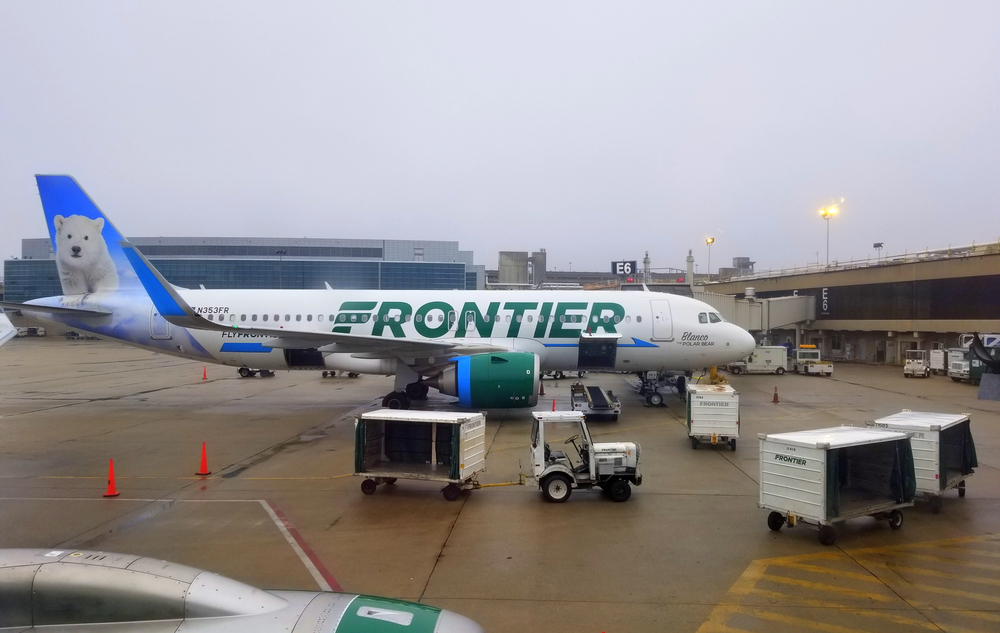
If there’s a basement in the airline industry, Frontier has set up camp there.
The budget carrier landed dead last in the Wall Street Journal’s 2024 scorecard, and it’s not hard to see why.
According to Department of Transportation data, Frontier routinely posts some of the lowest on-time arrival rates among major US carriers.
In the first half of 2025, the airline cancelled roughly 2% of its scheduled flights each month, which sounds small until you realize that top airlines are operating with sub-1% cancellation rates.
The airline’s one bright spot is its baggage handling, with a relatively low mishandling rate of 0.45% in early 2025.
That’s actually one of the better figures in the industry.
But here’s the catch: you’ll pay through the nose for the privilege of checking that bag in the first place.
Frontier’s business model revolves around rock-bottom base fares, then charging extra for nearly everything else.
That window seat? Extra.
Overhead bin space? You guessed it.
The math rarely works out in passengers’ favor once you add up all the fees.
Frontier CEO Barry Biffle has promised major operational improvements, noting that the airline cut complaints by over 40% year over year.
Still, when you’re starting from the bottom, there’s really only one direction to go.
Spirit Airlines
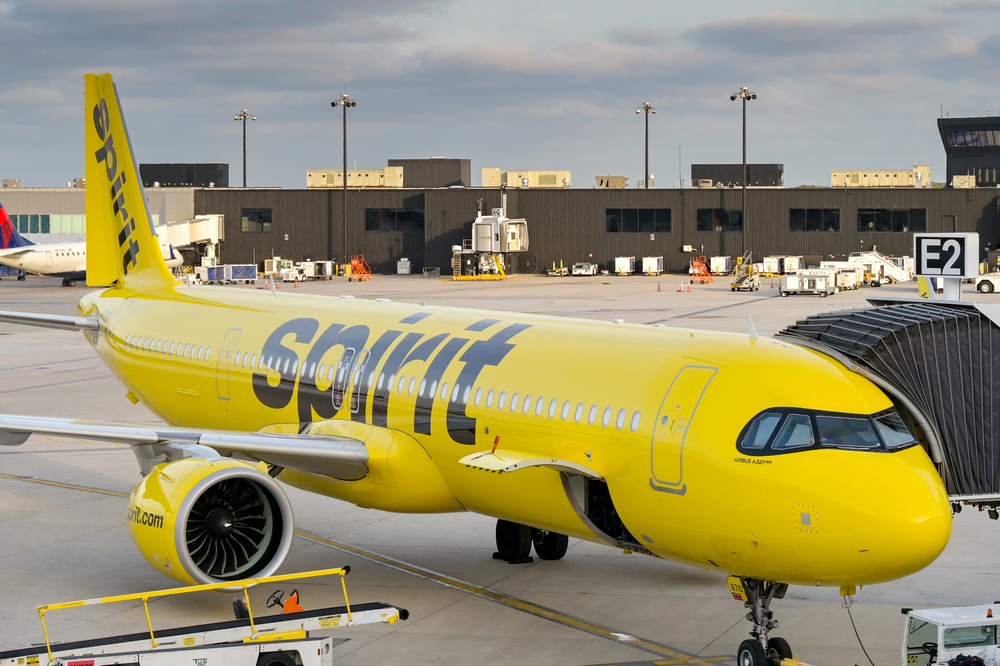
Spirit spent much of 2024 and early 2025 fighting for survival, ultimately filing for Chapter 11 bankruptcy protection.
The ultra-low-cost carrier has been reorganizing with plans to shift away from its no-frills approach toward offering multiple product tiers and fare options.
Whether that’ll actually improve things remains to be seen.
The numbers tell a rough story.
Spirit posted the highest cancellation rate among major carriers in the Wall Street Journal’s 2024 survey at 1.88%, worse than the year before when it managed to rank sixth in that category.
A Spirit spokesman blamed over 80% of cancellations on factors like weather and air traffic control constraints, given the airline’s heavy presence in the Southeast.
That explanation doesn’t make delayed passengers feel much better when they’re stuck in an airport.
Like Frontier, Spirit excels at luring travelers in with absurdly cheap base fares, then hitting them with fees for everything from carry-ons to seat selection.
The airline also earned the dubious distinction of having some of the least comfortable seats in the industry, with passengers frequently complaining about feeling like their knees are jammed into the seat in front of them.
When you’re charging bottom-dollar prices, something has to give, and Spirit decided that something was passenger comfort.
American Airlines
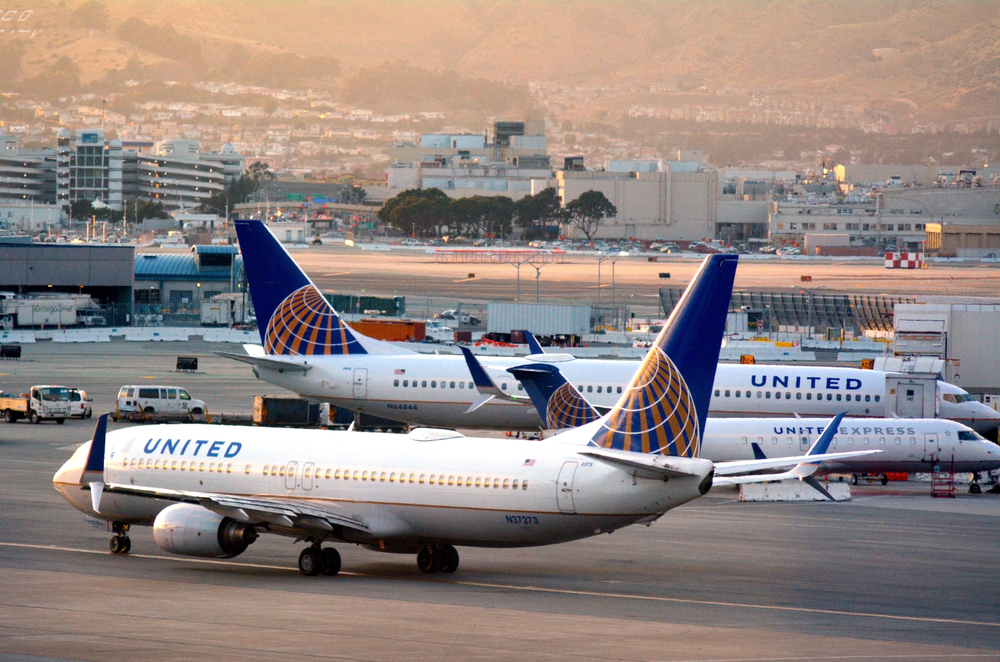
This one stings because American should be better.
As the largest airline by fleet size and number of flights operated, American has the resources and infrastructure to compete with anyone.
Instead, it’s been stuck in neutral while rivals Delta and United have pulled away.
In the first nine months of 2025, Delta earned $3.8 billion in profit and United made $2.3 billion.
American? A mere $12 million, which means it accounted for just 2% of the profit generated by the three largest US carriers.
American finished seventh in the Wall Street Journal’s 2024 rankings and dropped three spots to seventh place in The Points Guy’s 2025 analysis.
The airline’s struggles show up across multiple metrics.
It ranked worst for delayed flights and mishandled baggage reports, and its handling of wheelchairs and mobility devices was poor enough to draw a lawsuit from the Biden administration.
Those aren’t small problems.
The carrier does have strengths.
American operates an expansive domestic network with fortress hubs in Dallas and Charlotte, and it finished second-best for flight cancellations.
Its recent hiring of Nat Pieper as chief commercial officer, a nearly three-decade airline veteran with stints at Alaska and Delta, signals that leadership recognizes something needs to change.
American also just inked a new credit card deal with Citi and announced plans to offer free internet browsing for loyalty members starting in 2026.
That’s all fine, but it doesn’t fix the core operational issues that keep dragging the airline down.
Allegiant Air

Allegiant operates in its own niche, focusing on connecting smaller cities to vacation destinations like Las Vegas and Florida.
The ultra-low-cost carrier doesn’t fly nearly as many routes as the major airlines, which makes direct comparisons tricky.
Even so, Allegiant has quietly improved its standing over the past year.
The airline tied with Spirit for eighth place in recent rankings but showed notable progress in baggage handling.
Allegiant actually led the industry in 2023 and 2024 for the lowest rate of mishandled luggage, with only about 0.2% of checked bags failing to reach their destination on time and intact.
That’s genuinely impressive.
Allegiant also scored well for having the lowest number of two-hour tarmac delays and tied with Delta for the fewest involuntarily bumped passengers.
Where Allegiant stumbles is in the areas you’d expect from a budget carrier: limited routes, bare-bones amenities, and a weak loyalty program.
The airline’s fleet is also older on average than most competitors, which can lead to more mechanical issues.
Still, if you live in a smaller market and want a cheap direct flight to somewhere sunny, Allegiant gets the job done without too much drama.
Hawaiian Airlines
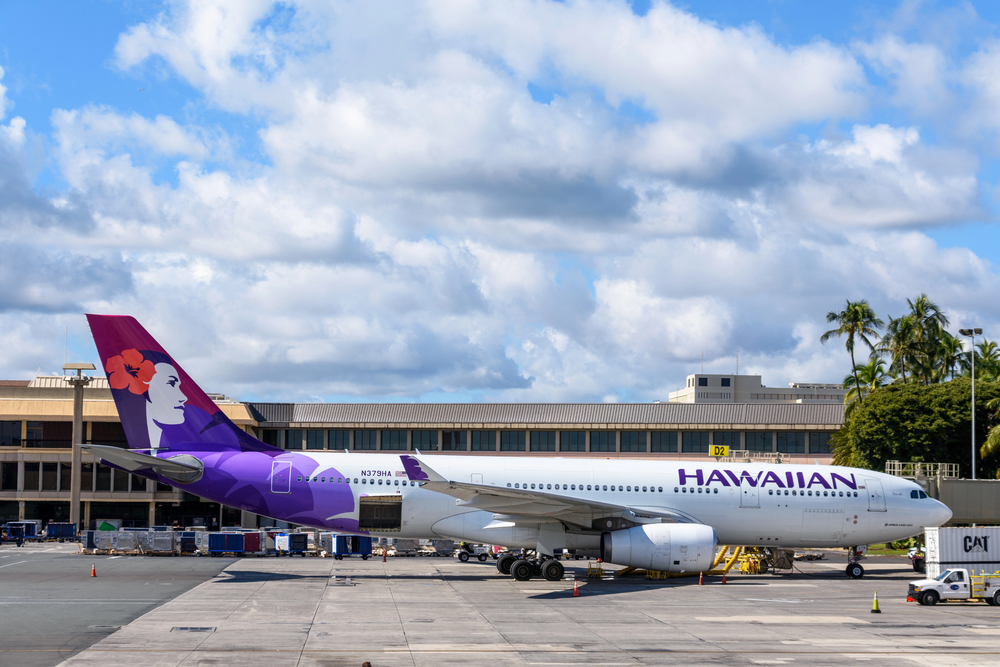
Hawaiian occupies an interesting spot in the rankings.
The carrier is excellent at what it does, which is primarily shuttling passengers to and from the Hawaiian islands.
It excels in reliability, with low cancellation rates and strong on-time performance.
Hawaiian also scores highly for customer service and handles baggage well.
The challenge is that Hawaiian’s route network is inherently limited.
Unless you’re flying to Hawaii or between islands, the airline probably isn’t an option.
That geographic concentration means Hawaiian doesn’t appear in many national rankings, or when it does, it’s evaluated separately from mainland carriers.
The airline faced disruptions in 2023 due to Maui wildfires, but bounced back impressively in 2024.
Hawaiian is also in the middle of merging with Alaska Airlines, a process that kicked off in 2024 and is expected to take a couple of years to complete.
The two airlines plan to launch a joint loyalty program in August 2025.
If the merger goes smoothly, the combined entity could offer a compelling mix of West Coast and Pacific routes with solid service.
For now, Hawaiian remains a strong regional player that does its specific job very well.
JetBlue Airways
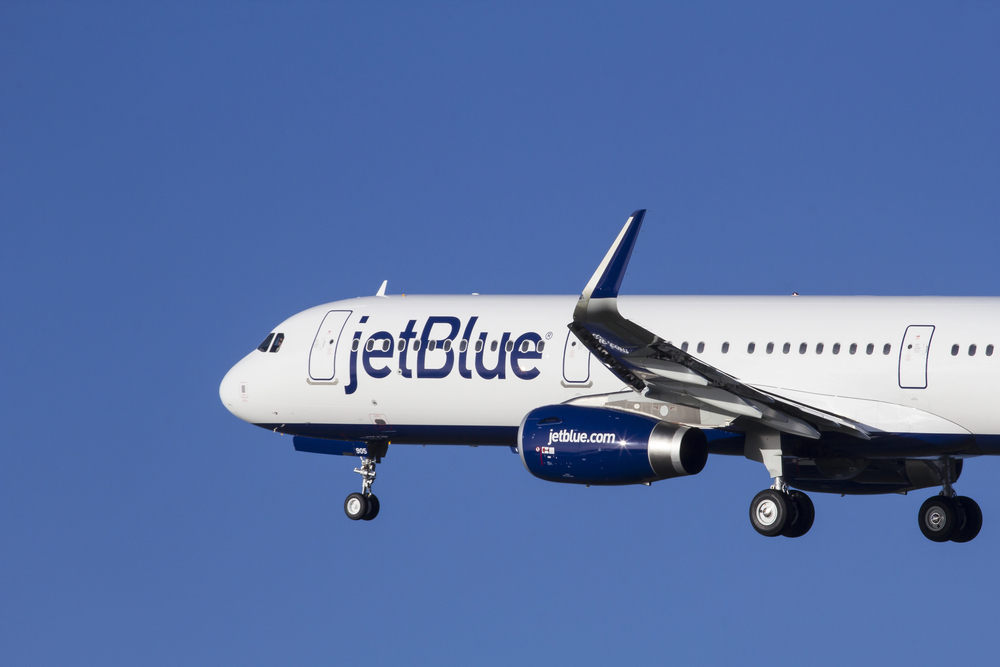
JetBlue has always positioned itself as the airline that doesn’t make you choose between affordability and comfort.
The New York-based carrier offers seatback screens on every seat, free Wi-Fi, and more legroom than most competitors in economy.
Its Mint business class product, featuring lie-flat seats and elevated dining, earned JetBlue the top spot in first and business class rankings in a 2025 J.D. Power study.
So why isn’t JetBlue ranked higher?
Reliability.
The airline has struggled with on-time performance and cancellations.
JetBlue saw a 31.4% drop in December 2024 passengers year over year, and the Department of Transportation even hit the carrier with a $2 million penalty for operating chronically delayed flights.
Those aren’t the kinds of headlines that inspire confidence.
Even so, JetBlue is trying to turn things around.
The airline announced 16 new routes for summer 2025, including five brand-new destinations like Halifax and San Pedro Sula, plus transatlantic service from Boston to Madrid and Edinburgh.
JetBlue also earned high marks for its cabin features and customer service.
Passengers consistently praise the airline’s staff for being genuinely helpful and friendly, which goes a long way when things inevitably go sideways.
If JetBlue can fix its operational issues, it has the potential to climb much higher in these rankings.
Alaska Airlines
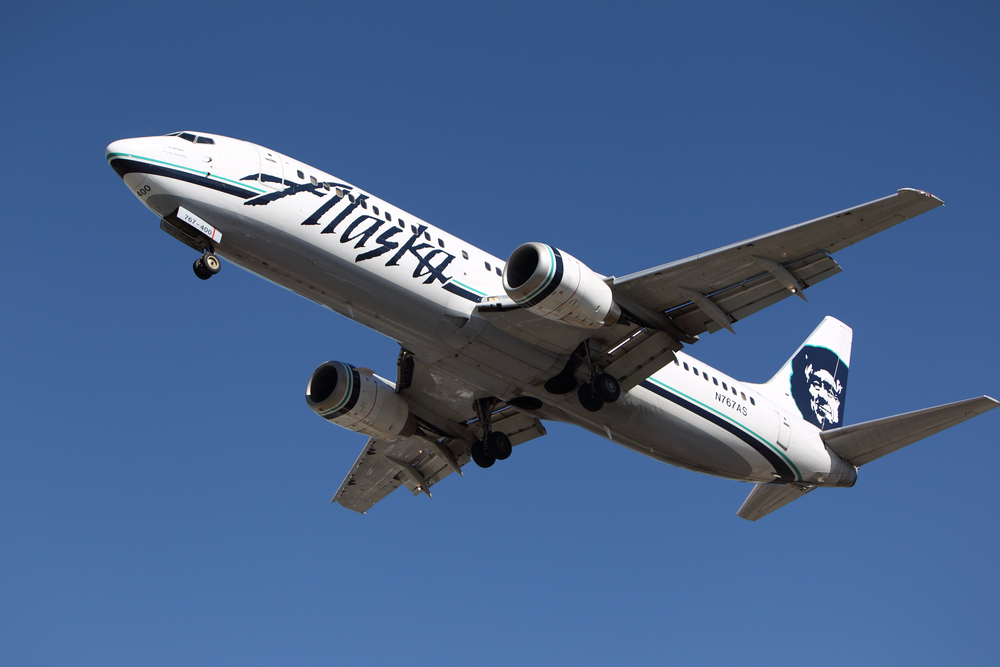
Alaska has been on a tear lately, grabbing headlines for all the right reasons.
The Seattle-based carrier topped WalletHub’s 2024 rankings, successfully dethroning Delta, and consistently finishes near the top in customer satisfaction surveys.
Alaska excels in areas that matter to travelers: on-time performance, low cancellation rates, and strong baggage handling.
The airline operated flights on time 79.25% of the time in 2024, according to Cirium, and posted a robust 83.9% load factor.
Alaska’s Mileage Plan loyalty program is widely considered one of the best in the industry, offering excellent value for points and flexible redemption options.
The airline also scores highly for family-friendly policies and pet accommodations, making it a go-to choice for travelers with kids or furry companions.
Its route network spans the West Coast and beyond, with new long-haul international routes to destinations like Tokyo planned for 2025.
The carrier did face a significant challenge in early 2024 when a piece of a Boeing 737 MAX 9 aircraft blew out mid-flight, prompting an emergency landing and the immediate grounding of dozens of planes.
Alaska handled the incident transparently and prioritized safety, which helped maintain passenger trust.
The airline is also in the process of merging with Hawaiian, a move that will expand its reach across the Pacific and add premium international routes to its portfolio.
Once that integration is complete, Alaska will have products competitive with the big three legacy carriers.
United Airlines
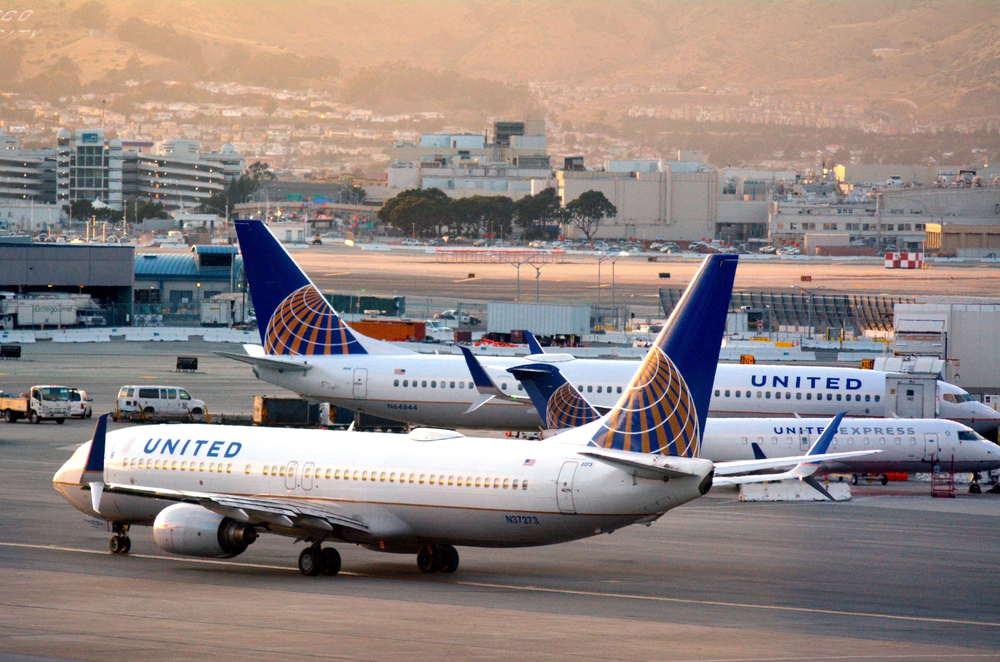
United has quietly become one of the most improved airlines in the country.
The Chicago-based carrier climbed to second place in The Points Guy’s 2025 rankings after finishing fourth the year before.
United’s turnaround shows up in two key areas: overall reliability and passenger experience.
The airline operated on-time flights 80.93% of the time in 2024, good for second place among North American carriers behind only Delta.
United’s route network is genuinely impressive.
The airline serves an extensive domestic footprint and leads all US carriers in international reach, with creative routes to cities like Marrakech and year-round service to major Asian and European hubs.
United’s participation in the Star Alliance gives passengers access to a globe-spanning network of partner airlines, making it particularly attractive for frequent international travelers.
The carrier also recently announced a partnership with JetBlue that allows customers to earn and burn miles on both airlines.
United has invested heavily in the passenger experience, particularly in premium cabins.
New business class seats, improved in-flight entertainment with Bluetooth connectivity, and free Wi-Fi for loyalty members have helped the airline compete with Delta’s premium offerings.
United also introduced remote checked luggage screening to make connections smoother.
The airline’s Polaris business class lounges are among the nicest in the country, though overcrowding remains an issue at times.
Where United stumbles is in cancellations.
The carrier posted a 1.35% cancellation rate in the first half of 2025, one of the worst figures among major airlines.
United also dealt with operational challenges at Newark Liberty International Airport, where staffing shortages and air traffic control issues led to passengers booking away from the hub.
Even with those hiccups, United’s overall trajectory is strongly positive.
Southwest Airlines
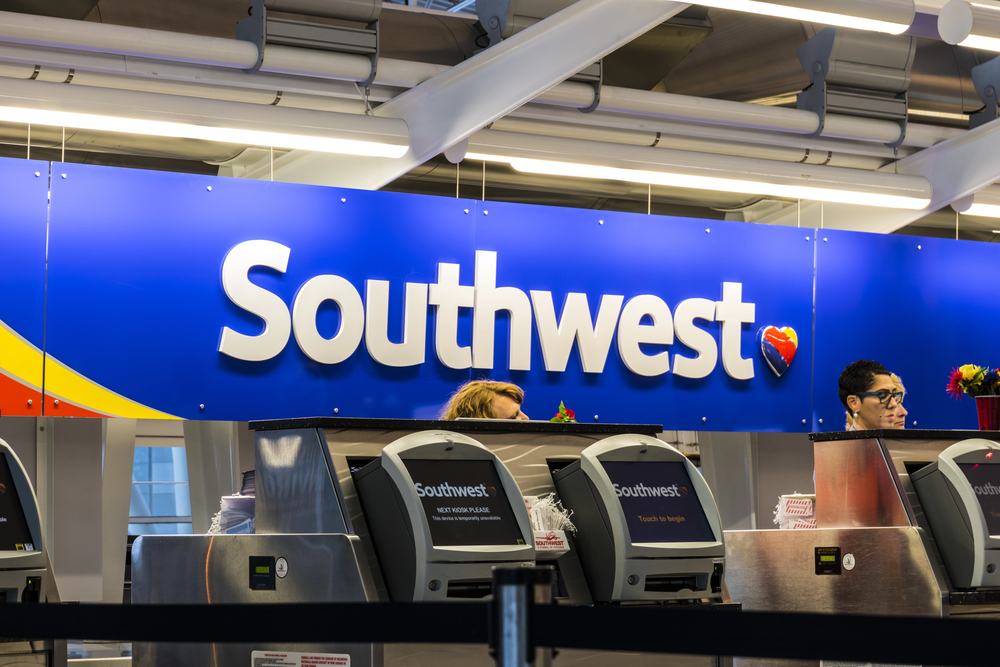
Southwest has built one of the most loyal customer bases in the industry by doing things differently.
For decades, the Dallas-based carrier offered two free checked bags, no change fees, and a policy that let passengers cancel flights up until departure and bank the credit for future travel.
Those perks, combined with generally low fares and strong operational reliability, made Southwest a favorite among budget-conscious travelers who didn’t want to feel nickel-and-dimed.
The airline’s performance in 2024 backed up its reputation.
Southwest posted the lowest cancellation rate in the industry at just 0.6% in June 2025, according to Department of Transportation data.
Cirium named Southwest the most on-time airline after 82.27% of its 2024 flights arrived punctually.
The carrier finished just one point behind Delta in the Wall Street Journal’s 2024 scorecard and jumped two spots to third place in The Points Guy’s 2025 rankings.
Southwest also dominated the economy and basic economy category for the fourth consecutive year in J.D. Power’s customer satisfaction study, scoring 694 out of 1,000.
That said, big changes are coming.
Southwest announced it will start charging for checked bags and implement assigned seating beginning May 28, 2025, fundamentally altering the no-frills, egalitarian approach that made the airline famous.
Many longtime Southwest fans aren’t happy about it.
Whether these policy shifts will hurt the airline’s standing remains to be seen, but for now, Southwest remains one of the most reliable and customer-friendly options in the sky.
Delta Air Lines
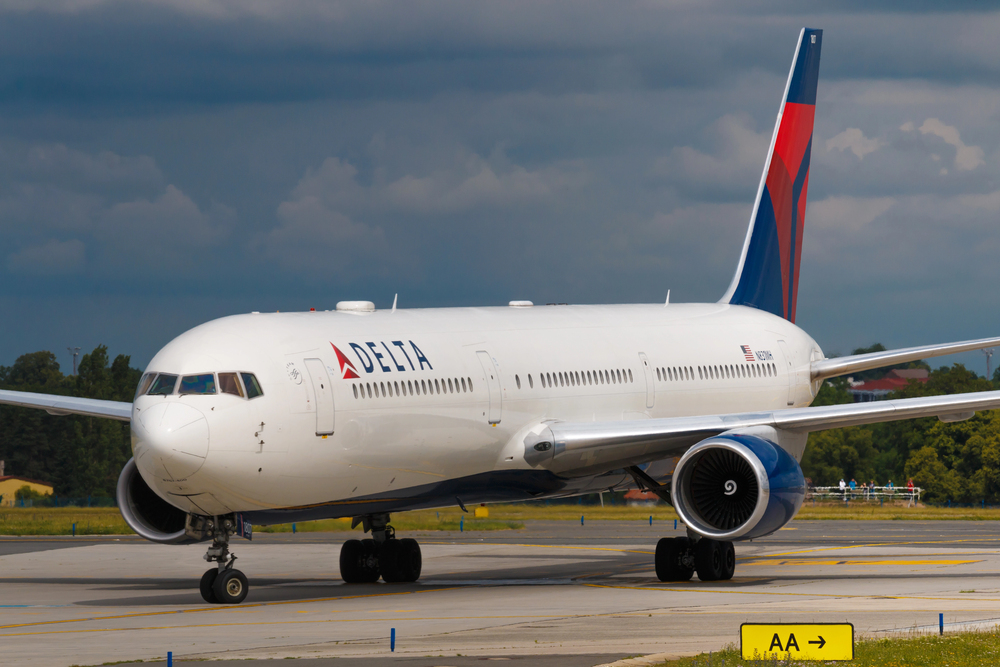
For the fourth year in a row, Delta took the crown in the Wall Street Journal’s 2024 airline scorecard.
This marks the seventh time in eight years that Delta has finished first, and it’s not a fluke.
The Atlanta-based carrier excels in nearly every category that matters.
Delta posted the highest rate of on-time arrivals among major carriers at over 83%, the only airline to exceed 80%.
The airline also had the lowest rate of involuntary bumping, with exactly one passenger bumped in all of 2024, down from three the year before.
Delta’s dominance extends beyond punctuality.
The carrier finished second for the fewest cancelled flights and extreme delays, handled baggage well, and kept customer complaints low.
Even after suffering a major IT outage in July 2024 that grounded thousands of flights for several days, Delta recovered quickly and maintained its top ranking.
That kind of operational consistency is rare in an industry where external factors can derail performance in an instant.
What really sets Delta apart is its focus on the premium travel experience.
The airline has invested heavily in business class products, with new Delta One Lounge facilities in New York, Los Angeles, and Boston that offer business-class-only access.
Delta’s route network is extensive, with strong international offerings and fortress hubs in Atlanta, Detroit, Minneapolis, and Salt Lake City.
The airline’s SkyMiles loyalty program, while not as generous as it once was, still offers solid value, and its partnership with American Express has made Delta credit cards ubiquitous.
Delta consistently outpaces rivals in profitability.
The carrier reported record operating revenues of $15.6 billion in the second quarter of 2025, with a 13.2% operating margin.
International revenue was up 2%, premium cabin revenue up 5%, and loyalty revenue up 8% year over year.
Those numbers reflect strong demand from business travelers and affluent leisure passengers who are willing to pay more for reliability and comfort.
Delta increased its dividend by 25% and maintained full-year earnings guidance even amid economic uncertainty.
The airline isn’t perfect.
Delta is typically the most expensive option, which prices out budget-conscious travelers.
Its SkyMiles program has been devalued over the years, frustrating frequent flyers who remember when points went further.
And despite Delta’s strong overall performance, individual passengers still experience delays, lost bags, and frustrating customer service interactions.
No airline is immune to operational hiccups.
Where We Stand Now
Never before has the difference between the top and worst US airlines been so obvious.
By demonstrating that investing in dependability and customer experience yields both loyalty and profitability, Delta continues to set the bar for operational excellence.
While United has made remarkable progress in catching up to its bigger competitors, Southwest and Alaska have established strong positions by remaining loyal to their respective identities.
Conversely, Frontier and Spirit continue to face the difficulties associated with ultra-low-cost business models that put price first.
Not only have the rankings changed in recent years, but so have the expectations of travelers.
Even at low fares, passengers are less likely to put up with subpar service, and airlines that are unable to provide basic dependability are losing market share and customer satisfaction ratings.
The carriers that are able to strike a balance between competence and affordability will prosper.
Those who don’t will continue to compete for the few remaining spots on the list.
More from Travel Pug

- Underrated Italian Towns That Beat the Tourist Crowds
- Las Vegas Tourist Traps to Skip
- Prettiest Towns in Every US State
- 18 passport-free countries for Americans
- Signs Your Cruise Is Not Worth The Cost
Like Travel Pug’s content? Follow us on MSN.