

Australia’s expensive.
There’s no dancing around it.
The place has earned its reputation as a budget killer, where a simple lunch can cost what feels like a week’s groceries back home and hostel beds run higher than decent hotels elsewhere.
Locals complain about it constantly.
But here’s the thing — thousands of broke backpackers manage to explore the country every year without selling organs or taking out loans.
The difference isn’t money.
It’s knowing which corners to cut and which expenses actually matter.
A typical Australia trip might run anywhere from $1,300–$3,000 per person for flights alone, with budget travelers scraping by on around $75 daily.
That’s hostel beds, cheap eats, and buses instead of taxis.
Nothing fancy, but enough to see kangaroos, swim at world-class beaches, and come home with stories worth telling.
Let’s break down how to actually pull this off.
Skip summer unless you hate your wallet
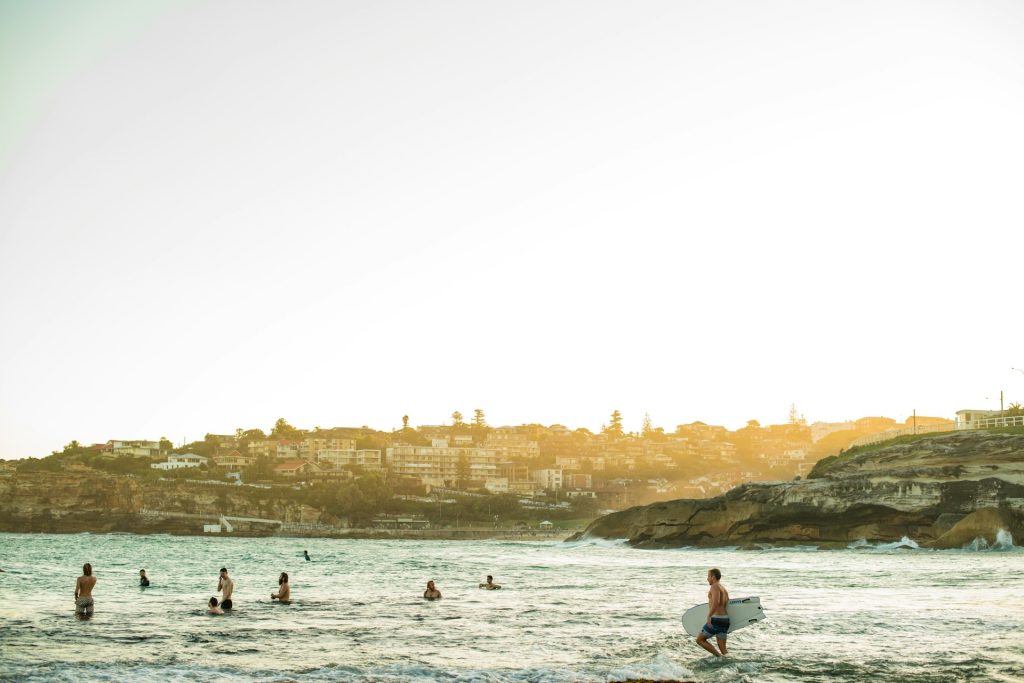
December through February is when Australia gets slammed with tourists, and prices spike accordingly.
Everyone wants summer beaches, which means hotels know they can charge whatever they want.
Spring and autumn, though? Completely different story.
September to November or March to May offer weather that’s still gorgeous — warm enough for the beach, cool enough for hiking — but without the crowds or the price tags that come with them.
The savings aren’t subtle either.
Accommodation drops 20%–40% outside peak season.
Tours have empty seats they’ll discount to fill.
Popular trails that require booking months ahead in summer suddenly have same-day availability.
Plus, there’s just more breathing room.
Bondi Beach without feeling like a sardine in a tin. Restaurant tables without hour-long waits.
Sometimes the best part of traveling off-peak isn’t even the money saved.
Fly into weird airports nobody thinks about
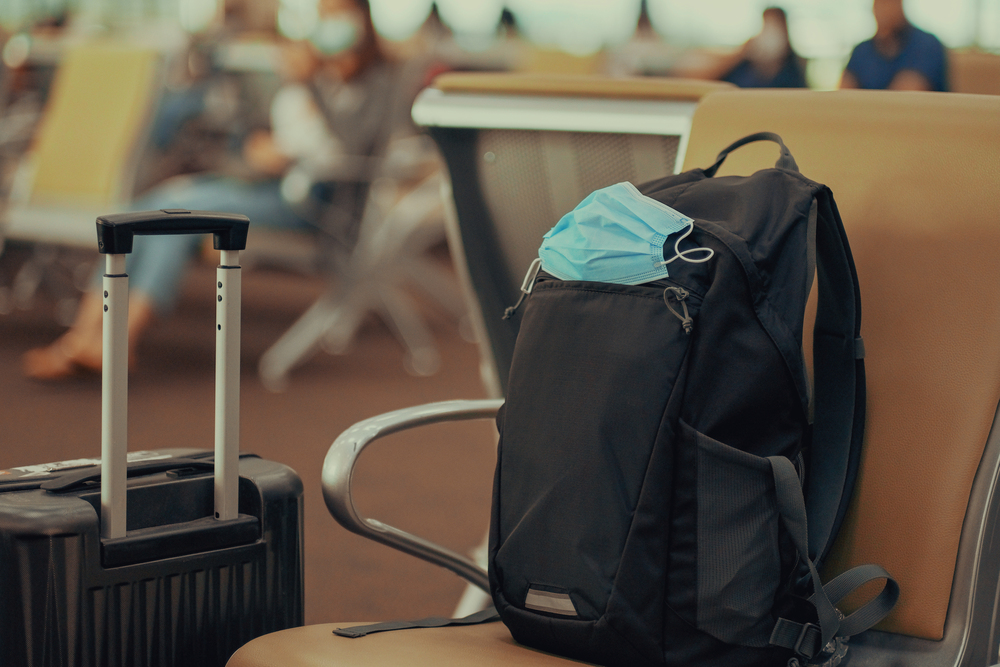
Melbourne has two airports.
Most people fly into Tullamarine because it’s the main one, but Avalon sits 15 miles away and usually costs way less.
Same deal with Brisbane and Gold Coast — they’re barely 50 miles apart, but the price difference can hit hundreds of dollars per ticket.
Those savings cover a lot of ground transport into the city, even with the extra hassle of a longer shuttle ride.
Bonza’s the new budget airline everyone should know about.
They’re doing domestic flights at roughly half what Qantas charges, though there’s a catch — you need their app to see fares.
Annoying? Sure.
Worth it when that $200 Sydney to Melbourne flight suddenly costs $100? Absolutely.
Just factor in that alternative airports might add an hour to travel time.
But when saving $150 per person, an extra hour seems like a pretty good trade.
Hostels aren’t what they used to be
Forget whatever mental image the word ‘hostel’ conjures up.
Modern Australian hostels can be genuinely nice — clean bathrooms, organized pub crawls, kitchens that don’t look like health code violations, and staff who actually give decent recommendations.
Dorm beds start around $20.
Private rooms run maybe $85 per person.
Compare that to budget hotels starting at $150, and the math gets real simple, real fast.
The private rooms are the secret weapon for couples or friends traveling together.
Shared bathroom, sure, but at $60–$80 per night total, that’s half what any hotel charges.
And those communal kitchens? Gold mines for the budget-conscious.
Cook your own meals and suddenly that $75 daily budget starts feeling almost comfortable.
Eat like you’re camping
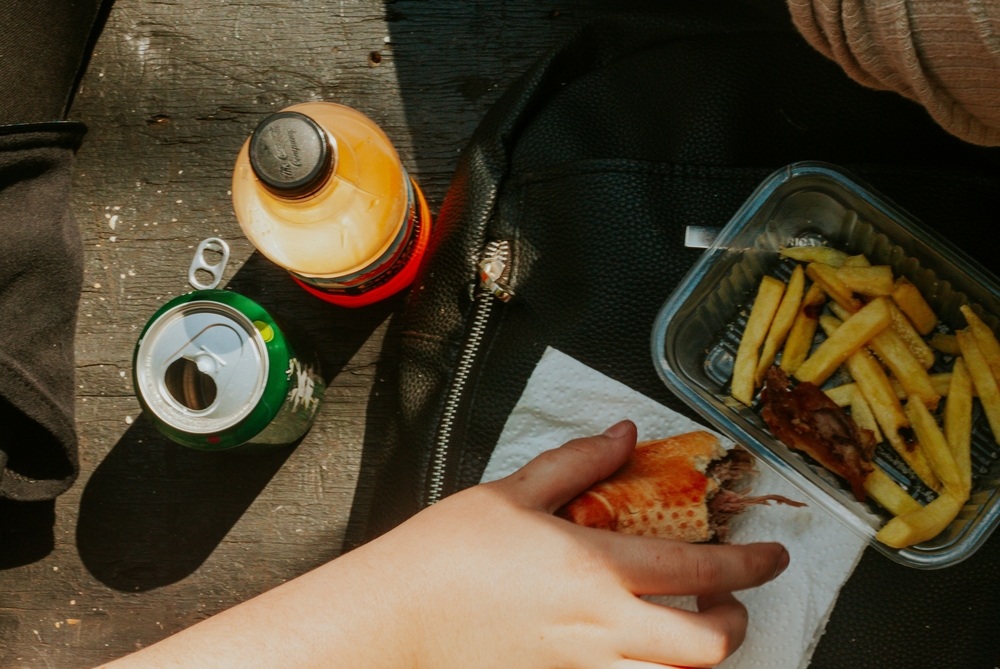
Restaurant meals in Australia hurt.
A basic, nothing-special lunch runs $15–$25. Nicer places hit $60–$80 easily. Even McDonald’s value meals cost around $15.
Three restaurant meals a day will drain a travel budget faster than just about anything else. But hostels and Airbnbs with kitchens change everything.
Aldi keeps prices low, Woolworths sits in the middle, and Coles is there if money’s less tight.
Street food and markets offer the best middle ground between cooking and restaurants.
Queen Victoria Market in Melbourne and Paddy’s Markets in Sydney serve up good food at prices that don’t sting.
Coastal towns have fish and chip shops where locals actually eat — always a good sign for both taste and value. Save the fancy restaurant meals for special occasions.
They mean more when they’re not happening every single day anyway.
Public transport is your friend
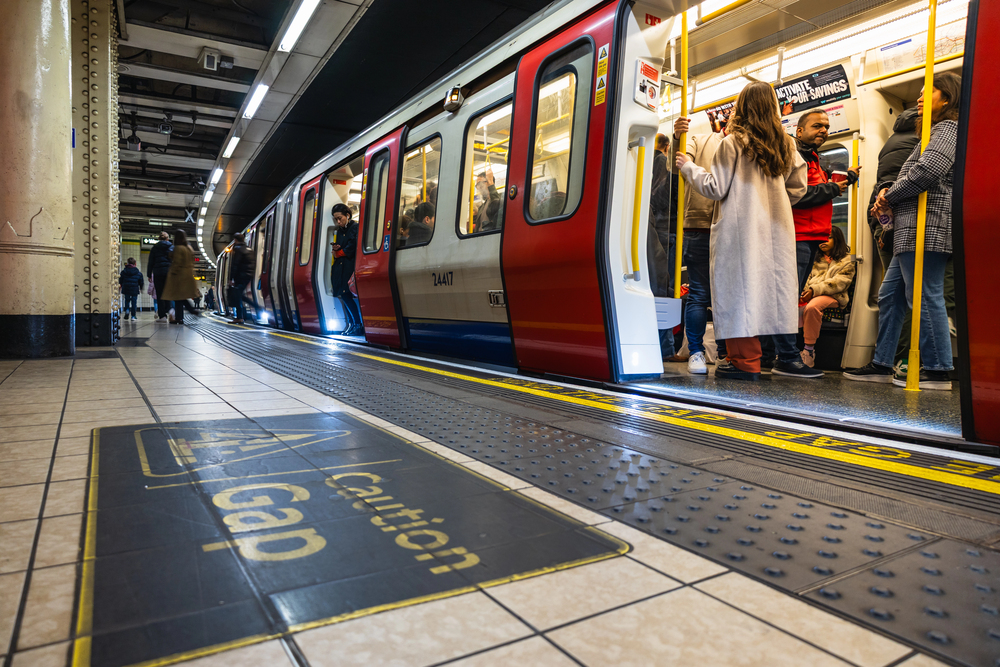
Australian cities ditched paper tickets for cards like Sydney’s Opal, which makes buses, trains, and trams both easy and cheap.
Daily spending caps mean unlimited trips once you hit a certain amount.
Taxis and Ubers cost a fortune by comparison. Four $40 cab rides equal $160 that could fund two more nights somewhere decent.
Walking is free and shows the city better than any car window view.
Australian cities feel safe enough to wander around on foot, and most major attractions sit within reasonable walking distance of each other.
Free city bikes or rental programs exist in most places for longer distances.
The money saved on transport adds up shockingly fast over even just a few days.
The best stuff is free anyway
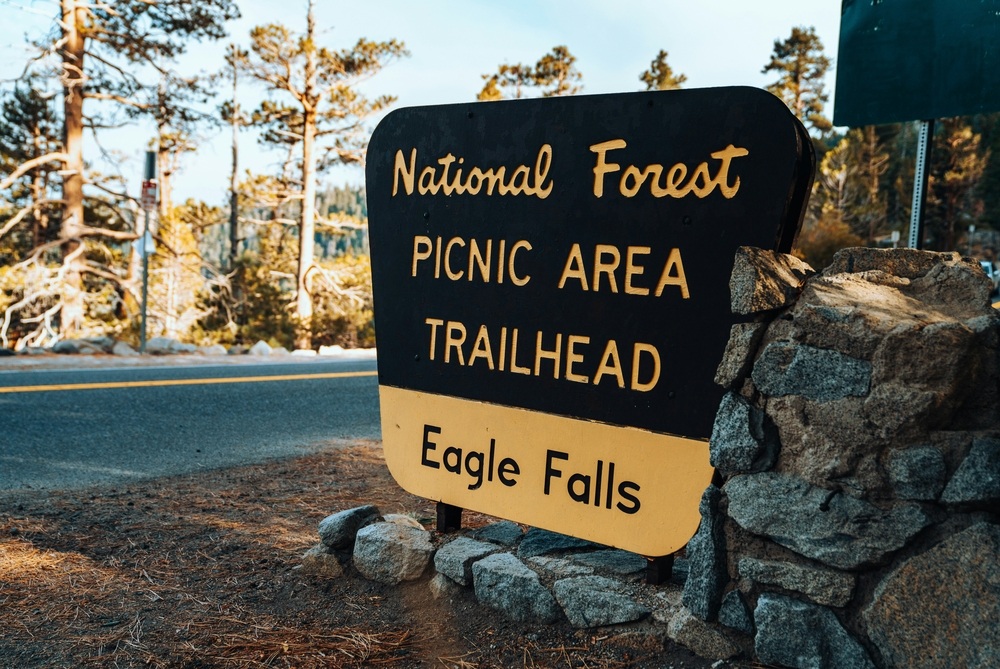
Australia’s biggest drawcard — the natural beauty — costs nothing. Beaches stretch endlessly along the coast, all public and free.
National parks charge maybe $8-12 entry, which is basically nothing compared to what some places charge.
Sydney’s Bondi to Coogee walk shows off stunning coastline without costing a cent.
Melbourne’s street art and laneways provide days of free entertainment.
Hiking trails exist everywhere, from Tasmania’s wilderness to Queensland’s rainforests.
The Great Ocean Road can be driven independently for just gas money instead of paying $150+ for a tour bus.
Byron Bay’s beaches and lighthouse walks cost nothing, even though tour operators charge to take people to the exact same spots.
There’s a pattern here — Australia’s absolute best experiences often cost the absolute least.
Try camping if you’re up for it
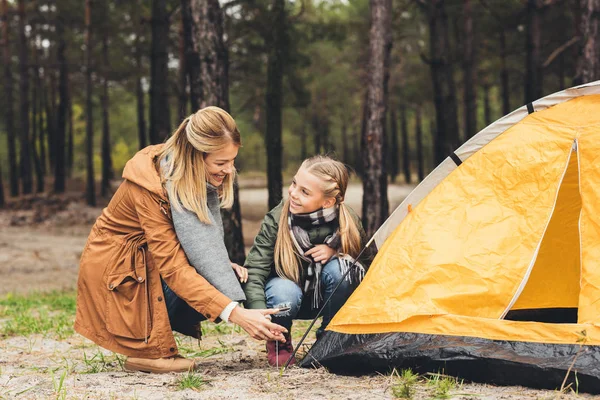
Camping puts travelers steps from beaches for $30-50 per night, which is less than half what budget hotels charge.
National park campgrounds drop even lower — sometimes just $15-20 per site.
Sure, it’s not for everyone, but the savings are massive, and some coastal campgrounds occupy locations hotels couldn’t dream of.
Campervans seem expensive upfront, but include both transport and accommodation.
Split between two or three people, the daily rate often beats separate hotel and car rental costs.
Freedom camping in designated areas costs literally nothing, though facilities are pretty basic.
Apps list free and cheap camping spots all over the country, creating networks of budget travelers sharing money-saving locations.
Book domestic flights like you mean it

Flying domestically in Australia often costs under $100 and takes an hour versus 12+ hours driving between major cities.
Jetstar and Bonza compete on price when booked ahead.
Early morning or late evening flights usually cost less than convenient midday departures.
Distance between Australian cities makes flying almost necessary for anyone on limited time.
But those with flexibility should check out buses instead.
Greyhound’s unlimited passes cover the entire country for $449 or just the East Coast for $309.
The pass makes sense for multiple stops, turning individual $100 fares into a single upfront cost that unlocks unlimited movement.
It’s slower than flying, obviously, but the scenery beats staring at clouds.
Work while traveling if possible
Working Holiday visas let travelers earn money while exploring.
Fruit picking, bar work, farm jobs — they all fund continued travel.
Work exchange platforms connect travelers with hosts offering free accommodation for a few hours of daily work.
Some hostels hire travelers for reception or cleaning, throwing in free beds and sometimes meals.
These setups extend budgets indefinitely while offering deeper experiences than typical tourism.
Working alongside Australians or living with local families provides perspectives no guidebook captures.
Trading a few work hours for free accommodation and cultural immersion seems like a pretty solid deal.
Stay away from obvious tourist traps
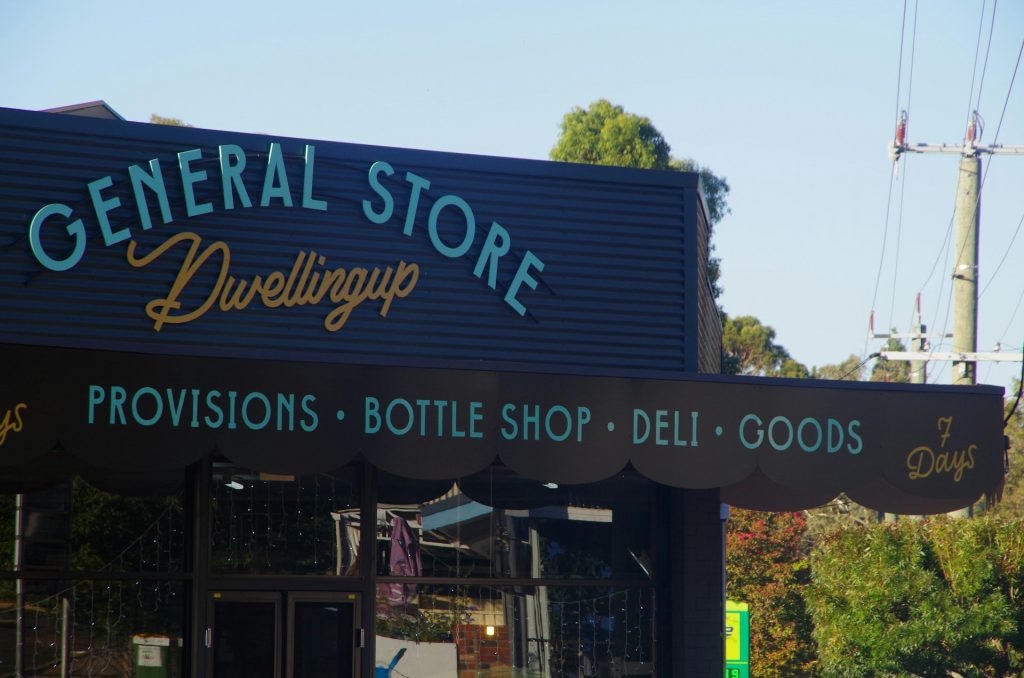
Hotels near Sydney Opera House charge double what the same room costs a few blocks away.
Gift shops in tourist zones sell souvenirs at markups that border on offensive.
Heavily promoted attractions often disappoint while emptying wallets.
It’s a tale as old as tourism itself.
Local neighborhoods away from tourist centers offer real experiences at real prices.
Suburbs surrounding major cities have restaurants where Australians actually eat, serving the same quality for half the cost.
Markets for residents rather than tourists provide better value on everything.
Walk away from tourist crowds and watch prices drop dramatically every single time.
Drink smart or don’t drink much
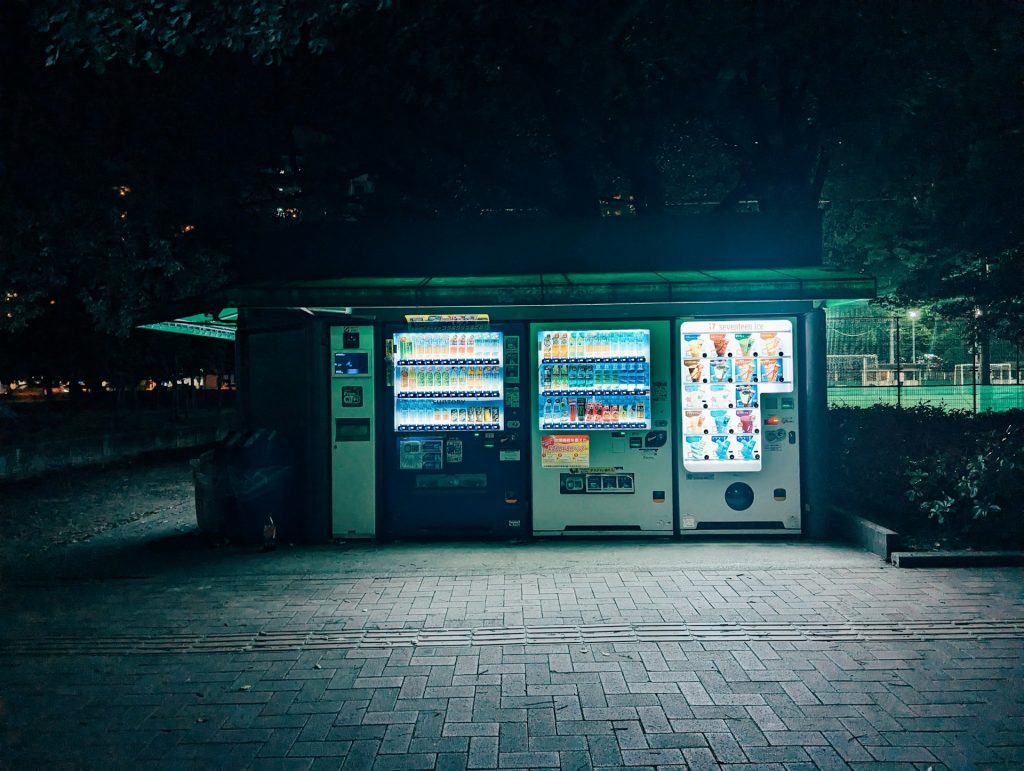
Beer costs around $10 in Australia, though happy hours and backpacker bars drop that by half.
Alcohol expenses can spiral out of control fast in a country with high liquor taxes.
The infamous “goon” — boxed wine loved by broke backpackers — offers maximum bang for minimum buck, though the hangovers are legendary for good reason.
Pre-drinking before going out, limiting rounds, or just drinking less all preserve budgets significantly.
Water’s free and prevents hangovers.
Australia’s café culture makes coffee the real social beverage anyway.
Those determined to drink should hit up bottle shops for take-home alcohol at supermarket prices rather than paying bar markups that make bar owners rich and travelers poor.
Stay longer in fewer places
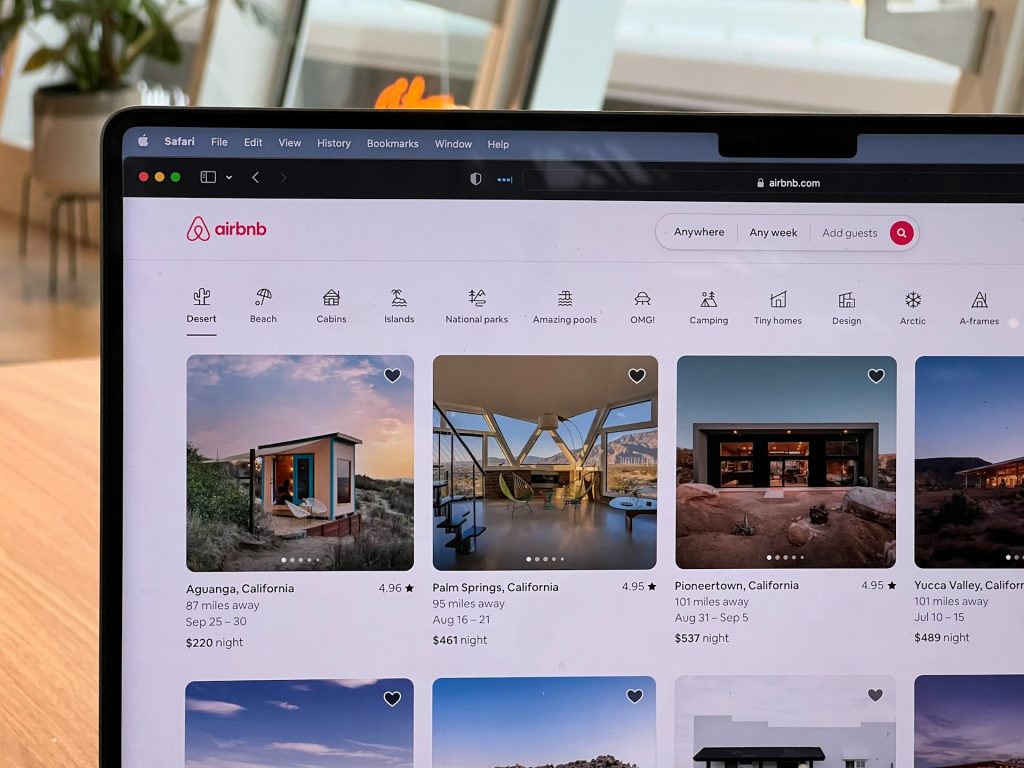
Airbnb monthly rates often run 40%–60% less than nightly rates, and hotels cut deals for longer stays when asked.
Staying put costs less per day than constantly moving.
Weekly or monthly rentals slash accommodation expenses while eliminating the exhausting cycle of constant packing and unpacking.
Longer stays also mean less transportation spending by cutting out frequent long-distance travel.
Getting to know one area deeply often beats racing through multiple destinations anyway.
Travelers become temporary locals, discovering neighborhood spots and rhythms that rushed tourists miss completely.
Sometimes slowing down saves money and improves the experience simultaneously.
Use whatever discount cards apply
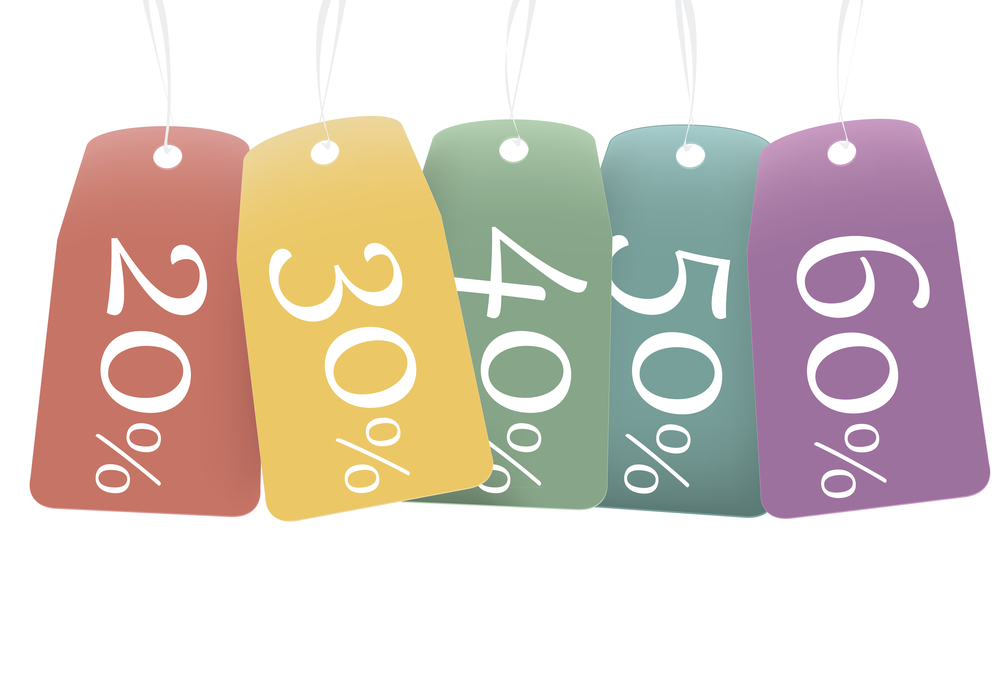
Supermarkets give out free rewards cards that actually save money at places like Woolworths, Coles, and IGA.
Student and youth cards provide discounts on attractions, transport, and accommodation for anyone who qualifies.
Seniors get similar benefits.
Entertainment book passes offer two-for-one deals that can pay for themselves after just a few uses.
Signing up for loyalty programs at grocery stores, booking platforms, and airlines takes five minutes but accumulates real savings.
Some hotel chains throw in free nights after a certain number of stays.
Credit card travel rewards offset future trips. The admin work seems tedious until these small savings compound into meaningful amounts.
Plan ahead but stay flexible

Google Flights and Skyscanner let travelers search flexible dates to find the cheapest options.
Booking during the off-season with flexible dates yields cheaper fares and fewer crowds.
Having a rough plan helps estimate costs and grab good advance deals, but staying flexible enough to adjust when better options pop up maximizes savings.
Last-minute accommodation deals through booking apps sometimes offer incredible rates on rooms that hotels want to fill at any price.
Flash sales on flights happen unexpectedly.
The weather might make staying somewhere longer more appealing than pushing on.
Rigid plans miss these opportunities while flexible travelers scoop them up regularly.
Why bother with all this
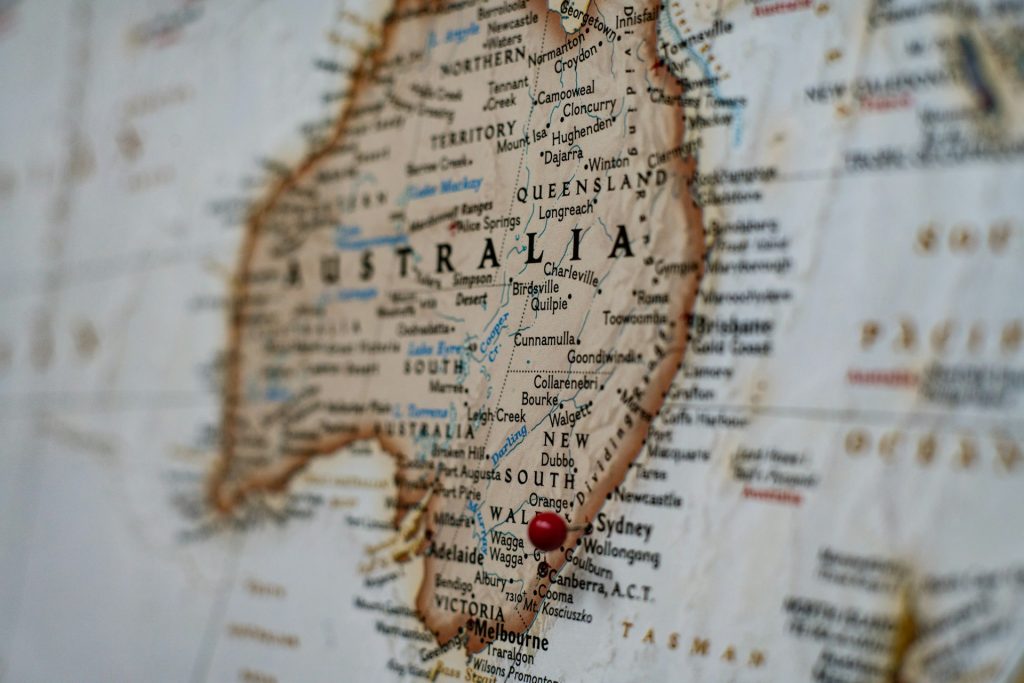
Australia offers incentives to people who can solve its pricing conundrums.
Something truly unique is created by the combination of beaches, wildlife, landscapes, and that distinctively Australian mindset.
Once they quit doing things the expensive way, many travelers discover that it is less expensive than they had anticipated.
What appears unaffordable becomes attainable with the initial planning and effort.
With strategy rather than rashness, one can access those sunset beaches, those strange marsupials, and that enormous sky over endless space.
The nation is waiting there.
The only thing to decide is whether to pay tourist rates or learn how locals and impoverished backpackers manage.
The distinction between those two strategies may result in an additional month of travel or an early return home.
Make an informed decision.
More from Travel Pug

- Underrated Italian Towns That Beat the Tourist Crowds
- Las Vegas Tourist Traps to Skip
- Prettiest Towns in Every US State
- 18 passport-free countries for Americans
- Signs Your Cruise Is Not Worth The Cost
Like Travel Pug’s content? Follow us on MSN.